


Introduction to Transformer Selection for Water Treatment Plants
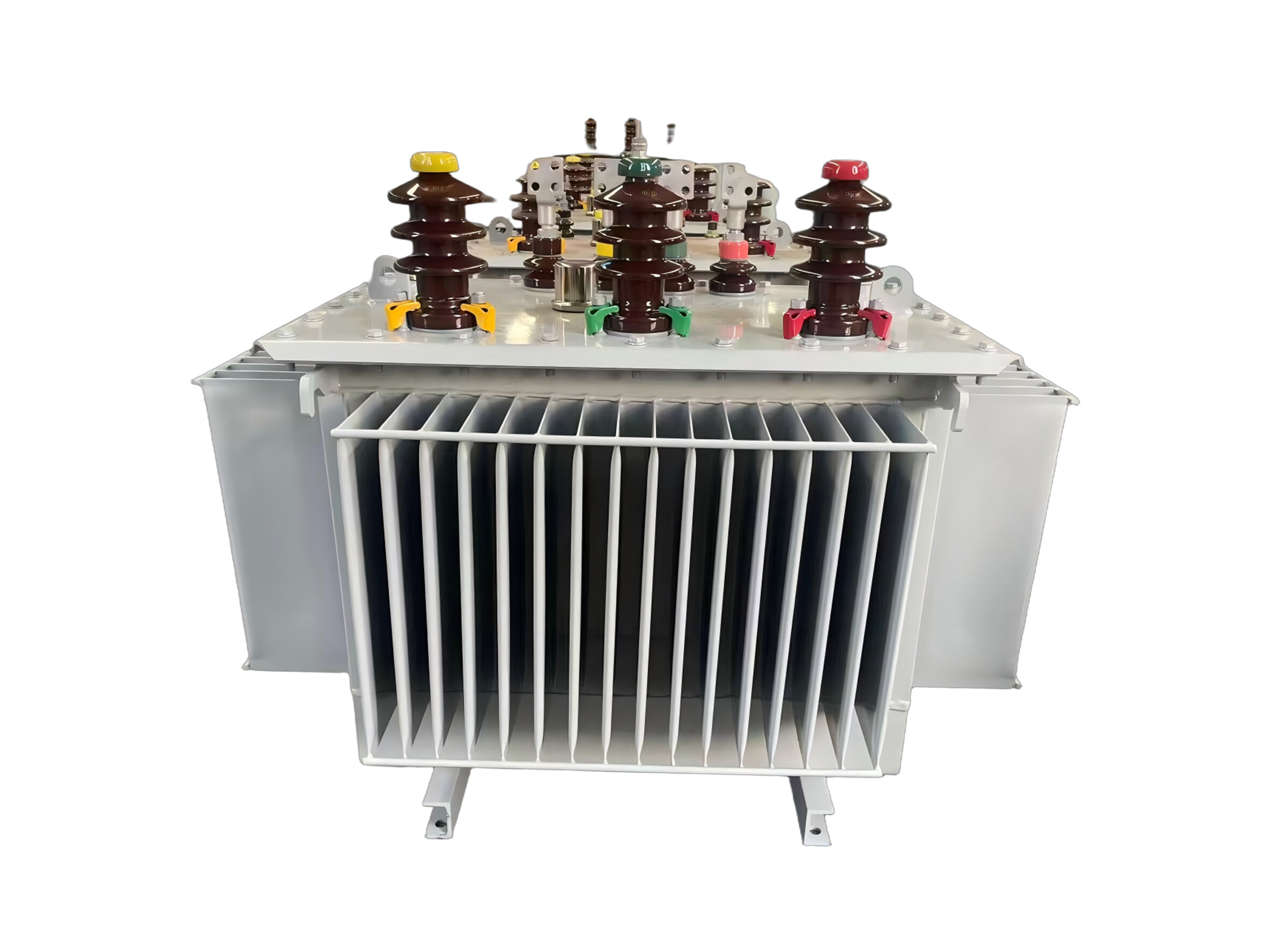
Water treatment facilities require robust power distribution systems to maintain uninterrupted operations. The choice between advanced S22 Series Oil-Immersed Power Transformers and conventional S13 models significantly impacts energy efficiency, maintenance costs, and operational reliability. This article provides a technical comparison to guide facility managers in optimizing their electrical infrastructure.
Key Performance Metrics Comparison
When evaluating transformers for water treatment applications, three critical parameters demand attention:
The S22's optimized core and coil structure, combined with advanced materials, delivers measurable improvements across all operational parameters. For facilities running 24/7, these efficiency gains translate to substantial energy savings over the transformer's 25+ year lifespan.
Water Treatment-Specific Advantages
Water treatment plants present unique challenges that make transformer selection particularly critical:
- Constant humidity and potential chemical exposure
- Vibration from pumping equipment
- Critical need for uninterrupted power
- Space constraints in treatment facilities
The S22 series addresses these challenges through:
Energy Efficiency Considerations
Water treatment plants typically consume 2-3% of municipal electricity budgets. The S22's superior efficiency can reduce this consumption by:
- 4-6% in small facilities (under 5 MGD capacity)
- 7-9% in medium plants (5-20 MGD)
- 10-12% in large installations (20+ MGD)
Total Cost of Ownership Analysis
While the S22 series carries a 15-20% higher initial cost than S13 models, the long-term savings are substantial:
For a typical 1,000 kVA transformer in continuous operation:
- Annual energy savings: $3,200-$4,800
- Reduced maintenance costs: $800-$1,200/year
- Payback period: 3.5-5 years
- 20-year net savings: $65,000-$90,000
Maintenance Requirements
The S22's advanced design reduces maintenance frequency from quarterly to semi-annual inspections, with:
- 50% fewer oil samples required
- 30% reduction in diagnostic testing
- Simplified bushing maintenance
Implementation Considerations
When upgrading to S22 transformers, facilities should:
- Conduct load analysis to right-size units
- Verify compatibility with existing switchgear
- Plan for 2-4 week lead time on new units
- Schedule installation during planned maintenance windows
Conclusion and Next Steps
For water treatment plants prioritizing energy efficiency, reliability, and long-term cost savings, the S22 series represents a significant advancement over standard transformers. The combination of reduced losses, enhanced durability, and lower maintenance requirements makes these units particularly suitable for demanding water treatment applications.
Facility managers considering an upgrade should evaluate their specific operational requirements and consult with transformer specialists to develop an optimized power distribution strategy. The initial investment in advanced transformer technology typically yields measurable returns within the first five years of operation.


") 5 Key Features to Look for in Urban Power Grid Transformers (S13 Series Focus)
5 Key Features to Look for in Urban Power Grid Transformers (S13 Series Focus) S22 Series vs. Standard Transformers: Which Performs Better in Water Treatment Plants?
 How to Choose Between S13 and S22 Oil-Immersed Transformers for Your Needs
 Avoiding Common Mistakes When Installing S22 Transformers in Treatment Plants
 S13 Series Transformers: The Smart Choice for Dense Urban Areas
 Maintenance Tips for SCB13 Dry-Type Transformers in Dusty Environments
GET A FREE QUOTE
We offer reliable products, competitive prices, and nationwide professional support, committed to providing customers with efficient and energy-saving power equipment solutions.