


A lower S20 transformer quotation does not necessarily mean a lower delivered cost. An EXW price leaves most transport and customs arrangements with the buyer, while a DDP price includes delivery and import clearance to a named destination. Comparing those figures directly can reward the quotation that excludes the most work rather than the one that offers the best commercial value.
The critical distinction is between who pays for transport and where transit risk transfers. Under CIF, for example, the seller pays freight and provides insurance to the named destination port, but risk transfers when the transformer is loaded on board the vessel at the shipment port—not when it arrives. A meaningful comparison therefore needs a common delivery endpoint, equivalent equipment specifications, and an explicit allocation of charges.
What the delivery term actually changes
Every quotation should state the delivery rule, the precise named place or port, and the applicable edition, such as “Incoterms® 2020.” “FOB China” or “DDP project site” without a specific location leaves important cost assumptions unresolved.
FOB and CIF apply only to sea or inland waterway transport. For containerized transformers handed to a carrier at a terminal before vessel loading, FCA can provide a clearer handover point than FOB. Under FCA at the seller’s premises, the seller loads the collecting vehicle and handles export clearance—an important difference from EXW.
Delivery rules do not determine ownership transfer, payment milestones, acceptance criteria, or warranty coverage. Those provisions need separate contract language. Paying a balance before shipment, for instance, does not change the risk-transfer point established by the agreed delivery rule.
Transformer shipping details can outweigh the apparent price difference
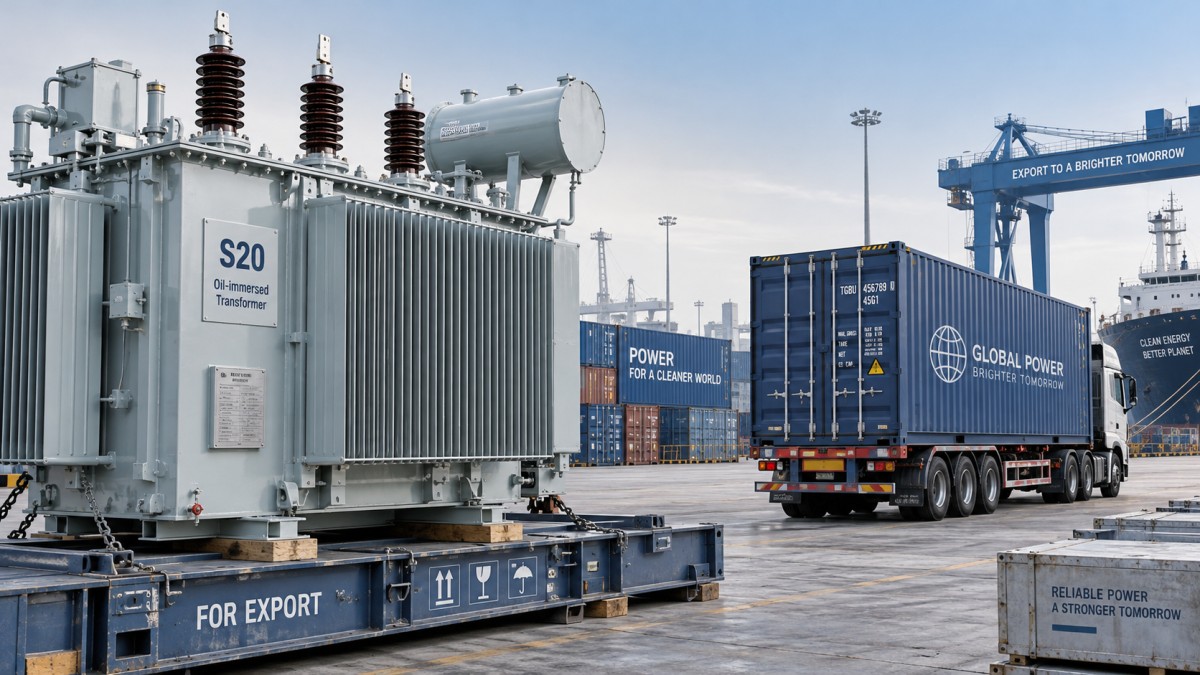
An S20 designation is not enough to calculate freight. The logistics basis must include rated capacity, packed dimensions, gross shipping weight, package count, and shipping configuration. Confirm whether the transformer travels filled with insulating oil and whether radiators, bushings, conservators, or other accessories are attached or packed separately, where applicable.
These details influence container selection, lifting arrangements, route access, and destination handling. A freight allowance based on an estimated weight can become inadequate once final packing is confirmed. Quotations should identify whether freight is firm for the declared cargo or subject to adjustment after final dimensions and weights are issued.
Export packing also needs a defined scope. The delivery term does not establish the required level of moisture protection, component bracing, corrosion protection, or impact monitoring. Specify packing suitable for the agreed transport route, together with lifting points and handling instructions. Where solid-wood packaging is used, applicable destination phytosanitary requirements should be addressed.
The presence of insulating oil alone does not establish a universal dangerous-goods classification. Transport acceptance should be confirmed using the actual oil documentation, cargo configuration, and carrier requirements. An unresolved classification or documentation issue can delay booking even when the transformer itself is ready.
Convert each offer to the same delivered-cost basis
A useful comparison endpoint is “delivered to the site, ready for unloading,” with unloading priced separately. This exposes the difference between arrival at a port and arrival at the location where the equipment will be installed.
Comparable delivered cost = quoted amount + excluded transport and handling + excluded insurance + customs and border costs + destination delivery + identified contingency.
Only add items that the quotation excludes. For CIF, adding sea freight again would double-count it; assuming destination terminal charges are included without checking the carriage scope could understate the budget.
Consider illustrative figures, not market prices: an EXW offer of USD 30,000 needs USD 1,200 for collection and export arrangements, USD 2,300 for freight and insurance, USD 900 for destination handling, and USD 1,600 for site delivery. Its comparable cost is USD 36,000 before import duties and taxes. A CIF offer of USD 33,700, with the same USD 900 destination handling and USD 1,600 inland delivery, reaches USD 36,200 on that basis. The apparent USD 3,700 equipment-price difference has narrowed to USD 200.
Import duties and taxes must then be assessed using the destination’s classification, origin, and customs-valuation rules. Separate recoverable import tax from irrecoverable cost while still recognizing its cash-flow effect. Under DDP, obtain clarity on the importer of record and tax documentation; a tax amount included in the seller’s price does not automatically give the buyer a recoverable tax credit.
Technical scope must also remain constant. If an alternative quotation introduces S22 Series Oil-Immersed Power Transformers, compare it separately unless capacity, voltage ratio, guaranteed losses, accessories, and testing requirements have been reconciled. A different transformer design and a different delivery basis are two independent price variables, not a single commercial saving.
CIF insurance and DDP pricing need closer examination
CIF under Incoterms® 2020 requires a minimum level of cargo insurance, generally corresponding to Institute Cargo Clauses (C) or similar cover. That is not equivalent to comprehensive protection against every handling incident. Check the policy’s covered risks, exclusions, deductible, insured value, and geographical limits, particularly where heavy equipment passes through several handling stages.
The period after discharge also matters. If the buyer arranges the final truck journey, insurance should connect with the relevant risk period rather than leave a gap between port storage and site arrival. The contract should establish inspection, notification, and evidence requirements for transport damage, including who retains packing and handling records. Cargo insurance should not be confused with the manufacturer’s product warranty.
DDP can make budgeting simpler, but its reliability depends on the seller’s ability to complete import clearance lawfully in the destination country. Confirm the import arrangement before accepting an all-inclusive figure. Where the seller cannot fulfil that obligation, DAP with buyer-managed import clearance may be more workable.
Site delivery also needs practical boundaries. DDP does not require the seller to unload the transformer. Crane hire, positioning on foundations, installation, and commissioning should be expressly priced if required. Restricted access, delivery appointments, vehicle waiting time, and failed delivery attempts need an agreed allocation rather than an assumption that “door-to-door” covers everything.
Make the logistics price enforceable, not merely comparable
A freight-inclusive quotation needs a validity period aligned with the expected shipment date. Ask whether the price remains firm if production finishes later, whether transport surcharges can be passed through, and what evidence supports an adjustment. Distinguish factory readiness from vessel departure and site arrival; a promised manufacturing lead time is not a delivered-date commitment.
Destination storage, demurrage, and container detention deserve explicit treatment. Establish who supplies clearance documents, when they must be available, what free time is included, and who bears charges caused by late documents or delayed collection. These responsibilities affect the budget even when the base freight is fixed.
The strongest quotation is one that makes every material cost traceable to a defined obligation. Before award, settle the named delivery point, final packing basis, included charges, insurance scope, customs responsibilities, unloading arrangements, and price-adjustment rules. Once those boundaries are clear, the S20 equipment price becomes a usable basis for negotiation rather than an incomplete estimate of the purchase cost.



 How to verify the temperature-rise test of an SCB12 dry-type transformer
 Distribution transformer maintenance tips for spotting oil leaks
 What dissolved gas analysis reveals about an oil-immersed transformer
 Why an oil-cooled transformer overheats despite a normal oil level
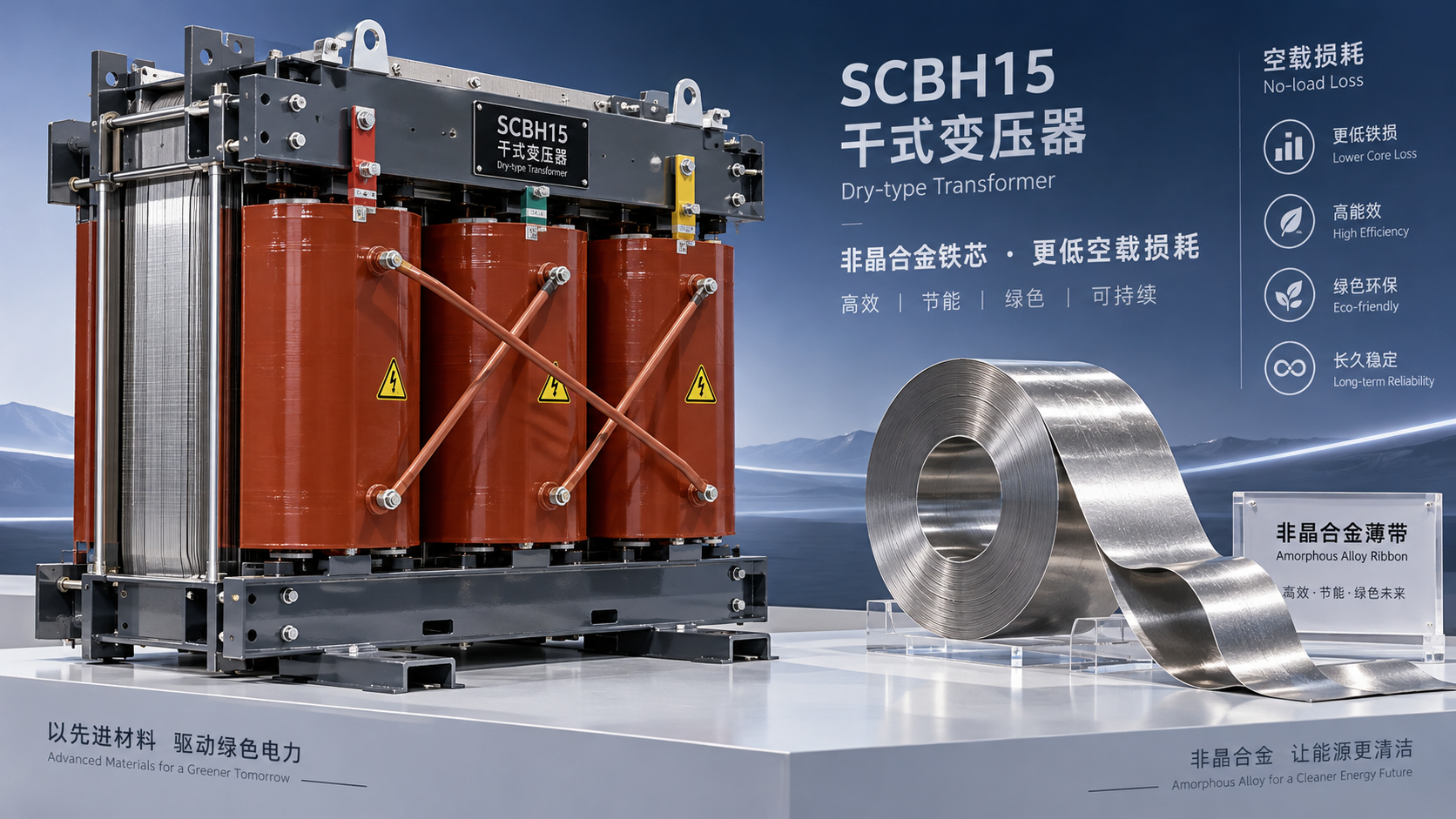
 How the amorphous core affects SCBH15 dry-type transformer losses
 Sizing S13 oil-immersed transformers for variable wind farm output


GET A FREE QUOTE
We offer reliable products, competitive prices, and nationwide professional support, committed to providing customers with efficient and energy-saving power equipment solutions.