


When a pad-mounted transformer sits unattended at the edge of a city park, beside a school drop-off zone, or tucked into a residential sidewalk easement, its physical presence is quiet—but its safety implications are anything but. For quality control and safety managers in municipal utilities, distribution cooperatives, or infrastructure contractors, this isn’t just equipment—it’s a responsibility measured in milliamps, mechanical tolerances, and real-world consequences.
Ground fault detection thresholds and tamper-resistant locking aren’t checklist items. They’re the first and last lines of defense between routine operation and catastrophic failure—between compliance and liability, between reliability and reputational risk. And yet, many installations still rely on legacy configurations where trip sensitivity drifts over time, or where lock mechanisms yield to improvised tools after only minutes of determined effort.
Let’s start with ground fault detection—not as an abstract spec sheet value, but as a calibrated response to real-world conditions. In public utility environments, soil resistivity varies widely: clay-rich urban lots behave differently than sandy coastal backfills; seasonal moisture shifts alter grounding impedance by 30% or more. A fixed 1 A threshold may miss high-impedance faults in dry conditions—or nuisance-trip during monsoon runoff. That’s why adjustable sensitivity (500 mA to 5 A) isn’t a luxury—it’s operational necessity. More importantly, it must be factory-calibrated *and* field-verifiable, with traceable documentation aligned to IEC 61850-10 and IEEE C37.90.2 standards—not just “tested at shipment” but validated under simulated fault injection scenarios that replicate arc-flash dynamics and capacitive coupling effects common in buried-cable feeders.
Then there’s the lock—not the kind you’d find on a storage shed, but one engineered to withstand deliberate, sustained intrusion. UL 3111 certification matters because it tests not just static shear strength, but dynamic resistance: repeated impact, torsional stress, pick-and-drill attempts using commercially available tools. Dual-point anti-tamper locks—where both hinge and latch points require simultaneous manipulation—cut unauthorized access time from seconds to minutes… and minutes are enough for patrol response or remote alarm escalation. Crucially, these mechanisms must integrate seamlessly with the enclosure’s thermal expansion profile and corrosion resistance—no point installing a hardened lock if the mounting plate warps in summer heat or corrodes beneath coastal salt spray.
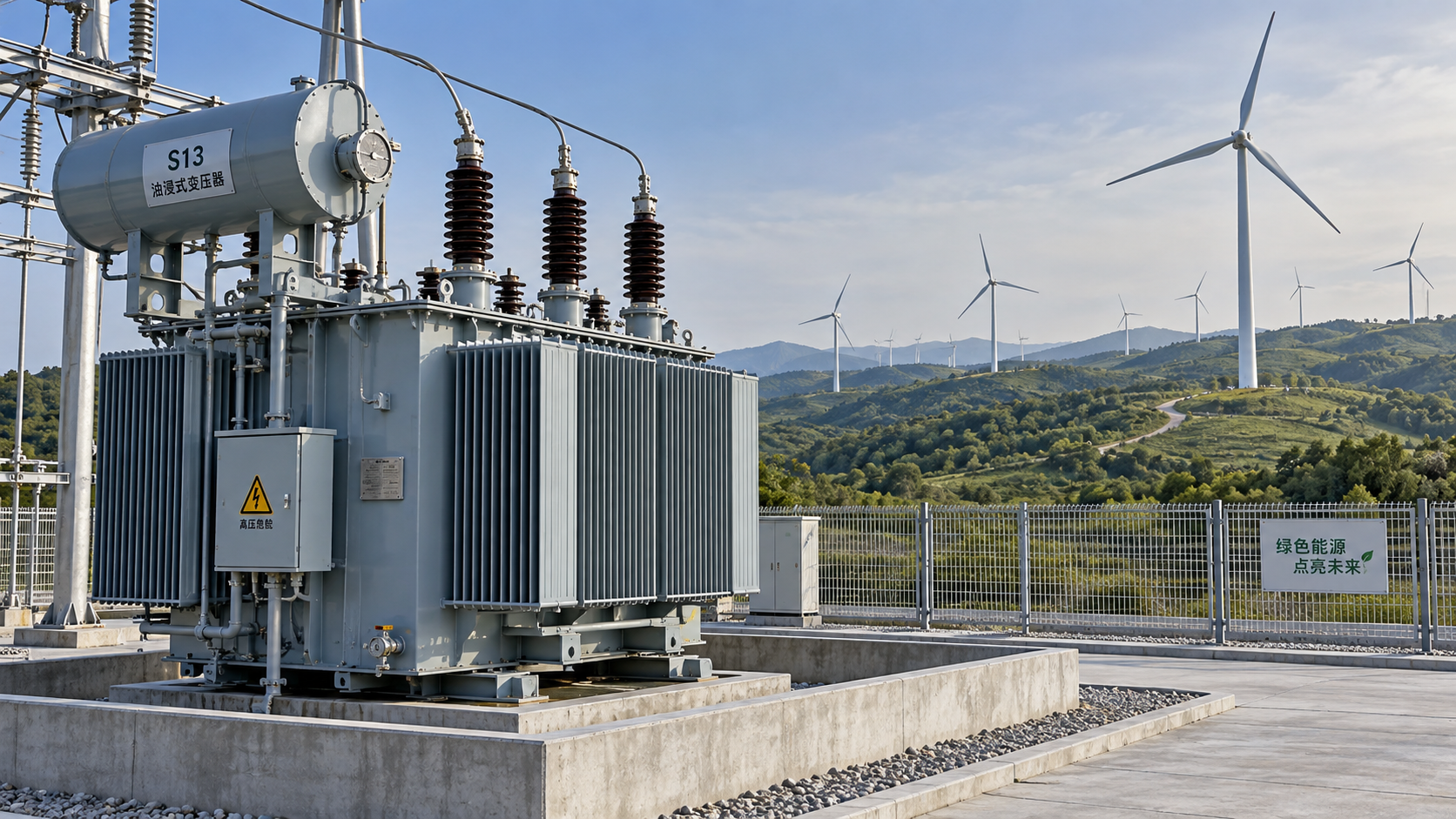
This level of integration doesn’t happen by retrofitting. It starts at design: core geometry influencing magnetic leakage paths near grounding conductors; tank sealing integrity affecting moisture ingress into relay compartments; even oil formulation in oil-immersed units impacting dielectric stability during transient overvoltages that precede ground faults. At Jiangsu Shengda Power Equipment Co., Ltd., safety isn’t layered on—it’s woven in. Every S13 Series Oil-Immersed Power Transformer ships with a ground-fault relay pre-set to 1 A ±5%, verified across three load points and two ambient temperatures (−25°C and +40°C), and includes dual-point stainless-steel interlocks rated for 100,000 operational cycles without performance degradation.
Why the S13 series specifically? Not because it’s the newest model—but because its design maturity delivers predictability. With no-load loss reduced by an average of 20% versus prior generations, thermal cycling is less aggressive. That means fewer microfractures in insulation systems, lower risk of partial discharge buildup near neutral grounding points, and more stable relay reference voltages over time. Noise reduction—also ~20% below JB/T10088-2016 limits—reflects tighter core clamping and optimized coil winding tension, which directly correlates with mechanical resilience during seismic events or nearby construction vibration. These aren’t “efficiency wins”—they’re silent contributors to long-term fault-detection fidelity.
But calibration and construction mean little without verification discipline. Too often, safety protocols stop at installation. Yet ground resistance degrades. Relay drift accumulates. Lock hardware loosens. A robust protocol demands quarterly visual inspection *plus* biannual functional testing: injecting known fault currents (not just continuity checks), verifying trip timing against manufacturer specs *under load*, and auditing lock torque retention per ISO 16047. We’ve seen cases where relays passed bench tests but failed field validation—because cable shielding induced false zero-sequence currents the lab environment couldn’t replicate. Context matters.
There’s also a human factor rarely discussed: the tension between accessibility and security. Maintenance crews need rapid access during outages—but not at the cost of exposing live components to unauthorized personnel. That’s why Shengda’s pad-mounted units use sequential access logic: primary lock release permits outer door opening (dead-front busbar access only), while secondary release—requiring a separate tool and documented authorization—is needed for internal relay or tap-changer compartments. It’s not about making service harder; it’s about making *unsafe shortcuts* physically impossible.
Compliance isn’t just about ticking boxes against GB/T6451-2008 or ISO9001. It’s about understanding how those standards translate into behavior: how a 4.5% short-circuit impedance affects fault-current magnitude during a downed line event; how Yyn0 vs. Dyn11 vector groups influence zero-sequence current flow in multi-transformer banks; how amorphous alloy cores—while excellent for loss reduction—require different thermal monitoring strategies due to lower Curie temperatures. Every specification echoes in the field.
So when you’re reviewing specifications for your next batch of pad-mounted transformers, ask beyond the datasheet. Ask how the ground-fault relay handles harmonic distortion from nearby EV chargers. Ask whether lock torque values are rechecked after six months of thermal cycling. Ask how the manufacturer validates relay stability across voltage sags and swells—not just steady-state conditions. Because safety isn’t defined by what works in ideal labs. It’s proven where cables meet pavement, where kids ride bikes past enclosures, and where rain, rust, and time test every assumption built into the design.
At its core, pad-mounted transformer safety is about humility: acknowledging that electricity doesn’t negotiate, soil changes, tools evolve, and standards shift. The strongest protocols don’t assume perfection—they expect variation, plan for drift, and build redundancy where it counts most. That’s not just engineering. It’s stewardship.



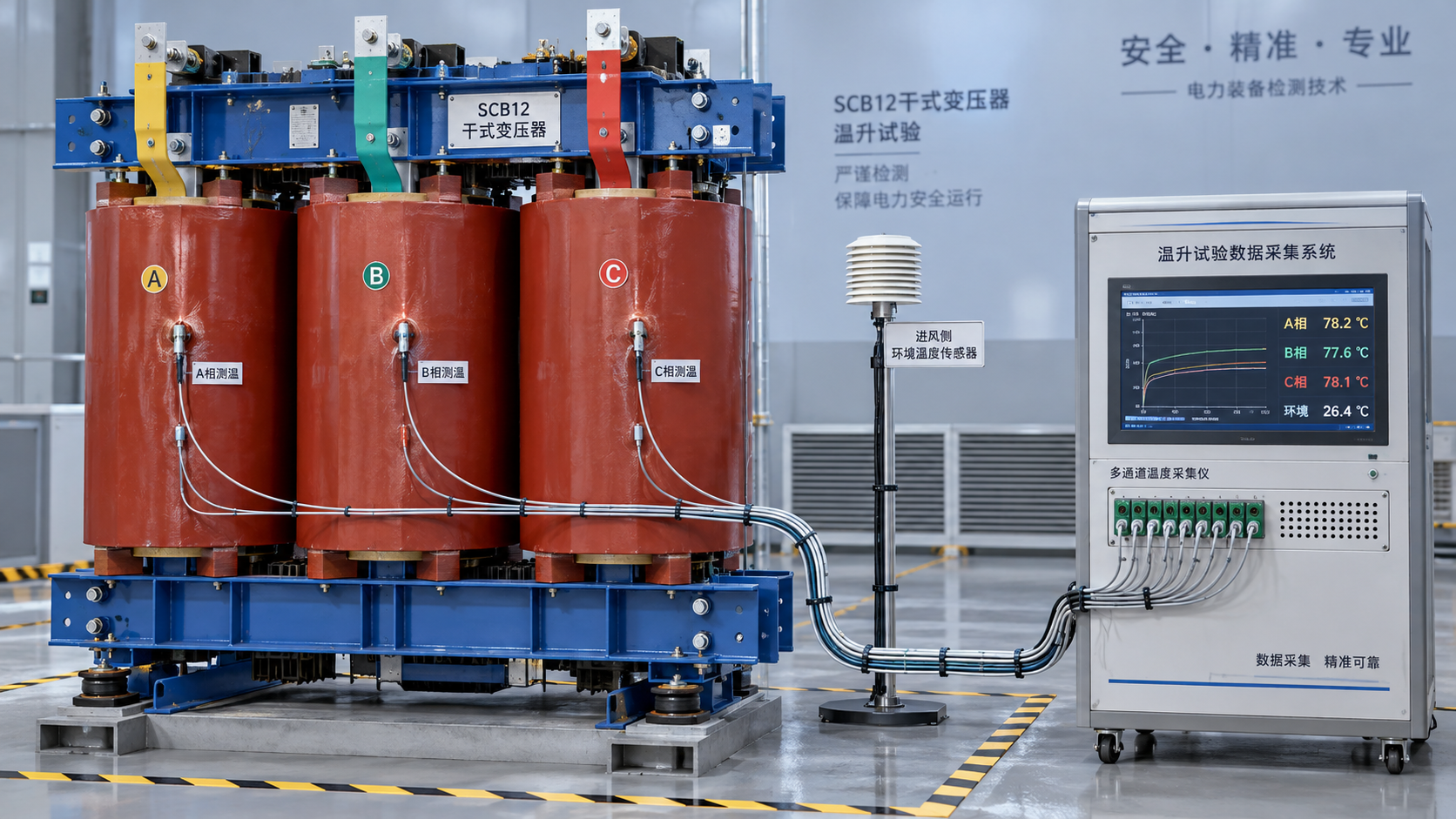
 How to verify the temperature-rise test of an SCB12 dry-type transformer
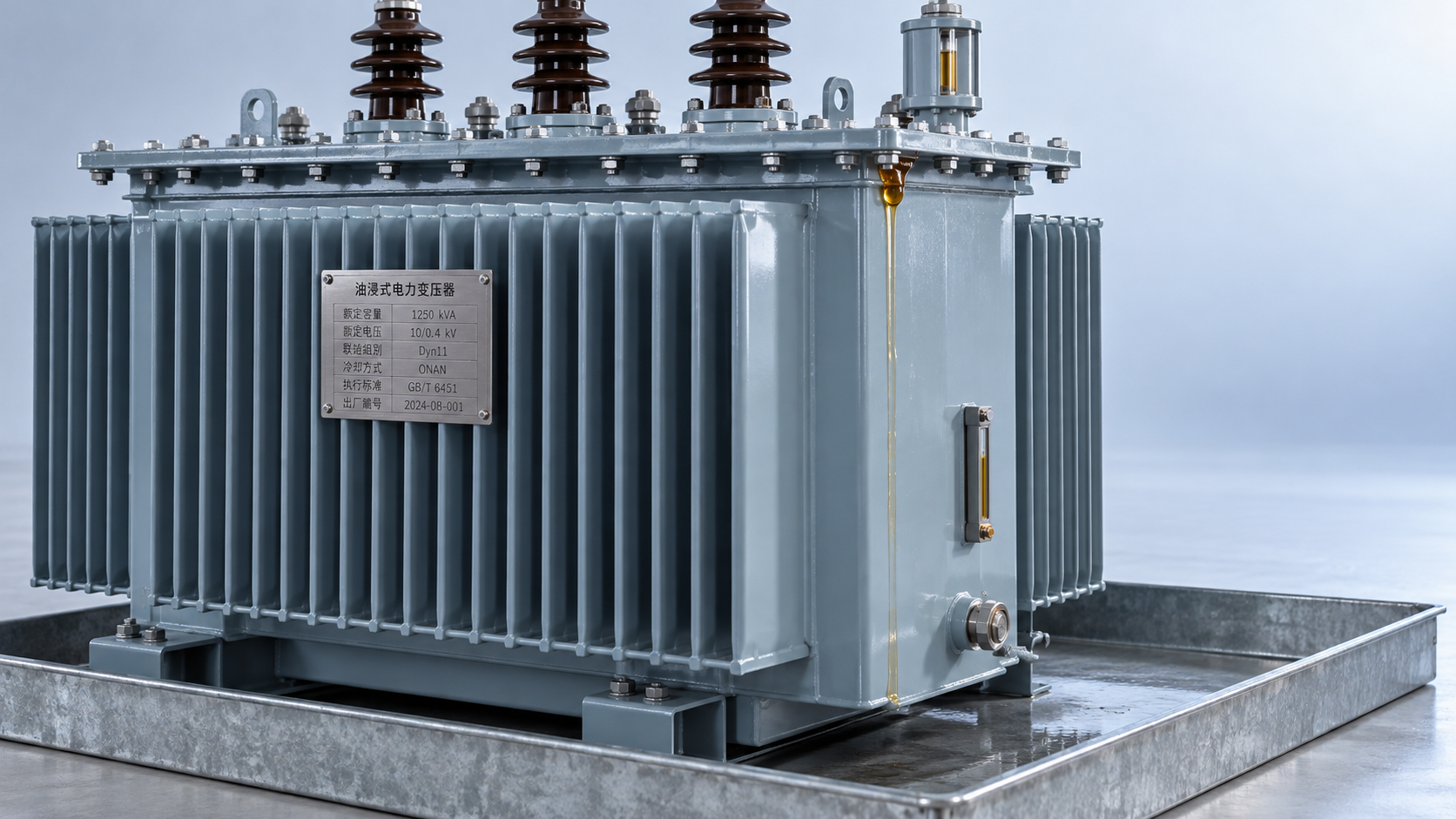
 Distribution transformer maintenance tips for spotting oil leaks
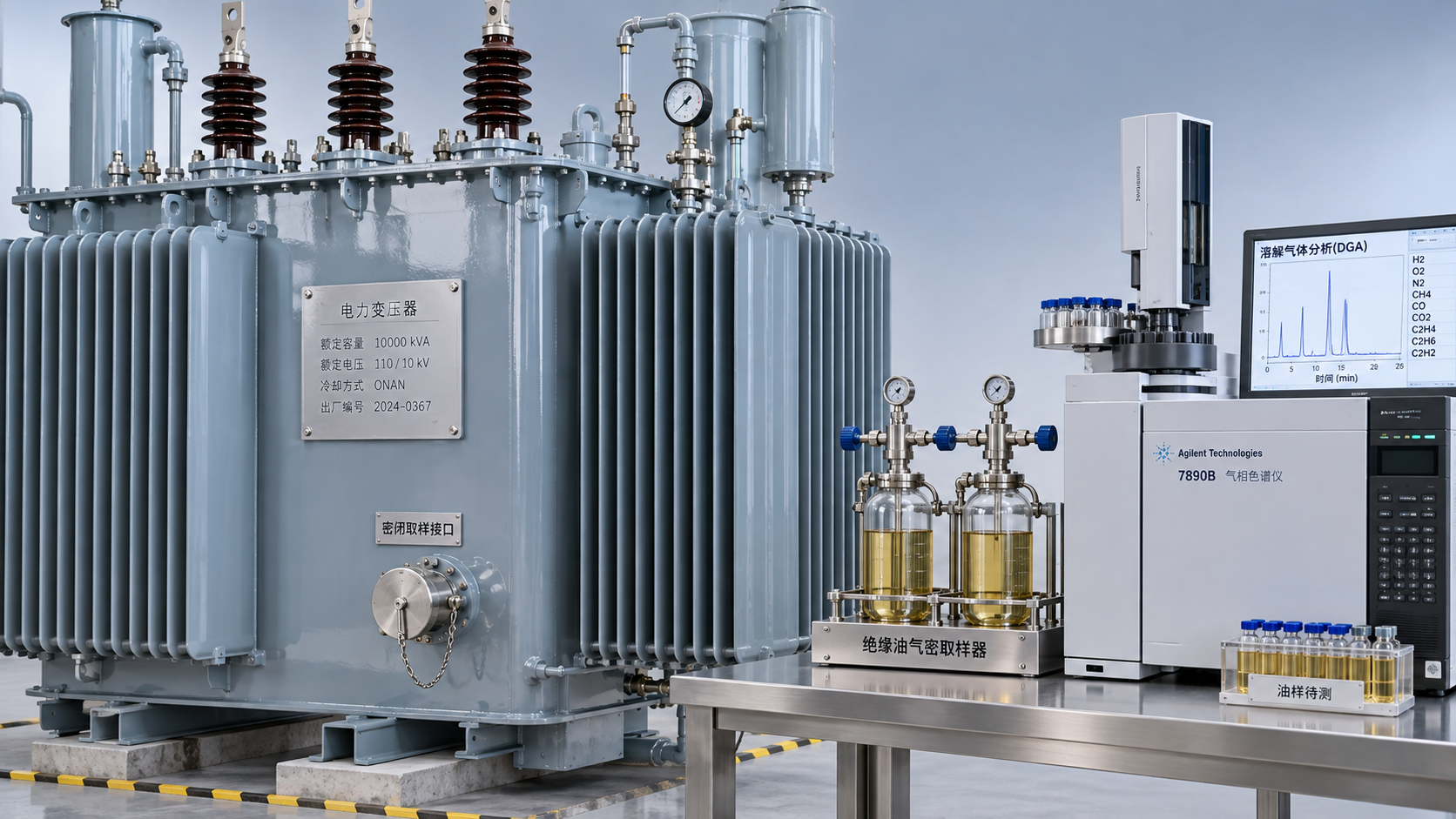
 What dissolved gas analysis reveals about an oil-immersed transformer
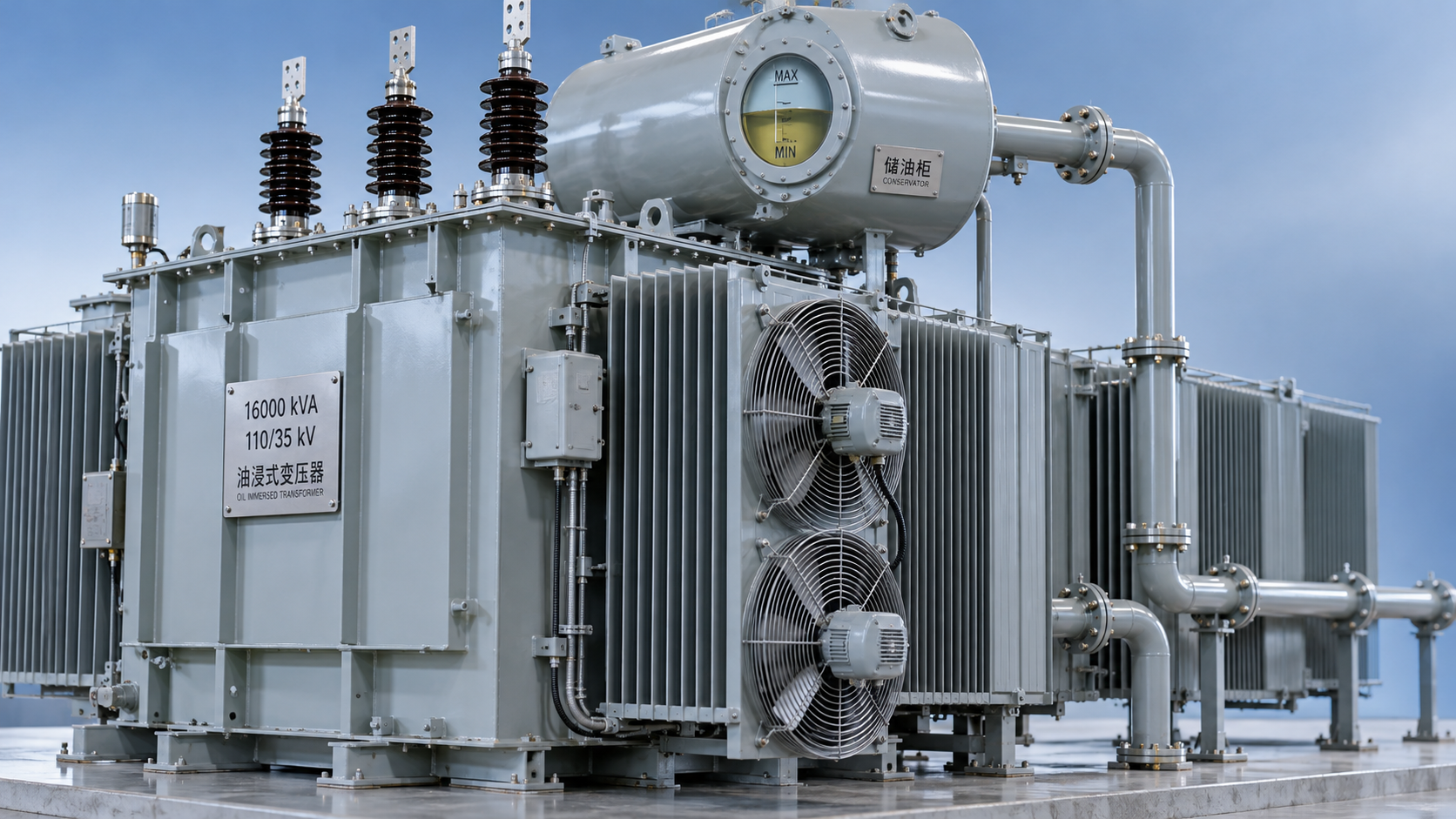
 Why an oil-cooled transformer overheats despite a normal oil level
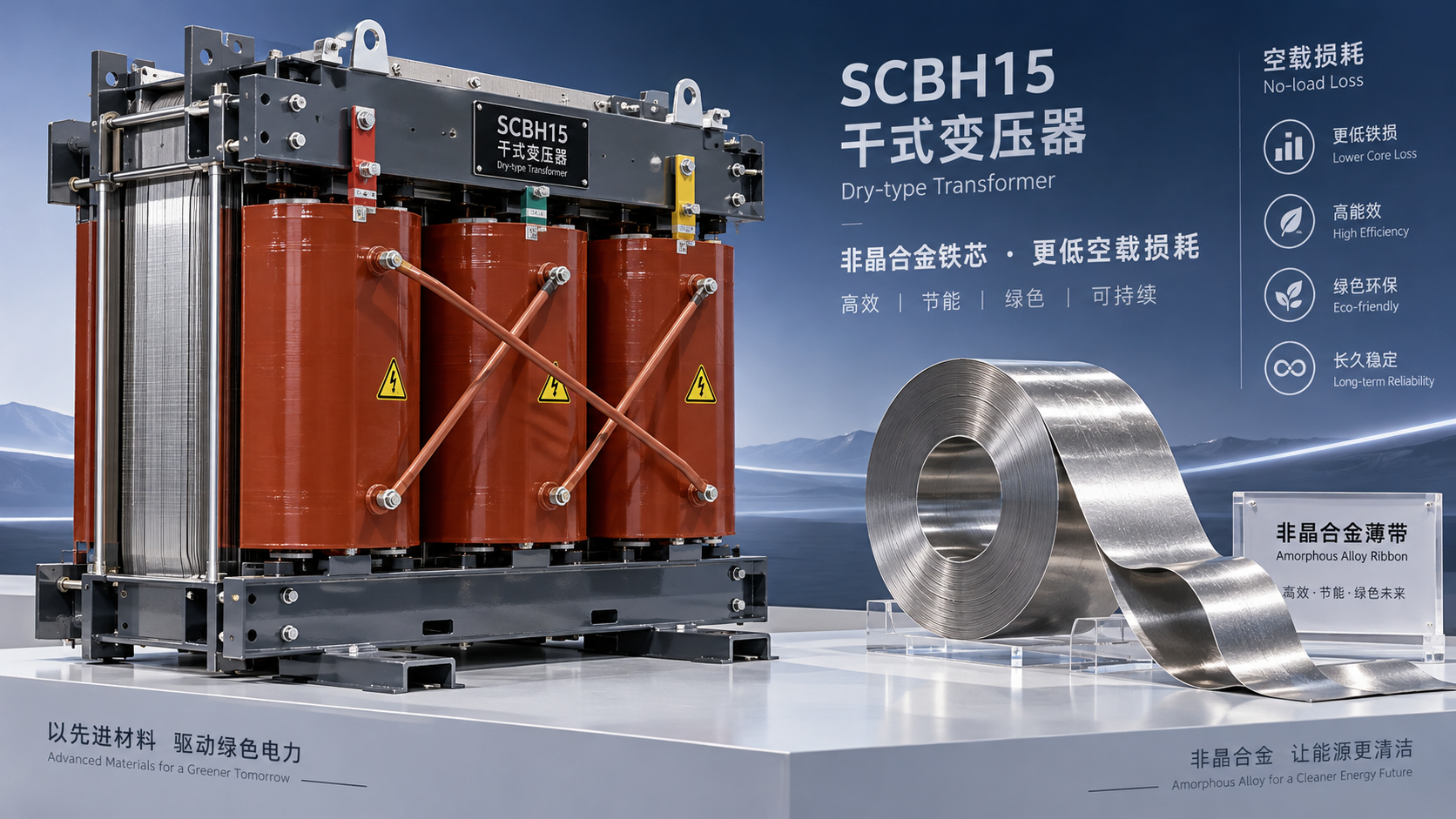
 How the amorphous core affects SCBH15 dry-type transformer losses
 Sizing S13 oil-immersed transformers for variable wind farm output
GET A FREE QUOTE
We offer reliable products, competitive prices, and nationwide professional support, committed to providing customers with efficient and energy-saving power equipment solutions.