


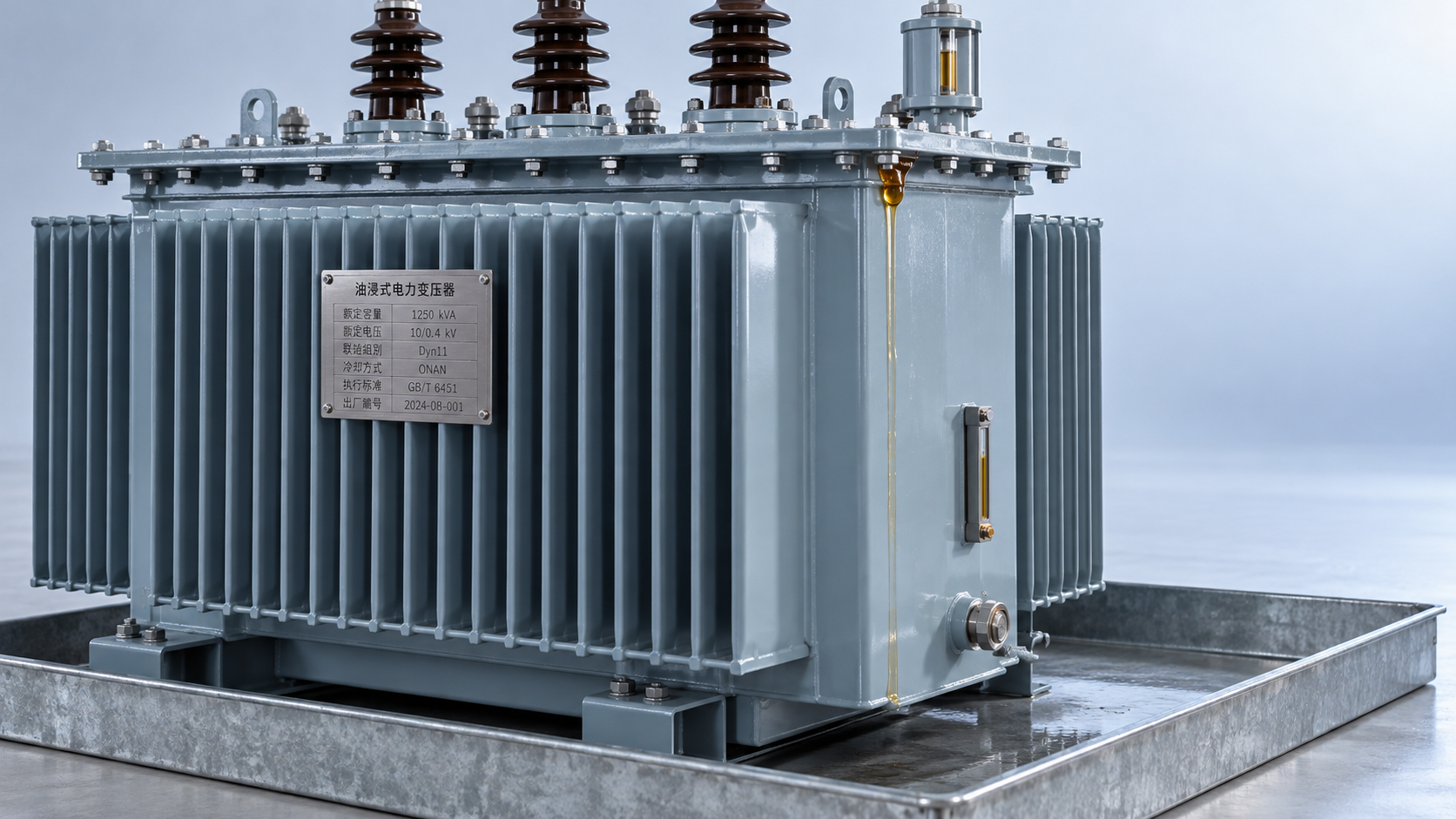
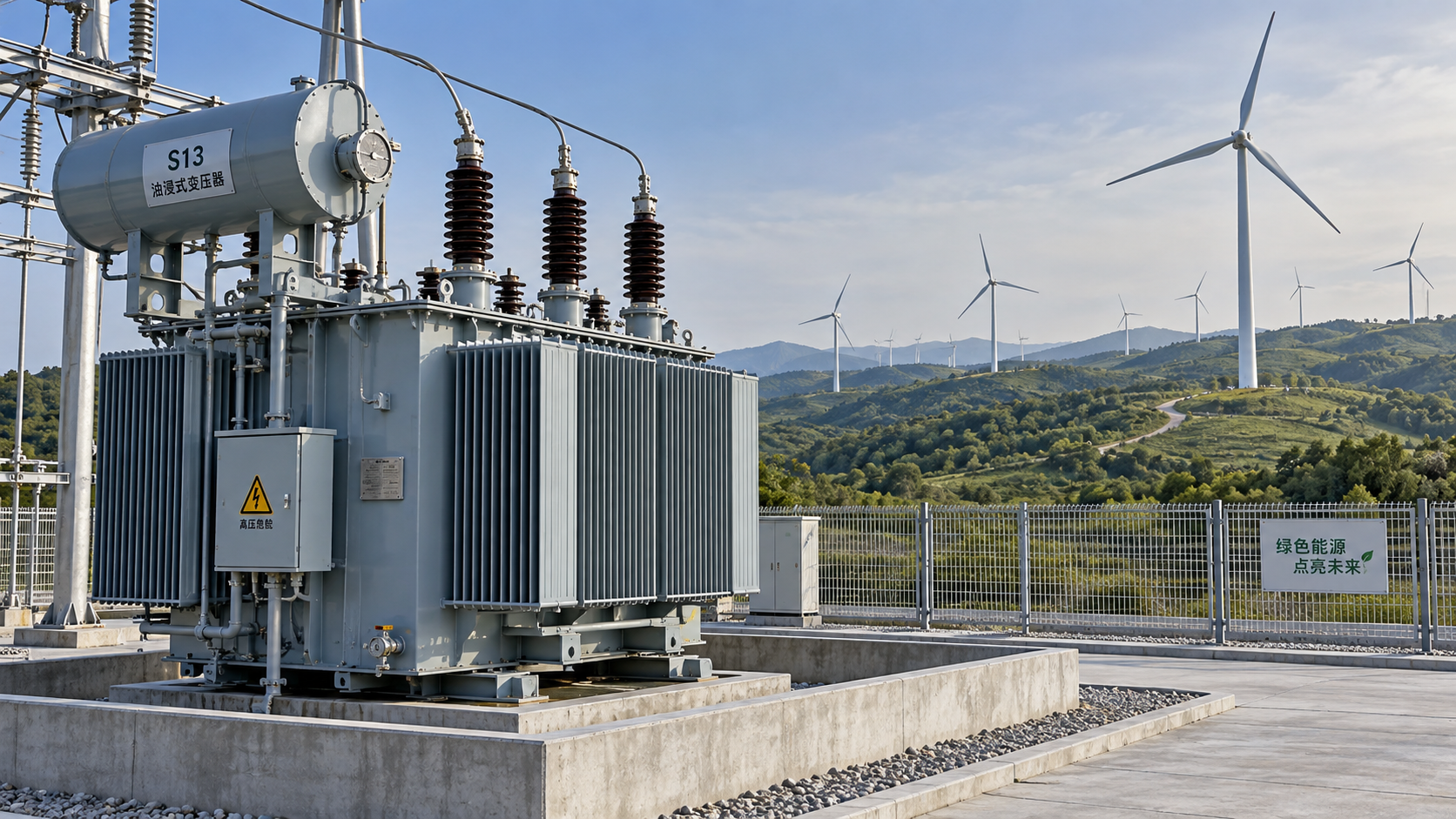
When enterprise decision-makers evaluate an S13 Series Oil-Immersed Power Transformer—not as a one-time capital purchase, but as a 25- to 30-year infrastructure asset—the real cost isn’t in the factory invoice. It’s in the oil you replace every 8–12 years, the bushings that fail unexpectedly during monsoon season or after grid surges, and the dissolved gas analysis (DGA) monitoring you run not because it’s mandatory, but because skipping it risks unplanned outages costing tens of thousands per hour. This isn’t theoretical. It’s how reliability translates into balance-sheet impact.
Why “Low-Loss” Alone Doesn’t Capture True TCO
The S13 Series is widely recognized for its low no-load and load losses—meeting GB/T6451-2008 and certified to ISO9001. But procurement teams who stop at efficiency ratings often overlook three operational cost drivers that collectively account for 35–55% of total lifecycle cost over two decades:
- Insulating oil management: Not just replacement, but condition-based decisions—when to recondition, when to replace, and how oil aging interacts with thermal cycling and moisture ingress;
- Bushing reliability: A statistically significant failure mode—not random, but correlated with voltage stress, installation torque, and ambient humidity exposure; and
- DGA monitoring cadence and interpretation: Running tests too infrequently misses early fault signatures; running them too often inflates labor and lab costs without added risk mitigation.
These aren’t abstract variables. They’re measurable, actionable levers—and their optimal settings depend on your application profile: utility substation vs. industrial plant vs. commercial campus. A transformer operating at 75% continuous load in a coastal refinery faces different degradation dynamics than one serving intermittent loads in a dry inland warehouse.
Oil Replacement Intervals: It’s Not Just About Time—It’s About Condition & Context
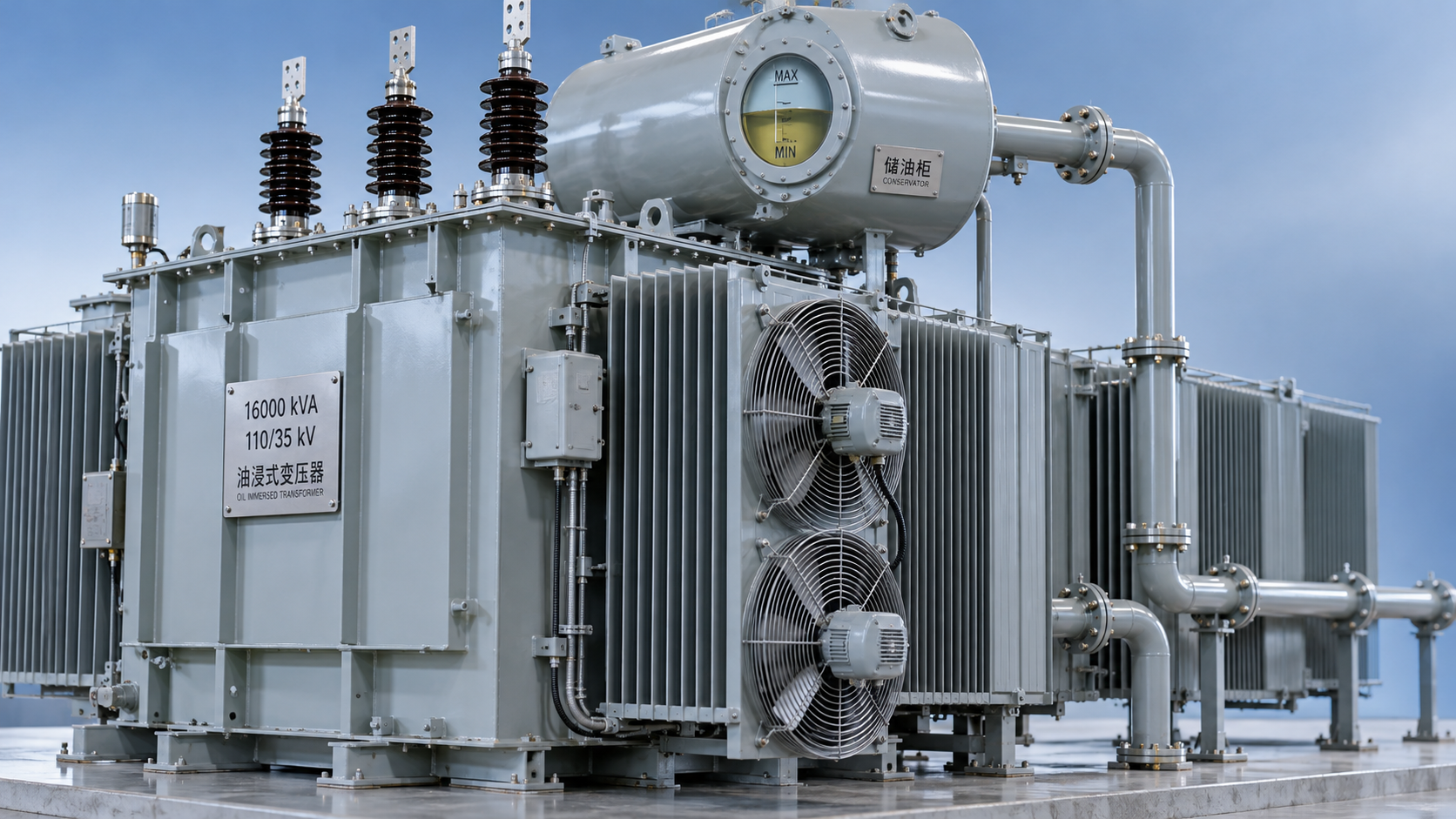
Many specifications default to “oil replacement every 10 years.” That’s outdated—and costly. Modern mineral insulating oils in well-sealed, conservator-equipped S13 units often remain serviceable beyond 15 years—if monitored. But “serviceable” depends on more than acidity or dielectric strength.
Key factors that shift the optimal oil intervention point:
- Thermal history: Units cycled daily between 30% and 100% load degrade oil faster than those at steady 60% load—even with identical average temperature;
- Moisture ingress rate: Gasket integrity, breather type (silica gel vs. membrane), and local humidity dictate water accumulation. In high-humidity environments, moisture can saturate paper insulation before acid levels rise significantly;
- Overload events: A single 2-hour 150% overload may accelerate oil oxidation more than six months of normal operation.
Practical implication: For most industrial users with stable loading and good maintenance discipline, extending oil life to 12–14 years—supported by annual DGA and moisture-in-oil testing—is both technically sound and financially justified. That defers a $4,500–$7,000 replacement cost (including disposal, refilling, and retesting) while preserving insulation system integrity.
Bushing Failure Rates: Not a Random Event—A Predictable Risk Pattern
Bushings are the most common point of failure in oil-immersed transformers—and the most preventable. Industry field data shows bushing-related outages represent ~22% of all S13 forced outages, yet over 80% occur outside warranty periods and follow identifiable patterns.
Failures cluster in two scenarios:
- Early-life failures (0–3 years): Typically due to improper torque during installation, incomplete sealing, or contamination during handling—not material defect;
- Aging-related failures (12+ years): Driven by interface degradation between porcelain/epoxy housing and oil-impregnated paper, accelerated by thermal cycling and partial discharge activity.
What matters for procurement: Specify bushings with verified creepage distance margins (≥25 mm/kV for 35 kV class), silicone rubber housings where pollution or salt spray is present, and third-party partial discharge testing at factory acceptance. These steps don’t eliminate risk—but they reduce statistically expected failure rates from ~0.8% per year to ≤0.25% per year over 20 years. That difference avoids an average $120,000 outage cost (including lost production, emergency labor, and collateral equipment damage).
DGA Monitoring: Cost-Justified Frequency Starts with Your Load Profile
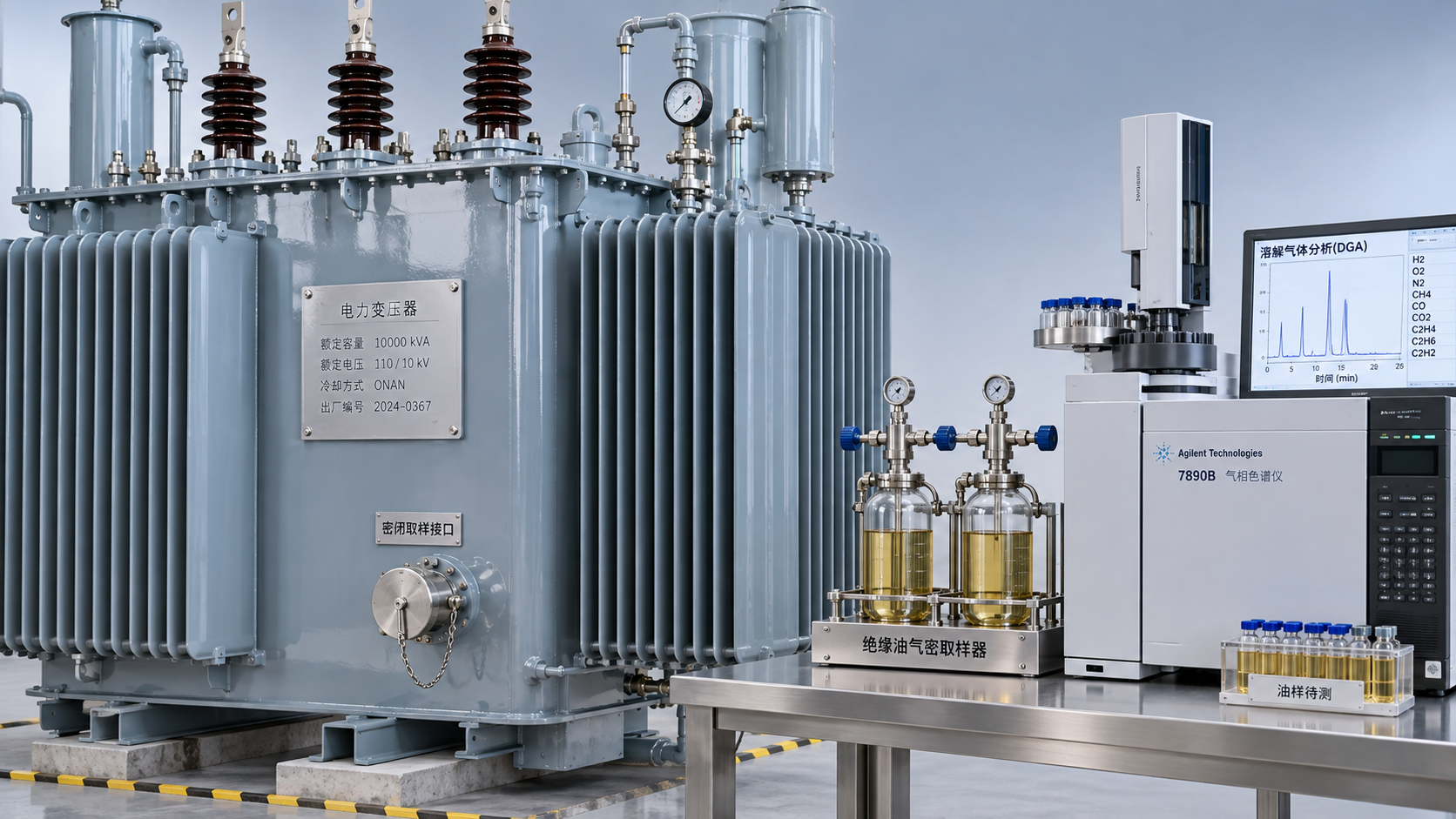
Dissolved gas analysis is the single most effective predictive tool for internal faults—but its value collapses if misapplied. Running quarterly DGA on a lightly loaded, indoor-mounted S13 transformer is over-engineering. Skipping it entirely on a heavily loaded outdoor unit in a lightning-prone region is financial negligence.
Here’s how to calibrate frequency meaningfully:
Note: This assumes use of modern DGA labs capable of detecting CO, CO₂, H₂, CH₄, C₂H₂, C₂H₄, and C₂H₆—not just the basic five-gas set. The full profile enables differentiation between thermal faults (C₂H₄ dominant) and electrical faults (C₂H₂ dominant), directly informing repair urgency and scope.
Where Dry-Type Fits—And Why It’s Not a Direct Substitute
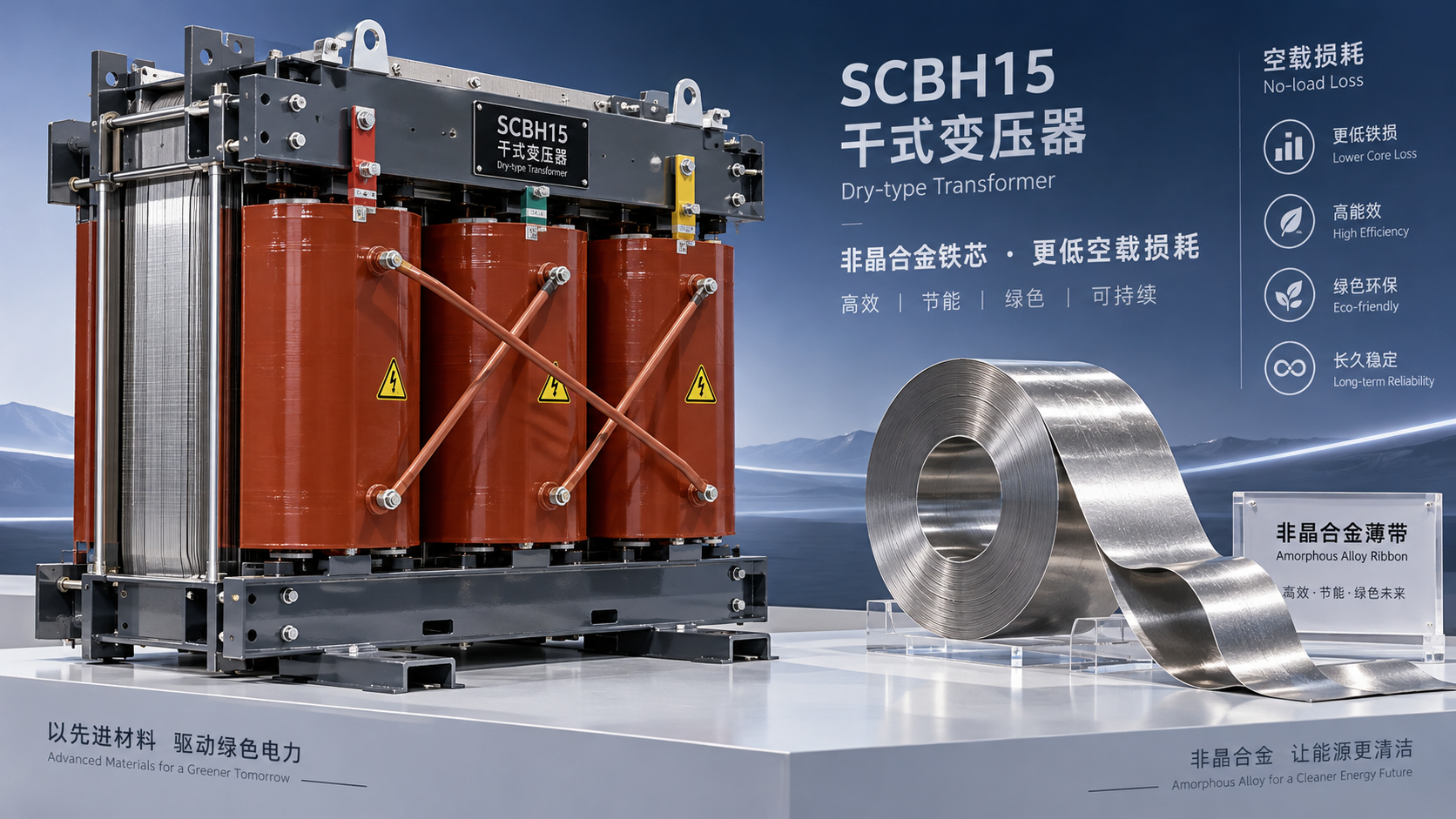
Some procurement teams consider switching to dry-type transformers to avoid oil management and bushing concerns altogether. That’s logical—but only in specific contexts. Dry-types eliminate oil-related costs and fire hazards, yet introduce trade-offs: higher no-load losses (especially below 50% load), sensitivity to dust/moisture without proper enclosures, and lower short-circuit withstand capability.
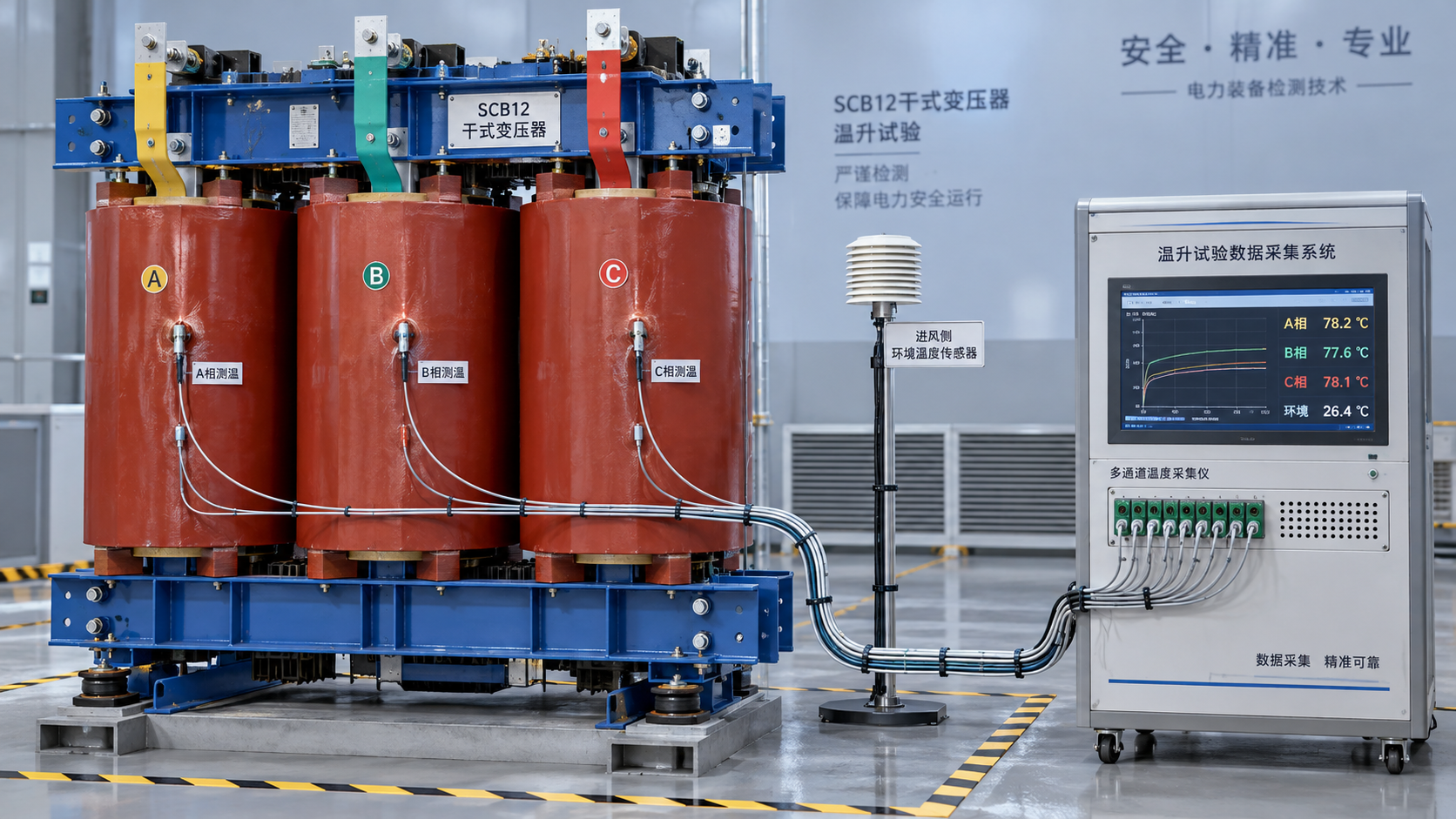
For applications demanding zero fire risk—such as high-rise buildings, airports, railway stations, or locations with strict fire protection requirements—the SCB14 Type Dry-Type Transformer offers level-2 efficiency (per GB20052-2020), flame retardancy, moisture resistance, and low noise—making it viable for deep load-center placement. But it doesn’t solve the same problem as the S13. It serves a different risk-cost equation.
Ask instead: Is your priority eliminating oil logistics—or minimizing total energy loss over 25 years? If the latter, a well-specified, well-monitored S13 remains the most economical choice for medium- to high-load applications where fire risk is managed through containment and suppression—not elimination.
Building a Realistic Lifecycle Cost Model
A credible S13 lifecycle cost model starts with your actual operating envelope—not catalog specs. Input these four parameters before comparing quotes:
- Average annual load factor (not nameplate rating);
- Local ambient conditions (humidity range, lightning days/year, pollution level);
- Required availability (e.g., 99.95% vs. 99.99%); and
- Maintenance capability (in-house DGA lab? Torque-certified technicians? Oil reclamation access?).
Without those, any TCO comparison is guesswork. Jiangsu Shengda Power Equipment builds S11–S22 low-loss transformers—including S13 models compliant with GB1094.1-2-1996 and GB/T6451-2008—with manufacturing processes designed for long-term consistency in core loss, winding integrity, and bushing interface quality. But even the best unit underperforms if its lifecycle assumptions don’t match your site reality.
The bottom line: The lowest bid rarely delivers the lowest lifetime cost. The highest-performing S13 is the one whose oil change schedule, bushing specification, and DGA protocol align precisely with how—and where—you’ll operate it.



 How to verify the temperature-rise test of an SCB12 dry-type transformer
 Distribution transformer maintenance tips for spotting oil leaks
 What dissolved gas analysis reveals about an oil-immersed transformer
 Why an oil-cooled transformer overheats despite a normal oil level
 How the amorphous core affects SCBH15 dry-type transformer losses
 Sizing S13 oil-immersed transformers for variable wind farm output
GET A FREE QUOTE
We offer reliable products, competitive prices, and nationwide professional support, committed to providing customers with efficient and energy-saving power equipment solutions.