


What the S13 Series Oil-Immersed Power Transformer Compliance Roadmap Really Means for Export Decisions
When your procurement team flags a request for “IEC 60076-1 compliance” or your EU partner asks whether short-circuit impedance is verified per IEEE C57.12.00 Annex D, it’s not just about ticking a box. It’s about whether the transformer will pass type testing in KEMA’s lab—or get held at Rotterdam port pending re-certification. For enterprise decision-makers evaluating S13 Series Oil-Immersed Power Transformers for export, the gap between GB/T 6451-2008 and international standards isn’t theoretical. It’s where delivery timelines stretch, certification costs compound, and competitive differentiation gets decided—not in marketing brochures, but in test reports.
GB/T 6451 Isn’t the Finish Line—It’s the Starting Point
GB/T 6451-2008 remains the baseline for domestic performance and safety in China: clear on rated losses, temperature rise limits, and mechanical robustness under local grid conditions. But its scope stops short of what IEC 60076-1 demands—notably in partial discharge measurement methodology, seismic qualification protocols, and electromagnetic compatibility (EMC) verification for auxiliary circuits. IEEE C57.12.00 goes further, requiring detailed harmonic current handling validation and stricter tolerances on no-load current variation across voltage harmonics. These aren’t incremental tweaks. They affect how you specify insulation coordination, select bushings, and even size the oil preservation system.
That’s why “compliant with GB/T 6451” alone doesn’t guarantee readiness for EU Notified Body assessment—or for UL 506 listing in North America. You need traceability: not just that test data meets a number, but that the test setup, instrumentation calibration, and environmental controls align with Clause 10.2 of IEC 60076-1 or Section 7.4 of IEEE C57.12.00. That level of alignment starts at design—not at the certification lab door.
Where the Standards Actually Diverge—And What It Costs to Bridge Them
Three areas consistently trigger rework or delay:
- Loss measurement methodology: GB/T 6451 permits average-value wattmeters for no-load loss; IEC 60076-1 mandates true-RMS instruments with bandwidth ≥5 kHz. A mismatch here can yield loss readings 3–5% higher than expected—enough to fail Class II efficiency thresholds in EU Ecodesign.
- Short-circuit withstand verification: While both GB/T 6451 and IEC require dynamic and thermal checks, IEEE C57.12.00 adds explicit requirements for asymmetrical fault current decay modeling and mechanical resonance analysis—often requiring FEA simulation validated against physical impulse tests.
- Oil preservation and sealing: GB/T 6451 allows conventional conservator tanks; IEC 60076-1 strongly recommends sealed, corrugated-tank designs to limit oxygen ingress and moisture absorption over 25+ years. This directly impacts long-term dielectric integrity—and maintenance planning in remote ASEAN substations.
None of these are insurmountable. But they’re rarely resolved by post-production retrofitting. They demand integrated engineering: material selection (e.g., imported high-quality cold-rolled silicon steel sheets), winding geometry, tank design, and test planning—all aligned from Day 1.
How Integrated Design Turns Compliance Into Advantage
At Jiangsu Shengda Power Equipment Co., Ltd., S13 transformers aren’t adapted to IEC or IEEE standards—they’re engineered to them. That means using oxygen-free copper conductors not just for conductivity, but for predictable eddy-current behavior under harmonic-rich loads common in industrial zones across Vietnam or Mexico. It means specifying corrugated-tank sealing systems that eliminate the oil conservator entirely—automatically adjusting volume via sheet elasticity, isolating oil from air, and slowing insulation aging without adding maintenance points. That same principle applies across our low-loss portfolio, including the S11 Series Oil-Immersed Power Transformer, where fully sealed construction extends service life and eliminates core lifting during commissioning—a tangible time-saver on tight project schedules.
It also means internal test protocols mirror third-party labs: partial discharge measured at 1.5 × Um/√3 with calibrated HV couplers; short-circuit impedance verified across full load range—not just at rated point; noise levels measured in semi-anechoic chambers, not open yards. When your EU notified body arrives, they’re reviewing documentation—not debugging discrepancies.
What to Confirm Before Finalizing Your Specification
Before locking in an S13 order for export, ask your supplier three questions—not as checkboxes, but as process checks:
- Can you share the test report template used for IEC 60076-1 type testing—including instrument model numbers, calibration dates, and ambient condition logs? Not just the summary page.
- Is the winding design validated for harmonic current derating per IEEE C57.12.00 Table 12—and if so, which harmonic spectrum was modeled (e.g., THD ≤ 8%, 5th/7th dominant)?
- For sealed-tank units: what’s the maximum allowable water content in oil after 10 years’ service, per your accelerated aging study—and how does that compare to IEC 60422 Class A limits?
These aren’t academic. They’re the questions that determine whether your transformer clears CE marking in six weeks—or requires a second round of testing because the first used non-compliant instrumentation.
Next Steps Aren’t About Choosing a Supplier—They’re About Aligning Timelines
If your project timeline includes EU CE marking, UL listing, or Singapore EMA approval, start with your intended certification body’s latest guidance—not just the standard number. Requirements evolve: IEC 60076-1:2018 added new clauses on cybersecurity for smart transformer interfaces; IEEE C57.12.00-2023 tightened harmonic loss calculation methods. What was compliant last year may need minor revision today.
Jiangsu Shengda Power Equipment Co., Ltd. maintains ISO 9001 certification across R&D, production, and quality inspection—and our S13 series is built for dual-standard conformity out of the gate. But the real leverage lies in early alignment: sharing your target market’s certification path, voltage profile, and harmonic environment before finalizing technical specifications. That’s where compliance shifts from a cost center to a delivery accelerator.
Because in transformer exports, the most expensive specification isn’t the one with the highest kVA rating—it’s the one written without knowing exactly how the standards intersect on the ground.



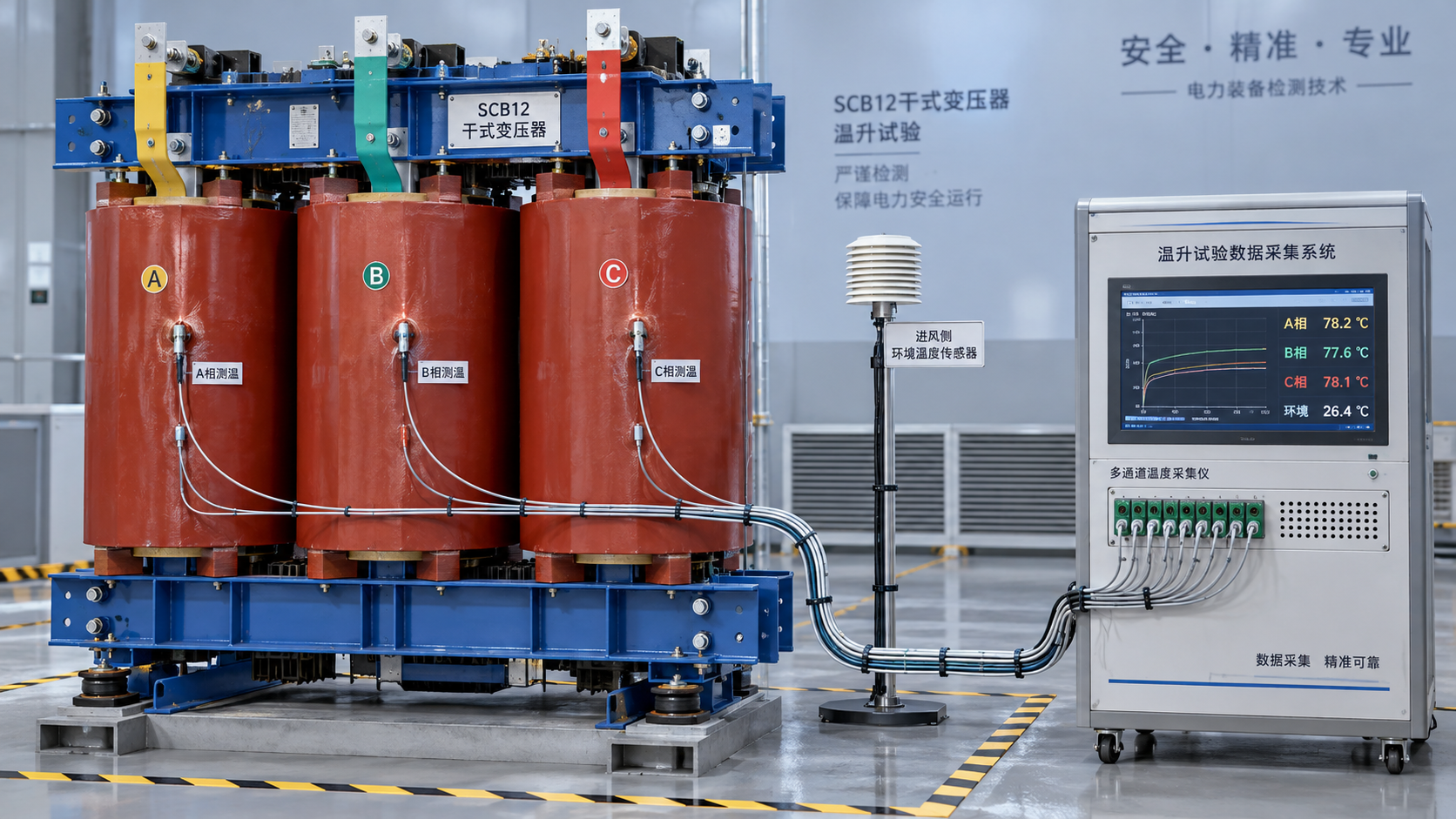
 How to verify the temperature-rise test of an SCB12 dry-type transformer
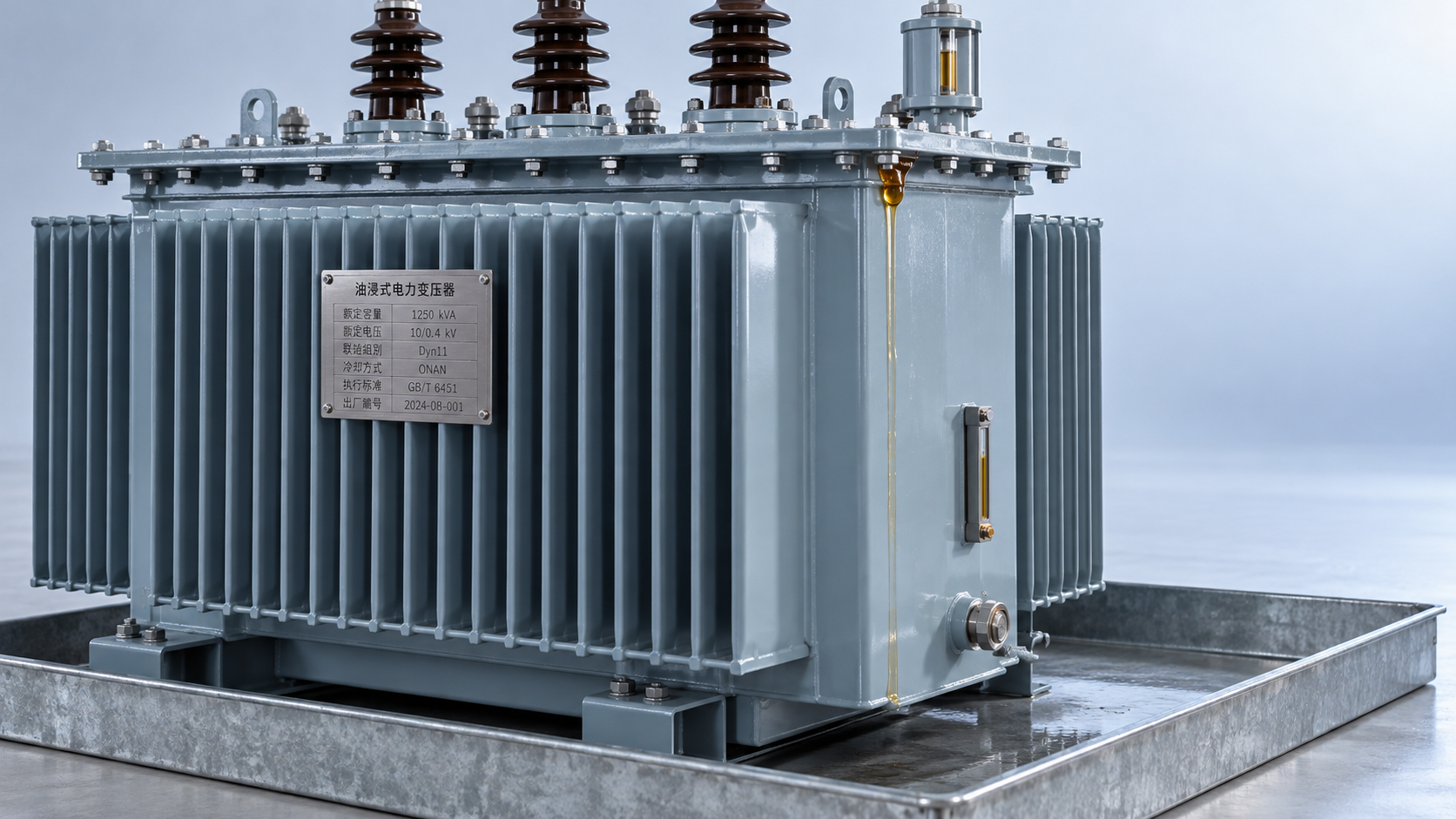
 Distribution transformer maintenance tips for spotting oil leaks
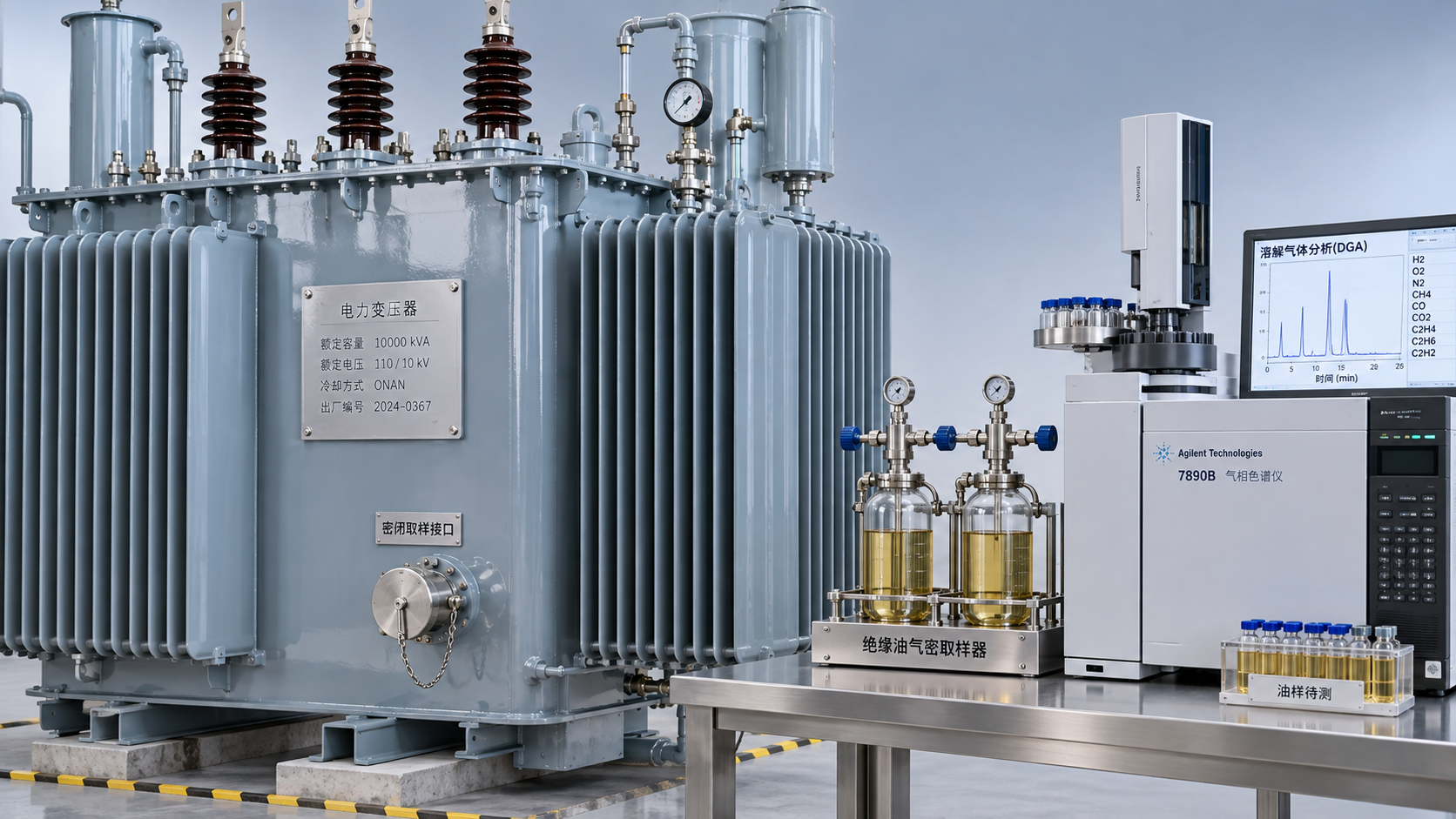
 What dissolved gas analysis reveals about an oil-immersed transformer
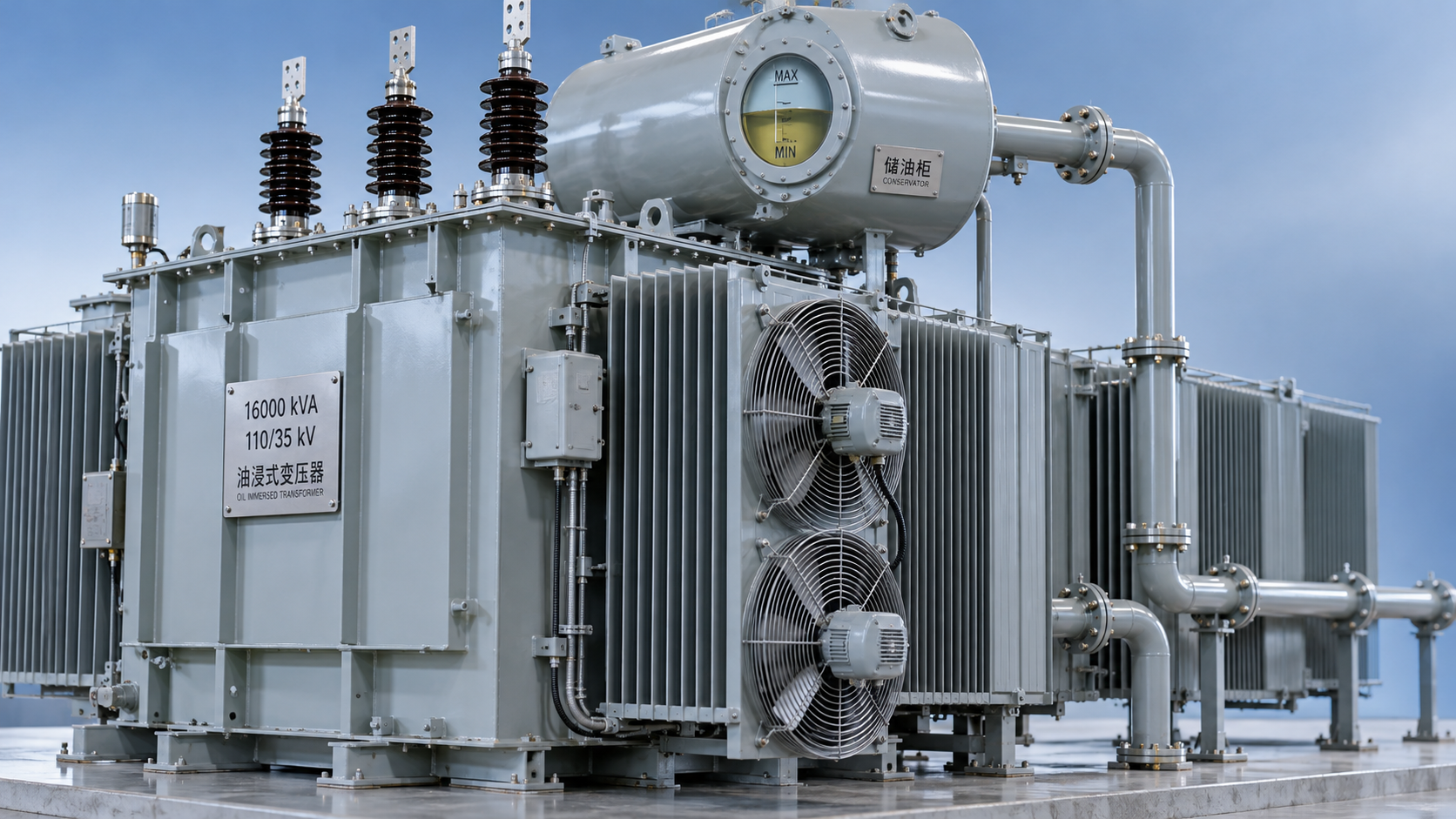
 Why an oil-cooled transformer overheats despite a normal oil level
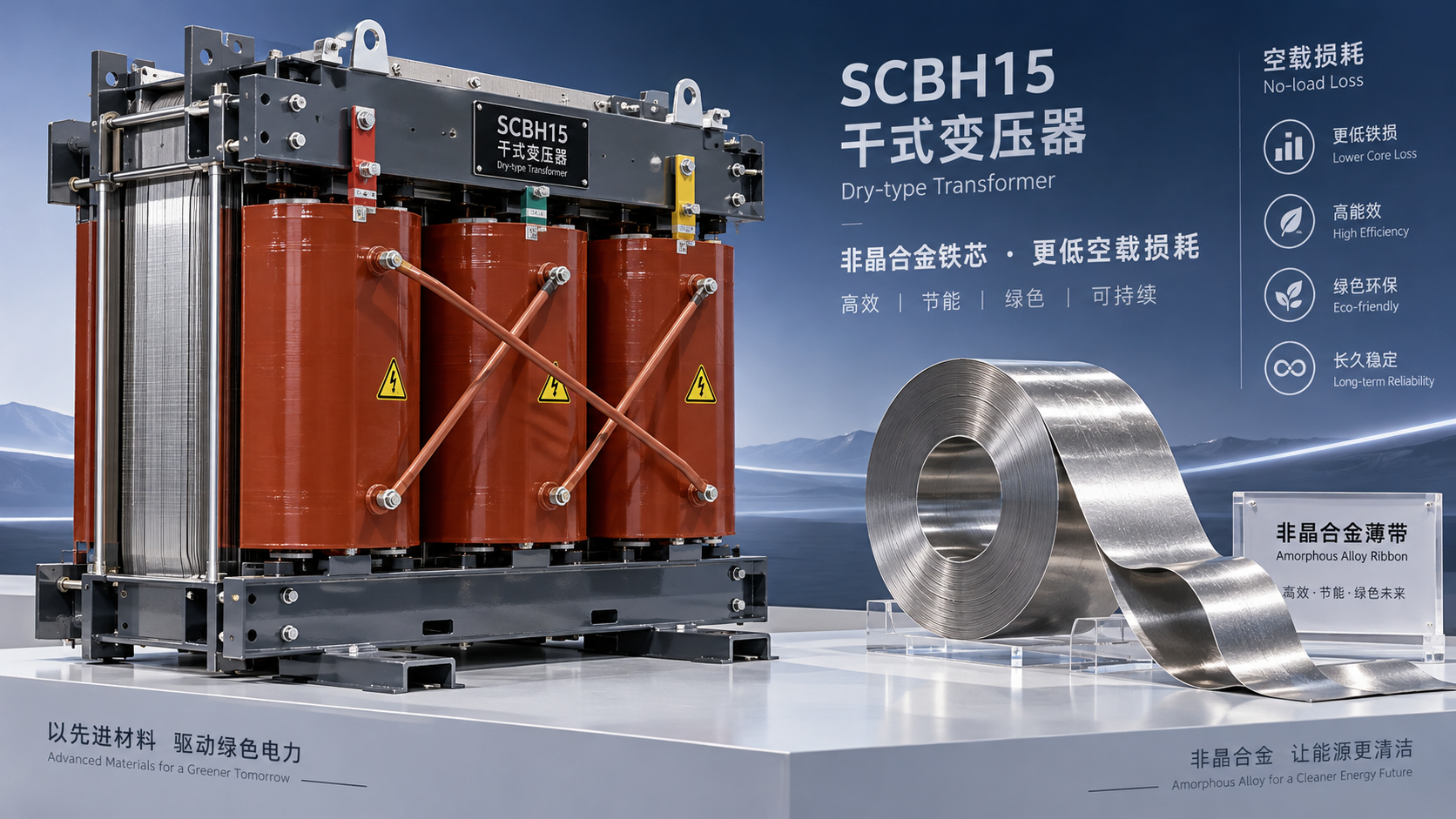
 How the amorphous core affects SCBH15 dry-type transformer losses
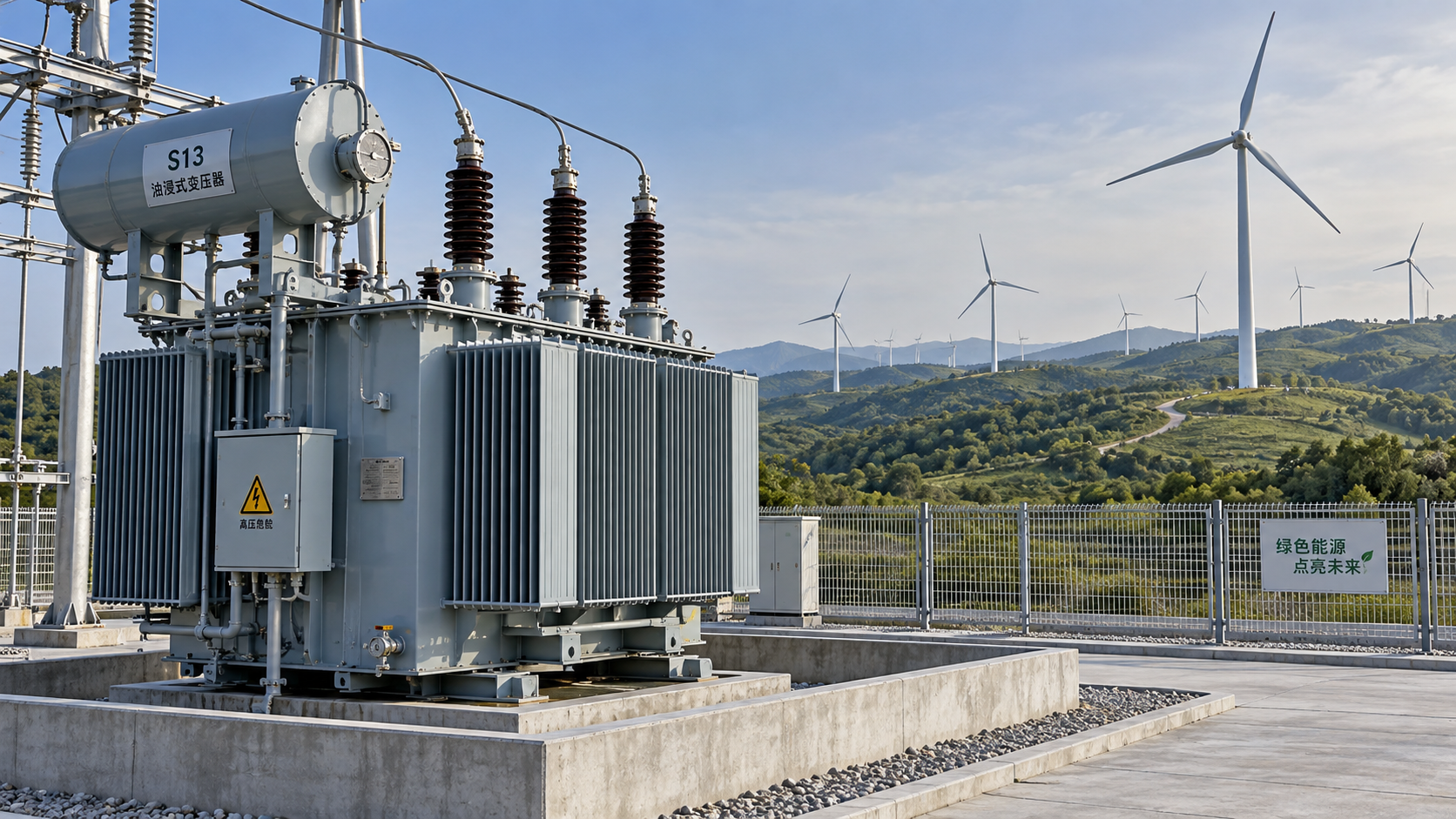
 Sizing S13 oil-immersed transformers for variable wind farm output
GET A FREE QUOTE
We offer reliable products, competitive prices, and nationwide professional support, committed to providing customers with efficient and energy-saving power equipment solutions.