Welcome to Jiangsu Shengda Power Equipment Co., Ltd.


S20 Oil-Immersed Transformer Distributor Evaluation: 5 Due-Diligence Checks Beyond ISO 9001 Certification
Time: Sep 28, 2026
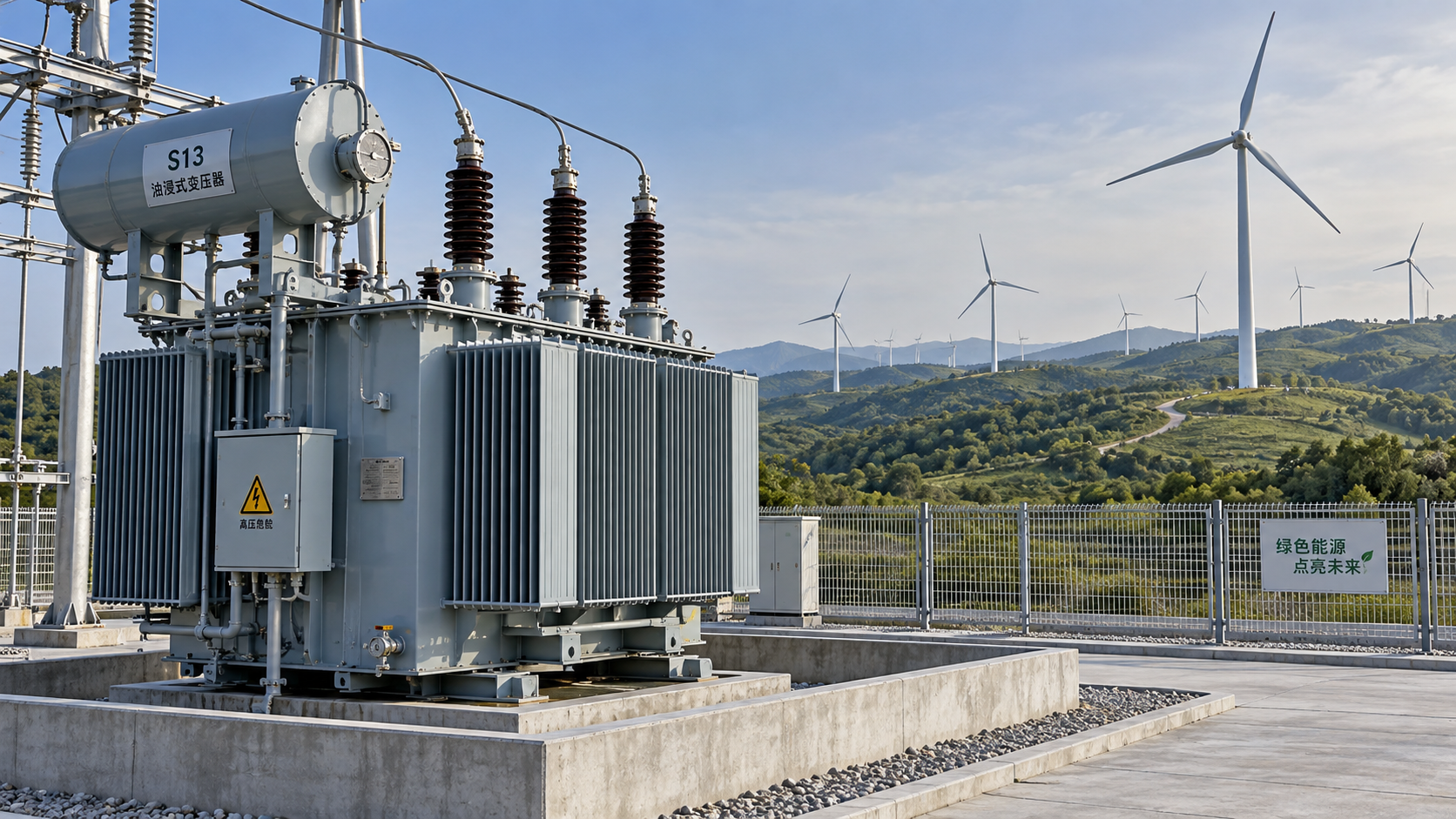
Selecting the right S20 Series Oil-Immersed Power Transformers distributor demands more than just verifying ISO 9001 certification—it requires rigorous due diligence. As a high-tech transformer manufacturer compliant with GB1094.1-2-1996, GB/T6451-2008, and ISO 9001, Jiangsu Shengda Power Equipment Co., Ltd. delivers low-loss S20 transformers engineered for reliability, efficiency, and long-term grid stability. For procurement professionals sourcing high-voltage (10kV/35kV) oil-immersed units, this guide outlines five critical evaluation criteria—beyond certification—that reveal true supply chain integrity, technical support capability, and product traceability.
ISO 9001 confirms a supplier’s documented quality management system—but it says nothing about how that system performs under real-world procurement pressure: extended lead times, custom voltage ratios, urgent field replacements, or third-party witness testing at factory acceptance. In practice, ISO compliance is table stakes; what separates dependable distributors from transactional vendors lies in operational transparency, engineering responsiveness, and material-level accountability.
**1. Factory Audit Access & Witness Testing Protocol**
A distributor claiming direct OEM ties must allow procurement teams to schedule unannounced or scheduled factory audits—not just at headquarters, but at the actual production line where S20 units are wound, vacuum-dried, and oil-filled. More critically, they must support third-party witness testing per IEC 60076-3 or GB/T 6451-2008, including impulse, temperature rise, and partial discharge tests. Vendors who restrict access to final assembly bays—or require prepayment before test scheduling—signal limited control over manufacturing execution. This isn’t about trust; it’s about verification timing. Delayed witness access can push commissioning schedules by 6–8 weeks when retesting is needed.
**2. Material Traceability Down to Core Steel Grade & Oil Batch**
S20 transformers achieve their low-loss performance through precise core steel selection (e.g., 30ZH120 or 27ZH100 grain-oriented silicon steel) and dielectric oil specifications (e.g., IEC 60296 Type I, Class A). A credible distributor provides batch-level traceability—not just “complies with GB/T 6451”—but documentation linking each unit to its specific core lamination lot, winding copper purity certificate (ASTM B115), and insulating oil test report (DGA, moisture content, interfacial tension). Without this, failure root-cause analysis becomes guesswork after 3–5 years of service. Procurement teams should request sample traceability reports *before* PO issuance—not as an appendix to delivery documents.
**3. Load Tap-Changer (LTC) Integration Validation**
Over 70% of S20 installations in emerging markets require on-load tap-changing capability for voltage regulation under fluctuating grid conditions. Yet many distributors source LTCs separately—often from Tier-2 suppliers—and integrate them post-core assembly. That introduces misalignment risk between tap selector mechanics and insulation coordination. The due-diligence check: does the distributor provide joint type-test reports for the *entire* transformer-LTC assembly—not just individual component certifications? If the LTC is not tested as part of the complete unit under thermal and switching duty cycles, field failures in tap position transitions become statistically probable within first-year operation.
**4. Spare Parts Commitment & Obsolescence Management**
S20 units have design lifespans exceeding 30 years, but spare parts availability rarely matches that horizon. A distributor’s stated “10-year spare parts guarantee” means little unless backed by written inventory commitments—especially for conservator gaskets, Buchholz relay diaphragms, and pressure relief device seals. More telling is their obsolescence management process: do they proactively notify customers 18 months before discontinuing a sealing compound or bushing model? Do they maintain legacy oil sampling kits compatible with older monitoring systems? Procurement teams should review the distributor’s spare parts catalog *and* their last three years’ notice-of-discontinuation logs—not just marketing claims.
**5. Technical Support Response Depth—Not Just Speed**
Many distributors advertise “24-hour response time.” What matters is *what* arrives in those 24 hours: a generic troubleshooting flowchart, or a site-specific loss calculation showing whether observed no-load loss deviation stems from core clamping force variation or oil degradation? For S20 procurement, technical support must include immediate access to winding resistance tolerance analysis, short-circuit impedance validation against nameplate, and interpretation of dissolved gas analysis trends—not just forwarding queries to engineering departments. If the first response requires escalation beyond tier-2 support, assume field commissioning delays will follow.
These five checks expose structural differences masked by identical ISO certificates. One distributor may hold ISO 9001 but outsource core fabrication to a subcontractor with no GB1094.1-2-1996 audit history. Another may own its winding line but lack DGA lab accreditation—forcing reliance on external labs with 10-day turnaround for oil testing. Neither fails ISO—but both introduce distinct procurement risks: the former, hidden quality variance; the latter, schedule fragility.
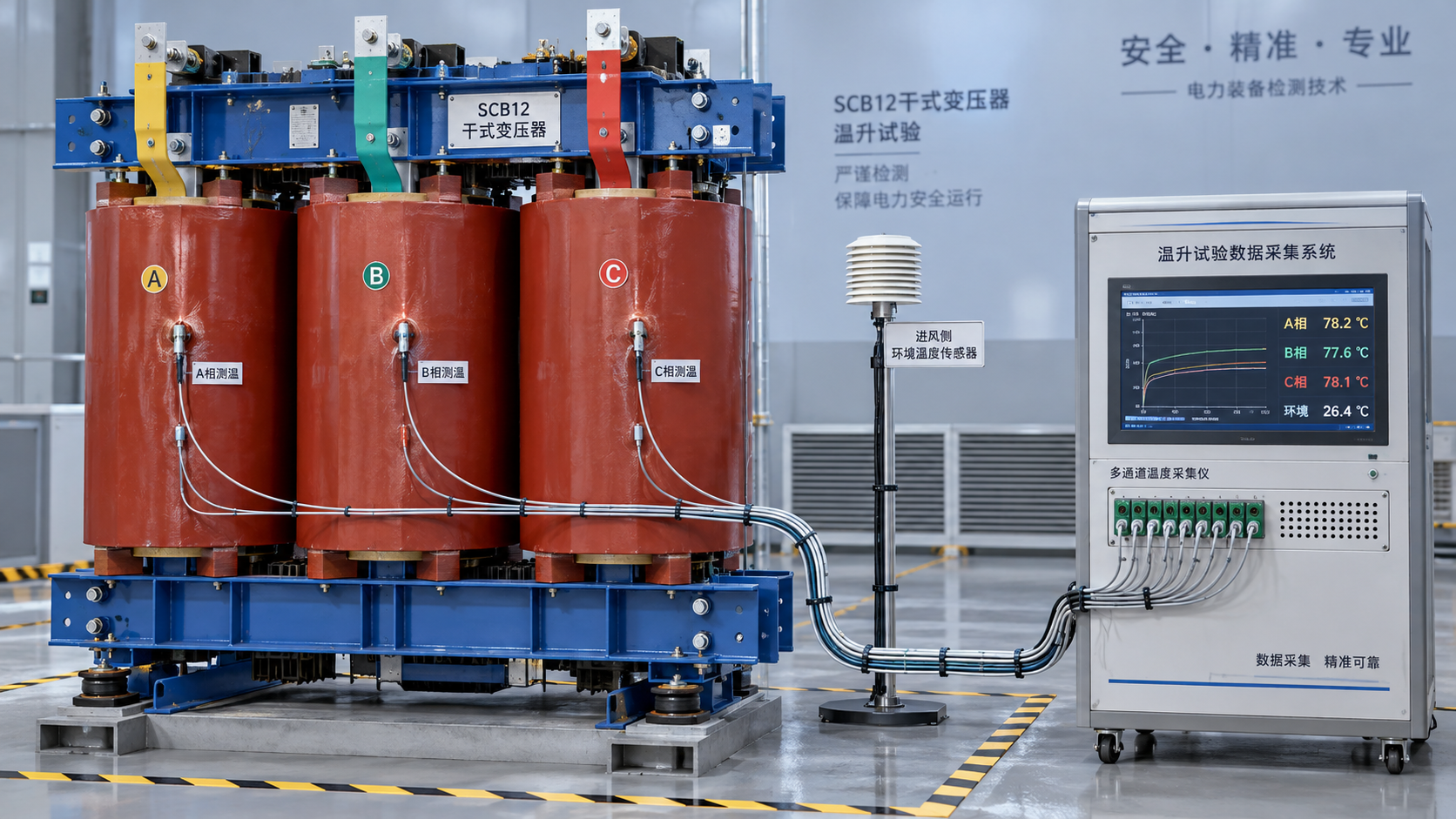
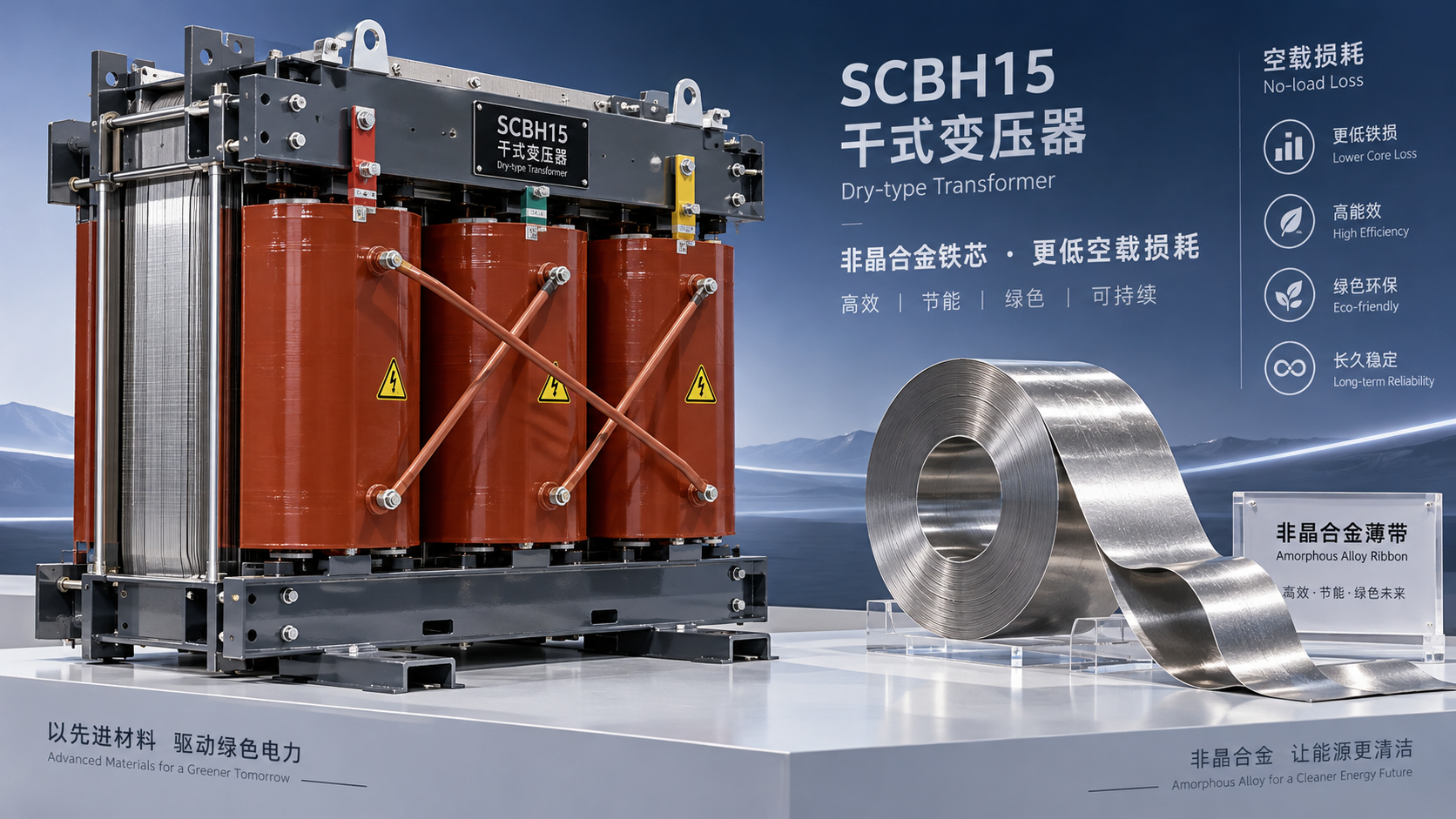
The SCB14 Type Dry-Type Transformer represents a parallel decision point where fire safety and spatial constraints override oil-immersed requirements—particularly in high-rise buildings, airports, and flammable environments. Its epoxy resin insulation, flame retardancy, and load-center installation capability make it a functional alternative where oil-based cooling isn’t viable. But that doesn’t reduce scrutiny: SCB14 Type Dry-Type Transformer procurement still demands traceability to resin batch, short-circuit withstand validation, and ambient temperature derating documentation—just different variables, same rigor.
Ultimately, S20 distributor evaluation isn’t about finding the lowest landed cost. It’s about mapping where cost compression intersects with failure probability—and identifying which vendor controls the variables that determine that intersection. Certification proves process existence. These five checks prove process fidelity under procurement pressure.



Previous:No more content
Next:No more content
News Recommended
 How to verify the temperature-rise test of an SCB12 dry-type transformer
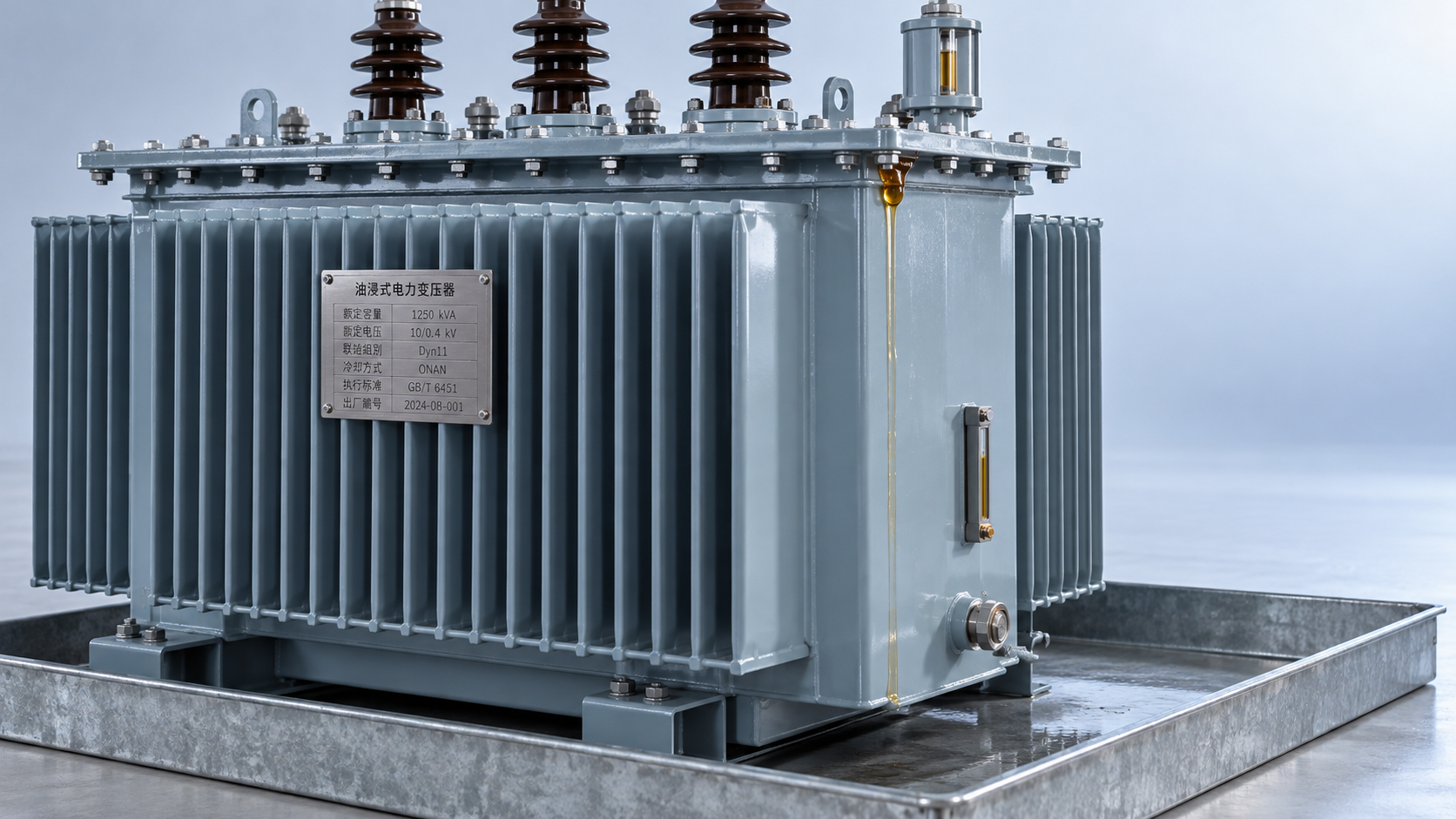
 Distribution transformer maintenance tips for spotting oil leaks
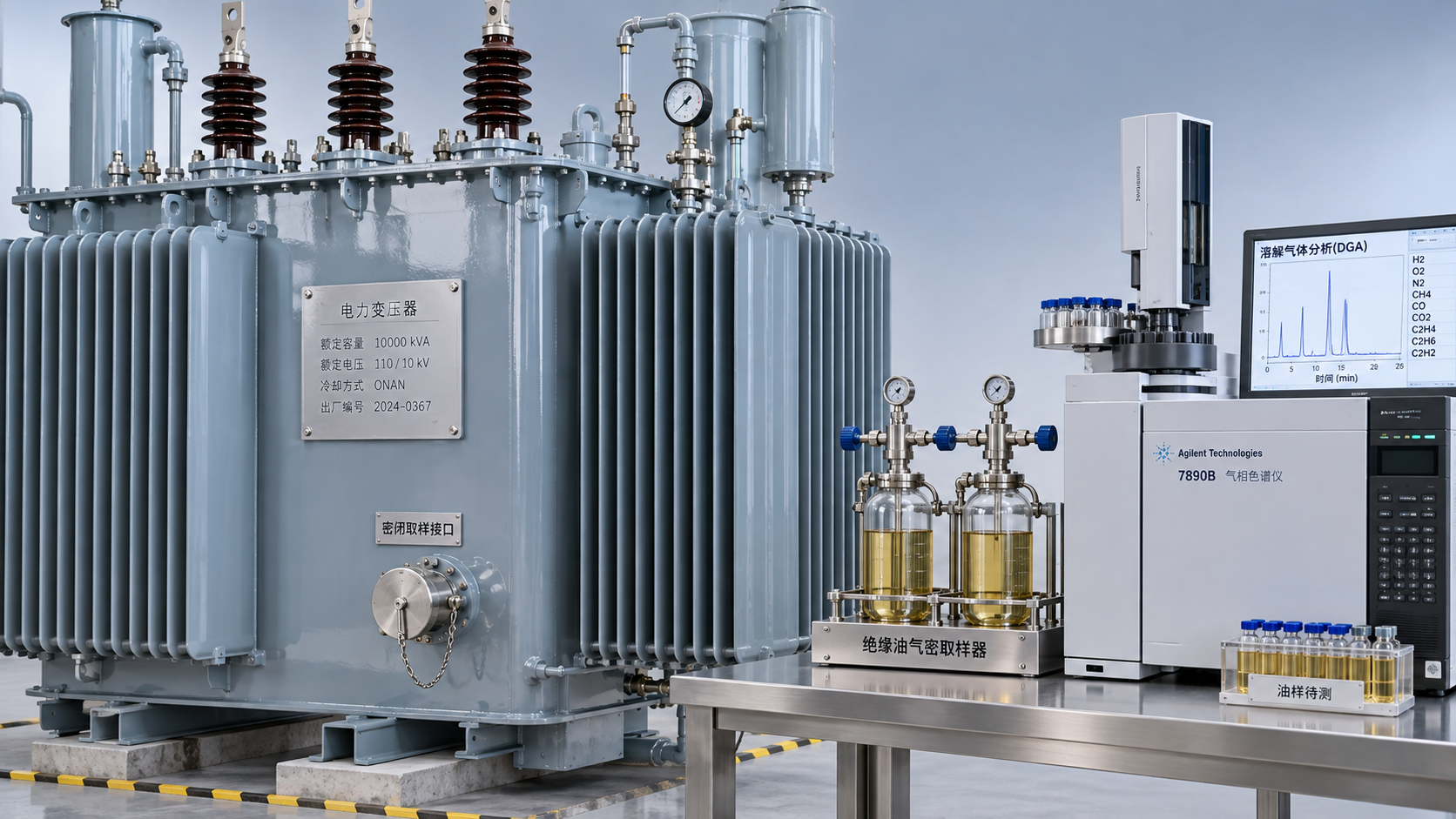
 What dissolved gas analysis reveals about an oil-immersed transformer
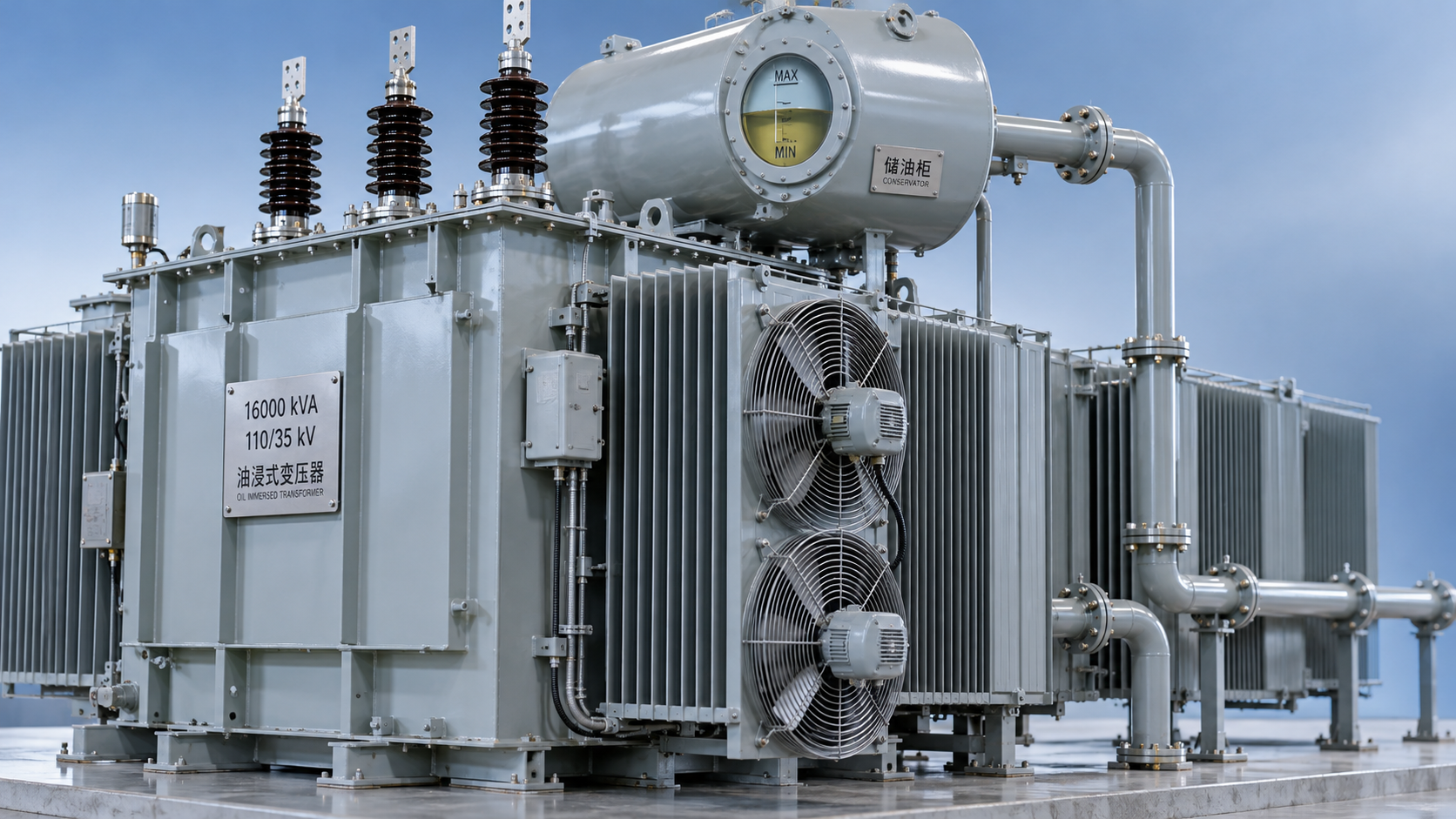
 Why an oil-cooled transformer overheats despite a normal oil level
 How the amorphous core affects SCBH15 dry-type transformer losses
 Sizing S13 oil-immersed transformers for variable wind farm output
GET A FREE QUOTE
We offer reliable products, competitive prices, and nationwide professional support, committed to providing customers with efficient and energy-saving power equipment solutions.