


For project managers overseeing underground mining operations, the transformer isn’t just another piece of equipment—it’s a critical node where safety, uptime, and regulatory compliance converge. When you’re specifying power infrastructure for confined, vibration-prone, gas-sensitive environments like underground drifts, standard industrial transformers won’t suffice. What matters most isn’t peak efficiency on paper, but how the unit behaves when subjected to rockfall-induced shocks, thermal cycling in poorly ventilated tunnels, or sudden pressure shifts during ventilation system surges. That’s why the S22 Series Oil-Immersed Power Transformers for mining industry have become a practical benchmark—not because they’re the newest model, but because their design directly addresses what fails first underground: mechanical integrity and atmospheric containment.
Why Shock-Absorbing Mounting Isn’t Optional—It’s a Failure Prevention Measure
Most project teams focus on voltage rating, kVA capacity, and loss figures—and rightly so. But in underground drifts, the first failure mode is rarely electrical. It’s mechanical. Traditional rigid mounting transfers every vibration from haulage vehicles, roof bolters, or even nearby blasting directly into the transformer tank. Over time, this leads to micro-fractures in weld seams, loosened core clamping, oil seal degradation, and eventually, internal short circuits or oil leaks. The S22 series integrates purpose-built shock-absorbing mounting solutions—not as an add-on kit, but as part of the structural interface between tank and base frame. These mounts use layered elastomeric elements with calibrated shear stiffness, tuned to dampen frequencies between 5–30 Hz—the dominant range generated by heavy mining machinery and seismic micro-tremors. Crucially, they maintain alignment under static load while allowing controlled lateral movement during dynamic events. This isn’t about “softening” the installation; it’s about decoupling the transformer from the mine’s mechanical noise floor.
The Explosion-Proof Breather: Where Safety Meets Real-World Operation
Oil-immersed transformers rely on breathing—expanding and contracting oil volume as temperature changes. In surface applications, a conventional silica-gel breather suffices. Underground? That same breather becomes a potential ignition pathway. Methane (CH₄) and coal dust-laden air can be drawn into the conservator tank during contraction cycles, mixing with oxygen-rich headspace above the oil. A spark from internal arcing—or even static discharge at the breather inlet—can trigger catastrophic ignition. The explosion-proof breather used in the S22 series eliminates this risk through dual-stage isolation: first, a flame-arresting metal mesh that quenches any propagating flame front; second, a hydrophobic membrane barrier that permits vapor exchange while blocking particulate ingress and preventing gas diffusion into the oil headspace. Unlike retrofit solutions, this design is pressure-tested as part of the full assembly and validated per GB/T6451-2008 requirements for hazardous environments. It doesn’t just meet standards—it anticipates how those standards get compromised in actual drift conditions: humidity swings, dust loading, and inconsistent maintenance access.
What Compliance Really Means Underground
Meeting GB1094.1-2-1996 or ISO9001 is table stakes—not proof of suitability. What separates mining-grade units is how compliance translates into field behavior. For example, GB/T6451-2008 mandates certain sealing and pressure-relief performance, but doesn’t specify how those features hold up after 18 months of exposure to diesel exhaust vapors, acid mine water condensate, and constant vibration. Jiangsu Shengda Power Equipment Co., Ltd. subjects S22 units to accelerated environmental stress testing: 500-hour salt-spray + vibration cycles, followed by thermal shock from –25°C to +75°C in sealed chambers simulating drift temperature lag. Only units retaining full dielectric integrity and zero leakage proceed to final inspection. This isn’t certification theater—it’s engineering validation aligned with how mines actually operate, not how labs simulate them.
When Dry-Type Might Be the Smarter Choice—And When It Isn’t
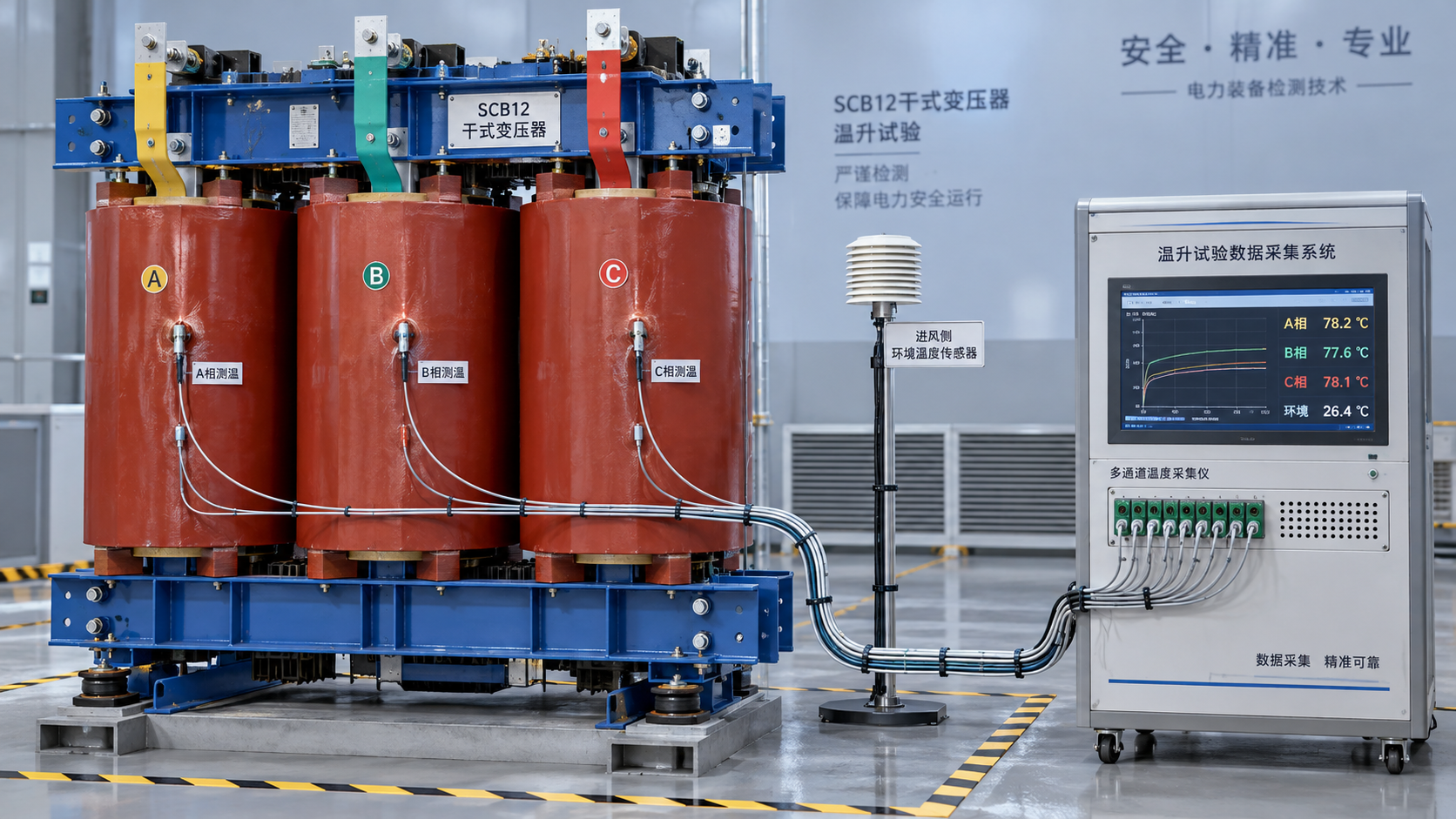
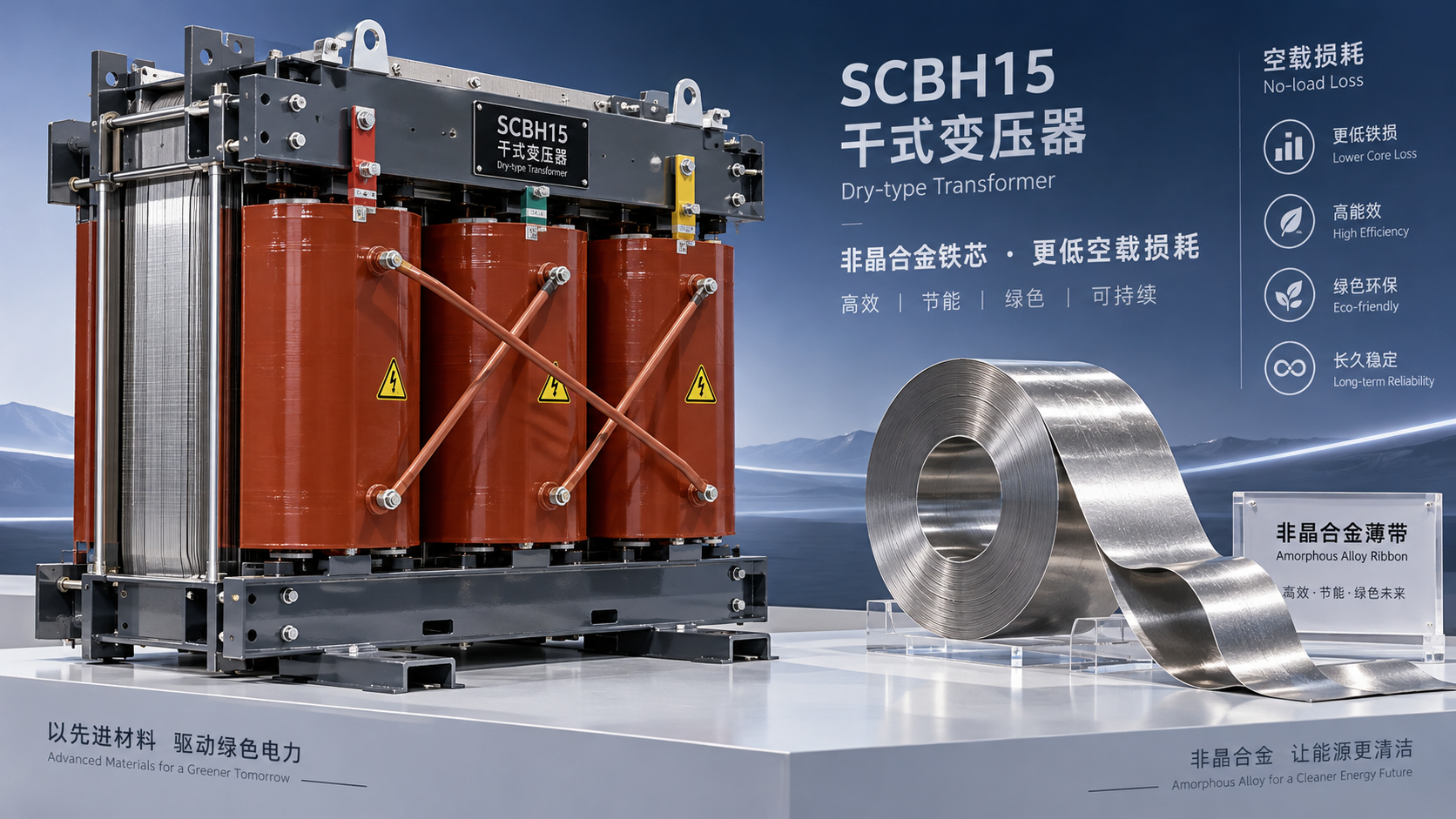
Some project managers assume dry-type transformers automatically solve underground safety concerns. Not necessarily. While dry-types eliminate oil-related fire risk, they introduce new trade-offs underground: higher sensitivity to dust accumulation on windings (reducing heat dissipation), greater vulnerability to humidity-induced partial discharge, and tighter space requirements for equivalent kVA output. That said, in specific zones—like near ventilation fan rooms or in low-dust development headings—dry-type units offer real advantages. For instance, the SCBH15 Type Dry-Type Transformer, built with amorphous alloy cores, delivers significantly lower no-load loss and operates reliably at 150% rated load under air-cooled conditions—critical where temporary overloads occur during equipment startup sequences. Its corrosion resistance and low partial discharge also suit humid, chemically aggressive air streams common in deep-level mines. But it’s not a drop-in replacement for S22 in high-vibration, high-dust main haulage drifts. The choice hinges on location-specific risk mapping—not generic “safety first” logic.
Three Things to Verify Before Finalizing Your S22 Specification
- Mounting interface documentation: Don’t accept generic “shock-absorbing” claims. Request test reports showing displacement vs. load curves and fatigue life data for the specific mount configuration offered with your unit. Ask whether the mounts are replaceable in situ—and if spares are stocked locally.
- Breather service protocol: Confirm whether the explosion-proof breather requires scheduled membrane replacement (not just silica gel refills) and whether that procedure can be performed without oil draining or tank depressurization. Downtime in a drift often costs more than the component itself.
- Thermal derating confirmation: S22 units rated for 50°C ambient may need derating in drifts where airflow is restricted and radiant heat from adjacent equipment raises local temperatures to 60–65°C. Verify the manufacturer provides a site-specific derating curve—not just a footnote in the datasheet.
Final Thought: Design Intent > Model Number
Specifying the S22 Series Oil-Immersed Power Transformers for mining industry isn’t about checking a box labeled “mining approved.” It’s about recognizing that underground power infrastructure fails along predictable physical pathways—vibration fatigue, gas ingress, thermal trapping—and selecting equipment engineered to interrupt those pathways at the source. The shock-absorbing mounts and explosion-proof breather aren’t features. They’re direct responses to observed failure modes in operational mines. If your project timeline pressures you to cut corners on mounting hardware or breather upgrades, reconsider: the cost of unplanned downtime in a drift isn’t measured in transformer replacement, but in stalled production, delayed development, and compromised safety margins. Choose the unit that assumes things will move, breathe, and heat up—not the one that assumes ideal lab conditions.



 How to verify the temperature-rise test of an SCB12 dry-type transformer
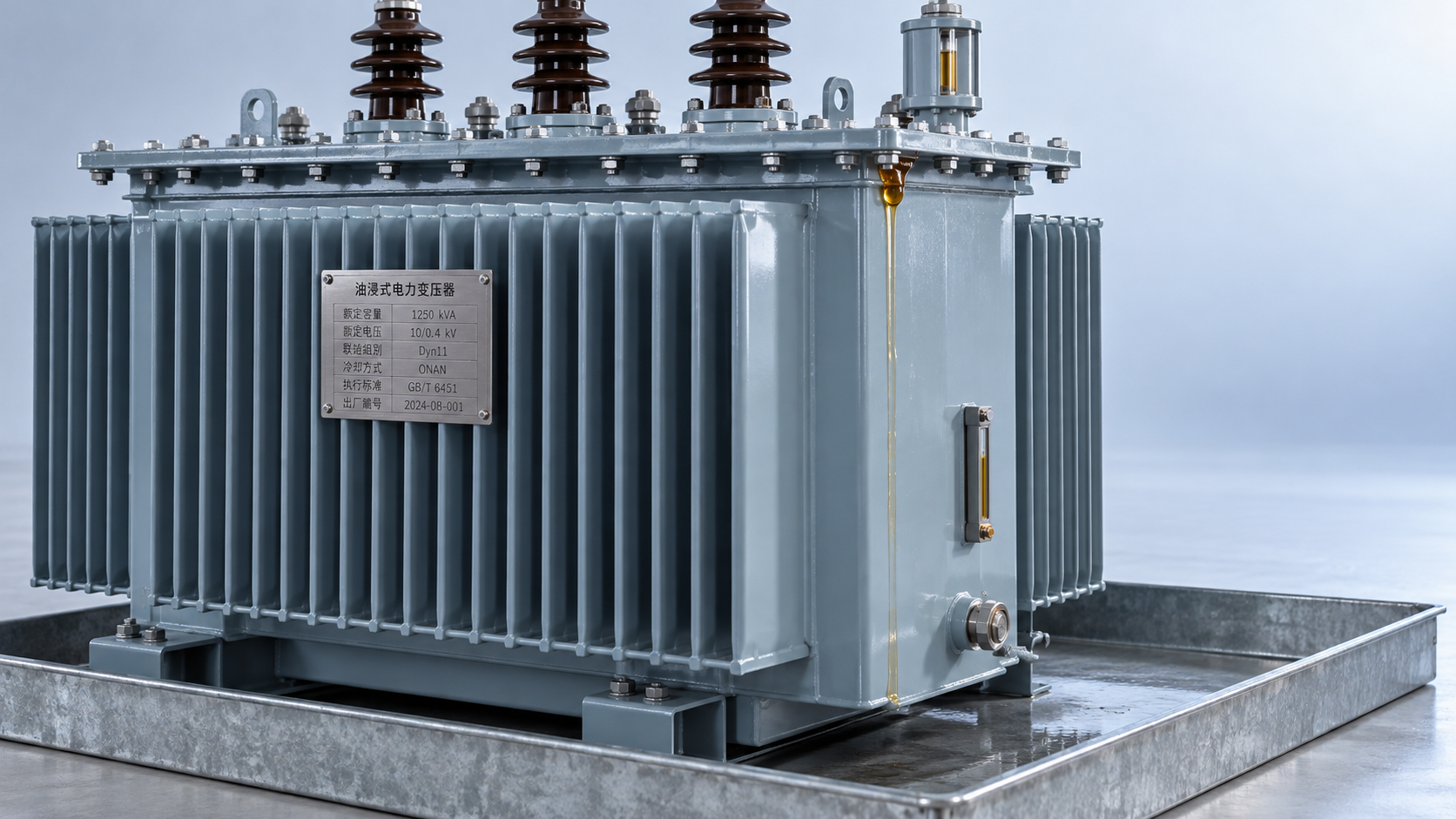
 Distribution transformer maintenance tips for spotting oil leaks
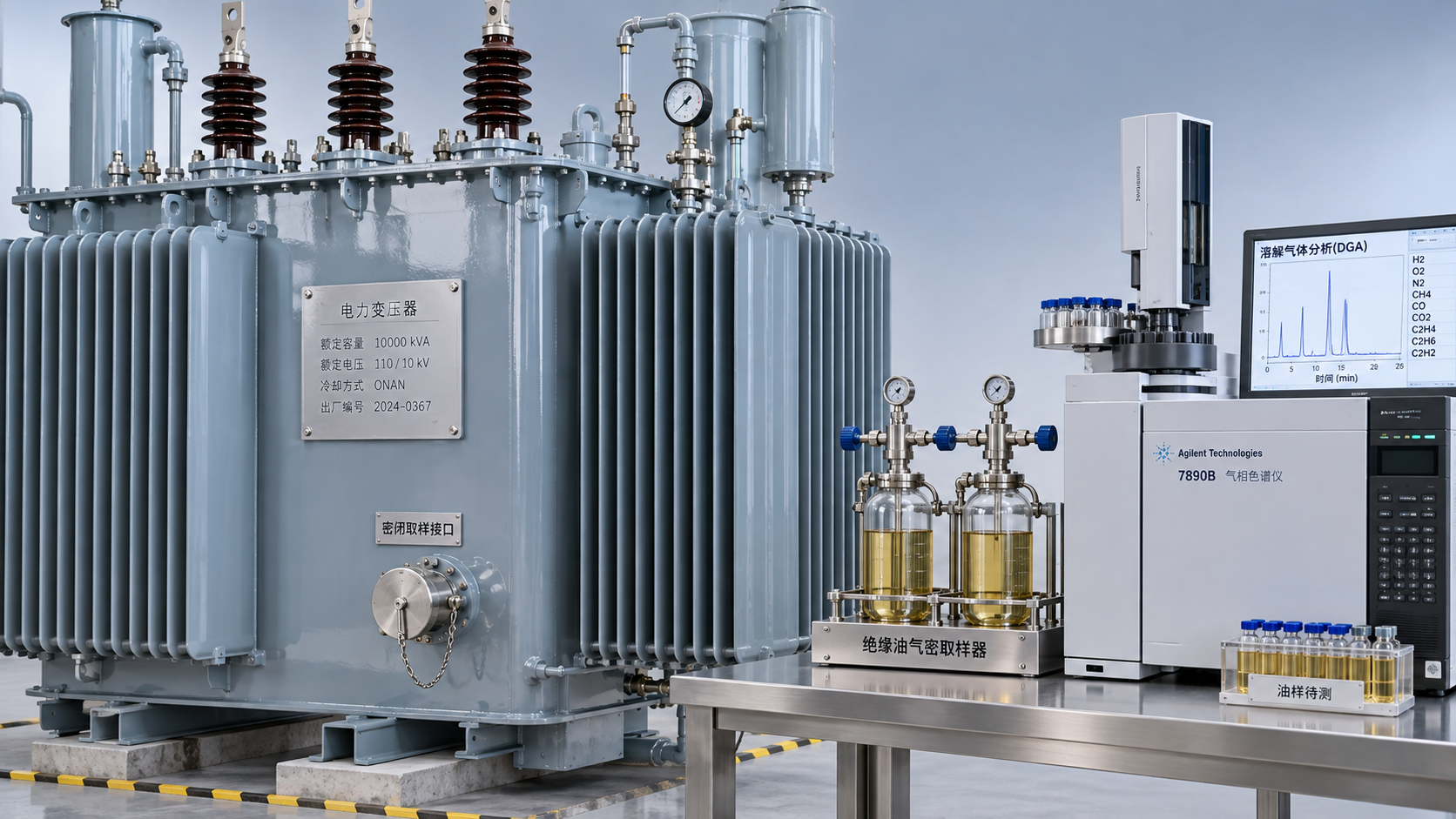
 What dissolved gas analysis reveals about an oil-immersed transformer
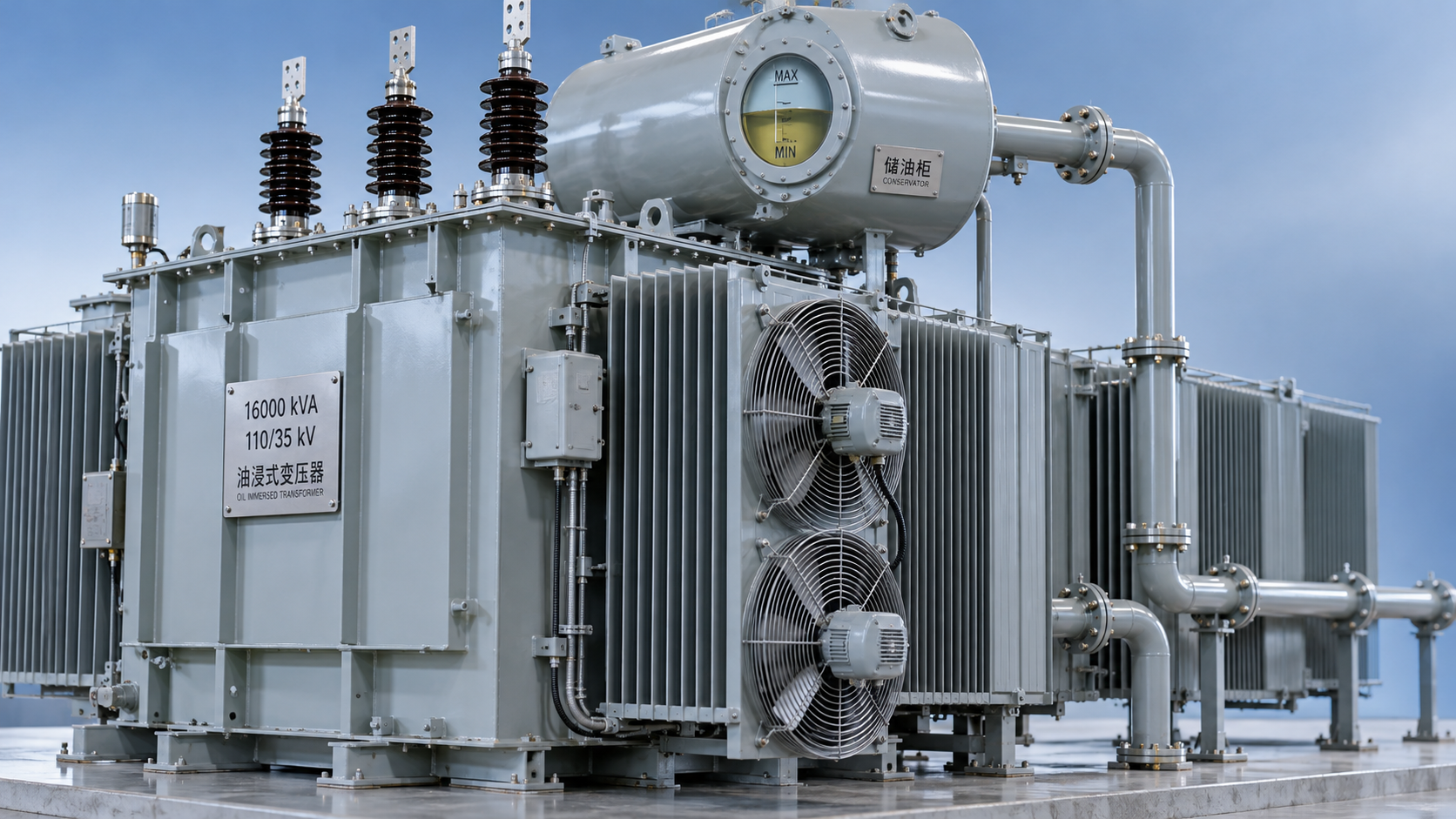
 Why an oil-cooled transformer overheats despite a normal oil level
 How the amorphous core affects SCBH15 dry-type transformer losses
 Sizing S13 oil-immersed transformers for variable wind farm output
GET A FREE QUOTE
We offer reliable products, competitive prices, and nationwide professional support, committed to providing customers with efficient and energy-saving power equipment solutions.