


SCB12 Dry-Type Transformer Field Verification: On-Site Turns Ratio Test Procedures & Acceptance Limits per IEEE C57.12.90
For quality control and safety personnel responsible for field commissioning of medium-voltage distribution systems, accurate on-site verification of the SCB12 Type Dry-Type Transformer is critical to ensure operational reliability and compliance. This article details the step-by-step Turns Ratio Test (TRT) procedures specifically tailored for SCB12 units—covering test setup, measurement methodology, instrumentation requirements, and definitive acceptance limits per IEEE C57.12.90. Emphasizing practical applicability and regulatory alignment, it supports rigorous field validation while reinforcing Jiangsu Shengda’s commitment to precision, safety, and international standard conformity.
Why TRT Is Non-Negotiable for SCB12 Field Acceptance
The Turns Ratio Test is not a routine checklist item—it is the first line of defense against catastrophic misconnection, winding faults, or tap changer errors in SCB12 dry-type transformers. Unlike factory testing under controlled conditions, field TRT exposes real-world risks: improper reassembly after transport, inadvertent tap position changes during handling, or unnoticed insulation damage from site vibration or moisture ingress. For quality control and safety personnel, failing this test often signals deeper systemic issues—such as inadequate pre-shipment inspection or incomplete documentation handover.
IEEE C57.12.90 explicitly mandates TRT as a mandatory field acceptance test for all dry-type distribution transformers rated 601 V–34.5 kV—including the full SCB12 series (e.g., SCB12-250/10, SCB12-1250/10). Its purpose is twofold: confirm design intent matches installed configuration, and verify that voltage transformation remains within safe, predictable bounds across all taps.
Prerequisites: What Must Be Verified Before Powering the Tester
Never initiate TRT without confirming these four conditions. Skipping any step invalidates results and compromises personnel safety:
First, ensure the transformer is fully de-energized, isolated, and grounded at both HV and LV terminals per OSHA 1910.333 and IEEE 516. Second, verify ambient temperature is stable (±5°C over 30 minutes), as resistance-based ratio calculations are temperature-sensitive. Third, confirm tap changer is mechanically locked at the nameplate-rated position—and cross-check with the factory test report. Fourth, inspect bushings and terminals for contamination, arcing marks, or physical damage; even minor surface tracking can distort low-voltage excitation readings.
Jiangsu Shengda’s SCB12 units undergo triple-stage TRT validation before dispatch: core-excited ratio check at no-load, loaded ratio verification at 10% rated current, and final multi-tap sweep per IEC 60076-1 Annex D. This ensures field test deviations reflect installation conditions—not manufacturing variance.
Step-by-Step TRT Execution for SCB12 Units
Use only a calibrated, four-wire, auto-ranging turns ratio tester certified to IEEE C57.12.90 Annex B. Clamp-type testers are prohibited for SCB12 due to high harmonic content in dry-type cores; instead, use Kelvin-probe-connected instruments with <0.05% basic accuracy.
Begin with HV winding excitation: apply 230 V AC (or manufacturer-specified low-voltage source) to HV terminals while measuring induced voltage on LV side. Record readings for all three phases separately—do not average. Repeat with LV-side excitation if HV access is restricted (e.g., busbar-integrated installations), but note that this introduces ±0.15% systematic error per IEEE C57.12.90 Section 8.2.3.
For SCB12 units with multiple taps (e.g., ±5% or ±2×2.5%), perform TRT at *every* tap position—not just principal taps. Document each result alongside measured winding resistance (per IEEE C57.12.00) to detect open-circuited strands or poor solder joints masked by nominal ratio compliance.
Acceptance Criteria: The Hard Limits You Must Enforce
Per IEEE C57.12.90 Section 7.3.2, the maximum allowable deviation between measured and nameplate turns ratio is ±0.5% for SCB12 transformers rated ≤10 MVA. This is stricter than the ±1.0% tolerance allowed for oil-immersed units—reflecting dry-type transformers’ lower thermal margin and higher sensitivity to voltage regulation errors.
Critical nuance: the 0.5% limit applies *individually* to each phase—not as an average. A reading of 0.48%, 0.52%, and 0.39% fails because Phase B exceeds the threshold. Also, deviation must be calculated using the *actual applied voltage*, not nominal system voltage—field technicians often overlook this when using portable generators with ±3% output regulation.
If deviation exceeds limits, do not proceed to insulation resistance or power factor tests. First, verify tap position, instrument calibration, and grounding integrity. If confirmed, contact Jiangsu Shengda’s technical support with your raw data sheet—the company provides rapid remote diagnostics and, if warranted, on-site engineering assistance within 48 hours.
Interpreting Deviations: When It’s Not a Defect
Small deviations (<±0.2%) may stem from legitimate causes: ambient temperature shifts affecting copper resistivity, residual magnetism in amorphous alloy variants (though SCB12 uses grain-oriented silicon steel), or minor voltage drop across test leads longer than 3 m. Always repeat the test after demagnetizing the core using a decaying AC method (per IEEE C57.12.91 Section 6.4.2).
Also recognize that SCB12 units designed for harmonic-rich environments (e.g., data centers, EV charging hubs) may exhibit ratio drift above 400 Hz. In such cases, validate with a wideband ratio analyzer—not standard 50/60 Hz testers. Jiangsu Shengda’s SCB12 models include optimized interleaved windings to minimize harmonic-induced ratio error, a feature verified during type testing per GB/T 1094.10-2003.
Linking Field Rigor to Broader Quality Assurance
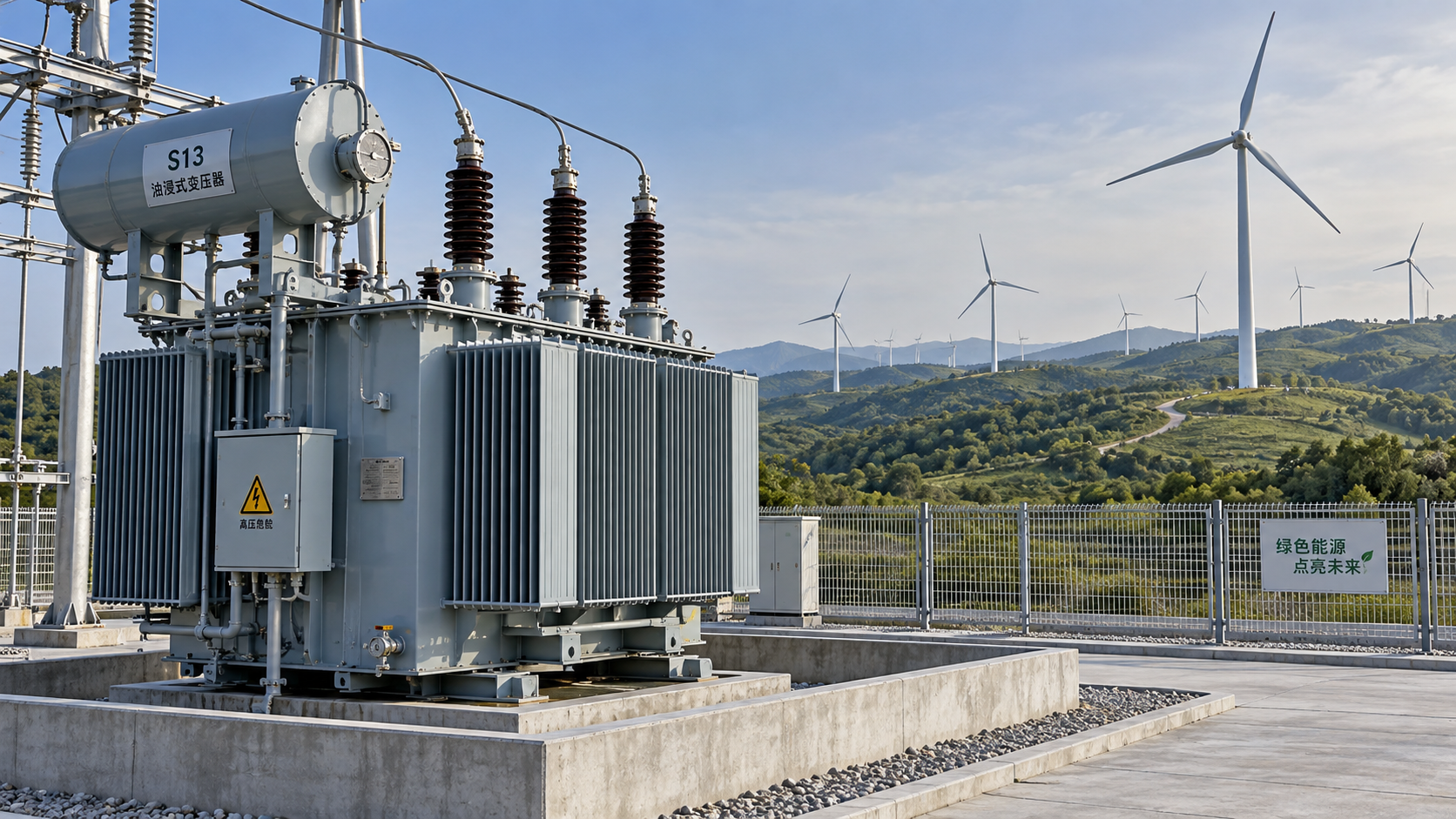
Rigorous TRT execution reflects a larger quality culture—one embodied by Jiangsu Shengda’s ISO 9001-certified processes and adherence to GB1094.1–2 and GB/T6451 standards. Just as SCB12 units demand precise field validation, our S13 Series Oil-Immersed Power Transformer undergoes identical multi-point ratio verification, plus additional noise and no-load loss certification per JB/T10088-2016. This cross-product consistency ensures your team applies uniform acceptance logic across mixed-substation deployments.
Conclusion: TRT as a Safety-Critical Gate, Not a Paperwork Exercise
For quality control and safety personnel, the Turns Ratio Test on an SCB12 dry-type transformer is neither optional nor procedural—it is the definitive gatekeeper of personnel safety, equipment longevity, and grid stability. A passed TRT confirms that voltage transformation will remain within design tolerances under fault conditions, preventing relay misoperation, insulation flashover, or cascading failures. Adhering strictly to IEEE C57.12.90’s ±0.5% limit, validating every tap, and documenting phase-resolved data transforms TRT from a compliance task into a predictive reliability tool. At Jiangsu Shengda, we build transformers to pass that test—not just once in the factory, but every time, on every site, under real-world conditions.



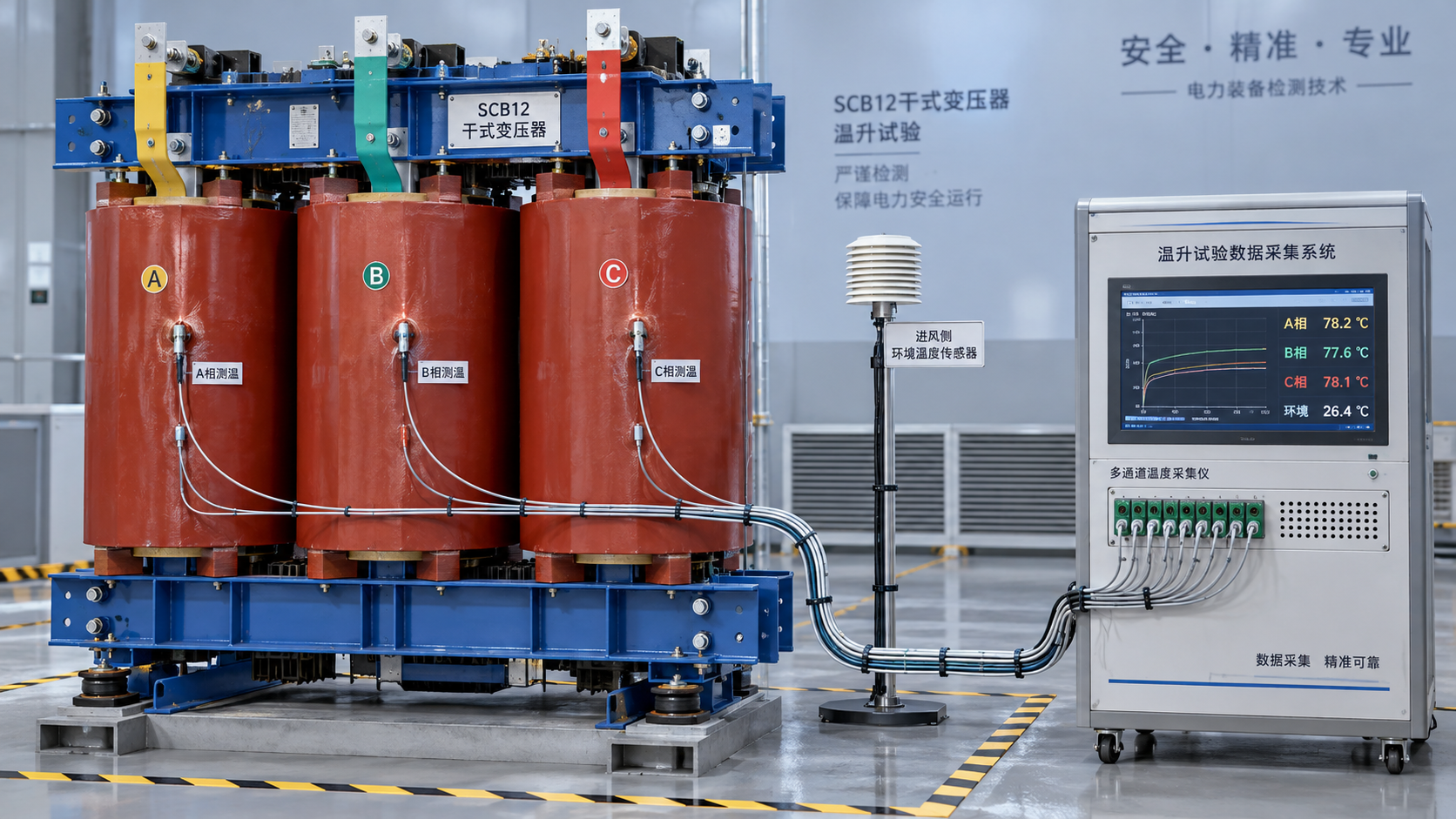
 How to verify the temperature-rise test of an SCB12 dry-type transformer
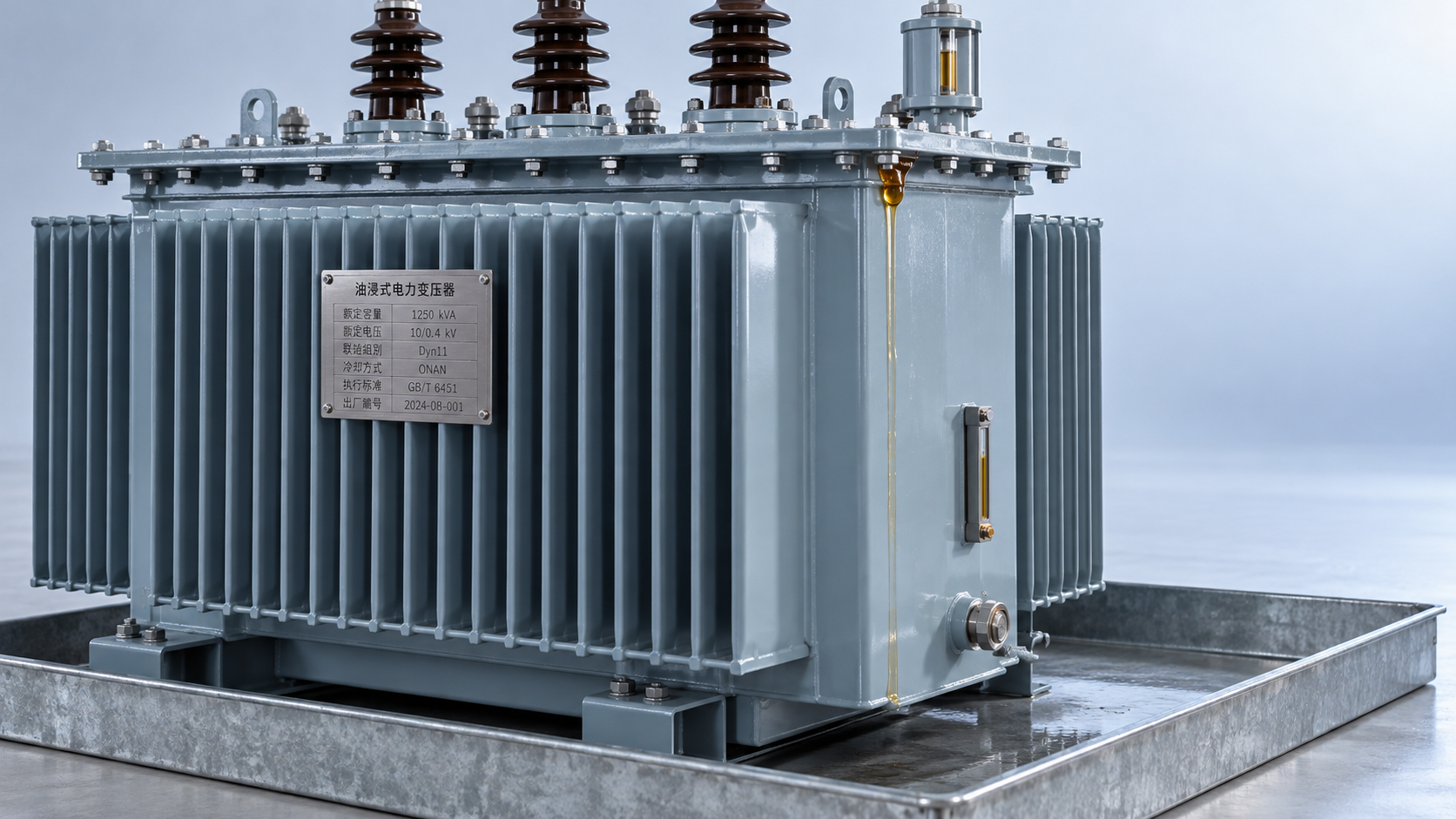
 Distribution transformer maintenance tips for spotting oil leaks
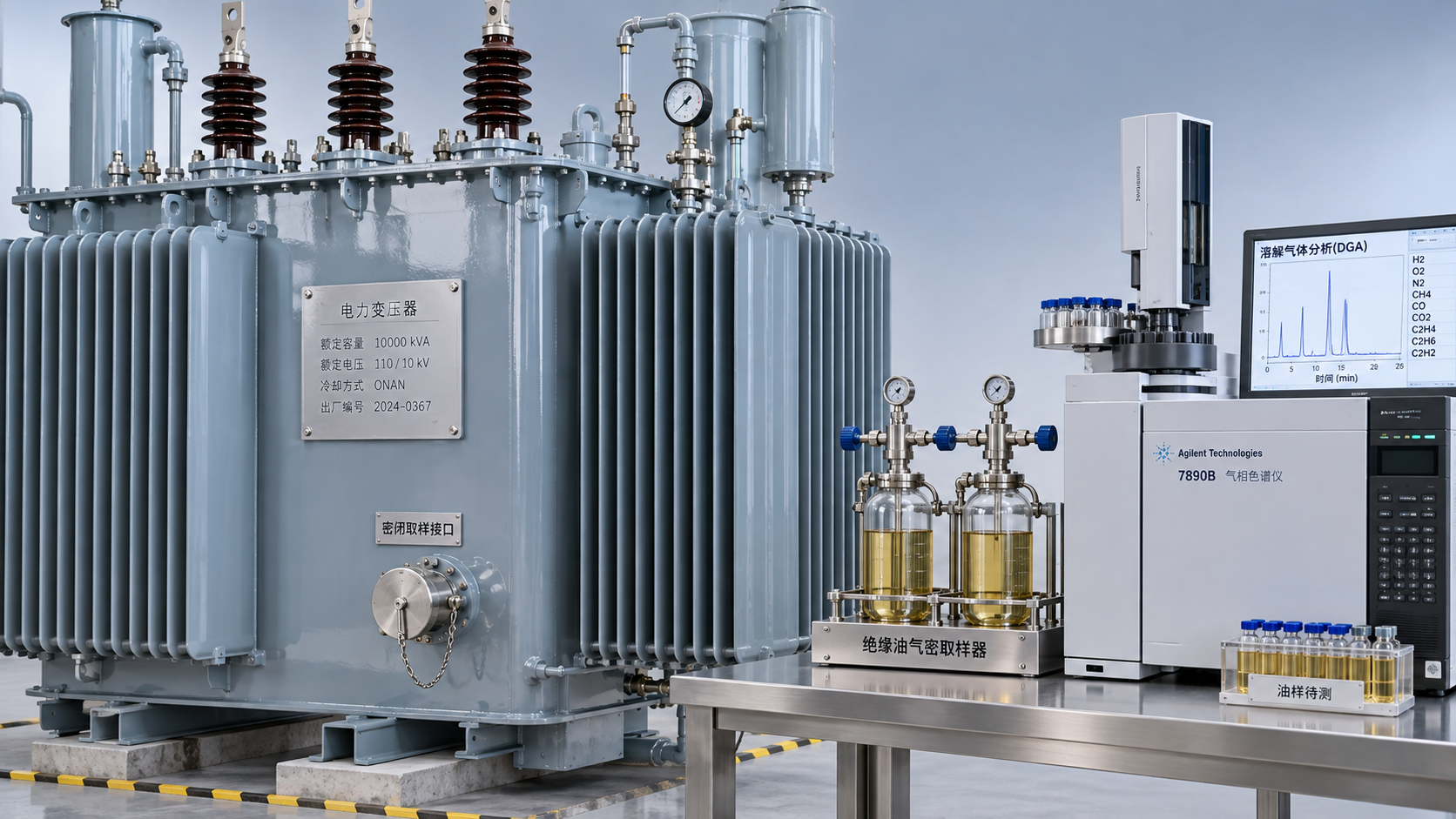
 What dissolved gas analysis reveals about an oil-immersed transformer
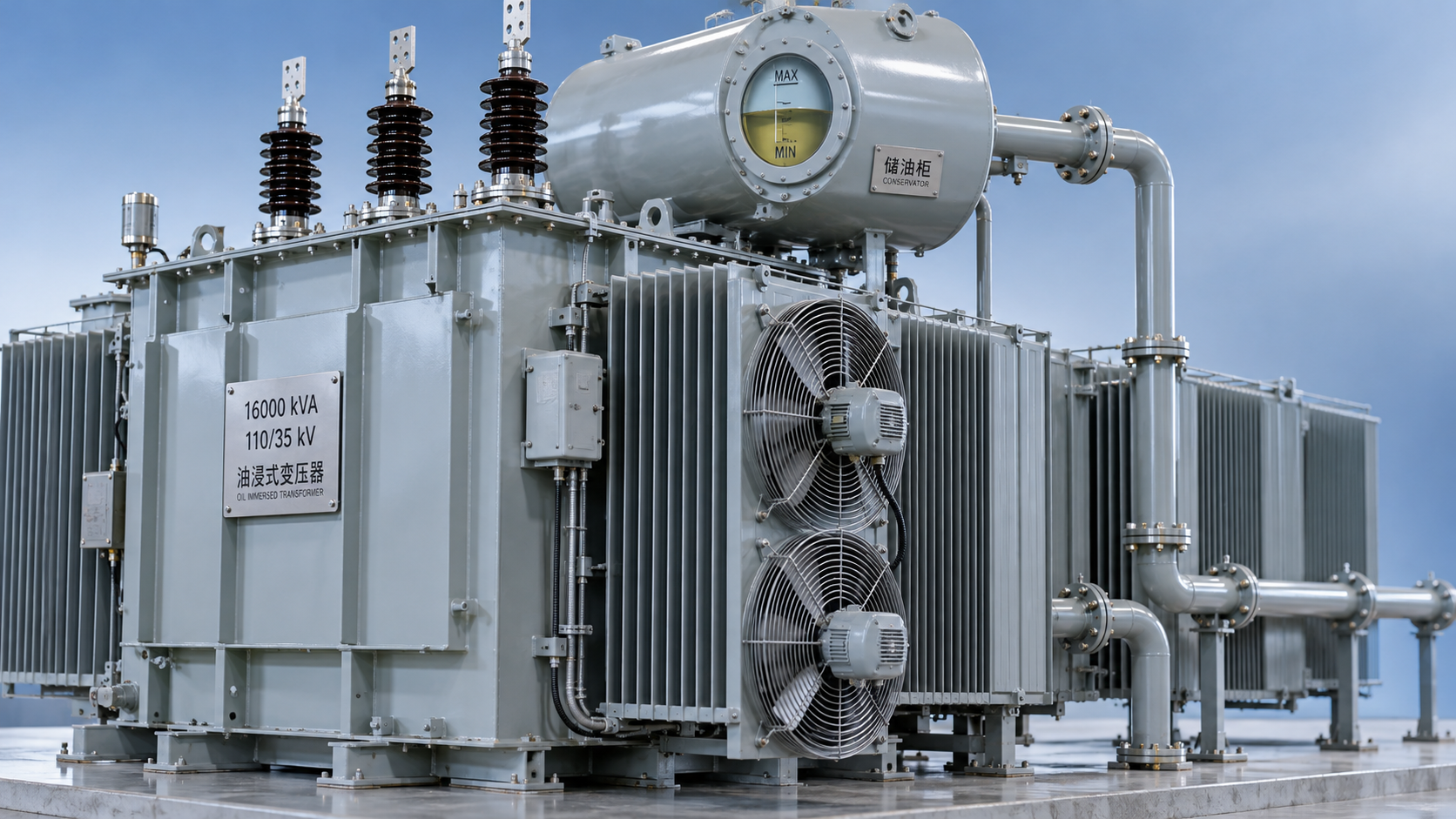
 Why an oil-cooled transformer overheats despite a normal oil level
 How the amorphous core affects SCBH15 dry-type transformer losses
 Sizing S13 oil-immersed transformers for variable wind farm output
GET A FREE QUOTE
We offer reliable products, competitive prices, and nationwide professional support, committed to providing customers with efficient and energy-saving power equipment solutions.