


For project managers evaluating safer and more efficient power distribution solutions, SCB12 Type Dry-Type Transformer fireproof performance is a critical buying factor. At the same time, understanding how SCB13 Type Dry-Type Transformer energy saving benefits can reduce operating costs helps improve long-term project value. This guide highlights the key checks you should make before selecting the right dry-type transformer for demanding applications.
In commercial buildings, industrial plants, transport hubs, hospitals, and data-heavy facilities, transformer selection affects not only electrical reliability but also fire safety planning, lifecycle cost, installation constraints, and compliance risk. For project leaders, a dry-type transformer is rarely a simple equipment purchase. It is a decision tied to civil design, ventilation, load growth, commissioning schedules, and long-term maintenance budgets.
Jiangsu Shengda Power Equipment Co., Ltd. focuses on the R&D, production, and sales of transformers and related products, covering low-loss power transformer series such as S11, S13, S15, S20, and S22, as well as 10kV and 35kV models, SCB10, SCB11, SCB13, SCB14, SCB18, SGB series, compact substations, amorphous alloy transformers, and on-load tap-changing power transformers. With ISO9001 certification and compliance with standards such as GB1094.1-2-1996 and GB/T6451-2008, the company supports buyers who need dependable quality and disciplined manufacturing control.
Why Fireproof Performance Matters in SCB12 Dry-Type Transformer Selection
The main reason project teams prefer dry-type transformers in indoor distribution rooms is reduced fire risk compared with oil-immersed designs. In high-density sites, the fireproof value of an SCB12 Type Dry-Type Transformer becomes especially important when transformers are installed near occupied zones, cable shafts, basement substations, or critical escape routes. A safer transformer can simplify coordination with fire engineering, HVAC, and building management teams.
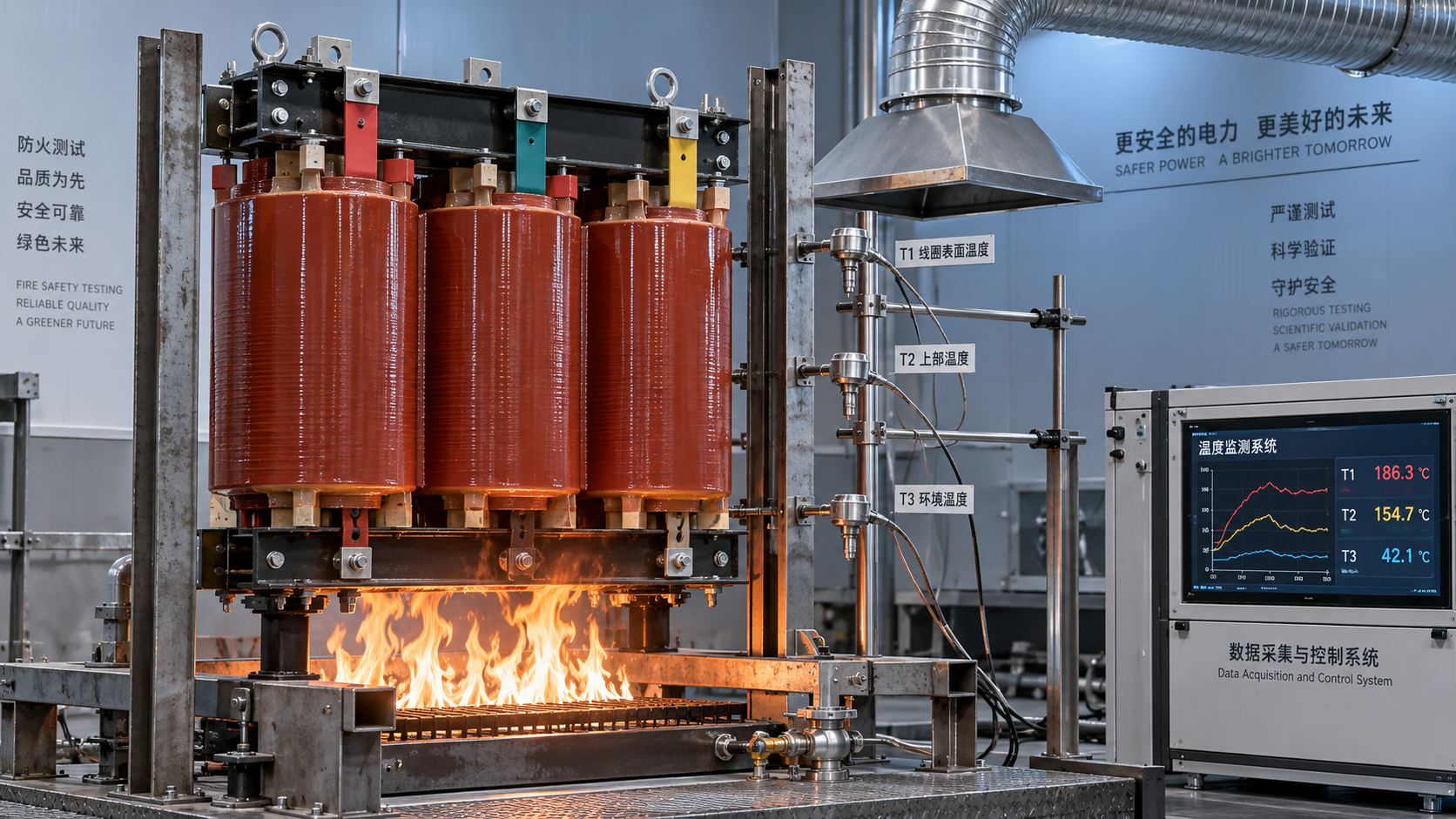
Fireproof performance should not be treated as a marketing phrase. Buyers need to verify insulation system quality, winding encapsulation, temperature rise behavior, overload tolerance, and ventilation conditions. In practical project terms, poor thermal design can increase hotspot risk even when the transformer is labeled as dry-type. That is why review should combine design data, operating environment, and protection settings rather than focus on one catalog line.
For indoor applications at 10kV or 35kV, project managers usually assess at least 4 fire-related dimensions: insulation class, flame resistance of key materials, heat dissipation path, and coordination with temperature monitoring devices. If the installation room has ambient temperatures above 40°C, limited airflow, or frequent load peaks above 80% of rated capacity, these checks become even more important.
Core fire-safety checkpoints before purchase
- Confirm the insulation and casting structure used in the windings, especially for indoor public or semi-public facilities.
- Check whether the transformer includes a temperature control and protection system with clear alarm and trip logic.
- Review rated load, overload allowance, and ventilation requirements under natural air cooling or forced air cooling.
- Evaluate the installation room layout, including cable entry, wall clearance, and heat exhaust path within 1.5-3 meters around the unit.
- Ask for routine test records related to partial discharge, temperature rise, and short-circuit withstand capability.
A frequent mistake is assuming all dry-type transformers perform similarly in a fire event. In reality, product quality can vary through resin process control, core material selection, winding tightness, and protection system integration. For project delivery, the safest buying approach is to evaluate both product design and supplier manufacturing discipline. This is particularly important when the transformer will serve critical loads such as hospital HVAC, data rooms, elevators, or fire pumps.
The table below can help project managers compare major fireproof evaluation points during pre-bid or technical clarification stages.
The key takeaway is that fireproof selection is a systems issue, not just a transformer issue. If the transformer room, load profile, protection logic, and ventilation layout are considered together during design review, project risk can be reduced significantly before procurement is locked.
How to Balance SCB13 Energy Saving Benefits with Long-Term Project Cost
While fireproof performance often drives the first screening, lifecycle energy cost usually shapes the final business case. This is where comparison with SCB13 Type Dry-Type Transformer energy saving performance becomes useful. Project managers are increasingly asked to justify procurement decisions not only by purchase price, but also by 5-year, 10-year, or even 15-year operating cost impact.
For transformers operating 24 hours a day, no-load loss matters even when actual site load is moderate. In buildings with stable daily consumption, small differences in no-load loss can accumulate into substantial annual electricity cost. In facilities with fluctuating demand, load loss and cooling behavior also deserve close review, especially if demand peaks occur for 2-6 hours every day.
A practical strategy is to compare at least 3 cost layers: initial purchase cost, annual energy consumption, and expected maintenance burden. Some project teams focus too heavily on upfront capex and overlook the effect of lower no-load loss, lower noise, and longer service life. In utility rooms located near offices, schools, hospitals, or commercial spaces, reduced acoustic impact can also create indirect value by improving environmental compliance and user comfort.
When lower losses create stronger project value
Amorphous alloy dry-type designs are often considered when energy efficiency is a priority. For example, SCBH15 Type Dry-Type Transformer uses amorphous alloy material and is designed for very low no-load loss and no-load current. According to the provided product information, its no-load loss is 75% lower than the value specified in GB/T10228, and more than 30% lower than the SCB10 model. It also keeps all losses below those of the SCB13 dry-type transformer, making it a strong option for buyers evaluating total ownership cost rather than only purchase price.
Another benefit for project environments is lower operational noise. The same product information indicates noise levels about 5-15 decibels below the national standard GB/T10088, with an average reduction of 20% compared with JB/T10088-2016. In indoor installations near occupied spaces, this can reduce the need for additional acoustic measures and make equipment room planning more flexible.
The following comparison helps purchasing and engineering teams frame value beyond the nameplate.
For project decision-makers, the best value often comes from matching transformer efficiency to actual operating hours and load profile. If the site has stable year-round use, or if the project owner is sensitive to energy expenses and acoustic impact, a lower-loss dry-type transformer can support a stronger payback case.
Technical Checks Project Managers Should Request Before Approval
Before technical approval, project managers should ask for more than a quotation and a catalog sheet. A dry-type transformer directly affects commissioning, system reliability, and future fault response. At minimum, the technical review package should include rated capacity, voltage level, vector group, impedance, cooling method, insulation class, test standards, and temperature monitoring arrangement. Without these details, procurement comparison becomes incomplete and risk increases during installation.
Capacity matching is one of the most common sources of project waste. An oversized unit can increase no-load losses and occupy more valuable room space, while an undersized unit may run hot and shorten service life. In many building and industrial projects, selecting around the real demand plus a reasonable growth margin of 10%-20% is more practical than choosing the largest available unit “just in case.”
Short-circuit strength is another essential check. In networks with high fault levels or large motor starting currents, a transformer needs strong mechanical and thermal withstand capability. The provided product data for the SCBH15 series highlights strong short-circuit withstand capability, low partial discharge, low temperature rise, strong heat dissipation, and long service life. These are meaningful indicators for sites exposed to load fluctuation, frequent starts, or harsh duty cycles.
Six technical items to verify in the submittal package
- Rated voltage and capacity match the actual one-line diagram and demand forecast.
- Impedance value is suitable for the protection scheme and expected fault current.
- Cooling mode and room ventilation are sufficient for 100% load and short-term overload conditions.
- Temperature control system includes alarm, fan start, and trip logic with clear setpoints.
- Routine testing covers partial discharge, insulation resistance, ratio, and temperature rise where applicable.
- External dimensions and lifting arrangement fit the access path, foundation, and installation space.
Overload and cooling considerations
Some applications require short-term overload margin during seasonal peaks or emergency conditions. According to the provided product information, the SCBH15 design can operate at 150% rated load under air-cooled conditions, which is a valuable reference for projects needing temporary reserve capacity. Even so, overload use should always be checked against ambient temperature, operating duration, and upstream protection settings rather than assumed as a permanent operating mode.
In practice, installation environment can be as important as transformer design. If airflow is blocked, dust is heavy, or room temperature remains high for weeks, actual performance may differ from nominal conditions. A reliable supplier should therefore discuss not just the product itself, but also room layout, cable routing, maintenance access, and expected service conditions before confirming the final configuration.
Procurement, Delivery, and Installation Risk Control
Even a well-specified transformer can create schedule pressure if procurement and installation planning are weak. For project managers, risk control should start at the RFQ stage. Dry-type transformer projects usually involve at least 5 linked steps: technical clarification, drawing confirmation, production scheduling, factory testing, and site delivery coordination. If any one of these steps is delayed, switchgear integration and energization dates can slip.
Typical lead times vary by model, voltage class, and customization depth. Standard dry-type units may be easier to schedule, while special capacities, tighter noise limits, or compact dimensional requirements can extend production cycles. That is why buyers should confirm drawing freeze dates, inspection windows, packaging requirements, and transport constraints early, especially for basement rooms, rooftop equipment areas, or projects with narrow access routes.
Jiangsu Shengda Power Equipment Co., Ltd. emphasizes strong technical expertise, sophisticated manufacturing processes, comprehensive quality inspection systems, and stringent management. For buyers, these capabilities matter because production consistency, inspection discipline, and standards compliance often determine whether the delivered unit performs on site as expected, not merely on paper.
Delivery risk checklist for project teams
The table below helps engineering, procurement, and site teams align around the highest-impact delivery and installation checks.
This kind of planning is especially useful when energization is tied to milestone penalties, tenant handover, or production startup. In those cases, early supplier coordination can save far more than a small price difference on the equipment itself.
Common Selection Mistakes, Practical FAQs, and Final Buying Advice
Many transformer issues can be prevented before purchase. The most common mistakes include buying by price only, ignoring room ventilation, overestimating future capacity growth, failing to review noise limits, and not checking protection integration. For projects with compressed schedules, teams may also skip factory test communication and discover interface problems only after delivery. These are avoidable errors if selection is treated as an engineering decision instead of a commodity transaction.
Another recurring issue is poor coordination between electrical design and site execution. A transformer may meet all technical parameters but still become difficult to install because of doorway clearance, turning radius, cable trench position, or lifting access. For many indoor projects, checking these physical constraints 2-4 weeks before delivery is one of the simplest ways to avoid costly site delays.
Project managers should also look at service support and documentation quality. Clear manuals, wiring diagrams, temperature controller settings, and inspection records help shorten commissioning time and improve maintenance handover. If the owner’s facility team will operate the unit for 10 years or longer, this documentation value should not be underestimated.
FAQ 1: Which applications benefit most from fireproof dry-type transformers?
They are especially suitable for indoor and safety-sensitive applications such as hospitals, commercial complexes, schools, metro facilities, office towers, data rooms, and light industrial plants. These environments often require reduced fire load, controlled noise, and easier maintenance access. Where people occupancy is high or oil containment is difficult, dry-type designs are often preferred.
FAQ 2: What should be checked first when comparing SCB12 and SCB13 options?
Start with the actual project priority. If the main concern is safer indoor deployment, review fireproof performance, insulation quality, temperature control, and ventilation compatibility. If the owner is more focused on operating cost, compare no-load loss, load loss, noise, and expected duty cycle. In most cases, 4 comparison groups are enough: safety, energy, installation, and lifecycle service.
FAQ 3: How long is a typical procurement and commissioning cycle?
The exact schedule depends on voltage level, capacity, and customization, but project teams should generally plan for several phases rather than a single delivery date. A realistic workflow includes technical confirmation, production, testing, shipping, installation, and energization. If the project has special acoustic, dimensional, or monitoring requirements, additional review time should be added.
FAQ 4: Is maintenance-free operation realistic for dry-type transformers?
Maintenance-free does not mean inspection-free. It usually means there is no oil handling and routine service demand is lower than with oil-immersed equipment. Periodic checks should still cover dust condition, terminal tightness, grounding, temperature monitoring, and ventilation path. In dusty or high-humidity environments, inspection frequency may need to increase from annual review to every 3-6 months depending on site conditions.
For project managers seeking a dependable dry-type transformer supplier, the best buying decision comes from connecting safety, efficiency, technical suitability, and delivery control into one evaluation process. Jiangsu Shengda Power Equipment Co., Ltd. supports this approach through broad transformer product coverage, disciplined quality control, and standards-based manufacturing. If you are comparing indoor distribution solutions for 10kV or 35kV projects, now is the right time to review your load profile, installation conditions, and lifecycle targets. Contact us to get a tailored selection proposal, discuss product details, or explore a more efficient transformer solution for your next project.



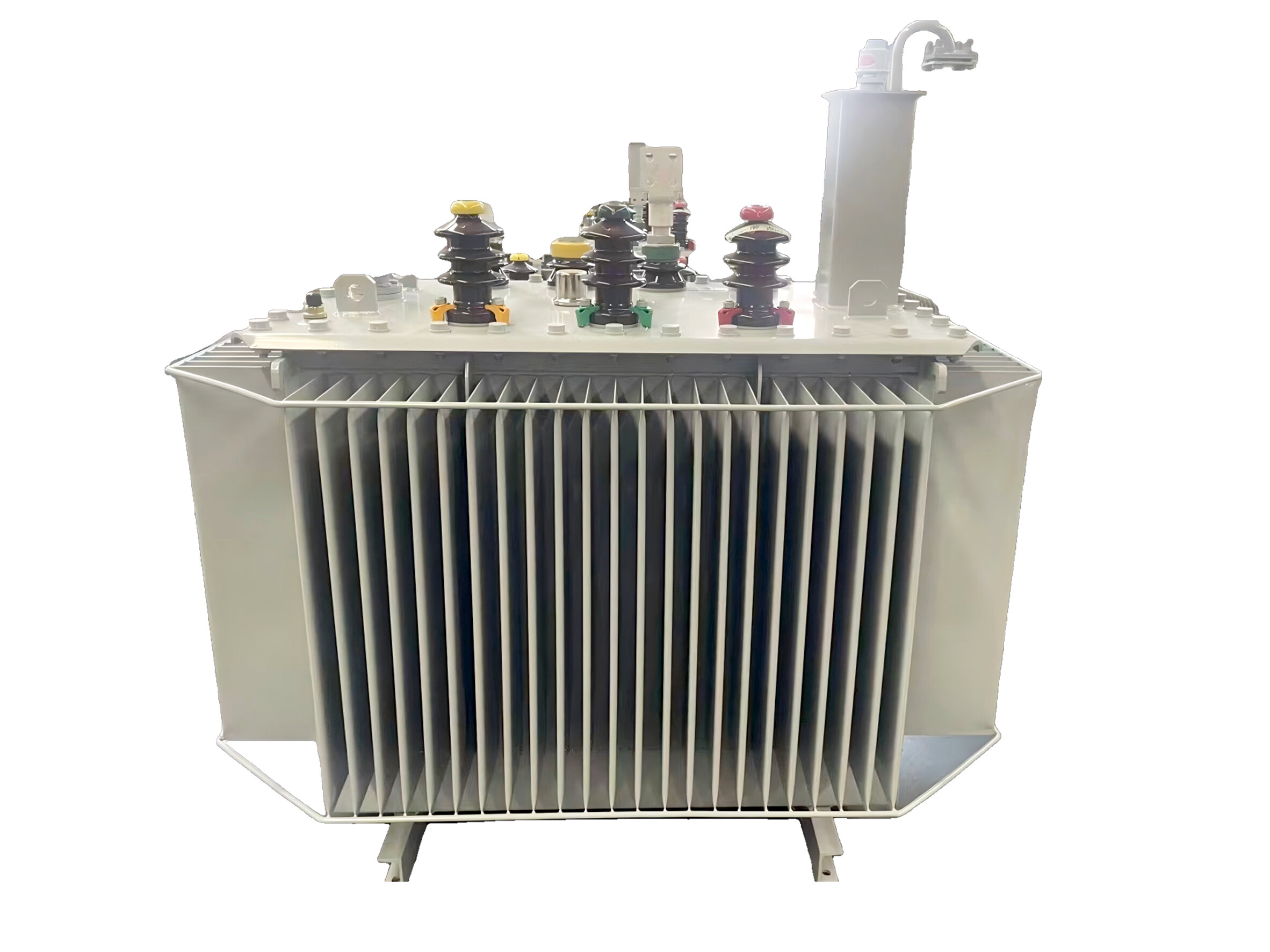
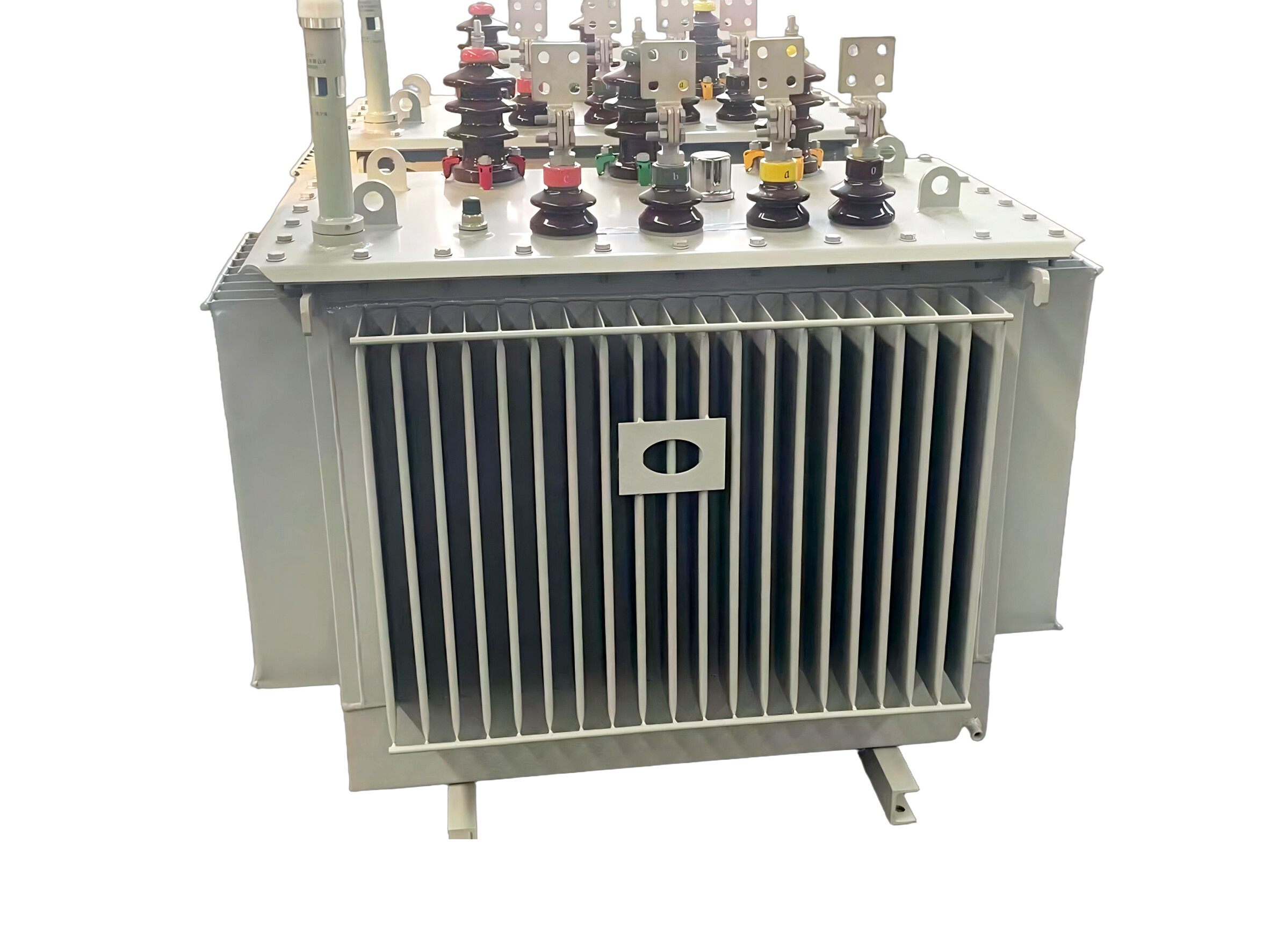
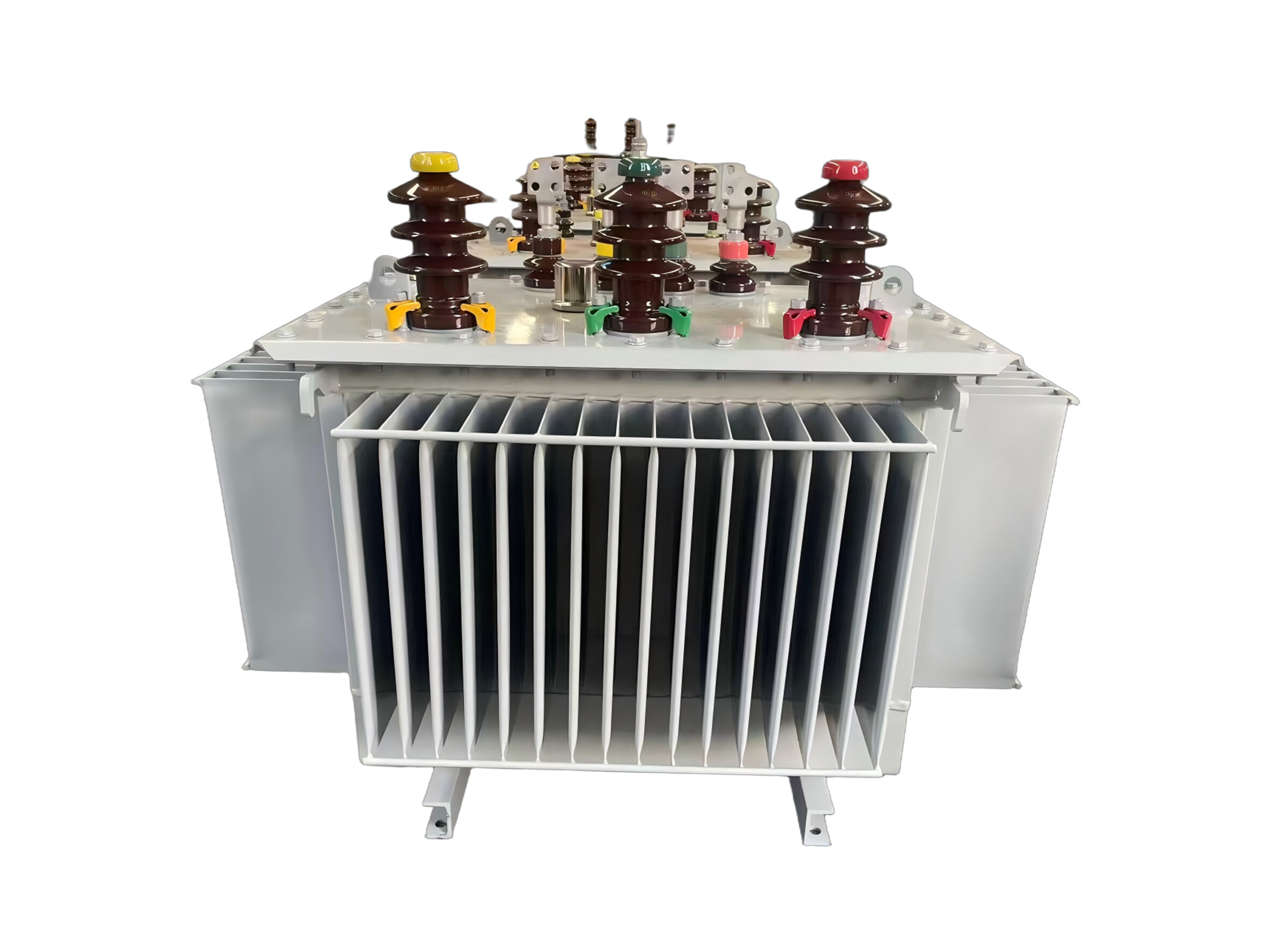
 S22 Series Oil-Immersed Power TransformersThe energy-saving, energy-efficient, Class 1 oil-immersed transformer is a new type of energy-saving transformer developed based on the GB20052-2020 standard. Our company has achieved the goal of reducing no-load loss and noise by optimizing and innovating the design of the core and coil structure through the research and application of new materials and new processes, as well as the combination of independent innovation and technology introduction. This is a product developed independently.
 S20 Series Oil-Immersed Power TransformersThe energy-saving, energy-efficient, level-two oil-immersed transformer is a new type of energy-saving transformer developed based on the GB20052-2020 standard. Our company has independently developed this product by combining the research and application of new materials and processes with independent innovation and technology introduction, and by optimizing and innovating the design of the core and coil structure to reduce no-load loss and noise.
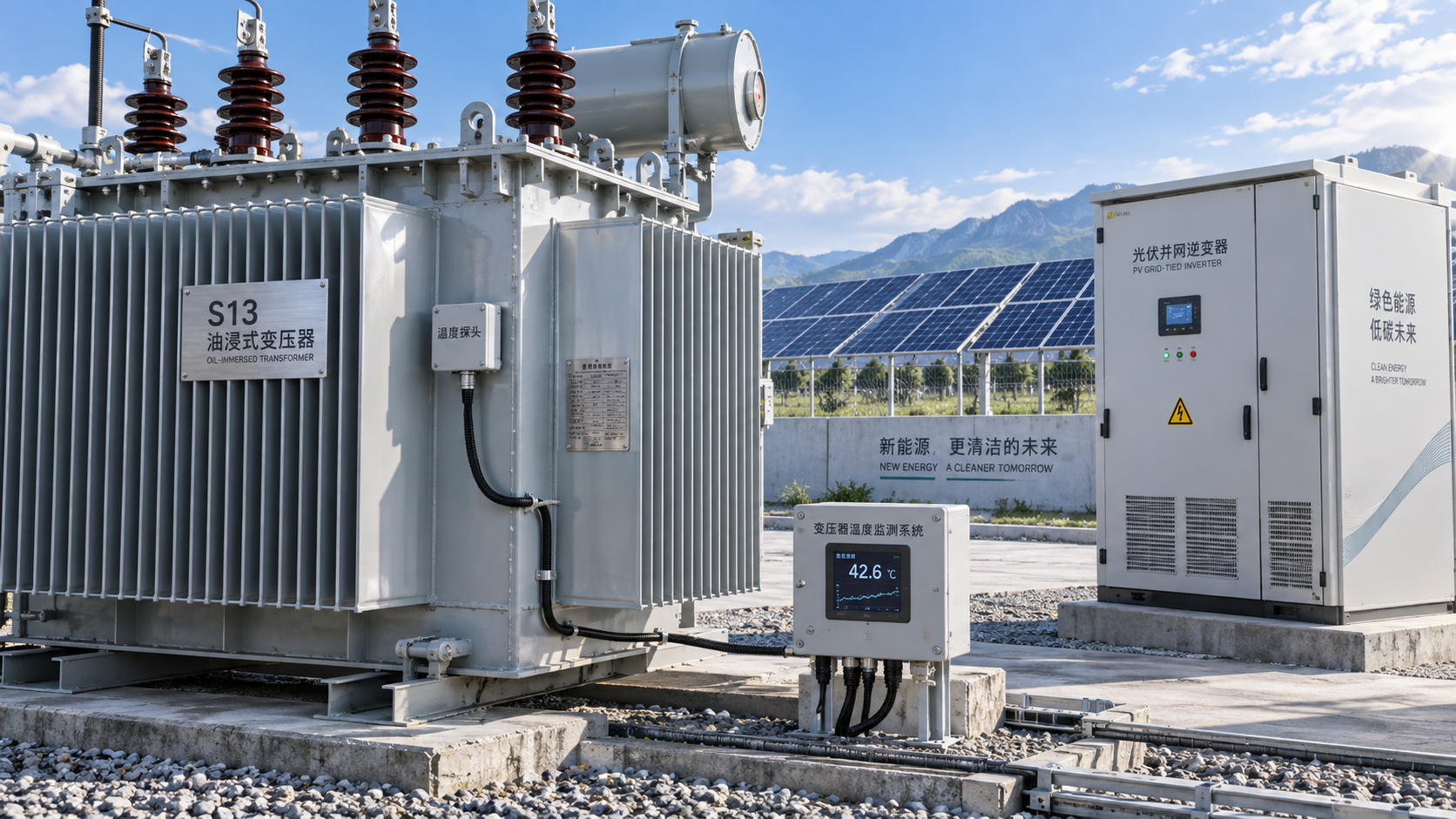
 S13 Series Oil-Immersed Power TransformerThe S13 model is a product independently developed by our company based on the original S11 distribution transformer. Through the research and application of new materials and processes, as well as the combination of independent innovation and technology introduction, and through the optimized and innovative design of the core and coil structure, the aim is to reduce no-load loss and noise.
 What an F1 fire behaviour rating means for a flame-retardant transformer
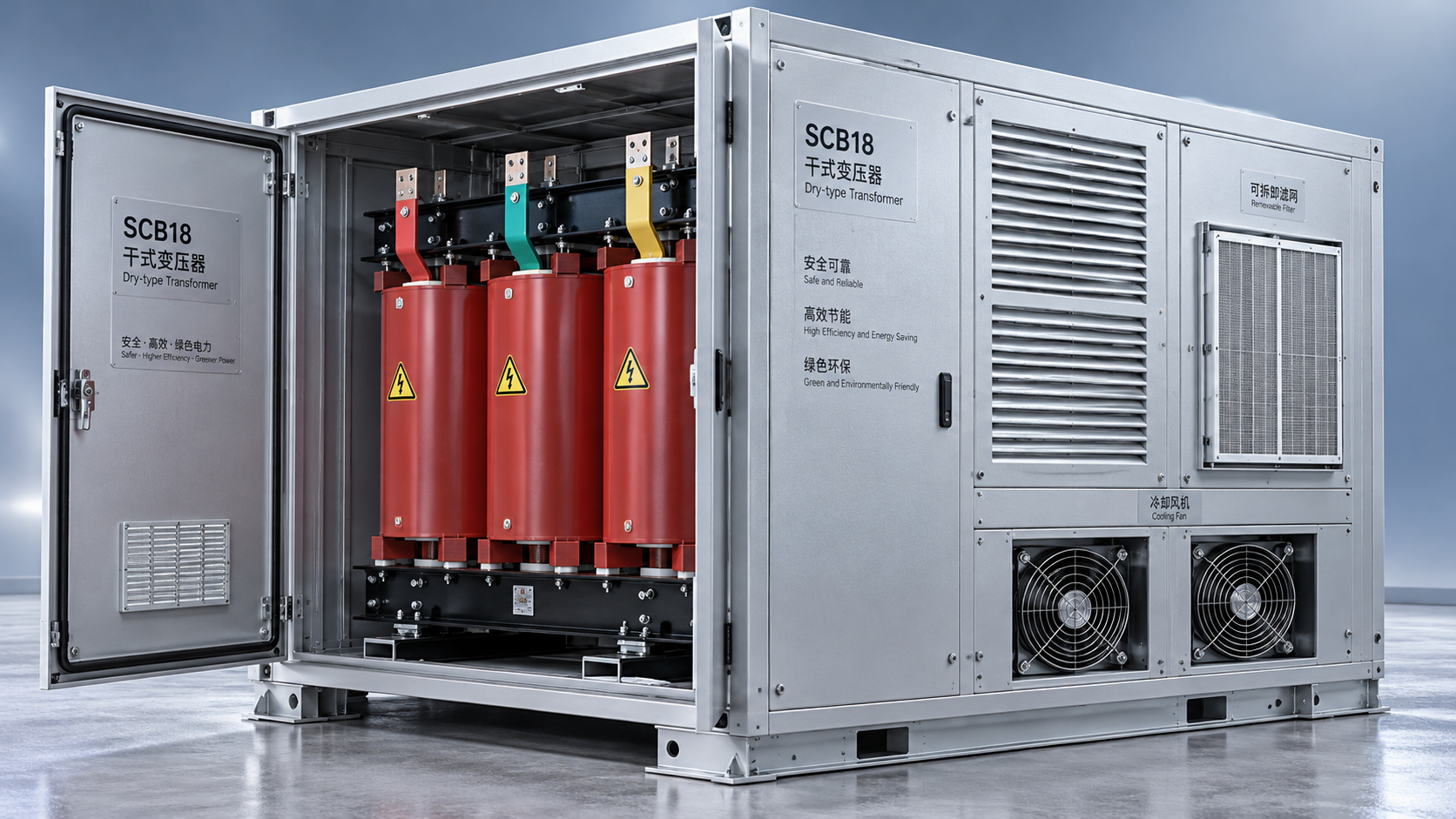
 How enclosure specifications affect SCB18 dry-type transformer cost
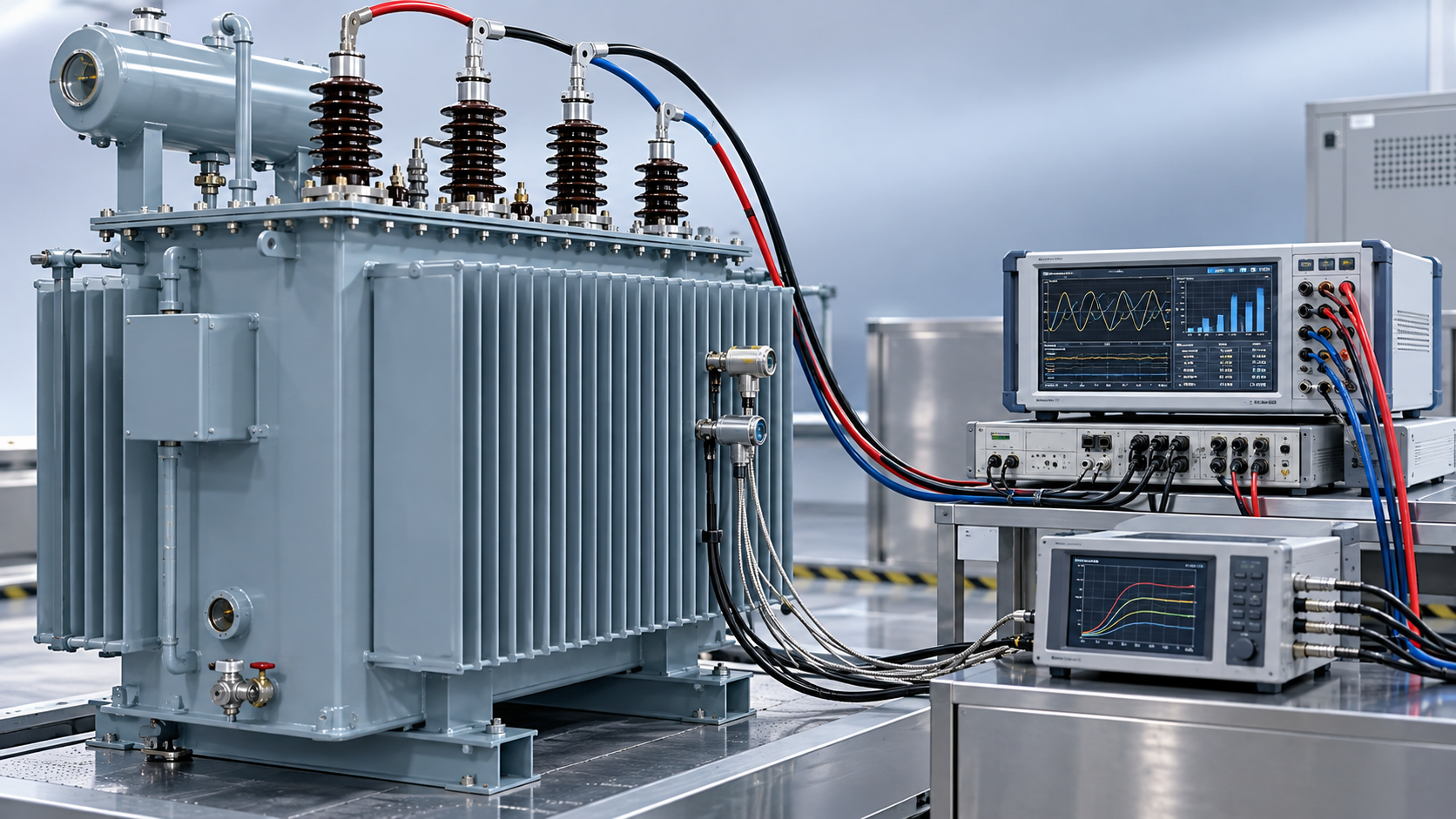
 How to compare loss guarantees for S22 oil-immersed transformers
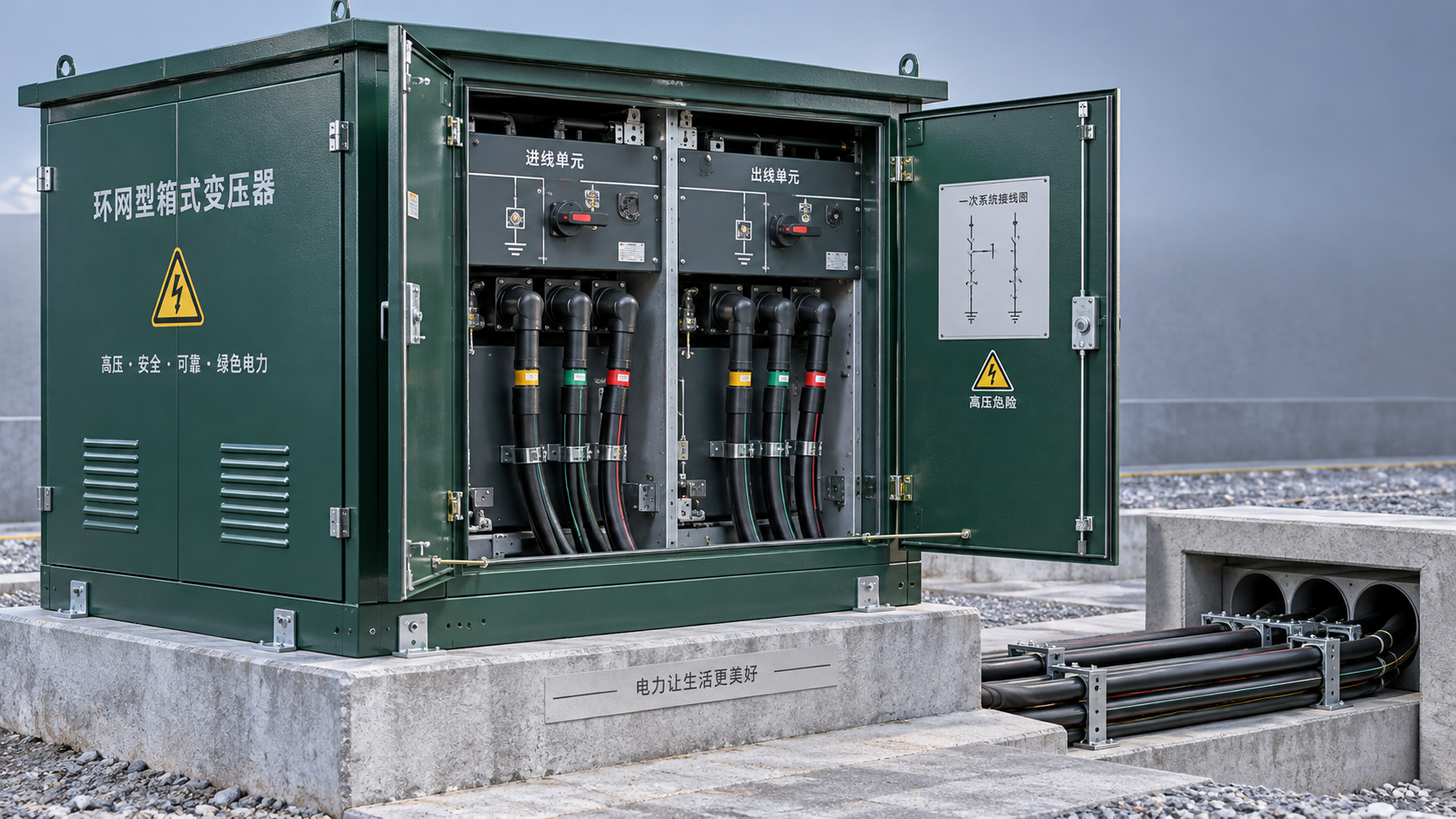
 When to choose a loop-feed pad-mounted transformer over radial feed
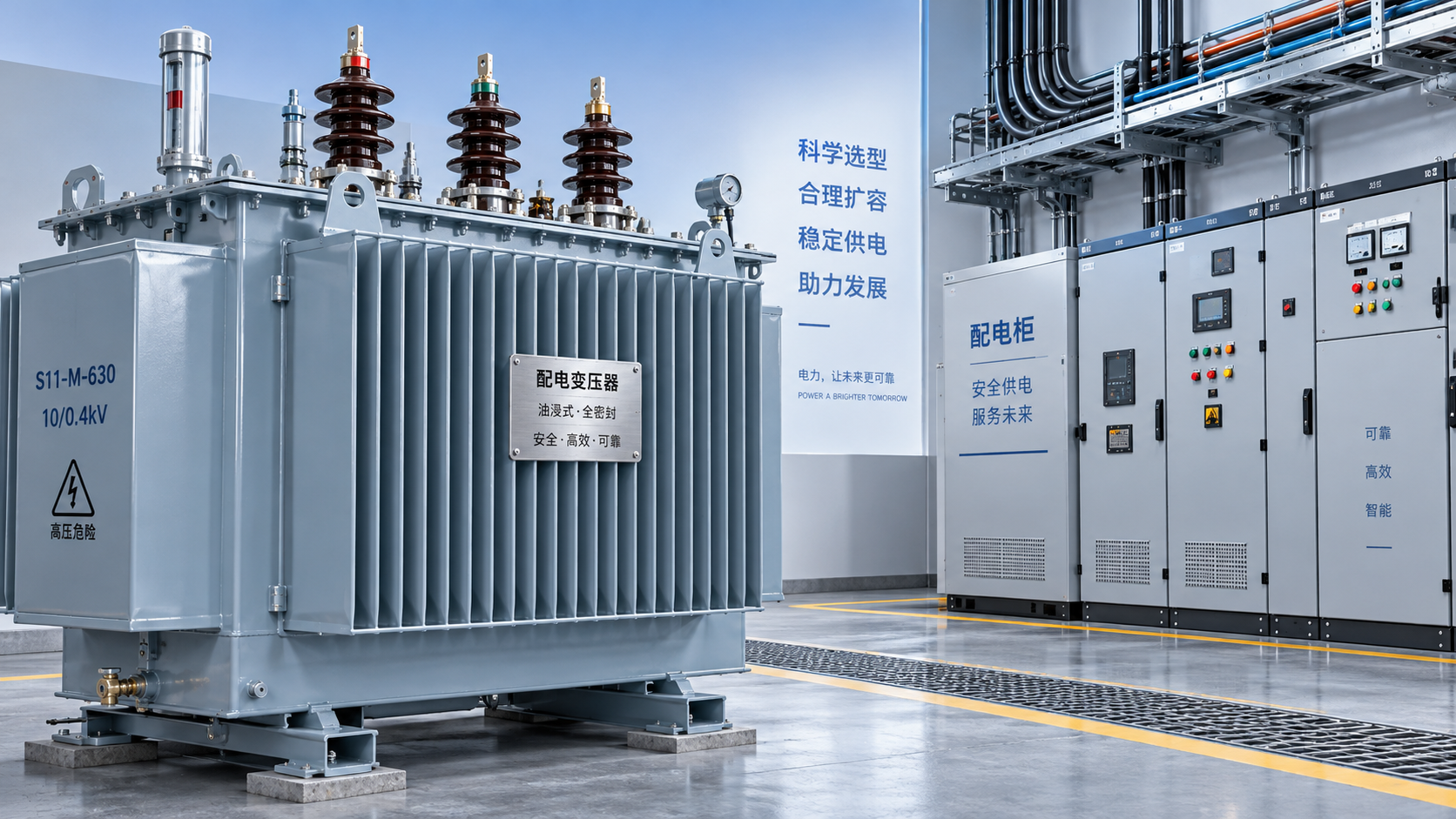
 How much spare capacity should a distribution transformer have?
 Checking S13 oil-immersed transformers for renewable inverter loads
GET A FREE QUOTE
We offer reliable products, competitive prices, and nationwide professional support, committed to providing customers with efficient and energy-saving power equipment solutions.