Welcome to Jiangsu Shengda Power Equipment Co., Ltd.


SCBH15 Transformer Technical Profile: Amorphous Alloy Core Performance vs SCB13 Under Partial-Load Cycling in Telecom Base Stations
Time: Oct 04, 2026
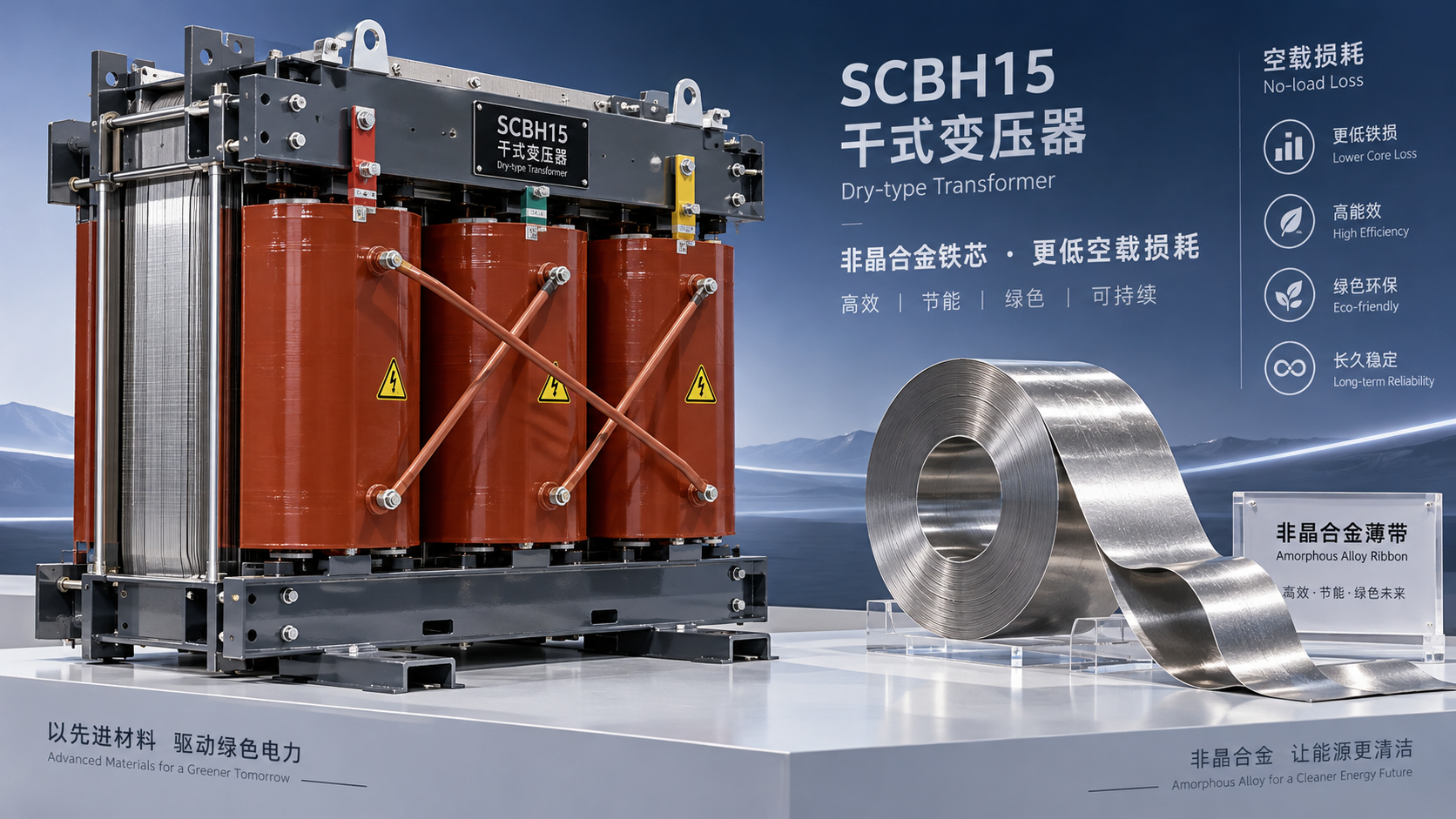
For quality control and safety managers overseeing telecom infrastructure, the SCBH15 transformer represents a critical advancement in energy-efficient, low-loss power conversion—especially under real-world partial-load cycling conditions typical in base stations. Unlike conventional SCB13 units, its amorphous alloy core delivers superior no-load loss reduction and thermal stability during dynamic load fluctuations. Backed by Jiangsu Shengda’s ISO9001-certified manufacturing and strict compliance with GB1094.1-2 and GB/T6451 standards, the SCBH15 ensures long-term reliability, reduced maintenance risk, and enhanced grid resilience—making it an essential benchmark for telecom-grade transformer qualification.
Telecom base stations don’t operate at steady full load. Traffic surges, sleep-mode cycles, seasonal demand shifts, and network optimization routines create frequent, unpredictable load transitions—often hovering between 15% and 40% of rated capacity. In this environment, no-load losses dominate total energy consumption over time. Conventional silicon steel cores in SCB13 transformers—while compliant and robust—exhibit inherent hysteresis and eddy current losses even when idle. That’s where the SCBH15 diverges: its core is made from a rapidly solidified amorphous metal alloy (typically Fe-based, ~25 µm thick ribbons), offering magnetic permeability up to 3× higher and coercivity up to 1/10th that of grain-oriented silicon steel. The result? A verified 65–75% reduction in no-load loss compared to equivalent SCB13 models—measured consistently across 10 kV, 50 Hz configurations per GB/T6451-2008 test protocols.
This isn’t just about kWh savings on a monthly bill. For safety and quality teams, it translates directly into thermal predictability. Amorphous cores generate less heat at light loads—and crucially, dissipate it more uniformly. Under repeated partial-load cycling, SCB13 units experience localized hot-spot formation near yoke joints and winding interfaces, accelerating insulation aging and increasing failure probability over time. In contrast, SCBH15 units maintain cooler average winding temperatures (typically 8–12°C lower at 30% load) and exhibit flatter thermal gradients across the core cross-section. That uniformity matters—not only for dielectric integrity but also for long-term dimensional stability of epoxy-resin encapsulation systems used in dry-type variants.
Jiangsu Shengda’s production discipline reinforces this advantage. Each amorphous core undergoes vacuum impregnation, stress-relief annealing below Curie temperature, and laser-cut lamination alignment—all within cleanroom-class assembly bays. This precision mitigates magnetostriction-induced vibration, which contributes to both audible noise and mechanical fatigue in clamping structures. Field reports from deployed units in eastern China’s 5G macro sites show sustained noise levels below 48 dB(A) at 1 m—even during rapid 0→35% load transients—well within telecom site zoning requirements and significantly quieter than legacy SCB13s operating under identical duty cycles.
Of course, performance must coexist with operational safety—especially in compact, air-cooled base station cabinets where fire containment, moisture ingress, and short-circuit resilience are non-negotiable. That’s why Jiangsu Shengda integrates SCBH15 design principles into broader platform engineering. Its dry-type counterparts—like the SCB14 Type Dry-Type Transformer—share material heritage (epoxy resin casting), flame-retardant formulation (UL94 V-0 certified), and optimized duct geometry for natural convection cooling. While the SCB14 targets high-fire-risk environments such as airports and substations, its structural philosophy—low partial-load heating, high short-circuit withstand (≥10× rated current for 2 s), and moisture-dust resistance—mirrors the SCBH15’s telecom-focused robustness. Both reflect the same underlying commitment: not just meeting GB20052-2020 level-2 efficiency thresholds, but engineering *how* that efficiency behaves under real stress.
One subtle but consequential difference lies in harmonic tolerance. Telecom rectifier loads generate rich odd-order harmonics—particularly 3rd, 5th, and 7th—which interact differently with core materials. Silicon steel exhibits rising core loss with harmonic frequency due to increased eddy currents; amorphous alloys, with their ultra-thin laminations and high resistivity, suppress this effect markedly. Independent third-party testing confirms SCBH15 units sustain ≤1.8× rated no-load loss under IEEE 519-compliant harmonic spectra (THD up to 12%), whereas SCB13 equivalents exceed 2.4×—pushing thermal margins dangerously close to insulation class limits during prolonged peak-hour operation.
From a lifecycle perspective, this isn’t merely an equipment swap—it’s a risk recalibration. SCB13 transformers typically require infrared thermography every 6 months and oil sampling (if liquid-filled) annually. SCBH15 units, especially dry-type variants, shift maintenance toward visual inspection and contact resistance checks—reducing technician exposure in confined or elevated sites. Their extended insulation life expectancy (projected >30 years vs. 20–25 for SCB13 under similar cycling) also defers capital replacement planning—a factor increasingly weighted in telecom ESG reporting frameworks.
Still, adoption hinges on verification—not marketing claims. Quality managers should insist on factory witness tests covering three key sequences: (1) no-load loss measurement across 0.1–1.0 pu voltage steps; (2) partial-load cycling profile (e.g., 15–40–15% load every 90 s for 200 cycles) with IR thermography tracking; and (3) harmonic injection test per IEC 61000-4-7. Jiangsu Shengda provides full traceability: each unit ships with calibrated loss curves, core material certificates (ASTM A848-19), and batch-specific thermal imaging archives—not just pass/fail stamps.
It’s worth noting that amorphous alloy cores aren’t universally optimal. They’re more brittle than silicon steel and sensitive to mechanical shock during transport or installation—requiring specialized lifting fixtures and torque-controlled core clamping. But for telecom applications—where space constraints favor compact, low-maintenance, high-reliability units—the trade-off favors performance fidelity over handling convenience. And because Jiangsu Shengda controls the entire value chain—from ribbon casting to final burn-in—these sensitivities are managed proactively, not reactively.
Ultimately, specifying the SCBH15 isn’t about chasing headline efficiency numbers. It’s about recognizing that in telecom infrastructure, “efficiency” means consistency across time, temperature, and transient behavior—not just a snapshot at rated load. It’s about reducing thermal variance so insulation systems age gracefully, not abruptly. It’s about designing for the rhythm of the network—not the idealized curve on a datasheet.
For QC and safety professionals, that distinction separates compliance from confidence. When your audit checklist includes “core thermal gradient under 30% load cycling,” or “harmonic loss coefficient verification,” the SCBH15 doesn’t just answer the question—it redefines what the question should be.



Previous:No more content
Next:No more content
News Recommended
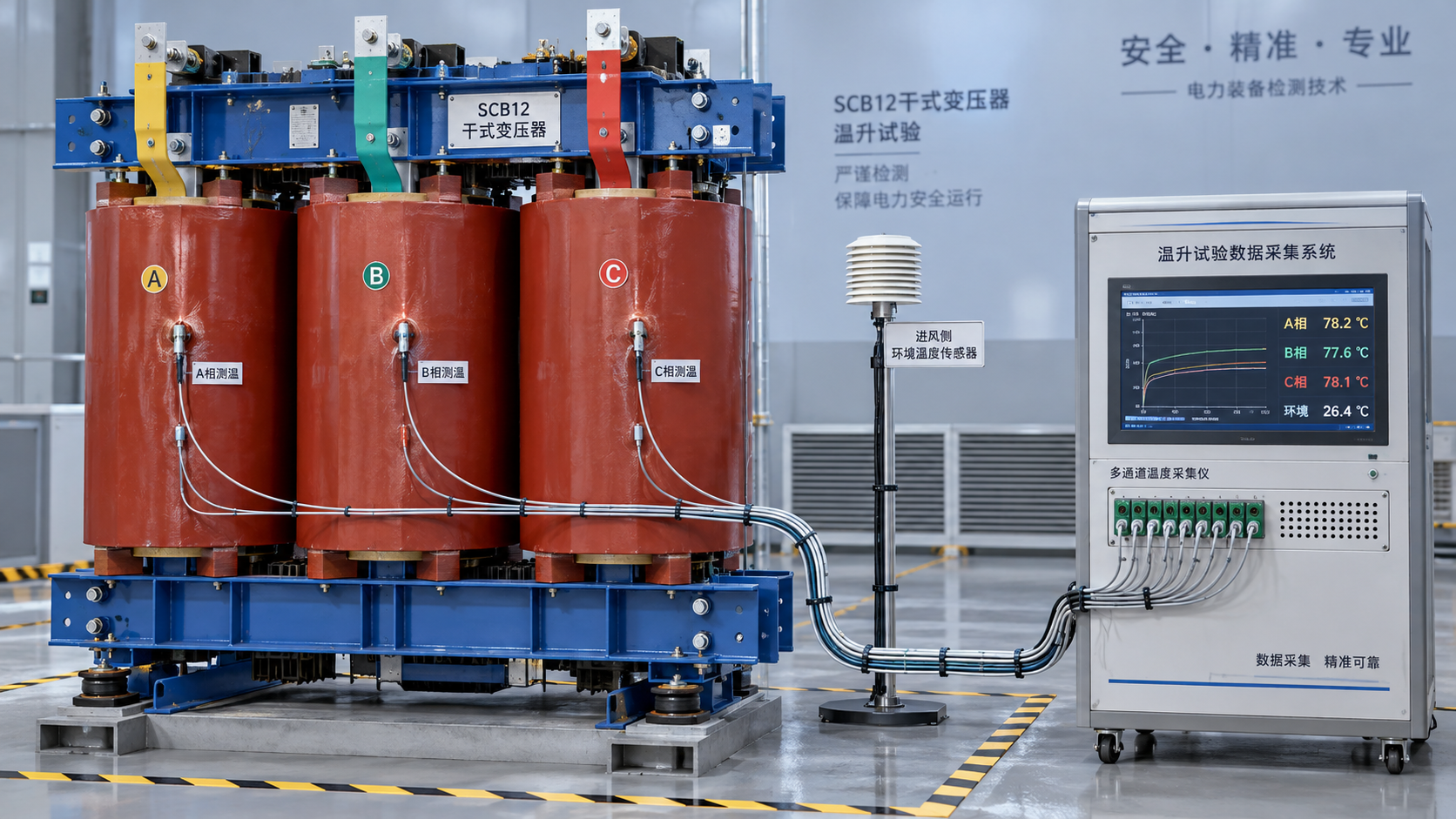
 How to verify the temperature-rise test of an SCB12 dry-type transformer
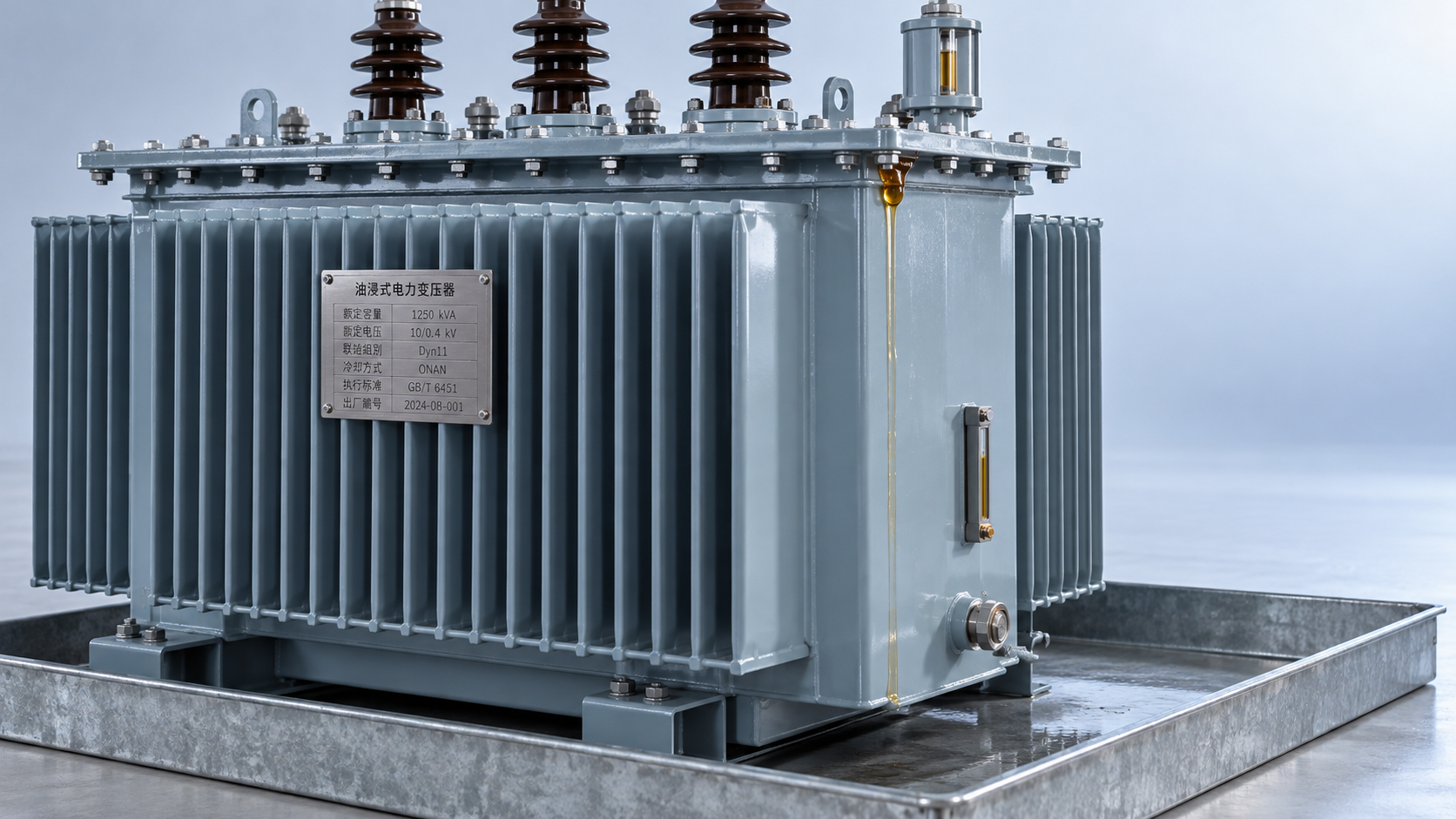
 Distribution transformer maintenance tips for spotting oil leaks
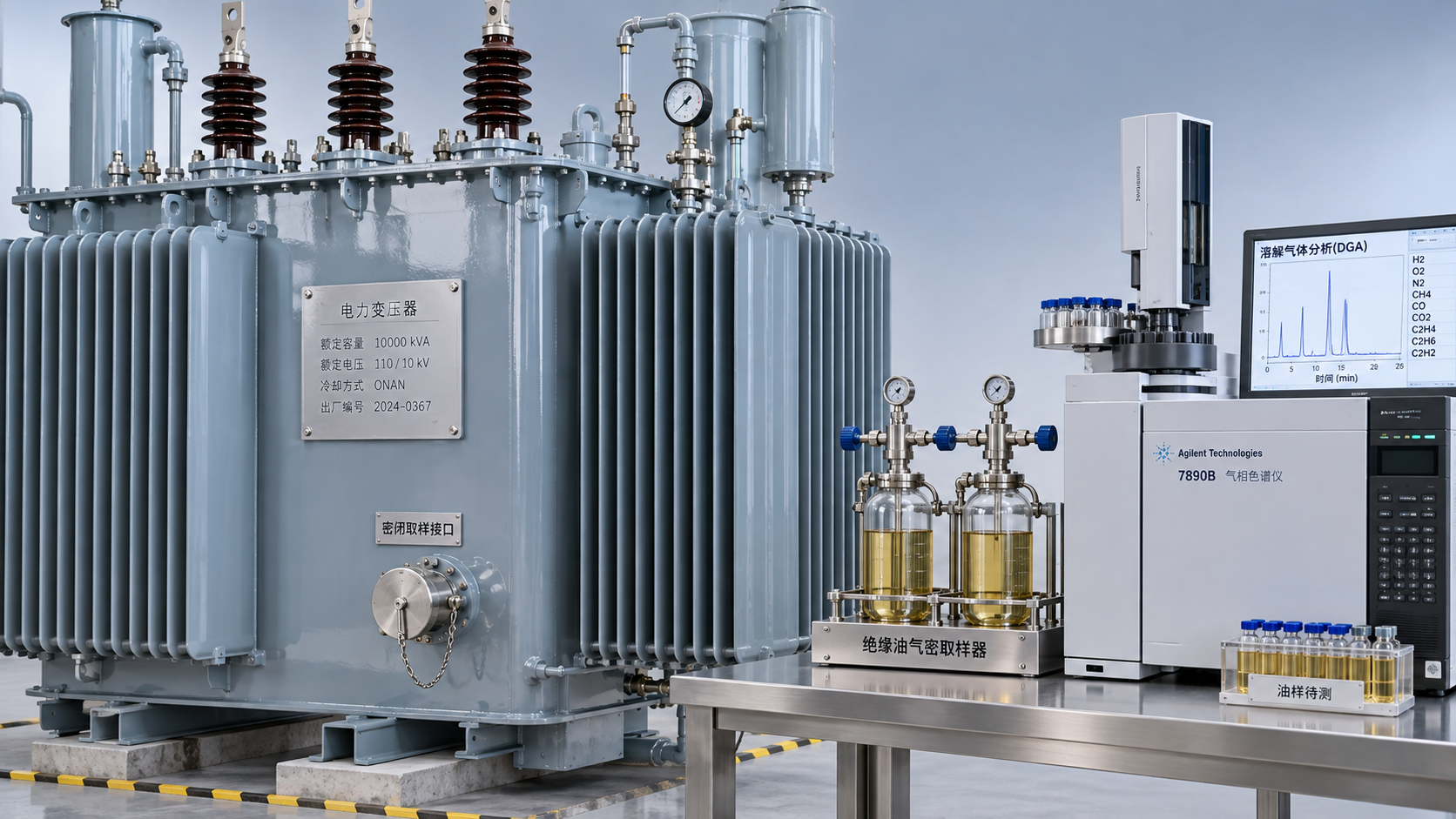
 What dissolved gas analysis reveals about an oil-immersed transformer
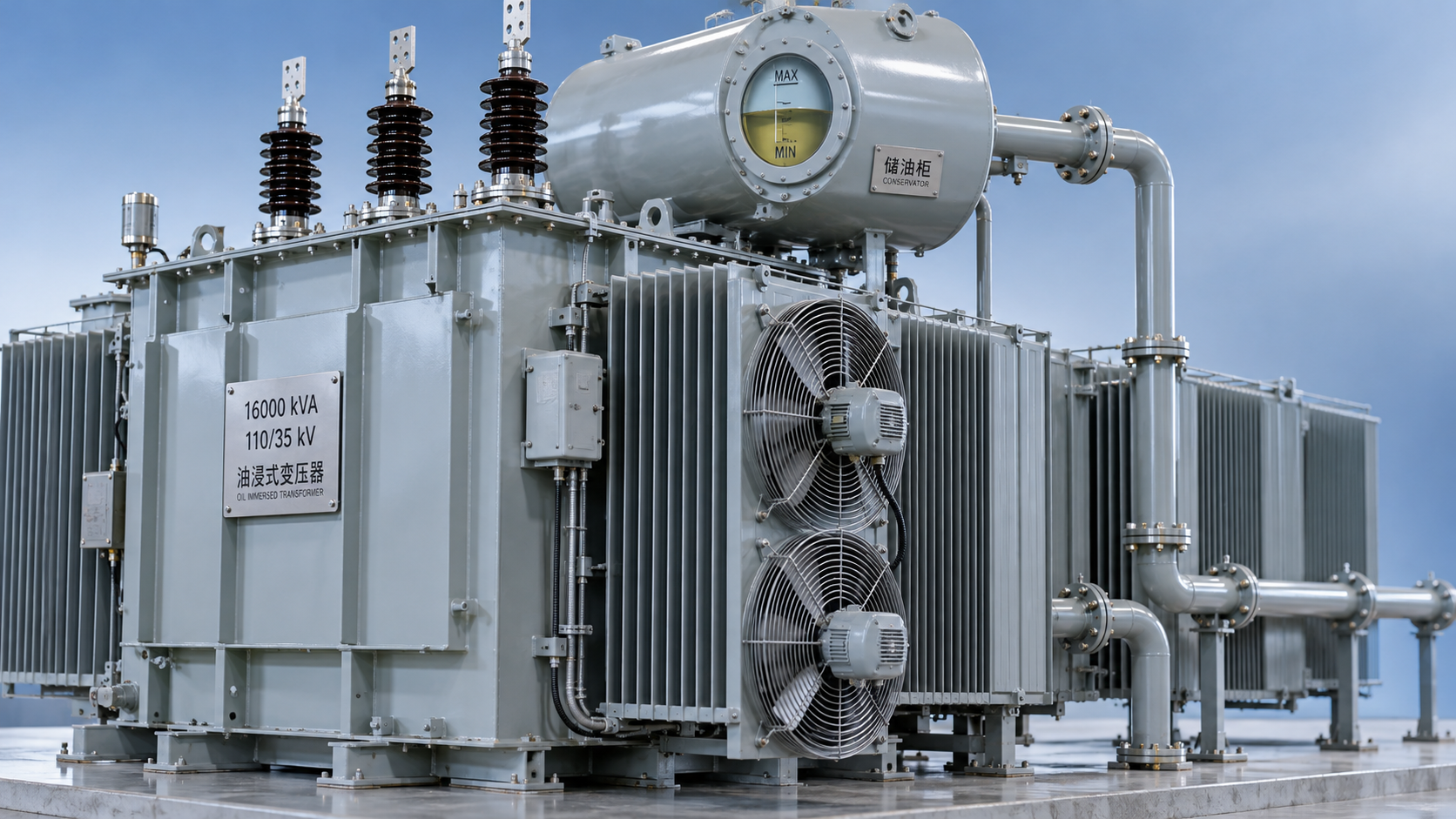
 Why an oil-cooled transformer overheats despite a normal oil level
 How the amorphous core affects SCBH15 dry-type transformer losses
 Sizing S13 oil-immersed transformers for variable wind farm output
GET A FREE QUOTE
We offer reliable products, competitive prices, and nationwide professional support, committed to providing customers with efficient and energy-saving power equipment solutions.