


An SCB13 dry-type transformer does not have a single mandatory dust-protection rating determined by its model designation. The enclosure must match the installation environment: IP2X provides protection against access to hazardous parts and larger solid objects, but it does not establish protection against dust ingress. Where airborne dust presents a credible contamination risk, IP5X or IP6X may be appropriate—but only with a cooling arrangement verified for the specified transformer duty.
The selection is therefore not simply “choose the highest IP rating.” A restrictive enclosure can reduce cooling airflow, raise winding temperature, and limit usable capacity. The right specification combines an appropriate dust barrier, a validated heat-removal path, and maintenance requirements that the site can realistically meet.
What the IP rating actually establishes
Under IEC 60529, the first characteristic numeral describes protection against access to hazardous parts and solid foreign objects. The second numeral describes water protection. An “X” means that the corresponding characteristic is not specified; it does not indicate a particular level of protection.
IP23 should not be mistaken for a dust-protected designation. Its first numeral remains 2; the water-protection numeral does not improve dust resistance. Likewise, IP54 and IP55 share the same dust-protection classification, although their water-protection capabilities differ.
The rating must apply to the assembled enclosure, including doors, ventilation equipment, cable entries, inspection openings, and joints. A rated cabinet fitted with an unverified fan opening or an unsuitable cable gland may not retain its declared protection.
Dust composition matters as much as visible quantity
A transformer room with occasional settled dust is not equivalent to a workshop receiving continuous fine particulate emissions. Determine where the dust originates, whether it remains airborne during operation, and whether ventilation carries it directly toward the transformer. Nearby grinding, material handling, or powder-processing activities can change the exposure substantially.
Particle composition affects the consequences of ingress. Deposits can obstruct cooling passages and coat heat-transfer surfaces. Conductive contamination can compromise electrical clearances and insulation surfaces, while hygroscopic deposits can become more problematic when humidity rises or condensation occurs. Cast-resin windings do not make terminals, connections, or every insulation interface immune to contamination.
The environmental description supplied to the manufacturer should identify particle type, approximate concentration where measurements are available, exposure duration, humidity, and cleaning practices. “Dusty indoor location” is too broad to support a defensible enclosure selection.
Combustible dust requires a separate assessment. IP6X alone does not establish suitability for an explosive atmosphere. Hazardous-area classification, ignition risks, surface temperatures, and applicable equipment requirements must be addressed independently.
Dust exclusion must not compromise heat removal
SCB13 cast-resin transformers reject heat through their cooling arrangement, which may include natural-air operation and fan-assisted cooling. Enclosure openings, internal clearances, and the surrounding room all affect that process. Adding panels or filters to an existing ventilated enclosure can alter its thermal performance even when the transformer itself remains unchanged.
For a filtered-air arrangement, the relevant condition is not just performance with a clean filter. As captured dust accumulates, pressure drop rises and airflow can fall. The design needs an acceptable operating limit for filter loading, a means of detecting that limit, and sufficient access for replacement without exposing personnel to energized equipment.
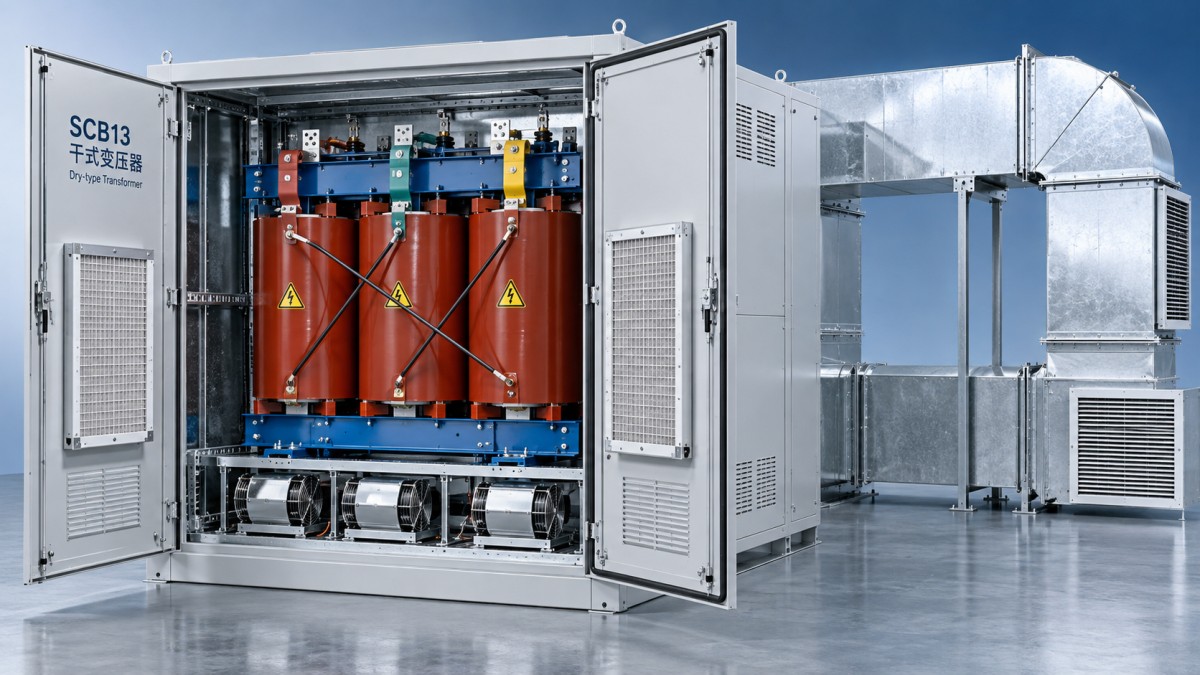
A dust-tight enclosure cannot depend on unrestricted ambient-air ventilation. Its heat-removal arrangement may use engineered heat exchangers, another verified cooling system, or adequate heat transfer through a purpose-designed enclosure. Such arrangements need thermal verification; sealing a standard cabinet is not an equivalent solution.
Thermal acceptance should cover the specified load, losses, ambient temperature, altitude where relevant, cooling mode, and enclosure configuration. If forced cooling supports an enhanced load rating, the documentation should also state the permissible duty following fan or auxiliary-power failure. An IP rating provides no evidence of transformer temperature-rise performance.
A cleaner room may be better than a more restrictive cabinet
Where dust originates outside the electrical room, controlling ingress at room level may allow the transformer to operate in a less restrictive enclosure. Sealed penetrations, filtered supply air, and controlled room pressure can reduce exposure while preserving transformer ventilation. Their effectiveness depends on door use, building leakage, extraction systems, and continued operation of the air-handling equipment.
This approach is not equivalent to assigning an IP5X or IP6X rating to the transformer enclosure. It is an environmental-control strategy whose reliability must be assessed. If the room frequently opens onto a dusty production area, or ventilation is unavailable during transformer operation, the assumed protection may not hold.
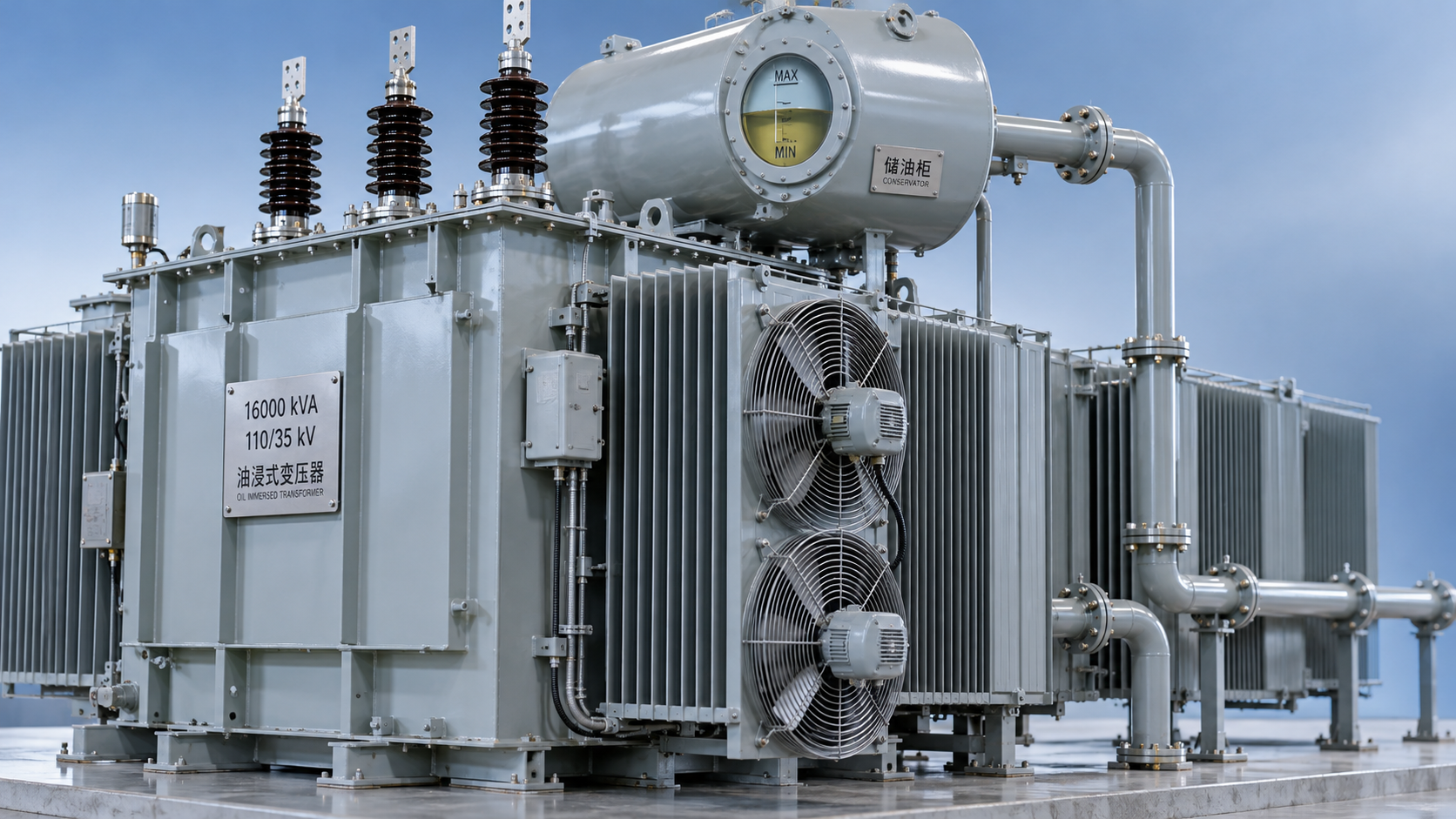
Transformer technology also affects the protection boundary. In an S13 Series Oil-Immersed Power Transformer, the active part is housed within an oil-filled tank rather than cooled directly by ambient air passing around dry-type windings. That distinction explains why enclosure requirements cannot be transferred between the two designs. It does not justify replacing an SCB13 without separately evaluating fire safety, installation constraints, and maintenance obligations.
What to require in the enclosure proposal
A usable proposal should connect the declared IP rating to the exact transformer and installation conditions. A catalogue statement such as “dust-proof enclosure available” is insufficient if it omits cooling limitations or leaves the ventilation configuration undefined.
When requesting an SCB13 enclosure proposal from Jiangsu Shengda Power Equipment Co., Ltd., or comparing alternative suppliers, require documentation covering:
- The complete enclosure configuration: dimensions, airflow paths, filters, fans, door seals, cable entries, and the boundary to which the IP rating applies.
- Ingress-protection evidence: the applicable IEC 60529 classification and supporting test documentation for the proposed configuration, not merely a component rating.
- Thermal performance: temperature-rise evidence under the applicable IEC 60076-11 requirements or agreed equivalent, with enclosure effects addressed.
- Operating limits: permitted ambient conditions, cooling-dependent capacity, any required derating, and response to cooling-system failure.
- Maintenance provisions: filter limits, inspection access, seal replacement, approved cleaning methods, and isolation requirements.
Do not infer an enclosure rating from the SCB13 designation or from general quality-management certification. Neither establishes dust protection for a particular assembled unit.
Make the selection against the expected operating condition
In a demonstrably clean, controlled indoor room, an IP2X enclosure may meet the required access protection without a separate dust-protected cabinet. Where ongoing dust ingress could affect cooling or insulation, IP5X is a reasonable candidate for evaluation. Where dust exclusion is necessary, evaluate IP6X together with an engineered heat-removal solution.
There is no universal dust concentration that automatically selects one of these ratings. The decision depends on contamination consequences, environmental controls, thermal margins, and maintainability. Inspection intervals should follow actual deposition and filter loading, rather than an arbitrary calendar assumption; cleaning must follow the manufacturer’s instructions with the equipment safely isolated.
The decisive acceptance condition is that the specified transformer can carry its required duty in the selected enclosure throughout the maintenance cycle—not only when the cabinet is new and its filters are clean. If that condition cannot be demonstrated, the dust-protection specification remains incomplete, regardless of the IP number on the quotation.



 What enclosure protection does an SCB13 transformer need against dust?
 How to verify the temperature-rise test of an SCB12 dry-type transformer
 Distribution transformer maintenance tips for spotting oil leaks
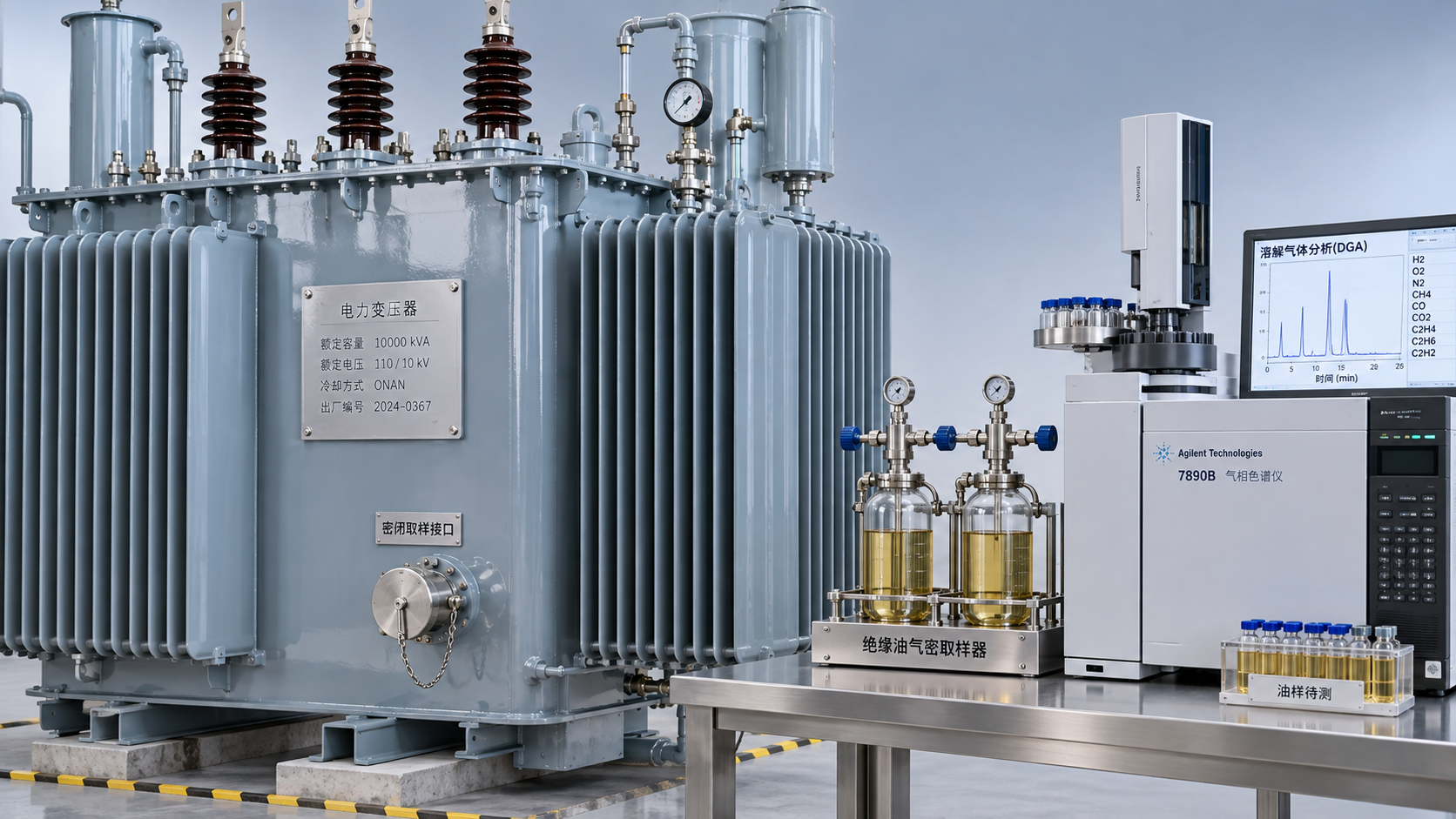
 What dissolved gas analysis reveals about an oil-immersed transformer
 Why an oil-cooled transformer overheats despite a normal oil level
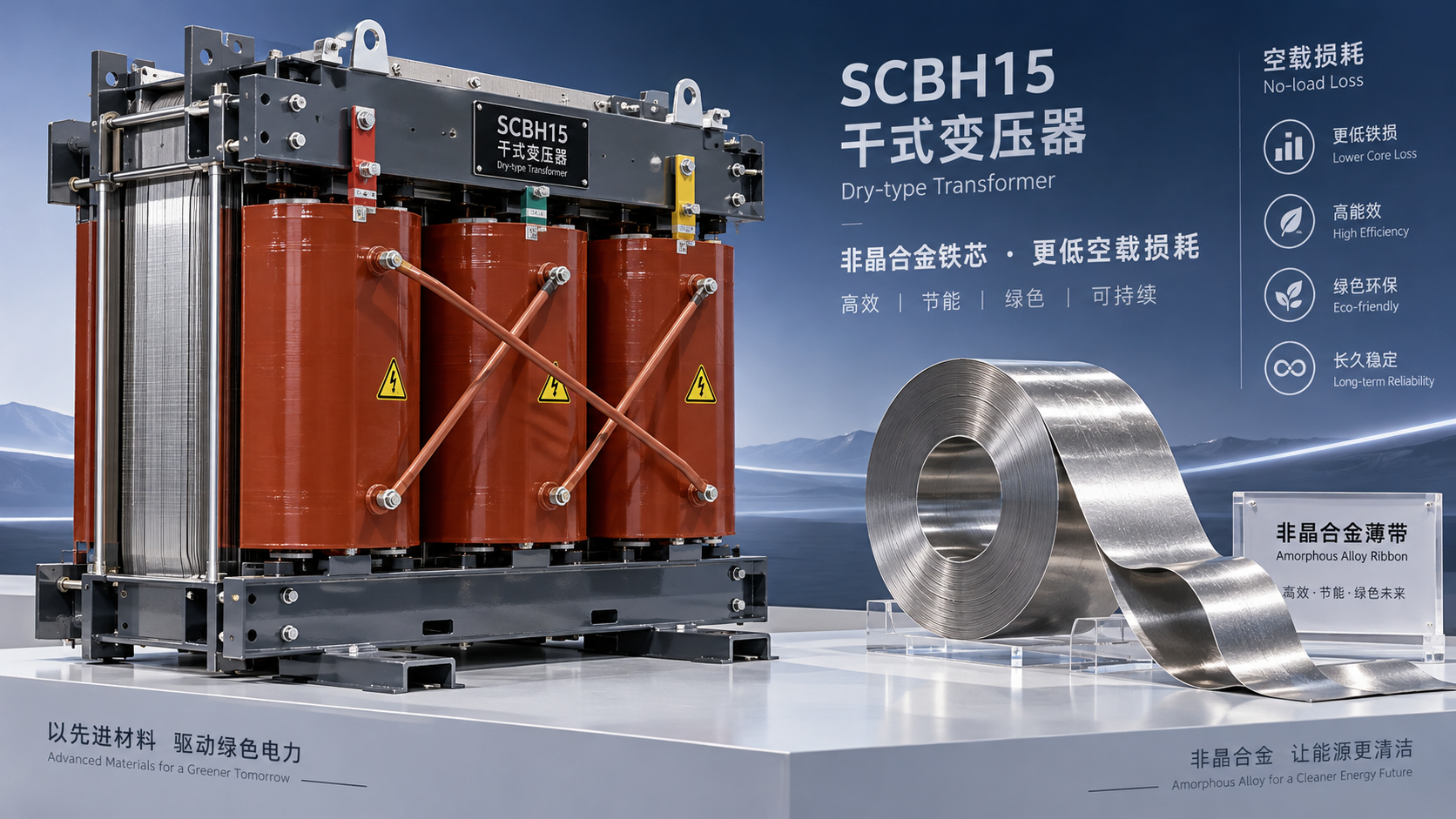
 How the amorphous core affects SCBH15 dry-type transformer losses
GET A FREE QUOTE
We offer reliable products, competitive prices, and nationwide professional support, committed to providing customers with efficient and energy-saving power equipment solutions.