


Why an oil-cooled transformer overheats despite a normal oil level
A normal oil level does not guarantee that an oil cooled transformer is cooling effectively. Rising temperatures can indicate restricted oil circulation, blocked radiator surfaces, cooling fan or pump faults where fitted, excessive loading, or internal electrical defects. Simply topping up the oil may leave the real problem unresolved—and increase the risk of insulation damage or an unplanned shutdown.
The useful question is not just whether enough oil is present. It is whether heat can move from the windings into the oil, through the cooling circuit, and into the surrounding air. Troubleshooting should follow that path while checking whether the transformer is generating more heat than its operating conditions allow.
Confirm the temperature problem before changing anything
Start with the trend rather than a single gauge reading. Record top-oil temperature, winding temperature indication where available, ambient temperature, phase currents, voltage, and cooling equipment status. Compare these with previous readings under similar load and weather conditions. Temperature rise above ambient often tells more than the absolute temperature alone.
Many winding temperature indicators estimate winding temperature using oil temperature and a current-dependent heating element; they do not directly measure the hottest winding point. A faulty sensor, incorrect current input, or gauge problem can therefore mislead the investigation. Cross-check readings against independent instruments using approved procedures.
Check the oil-level indication against the manufacturer's temperature reference and tank design. Oil expands as it warms, and a stuck indicator can appear normal. Even a correct reading confirms inventory, not circulation. Do not add oil merely to address overheating when the level is already correct.
Use the unit's specified alarm, trip, and loading limits. There is no single safe temperature threshold for every transformer. A rapid unexplained rise, gas or pressure protection operation, smoke, or abnormal electrical noise requires escalation under site emergency procedures. Do not defeat protection or repeatedly re-energize a tripped unit.
Trace the cooling path from tank to surrounding air
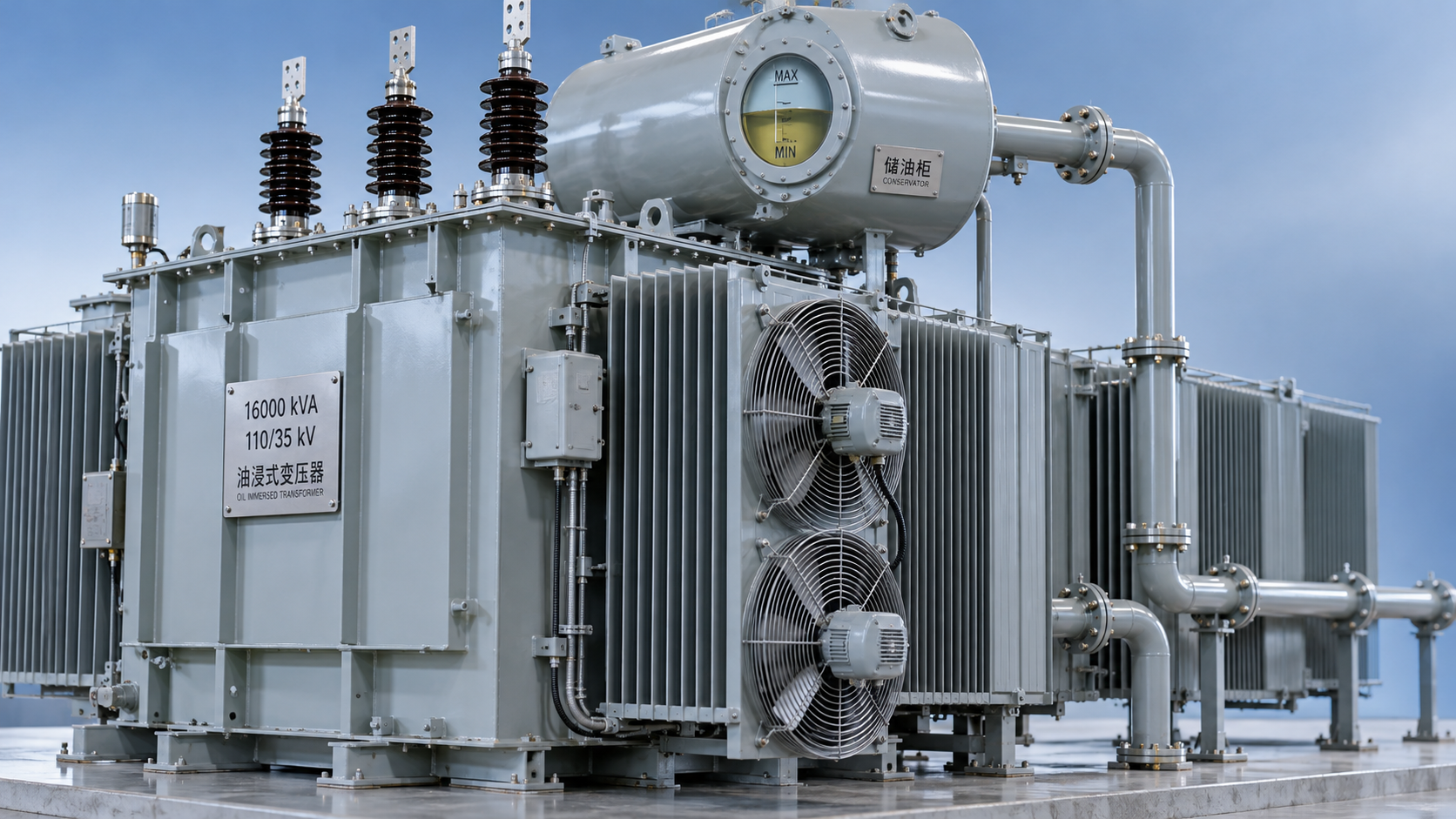
For an ONAN transformer—oil natural, air natural—cooling depends on natural oil circulation and airflow around the tank or radiators. ONAF adds forced-air cooling. Designs using forced oil circulation introduce pumps and additional controls. Identify the nameplate cooling arrangement before looking for equipment the unit may not have.
Inspect for dust, vegetation, stored materials, clogged ventilation openings, and recirculation of hot exhaust air. A radiator can be mechanically intact yet ineffective because its air passages are obstructed. Indoor installations also depend on room ventilation; cleaning the transformer alone will not fix a room that cannot release heat.
Check whether radiator isolation valves were returned to their correct positions after maintenance. A closed or partially closed valve can leave the tank full while restricting circulation through a cooling bank. Verify positions against drawings and approved instructions rather than operating unfamiliar valves by trial and error.
Thermal imaging can help compare radiator banks under stable load. An unexpectedly cool bank beside hotter banks may suggest restricted flow, but surface temperatures also depend on wind, emissivity, and viewing conditions. Treat the pattern as a diagnostic clue, not proof of an internal blockage.
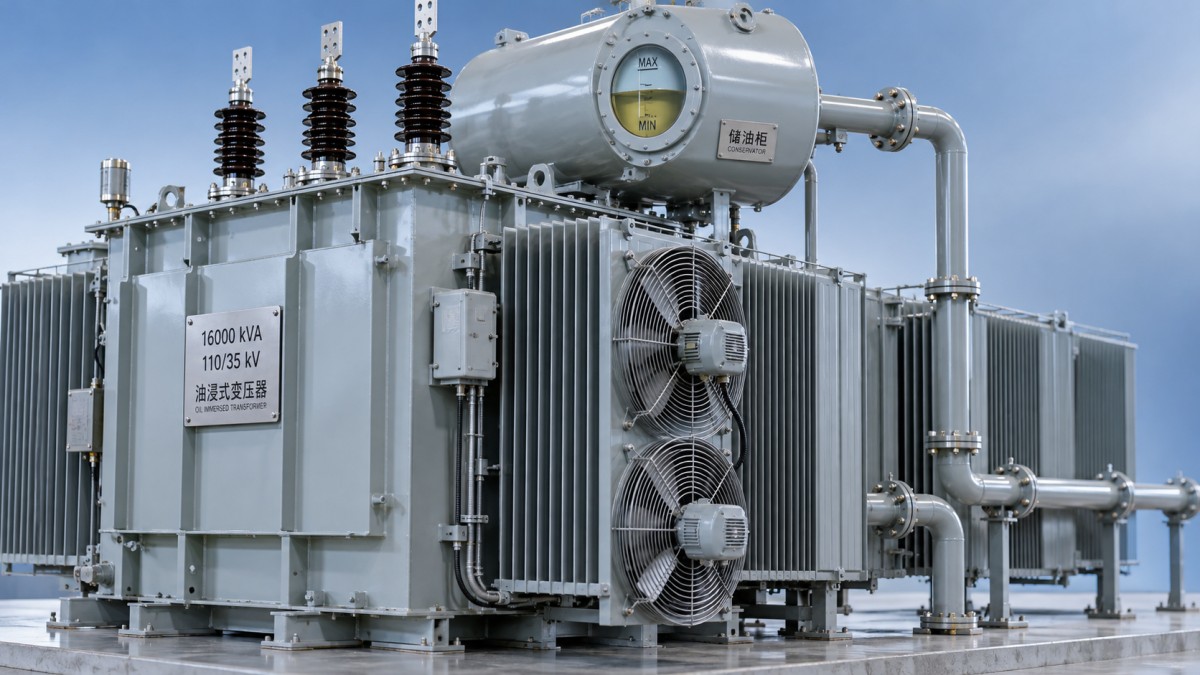
Where fans or pumps are fitted, verify actual operation—not just a control-panel status light. Check automatic start commands, supply availability, overload indications, airflow direction, and manufacturer-approved flow indications. A running motor does not necessarily mean useful airflow or oil flow. Internal inspections, cleaning, and electrical work require qualified personnel, isolation, lockout, and other site-required safety measures.
Look beyond the average load reading
Load-related winding losses rise approximately with the square of current, although total losses also include other components. A moderate current increase can therefore produce a disproportionate increase in heat. Check sustained demand and recent peaks, allowing for the transformer's thermal response rather than expecting temperature to follow current instantly.
- Phase imbalance: compare individual phase currents; an acceptable average can hide an overloaded phase.
- Harmonic-rich loads: drives, rectifiers, and similar equipment can increase additional losses. Investigate power quality where the load profile supports this concern.
- Cooling-stage availability: confirm which nameplate rating applies when fans or pumps are unavailable.
- Voltage and frequency: check for abnormal voltage-to-frequency conditions that can increase core heating.
If authorized load reduction slows or reverses the temperature rise, it supports a heat-generation or cooling-capacity explanation. It does not rule out an internal defect. Likewise, acceptable current does not guarantee acceptable operation when ambient conditions exceed the design basis or ventilation has deteriorated.
When normal cooling checks are not enough
Oil quantity and oil condition are different questions. Aging products and sludge can impair heat transfer or restrict passages. Moisture and contamination can weaken dielectric performance even when the level looks correct. Oil testing may include moisture, dielectric breakdown voltage, acidity, and other condition indicators selected for the fluid and equipment.
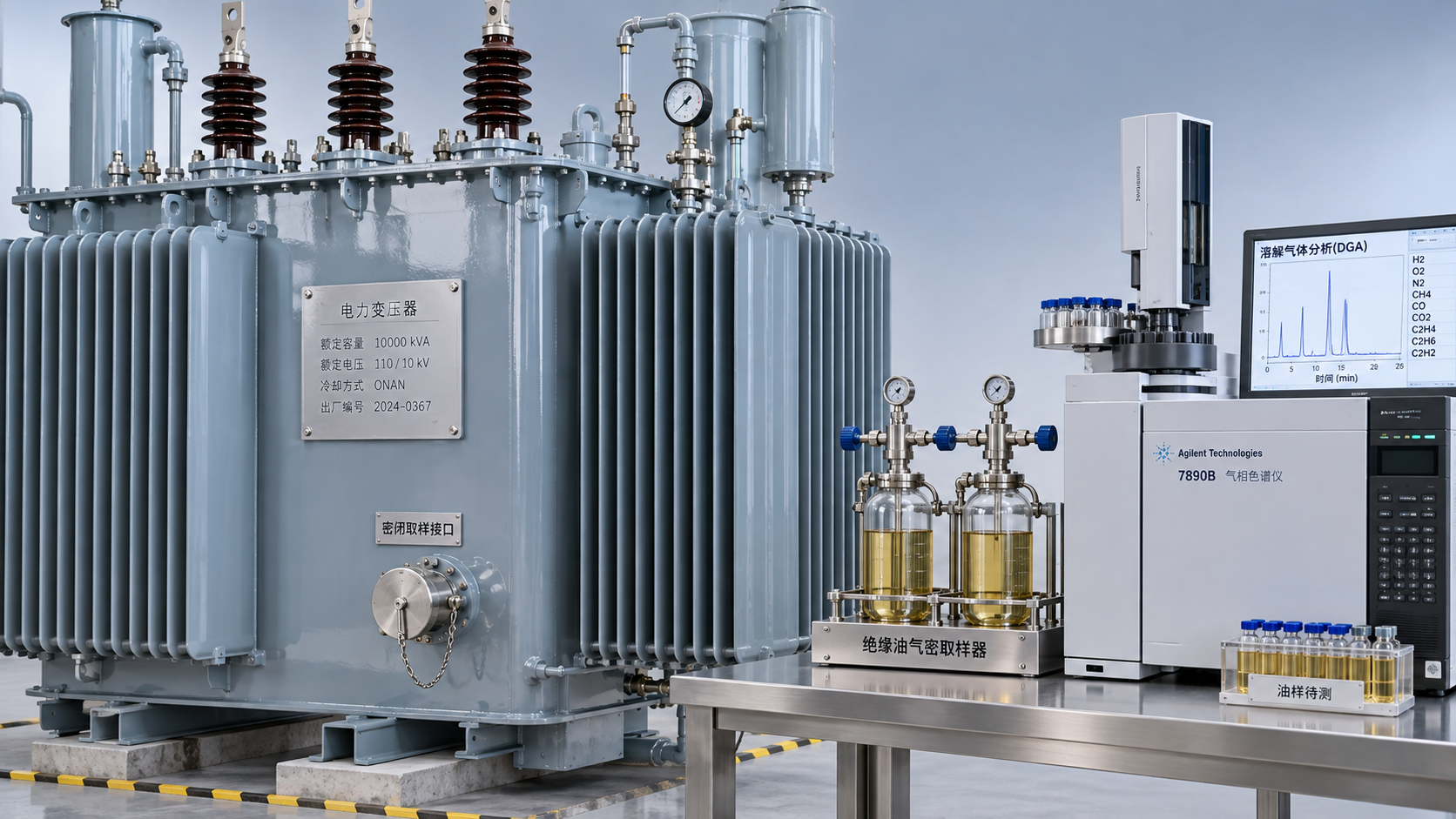
Dissolved gas analysis can help investigate abnormal thermal or electrical activity in suitable oil-filled units. Interpretation requires gas patterns, trends, loading history, oil treatment records, and transformer design. One result should not automatically trigger an oil change—or a declaration that the transformer is safe.
Localized heating can arise from poor connections, winding faults, core problems, or tap-changer defects. With on-load tap changers, establish whether the affected compartment has a separate oil system. Specialist testing may include winding resistance, ratio checks, insulation assessment, or other tests chosen from the symptoms. Opening the tank or draining oil is not a routine first response.
Separate corrective maintenance from a replacement decision
A blocked radiator usually calls for restoring cooling, not replacing the transformer. Repeated overheating after confirmed repairs deserves a broader review of capacity, enclosure ventilation, load growth, and installation constraints.
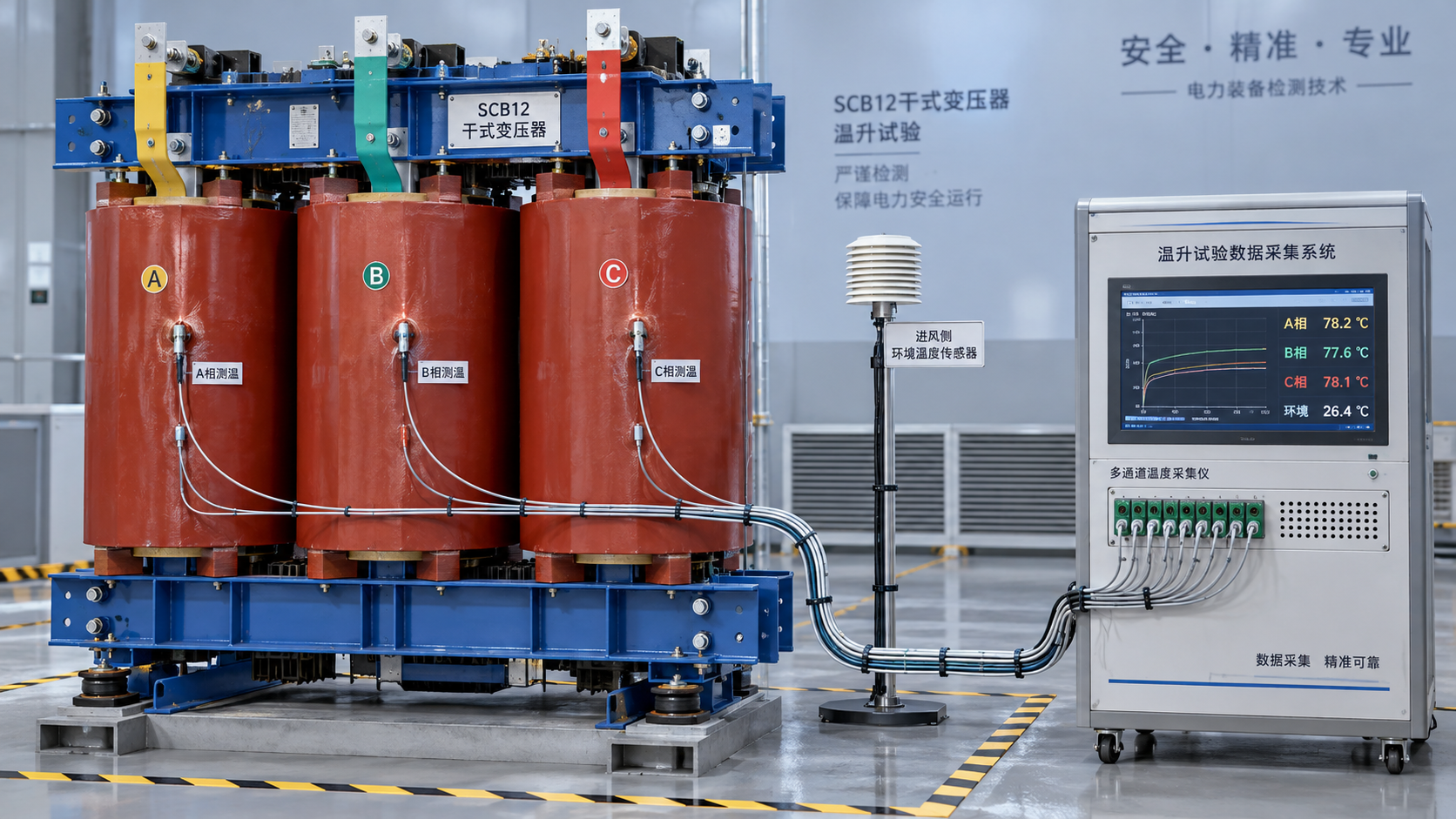
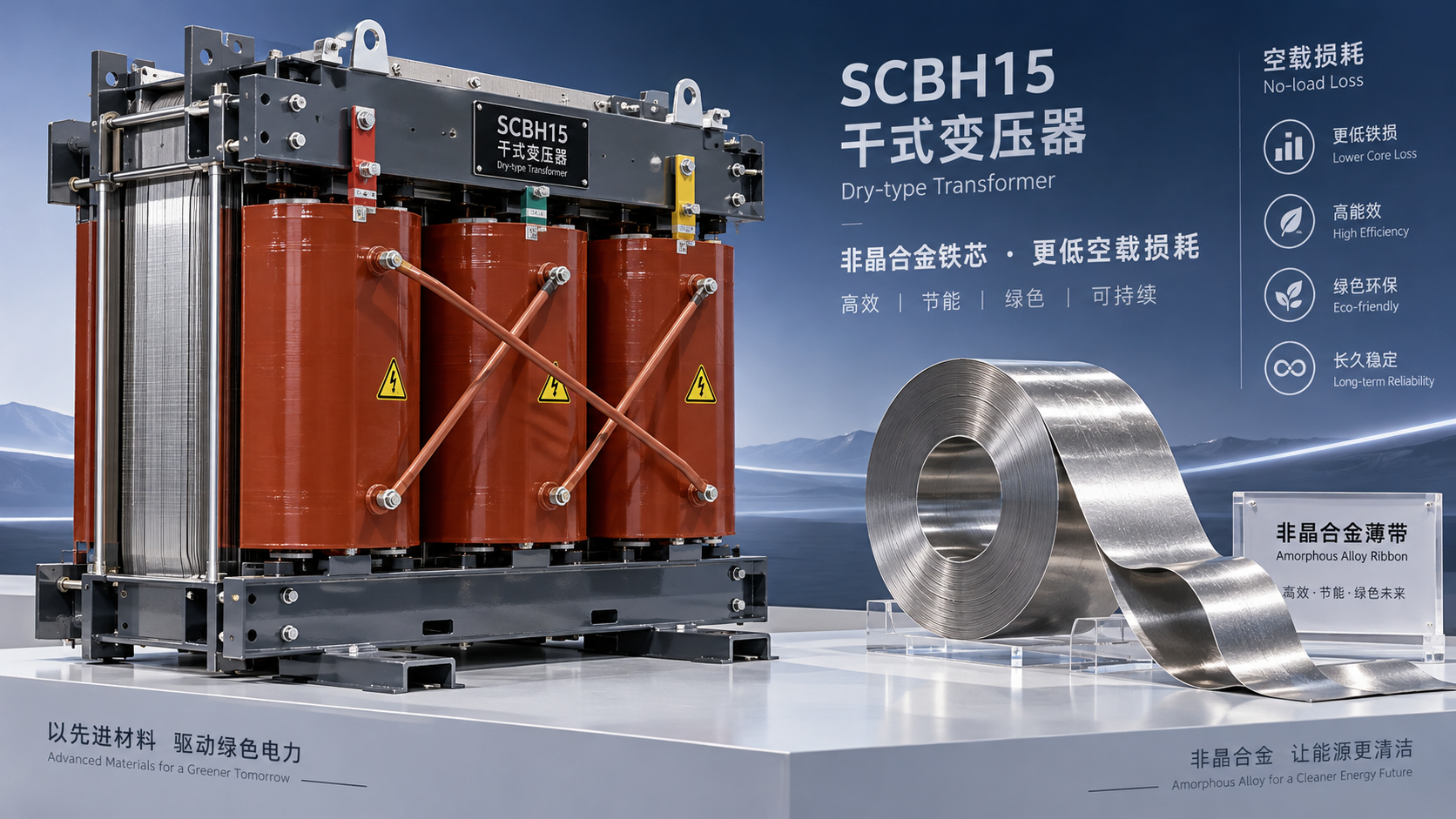
For projects considering a different transformer technology, Jiangsu Shengda Power Equipment Co., Ltd. manufactures oil-immersed and dry-type equipment, including 10 kV and 35 kV models. Its SCB12 Type Dry-Type Transformer has a stated no-load loss reduction of more than 20% compared with SCB11 and offers temperature control display and load recording features. Confirm the applicable configuration and comparison basis in project documentation.
Dry-type equipment removes the oil-circulation issue, but not the need for ventilation, temperature monitoring, or periodic inspection. Selection still depends on load profile, enclosure protection, ambient conditions, and installation requirements; it is not a shortcut around diagnosing the existing unit.
Before closing the service job, document the identified cause, corrective work, and temperature response under comparable conditions. Send the manufacturer the nameplate details, load trends, cooling status, photographs, and relevant test results if uncertainty remains. The meaningful evidence of recovery is stable thermal performance—not simply a normal oil-level gauge.



 How to verify the temperature-rise test of an SCB12 dry-type transformer
 Distribution transformer maintenance tips for spotting oil leaks
 What dissolved gas analysis reveals about an oil-immersed transformer
 Why an oil-cooled transformer overheats despite a normal oil level
 How the amorphous core affects SCBH15 dry-type transformer losses
 Sizing S13 oil-immersed transformers for variable wind farm output
GET A FREE QUOTE
We offer reliable products, competitive prices, and nationwide professional support, committed to providing customers with efficient and energy-saving power equipment solutions.