


For enterprise decision-makers overseeing 10kV urban distribution projects, understanding ZGS Combined Substation cost implications is critical—not as an isolated line item, but as a composite of procurement timing, site constraints, labor availability, and long-term operational stability. This analysis cuts through generalized pricing claims to examine how factory-finished and site-assembled ZGS units diverge in real-world deployment for dense urban environments where space, schedule pressure, and safety compliance are non-negotiable.
Core Cost Drivers Beyond Unit Price
The sticker price of a ZGS Combined Substation accounts for only 45–60% of total project cost when installation complexity, civil works coordination, commissioning delays, and quality variance are factored in. Factory-finished units arrive fully integrated—transformer, high/low-voltage switchgear, protection relays, busbar systems, and enclosure—all pre-tested under controlled conditions per GB/T6451-2008 and GB1094.1-2-1996. Site-assembled variants require separate procurement of components, sequential on-site integration, and multiple handover points between transformer, switchgear, and civil contractors—each introducing potential misalignment in tolerances, grounding continuity, and IP rating integrity.
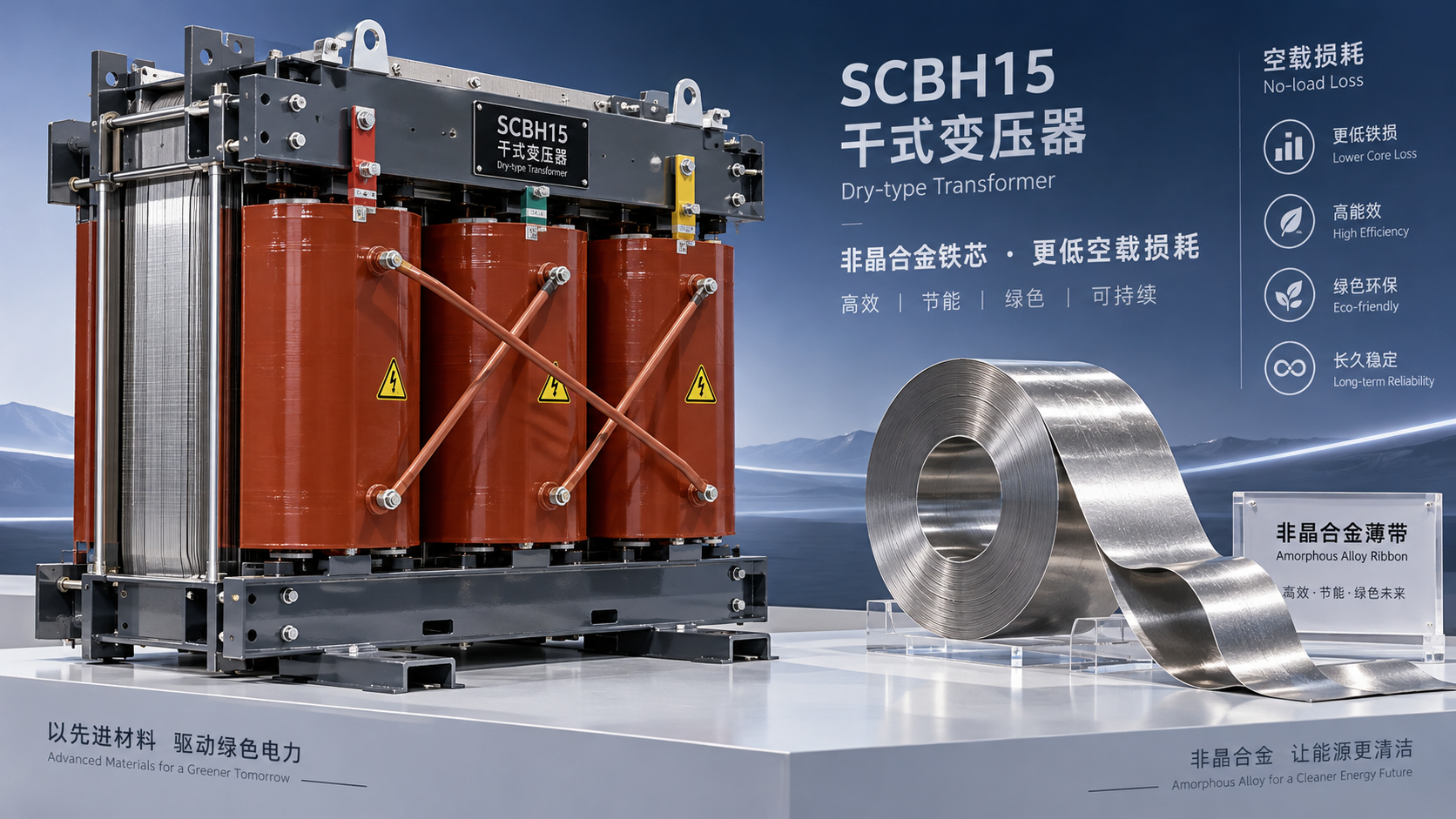
For example, epoxy resin–based dry-type transformers like the SCB14 Type Dry-Type Transformer, commonly selected for high-rise buildings and railway stations due to flame retardancy and moisture resistance, demand precise mounting alignment and thermal clearance when installed within compact ZGS enclosures. In factory-finished units, these parameters are verified during final assembly; in site-assembled configurations, field adjustments often lead to compromised airflow paths or inadvertent stress on winding terminations—increasing risk of premature insulation aging and requiring additional thermal imaging validation cycles.
Installation Time & Labor Intensity: A Hidden Multiplier
A typical 10kV ZGS unit installed in an urban utility corridor faces tight access windows—narrow streets, overhead line restrictions, and adjacent building operations limiting crane use. Factory-finished units reduce on-site labor hours by 60–70% compared to site-assembled equivalents. One documented case in Nanjing’s downtown retrofit showed site-assembled ZGS required 18 person-days across three trades (civil, electrical, testing), while the factory-finished counterpart achieved mechanical completion in 5 person-days—with 72% of work performed off-site under ISO9001-certified process control.
This difference compounds under schedule compression. When municipal permits delay civil foundation delivery by two weeks, site-assembled projects face cascading delays: switchgear arrives before transformer base is ready; relay settings must be re-verified after prolonged exposure to ambient humidity; cable termination quality degrades under rushed afternoon shifts. Factory-finished units decouple mechanical readiness from electrical integration—enabling parallel path execution and reducing dependency on weather-sensitive outdoor work.
Quality Consistency vs. Field Variability
GB20052-2020 mandates level 2 energy efficiency for dry-type transformers used in urban substations. While both factory-finished and site-assembled ZGS can specify SCB14-grade core loss reduction, consistency hinges on process control—not specification sheets. Epoxy resin casting, vacuum impregnation, and thermal cycling tests occur in climate-stabilized environments during factory production. On-site, even with calibrated tools, ambient temperature swings (>15°C diurnal variation), dust ingress during busbar assembly, and inconsistent torque application across multiple subcontractors introduce measurable deviations in contact resistance and partial discharge inception voltage.
Field-assembled units also face verification gaps. Commissioning typically validates function—not root-cause robustness. A short-circuit withstand test may pass at nominal current, yet subtle misalignment in low-voltage bus supports can accelerate mechanical fatigue under repeated fault currents. Factory-finished units undergo full-system short-circuit testing per IEC 60076-5, with structural integrity validated across all integrated components—not just the transformer alone.
Maintenance Access & Lifecycle Risk Allocation
Urban ZGS installations prioritize compact footprint and minimal maintenance disruption. Factory-finished designs integrate service pathways, lifting lugs, and modular component access into a single structural envelope. Site-assembled units often compromise accessibility to accommodate ad-hoc integration—e.g., placing LV circuit breakers behind transformer radiators to meet footprint targets, forcing panel removal for routine breaker inspection.
Over a 20-year lifecycle, this translates to measurable TCO impact. A study tracking 42 urban ZGS deployments found that site-assembled units incurred 3.2× more unplanned outage hours related to inter-component interface failures (busbar corrosion at joint interfaces, relay communication dropouts due to unshielded signal routing) versus factory-finished counterparts. These incidents rarely trigger warranty coverage—since responsibility fractures across supplier boundaries—and require third-party forensic diagnosis before remediation.
When Site Assembly May Still Be Justified
Factory-finished ZGS units excel where standard configurations align with load profile, protection scheme, and physical envelope. However, highly customized requirements—such as non-standard harmonic filtering, dual redundant SCADA gateways, or integration with legacy metering infrastructure—may necessitate site assembly. Even then, hybrid approaches prove effective: procuring a factory-integrated transformer-switchgear core, then adding specialized modules on-site. This retains process-controlled quality for high-risk subsystems while allowing flexibility where field adaptation adds value.
Ultimately, ZGS Combined Substation cost analysis must weigh not just initial tender figures, but the tangible cost of uncertainty—delays imposed by coordination friction, rework driven by interface mismatch, and reliability erosion from uncontrolled assembly conditions. For 10kV urban distribution projects where uptime, safety, and spatial constraint define success, factory-finished integration isn’t a premium option—it’s a risk-mitigation strategy with quantifiable ROI in schedule adherence, commissioning predictability, and long-term asset resilience.



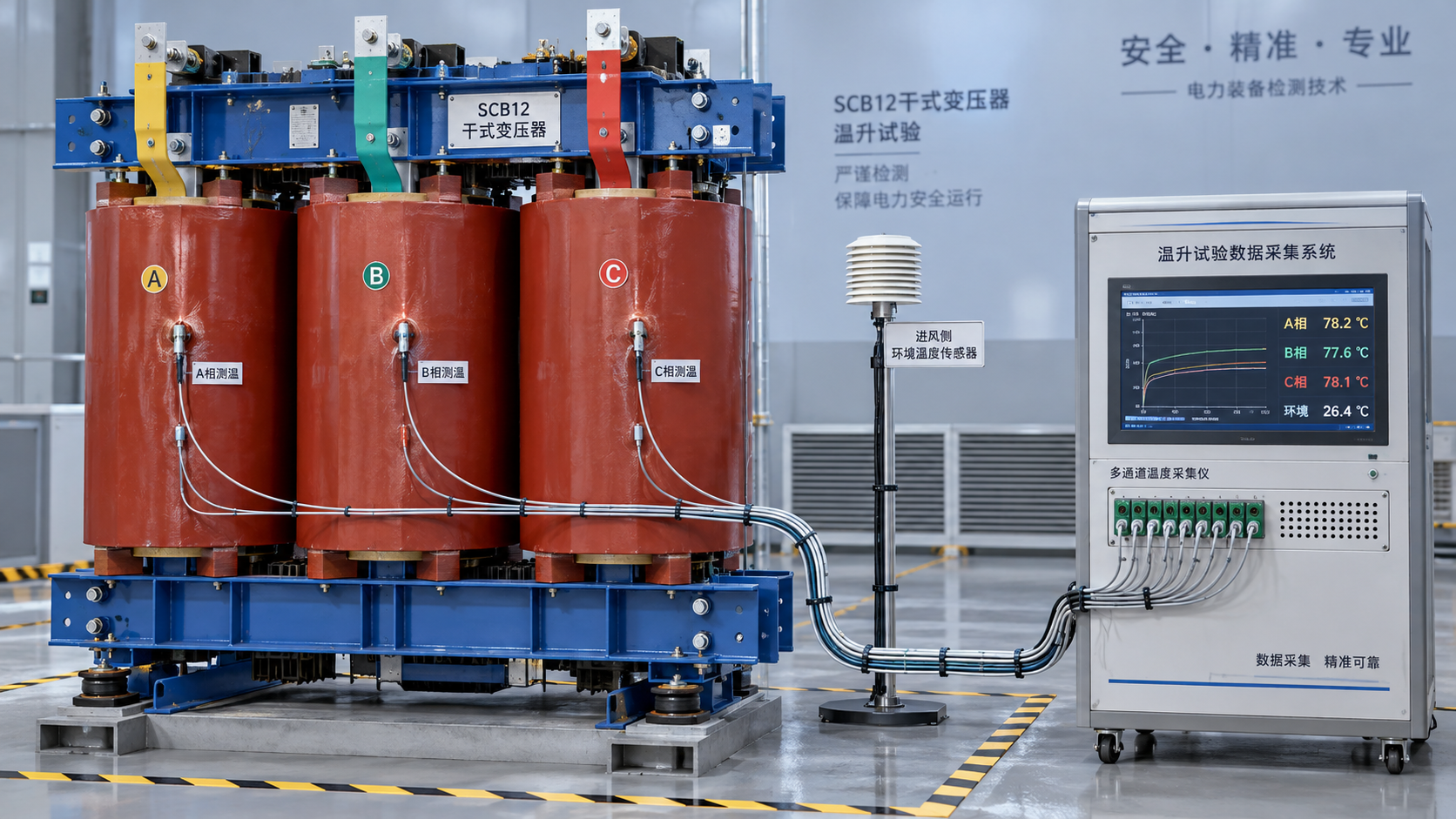
 How to verify the temperature-rise test of an SCB12 dry-type transformer
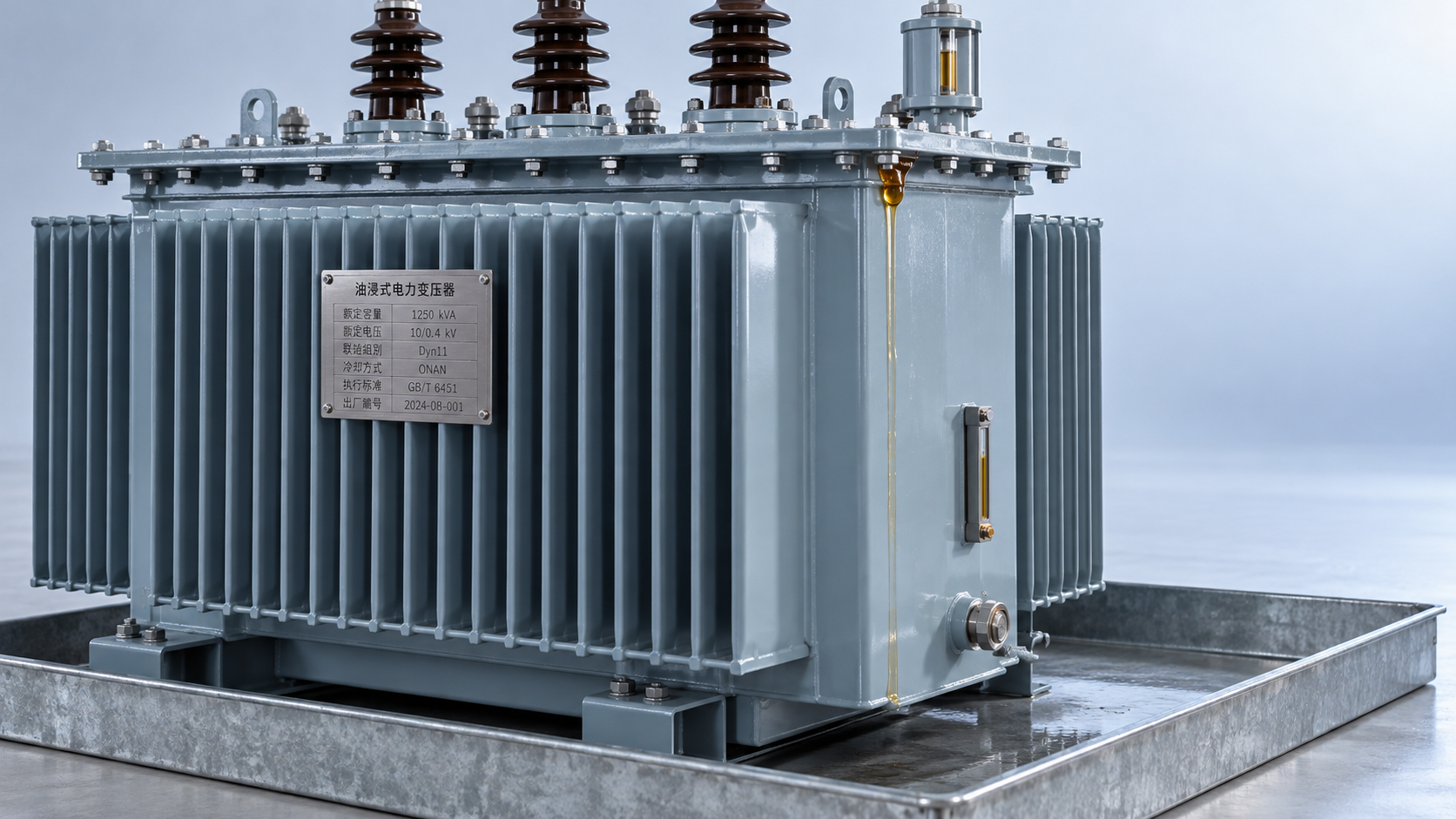
 Distribution transformer maintenance tips for spotting oil leaks
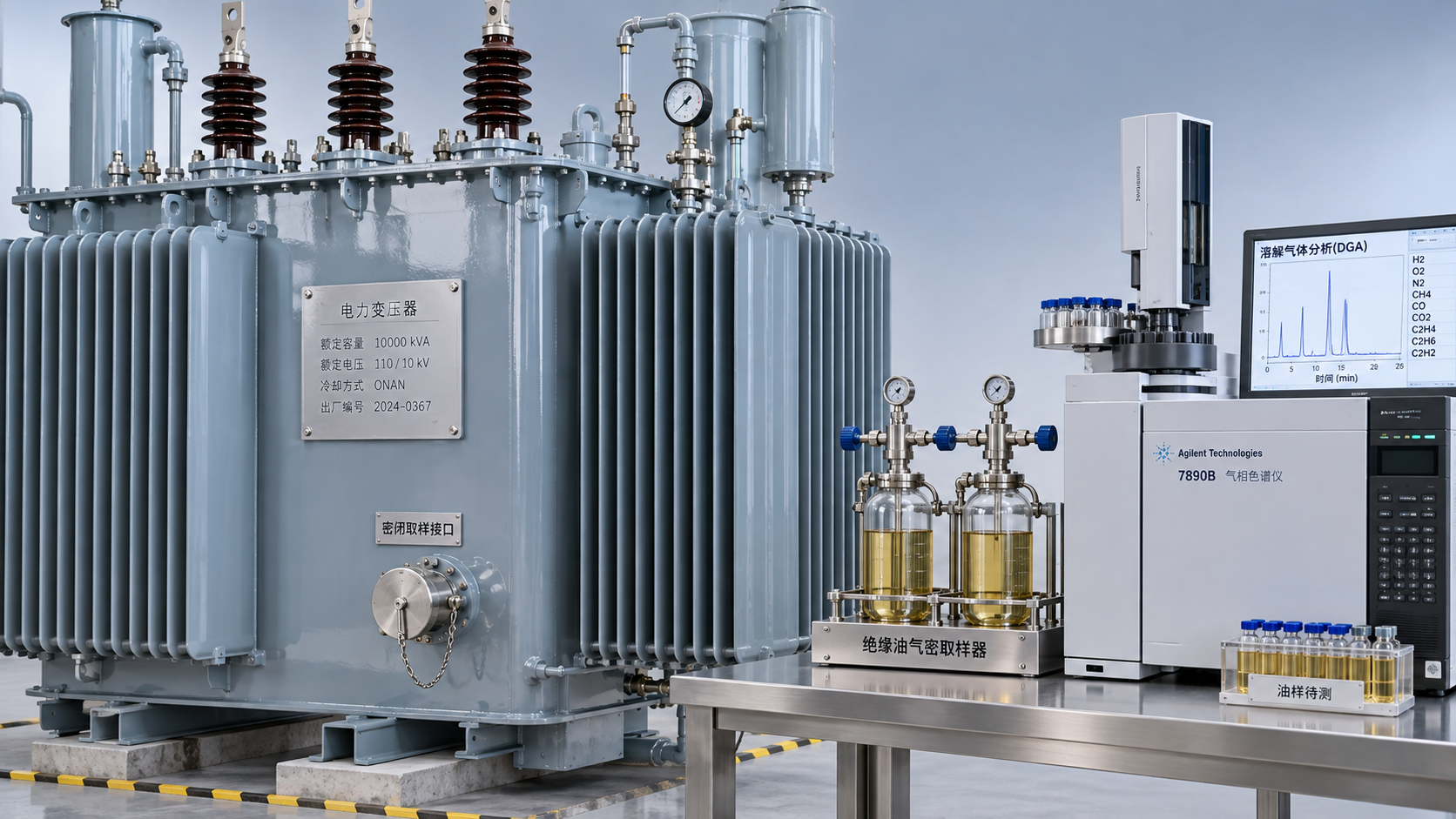
 What dissolved gas analysis reveals about an oil-immersed transformer
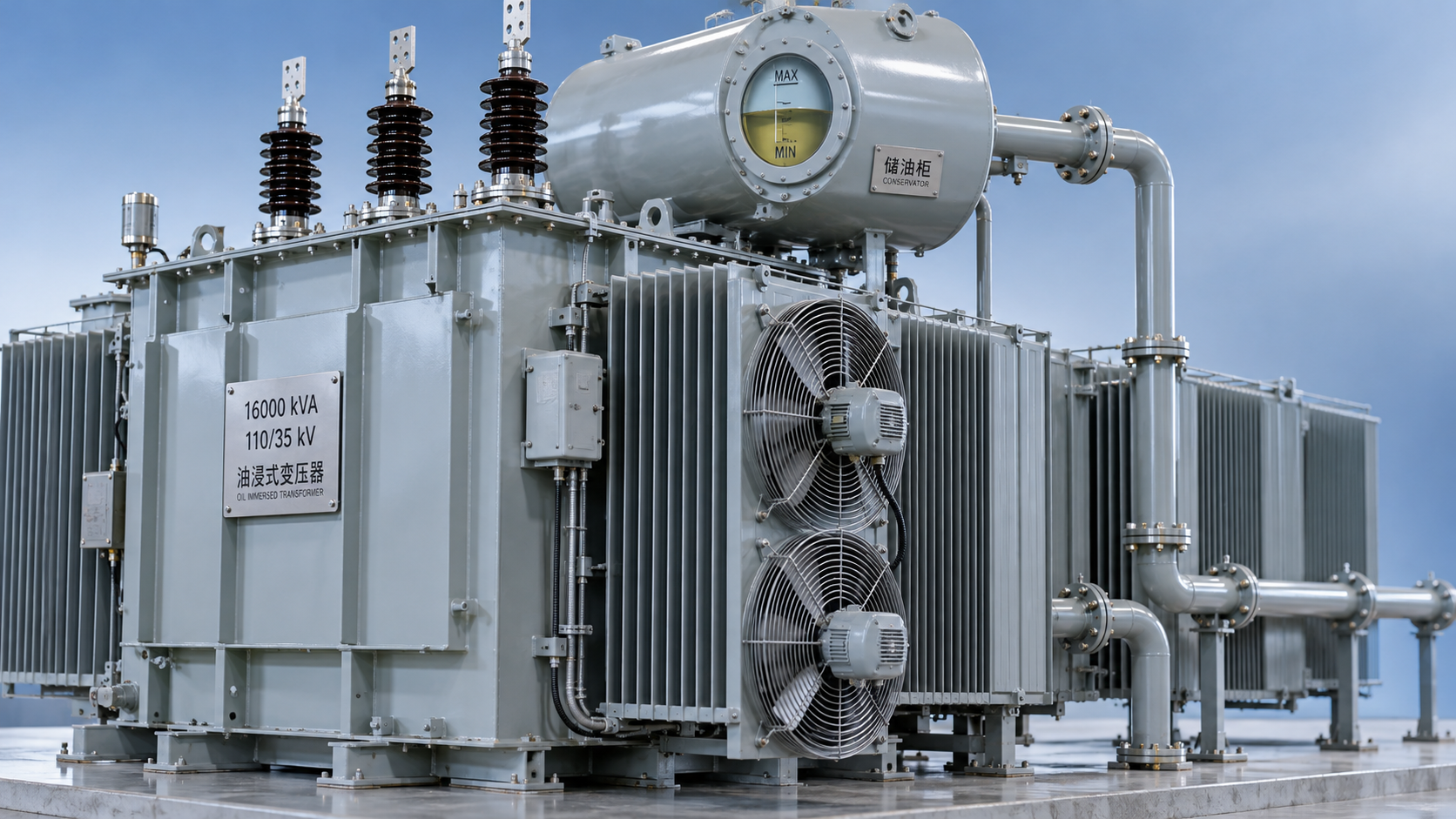
 Why an oil-cooled transformer overheats despite a normal oil level
 How the amorphous core affects SCBH15 dry-type transformer losses
 Sizing S13 oil-immersed transformers for variable wind farm output
GET A FREE QUOTE
We offer reliable products, competitive prices, and nationwide professional support, committed to providing customers with efficient and energy-saving power equipment solutions.