


Why Urban S13 Oil-Immersed Transformers Are Derating—And What Project Managers Must Adjust For
When your 10kV urban substation hits 42°C ambient on a mid-July afternoon—and the top-oil temperature of your newly commissioned S13 oil-immersed transformer climbs to 89°C—you’re not seeing equipment failure. You’re witnessing thermal derating in real time. And if your load schedule assumed full-rated capacity, you’re already operating at ~12% below nameplate.
This isn’t theoretical. In dense metropolitan grids—from Shanghai’s Pudong distribution nodes to Guangzhou’s high-rise feeder substations—the Urban Heat Island (UHI) effect routinely elevates ambient temperatures by 3–6°C above regional averages. That delta doesn’t just raise oil temperature; it compresses the thermal margin between top-oil rise (Δθoil) and the design limit (typically 65K for ONAN cooling per GB/T6451-2008). Once that margin shrinks, derating follows—not as a contingency, but as a thermodynamic inevitability.
Where Standard Ratings Break Down in City Environments
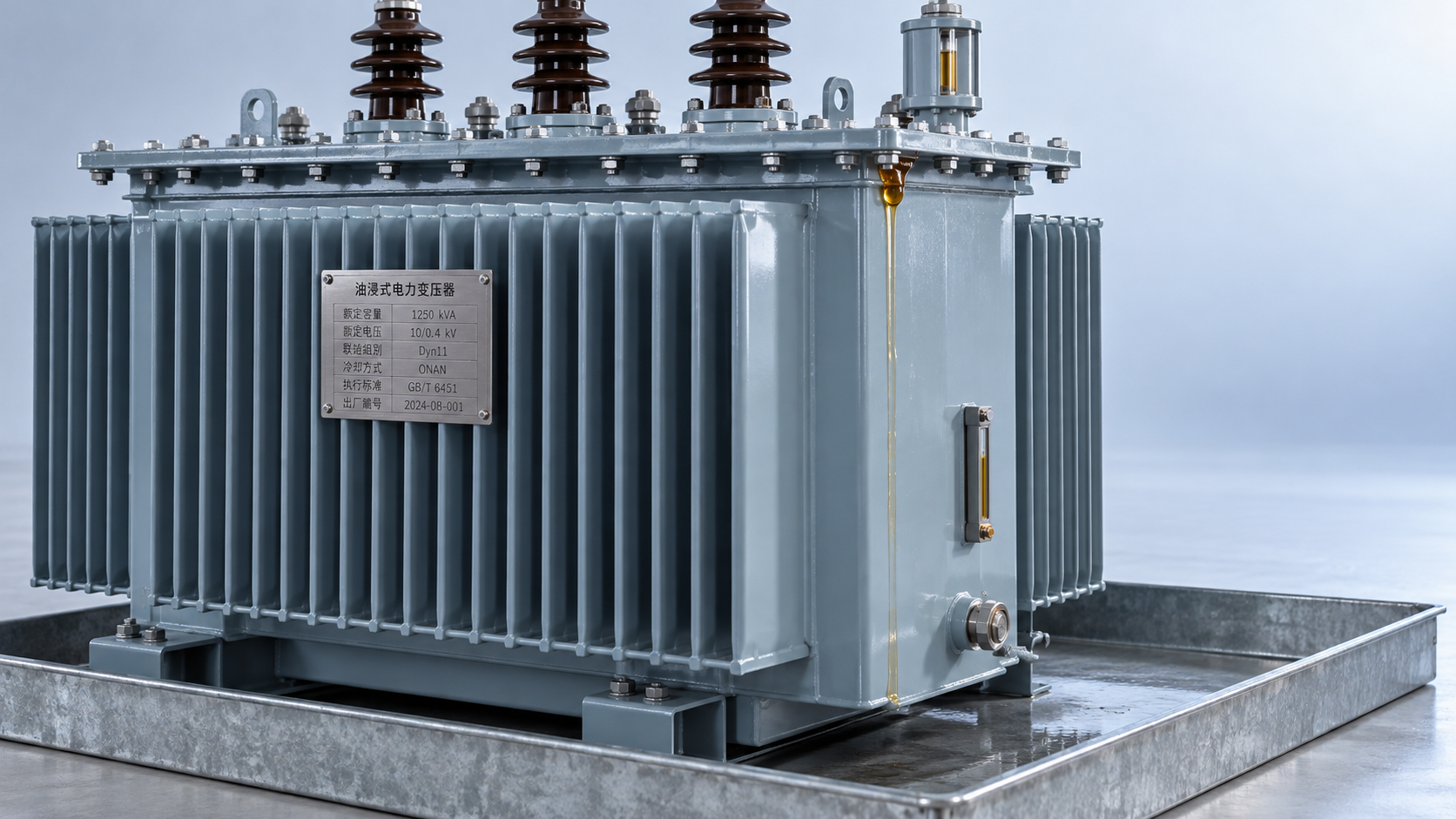
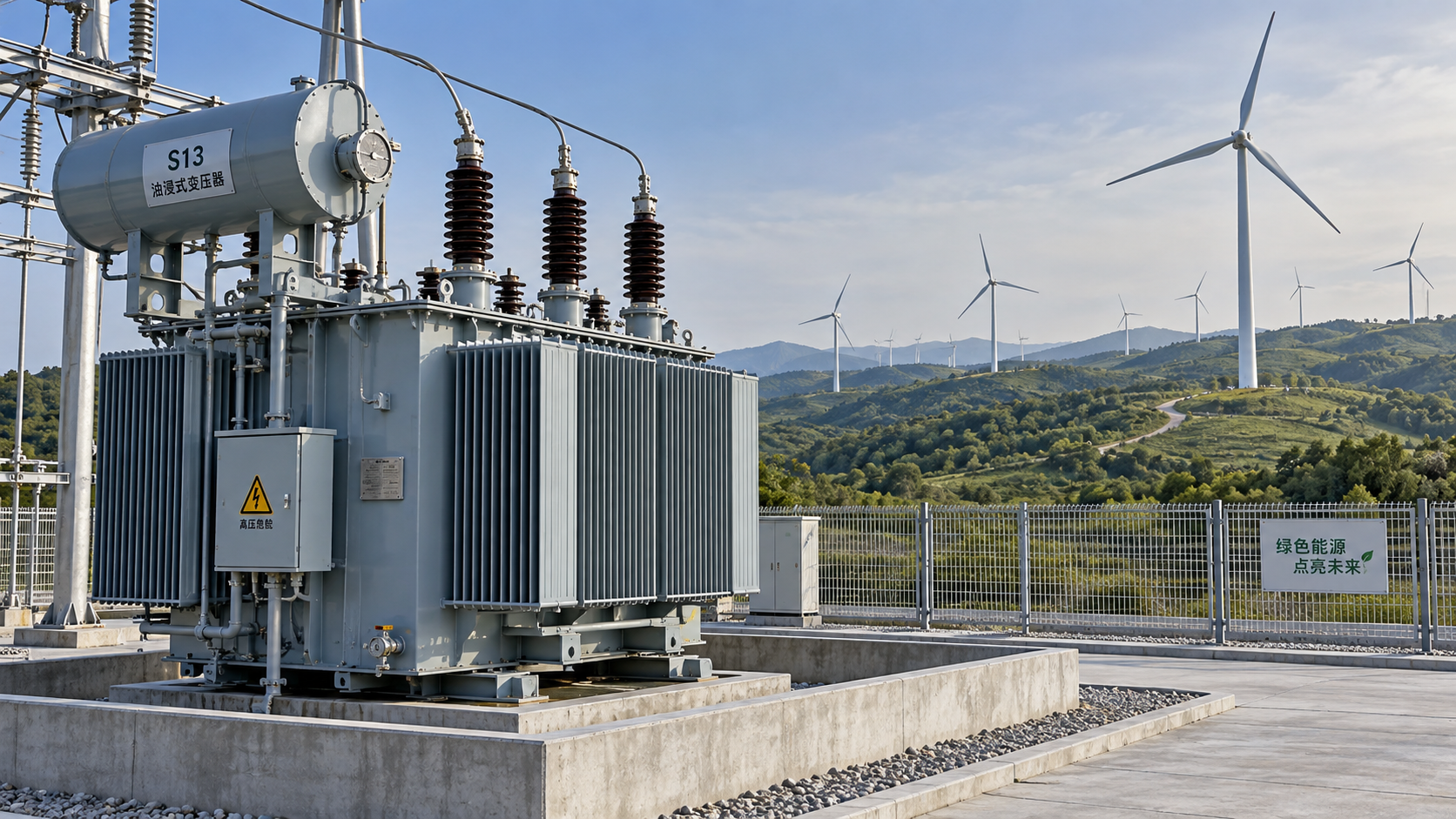
S13 transformers are designed for low no-load loss and high efficiency—key for urban grids where load factors exceed 70% and peak demand occurs during heat-stressed hours. But their nameplate rating assumes an ambient temperature of 40°C (IEC/GB standard reference). In practice, urban substations—especially those embedded in commercial basements, rooftop enclosures, or street-level kiosks—regularly experience sustained ambient temperatures of 43–47°C. At 45°C ambient, even a well-maintained S13 unit with clean radiators and unobstructed airflow will see its top-oil rise increase by ~8–10K beyond lab-condition predictions.
That extra rise directly impacts permissible load. Per GB/T6451-2008 Annex D, for every 1°C above 40°C ambient, the allowable top-oil temperature rise must be reduced by 1K to maintain insulation life expectancy. So at 45°C ambient, the effective Δθoil limit drops from 65K to 60K—a 7.7% reduction in thermal headroom. Since top-oil rise scales roughly with the square of load current, that translates to a ~11–13% derating of continuous load capacity—not a rounding error, but enough to trigger overtemperature alarms during summer peaks or force manual load shedding.
Three Real-World Conditions That Amplify Derating Risk
- Enclosure-induced microclimate: Street-level pad-mounted units surrounded by asphalt and glass façades often record local ambient readings 5–8°C higher than nearby weather stations. Radiator airflow is further restricted by narrow service corridors or ventilation grilles clogged with urban particulate matter.
- Load profile mismatch: Urban commercial loads peak sharply between 11 a.m. and 3 p.m.—precisely when ambient and solar gain are maximal. Unlike rural feeders with flatter daily curves, this coincidence forces sustained operation near thermal limits.
- Aging infrastructure integration: Retrofitting S13 units into legacy substations rarely includes thermal modeling of existing ductwork, cable trench heat retention, or adjacent HVAC exhaust—each contributing incremental heat load not accounted for in factory-rated conditions.
None of these are failures of the S13 design. They’re mismatches between standardized test conditions and operational reality. The risk isn’t overheating—it’s assuming rated capacity without verifying site-specific thermal margins.
Derating Guidelines That Hold Up on Site
For project managers sizing or commissioning S13 units in urban settings, rely on these field-tested adjustments—not manufacturer brochures alone:
- Measure, don’t assume ambient: Install a calibrated ambient sensor at radiator inlet level—not on the control panel or roof. Record min/max over 72 consecutive hours before energization. If average exceeds 42°C, apply derating before final load acceptance.
- Apply conservative Δθoil correction: Use the formula: Adjusted Capacity = Rated kVA × √[(65 − (Tamb − 40)) / 65]. At 45°C ambient, this yields ~88% capacity—more accurate than linear approximations.
- Validate radiator performance: Clean radiators pre-commissioning. Then monitor oil temperature rise under 75% load for 2 hours. If Δθoil exceeds 48K (i.e., 65K − (45−40)), investigate airflow obstruction—not transformer health.
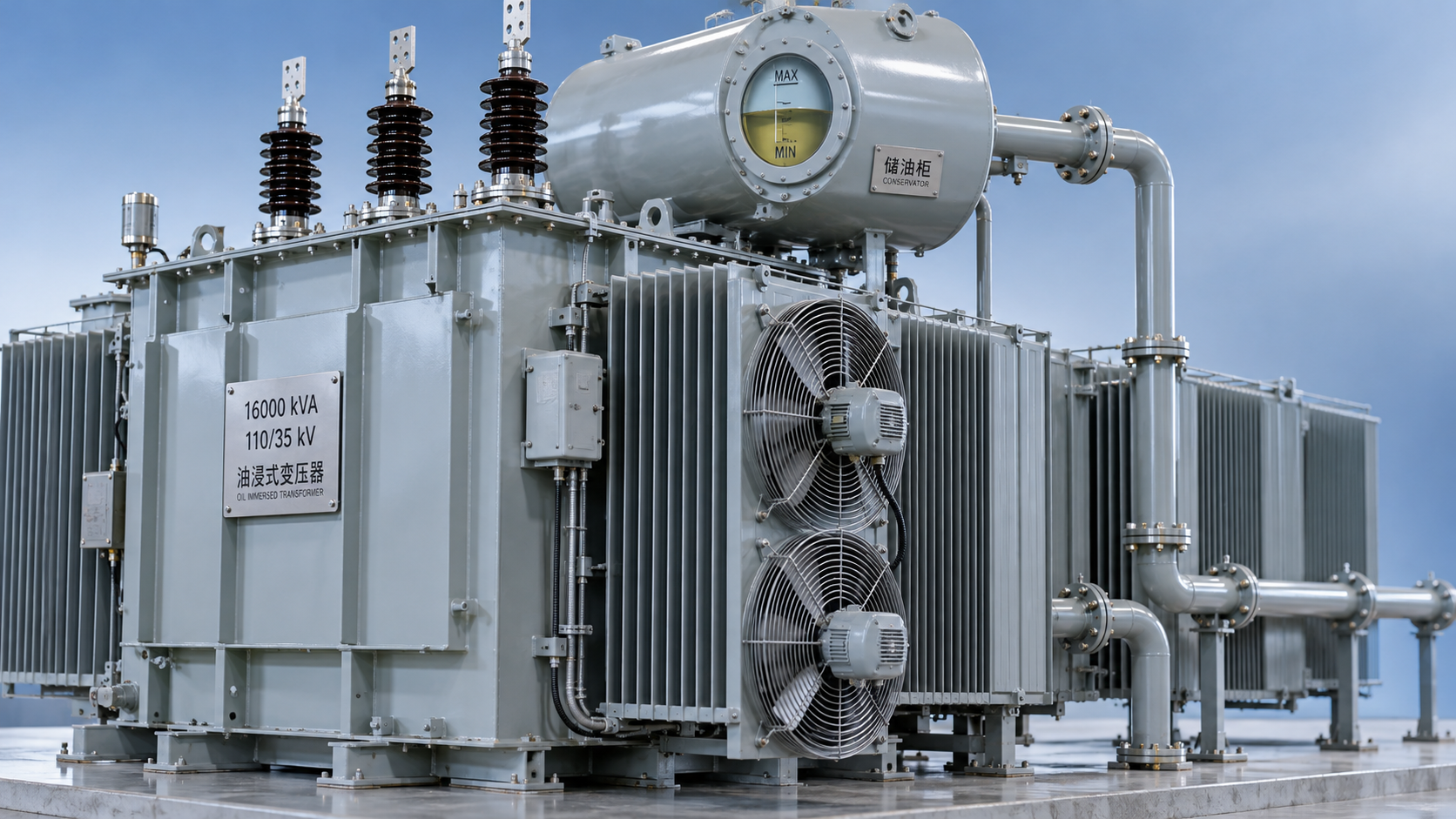
- Plan for auxiliary cooling only where justified: Forced-oil circulation (ONAF) adds cost and complexity. Reserve it for sites where measured ambient >46°C *and* load factor >85%. Otherwise, prioritize passive mitigation: reflective roofing, shaded enclosures, or relocating radiators to north-facing walls.
When Dry-Type May Outperform—Even With Higher Losses
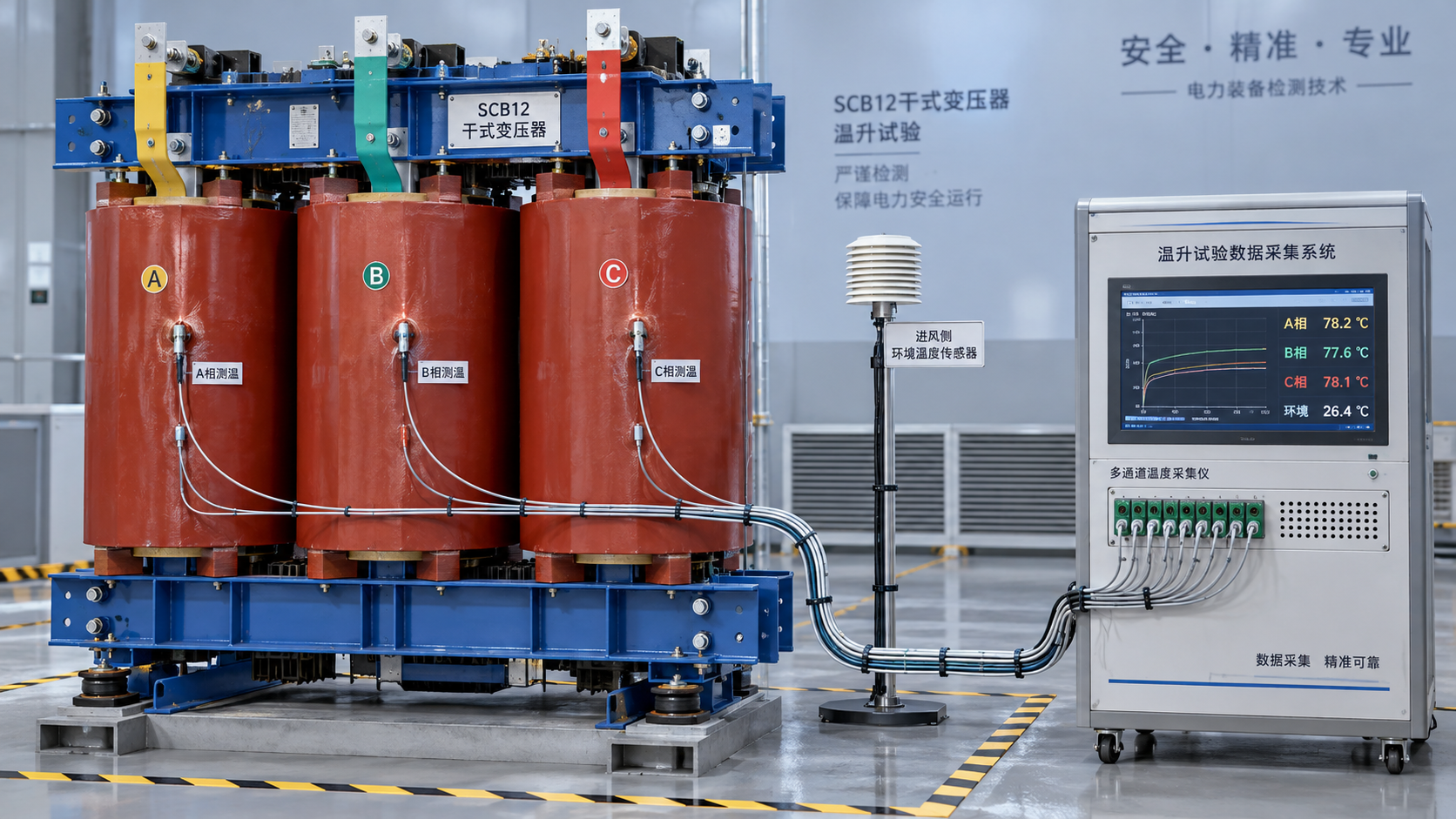
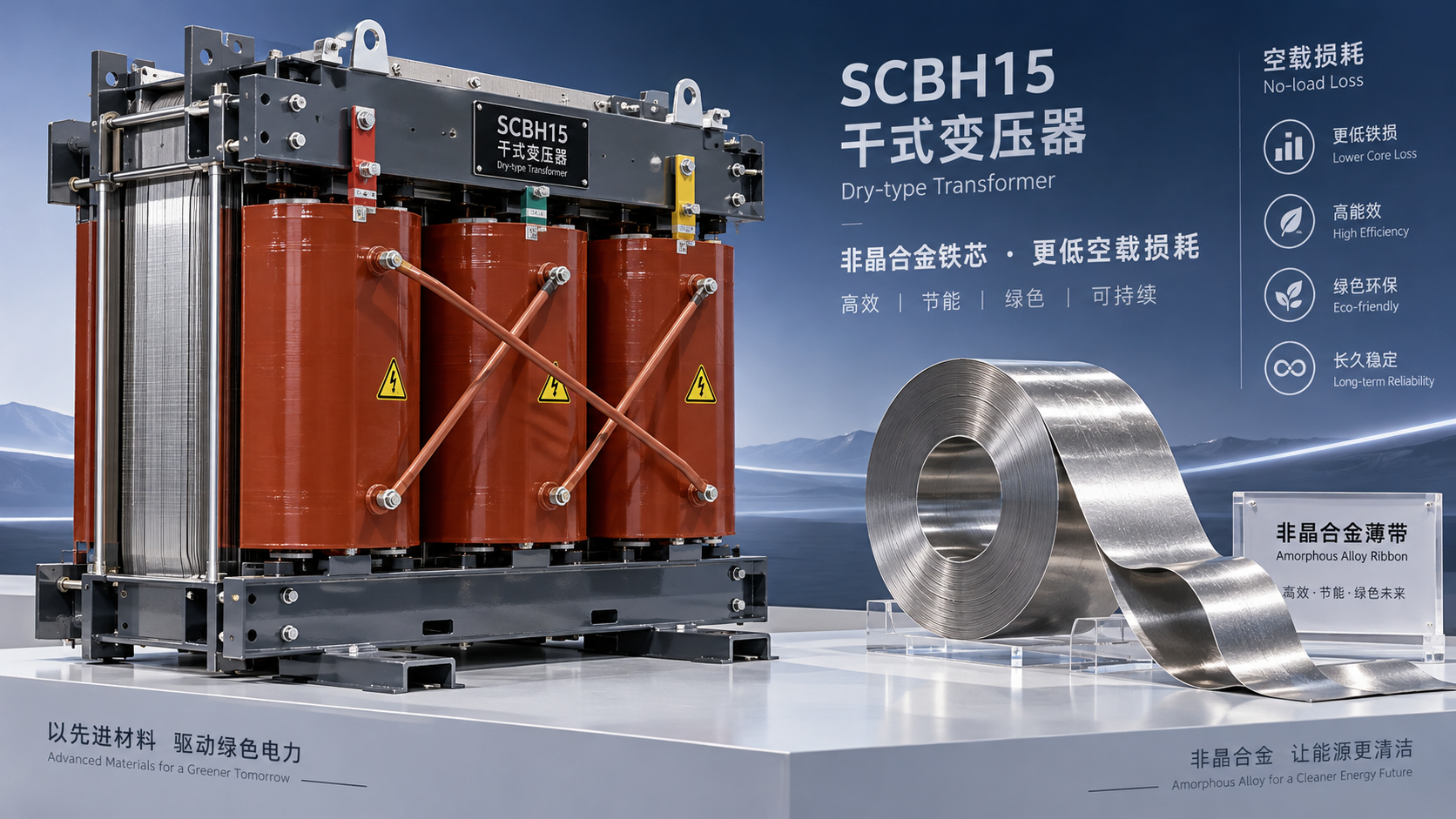
There are urban scenarios where the thermal predictability of dry-type units outweighs the efficiency advantage of oil-immersed designs. Consider indoor substations with limited ventilation, tight fire-code constraints, or locations where oil containment adds civil engineering cost. In such cases, a well-specified dry-type transformer—like the SCB11 Type Dry-Type Transformer, engineered for stable thermal response and equipped with automatic fan activation—can deliver more consistent capacity across ambient swings. Its epoxy-resin insulation avoids oil degradation concerns, and its overload capacity (up to 150% for 2 hours, per IEC 60076-7) provides buffer against transient UHI spikes—without requiring oil sampling or dielectric testing.
This isn’t a blanket recommendation for dry-type. It’s a recognition that thermal resilience isn’t just about peak efficiency—it’s about operational certainty under variable ambient stress. For outdoor, ground-mounted urban substations with adequate airflow, S13 remains optimal. But for constrained spaces where ambient measurement is impractical and thermal inertia works against you, dry-type shifts the risk calculus.
What to Verify Before Finalizing S13 Procurement
Don’t treat “S13 for urban grids” as a category. Treat it as a thermal system requiring site-specific validation:
- Confirm the supplier provides Δθoil vs. ambient curves—not just nameplate data—for your exact kVA and voltage class.
- Require radiator surface area and fin spacing specs—not just “standard cooling”—to assess real-world dust accumulation resistance.
- Verify compliance with GB/T6451-2008 *Annex D*, not just GB1094.1-2-1996. The former contains the ambient correction methodology used in Chinese urban grid approvals.
- Ask for thermal imaging reports from similar urban installations—not just factory tests.
The S13 oil-immersed transformer remains a robust choice for urban power grids—but only when its thermal behavior is treated as a site-dependent variable, not a fixed specification. Derating isn’t a flaw to be engineered around. It’s the feedback mechanism telling you whether your assumptions match reality. Measure first. Rate second. Commission third.



 How to verify the temperature-rise test of an SCB12 dry-type transformer
 Distribution transformer maintenance tips for spotting oil leaks
 What dissolved gas analysis reveals about an oil-immersed transformer
 Why an oil-cooled transformer overheats despite a normal oil level
 How the amorphous core affects SCBH15 dry-type transformer losses
 Sizing S13 oil-immersed transformers for variable wind farm output
GET A FREE QUOTE
We offer reliable products, competitive prices, and nationwide professional support, committed to providing customers with efficient and energy-saving power equipment solutions.