Welcome to Jiangsu Shengda Power Equipment Co., Ltd.


S20 Oil-Immersed Transformer Price Drivers: How Copper-Aluminum Winding Ratio & On-Site Commissioning Scope Impact Final Invoice
Time: Sep 30, 2026
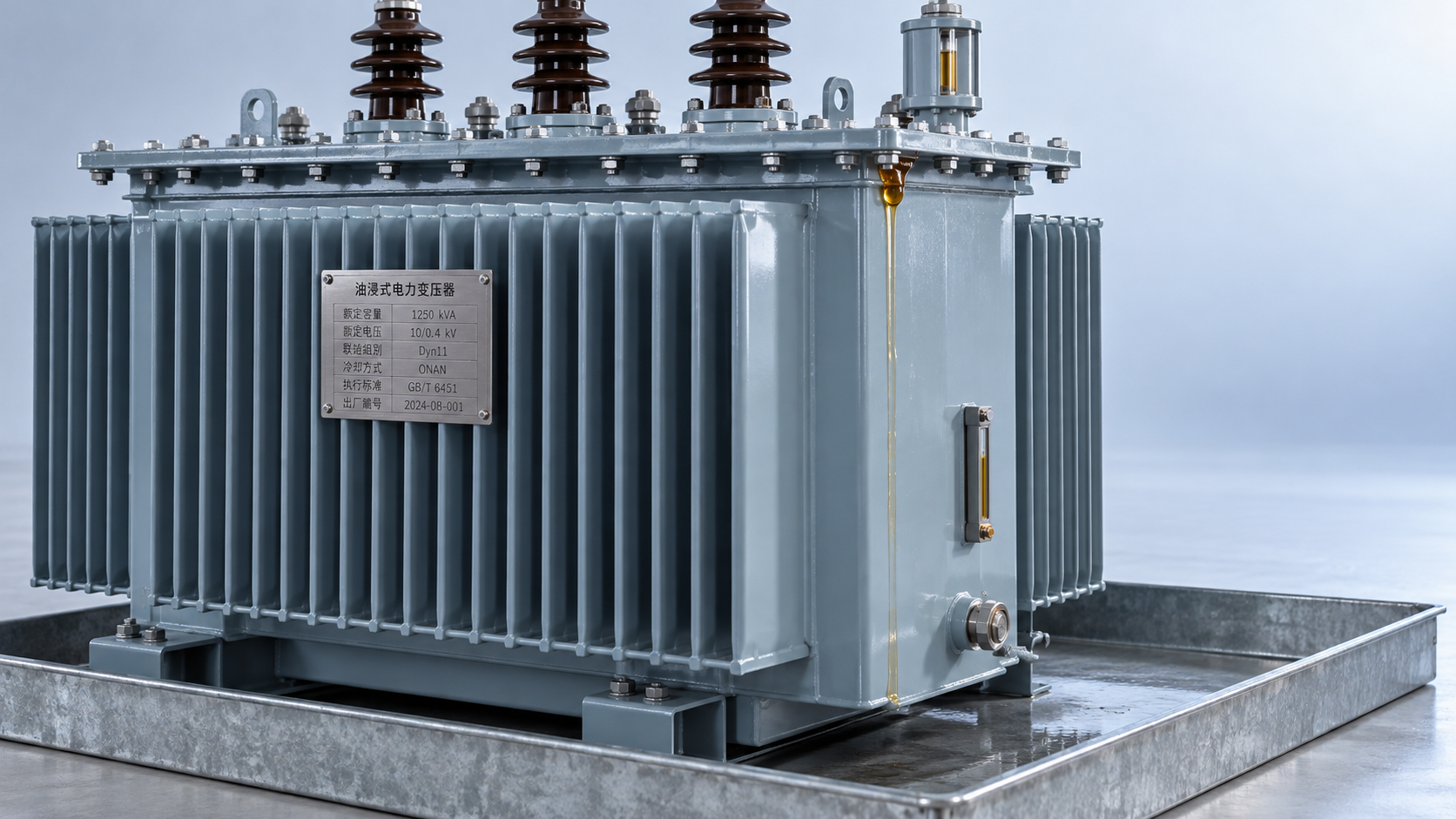
When procurement professionals begin evaluating S20 Series Oil-Immersed Power Transformers price, they often start with a quotation sheet—only to discover later that the final invoice bears little resemblance to the initial number. That gap isn’t arbitrary. It’s shaped by technical decisions made early in the specification phase—decisions that ripple across cost, schedule, and long-term performance. At Jiangsu Shengda Power Equipment Co., Ltd., we’ve seen too many buyers overlook two pivotal levers: the copper-aluminum winding ratio and the scope of on-site commissioning. Neither appears in a product catalog, yet both carry measurable weight in the total cost of ownership.
Let’s start with what makes the S20 series distinctive—not just as a model designation, but as an engineering commitment. Designed to GB/T6451-2008 and GB1094.1-2-1996, our S20 transformers deliver ultra-low no-load and load losses—critical for utilities and industrial users facing rising energy tariffs and tightening sustainability KPIs. But efficiency alone doesn’t define value. What defines it is *how* that efficiency is achieved—and at what trade-offs.
The copper-aluminum winding ratio sits at the heart of that calculation. Pure copper windings offer superior conductivity, thermal stability, and longevity—but they also elevate material cost by 25–40% compared to aluminum-based alternatives. Some manufacturers default to aluminum to meet budget targets, then compensate with larger core cross-sections or thicker insulation—introducing hidden compromises in footprint, cooling efficiency, and short-circuit withstand capability. At Shengda, we don’t preset the ratio. We tailor it: for mission-critical substations feeding hospitals or nuclear facilities, we recommend ≥85% copper content in HV windings—ensuring minimal temperature rise under sustained overload and proven resilience during grid disturbances. For less demanding applications—like rural distribution feeders—we may propose a hybrid configuration (e.g., copper HV + aluminum LV), balancing lifecycle cost with upfront affordability. The key isn’t choosing “copper” or “aluminum”—it’s aligning the ratio with *your actual duty cycle*, ambient conditions, and maintenance access constraints.
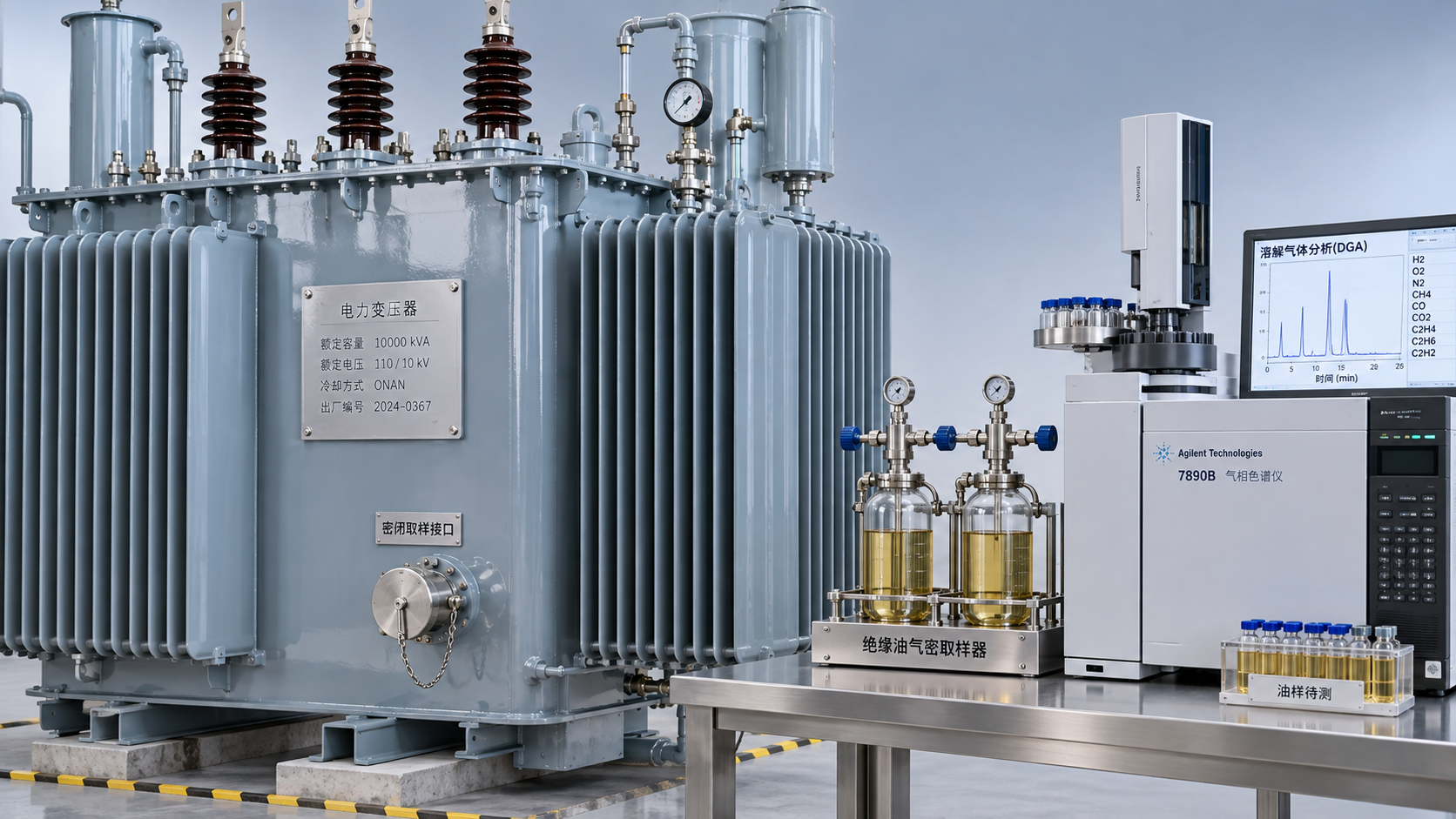
Then there’s commissioning—not as a line item, but as a risk vector. Many procurement teams assume “factory-tested” means “ready-to-energize.” In reality, oil-immersed transformers require careful handling post-transport: oil sampling and dielectric testing, bushing torque verification, relay calibration, grounding continuity checks, and thermal imaging of connections—all before first energization. If your site lacks certified HV technicians, or if local regulations mandate third-party witness testing, those tasks shift from your internal team to the supplier’s scope. And that shift changes the quote. A “basic commissioning” package may cover only visual inspection and nameplate verification; a “full-scope” engagement includes oil reconditioning, dissolved gas analysis (DGA), partial discharge mapping, and 72-hour load-run validation. At Shengda, we itemize these services transparently—not to upsell, but to prevent costly delays. One client in Guangdong delayed energization by 11 days because their procurement team assumed oil testing was included—only to learn onsite that their contract covered only factory acceptance tests (FAT). No fault, no blame—but avoidable.
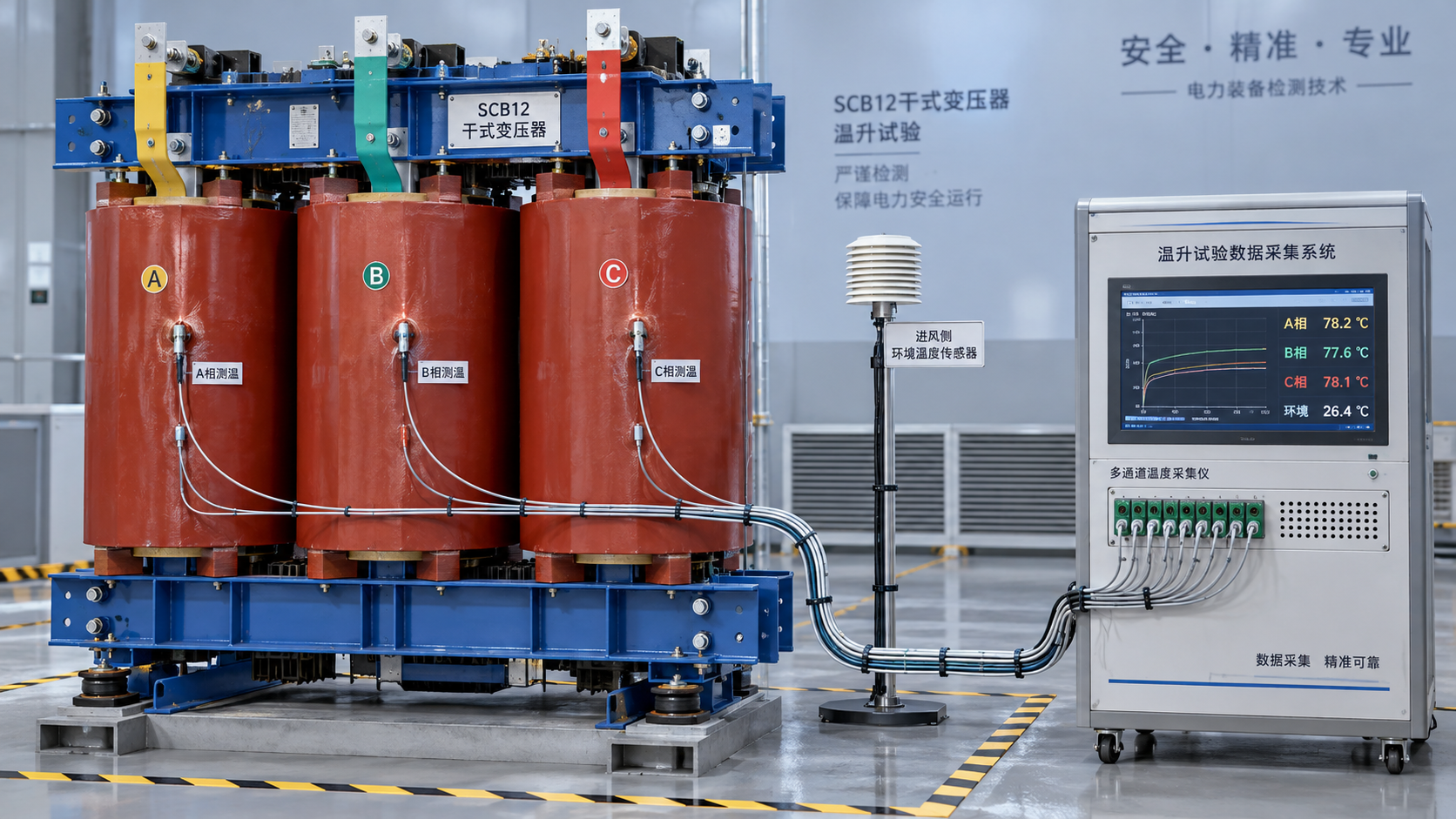
It’s worth noting that not all transformer types face identical commissioning complexity. Dry-type units, for instance, eliminate oil-related steps entirely—making them compelling where speed-to-service matters more than ultimate loss reduction. Our Non-Encapsulated Dry-Type Transformer, for example, features vacuum-impregnated H-class insulation and foil-wound LV windings—designed for rapid deployment in high-humidity environments like coastal substations or underground metro stations. With no oil to sample, no conservator to install, and no fire-protection barriers required, its commissioning timeline shrinks by 30–50% versus comparable oil-immersed units. That doesn’t make it “better”—but it *does* make it strategically right for certain projects: emergency replacements, temporary power setups, or locations where regulatory approval cycles favor simpler asset classes.
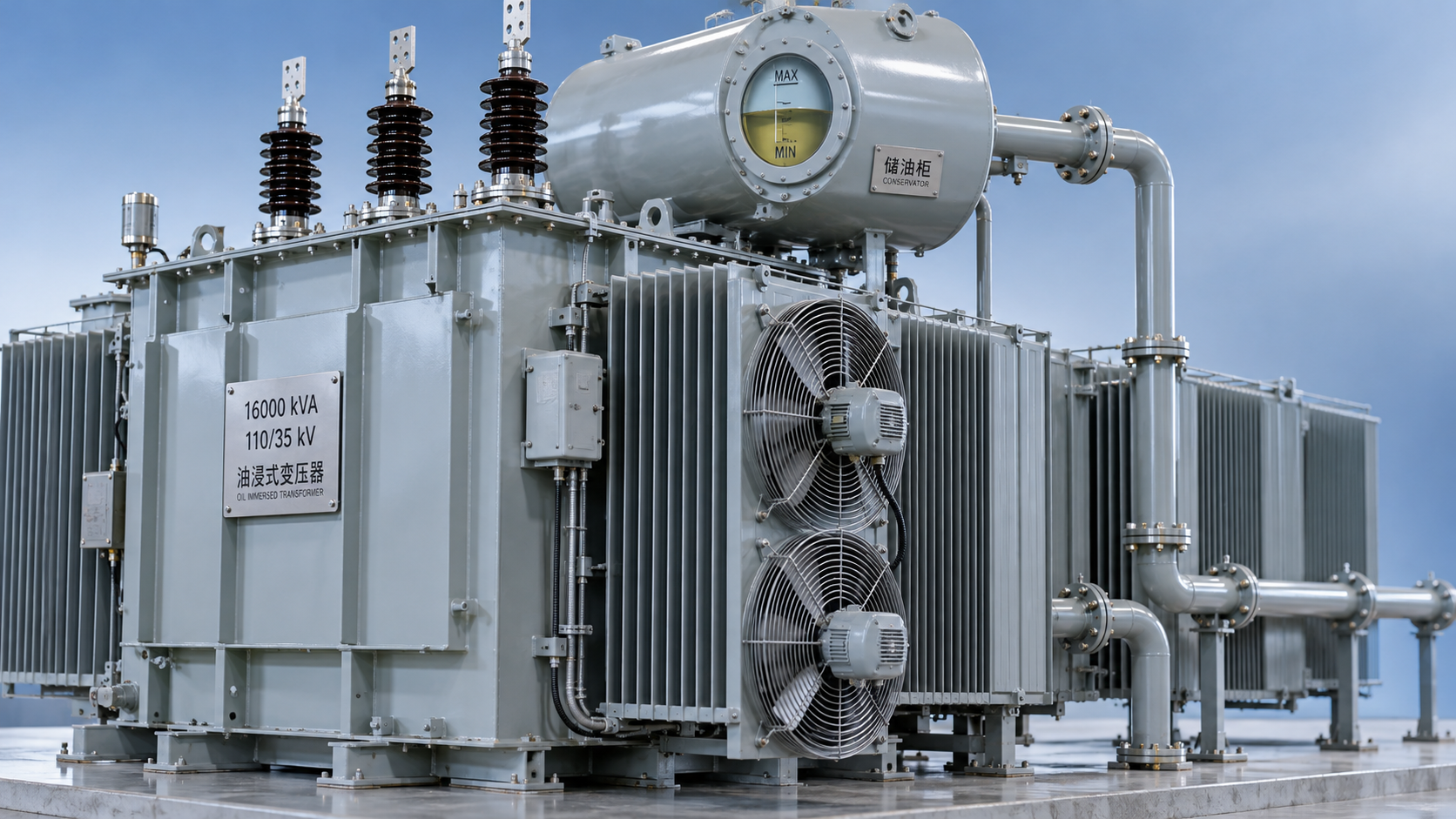
Which brings us to another quiet factor influencing S20 Series Oil-Immersed Power Transformers price: standardization vs. customization. Every deviation—from non-standard tap ranges and auxiliary voltage taps to seismic reinforcement or special paint systems—adds engineering time, tooling cost, and QA overhead. We see procurement teams request custom cooling fans to match existing substation aesthetics, or insist on stainless-steel nameplates for marine environments—reasonable asks, but each carries a quantifiable cost uplift. Our advice? Reserve customization for functional necessity—not preference. Use our standard S20 configurations (10kV/35kV, ONAN/ONAF cooling, ±5% or ±10% tap range) wherever possible. You’ll gain faster lead times, tighter quality consistency, and clearer warranty terms.
There’s also the matter of documentation—not as paperwork, but as accountability. ISO9001 certification isn’t a badge we display; it’s the framework that ensures every S20 unit ships with traceable material certs, calibrated test reports, and full DGA baseline data. When you receive a transformer, you’re not just getting hardware—you’re receiving a verified performance history. That transparency reduces disputes, accelerates handover, and strengthens your own audit readiness—especially important for EPC contractors managing multi-vendor packages.
Finally, consider the human variable: your team’s familiarity with transformer commissioning protocols. If your engineers routinely oversee oil-filled assets, they’ll spot anomalies quickly—reducing reliance on vendor support. If this is your first S20 procurement, investing in Shengda’s optional commissioning supervision—paired with our bilingual technical manuals and remote diagnostics support—may cost 3–5% more upfront, but it often prevents weeks of downtime and unplanned rework. That’s not a sales pitch. It’s field data from over 142 installations across Southeast Asia and the Middle East.
So when you next review an S20 quote, don’t stop at the headline number. Ask:
- What’s the specified copper content in HV and LV windings—and how was that ratio justified against my load profile?
- Which commissioning tasks are included, excluded, or conditional—and who bears liability if testing fails due to unverified site conditions?
- Are deviations from GB/T6451-2008 strictly necessary—or do they reflect legacy specs carried forward without reassessment?
At Jiangsu Shengda, we build transformers—not just to spec, but to serve. That means pricing with integrity, communicating with precision, and standing behind every kilovolt-ampere delivered. Because for procurement professionals, the real cost isn’t what’s on the invoice. It’s what’s *not* in it—and what happens after the signature.



Previous:No more content
Next:No more content
News Recommended
 How to verify the temperature-rise test of an SCB12 dry-type transformer
 Distribution transformer maintenance tips for spotting oil leaks
 What dissolved gas analysis reveals about an oil-immersed transformer
 Why an oil-cooled transformer overheats despite a normal oil level
 How the amorphous core affects SCBH15 dry-type transformer losses
 Sizing S13 oil-immersed transformers for variable wind farm output
GET A FREE QUOTE
We offer reliable products, competitive prices, and nationwide professional support, committed to providing customers with efficient and energy-saving power equipment solutions.