


Before approving an SCB12 fireproof transformer solution, project managers should not focus on “fireproof” as a standalone selling point. The real approval risk usually comes from incomplete compliance review, poor alignment between transformer design and building conditions, underestimated lifecycle cost, and weak comparison against newer efficiency options such as SCB13. In practical terms, the wrong approval decision can lead to installation delays, acceptance disputes, higher operating losses, and expensive retrofit work. A better approach is to evaluate SCB12 through a project lens: safety compliance, space and ventilation fit, load profile, long-term energy cost, and supplier quality assurance.
What is the real search intent behind SCB12 fireproof transformer approval?
For project managers and engineering decision-makers, the search intent is rarely just “what is an SCB12 fireproof transformer.” The actual intent is more practical: how to avoid making a bad procurement or approval decision before the transformer is locked into the project. In most cases, readers want to know whether SCB12 is still the right choice, what hidden risks can delay approval, and how it compares with more energy-efficient dry-type transformer options.
This means the most useful content is not a generic product introduction. It is a decision guide that helps reduce approval risk and improve project outcomes. If a transformer passes internal review but later fails site fit, energy targets, or owner expectations, the approval process was not successful even if the paperwork looked complete.
What project managers should avoid before approving an SCB12 fireproof transformer
The biggest mistake is treating the transformer as a standard electrical item instead of a project-critical asset. Below are the issues most likely to create trouble after approval.
1. Avoid approving based only on “fireproof” labeling
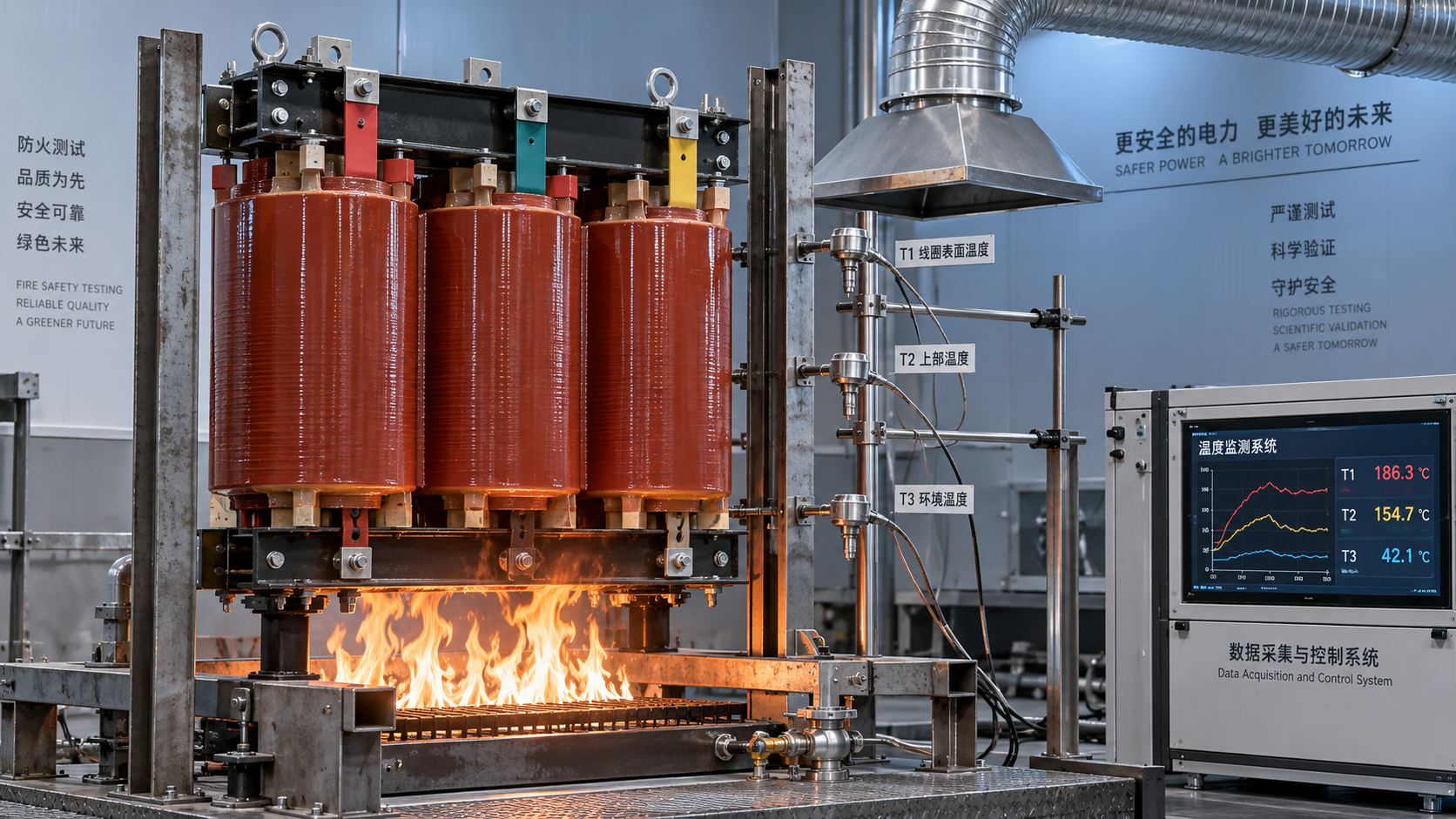
Fire performance matters, especially in commercial buildings, hospitals, public infrastructure, industrial facilities, and indoor substations. But “fireproof” should never be the only basis for selection. Project teams should confirm the actual insulation system, thermal class, enclosure requirements, smoke behavior, and the relevant local or project-specific fire safety criteria. A transformer that is described as fire-resistant in sales language may still require additional verification to meet design institute, consultant, or end-user approval standards.
2. Avoid ignoring local codes and owner specifications
Even when a transformer complies with manufacturing standards, it may not automatically satisfy the project’s tender documents, utility interface requirements, or building authority expectations. Approval problems often happen when the selected unit meets product standards but conflicts with the project’s specific requirements for noise, installation clearance, IP rating, harmonic tolerance, temperature rise, or energy efficiency targets.
3. Avoid approving without checking installation environment
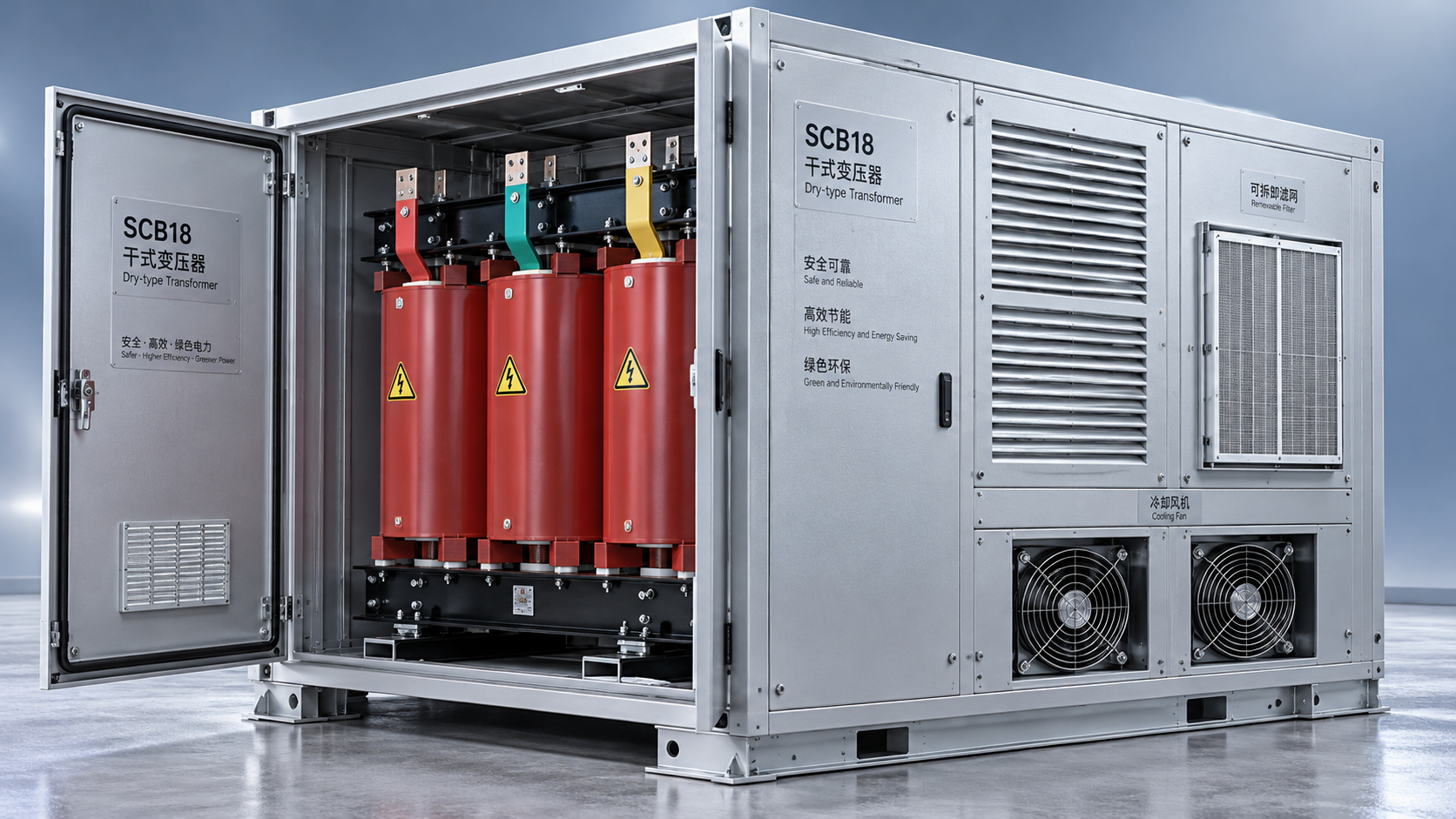
SCB12 dry-type transformers are often chosen for indoor use because of safety and reduced fire risk compared with oil-filled alternatives. However, indoor use does not mean “install anywhere.” Ventilation, ambient temperature, altitude, dust, humidity, and available maintenance clearance all affect whether the selected transformer will operate reliably. If the room layout is tight or airflow is weak, the approved unit may face overheating risk, derating, or future complaints about noise and heat accumulation.
4. Avoid underestimating lifecycle cost
A lower purchase price can be misleading. For many projects, the real cost difference appears during operation. No-load loss and load loss directly affect long-term electricity cost, especially in projects with continuous energization. If the transformer will run for years in a facility with high utilization, comparing SCB12 only on upfront capital expense can become a costly mistake. This is where SCB13 Type Dry-Type Transformer energy saving advantages often become highly relevant during final approval review.
5. Avoid weak load analysis
Approval should not rely on nominal capacity alone. Project managers should ask whether the transformer sizing reflects actual demand profile, peak loading, expansion margin, load fluctuation, and harmonic conditions from drives, UPS systems, or nonlinear equipment. Oversizing increases unnecessary no-load losses. Undersizing creates reliability and thermal stress problems. Both can damage project economics.
6. Avoid choosing a supplier without robust quality controls
Transformer approval is also supplier approval. Reliable manufacturers should demonstrate design capability, process control, inspection systems, and conformance to recognized standards. Jiangsu Shengda Power Equipment Co., Ltd., for example, emphasizes R&D capability, sophisticated manufacturing, comprehensive quality inspection, strict management, compliance with international standards such as GB1094.1-2-1996 and GB/T6451-2008, and ISO9001 certification. For project managers, this kind of quality framework is not just marketing language; it reduces the probability of inconsistency between approved specifications and delivered equipment.
Why SCB12 approval now requires stronger energy-efficiency review
In today’s project environment, approval decisions are increasingly shaped by energy targets, operating budget pressure, and owner expectations for efficient infrastructure. That is why many buyers now compare SCB12 with SCB13 before final sign-off.
The reason is simple: fire safety is essential, but it is no longer enough on its own. If two dry-type transformer options can satisfy safety needs, the more efficient option may create better total project value. For project managers, this affects more than utility bills. It can influence green building objectives, operating expense forecasts, investment justification, and stakeholder acceptance.
When reviewing SCB12, ask these questions:
- Does it meet current project energy performance expectations, not just minimum technical requirements?
- How significant are no-load and load losses over the expected service life?
- Will the owner later question why a more efficient alternative was not selected?
- Does the project require a lower carbon or higher-efficiency electrical distribution strategy?
If these questions are relevant, then SCB13 comparison should be part of the approval process rather than a late-stage reconsideration.
How to evaluate SCB12 versus SCB13 in a way that supports approval
Project managers do not need a purely academic comparison. They need a practical approval framework. The best method is to compare both technical fit and financial impact.
Compare losses over actual operating conditions
Use estimated energized hours, average loading rate, local electricity price, and service life assumptions. This helps show whether SCB13’s improved energy-saving performance justifies any price difference. In many projects, a small capital premium can be recovered through lower energy loss over time.
Compare installation suitability
Do not assume both models behave identically under the project’s thermal and environmental conditions. Check temperature rise, cooling requirements, enclosure options, and site constraints. Approval should go to the option that fits the real installation environment with less operational risk.
Compare noise and occupancy impact
For buildings with offices, healthcare spaces, schools, retail areas, or residential proximity, transformer noise matters. Approval should include expected acoustic performance and whether extra mitigation measures will be required.
Compare future-proofing value
If the facility may expand or face stricter owner-side efficiency evaluation later, a more efficient transformer may protect the project from future criticism or retrofit pressure. This is especially important for public projects and commercial assets where lifecycle transparency matters.
A practical approval checklist for SCB12 fireproof transformer projects
Before signing off, project managers can use the following checklist to reduce mistakes:
- Confirm compliance with project-specific fire safety and electrical specifications
- Verify capacity selection against actual load profile and future expansion margin
- Check installation room dimensions, ventilation path, ambient temperature, and maintenance clearance
- Review no-load loss and load loss, not just purchase price
- Compare SCB12 with SCB13 on lifecycle operating cost
- Evaluate harmonic environment and any special power quality requirements
- Confirm enclosure, protection level, and noise expectations
- Assess manufacturer quality assurance, testing capability, certifications, and delivery reliability
- Verify acceptance test requirements early to avoid post-delivery disputes
- Document the approval logic so stakeholders understand why the selected option is the best fit
When another transformer type may be worth considering
Although indoor fire safety often points decision-makers toward dry-type transformers, some projects may still require a broader comparison. Depending on site layout, outdoor installation conditions, maintenance strategy, load characteristics, and budget priorities, oil-immersed transformers may also be evaluated in parallel.
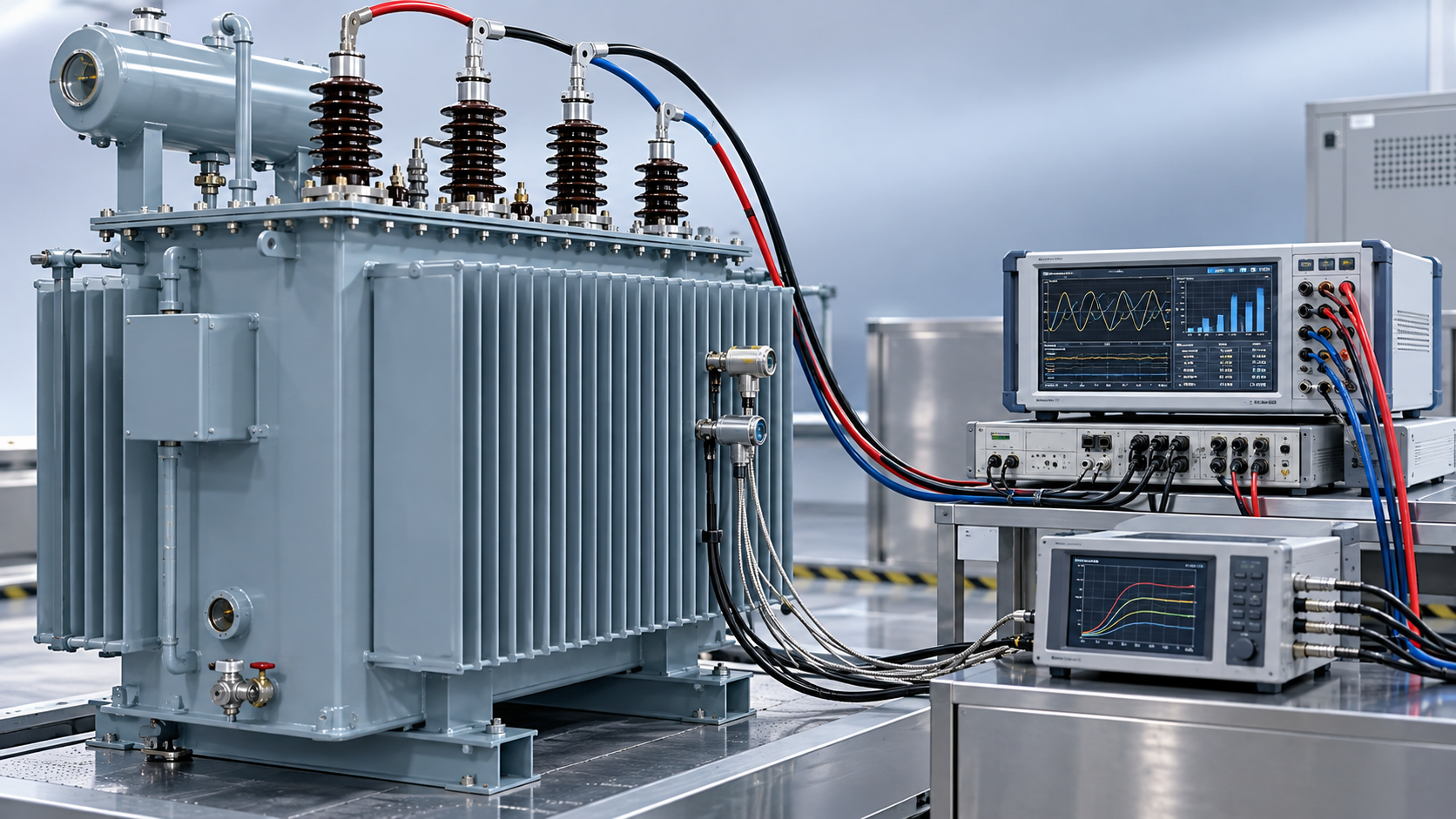
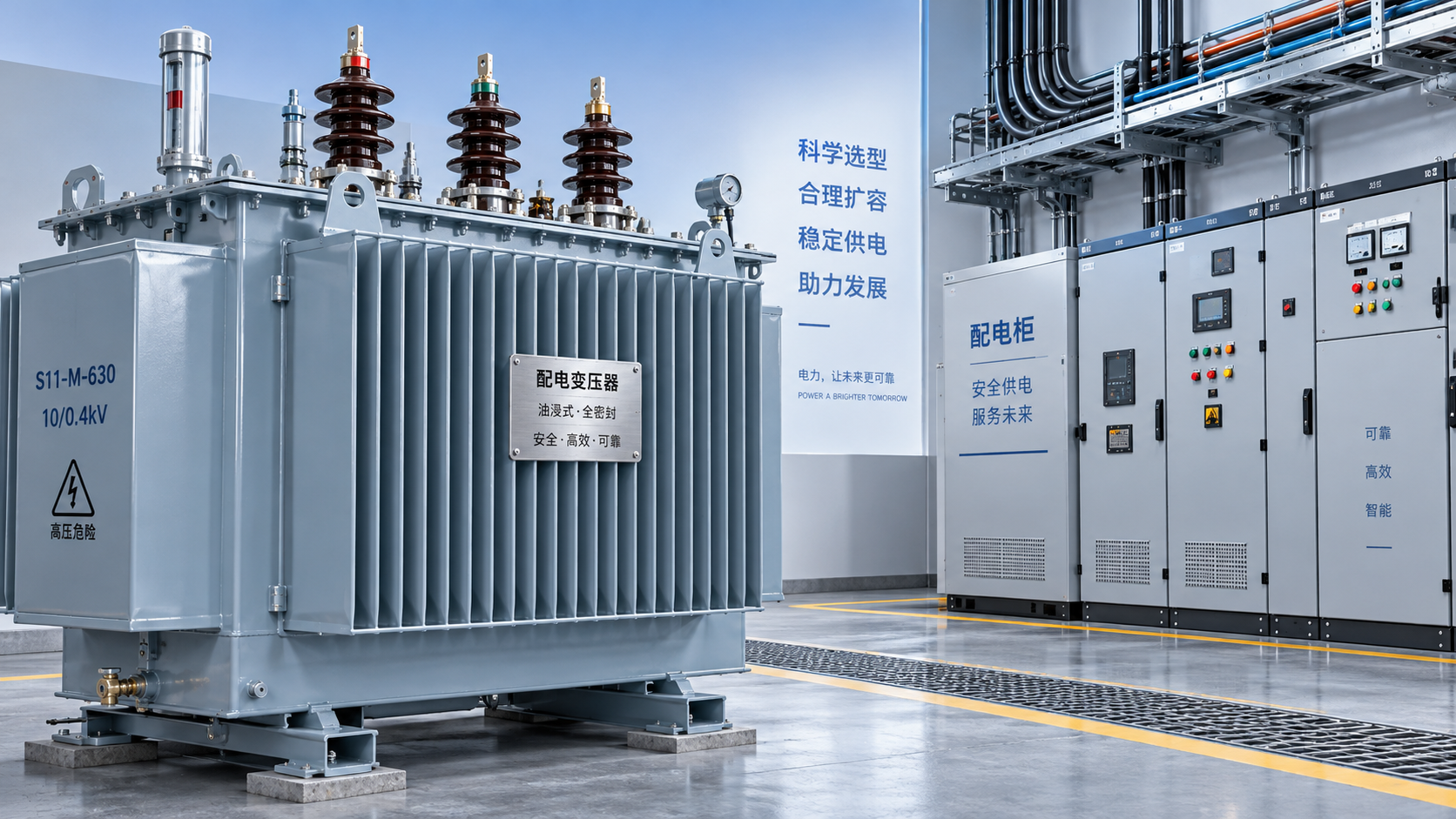
For example, in suitable applications, the S11 Series Oil-Immersed Power Transformer offers advantages such as low loss, low noise, high efficiency, energy saving, and a fully sealed structure that helps extend service life. Its design uses imported high-quality cold-rolled silicon steel sheets and oxygen-free copper, while the sealed corrugated tank structure helps isolate the oil from air, slow insulation aging, and reduce routine maintenance needs during normal operation. This does not replace the need for SCB12 or SCB13 evaluation in indoor fire-sensitive projects, but it reminds buyers that transformer selection should always follow actual application conditions rather than habit or assumption.
How strong supplier capability reduces approval and execution risk
Even the right technical specification can become a project problem if the supplier cannot deliver consistent quality. For project leaders, supplier evaluation should include more than quotation and lead time. It should cover engineering support, manufacturing control, inspection completeness, documentation quality, and responsiveness during installation and commissioning.
A manufacturer with stable technical expertise and a mature quality system can help project teams in several ways:
- Provide clearer model selection guidance before approval
- Reduce mismatch between drawings, nameplate data, and delivered product
- Support acceptance documentation and testing requirements
- Lower the chance of rework caused by specification ambiguity
- Improve confidence for consultants, EPC contractors, and owners
For this reason, approval should be seen as a combination of product suitability and supplier reliability.
Final decision: approve SCB12 only if it fits the whole project, not just the spec sheet
The key takeaway is straightforward: before approving an SCB12 fireproof transformer, do not stop at basic compliance or “fireproof” positioning. The most common approval mistakes come from overlooking lifecycle cost, site compatibility, project-specific standards, and the growing value of SCB13 energy efficiency comparison.
For project managers, the best decision is the one that holds up not only during procurement, but also during installation, acceptance, operation, and owner review. If SCB12 satisfies safety, environment, load demand, and cost expectations after a full comparison, it can be a sound choice. If a more efficient option like SCB13 delivers stronger long-term value, approving SCB12 by default may create avoidable future cost and performance issues.
In short, approve carefully, compare realistically, and make the selection based on total project value rather than a single feature claim.



 What an F1 fire behaviour rating means for a flame-retardant transformer
 How enclosure specifications affect SCB18 dry-type transformer cost
 How to compare loss guarantees for S22 oil-immersed transformers
 When to choose a loop-feed pad-mounted transformer over radial feed
 How much spare capacity should a distribution transformer have?
 Checking S13 oil-immersed transformers for renewable inverter loads
GET A FREE QUOTE
We offer reliable products, competitive prices, and nationwide professional support, committed to providing customers with efficient and energy-saving power equipment solutions.