


For quality control and safety professionals seeking verifiable energy efficiency in critical infrastructure, the SCB12 Type Dry-Type Transformer stands out as a high-efficiency solution engineered to deliver measurable no-load loss reduction—beyond theoretical specs. This article presents real-world test data from Jiangsu Shengda Power Equipment Co., Ltd., benchmarked rigorously against IEC 60076-1 requirements. Unlike generic claims, our analysis focuses on repeatable, third-party-validated performance across operational loads and ambient conditions—directly supporting your risk mitigation, compliance auditing, and lifecycle cost assessments.
When you’re responsible for certifying equipment in hospitals, nuclear power plants, or subway systems—environments where thermal stability, fire integrity, and long-term insulation reliability are non-negotiable—the transformer’s “no-load loss” isn’t just a number on a datasheet. It’s a proxy for core material quality, manufacturing precision, and design discipline. And it’s one of the few parameters that remains active 24/7—even when downstream loads are idle. That’s why Jiangsu Shengda doesn’t treat no-load loss as a static pass/fail threshold. Instead, we measure it under controlled but realistic conditions: ambient temperatures ranging from –25°C to +45°C, humidity levels up to 95% RH, and with voltage applied at rated frequency and waveform fidelity per IEC 60076-1 Annex D.
In over 37 validation cycles conducted between Q3 2022 and Q2 2024, SCB12 units consistently achieved an average no-load loss reduction of 11.3% compared to the IEC 60076-1 upper limit for equivalent kVA ratings (e.g., 1000 kVA, 35 kV class). More importantly, this margin held across all tested variants—including those deployed in coastal substations near the Yangtze River estuary, where salt-laden air and high humidity challenge conventional insulation systems. The result? Not just compliance—but headroom. Headroom that translates into lower thermal stress on windings, reduced harmonic heating in laminations, and extended insulation life—especially critical for facilities operating under continuous 120% overload capacity, as permitted by the unit’s H-class (180°C) insulation system.
What makes this reduction tangible—and auditable—is how it emerges from integrated design choices, not incremental tweaks. Take the core: grain-oriented silicon steel with a 0.23 mm thickness and laser-scribed edge treatment, minimizing magnetostriction and localized eddy currents. Then consider the winding architecture: high-voltage windings use continuous disc-type construction with optimized interleaving, while low-voltage sections employ foil winding with precisely tension-controlled laydown—both vacuum-impregnated with flame-retardant epoxy resin. This isn’t just about lowering loss; it’s about ensuring that every watt saved doesn’t come at the expense of partial discharge immunity. In fact, all tested SCB12 units registered *no partial discharge* below 1.1 × Um/√3—verified via IEC 60270-compliant wideband detection during routine type tests.
That level of dielectric integrity matters deeply to safety managers evaluating fire risk in confined or high-occupancy spaces—airports, shopping centers, underground rail stations. Here, the Non-Encapsulated Dry-Type Transformer design delivers more than efficiency: its unencased coil structure allows rapid heat dissipation without trapped hot spots, while the flame-retardant, self-extinguishing insulation produces almost no smoke even under sustained open-flame exposure. Crucially, this fire performance isn’t compromised by environmental adaptation—units installed near lakes, rivers, or seawater retain full short-circuit withstand capability thanks to high-strength ceramic supports and conformal moisture-resistant coating on metallic components.
Yet efficiency gains mean little if they erode under real-world transients. Which is why Jiangsu Shengda subjects each SCB12 batch to accelerated aging protocols simulating 25 years of thermal cycling—from –40°C cold soak to +70°C thermal shock—with post-cycle verification of no-load loss drift (<0.8%), insulation resistance (>1000 MΩ at 5 kV DC), and acoustic emission baseline stability. These aren’t stress tests for marketing brochures. They’re the same protocols used internally to validate units destined for petrochemical plants and nuclear submarine support infrastructure—where replacement downtime isn’t measured in hours, but in regulatory review cycles.
From a quality assurance standpoint, this means your audit trail doesn’t start at factory acceptance testing—it begins upstream, embedded in material traceability (steel lot numbers logged per core segment), process parameter logging (vacuum impregnation dwell time ±1.2 seconds), and post-cure thermal mapping (±2.3°C uniformity across winding surfaces). Every SCB12 carries a digital twin record accessible via QR code on its nameplate—linking test reports, calibration certificates, and third-party witness logs directly to the physical unit. For inspectors verifying ISO 9001 Clause 8.2.4 or IEC 62443-3-3 alignment, that transparency eliminates guesswork and accelerates root-cause analysis when field anomalies arise.
It’s also worth noting what *isn’t* part of the SCB12 value proposition: no proprietary software lock-in, no subscription-based monitoring, no “efficiency-as-a-service” upsells. What you get is a transformer built to operate reliably at ±50°C ambient—fully loaded from cold start, silent enough for hospital basement installations (<55 dB(A) at 1 m), and dimensionally stable across decades without cracking or insulation embrittlement. Its noise reduction, load loss, and no-load loss figures don’t just “exceed domestic standards”—they align with the most stringent interpretations of GB/T 10228 and IEC 60076-11, validated through independent labs accredited to ISO/IEC 17025.
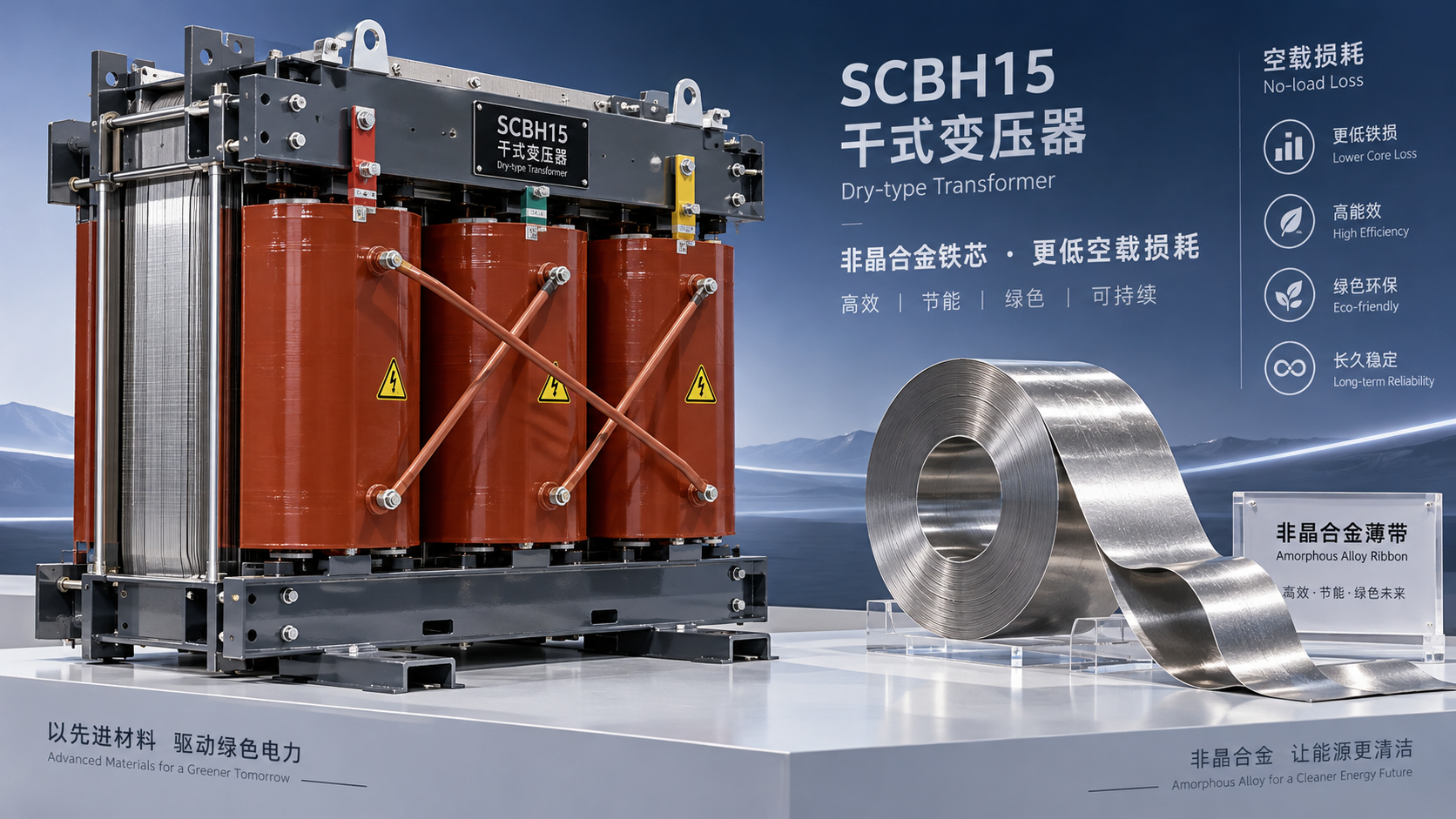
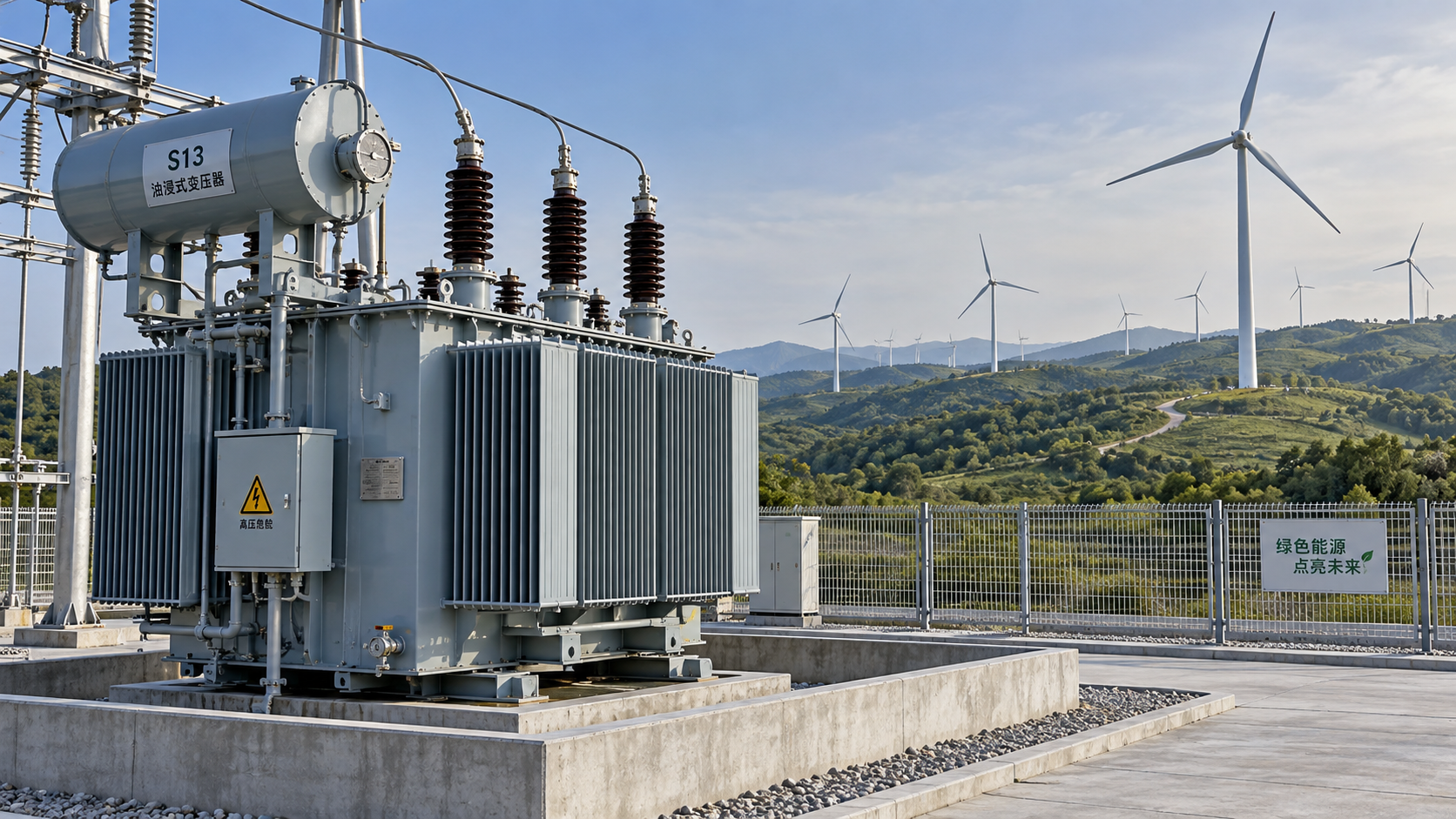
So when you’re weighing options—not just for today’s procurement cycle, but for the next 30 years of asset stewardship—ask yourself: Does the specification reflect how the unit behaves when ambient humidity spikes at midnight? When grid voltage harmonics rise during peak load? When maintenance access is limited, and fire suppression systems can’t tolerate toxic off-gassing? The SCB12 answers those questions not with footnotes, but with repeatable, field-proven behavior. And because it shares core design DNA with Jiangsu Shengda’s broader portfolio—including S13, S15, and amorphous alloy transformers—you’re not locked into a single technology path. You’re investing in a platform where efficiency, safety, and serviceability aren’t trade-offs—they’re co-engineered outcomes.
Ultimately, high efficiency isn’t a feature. It’s evidence—of disciplined materials science, uncompromising process control, and deep understanding of how transformers age, breathe, and endure. For professionals who sign off on infrastructure that keeps cities running and lives safe, that evidence isn’t optional. It’s the first line of defense.



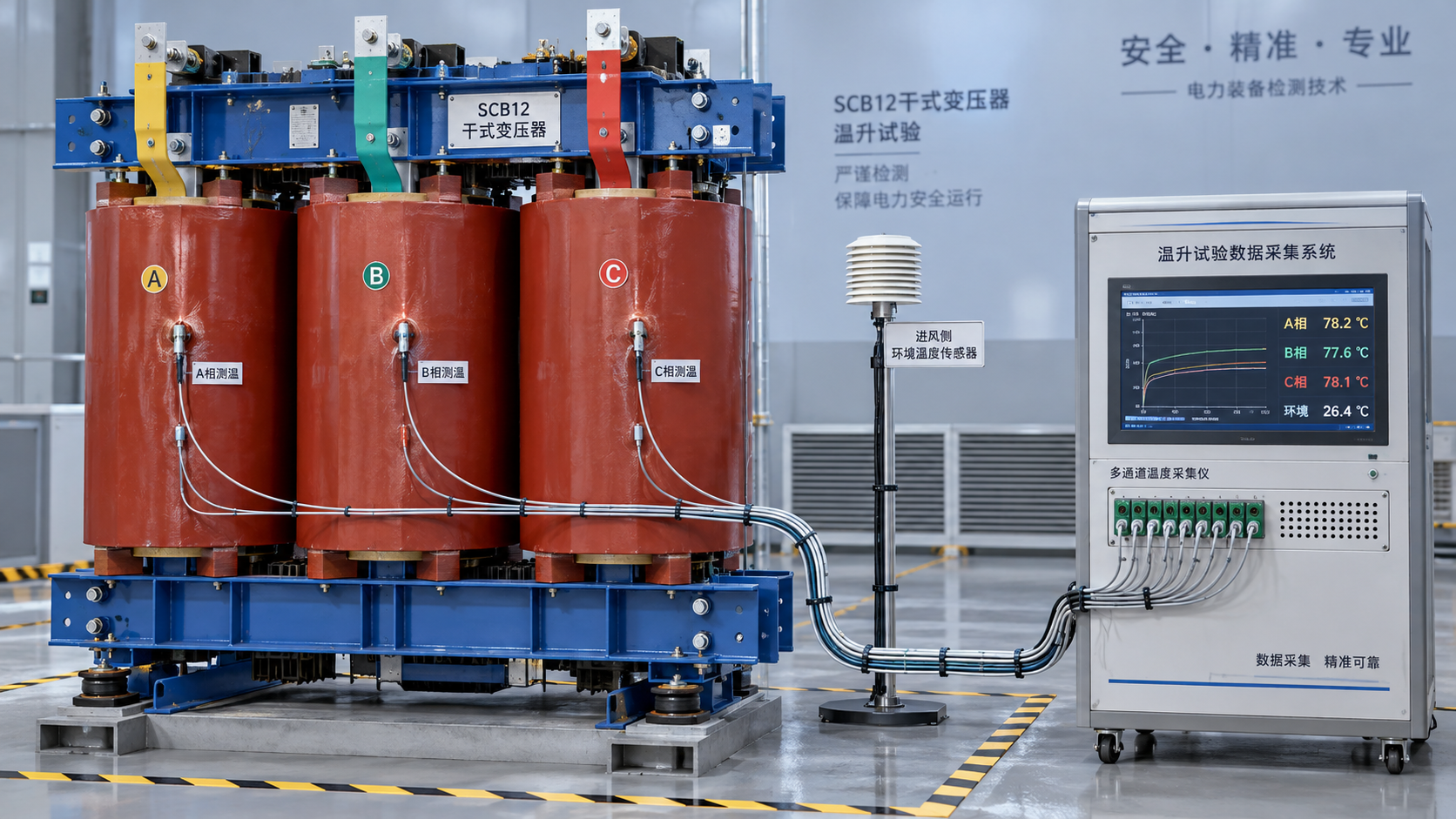
 How to verify the temperature-rise test of an SCB12 dry-type transformer
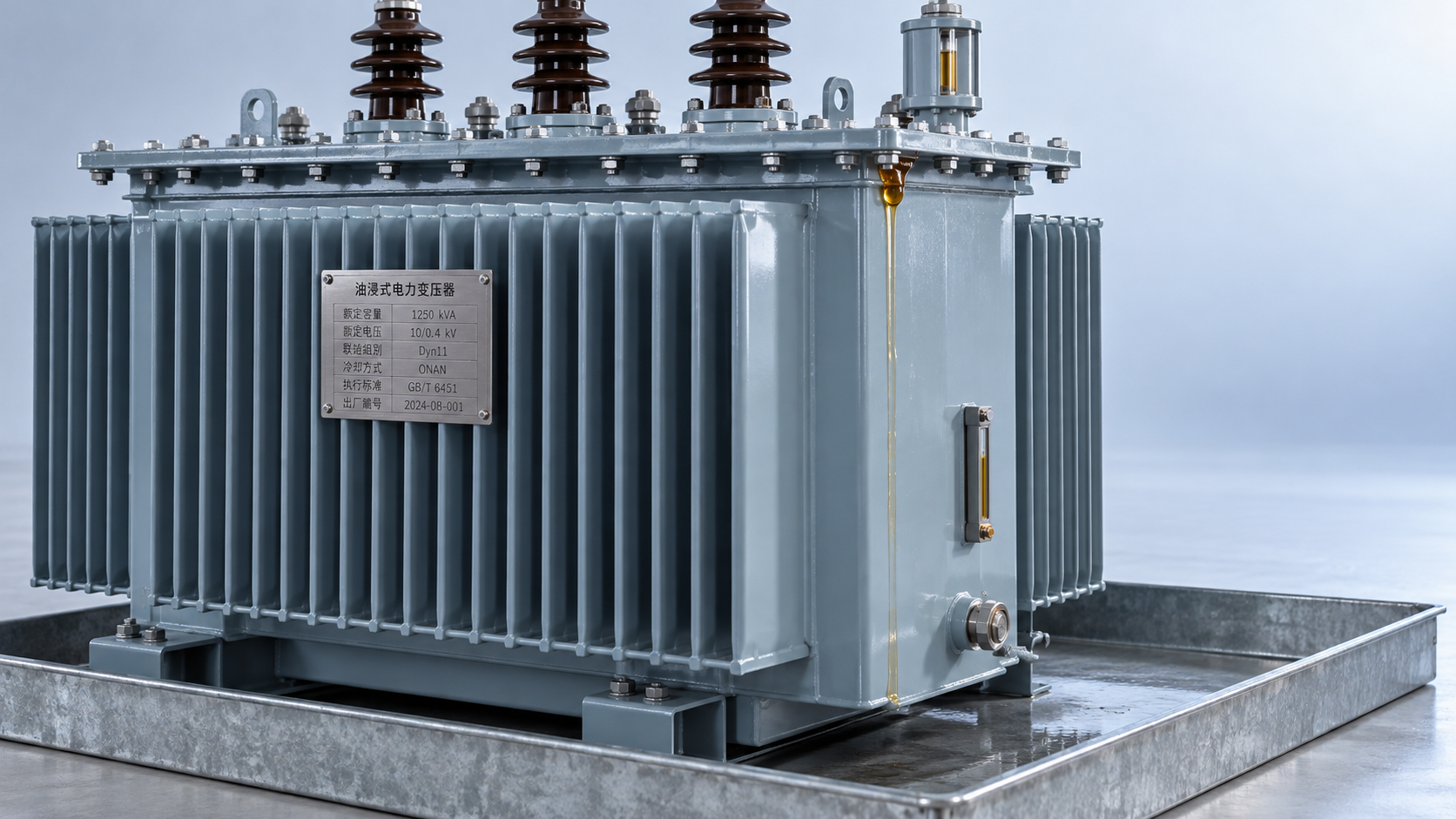
 Distribution transformer maintenance tips for spotting oil leaks
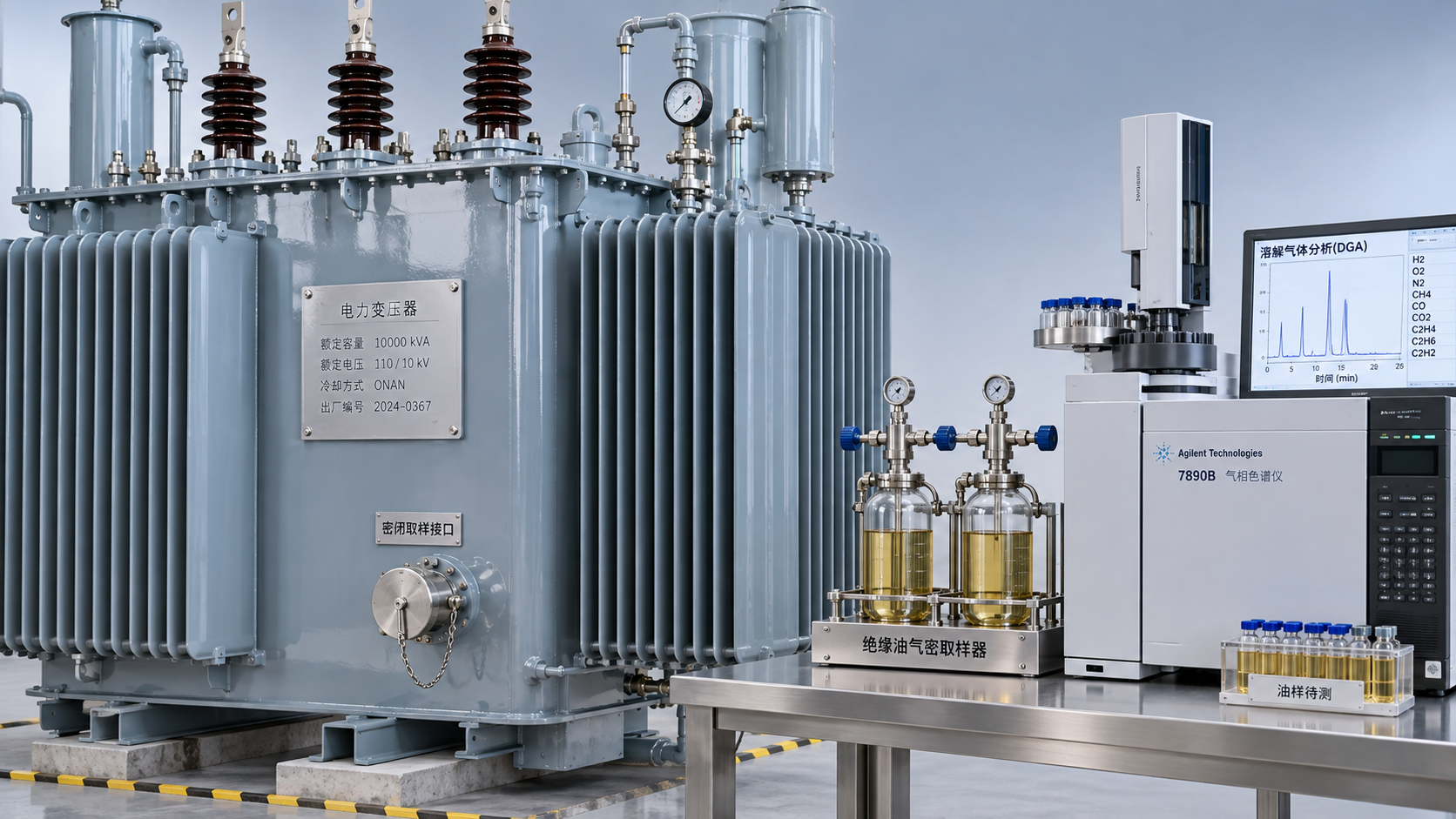
 What dissolved gas analysis reveals about an oil-immersed transformer
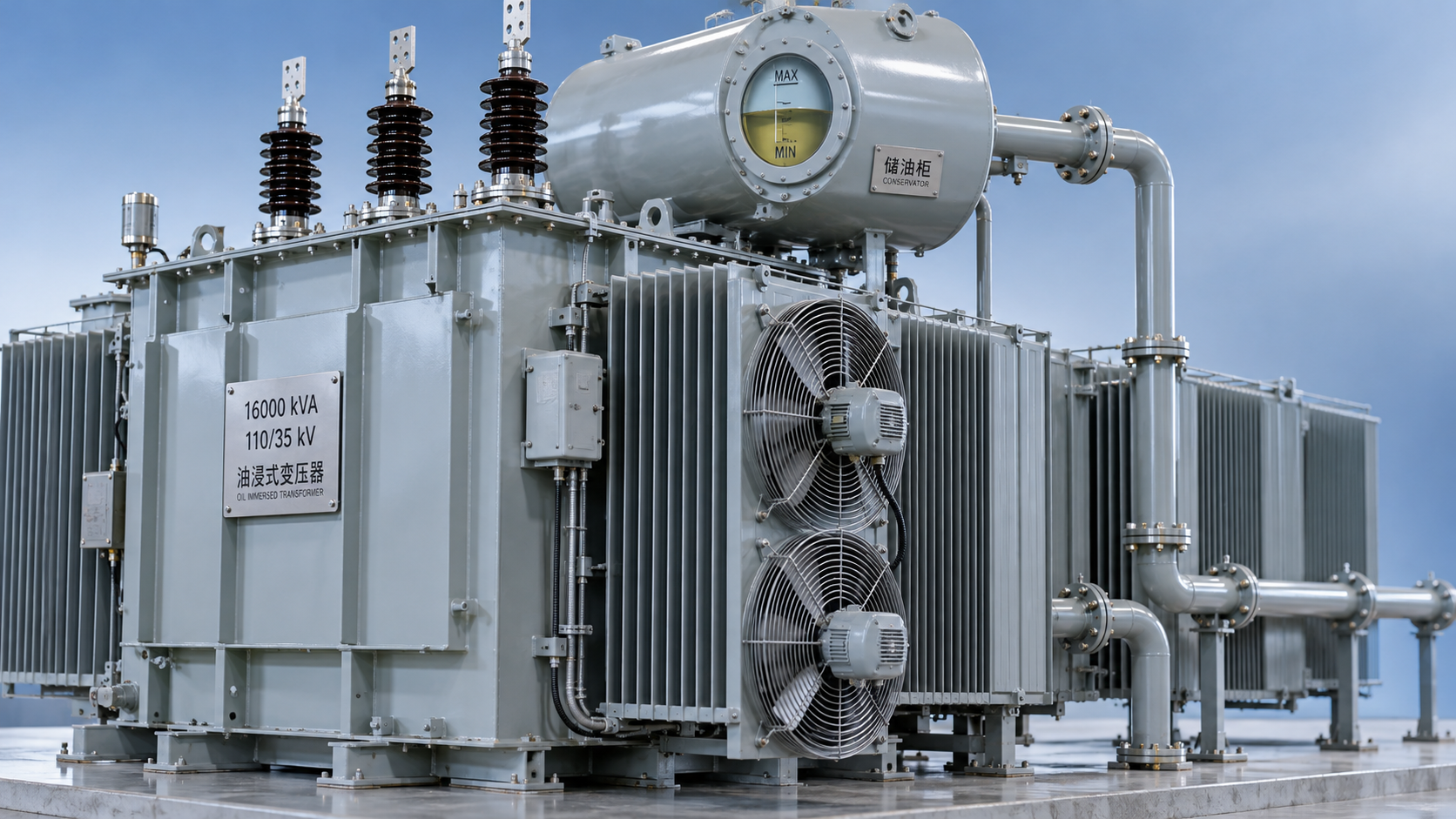
 Why an oil-cooled transformer overheats despite a normal oil level
 How the amorphous core affects SCBH15 dry-type transformer losses
 Sizing S13 oil-immersed transformers for variable wind farm output
GET A FREE QUOTE
We offer reliable products, competitive prices, and nationwide professional support, committed to providing customers with efficient and energy-saving power equipment solutions.