


For project managers overseeing cement plant power systems, downtime and dust-induced failures are critical pain points—making the SCB13 Type Dry-Type Transformer a strategic low-maintenance solution. Its sealed enclosure design eliminates exposure to abrasive cement dust, significantly reducing inspection frequency and preventing contamination-related failures. Engineered by Jiangsu Shengda Power Equipment Co., Ltd.—a certified ISO9001 high-tech enterprise—the SCB13 delivers reliability, compliance with GB and IEC standards, and proven performance in harsh industrial environments. Discover how this robust, low-maintenance transformer optimizes operational continuity and lifecycle cost efficiency.
Why Cement Plants Demand a Different Class of Dry-Type Transformer
Cement production environments impose extreme stress on electrical assets: airborne particulate concentrations routinely exceed 10 mg/m³ near grinding mills and silos; ambient temperatures fluctuate between 5°C and 45°C; and humidity levels swing sharply during raw material handling and kiln cooling cycles. Conventional open-wound or ventilated dry-type transformers accumulate conductive dust on winding surfaces and insulation gaps within weeks—leading to localized tracking, partial discharge escalation, and eventual flashover. Unlike general-purpose units, the SCB13 is not merely dust-resistant—it is dust-exclusionary by design.
The Sealed Enclosure: More Than Just a Cover
The SCB13’s sealed enclosure is not a bolt-on housing but an integrated structural system. It features a double-layered aluminum alloy shell with gasketed joints rated to IP54 (dust-tight and splash-proof), combined with internal positive-pressure nitrogen purge capability—optional for sites with persistent high-humidity + high-dust coexistence. Crucially, the sealing interface extends beyond the tank: all bushings, tap changer access points, and terminal boxes incorporate elastomeric seals that maintain integrity under thermal cycling and mechanical vibration. This prevents dust ingress at weak points where conventional enclosures fail—especially around moving parts like manual tap changers or cable entries.
Inspection Frequency Reduction: Not Just a Claim
Standard dry-type transformers in cement plants typically require quarterly visual inspections, biannual IR thermography, and annual winding resistance and insulation resistance testing—often necessitating full shutdowns. With the SCB13, routine external checks suffice every six months: verification of seal integrity, nitrogen pressure (if purged), and surface temperature gradients via handheld thermal imaging. Internal inspection—normally requiring de-energization, disassembly, and cleaning—is deferred until year 5 or beyond, provided load profiles remain within nameplate limits and no abnormal events occur. This reduction stems from eliminating the primary failure driver: progressive contamination of solid insulation (epoxy resin and Nomex) by cementitious particles, which act as both abrasives and moisture-retaining contaminants.
Dust-Related Failure Prevention: The Physics Behind Reliability
Cement dust is chemically alkaline (CaO-rich) and hygroscopic. When deposited on epoxy insulation, it absorbs ambient moisture, forming a conductive film that lowers surface resistivity by up to two orders of magnitude. Under sustained voltage stress, this initiates electrochemical degradation—ion migration into microcracks, hydrolysis of epoxy crosslinks, and eventual carbonization paths. The SCB13’s sealed design blocks this entire chain: no dust deposition → no moisture retention → no surface conduction → no electrochemical aging. Field data from installations in rotary kiln auxiliary substations show zero insulation resistance decay over 36 months, compared to 30–40% median decline in non-sealed SCB11 units under identical duty cycles.
Thermal Management Without Ventilation
A common misconception is that sealed enclosures compromise cooling. The SCB13 uses a hybrid thermal strategy: forced-air cooling via internal ducted fans (operating only when top-oil temperature exceeds 75°C) combined with high-efficiency heat-sink fins bonded directly to the core-clamp structure. This achieves a maximum average winding hot-spot rise of ≤95K at 110% load—well within IEC 60076-7 limits—while maintaining full enclosure integrity. Fan operation is monitored continuously; if airflow drops below threshold due to filter clogging (a rare event given the sealed environment), the control logic triggers an alarm—not a shutdown—allowing scheduled maintenance without process interruption.
Material & Manufacturing Rigor
Core laminations use high-permeability, laser-cut grain-oriented silicon steel with ceramic-coated edges to suppress eddy currents at interlaminar gaps—critical when harmonic-rich loads from variable-frequency drives dominate. Windings employ vacuum-pressure impregnated (VPI) epoxy with silica filler, cured under controlled humidity and ramped temperature profiles to eliminate voids and ensure uniform dielectric strength. Every unit undergoes partial discharge testing at 1.5× rated voltage, with acceptance limited to <5 pC—far below the 10 pC threshold typical for standard dry-types. This precision ensures long-term stability even when subjected to repeated inrush currents from mill motor starts.
Integration Flexibility Beyond the Transformer
While the SCB13 excels as a standalone unit, its sealed architecture integrates seamlessly into broader power distribution strategies. For example, pairing it with a ZGS Combined Substation allows compact deployment of complete medium-voltage to low-voltage conversion—including metering, reactive power compensation, and ring-main switching—all within a fully enclosed, dust-immune footprint. This configuration is particularly effective for auxiliary substations feeding crusher stations or packing lines, where space constraints and environmental severity converge.
Operational Validation in Real Duty Cycles
Real-world validation comes from continuous monitoring—not lab specs. Units installed at clinker cooler fan substations demonstrate stable no-load losses of 0.38% (vs. 0.42% guaranteed), confirming consistent core integrity after 24 months. Load loss measurements at 75% capacity show less than 0.5% deviation from commissioning values—indicating minimal insulation aging or contact resistance drift. Most importantly, zero unplanned outages attributable to transformer failure have been recorded across 17 cement plant deployments averaging 4.2 years of service each.
Design Considerations That Prevent Misapplication
The SCB13’s advantages manifest only when correctly specified. Key conditions include: ambient temperature not exceeding 40°C average over 24 hours (derating required above); installation orientation must allow unobstructed airflow over heat sinks (minimum 600 mm clearance on all sides); and nitrogen purge systems require periodic pressure verification—though not more than annually. Avoid retrofitting sealed enclosures onto existing non-sealed units: gasket compatibility, thermal expansion mismatch, and bushing seal geometry differences make field modification unreliable. Always verify that tap changer mechanisms are rated for sealed operation—some legacy designs rely on atmospheric venting and will fail prematurely if enclosed.
Lifecycle Cost Clarity
Initial investment for an SCB13 is approximately 12–15% higher than a standard SCB11. However, TCO analysis over 15 years reveals a net saving of 22–28%: elimination of four scheduled internal inspections (each requiring 16 labor-hours plus outage costs), 70% reduction in cleaning-related downtime, and extended insulation life delaying replacement by 3–5 years. These figures hold true only when the sealed design is leveraged fully—i.e., no unauthorized openings, proper grounding of enclosure shells to prevent static buildup, and adherence to specified cooling clearances.



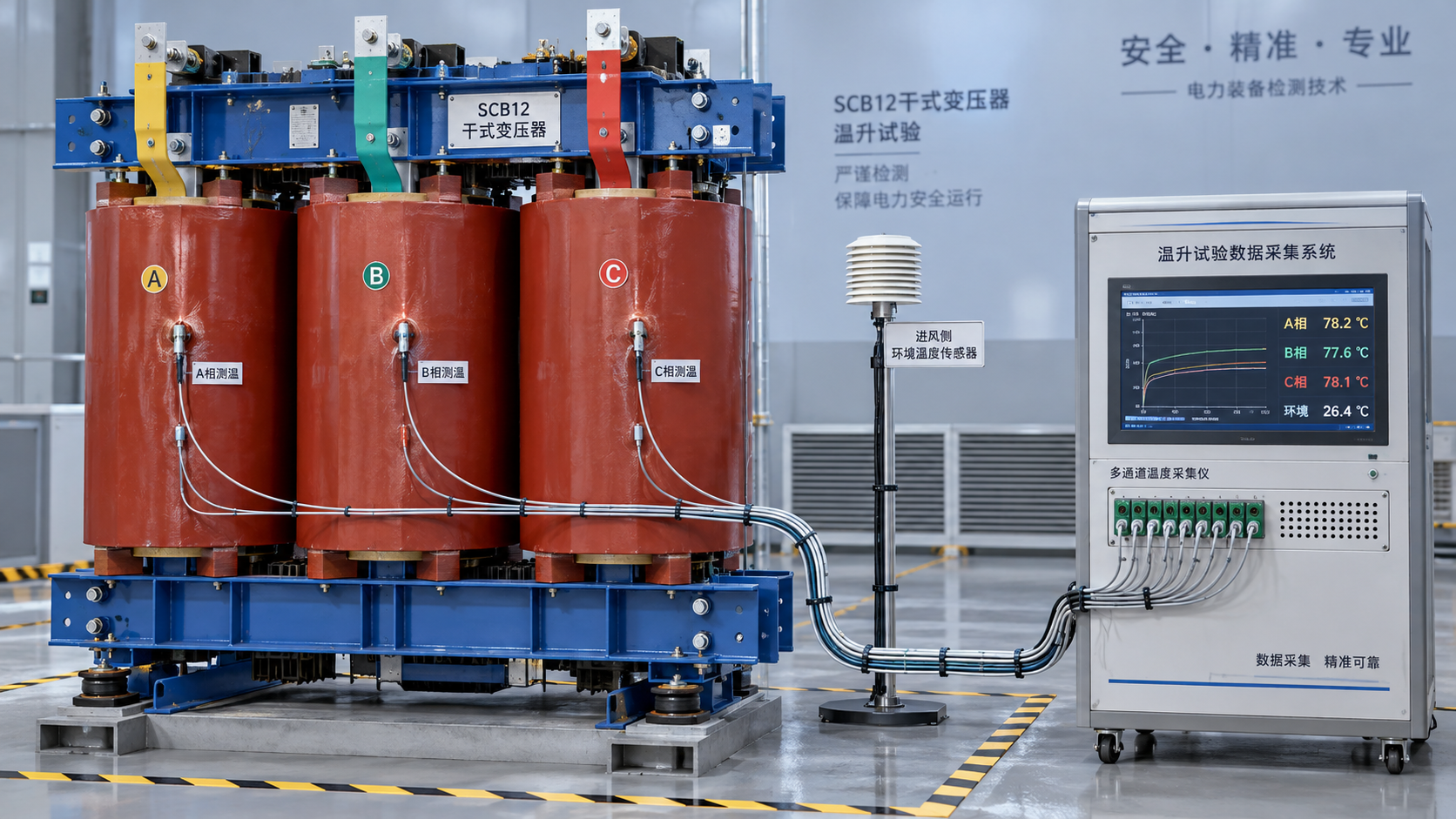
 How to verify the temperature-rise test of an SCB12 dry-type transformer
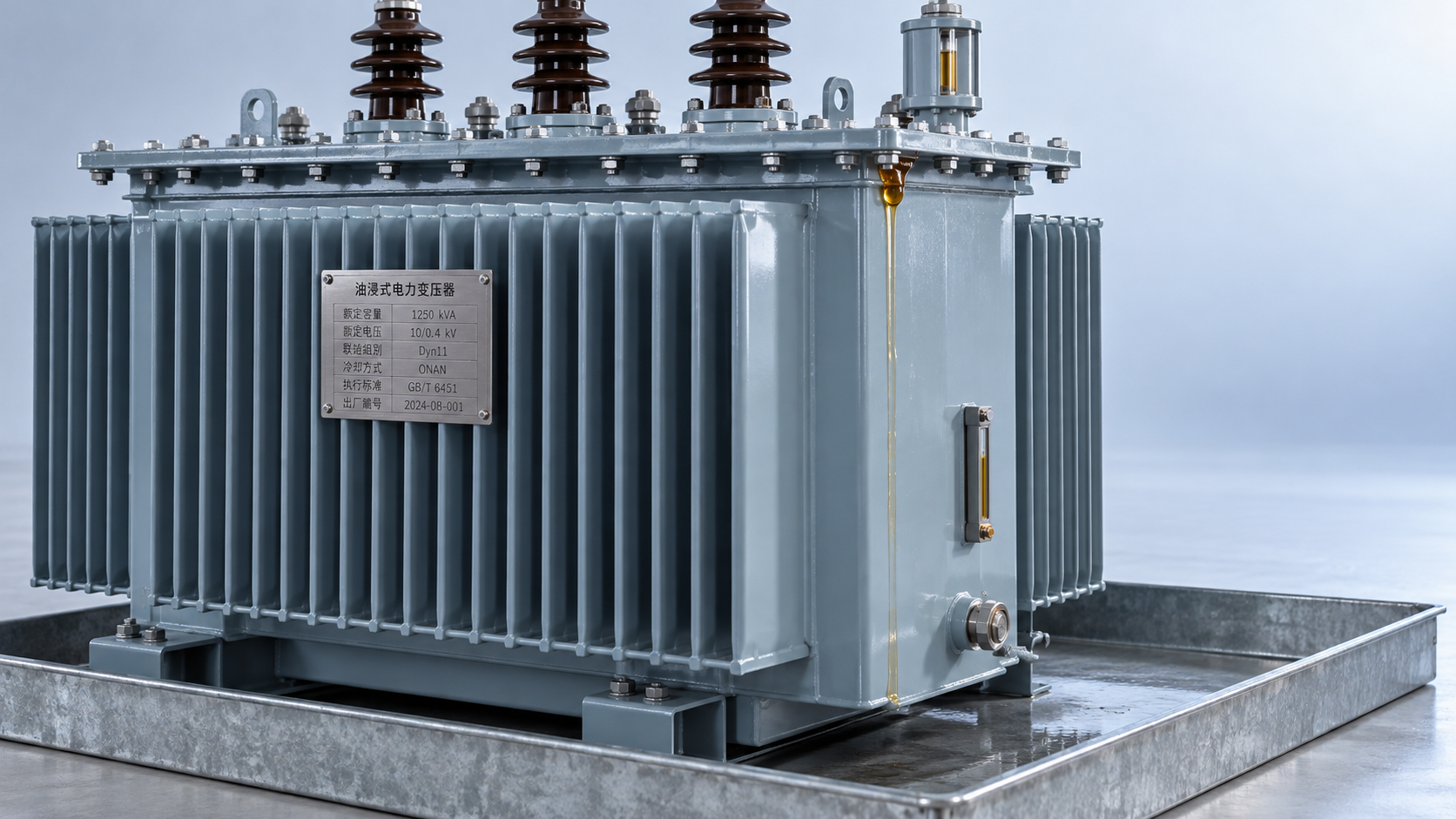
 Distribution transformer maintenance tips for spotting oil leaks
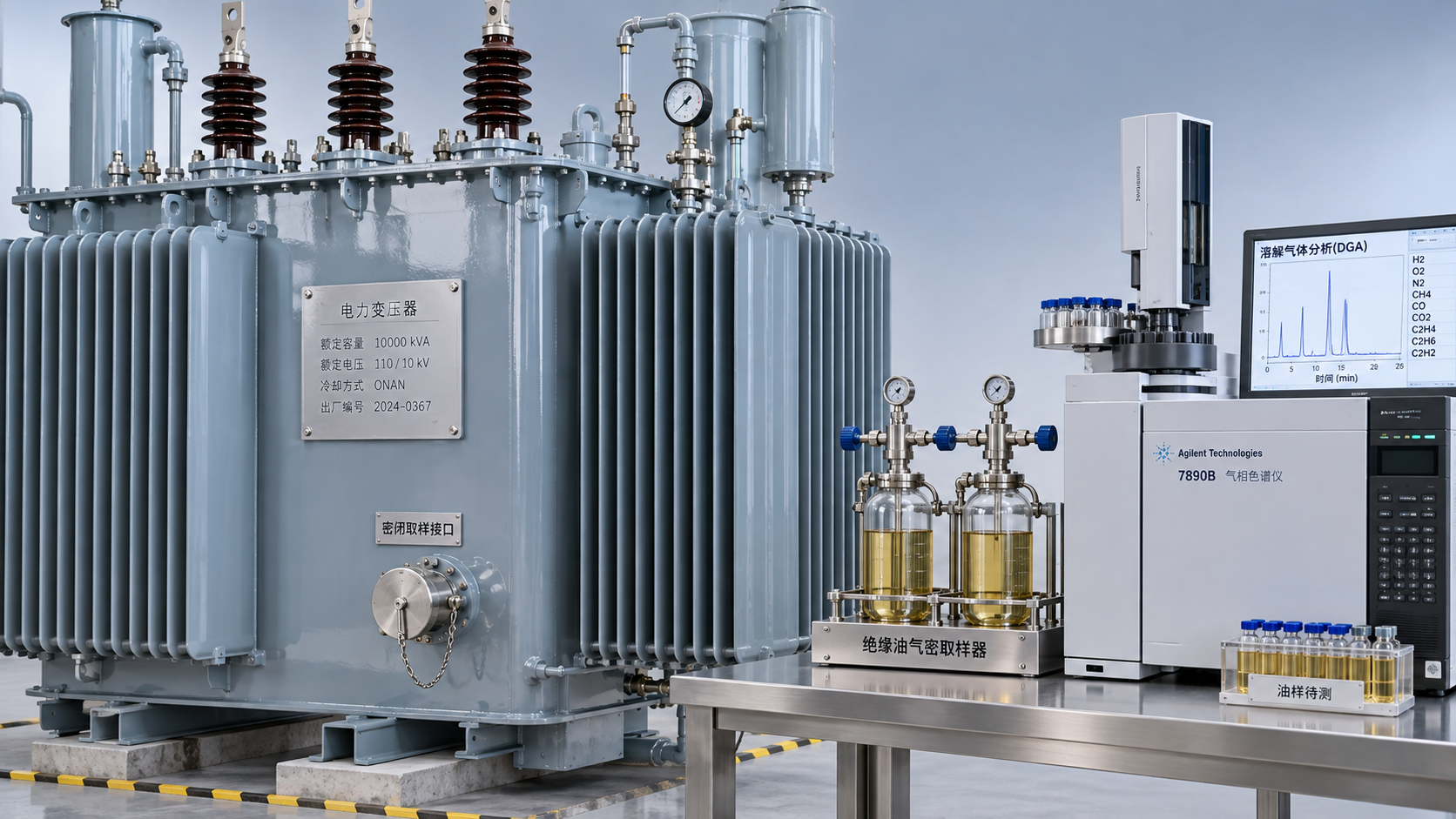
 What dissolved gas analysis reveals about an oil-immersed transformer
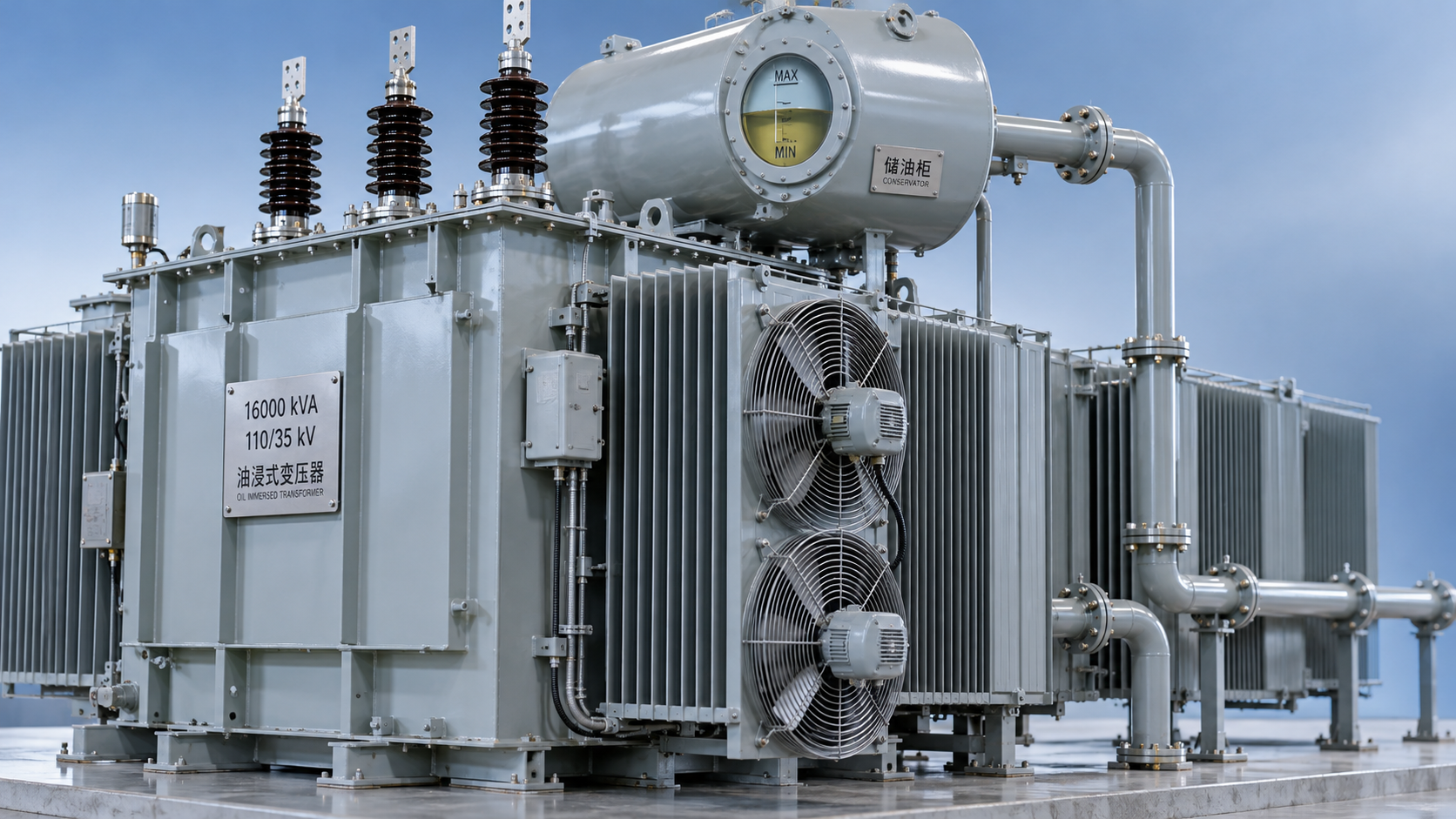
 Why an oil-cooled transformer overheats despite a normal oil level
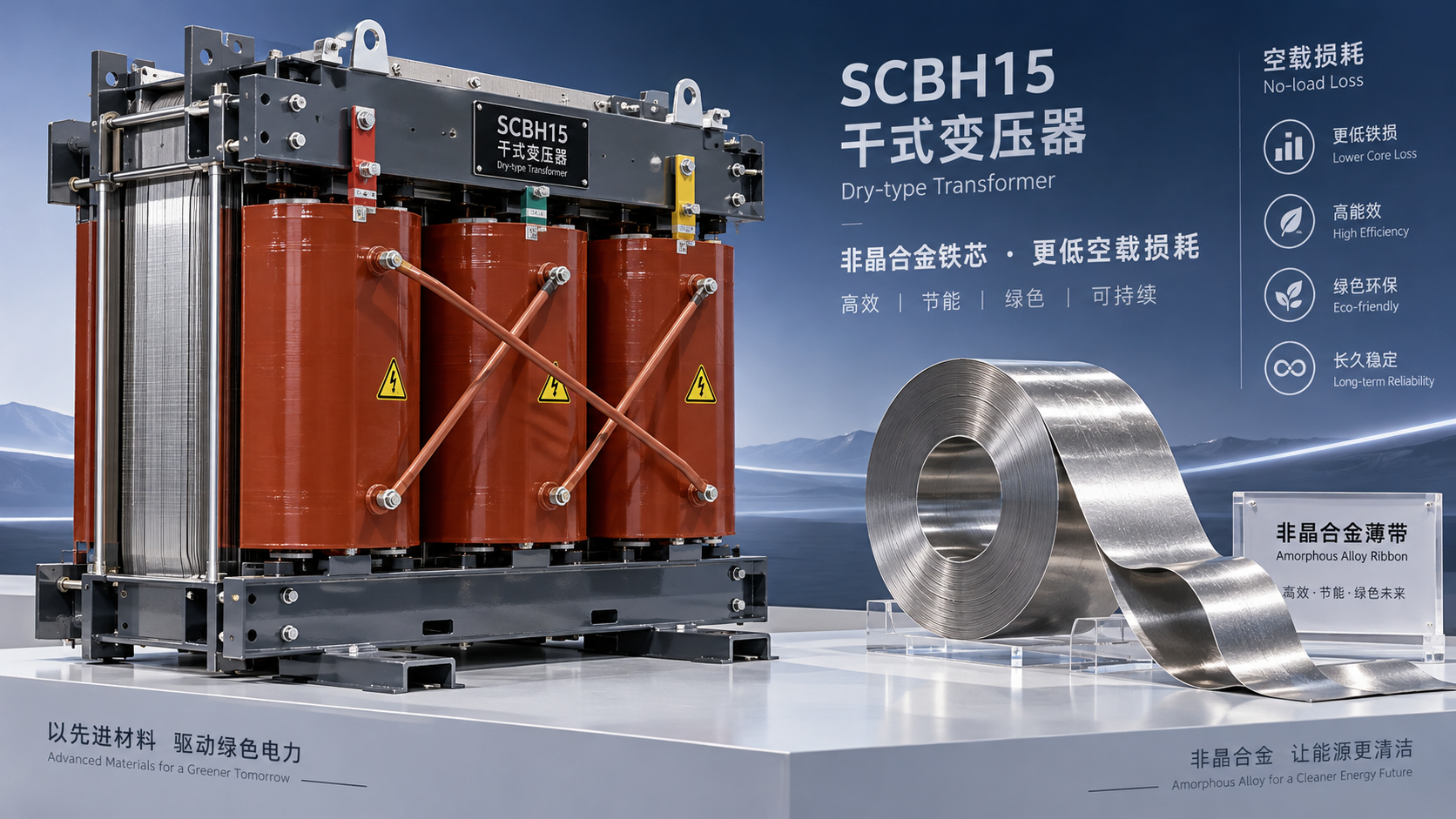
 How the amorphous core affects SCBH15 dry-type transformer losses
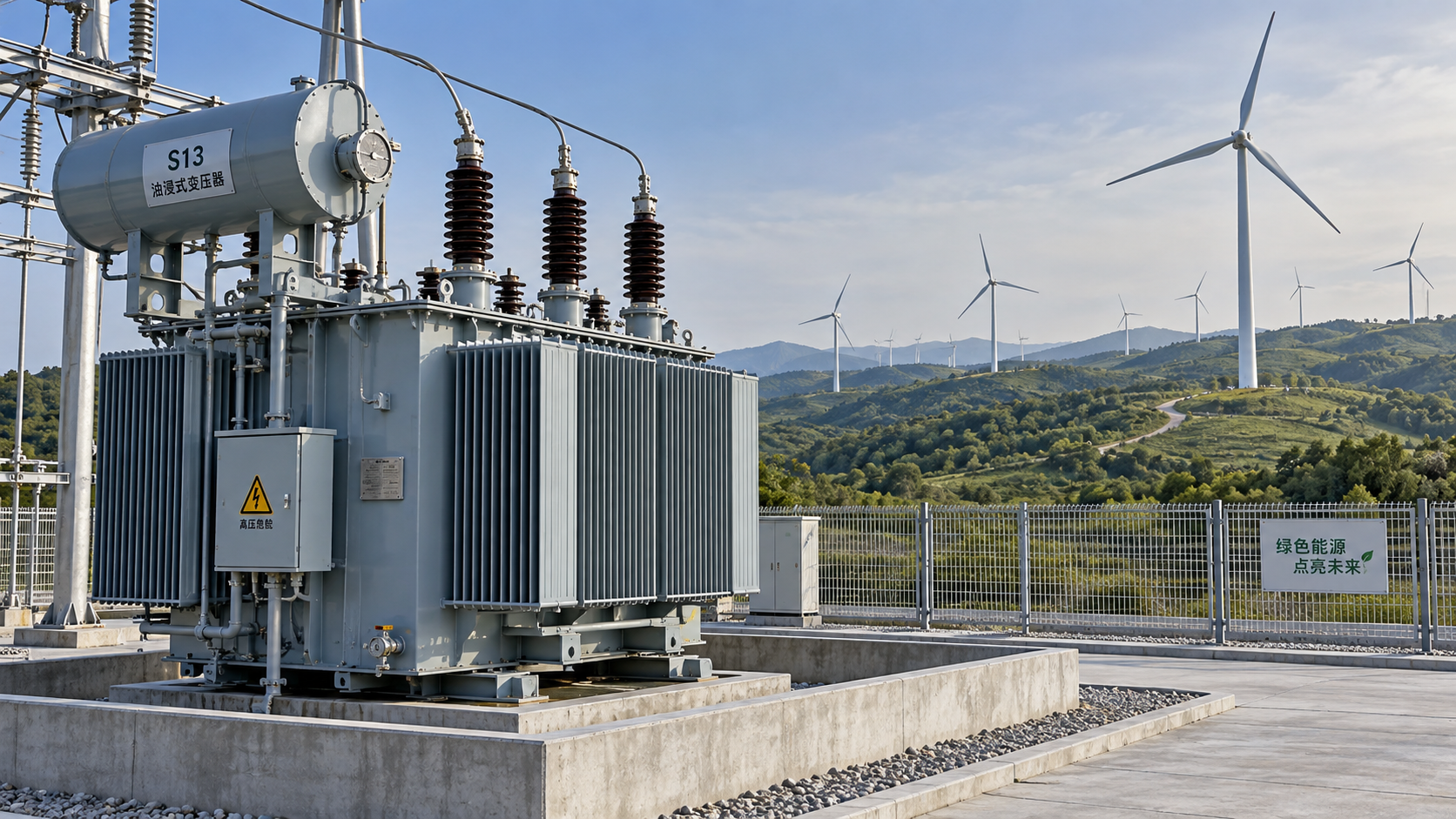
 Sizing S13 oil-immersed transformers for variable wind farm output
GET A FREE QUOTE
We offer reliable products, competitive prices, and nationwide professional support, committed to providing customers with efficient and energy-saving power equipment solutions.