


When evaluating the dry-type transformer price per kVA, buyers need to look beyond the initial quote. Factors such as capacity, insulation class, voltage level, efficiency, material quality, and compliance standards all influence the final cost. For procurement teams, understanding these pricing drivers is essential to balancing budget, performance, and long-term reliability before making a transformer investment.
What the Price per kVA Really Means
In the transformer industry, dry-type transformer price per kVA is a practical benchmark used to compare equipment of different ratings. It helps procurement professionals estimate cost efficiency, but it should never be treated as the only decision metric. A lower unit price may still lead to higher lifecycle cost if losses, maintenance needs, or site limitations are ignored.
Dry-type units are widely selected for indoor substations, commercial buildings, hospitals, data centers, and industrial facilities because they are safer in fire-sensitive environments and require less oil-related maintenance. This is why buyers often compare dry-type transformer price per kVA against reliability, safety, and installation advantages rather than looking at factory quotation alone.
For a manufacturer such as Jiangsu Shengda Power Equipment Co., Ltd., product quality is built on R&D capability, controlled production, strict inspection, and compliance with recognized standards. These elements directly affect cost, but they also reduce operational risk for the end user.
Main Cost Logic Behind the Metric
- kVA rating changes material consumption and thermal design.
- Voltage class affects insulation requirements and testing complexity.
- Efficiency grade influences core material and winding cost.
- Compliance standards add quality assurance value.
Why the Industry Pays Close Attention to Pricing Drivers
The market does not price all dry-type transformers in the same way. Even when two suppliers offer similar ratings, the dry-type transformer price per kVA may differ because of design margin, cooling method, conductor choice, enclosure protection, and certification scope. Procurement teams should therefore ask what is included in the offer, from temperature rise limits to accessories and testing.
Energy policy and operating efficiency also shape cost expectations. Low-loss transformers usually carry a higher initial price, but they can deliver lower electricity waste over years of operation. In facilities with long daily load hours, this difference can be financially significant.
Another industry concern is noise. In commercial and public-use spaces, lower noise performance may justify a higher dry-type transformer price per kVA because it supports smoother project approval and better user comfort.
Industry Evaluation Snapshot
Application Value for Different Procurement Scenarios
The dry-type transformer price per kVA matters differently depending on project type. In a hospital or metro project, fire safety and stable indoor operation are often more important than obtaining the lowest possible bid. In a factory expansion, loading profile, harmonic conditions, and energy efficiency may take priority.
Procurement personnel should also compare dry-type solutions with other transformer categories when building a full sourcing strategy. For example, outdoor distribution projects or energy-saving network upgrades may evaluate products such as S20 Series Oil-Immersed Power Transformers, which are designed to reduce no-load loss and noise while meeting GB20052-2020 and JB/T10088-2016 requirements.
This broader view helps buyers understand that price per kVA is not only a number; it reflects application fit. The right transformer type should align with installation environment, safety requirements, and expected operating cost.
Typical Use Cases
Indoor public infrastructure
Dry-type units are often preferred where low fire risk and clean operation are required.
Industrial production lines
Buyers focus on thermal stability, overload tolerance, and long operating hours.
Commercial buildings
Noise, footprint, and installation convenience often affect purchasing decisions.
Practical Advice Before Requesting Quotations
To evaluate dry-type transformer price per kVA accurately, provide complete technical data in the RFQ. Include rated capacity, primary and secondary voltage, frequency, insulation class, cooling method, installation altitude, enclosure requirement, and applicable standards. Incomplete specifications often lead to misleading comparisons.
It is also wise to review the supplier’s manufacturing capability and quality system. Companies with strong technical expertise, advanced processes, and ISO9001-certified management are usually better positioned to deliver consistency across design, production, and testing.
Finally, compare total ownership value instead of quotation only. A well-designed transformer with lower losses, stable materials, and strict compliance may cost more upfront, yet deliver better operational economy and fewer replacement risks over time.
Checklist for Buyers
- Confirm whether the quoted dry-type transformer price per kVA includes enclosure, sensors, and testing.
- Check efficiency, noise, and temperature rise against project needs.
- Verify compliance with relevant national or international standards.
- Assess supplier experience in similar voltage and capacity ranges.
For procurement teams, the most effective approach is to treat dry-type transformer price per kVA as a starting point for technical and commercial evaluation. When supplier capability, standards compliance, efficiency, and application fit are assessed together, the final selection is far more likely to support safe operation, predictable cost, and long-term project value.



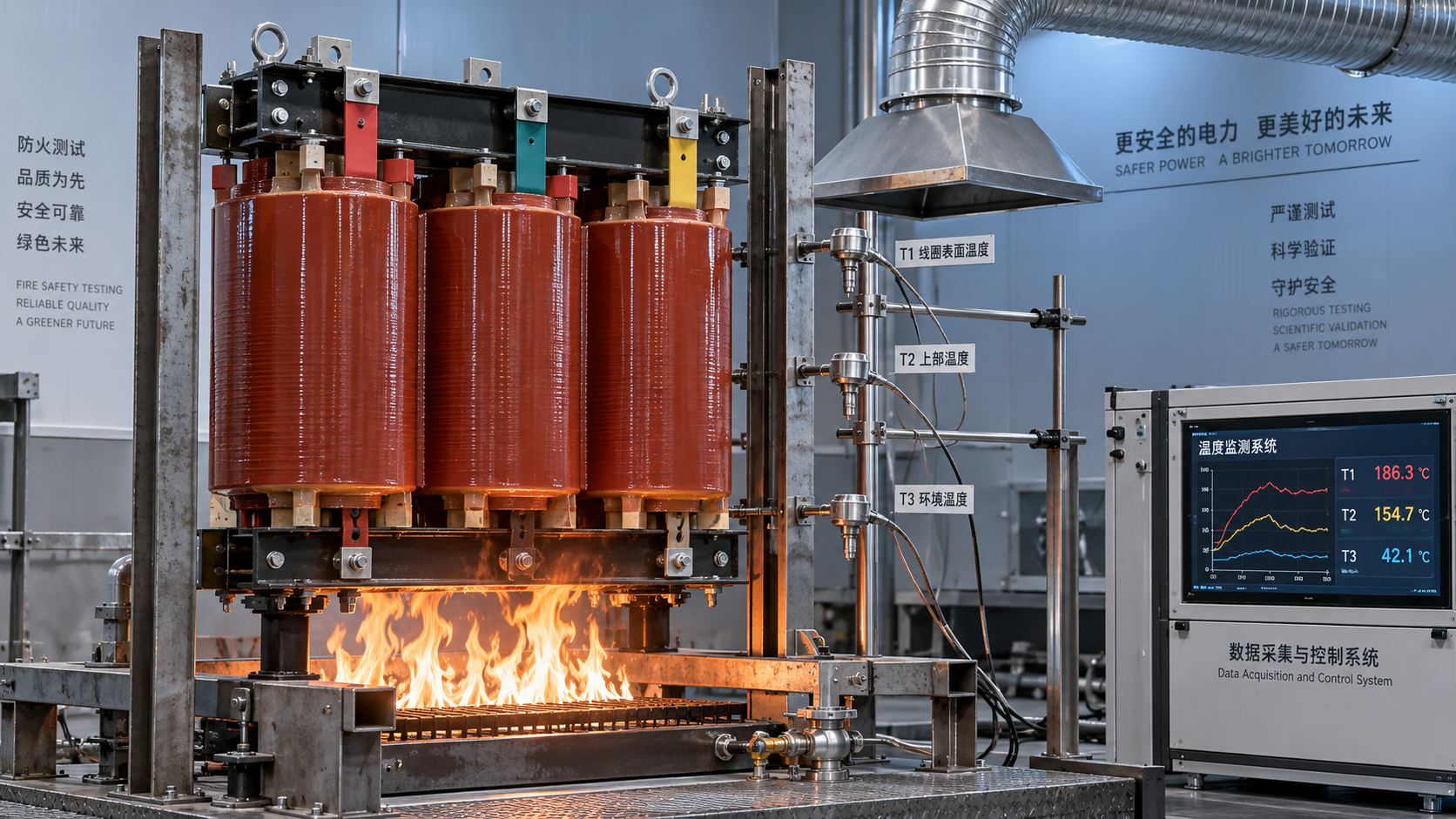
 What an F1 fire behaviour rating means for a flame-retardant transformer
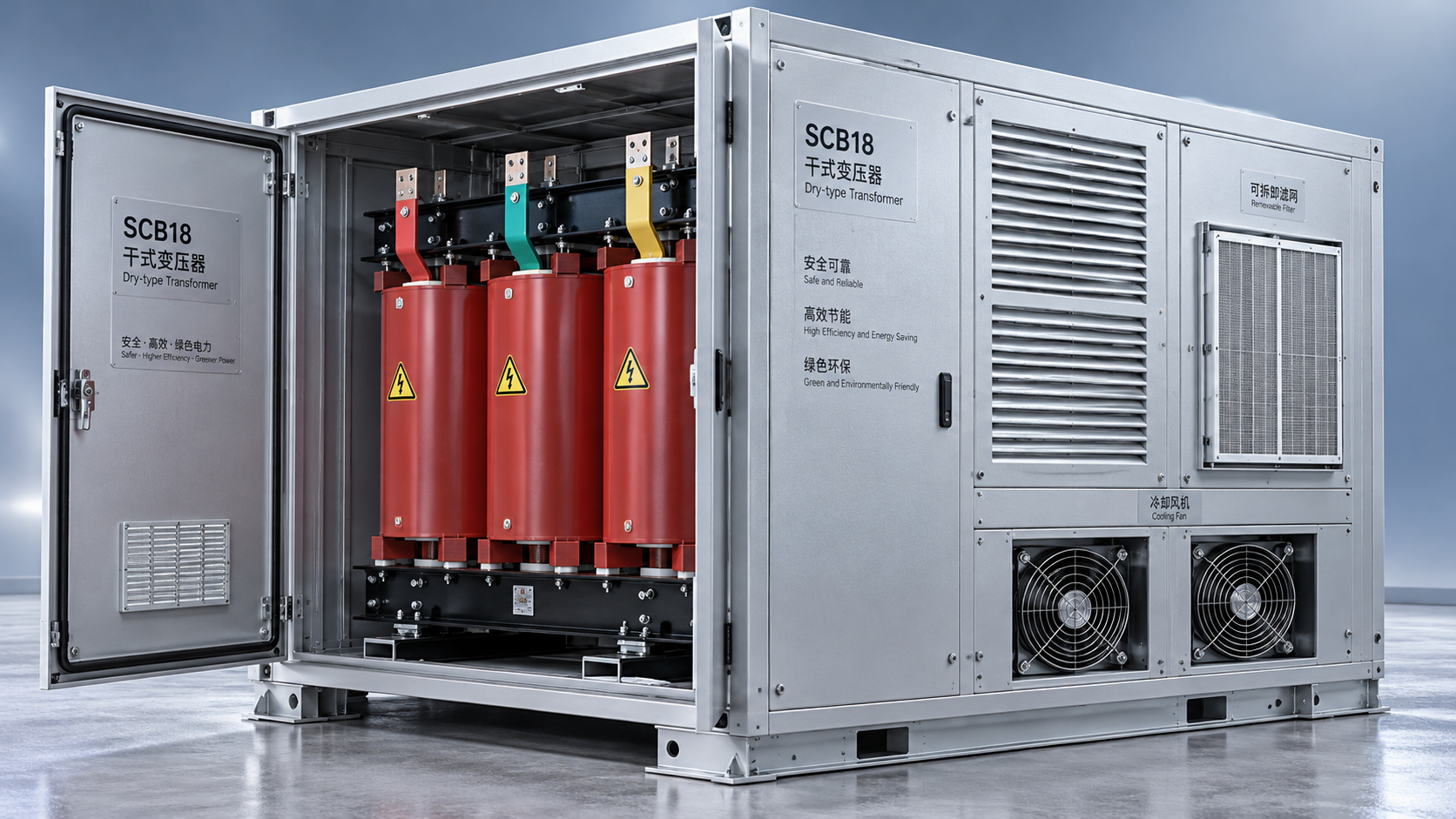
 How enclosure specifications affect SCB18 dry-type transformer cost
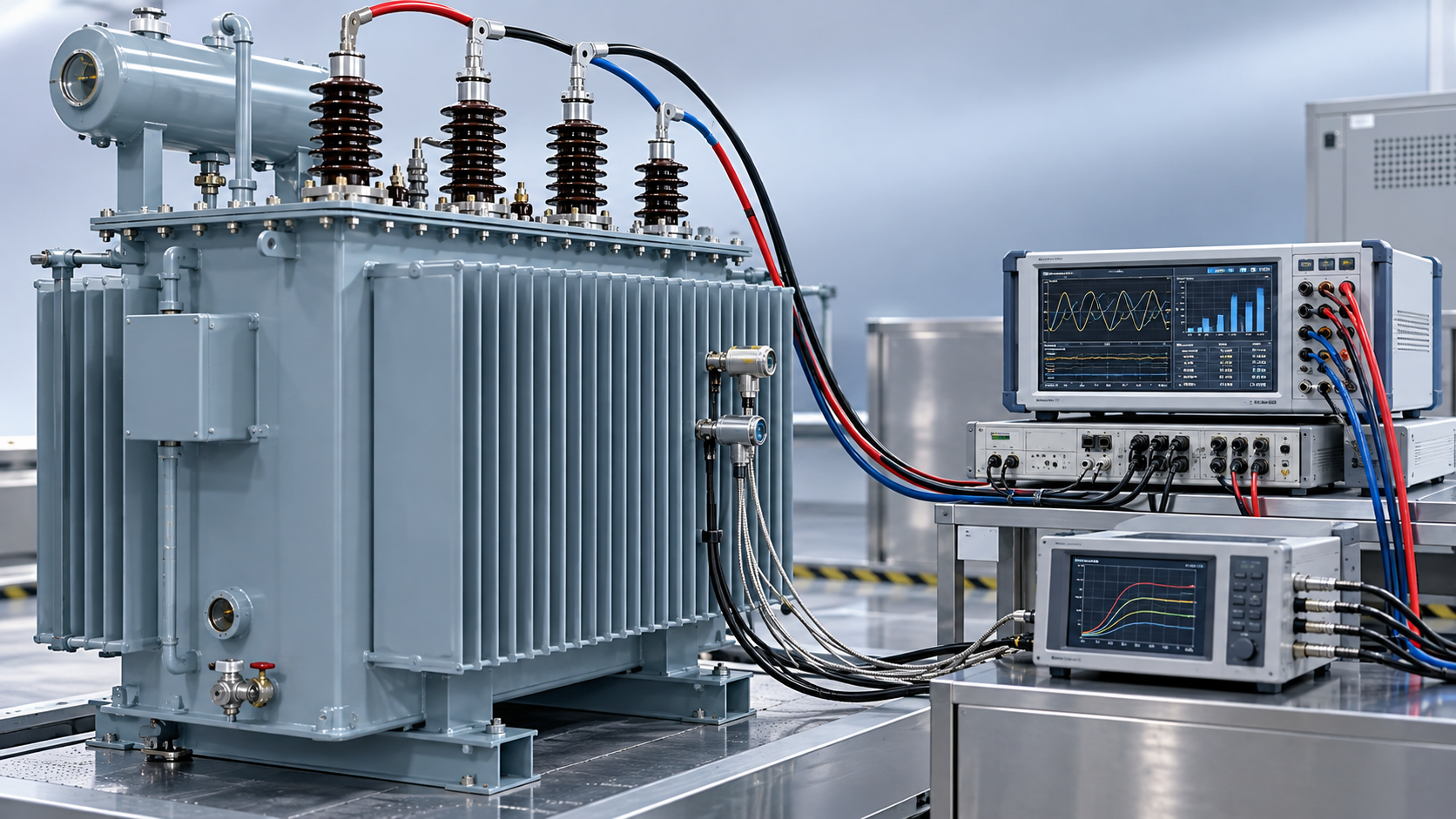
 How to compare loss guarantees for S22 oil-immersed transformers
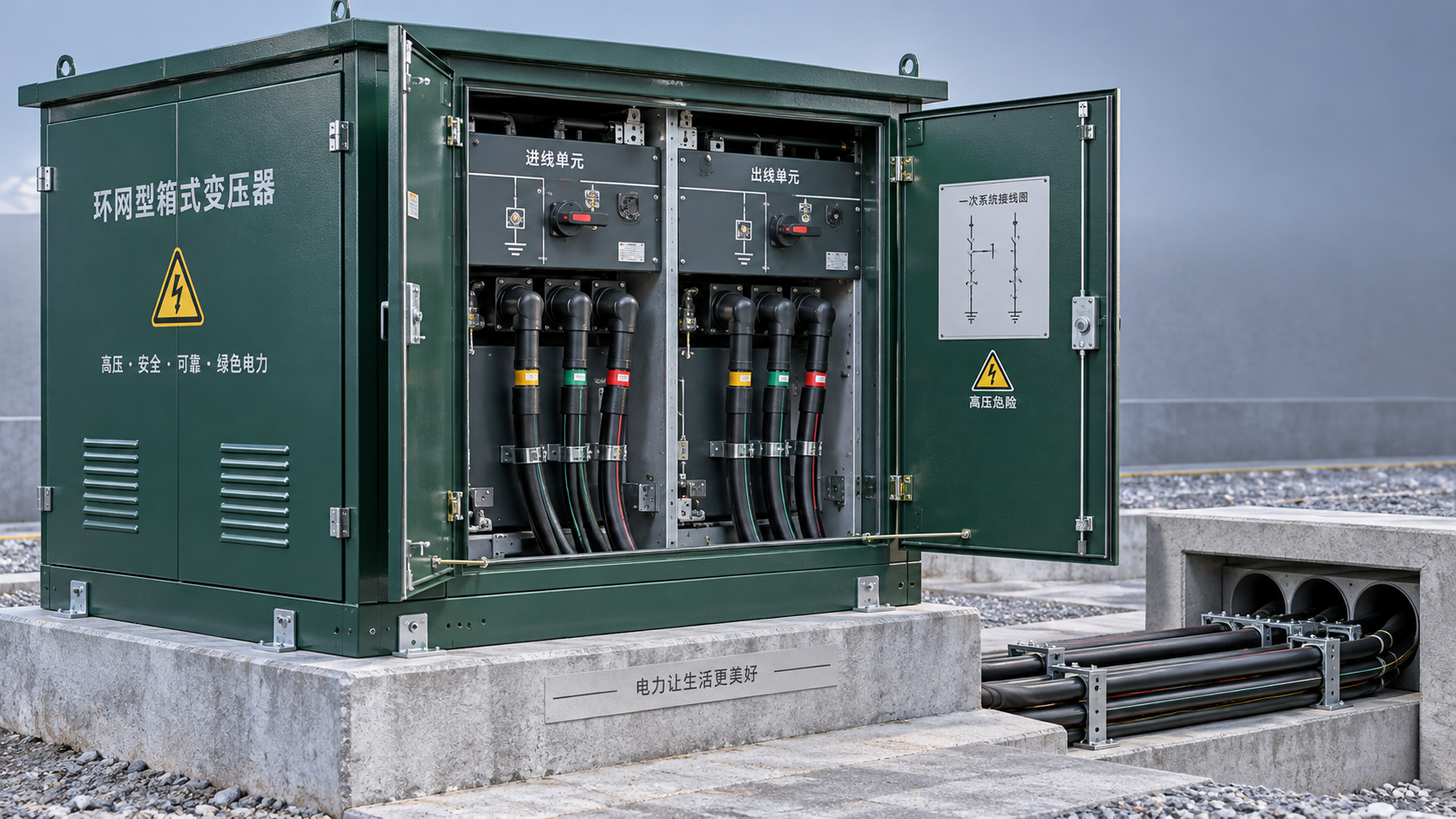
 When to choose a loop-feed pad-mounted transformer over radial feed
 How much spare capacity should a distribution transformer have?
 Checking S13 oil-immersed transformers for renewable inverter loads
GET A FREE QUOTE
We offer reliable products, competitive prices, and nationwide professional support, committed to providing customers with efficient and energy-saving power equipment solutions.