


Effective maintenance starts long before a transformer is installed. For after-sales service teams, understanding how transformer design for industrial use affects cooling, insulation, load handling, and component accessibility is essential for reducing downtime and planning service intervals. This article explores how design choices influence maintenance strategy, helping technicians improve reliability, troubleshoot faster, and support long-term equipment performance in demanding industrial environments.
Why does transformer design for industrial use matter so much in maintenance planning?
Transformer design for industrial use directly shapes how often equipment needs inspection, what failure modes are most likely, and how quickly service teams can restore operation. In industrial settings, transformers face dust, moisture, heat, vibration, and fluctuating loads, so design details are never just engineering choices; they become maintenance realities.
For after-sales technicians, the biggest advantage of understanding the original design is better forecasting. A unit built for higher thermal endurance, stronger short-circuit resistance, and easier component access usually allows more predictable maintenance windows and fewer emergency interventions.
Jiangsu Shengda Power Equipment Co., Ltd. focuses on transformer R&D, production, and quality-controlled manufacturing, with products aligned with standards such as GB1094.1-2-1996 and GB/T6451-2008. That standards-based approach is especially relevant to service teams because compliant design often means clearer test benchmarks and more stable long-term maintenance performance.
Key design factors that affect service work
- Cooling structure and heat dissipation path
- Insulation class and partial discharge control
- Accessibility of terminals, windings, and monitoring points
- Resistance to moisture, dust, lightning, and short circuits
Which design features most strongly influence maintenance intervals?
Thermal design is usually the first factor. If cooling is efficient and winding temperature rise remains controlled, insulation aging slows down, and maintenance cycles can be extended with greater confidence. By contrast, poor ventilation or overload-prone layouts often force more frequent thermal inspections and hotspot checks.
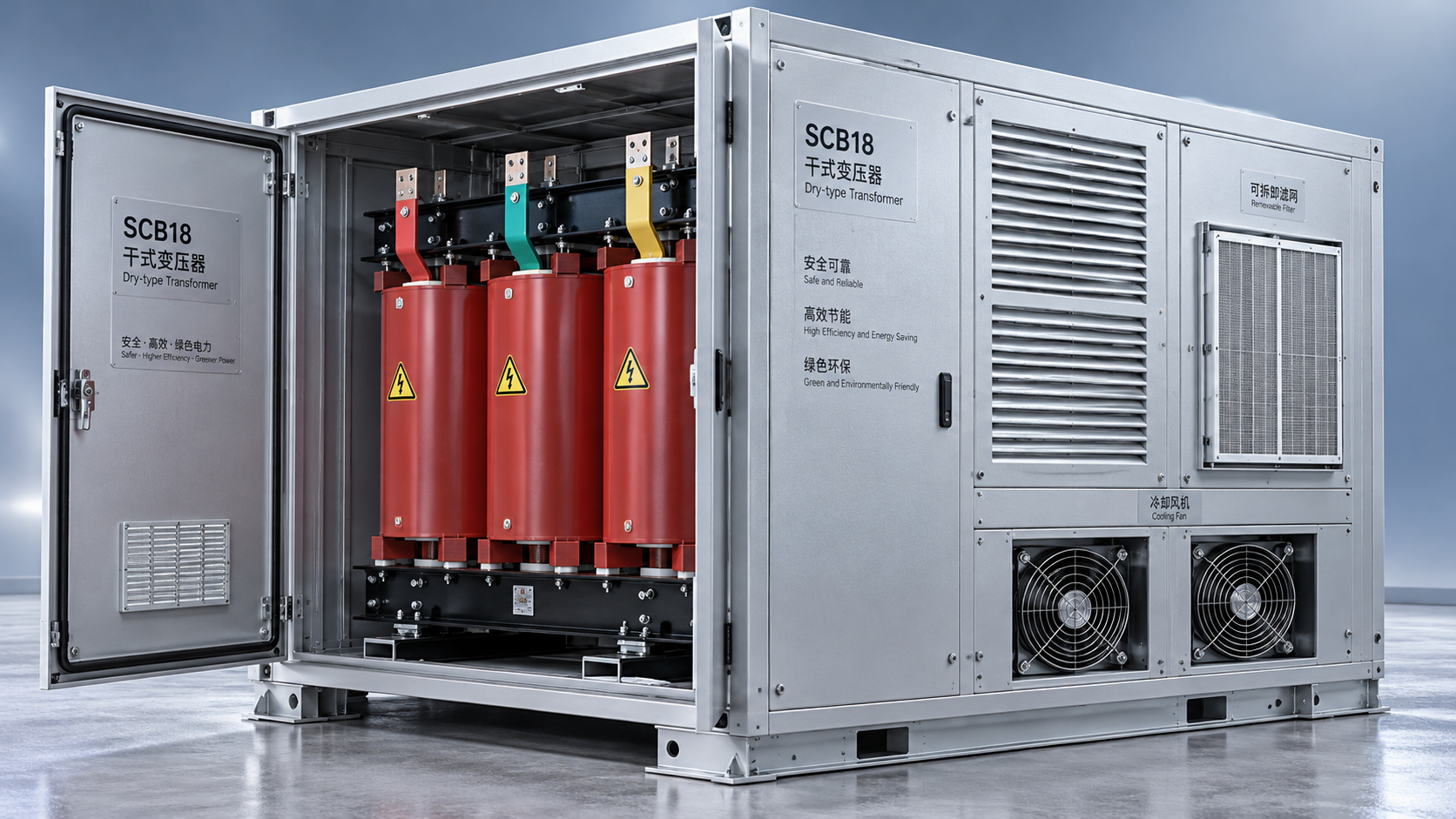
Insulation quality is the second major factor. Dry-type transformers with stable insulation systems, low partial discharge, and Class F heat resistance can perform more reliably in enclosed or safety-sensitive facilities. This is one reason many industrial service teams evaluate dry-type models differently from oil-filled units when planning inspection tasks.
Component accessibility also matters. A transformer may be robust, but if tap positions, connections, or diagnostic points are difficult to reach, maintenance time increases. Good transformer design for industrial use reduces labor hours by making routine checks faster and safer.
Quick reference for planning intervals
How does dry-type transformer design change after-sales maintenance strategies?
Dry-type units are often preferred in high-rise buildings, airports, railway stations, docks, power plants, and substations because fire safety, cleanliness, and indoor operation matter. For maintenance teams, this changes the service focus from oil analysis and leak management to insulation condition, ventilation cleanliness, terminal tightness, and partial discharge monitoring.
A practical example is the SCB10 Type Dry-Type Transformer. Its 3-phase, 50Hz configuration, Class F insulation, average winding temperature rise of ≤100K, and partial discharge below 5pc indicate a design aimed at stable thermal performance and dependable insulation behavior. For technicians, those parameters support more targeted inspection planning.
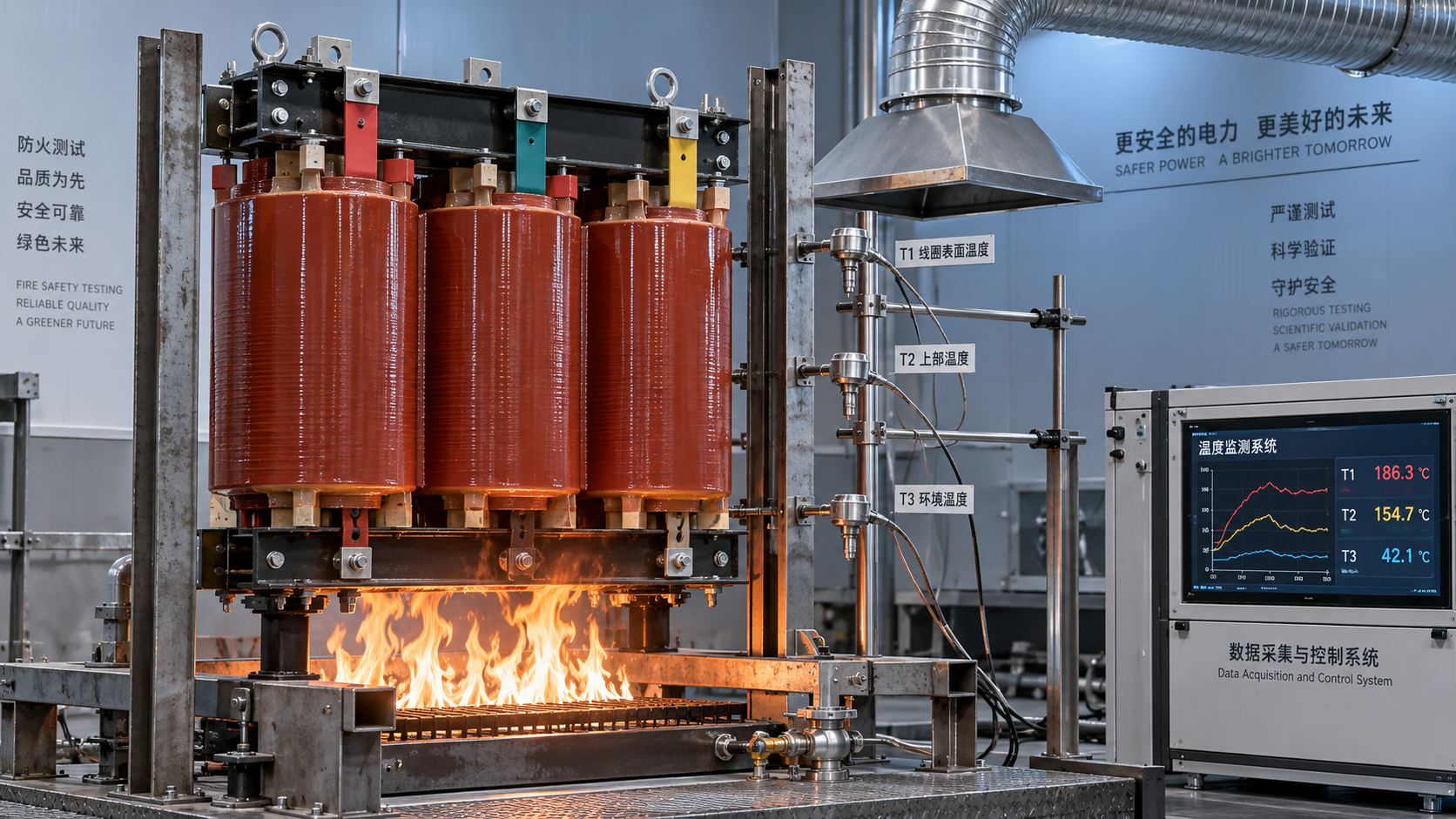
Features such as moisture-proof, dust-proof, flame-retardant, low-noise, and strong resistance to short circuits and lightning strikes also reduce certain operational risks. That does not remove the need for maintenance, but it helps teams shift from reactive repair toward condition-based service.
What should be checked first on dry-type models?
- Ventilation passages and surface dust accumulation
- Winding temperature trends under actual load
- Signs of insulation stress, discharge, or abnormal odor
- Connection points and enclosure condition
What are the most common maintenance mistakes when evaluating transformer design for industrial use?
One common mistake is assuming all industrial transformers should follow the same service cycle. In reality, transformer design for industrial use differs by load profile, environment, voltage class, and installation location. A dusty dock facility and a clean indoor substation should not receive identical maintenance assumptions.
Another mistake is focusing only on rated capacity while ignoring thermal margin and protective design. A transformer with low-loss and energy-efficient operation may still require close monitoring if site ventilation is poor or if load fluctuations are severe.
A third mistake is neglecting manufacturability and build quality. Advanced manufacturing processes, reliable inspection systems, and strict quality management improve consistency between units, which helps after-sales teams standardize checklists and reduce troubleshooting uncertainty.
Mistakes to avoid
- Using generic maintenance intervals without site adjustment
- Ignoring insulation and discharge indicators
- Overlooking enclosure material and environmental resistance
What should after-sales teams confirm before making a long-term maintenance plan?
Start with the installation environment, real operating load, and service accessibility. These three factors determine whether the original transformer design for industrial use will perform as expected over time or whether maintenance frequency should be increased.
Then confirm the transformer’s insulation class, temperature rise limits, discharge performance, and resistance to moisture or contamination. If the unit is installed in a flammable or explosive environment with high fire safety requirements, design choices become even more important for risk control and maintenance scheduling.
Finally, review manufacturer support information, spare parts availability, and relevant standards compliance. If you need to confirm a specific plan, parameters, service cycle, or cooperation approach, prioritize questions about operating conditions, expected load variation, inspection records, and the exact protective features built into the transformer model you are servicing.



 What an F1 fire behaviour rating means for a flame-retardant transformer
 How enclosure specifications affect SCB18 dry-type transformer cost
 How to compare loss guarantees for S22 oil-immersed transformers
 When to choose a loop-feed pad-mounted transformer over radial feed
 How much spare capacity should a distribution transformer have?
 Checking S13 oil-immersed transformers for renewable inverter loads
GET A FREE QUOTE
We offer reliable products, competitive prices, and nationwide professional support, committed to providing customers with efficient and energy-saving power equipment solutions.