


Energy efficiency standards for modern eco-friendly dry-type transformers are reshaping how industries choose reliable, low-loss power solutions. As businesses pursue lower operating costs, safer installations, and reduced environmental impact, selecting transformers that meet international performance and quality requirements has become essential. For manufacturers, utilities, commercial facilities, and infrastructure projects, understanding these standards helps ensure long-term stability, compliance, and sustainability. This article explores the key efficiency requirements, product features, and selection considerations behind today’s advanced dry-type transformer technologies.
Why Energy Efficiency Standards Matter for Dry-Type Transformers
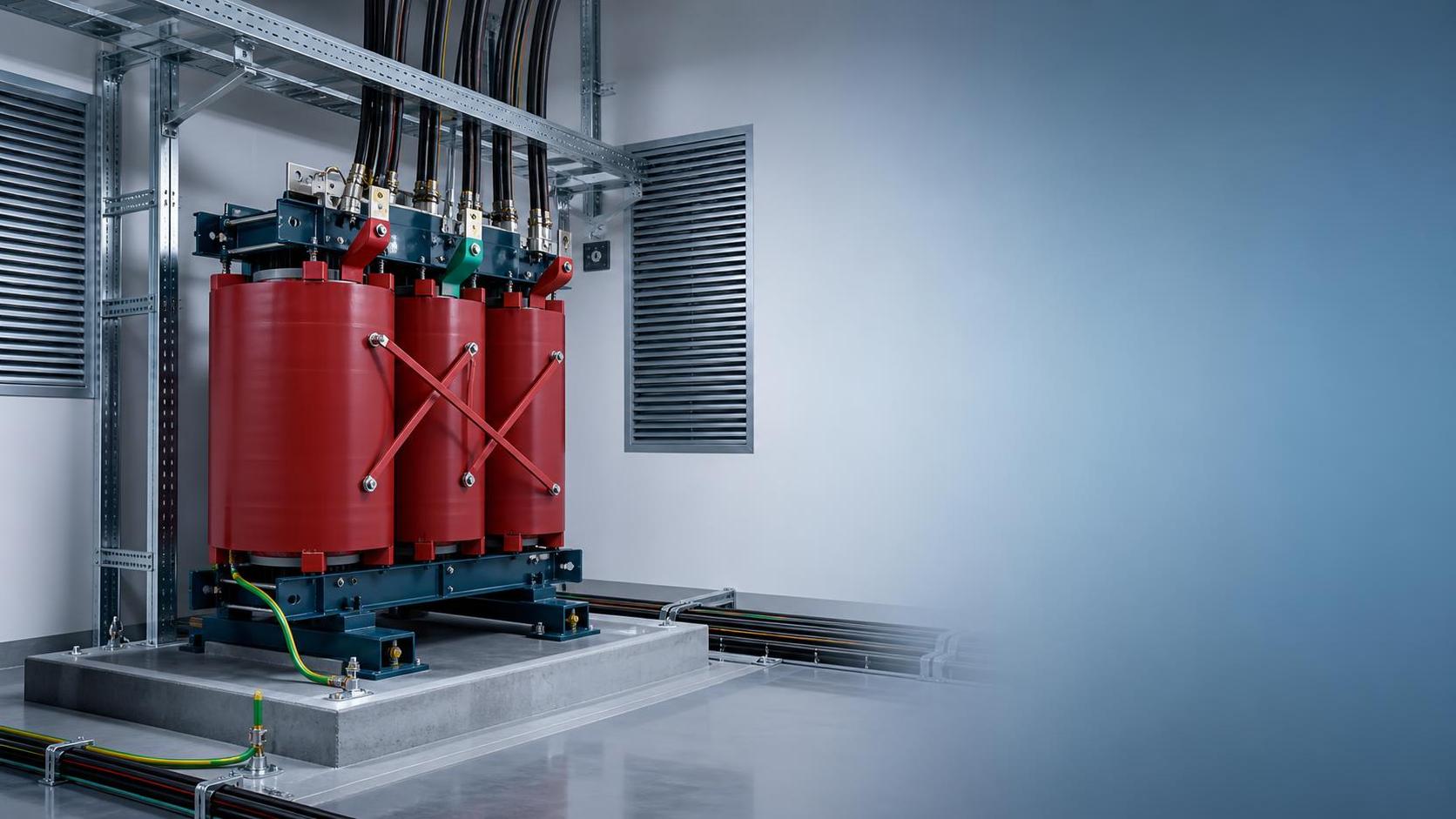
Dry-type transformers are widely used in buildings, factories, data centers, rail transit, hospitals, and renewable energy facilities where fire safety and indoor installation are priorities.
Unlike oil-filled units, dry-type transformer designs rely on air, resin, or insulation systems to manage heat, making efficiency and temperature control closely connected.
The link between losses, heat, and operating cost
Transformer losses are usually divided into no-load loss and load loss. Even a 1% efficiency difference can influence 10 to 30 years of operating expenditure.
No-load loss occurs whenever the transformer is energized. Load loss increases with current, typically becoming critical in facilities operating above 60% average load.
Key performance factors buyers should verify
- Rated capacity, such as 10 kV dry-type units for commercial distribution rooms.
- Insulation class, temperature rise limits, and ventilation conditions for continuous operation.
- Short-circuit impedance, noise level, partial discharge performance, and overload margin.
- Applicable standards, factory inspection records, and quality management certification.
The following table summarizes common efficiency-related criteria used during dry-type transformer selection for industrial and infrastructure projects.
For procurement teams, the strongest transformer proposal is not only technically compliant. It should also show measurable loss data, installation suitability, and lifecycle cost logic.
Core Standards and Compliance Points for Eco-Friendly Transformer Projects
Modern eco-friendly dry-type transformers are evaluated through electrical performance, material safety, manufacturing consistency, and documentation traceability across at least 4 major dimensions.
For B2B buyers, standards reduce uncertainty. They help compare suppliers, identify hidden risks, and define acceptance criteria before shipment or site commissioning.
International and Chinese standards in practical procurement
Jiangsu Shengda Power Equipment Co., Ltd. manufactures transformers and related products under strict quality systems, with ISO9001 certification supporting process control.
The company’s products comply with standards including GB1094.1-2-1996 and GB/T6451-2008, which are important references for transformer design and testing.
Typical compliance documents to request
- Factory test report covering routine electrical inspection items.
- Technical datasheet with rated capacity, voltage level, impedance, and loss values.
- Quality management certificate and applicable production standard references.
- Installation, operation, and maintenance instructions for site teams.
The table below shows how common standards and inspection points influence transformer purchasing decisions in 10 kV and 35 kV distribution applications.
A compliant transformer purchase should connect standards with real operating conditions, including ambient temperature, ventilation space, harmonic content, and future capacity expansion.
Design Features That Improve Efficiency, Safety, and Sustainability
High-efficiency dry-type transformers require coordinated improvements in core materials, coil winding, insulation structure, cooling path, and process stability.
For projects running 8 to 24 hours per day, a low-loss design can reduce heat stress and help stabilize long-term electrical distribution performance.
Core and coil optimization
The magnetic core directly affects no-load loss. Precision stacking, high-grade silicon steel, and controlled assembly gaps help reduce excitation current.
Coil design influences load loss and short-circuit strength. Proper conductor selection and winding pressure help maintain performance under frequent load changes.
Material choice and product portfolio alignment
Jiangsu Shengda provides SCB10, SCB11, SCB13, SCB14, SCB18, and SGB series dry-type transformer options for varied installation requirements.
The company also supplies low-loss power transformers such as S11, S13, S15, S20, and S22 series for broader distribution networks.
For customers comparing indoor dry-type solutions with outdoor distribution equipment, S22 Series Oil-Immersed Power Transformers offer another energy-saving option.
These S22 models cover ratings from S22-M-30/10-NX1 to S22-M-2500/10-NX1 and comply with GB20052-2020 and JB/T10088-2016.
How S22 technology supports low-loss thinking
- Optimized core and coil structure to reduce no-load loss and operating noise.
- Application of new materials and new processes for improved energy efficiency.
- Average noise reduction of 20% compared with the current national standard JB/T10088-2016.
- Technical focus on no-load loss, load loss, no-load current, and short-circuit impedance.
Although dry-type and oil-immersed transformers serve different installation environments, both categories increasingly follow the same purchasing logic: lower losses, verified standards, and stable manufacturing.
How to Select an Eco-Friendly Dry-Type Transformer for B2B Projects
A practical selection process starts with the site load profile, not only the rated capacity. Many projects require 3 to 5 operating scenarios.
These scenarios may include normal operation, peak production, backup power switching, future expansion, and emergency overload requirements.
Five-step selection framework
- Confirm primary and secondary voltage levels, such as 10 kV or 35 kV distribution conditions.
- Calculate current and future capacity, allowing suitable spare margin without oversizing excessively.
- Check ventilation, ambient temperature, altitude, dust level, and humidity at the installation site.
- Compare loss values, impedance, temperature rise, noise requirements, and insulation system.
- Review supplier testing capability, documentation, delivery schedule, and after-sales response.
Common specification mistakes
One common mistake is choosing only by initial price. A lower purchase cost can be offset by higher losses over 5 to 10 years.
Another risk is ignoring harmonic load from variable frequency drives, UPS systems, elevators, or data center equipment, which may increase heating.
The following checklist helps engineering and procurement teams align technical decisions with long-term operational value before placing an order.
The best specification balances efficiency, safety, maintainability, and cost. It should be detailed enough for technical comparison but flexible for engineering optimization.
Maintenance, Lifecycle Value, and Supplier Support
Eco-friendly transformer performance depends on both manufacturing quality and site management. A dry-type transformer should be inspected at planned intervals.
Typical maintenance includes visual inspection every 3 to 6 months, dust cleaning, temperature monitoring, terminal tightening, and ventilation review.
Recommended maintenance focus
- Monitor winding temperature and abnormal noise during high-load operation.
- Keep air ducts clear to avoid heat accumulation in enclosed distribution rooms.
- Check cable connections after initial operation and again after heavy load cycles.
- Record load rate, alarms, and maintenance actions for future capacity planning.
Why manufacturing capability matters
Jiangsu Shengda Power Equipment Co., Ltd. integrates R&D, production, and sales, supporting customized transformer selection for utilities and industrial users.
With sophisticated manufacturing processes, comprehensive quality inspection, and stringent management, the company focuses on reliable product quality and stable delivery.
Its product range includes compact substations, 10 kV dry-type transformers, amorphous alloy transformers, and on-load tap-changing power transformers for multiple grid scenarios.
Moving Toward Efficient and Reliable Power Distribution
Energy efficiency standards for modern eco-friendly dry-type transformers are now central to project planning, budget control, safety approval, and sustainability goals.
Buyers should compare loss data, standards, insulation performance, installation conditions, supplier capability, and maintenance requirements before finalizing technical specifications.
For manufacturers, utilities, commercial buildings, and infrastructure contractors, Jiangsu Shengda offers a broad transformer portfolio backed by technical expertise and quality management.
To discuss your voltage level, capacity range, installation environment, and efficiency targets, contact us today for a customized transformer solution.


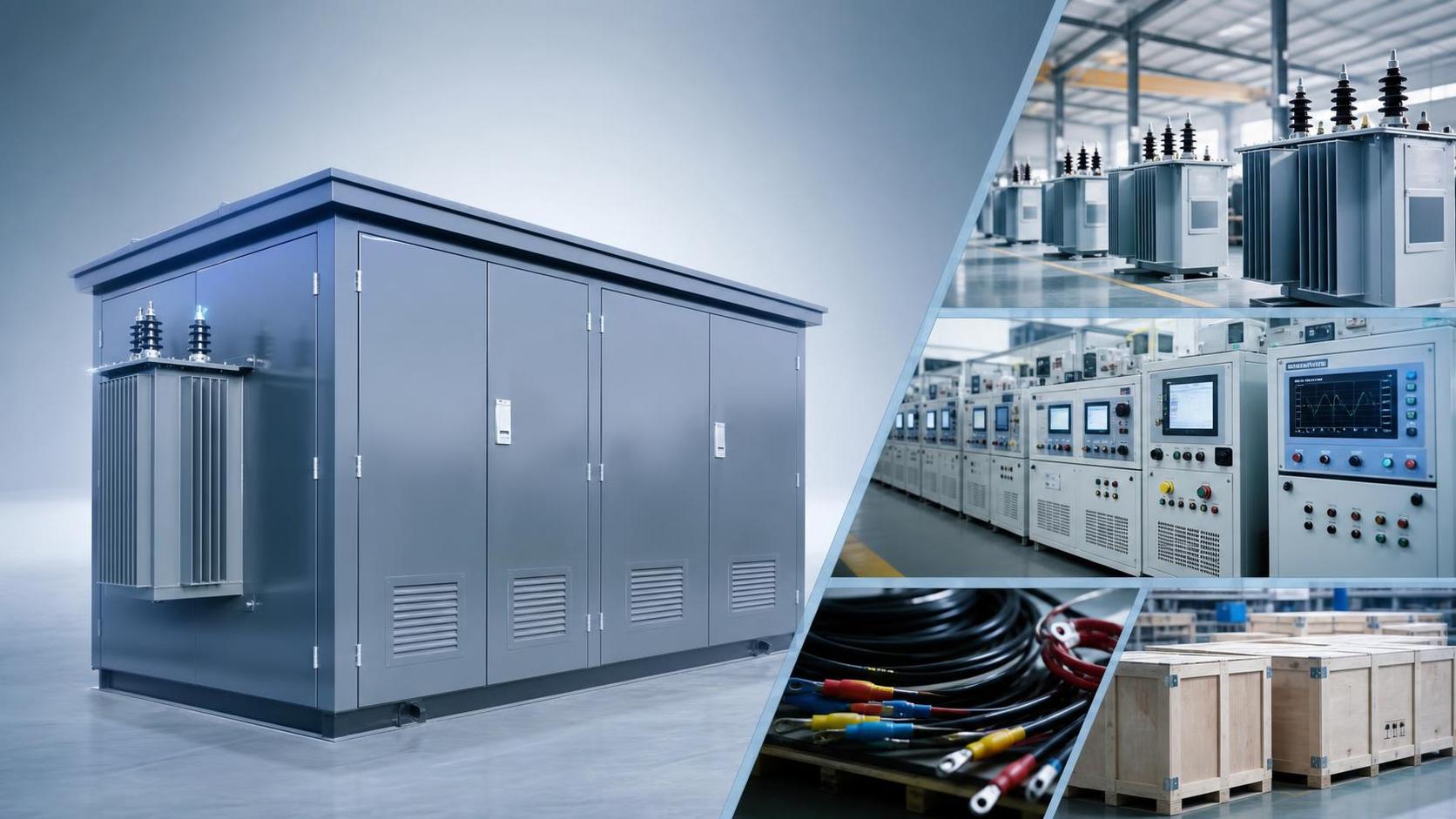
 How to Compare ZGS Combined Substation Suppliers on Lead Time and Support
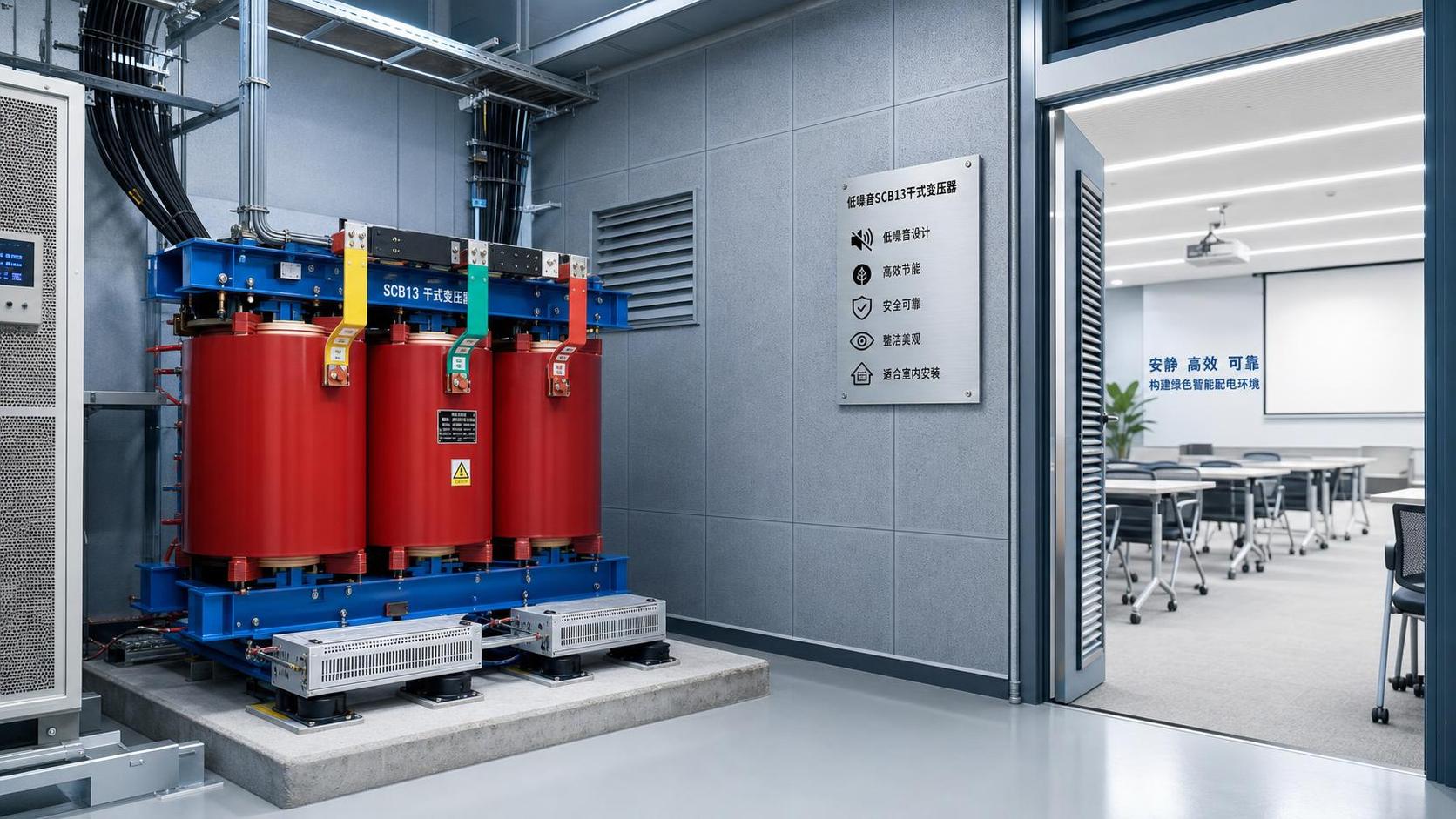
 How Low Noise Improves Indoor Use of SCB13 Dry-Type Transformers
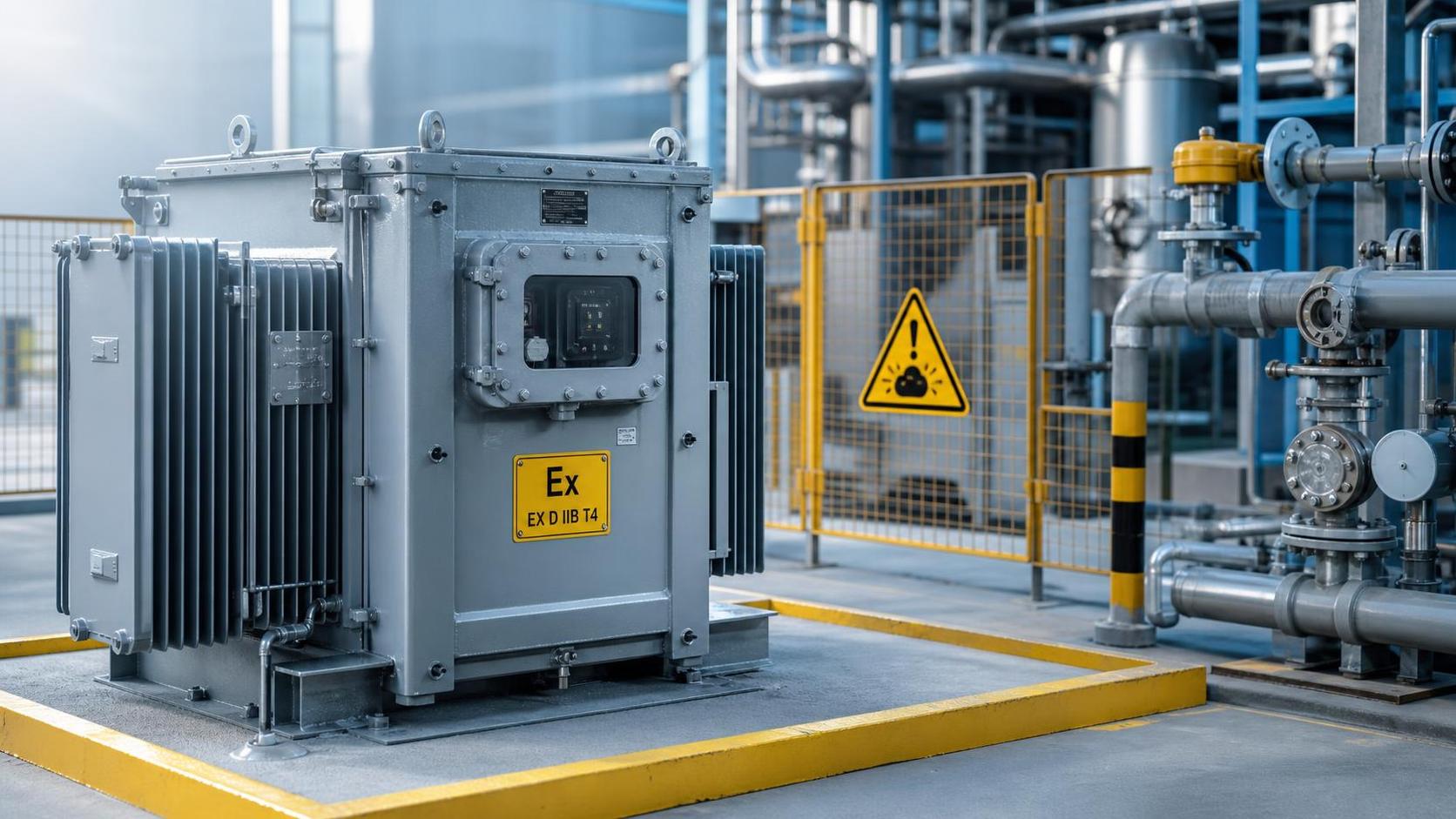
 Where an Explosion Proof Transformer Is Required by Safety Conditions
 Distribution Transformer Installation Guide: Common Site Errors to Avoid
 What Affects SCB14 Type Dry-Type Transformer Price Besides Rated Capacity
 SCB12 Type Dry-Type Transformer Applications That Benefit from Resin Insulation
GET A FREE QUOTE
We offer reliable products, competitive prices, and nationwide professional support, committed to providing customers with efficient and energy-saving power equipment solutions.