


Why rural grid expansion often favors S22 designs
Rural electrification rarely fails because of one large technical issue. It usually struggles with long feeder distances, scattered loads, seasonal demand swings, and difficult maintenance access.
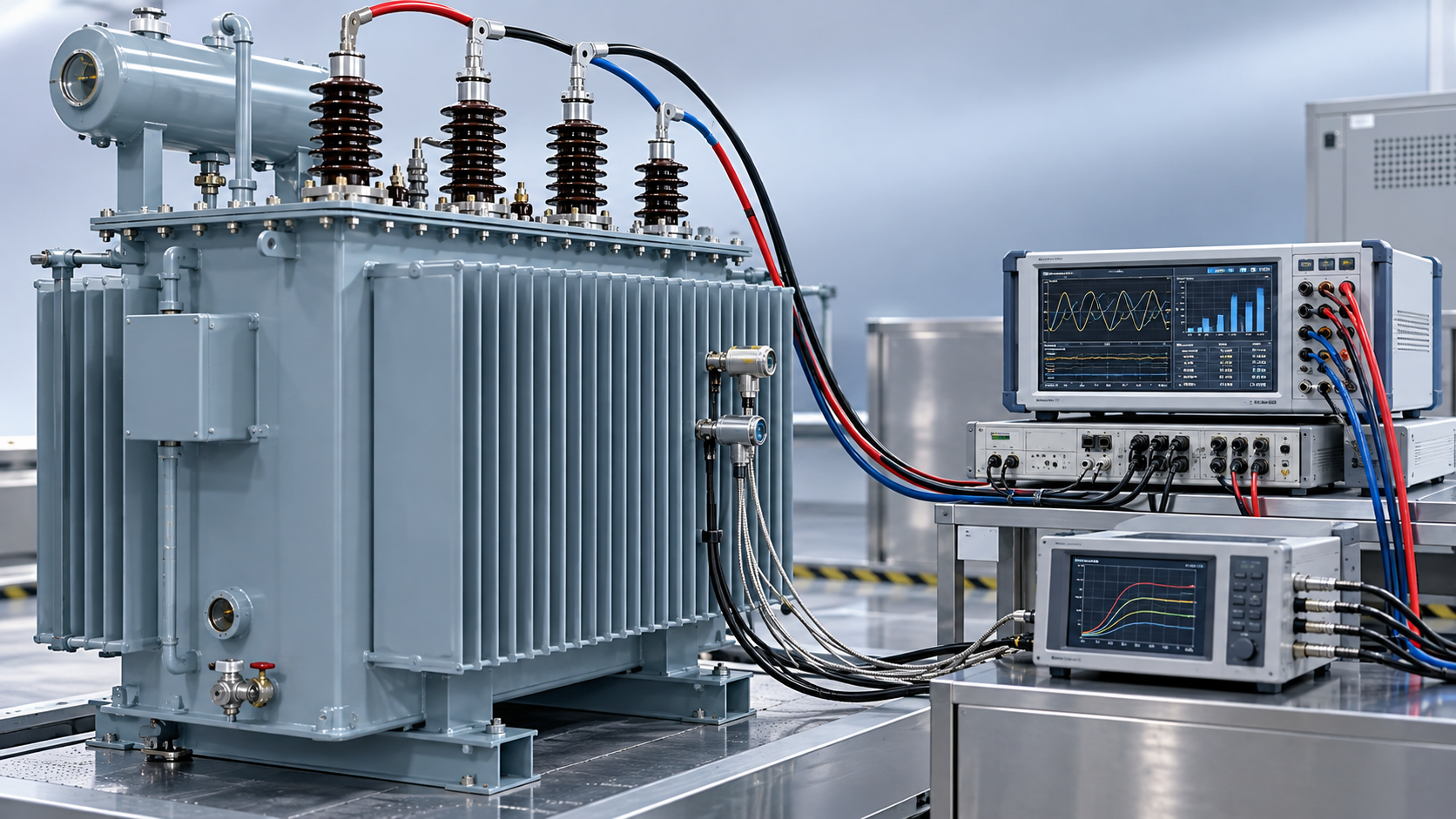
That is why S22 Series Oil-Immersed Power Transformers for rural electrification are often selected for projects that need stable voltage, lower operating loss, and predictable lifecycle cost.
In practical deployment, the value is not only energy efficiency. The stronger advantage is balanced performance under outdoor exposure, variable loading, and network expansion over time.
For manufacturers with a broad transformer portfolio, this balance matters. Jiangsu Shengda Power Equipment Co., Ltd. builds low-loss transformer lines including S11, S13, S15, S20, and S22 series, plus 10KV and 35KV products aligned with GB1094.1-2-1996, GB/T6451-2008, and ISO9001 quality management.
Actual field conditions change the selection logic
Not every rural site asks the same question. A village distribution node, an irrigation line, and a township industrial edge all place different pressure on the transformer.
In one location, the main concern may be no-load loss because demand stays light for long periods. Elsewhere, overload tolerance and voltage stability matter more during concentrated evening use.
This is where S22 Series Oil-Immersed Power Transformers for rural electrification fit well. They are usually evaluated not as isolated equipment, but as part of a long-running network with limited intervention.
Dispersed residential feeders
In dispersed residential areas, transformer utilization can stay low for much of the day. Losses during light load become a real operating issue, especially across many installations.
Here, S22 Series Oil-Immersed Power Transformers for rural electrification are attractive because lower losses support long-term cost control without sacrificing reliability in outdoor service.
Agricultural and irrigation power points
Agricultural loads are more uneven. Irrigation pumps, grain processing, and seasonal machinery create periods of sharp demand, followed by long quiet intervals.
The selection focus shifts toward thermal behavior, tolerance for repeated load fluctuation, and service durability where dust, moisture, and heat all combine.
Rural public infrastructure and mixed-use nodes
Township schools, clinics, cold storage, and small workshops create mixed daily curves. The issue is not extreme load alone, but power quality consistency across different end uses.
Under these conditions, S22 Series Oil-Immersed Power Transformers for rural electrification help maintain dependable operation where outages or voltage instability have a wider social impact.
Different rural scenarios do not reward the same parameters
A useful comparison is to match the site condition with the parameter that really affects operating results.
This is why choosing S22 Series Oil-Immersed Power Transformers for rural electrification should start from the operating pattern, not from rated capacity alone.
Where oil-immersed units fit, and where another transformer may fit better
Outdoor rural distribution commonly favors oil-immersed construction because exposure, distance, and service continuity dominate the decision. That is the natural domain for S22 units.
Still, not every connected facility should use the same transformer type. If a rural project includes stations, hospitals, commercial blocks, or enclosed public buildings, indoor fire safety and ventilation limits may change the answer.
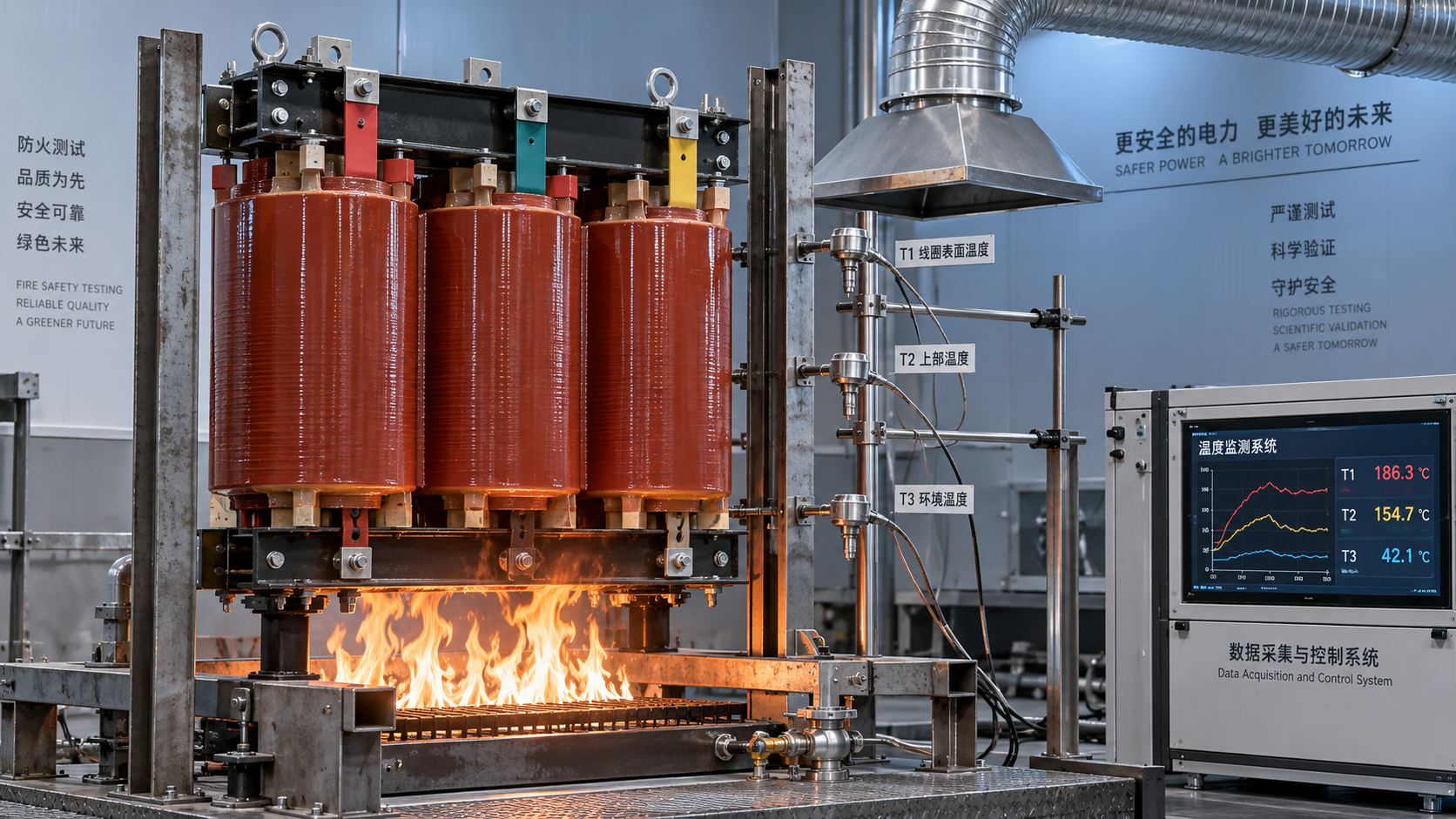
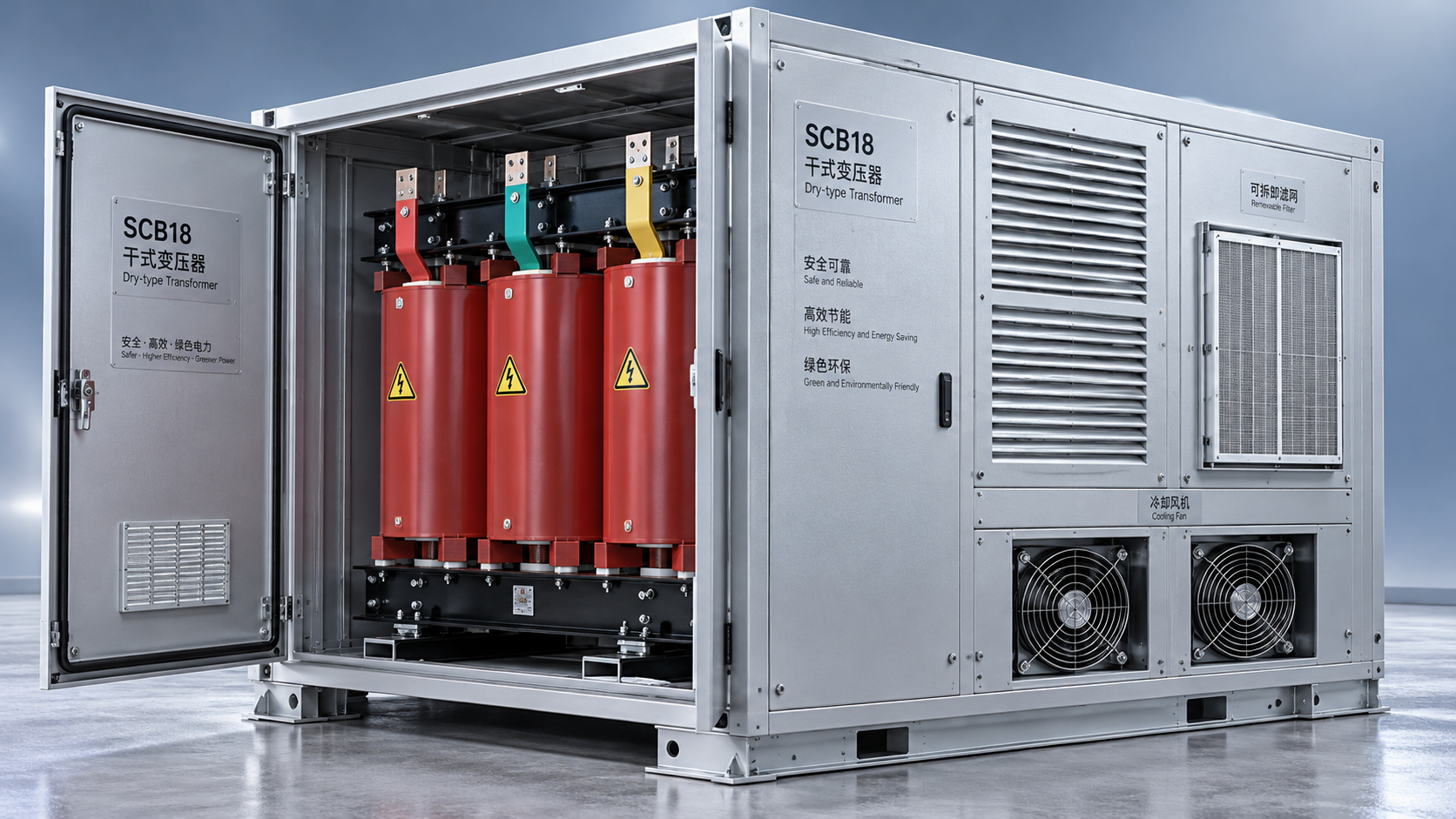
In those cases, an Non-Encapsulated Dry-Type Transformer can make more sense. Its H-class insulation, low smoke behavior, vacuum impregnation process, and strong short-circuit resistance suit high fire-protection environments and humid sites near lakes, seas, or rivers.
That contrast is important. S22 Series Oil-Immersed Power Transformers for rural electrification are highly suitable for dispersed outdoor grids, while dry-type designs may better serve enclosed rural public buildings within the same broader project.
Common misjudgments before installation
One common mistake is focusing only on procurement price. Rural infrastructure usually lives with transportation difficulty, fewer maintenance visits, and tighter outage tolerance.
Another mistake is treating similar villages as identical loads. Population density, productive equipment, and future electrification pace can differ more than the map suggests.
There is also the risk of sizing only for today. A transformer that matches present demand but leaves no room for new irrigation, refrigeration, or public service growth can become the bottleneck too early.
- Check whether the site spends long periods below expected load.
- Confirm environmental exposure, including humidity, dust, and summer peak temperature.
- Review feeder length and voltage drop sensitivity, not only transformer efficiency.
- Reserve practical expansion margin for future rural development.
How to judge suitability before committing
A solid decision process is usually straightforward. Start with load behavior over a full year, then compare site environment, maintenance access, and network expansion expectations.
If the project centers on outdoor distribution with scattered consumption points, S22 Series Oil-Immersed Power Transformers for rural electrification are often the practical choice because they combine efficiency, durability, and stable service economics.
If the same project also includes enclosed, high-occupancy, or high fire-protection areas, use a mixed selection strategy rather than forcing one transformer type everywhere.
The most reliable next step is to map each installation point by load profile, environment, voltage level, and maintenance conditions, then compare those findings against technical standards and lifecycle cost targets. That approach usually reveals where S22 Series Oil-Immersed Power Transformers for rural electrification will deliver the strongest long-term value.



 What an F1 fire behaviour rating means for a flame-retardant transformer
 How enclosure specifications affect SCB18 dry-type transformer cost
 How to compare loss guarantees for S22 oil-immersed transformers
 When to choose a loop-feed pad-mounted transformer over radial feed
 How much spare capacity should a distribution transformer have?
 Checking S13 oil-immersed transformers for renewable inverter loads
GET A FREE QUOTE
We offer reliable products, competitive prices, and nationwide professional support, committed to providing customers with efficient and energy-saving power equipment solutions.