


Enclosure specifications can increase SCB18 Type Dry-Type Transformer cost through fabrication, protective finishes, ventilation equipment, and installation work. The largest cost differences arise when an enclosure must satisfy several requirements together: restricted access to live parts, resistance to environmental exposure, adequate cooling, and access within a limited installation space.
For a clean, controlled indoor transformer room, a more elaborate enclosure may provide little additional value. In a dusty, damp, corrosive, or exposed location, a basic enclosure can leave the buyer paying later for cleaning, modifications, or reduced operating capacity. A sound purchasing decision starts with the installation conditions and the required output, then specifies an enclosure that supports both.
Protection requirements set the starting price—but do not define the whole enclosure
An IP rating describes protection against access to hazardous parts, solid foreign objects, and water ingress under defined test conditions. Increasing the required protection can change panel construction, ventilation openings, door seals, cable entries, and assembly details. Those changes affect material use and manufacturing work, so the rating belongs in the quotation specification from the beginning.
However, IP ratings do not form a simple ladder where every higher designation is better for every site. The two digits address different forms of protection. Procurement teams should identify the actual exposure: accidental contact, airborne dust, dripping water, wind-driven rain, or cleaning spray. A rating selected for one exposure may not address another.
Consider a transformer installed in a dedicated electrical room with controlled access and no expected water exposure. Specifying protection suited to a harsher environment could add construction and cooling costs without resolving an identified site risk. Conversely, a location exposed to dust or water needs requirements tied to those conditions, even if the initial enclosure quotation becomes higher.
Corrosion and condensation require separate attention. An IP designation does not establish resistance to salt, chemical vapors, or moisture forming inside the enclosure. Buyers should describe these conditions explicitly and request the proposed material, finish, and any condensation-control provisions. Treating “higher IP” as a complete environmental specification can leave expensive gaps.
Ask suppliers to state whether the quoted rating applies to the complete installed enclosure, including ventilation openings, doors, and cable-entry arrangements. Field modifications can affect the protection originally claimed. The quotation should identify any installation details required to preserve it.
Ventilation can turn an enclosure upgrade into a larger system cost
A dry-type transformer releases heat that must pass through the enclosure and leave the installation space. Protective panels, louvers, filters, and restricted openings can impede that path. An enclosure upgrade therefore needs a thermal assessment alongside its fabrication price.
The purchasing question is whether the enclosed transformer can deliver the specified continuous output at the stated ambient temperature, altitude, and installation clearances. A quotation that lists rated capacity without explaining the conditions for enclosed operation leaves room for disagreement after delivery.
Depending on the design, maintaining output may require larger ventilation openings with protective arrangements, a larger enclosure, forced ventilation, or a revised transformer selection. If the proposed arrangement requires derating, the buyer needs to understand how that affects available capacity. There is no reliable universal percentage for the cost increase: it depends on the enclosure design and operating conditions.
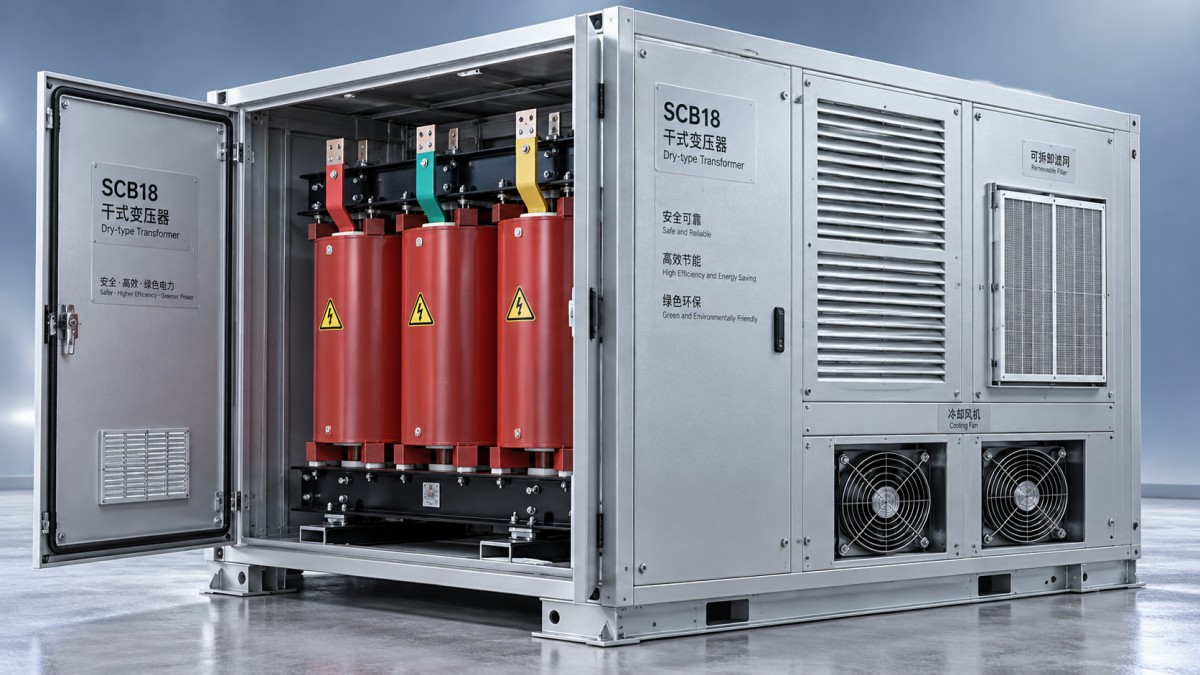
Filters deserve particular scrutiny where dust protection matters. They introduce airflow resistance, and that resistance can rise as dust accumulates. The purchasing specification should address filter access, replacement availability, cleaning intervals appropriate to the site, and the basis used to assess cooling performance. A filtered enclosure that depends on frequent attention may be a poor fit for a lightly staffed facility.
Fans introduce further costs through wiring, controls, electricity consumption, noise, and replacement work. Ask whether forced ventilation is necessary to meet the required continuous duty or provides additional capacity. If normal operation depends on it, the supplier should explain the monitoring arrangement and the operating response to a fan failure.
Room ventilation also belongs in the comparison. Fans inside the enclosure move heat into the surrounding room; the building still has to remove it. Procurement should establish responsibility for room heat removal early, particularly when the transformer supplier and building-services contractor work under separate packages.
Material, dimensions, and access determine what the fabrication premium buys
Enclosure material should follow the exposure conditions. Coated carbon steel can be suitable where the selected coating system matches the environment. Stainless steel may be justified by corrosive exposure or cleaning requirements, but the material name alone is insufficient. Grade, fabrication quality, surface treatment, and the compatibility of fasteners and other components influence performance.
For coated enclosures, request details of surface preparation and the coating system, including treatment of edges, welds, and cutouts. These details help explain price differences between apparently similar offers. A general description such as “painted steel enclosure” gives buyers little basis for judging whether a premium reflects better protection.
Dimensions affect more than sheet-metal consumption. The enclosure must accommodate electrical clearances, airflow, cable routing, inspection, and maintenance. A compact design may suit a restricted room, but removable panels and accessible terminations become especially important when space is tight. Extra height or width can also affect transport, lifting, and movement through the building.
Door arrangement is another source of hidden installation cost. Check door swing, panel-removal space, access to temperature-monitoring equipment, and the route for servicing fans or filters. An enclosure that fits the allocated footprint can still be difficult to maintain if its access requirements were omitted from the layout.
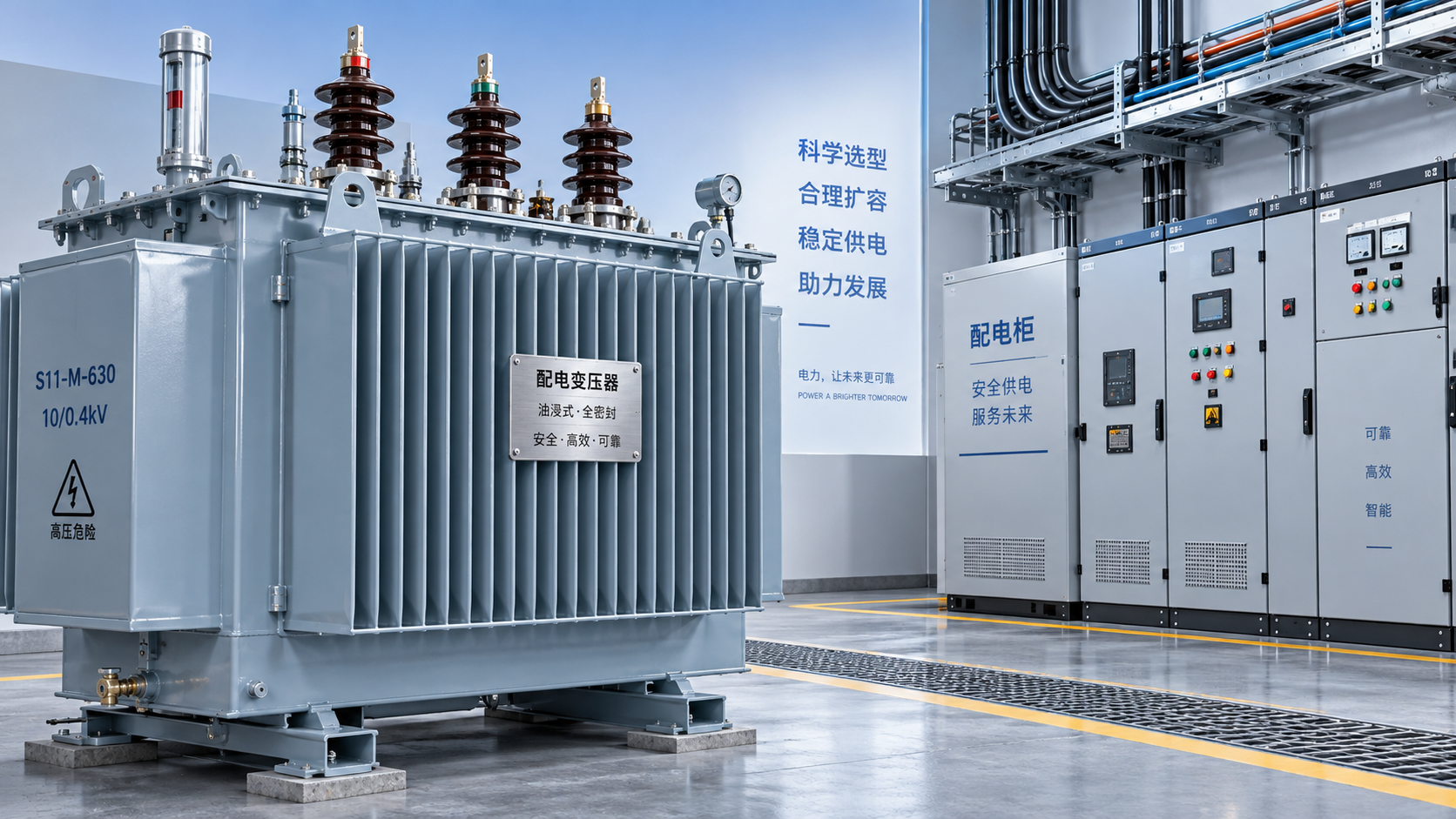
Where the location would demand extensive weather protection, reconsider the overall transformer arrangement before repeatedly upgrading the enclosure. If site rules permit oil-filled equipment, a sealed design such as the S11 Series Oil-Immersed Power Transformer may be evaluated as an alternative. That comparison must include fire precautions, oil containment, building requirements, and maintenance access; its equipment price alone cannot establish the lower installed cost.
Compare quotations against one operating requirement
Enclosure cost becomes easier to assess when every supplier prices the same conditions. Keep transformer capacity, voltage ratio, loss requirements, and other electrical specifications aligned, then define the enclosure scope separately. Otherwise, a lower quotation may reflect a different transformer, omitted accessories, or a narrower supply boundary.
A useful enclosure schedule should cover:
- Environment: indoor or outdoor location, ambient conditions, dust, water exposure, corrosive substances, and condensation risk.
- Protection and construction: required IP rating, material, finish, door security, cable entries, and enclosure bonding.
- Thermal duty: required continuous output, cooling method, ventilation clearances, and any stated derating.
- Installation and service: overall dimensions, delivery arrangement, lifting provisions, access space, and removable panels.
- Supply boundary: fans, filters, heaters where required, controls, monitoring, installation work, and supporting documentation.
Request a separate enclosure price and itemized prices for meaningful upgrades. This shows what each requirement adds and makes it easier to remove unnecessary specifications without disturbing the electrical comparison. Ask for the drawings and technical evidence supporting the proposed protection and thermal performance, rather than relying on a short description such as “outdoor enclosure.”
For competing offers, consider the quoted equipment price alongside freight, site assembly, building ventilation, auxiliary power, and enclosure maintenance. Avoid assigning precise future savings where operating data are unavailable. Identifying which offer requires recurring filter work, powered cooling, or additional installation work can already explain a substantial difference in purchasing value.
Before placing the order, obtain a clear statement of the output available with the quoted enclosure under the specified site conditions. The enclosure drawing, cooling arrangement, and installation requirements should support that statement. Those documents give procurement a firmer basis for accepting an enclosure premium—and for rejecting one that adds cost without serving the installation.



 How enclosure specifications affect SCB18 dry-type transformer cost
 How to compare loss guarantees for S22 oil-immersed transformers
 When to choose a loop-feed pad-mounted transformer over radial feed
 How much spare capacity should a distribution transformer have?
 Checking S13 oil-immersed transformers for renewable inverter loads
 How to assess environmental claims for SCB13 dry-type transformers
GET A FREE QUOTE
We offer reliable products, competitive prices, and nationwide professional support, committed to providing customers with efficient and energy-saving power equipment solutions.