


SCB12 Type Dry-Type Transformer Fireproof Ratings Explained
For quality control and safety managers, understanding SCB12 Type Dry-Type Transformer fireproof ratings is essential to reducing operational risk and meeting compliance demands.
This article explains how fire resistance is evaluated, what standards matter in practical selection, and how reliable manufacturing and inspection support safer transformer performance.
What SCB12 Type Dry-Type Transformer Fireproof Really Means
SCB12 Type Dry-Type Transformer fireproof performance is not a casual marketing term. It refers to how the transformer behaves under heat, flame, smoke, and fault conditions.
In practical use, dry-type transformers already have an advantage. They do not rely on insulating oil, so leakage, ignition, and secondary fire spread risks are lower.
That said, fireproof does not mean fire cannot happen. It means the unit should resist ignition, limit flame spread, and maintain safer behavior during abnormal events.
For SCB12 models, the resin system, winding structure, insulation quality, and temperature control all affect the final fire resistance level.
Key Standards Behind Fireproof Ratings
When reviewing SCB12 Type Dry-Type Transformer fireproof capability, standards matter more than broad claims. The first check is always the test basis behind the rating.
Many buyers start with compliance to GB1094.1-2-1996 and GB/T6451-2008. These standards support product consistency, electrical performance, and manufacturing control.
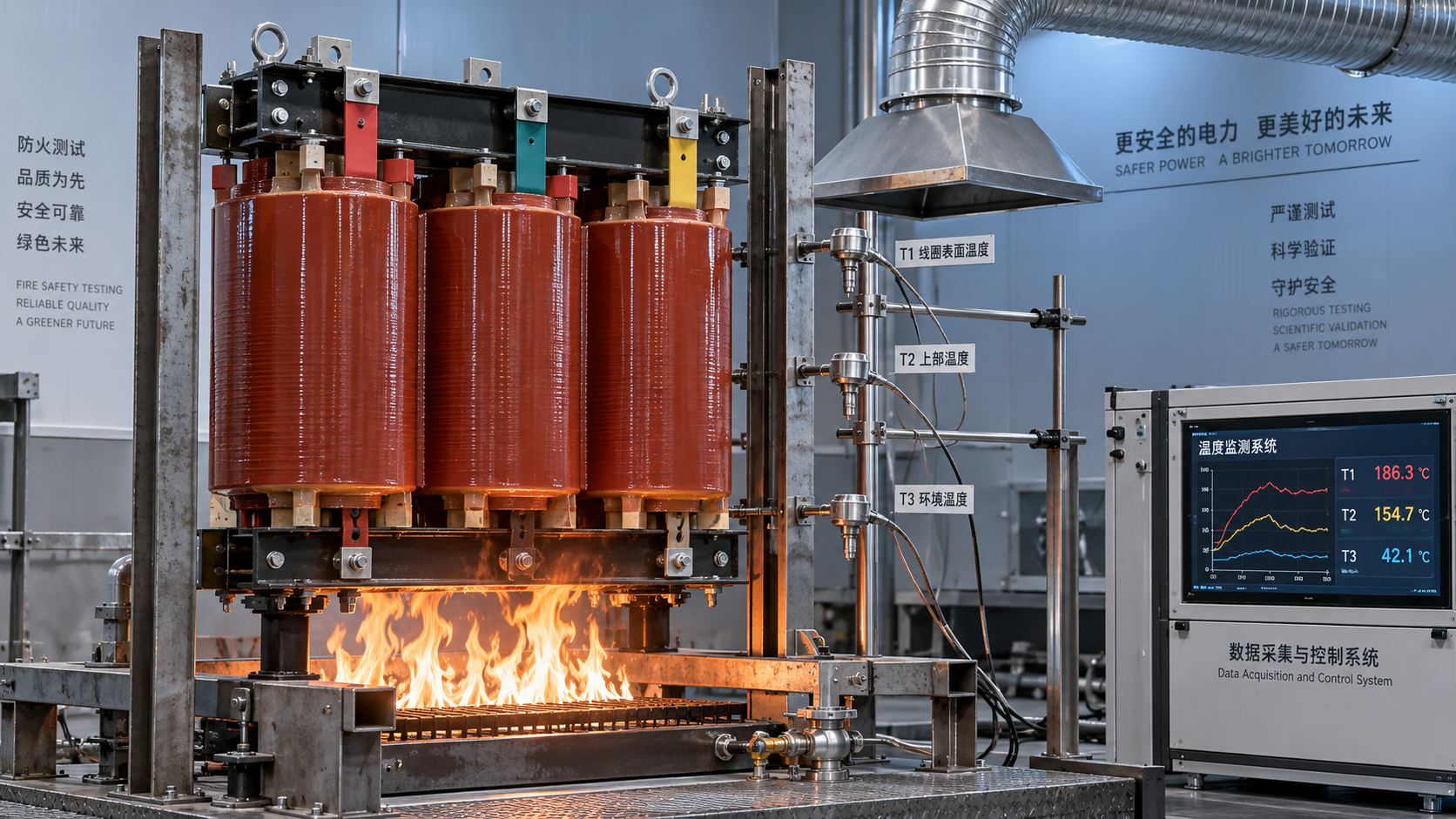
For fire behavior, engineers also look at material flame-retardant properties, thermal class, and enclosure design. Smoke release and self-extinguishing performance often influence final approval decisions.
In actual projects, compliance should be confirmed with type test reports, routine test records, and traceable material documentation rather than catalog language alone.
- Verify the insulation material grade and resin formulation.
- Check heat resistance under continuous and overload conditions.
- Review fire, smoke, and flame spread test evidence.
- Confirm routine inspection records and factory traceability.
How Fire Resistance Is Evaluated in Practice
A reliable SCB12 Type Dry-Type Transformer fireproof assessment combines material review, electrical testing, and thermal risk analysis. One data point is never enough.
The first layer is material behavior. Epoxy resin systems should show stable thermal performance and controlled combustion characteristics under elevated temperatures.
The second layer is structure. Winding layout, insulation distance, and encapsulation quality influence internal hot spots and fault progression speed.
The third layer is temperature rise control. Poor cooling design increases fire risk indirectly by accelerating insulation aging and weakening long-term dielectric performance.
This is also why some buyers compare adjacent models. For example, an SCB11 Type Dry-Type Transformer may be reviewed for coil structure, overload support, and temperature control options during specification checks.
Critical Design Factors That Affect SCB12 Fireproof Performance
Several design details usually separate a dependable unit from a merely compliant one. These details become more important in hospitals, malls, data rooms, and compact substations.
- Resin quality and casting process consistency.
- Core material losses and local heating control.
- Partial discharge level under rated and transient conditions.
- Mechanical strength during thermal cycling and short circuit stress.
- Effectiveness of sensors, alarms, and forced-air cooling integration.
From a technical standpoint, optimized high-voltage coil structure can improve electric field distribution and reduce partial discharge, both of which support safer long-term operation.
High-quality cold-rolled grain-oriented silicon steel sheets also help. They reduce magnetic flux density fluctuation, lower magnetostriction, and improve noise control.
In related product solutions, some manufacturers use epoxy resin, quartz sand, and glass fiber reinforced structures to improve crack resistance and operational reliability.
Inspection Points Before Approval or Procurement
For procurement or acceptance, SCB12 Type Dry-Type Transformer fireproof review should be tied to measurable checkpoints. This keeps the process defensible during audits.
A supplier with strong quality systems usually makes this easier. Jiangsu Shengda Power Equipment Co., Ltd. combines R&D, production, inspection, and strict management under ISO9001-certified processes.
Its transformer portfolio covers low-loss series, 10KV and 35KV models, dry-type transformers, amorphous alloy transformers, and compact substations built to international standards.
Selection Advice for Safer Projects
When selecting for SCB12 Type Dry-Type Transformer fireproof needs, focus on site risk rather than only purchase price. Installation environment changes the real safety requirement.
High-density public buildings need stricter control of smoke, heat, and shutdown behavior. Industrial facilities may prioritize overload tolerance and thermal monitoring.
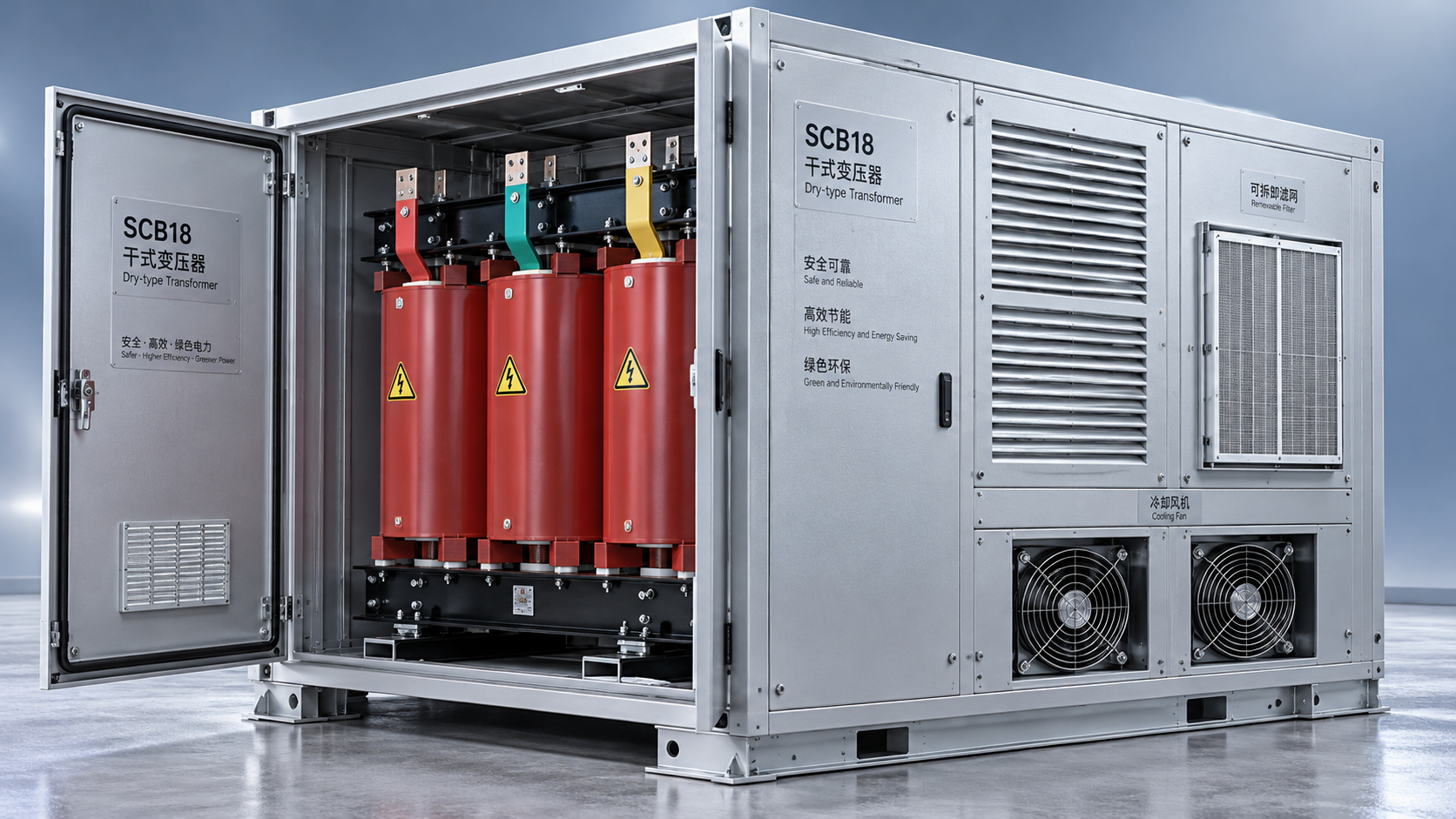
For projects with fluctuating loads, models with temperature control systems and air-cooling devices are often more practical. Automatic fan activation can reduce thermal stress during peak demand.
A related example is the SCB11 Type Dry-Type Transformer, available up to 30~20000KVA and 35KV, with design features that improve overload capacity, reduce noise, and enhance reliability.
In short, the best choice is the one supported by complete tests, stable materials, proven manufacturing, and a clear fit for the operating scenario.
Final Takeaway
SCB12 Type Dry-Type Transformer fireproof performance should be judged through standards, materials, thermal design, and inspection evidence together.
That approach reduces hidden risk and improves compliance confidence. In real projects, disciplined verification is what turns a fireproof claim into a dependable safety decision.



 What an F1 fire behaviour rating means for a flame-retardant transformer
 How enclosure specifications affect SCB18 dry-type transformer cost
 How to compare loss guarantees for S22 oil-immersed transformers
 When to choose a loop-feed pad-mounted transformer over radial feed
 How much spare capacity should a distribution transformer have?
 Checking S13 oil-immersed transformers for renewable inverter loads
GET A FREE QUOTE
We offer reliable products, competitive prices, and nationwide professional support, committed to providing customers with efficient and energy-saving power equipment solutions.