


Dry-Type Transformer Specification Checklist for B2B Projects
Choosing the right dry-type transformer affects safety, efficiency, compliance, and long-term operating costs.
A clear specification checklist reduces sourcing risk and helps compare transformer suppliers with practical, project-based criteria.
This guide explains key technical, quality, and commercial factors for industrial, commercial, and utility dry-type transformer applications.
Start with the Installation Scenario
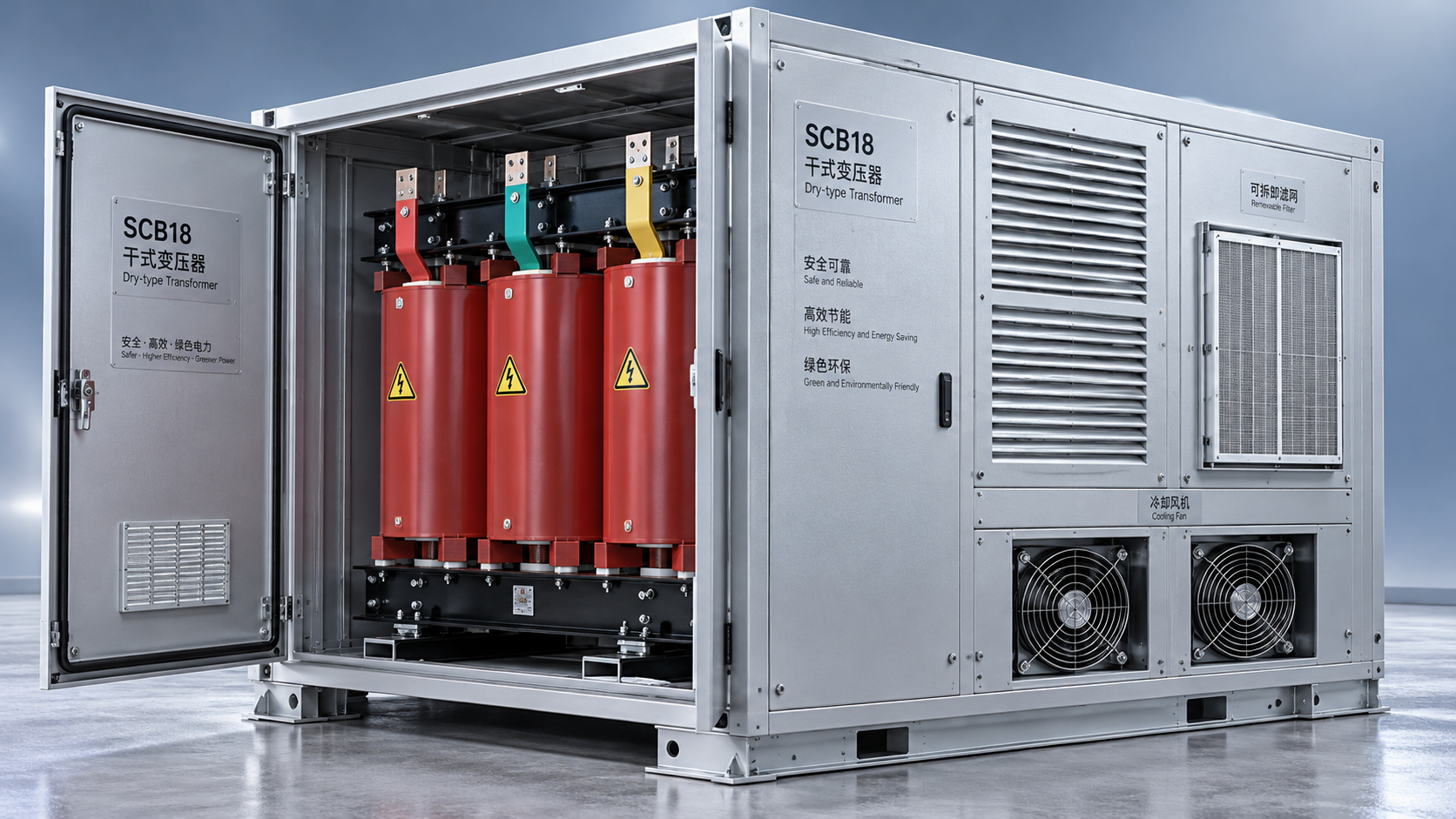
A dry-type transformer is often selected for indoor, fire-sensitive, or maintenance-sensitive environments.
However, each project scenario creates different requirements for capacity, insulation, cooling, noise, enclosure, and protection.
Before requesting quotations, define the operating environment, load profile, grid condition, and applicable standards.
This prevents oversizing, under-specification, delayed approval, and hidden lifetime cost increases.
Scenario 1: Commercial Buildings and Public Facilities
In offices, hospitals, malls, and transport hubs, safety and acoustic performance are major selection points.
A dry-type transformer should meet indoor fire safety expectations and maintain low noise during continuous operation.
Check insulation class, temperature rise, enclosure protection level, and ventilation conditions.
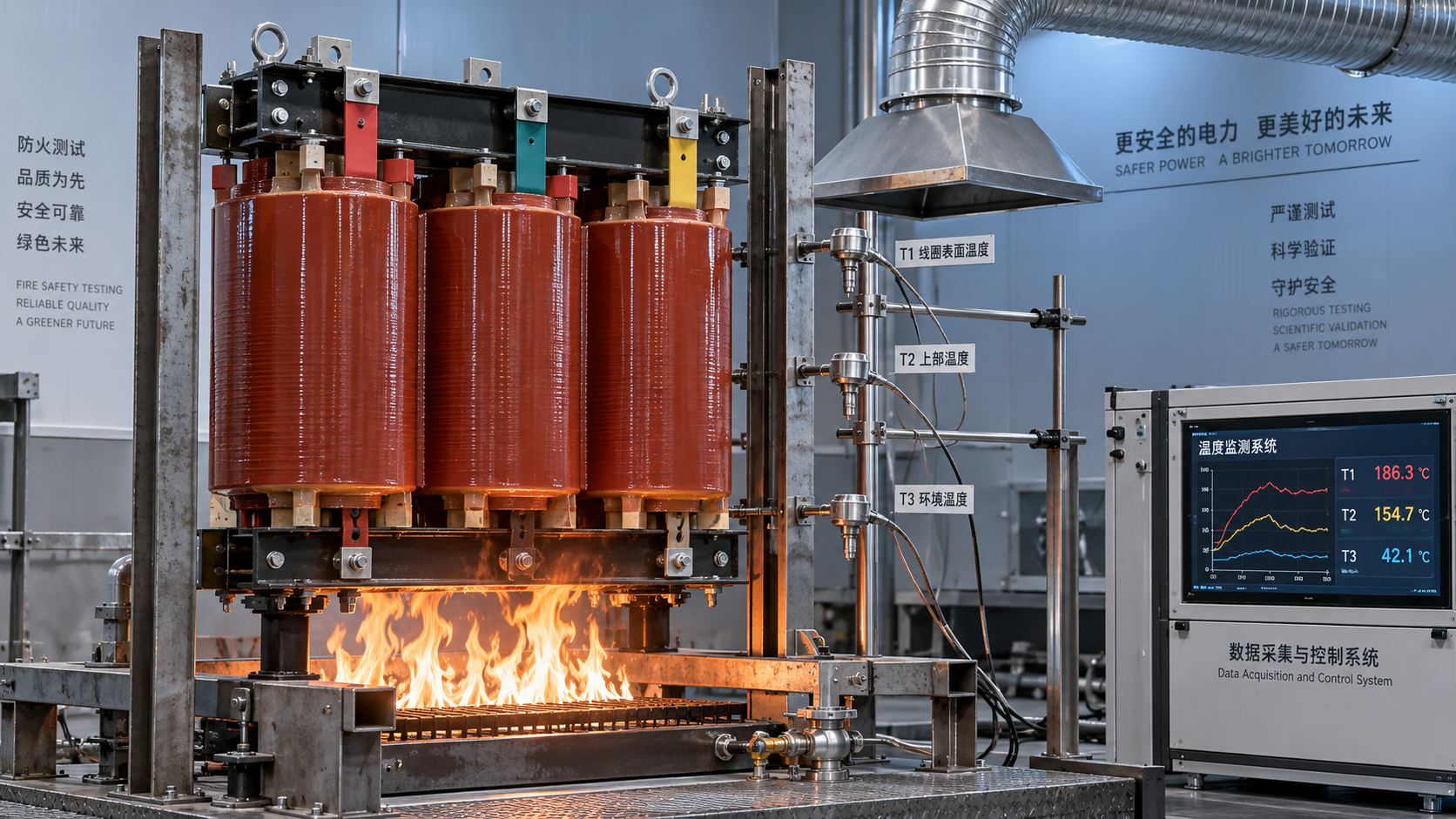
For crowded buildings, verify flame-retardant performance, partial discharge values, and certified routine test reports.
Key checklist items for commercial use
- Rated capacity based on actual and future load demand.
- Low noise level for occupied or public areas.
- Reliable temperature control and alarm functions.
- Appropriate IP enclosure for indoor placement.
- Compliance with local fire and electrical codes.
Scenario 2: Industrial Plants and Production Lines
Industrial sites usually have fluctuating loads, motor starts, harmonics, dust, and higher operating temperatures.
The dry-type transformer specification should reflect real production conditions, not only nominal capacity.
Review short-circuit impedance, overload capability, winding material, cooling method, and thermal monitoring.
For heavy-duty applications, ask the supplier to confirm suitability for nonlinear loads and frequent load variation.
Industrial judgment points
- Load cycle, peak demand, and expansion margin.
- Harmonic influence from drives or rectifiers.
- Dust, humidity, chemical exposure, and ventilation.
- Mechanical strength under short-circuit stress.
- Maintenance access for inspection and cleaning.
Scenario 3: Renewable Energy and Utility Distribution
Renewable energy projects require stable operation under changing generation and grid conditions.
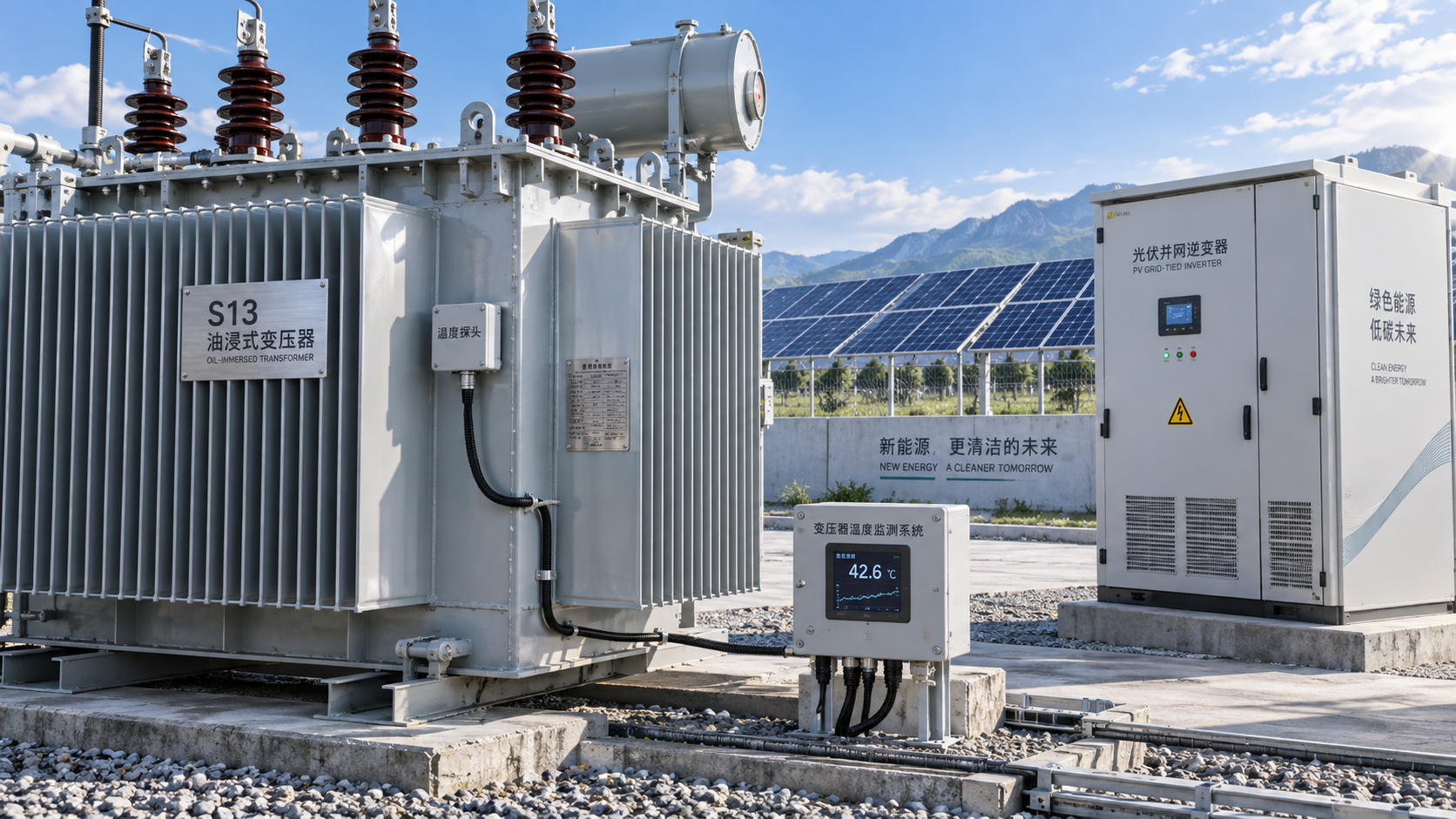
A dry-type transformer may be used in inverters, substations, energy storage systems, or auxiliary power networks.
Voltage combination, tap range, insulation coordination, and temperature rise must match the system design.
In outdoor or semi-outdoor locations, confirm enclosure design, corrosion resistance, and environmental suitability.
Compare Scenario Requirements Before Finalizing Specs
Core Dry-Type Transformer Specification Checklist
A complete dry-type transformer inquiry should include technical, environmental, testing, and delivery requirements.
Incomplete specifications often lead to inconsistent quotations and difficult supplier comparisons.
Electrical parameters
- Rated capacity in kVA.
- Primary and secondary voltage.
- Frequency and phase requirements.
- Vector group and connection method.
- Tap range and tap-changing method.
- Short-circuit impedance percentage.
Performance and safety requirements
- No-load loss and load loss values.
- Temperature rise and insulation class.
- Partial discharge limit.
- Noise level under rated condition.
- Cooling method, such as AN or AF.
- Protection enclosure and accessories.
Quality verification
Request routine test reports, type test references, and quality system documents.
Important tests include winding resistance, voltage ratio, insulation resistance, induced voltage, applied voltage, and loss measurement.
For critical projects, factory acceptance testing can confirm performance before shipment.
When Oil-Immersed Alternatives Should Be Reviewed
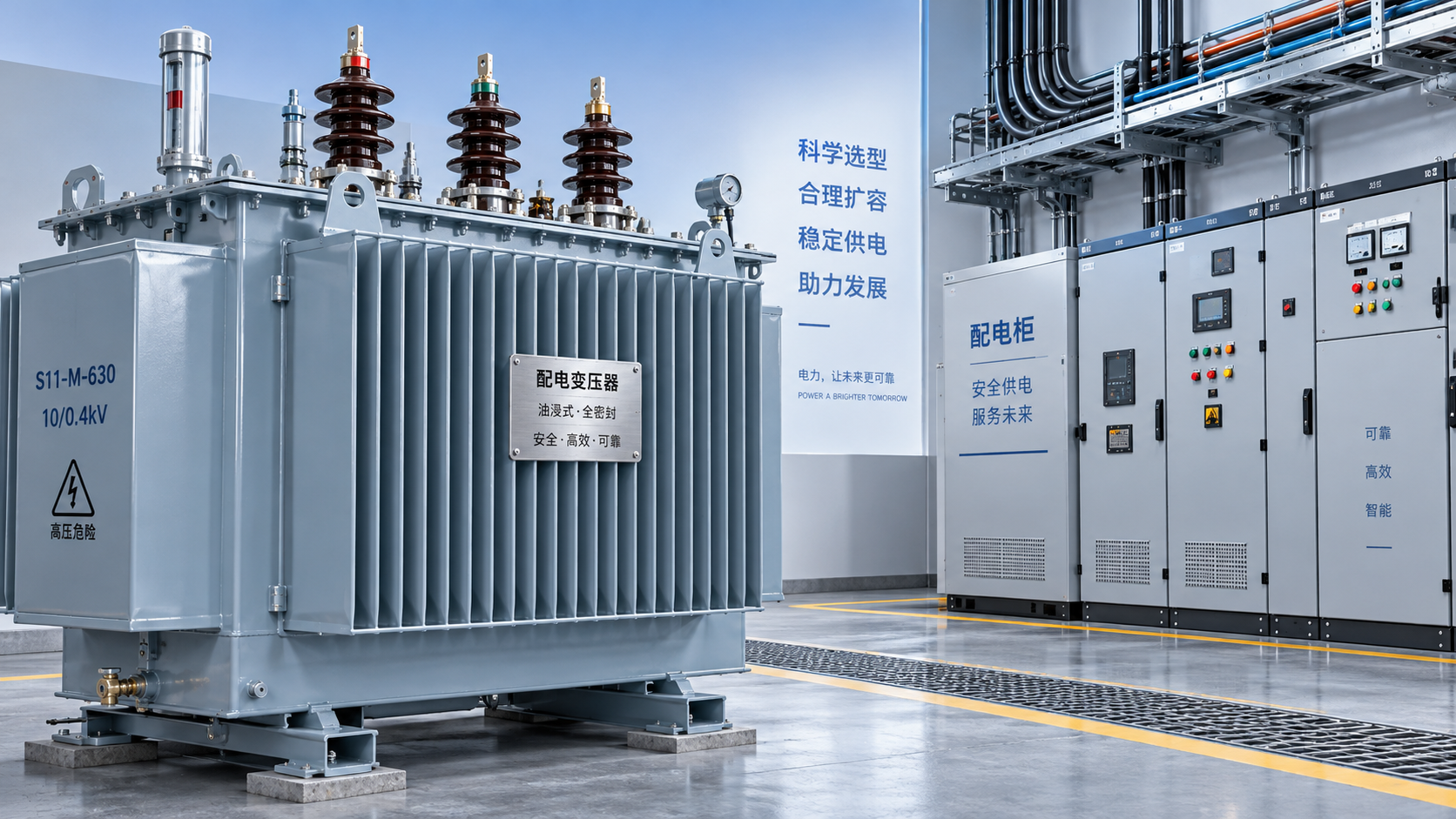
Some projects compare dry-type transformer solutions with oil-immersed transformers for outdoor or distribution applications.
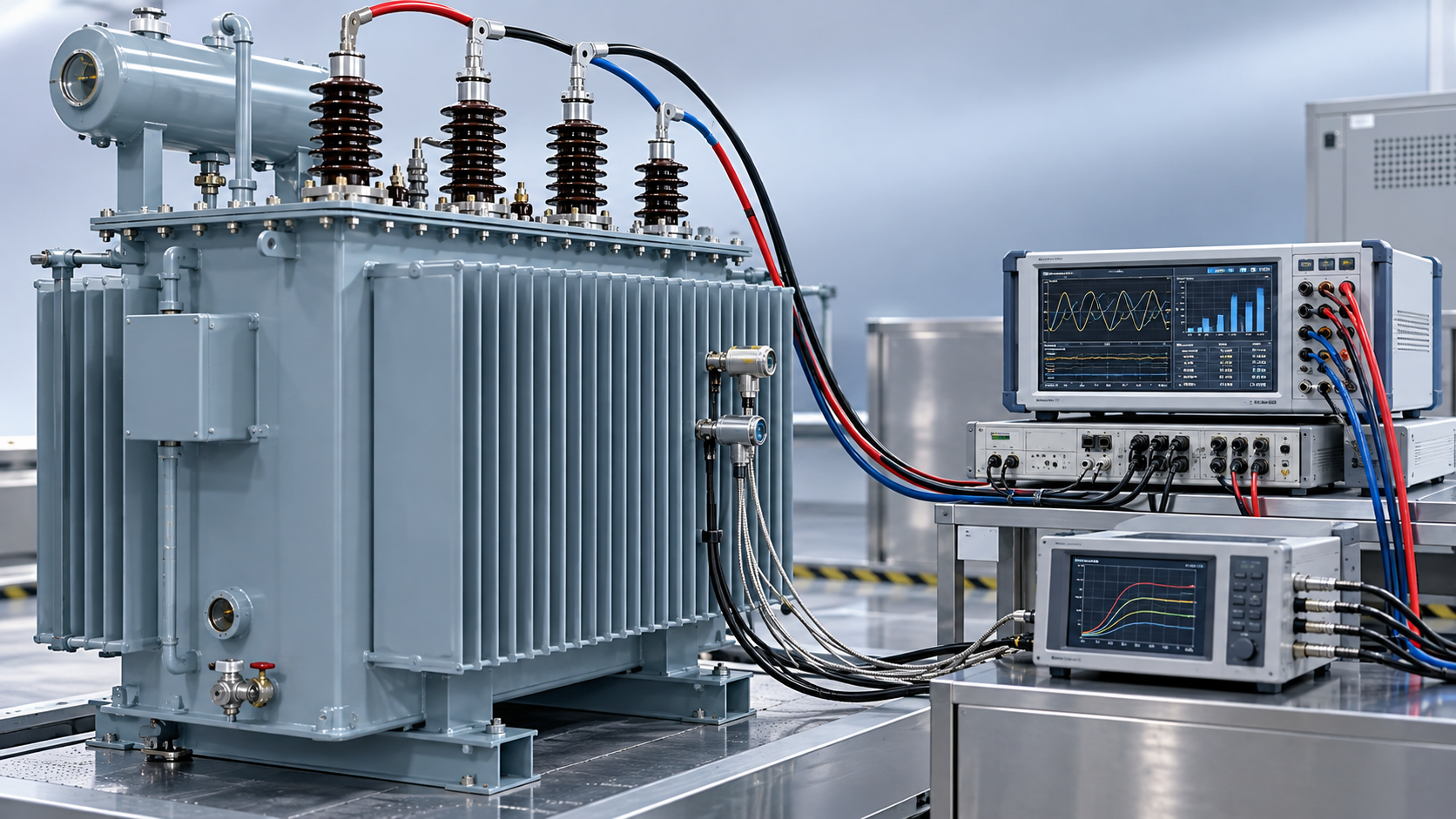
For example, the S13 Series Oil-Immersed Power Transformer offers reduced no-load loss and lower noise.
Its no-load loss is reduced by an average of 20%, with optimized core and coil structure.
Available capacities range from 30 kVA to 2500 kVA, supporting Yyn0 or Dyn11 connections.
This comparison helps match transformer type to installation conditions and lifecycle priorities.
Supplier Qualification and Compliance Checks
A strong dry-type transformer supplier should provide consistent design, production control, and inspection capability.
Jiangsu Shengda Power Equipment Co., Ltd. specializes in transformer R&D, production, and sales.
The company operates with technical expertise, mature manufacturing processes, and comprehensive quality inspection systems.
Its products comply with international standards, including GB1094.1-2-1996 and GB/T6451-2008.
ISO9001 certification also supports stable quality management and traceable production control.
Documents to request
- Technical data sheet and outline drawing.
- Applicable standards and certificates.
- Routine test report format.
- Material and component description.
- Warranty terms and after-sales response.
Common Misjudgments in Dry-Type Transformer Selection
One common mistake is selecting capacity only from the current load.
Future expansion, peak demand, and emergency operating conditions should be considered.
Another mistake is ignoring ventilation around the dry-type transformer.
Poor airflow can increase temperature rise and shorten equipment service life.
It is also risky to compare prices without checking loss values, test scope, and accessories.
A lower purchase price may lead to higher energy costs or additional site modifications.
Practical Adaptation Recommendations
- Define the project scenario before choosing capacity and enclosure.
- Use actual load data, not only design assumptions.
- Confirm standards, certificates, and test requirements early.
- Compare total cost, including losses and maintenance.
- Request drawings to verify installation space and ventilation.
- Clarify delivery time, packaging, spare parts, and service scope.
Next Step for a Reliable Transformer Purchase
A dry-type transformer specification checklist should connect site conditions with measurable technical requirements.
Before confirming an order, prepare load data, installation drawings, voltage requirements, and project standards.
Then request a detailed technical proposal, commercial quotation, and quality documentation from qualified transformer suppliers.
This approach improves comparison accuracy and supports safer, more economical transformer operation.



 What an F1 fire behaviour rating means for a flame-retardant transformer
 How enclosure specifications affect SCB18 dry-type transformer cost
 How to compare loss guarantees for S22 oil-immersed transformers
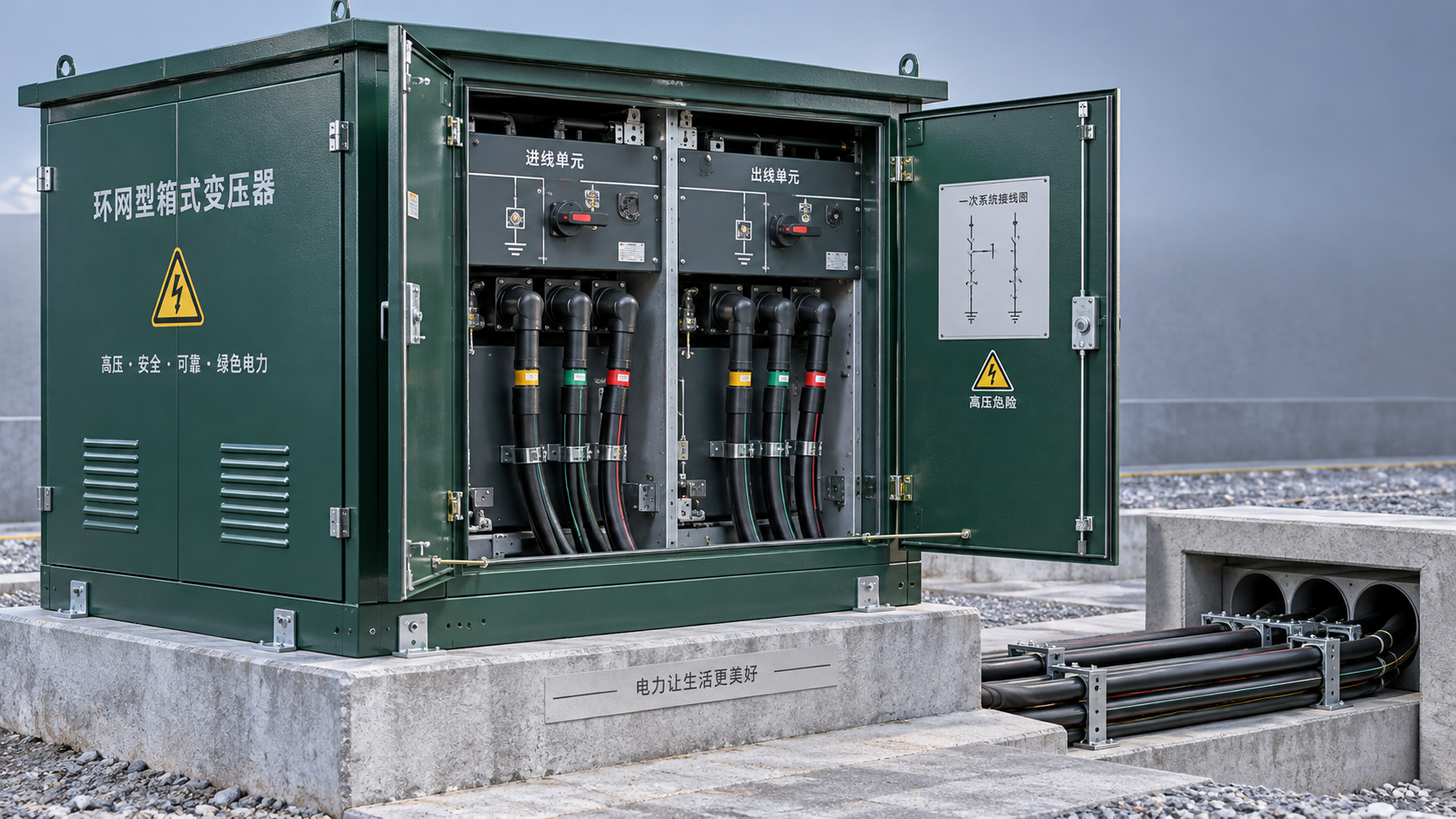
 When to choose a loop-feed pad-mounted transformer over radial feed
 How much spare capacity should a distribution transformer have?
 Checking S13 oil-immersed transformers for renewable inverter loads
GET A FREE QUOTE
We offer reliable products, competitive prices, and nationwide professional support, committed to providing customers with efficient and energy-saving power equipment solutions.