


SCB18 Type Dry-Type Transformer: Where It Fits Best
Choosing the right transformer affects safety, efficiency, and operating cost from day one.
The SCB18 Type Dry-Type Transformer stands out in projects that need reliable indoor distribution and lower energy loss.
It is especially useful when fire safety, maintenance control, and stable performance all matter at the same time.
In practical project planning, knowing where the SCB18 Type Dry-Type Transformer fits best helps avoid overspecification and costly mismatches.
Why the SCB18 Type Dry-Type Transformer Is Chosen
The biggest reason is balance.
The SCB18 Type Dry-Type Transformer combines lower no-load loss, safer operation, and dependable indoor performance.
That matters in buildings and facilities where ventilation, people flow, and equipment density create tighter operating conditions.
Unlike oil-immersed units, dry-type models reduce leakage concerns and simplify fire protection planning.
This makes the SCB18 Type Dry-Type Transformer a practical answer for modern urban and industrial power systems.
Best-Fit Application Scenarios
Not every site needs the same transformer solution.
The SCB18 Type Dry-Type Transformer is most valuable where indoor safety, low noise, and efficient operation are priorities.
- High-rise buildings with heavy internal load distribution
- Airports and railway stations with strict fire protection requirements
- Hospitals, data rooms, and commercial complexes needing low-noise operation
- Industrial workshops with dust, moisture, or fluctuating load conditions
- Substations and power rooms where maintenance access is limited
These are the environments where the SCB18 Type Dry-Type Transformer delivers clear operational value.
From recent project trends, indoor distribution equipment is being selected with more attention to lifecycle cost, not just upfront price.
What Makes It Suitable for Demanding Projects
Selection usually becomes easier when technical strengths connect directly to site risk.
A well-designed dry-type transformer should support both daily efficiency and fault tolerance.
- Low performance loss helps reduce long-term energy waste
- Flame-retardant construction improves safety in enclosed spaces
- Moisture-proof and dust-proof design supports harsher indoor conditions
- High resistance to short circuits and lightning strikes improves system reliability
- Low-noise operation is easier to integrate into occupied buildings
For comparison, many projects also review SCB10 Type Dry-Type Transformer options during early specification.
That is common in high-rise buildings, airports, docks, power plants, and substations.
Typical configurations include 3 phases, 50Hz, Class F insulation, and partial discharge below 5pc.
These benchmarks help frame what decision-makers should expect when comparing dry-type transformer solutions for indoor power distribution.
How to Judge Whether SCB18 Is the Right Choice
The SCB18 Type Dry-Type Transformer is not just about product grade.
It should match actual installation conditions, load behavior, and compliance targets.
- Check whether the transformer room is indoors and people-facing.
- Review local fire safety rules and evacuation requirements.
- Estimate the cost impact of no-load and load losses over time.
- Confirm noise limits near offices, public areas, or control rooms.
- Assess maintenance frequency, shutdown risk, and spare access.
If most of these points matter, the SCB18 Type Dry-Type Transformer is usually a strong fit.
More importantly, it supports smoother commissioning because the design aligns with indoor operational priorities from the start.
Common Project Risks It Helps Reduce
A good transformer choice should reduce project friction, not create more of it.
The SCB18 Type Dry-Type Transformer can help lower several common risks.
- Fire protection redesign caused by unsuitable equipment type
- Unexpected operating cost from higher electrical loss
- Noise complaints in commercial or public-service buildings
- Performance instability in humid or dusty indoor settings
- Maintenance disruption in sites with limited shutdown windows
This is why the SCB18 Type Dry-Type Transformer is often treated as a problem-solving option, not just a catalog item.
Supplier Capability Also Matters
Even the right model can underperform if manufacturing quality is inconsistent.
Jiangsu Shengda Power Equipment Co., Ltd. focuses on transformer research, production, and sales with a complete quality management approach.
Its products follow international standards such as GB1094.1-2-1996 and GB/T6451-2008.
The company is also ISO9001 certified, which supports more stable production and inspection control.
That background matters when a project needs dependable delivery across 10KV, 35KV, dry-type, compact substation, and low-loss transformer applications.
Final Selection Guidance
The SCB18 Type Dry-Type Transformer fits best where safety, efficiency, and indoor reliability must work together.
It is particularly suitable for public buildings, transport hubs, industrial facilities, and power rooms with strict operating requirements.
When evaluating transformer applications, focus on real site risks, full lifecycle cost, and compliance demands.
That approach leads to better decisions than comparing purchase price alone.
If the project calls for safer indoor distribution with lower loss and easier long-term management, the SCB18 Type Dry-Type Transformer deserves serious consideration.



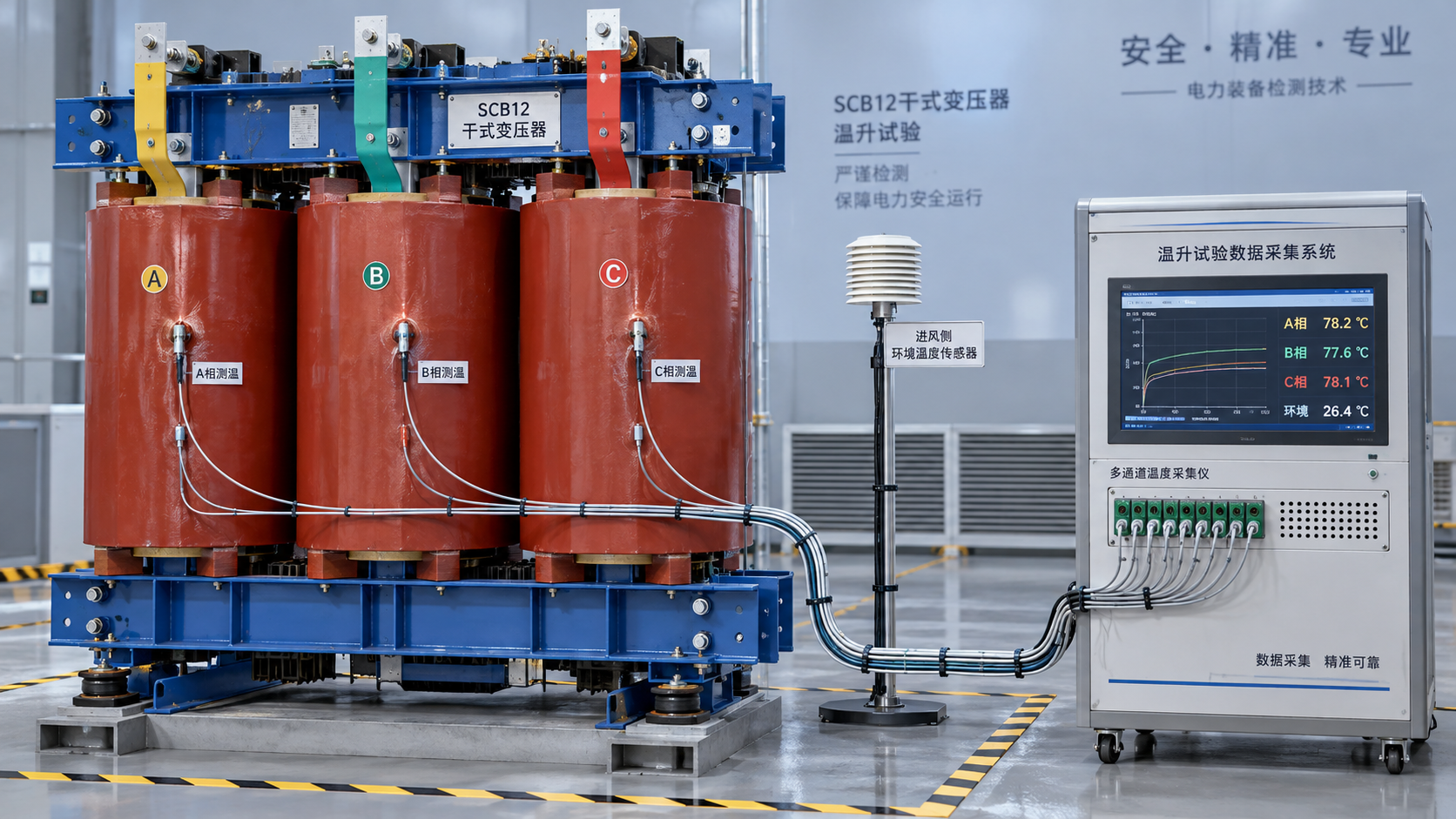
 How to verify the temperature-rise test of an SCB12 dry-type transformer
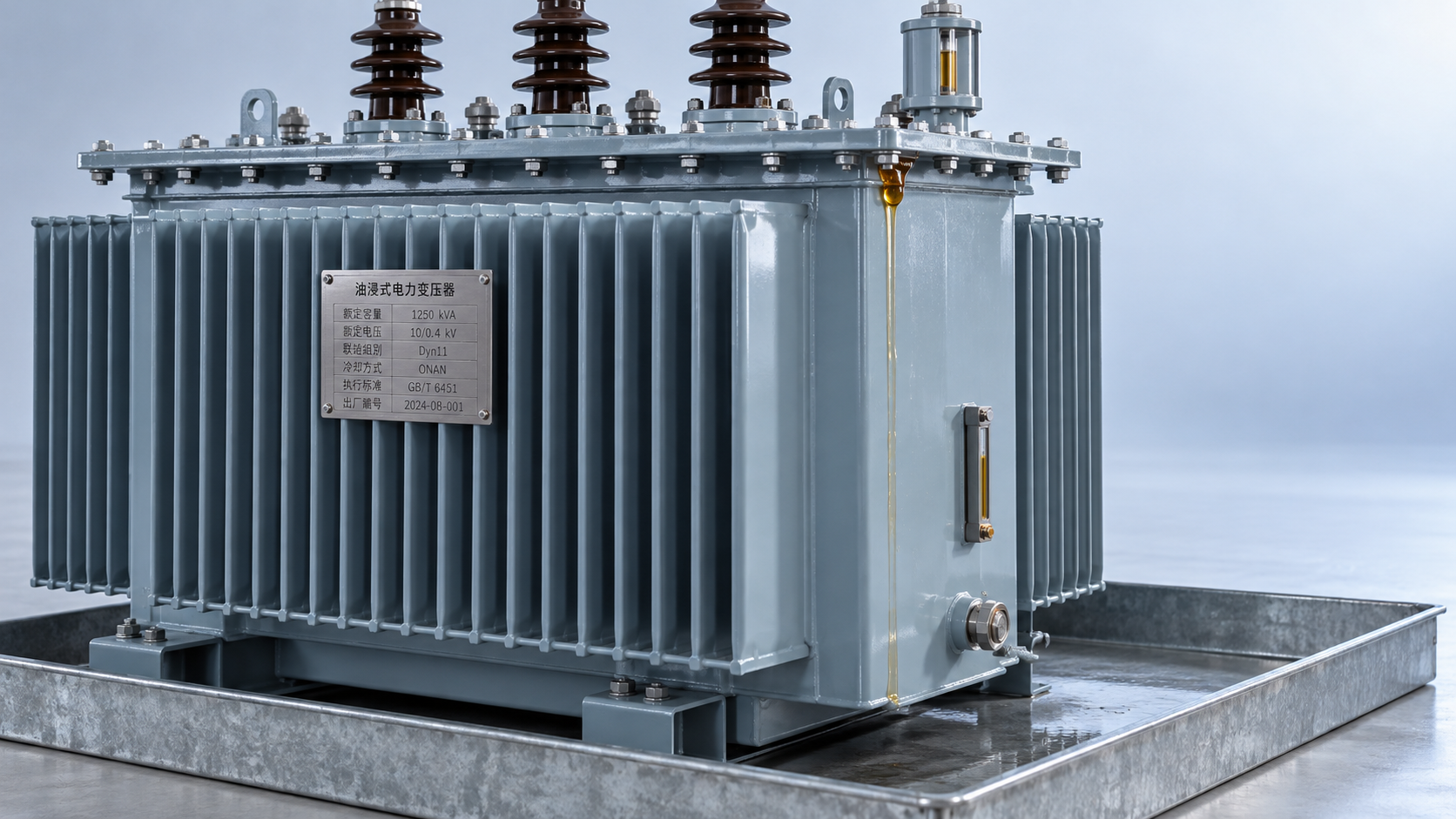
 Distribution transformer maintenance tips for spotting oil leaks
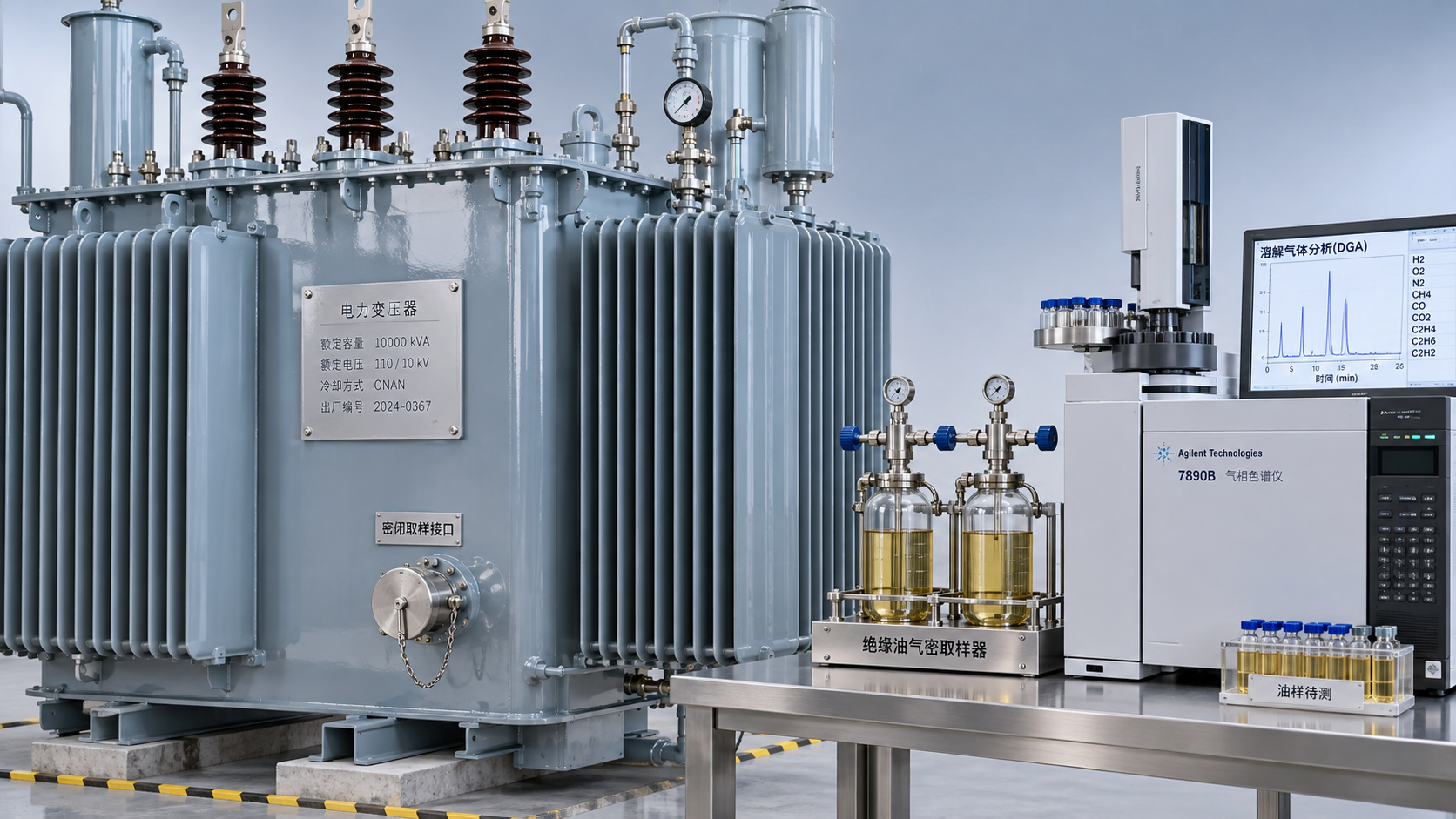
 What dissolved gas analysis reveals about an oil-immersed transformer
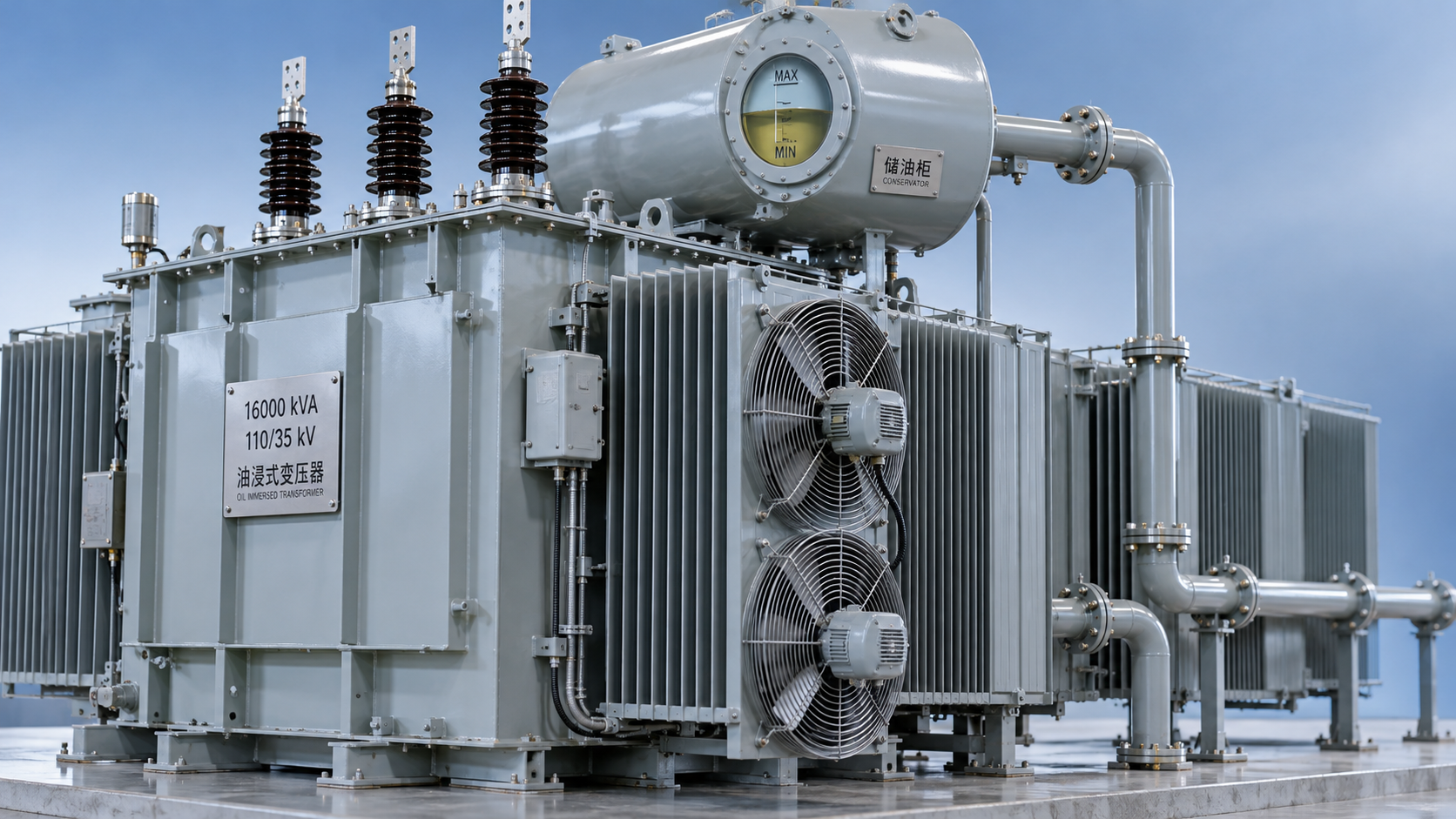
 Why an oil-cooled transformer overheats despite a normal oil level
 How the amorphous core affects SCBH15 dry-type transformer losses
 Sizing S13 oil-immersed transformers for variable wind farm output
GET A FREE QUOTE
We offer reliable products, competitive prices, and nationwide professional support, committed to providing customers with efficient and energy-saving power equipment solutions.