


S20 Transformer vs S22: What Changed in Efficiency and Losses?
For technical evaluators comparing modern distribution equipment, understanding how an S20 transformer differs from an S22 model is essential for balancing efficiency, no-load loss, load loss, and lifecycle cost.
This article examines the key performance changes between the two series, helping you assess which option better fits current energy-saving standards, operating demands, and long-term grid reliability requirements.
Why the S20 transformer became a baseline choice
The S20 transformer is widely viewed as a strong efficiency upgrade over earlier low-loss series.
Its main value comes from lower no-load loss, better magnetic circuit design, and improved operating economics.
In practical selection work, the S20 transformer often meets projects that need credible energy savings without pushing investment too far.
That is why many utilities, industrial sites, and commercial facilities treat it as a balanced benchmark.
Jiangsu Shengda Power Equipment Co., Ltd. manufactures low-loss transformer series including S11, S13, S15, S20, and S22 models.
Its production system follows strict quality control and international standards, supporting consistent product performance in 10KV and 35KV applications.
What changed from S20 to S22
From a selection standpoint, the shift from S20 to S22 is not cosmetic.
The more visible signal is tighter control of energy losses under modern operating conditions.
An S22 design usually aims to reduce no-load loss further than an S20 transformer.
Depending on the manufacturer, load loss may also be optimized through conductor arrangement, core materials, and process refinement.
This matters because no-load loss runs continuously, even when the transformer is lightly loaded.
For assets serving schools, residential zones, hospitals, and municipal systems, that base loss can dominate annual energy waste.
So, when comparing S20 transformer and S22 options, the biggest change is often better lifecycle efficiency, not just a new model name.
Efficiency and losses: the real comparison points
A useful evaluation should separate no-load loss from load loss.
- No-load loss reflects core performance and remains present whenever the unit is energized.
- Load loss depends on actual loading and is tied to conductor resistance and winding structure.
- Total annual loss depends on both values and the site load profile.
If a transformer spends long periods below 50% load, lower no-load loss usually has stronger financial impact.
If loading stays high for most of the day, load loss becomes more important.
That is why a straight price comparison between an S20 transformer and an S22 unit can mislead the decision.
How to decide which model fits the project
A good decision starts with operating data, not catalog language.
- Check annual energization time and typical loading bands.
- Estimate electricity cost across the equipment service life.
- Compare loss values under the same rating and impedance basis.
- Review noise, thermal margin, short-circuit strength, and maintenance environment.
In actual business settings, the S20 transformer remains practical where budget pressure is high and energy targets are moderate.
S22 becomes more attractive where carbon reduction, efficiency compliance, or round-the-clock operation drive the project.
This also means the best option depends on usage profile more than naming sequence.
Where dry-type alternatives enter the discussion
Some projects comparing S20 transformer and S22 units also consider dry-type equipment for indoor or fire-sensitive locations.
In those cases, application environment can outweigh a narrow loss comparison.
For example, Non-Encapsulated Dry-Type Transformer solutions are often used in airports, hospitals, subways, shopping centers, and dense residential areas.
These designs can offer flame retardancy, low smoke output, strong overload capacity, and reliable service in humid or polluted environments.
For indoor distribution systems with strict fire protection requirements, that can shift the evaluation framework completely.
Common risks when comparing S20 transformer and S22
- Comparing different rated capacities and calling it an efficiency result.
- Ignoring site load curve and focusing only on purchase price.
- Treating lower no-load loss as automatically better for every duty cycle.
- Missing installation constraints such as fire code, humidity, and indoor ventilation.
- Using generic assumptions instead of verified manufacturer data and standards compliance.
A disciplined review should always connect transformer losses to actual operating value.
Final selection view
The S20 transformer still makes sense for many balanced distribution projects.
The S22 option usually justifies itself when lower losses deliver measurable savings over long service hours.
So the real question is not whether S22 is newer.
It is whether the extra efficiency improvement changes total ownership cost in your operating scenario.
If you compare the S20 transformer and S22 on equal ratings, real load data, and compliance needs, the right choice becomes much clearer.


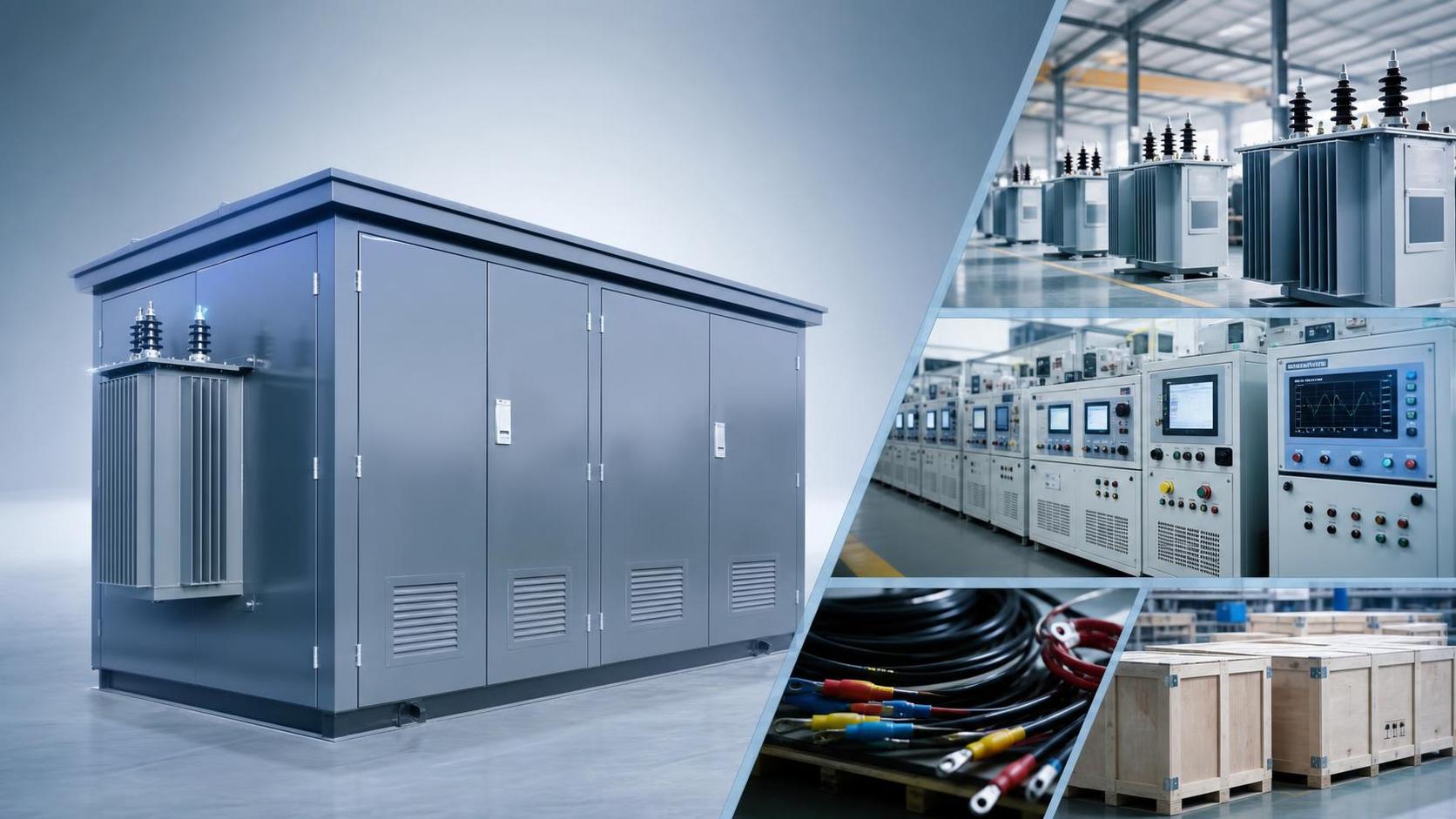
 How to Compare ZGS Combined Substation Suppliers on Lead Time and Support
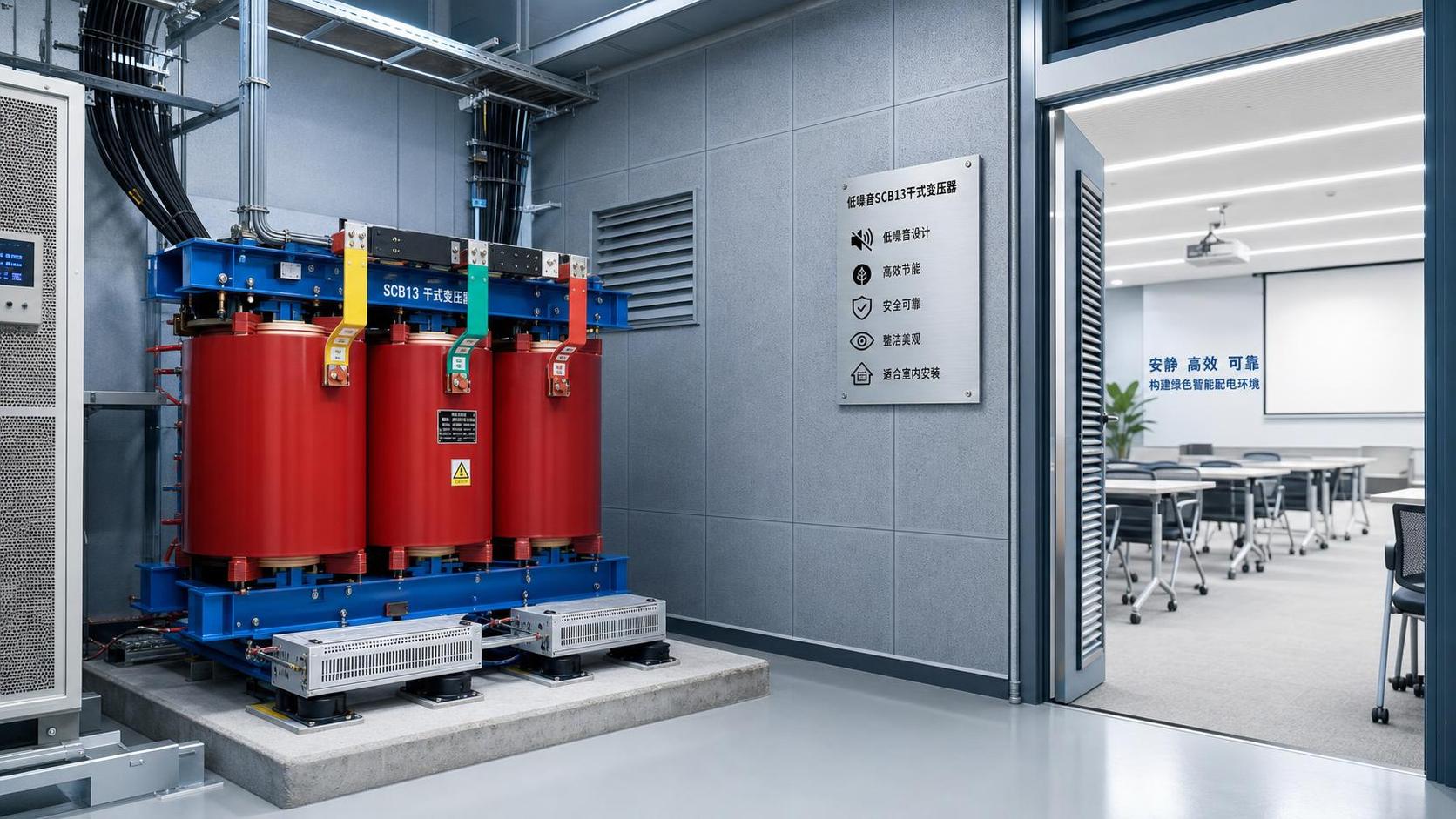
 How Low Noise Improves Indoor Use of SCB13 Dry-Type Transformers
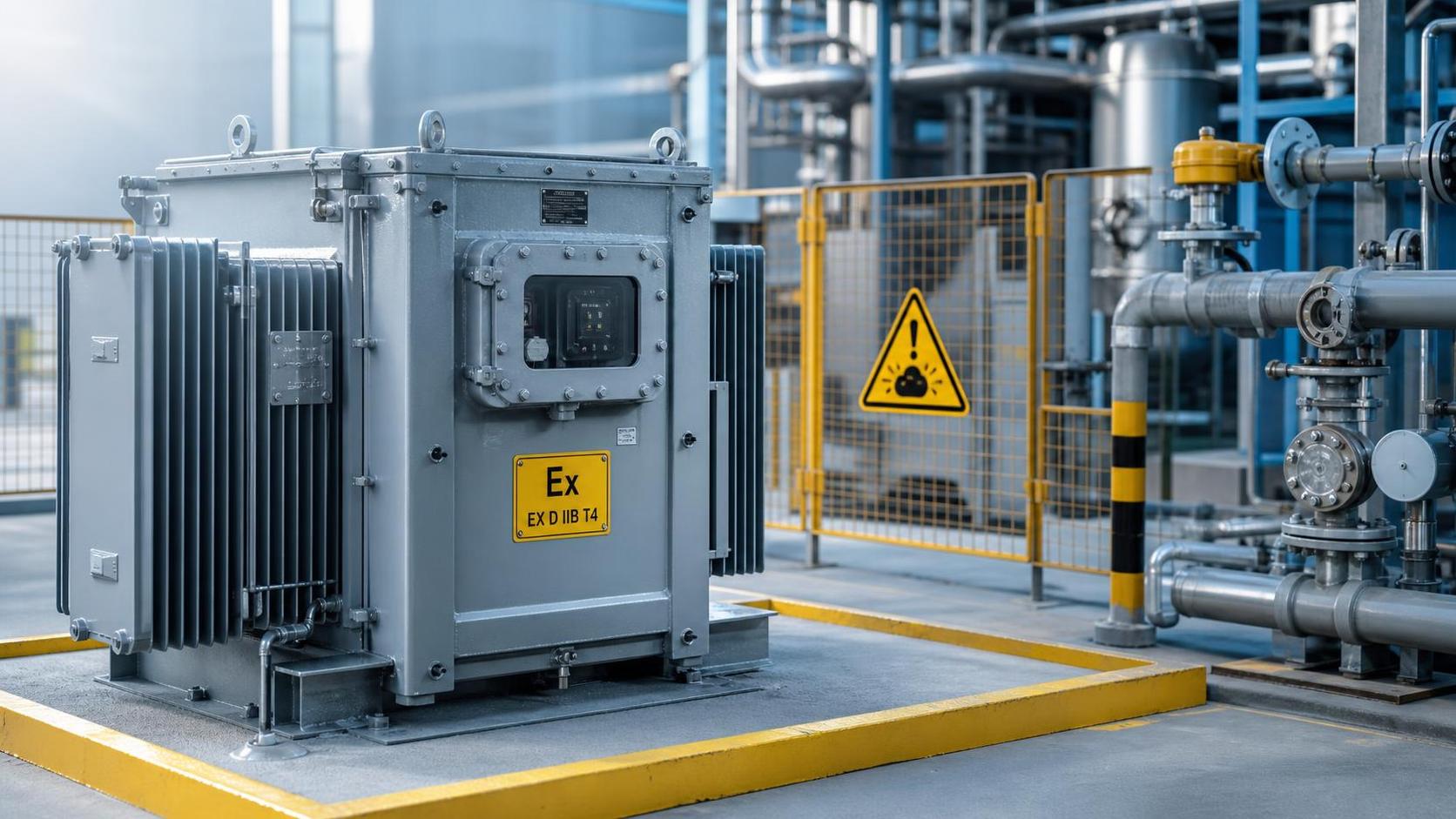
 Where an Explosion Proof Transformer Is Required by Safety Conditions
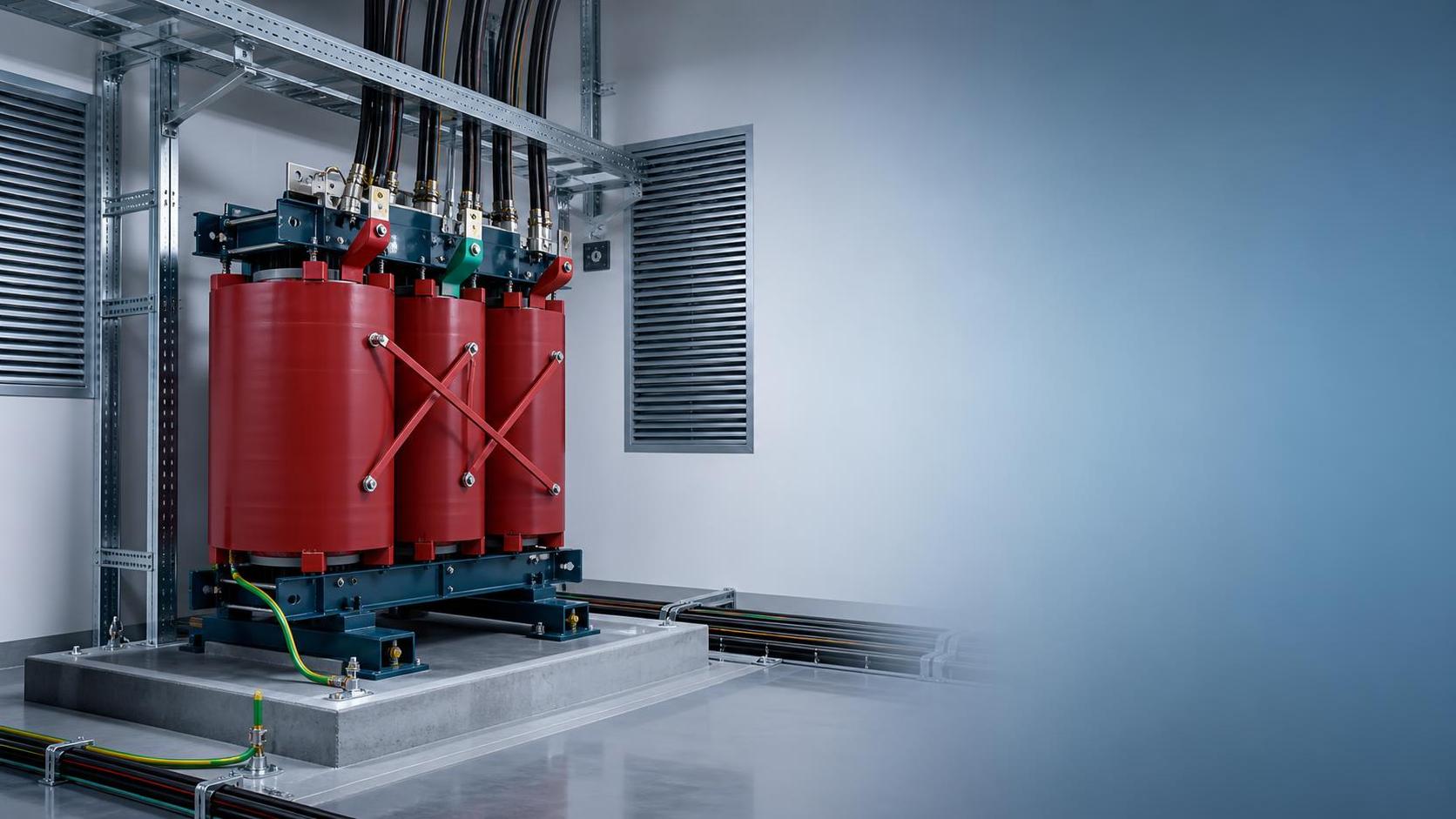
 Distribution Transformer Installation Guide: Common Site Errors to Avoid
 What Affects SCB14 Type Dry-Type Transformer Price Besides Rated Capacity
 SCB12 Type Dry-Type Transformer Applications That Benefit from Resin Insulation
GET A FREE QUOTE
We offer reliable products, competitive prices, and nationwide professional support, committed to providing customers with efficient and energy-saving power equipment solutions.