


S13 Series Oil-Immersed Power Transformer: what really matters before you place an order?
Choosing an S13 Series Oil-Immersed Power Transformer is rarely just a price decision.
In most projects, the better question is whether the unit will deliver stable performance, lower operating loss, and fewer surprises after installation.
That is why many buyers look beyond the nameplate and compare efficiency, build quality, compliance records, and supplier execution.
For S13 Series Oil-Immersed Power Transformer selection, a small mistake in specification can increase energy costs for years.
A weak supplier review can also lead to delivery delays, inconsistent testing, or higher maintenance risk.
The practical approach is to evaluate technical fit, total cost, and manufacturing credibility together.
Is an S13 Series Oil-Immersed Power Transformer the right fit for your application?
This is usually the first useful question.
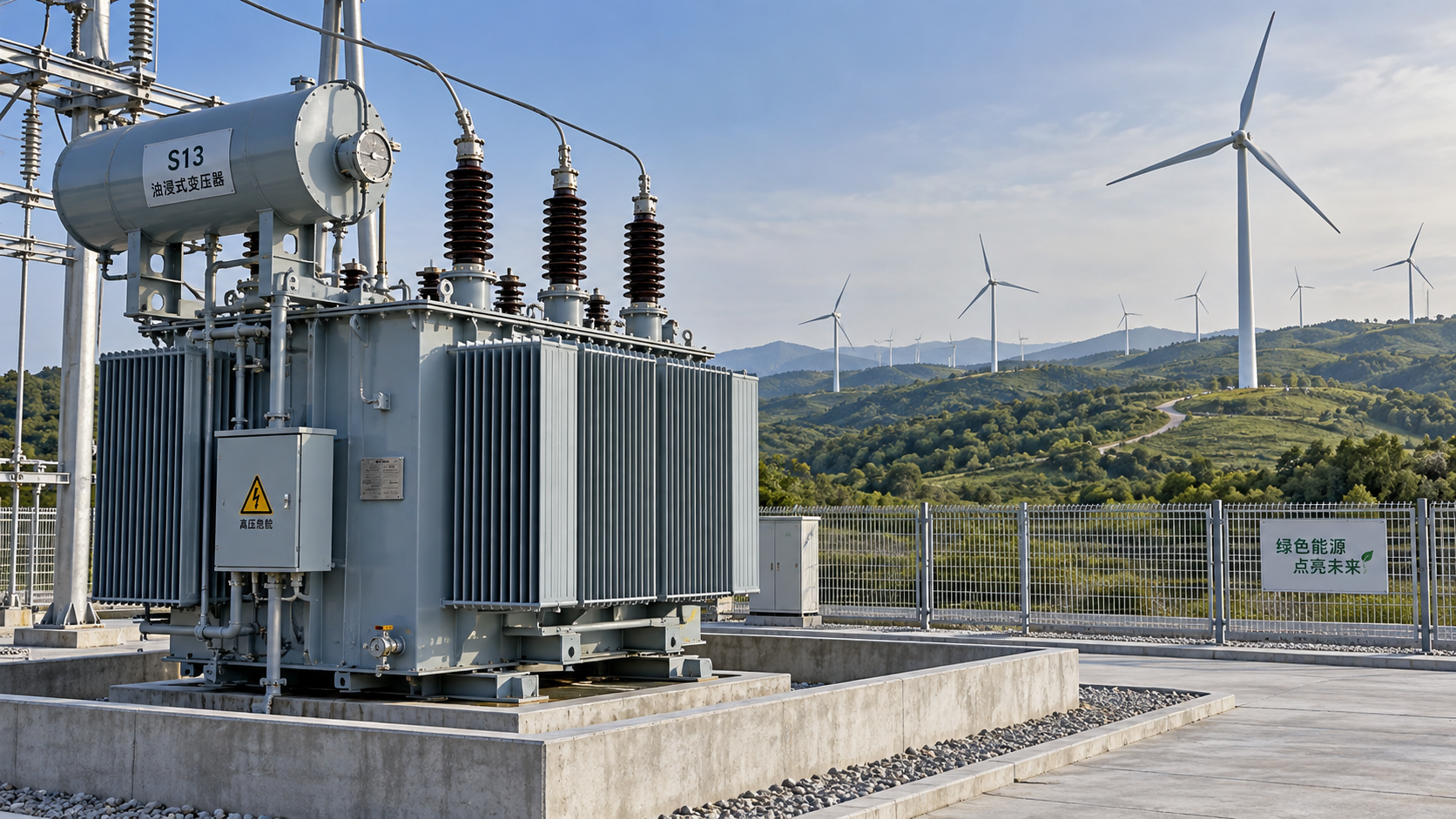
An S13 Series Oil-Immersed Power Transformer is commonly chosen for distribution systems where energy efficiency and reliable long-term operation matter.
Compared with older low-efficiency models, S13 units are designed to reduce no-load loss and improve operating economy.
That makes them suitable for factories, commercial facilities, infrastructure projects, substations, and utility distribution upgrades.
In actual use, the best fit depends on load profile, installation environment, voltage class, and maintenance conditions.
If the transformer will run continuously with stable demand, efficiency becomes a stronger buying factor.
If the site faces dust, heat, moisture, or heavy cycling, structural quality and testing discipline deserve more attention.
Suppliers with broad product coverage are often easier to assess because they understand application differences.
Jiangsu Shengda Power Equipment Co., Ltd. works across low-loss transformer series, 10KV and 35KV models, dry-type transformers, compact substations, and tap-changing units.
That kind of range usually helps when the project team is still comparing oil-immersed and dry-type solutions.
Which specifications should be checked before comparing quotations?
Many quotations look similar until you examine the technical details.
For an S13 Series Oil-Immersed Power Transformer, the most important checks should be documented before price comparison starts.
- Rated capacity, primary voltage, and secondary voltage.
- Impedance voltage and expected short-circuit performance.
- No-load loss and load loss values under the applicable standard.
- Cooling method, insulation level, and temperature rise limits.
- Tap range, tap changer type, and adjustment requirements.
- Oil tank structure, corrosion protection, and accessory configuration.
- Factory test scope, routine reports, and witness inspection options.
A common purchasing mistake is accepting a low quote built around reduced accessories or looser performance commitments.
Another is comparing losses from different standards or test assumptions.
A serious supplier should clearly state compliance with standards such as GB1094.1-2-1996 and GB/T6451-2008, then support that with inspection records.
ISO9001 certification also matters, but it should be treated as a starting point, not the final proof of quality.
A quick comparison table helps avoid weak bids
Before issuing a purchase decision, it helps to score each offer against the same checkpoints.
How do you judge quality when every supplier claims reliability?
This is where procurement usually becomes difficult.
For an S13 Series Oil-Immersed Power Transformer, quality should be checked through process evidence, not advertising language.
Look at manufacturing discipline, incoming material control, coil processing, tank sealing, drying procedures, and final test consistency.
A supplier with strong technical capability should also explain why a design choice improves operational reliability.
In practical terms, comprehensive inspection systems and strict management reduce hidden defects more effectively than broad promises.
That is one reason many buyers favor manufacturers with established R&D, stable production lines, and documented compliance history.
The same review logic also helps when alternative transformer types are under consideration.
For indoor or fire-sensitive environments, some projects compare oil-immersed units with SCB13 Type Dry-Type Transformer options.
Those dry-type models are often selected for low partial discharge, flame-retardant structure, lower noise, and reduced no-load loss versus SCB11 references.
That comparison does not replace S13 selection, but it sharpens the evaluation standard for safety, lifecycle value, and operating environment.
Is the lowest quoted price ever the best deal?
Usually, no.
The better question is total ownership cost across the expected service life of the S13 Series Oil-Immersed Power Transformer.
A cheaper unit may carry higher no-load losses, lower-grade components, weaker corrosion treatment, or less complete accessories.
Those differences are easy to miss during tender review, yet they often become visible after energization.
When electricity prices are high or operating hours are long, loss performance can outweigh a modest upfront price gap.
Delivery timing also has a cost dimension.
A delayed transformer can interrupt construction, postpone commissioning, and trigger contract penalties elsewhere in the project.
That is why a realistic commercial review should include:
- Quoted unit price versus guaranteed loss values.
- Accessory completeness and packaging scope.
- Lead time, shipping readiness, and testing dates.
- Warranty terms and technical response speed.
- Expected maintenance effort during operation.
In other words, the cheapest S13 Series Oil-Immersed Power Transformer may be the most expensive choice once operating losses and delays are counted.
What risks are often overlooked during supplier evaluation?
The overlooked risks are usually simple, not exotic.
One frequent issue is incomplete technical clarification before contract signing.
If tap range, losses, terminal arrangement, or protection accessories remain vague, disputes can appear at inspection or delivery stage.
Another issue is assuming all standards are interpreted in the same way.
You should verify the exact reference standard, test method, and tolerance basis used in the quotation.
There is also a practical documentation risk.
Missing drawings, weak factory test records, or unclear installation instructions can slow site acceptance.
Where project conditions require indoor safety comparison, a second option such as the SCB13 Type Dry-Type Transformer may be reviewed beside the oil-immersed plan.
That kind of side-by-side thinking often reveals whether the selected S13 model is truly aligned with the environment, not just the budget.
A short pre-award checklist can reduce these risks:
- Confirm final technical schedule line by line.
- Request standard references in writing.
- Review routine test scope before production begins.
- Lock delivery milestones and packing requirements.
- Check after-sales contacts and response commitments.
What is the smartest next step before confirming an S13 Series Oil-Immersed Power Transformer order?
Start by reducing ambiguity.
A clear load profile, installation condition summary, and loss target will improve every quotation you receive.
Then compare each S13 Series Oil-Immersed Power Transformer offer against the same technical and commercial matrix.
That should include standards compliance, efficiency data, manufacturing control, delivery reliability, and service readiness.
When a supplier can show strong technical depth, sophisticated manufacturing processes, comprehensive inspection, and consistent quality management, the purchase risk usually becomes easier to measure.
The goal is not simply to buy a transformer.
It is to secure a unit that fits the site, meets standards, controls operating cost, and arrives on time without hidden compromises.
For that reason, the strongest buying decision is usually built on verified data, not the lowest initial number.
If the comparison still feels close, request final clarification on losses, tests, accessories, and lead time before release.
That extra step often makes the difference between a smooth project and an expensive correction later.



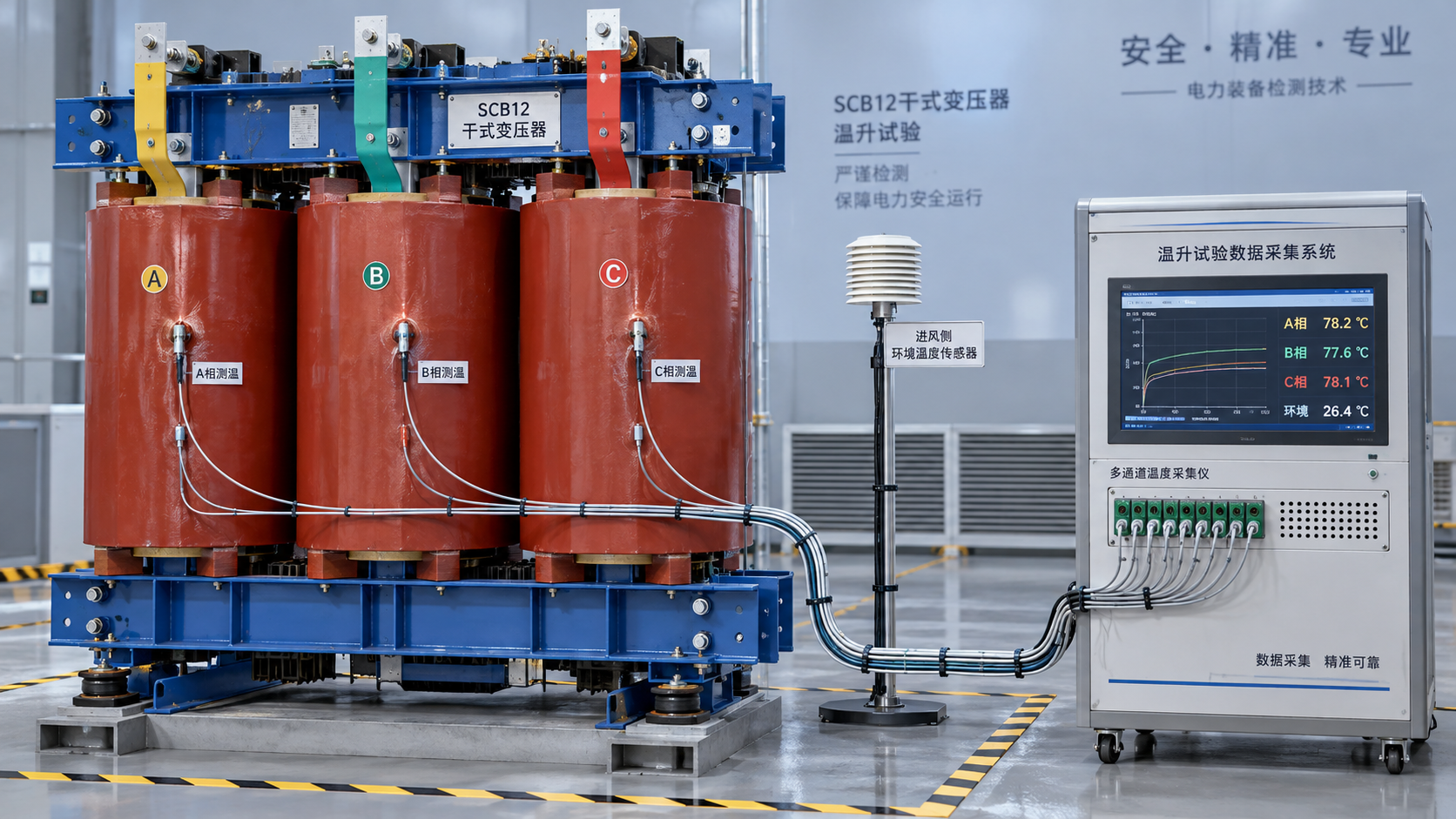
 How to verify the temperature-rise test of an SCB12 dry-type transformer
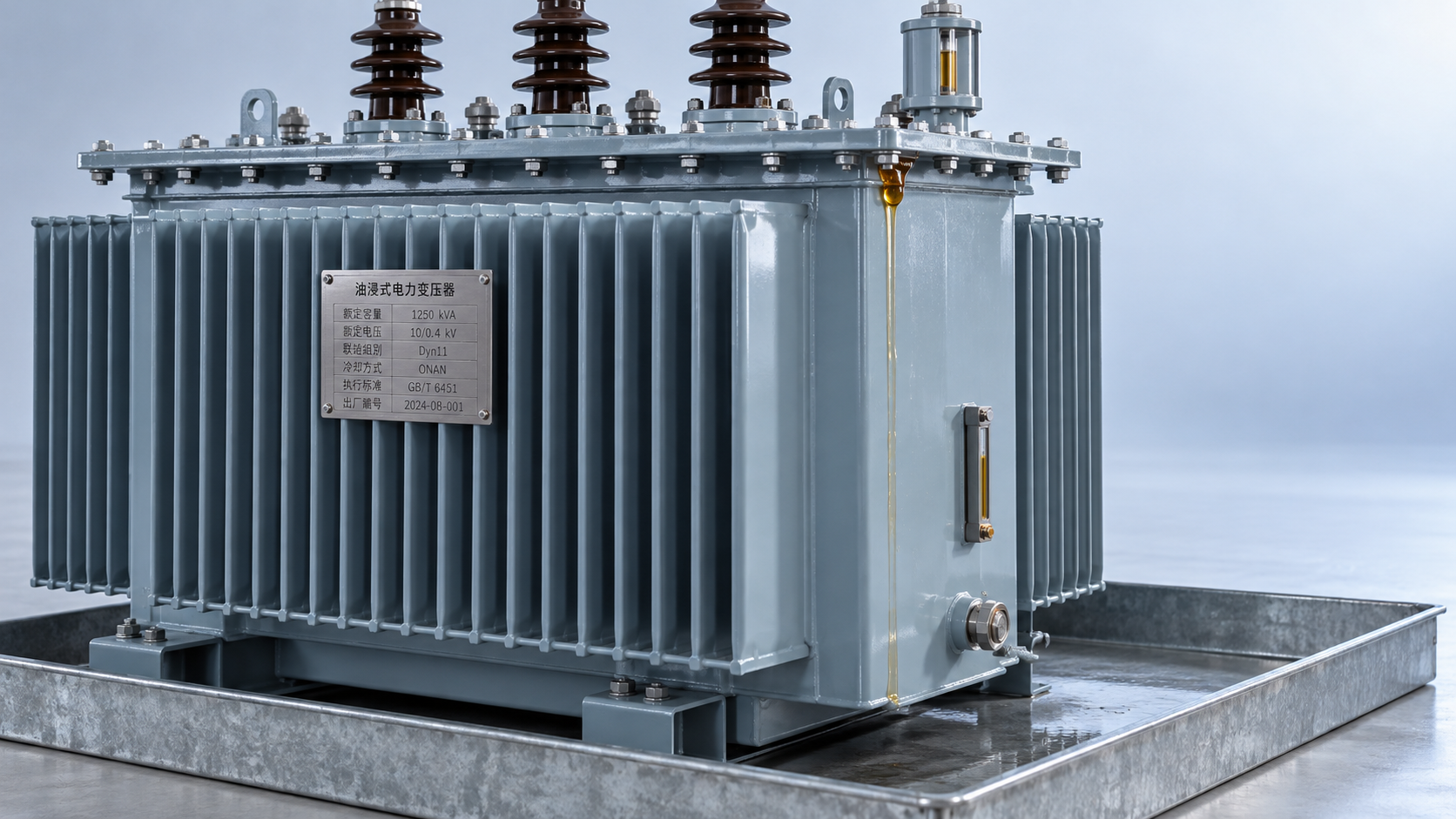
 Distribution transformer maintenance tips for spotting oil leaks
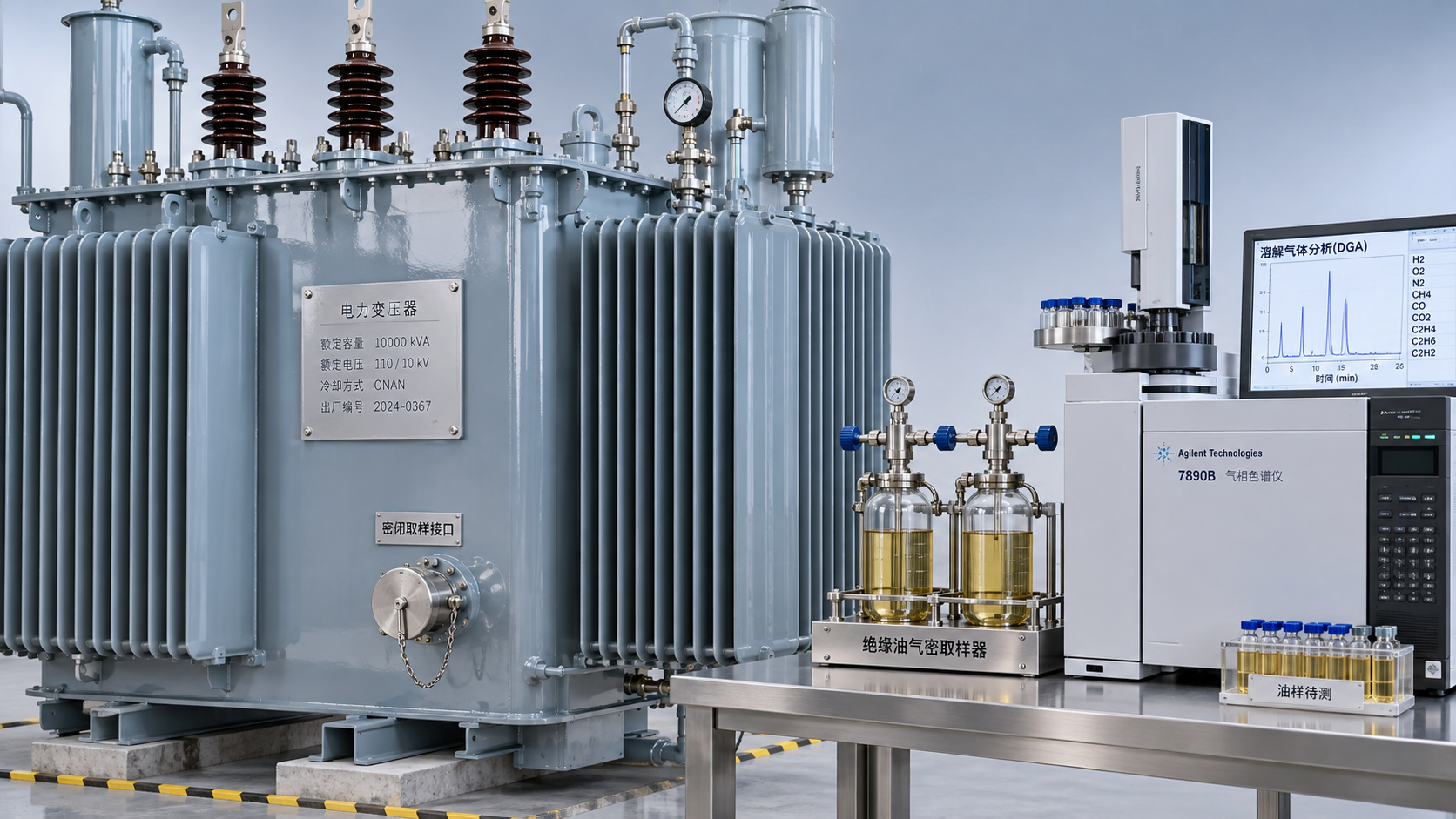
 What dissolved gas analysis reveals about an oil-immersed transformer
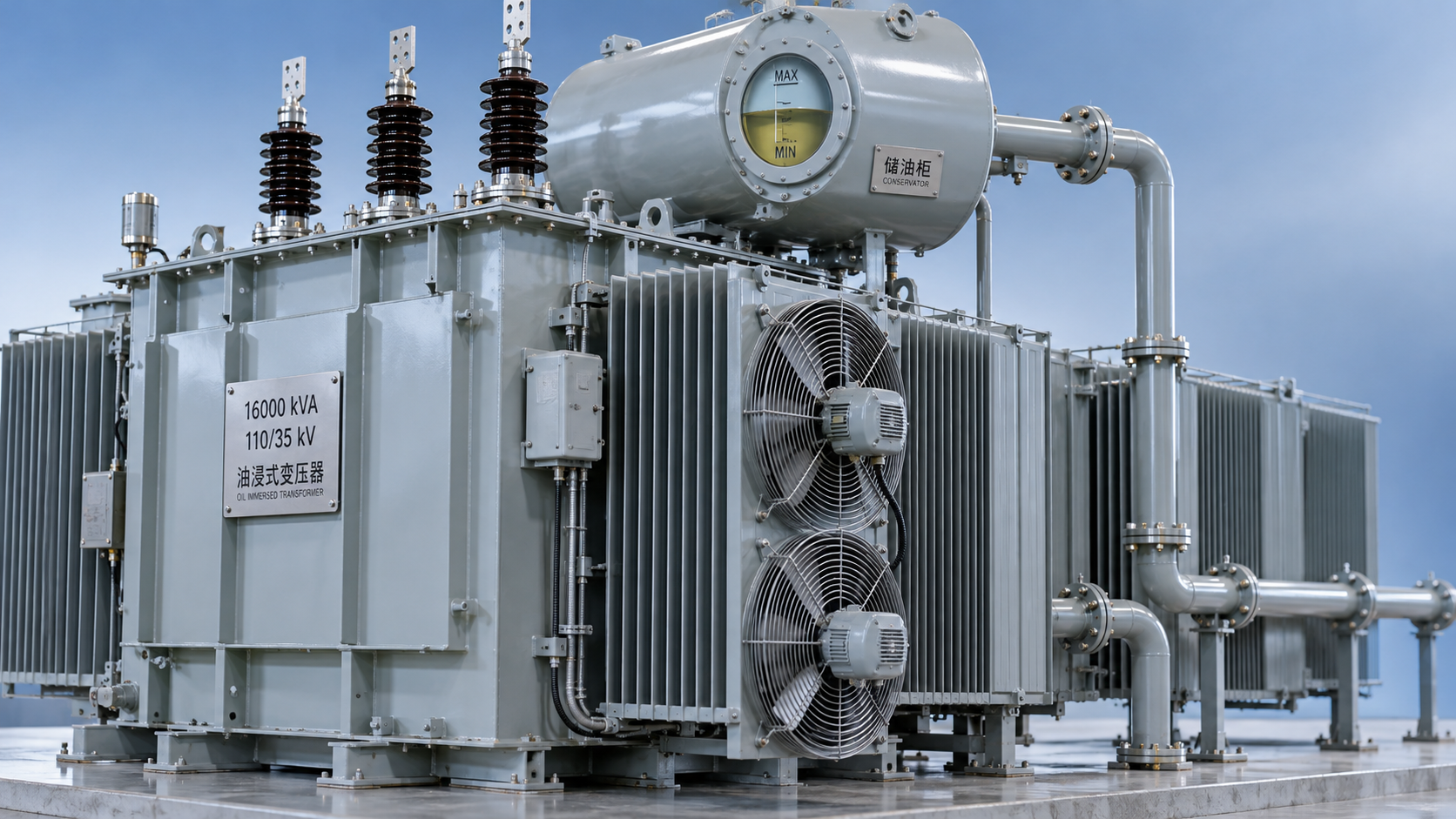
 Why an oil-cooled transformer overheats despite a normal oil level
 How the amorphous core affects SCBH15 dry-type transformer losses
 Sizing S13 oil-immersed transformers for variable wind farm output
GET A FREE QUOTE
We offer reliable products, competitive prices, and nationwide professional support, committed to providing customers with efficient and energy-saving power equipment solutions.