


Oil-Immersed Transformer vs Dry-Type: Which Fits Your Site
Choosing between an oil-immersed transformer and a dry-type unit can directly affect project safety, operating cost, maintenance strategy, and long-term ROI.
That decision becomes even more important when the installation site has tight fire rules, limited space, or demanding uptime targets.
In practical procurement, the comparison is rarely about one technology being universally better.
The real question is simpler: which transformer type matches your environment, load profile, compliance path, and operating model with the least risk.
Start With the Core Difference
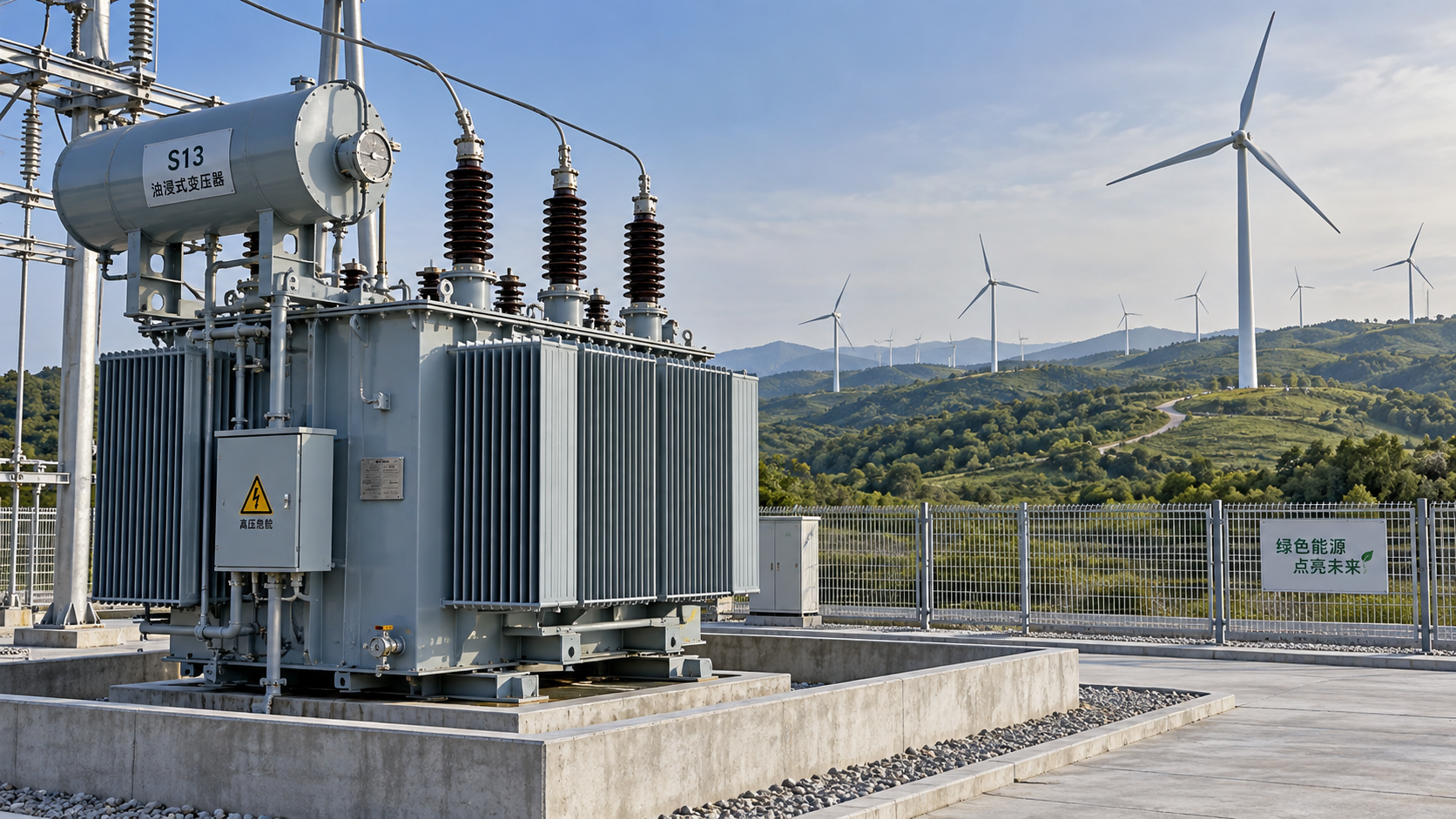
An oil-immersed transformer uses insulating oil for cooling and electrical insulation.
A dry-type transformer uses air and solid insulation materials instead of liquid insulation.
This single design difference drives most of the tradeoffs in safety, maintenance, noise, footprint, and installation flexibility.
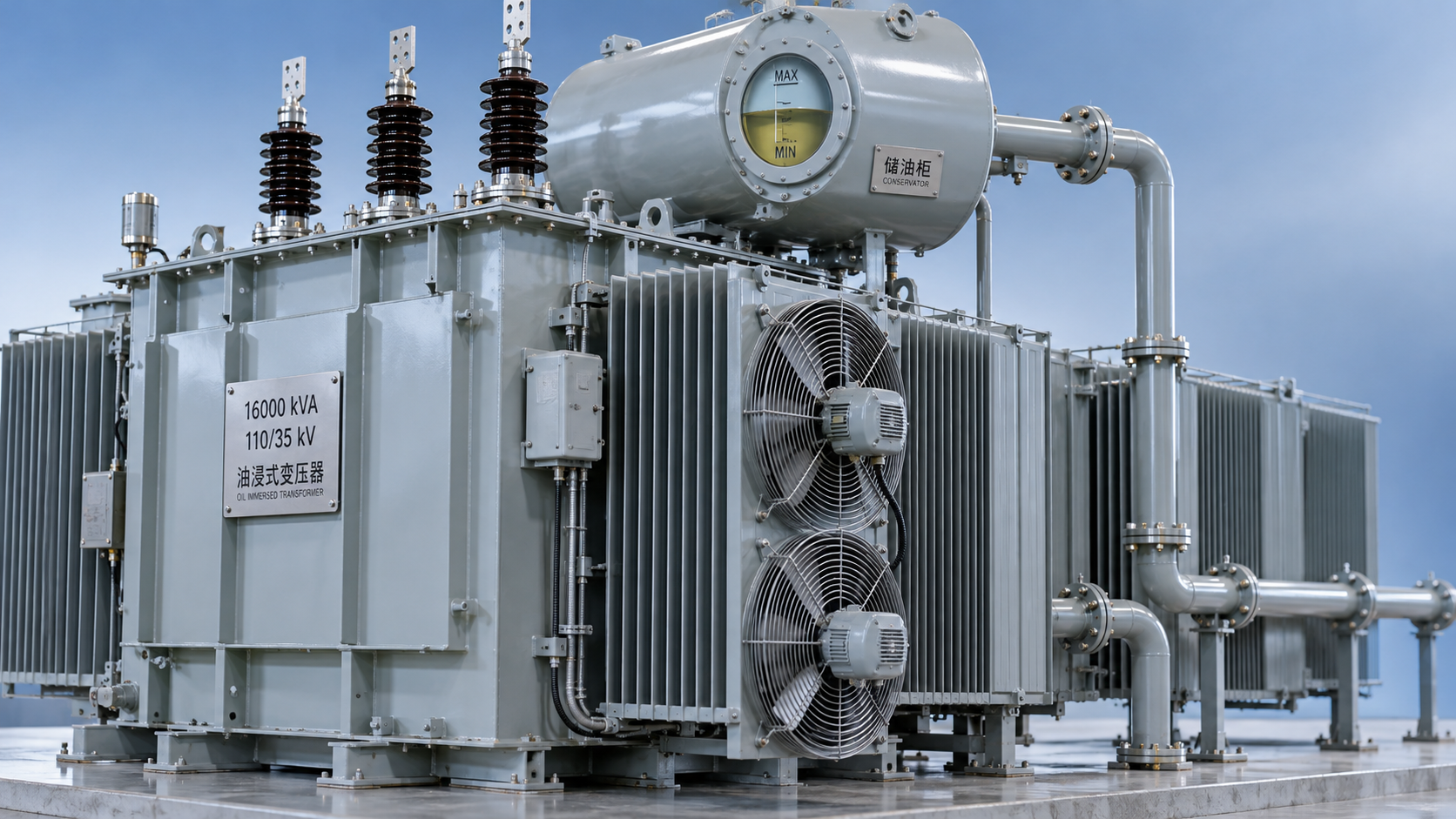
Oil-immersed transformer designs are often chosen for outdoor substations, utility networks, industrial plants, and higher-capacity duty.
Dry-type units are more common inside buildings, commercial complexes, hospitals, data-related facilities, and sites with stricter fire expectations.
How Safety Changes the Decision
Safety is usually the first screening factor.
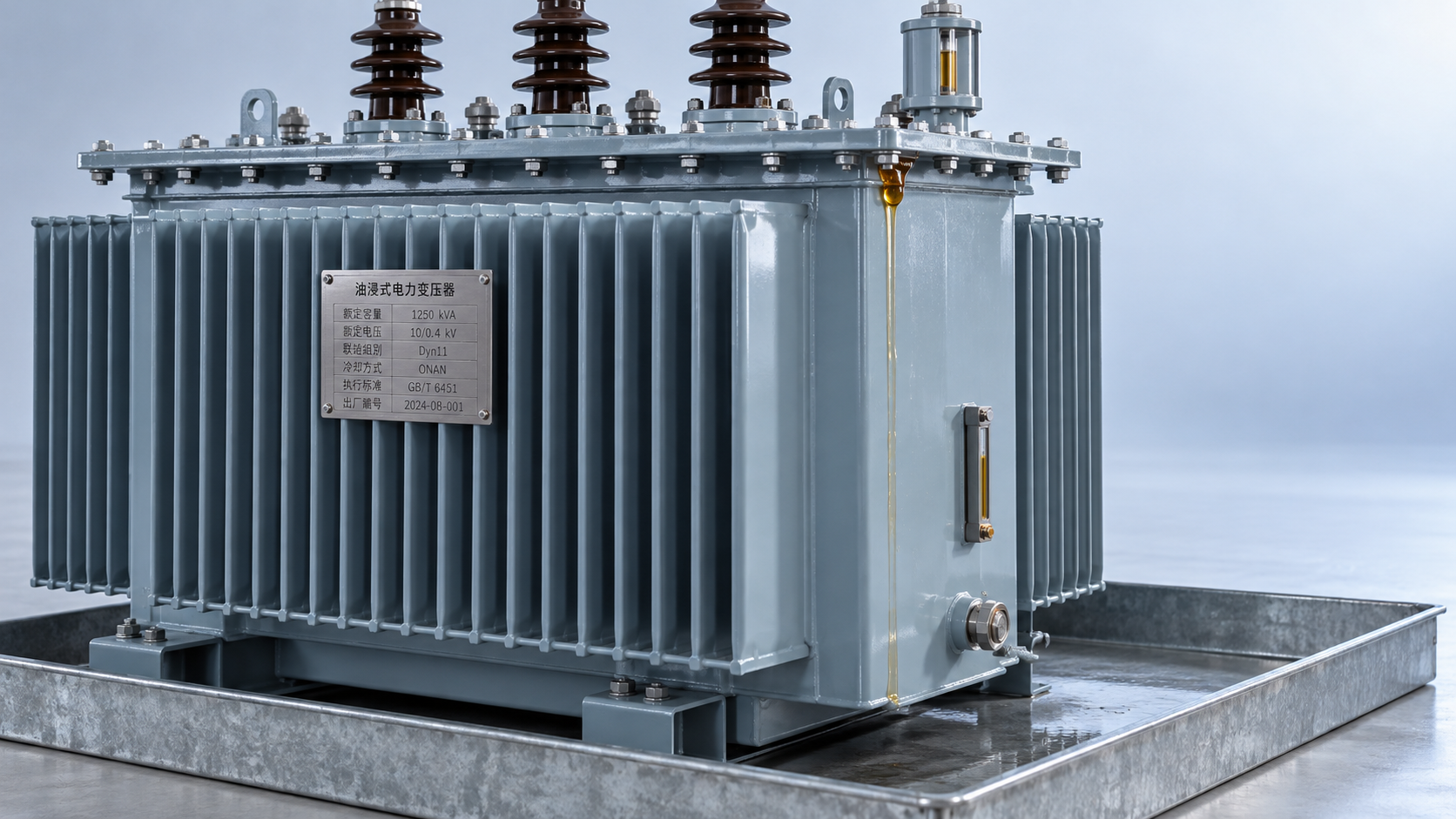
An oil-immersed transformer contains combustible insulating liquid, so fire separation, oil containment, drainage, and ventilation may become part of the project scope.
That does not make it unsafe.
It means the site must be engineered correctly, inspected properly, and maintained with discipline.
Dry-type transformers reduce leakage concerns because there is no insulating oil.
This can simplify indoor approval, especially in dense buildings where evacuation routes, air circulation, and occupied space matter.
If your project team is already facing strict fire codes, a dry-type option often moves through review with fewer civil protection additions.
Installation Environment Matters More Than Preference
Site conditions usually decide the answer faster than price sheets do.
For outdoor yards, mining operations, remote utility points, and heavy industrial campuses, an oil-immersed transformer remains a practical and proven choice.
It handles large distribution tasks well and fits established substation layouts.
For shopping centers, office towers, airports, schools, and medical buildings, dry-type installation often makes more operational sense.
Indoor placement can shorten cable runs, reduce separate equipment rooms, and support easier integration into building services.
When the transformer must sit near people, equipment rooms, or controlled interior zones, dry-type designs usually gain an advantage.
Performance, Losses, and Load Behavior
Both transformer types can deliver reliable performance when correctly specified.
Still, load pattern matters.
An oil-immersed transformer often performs very well in high-capacity continuous duty, especially where thermal stability is a major concern.
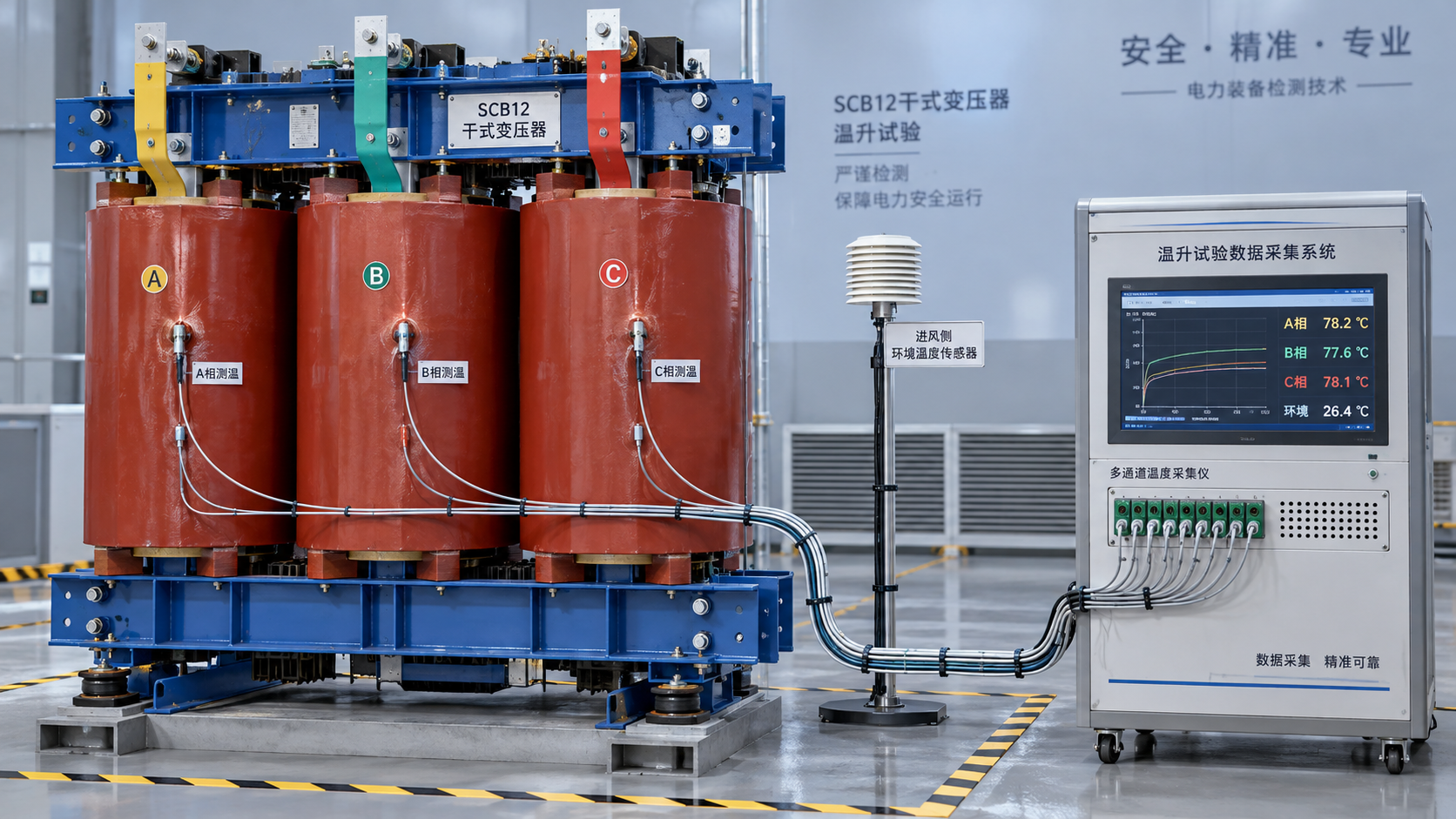
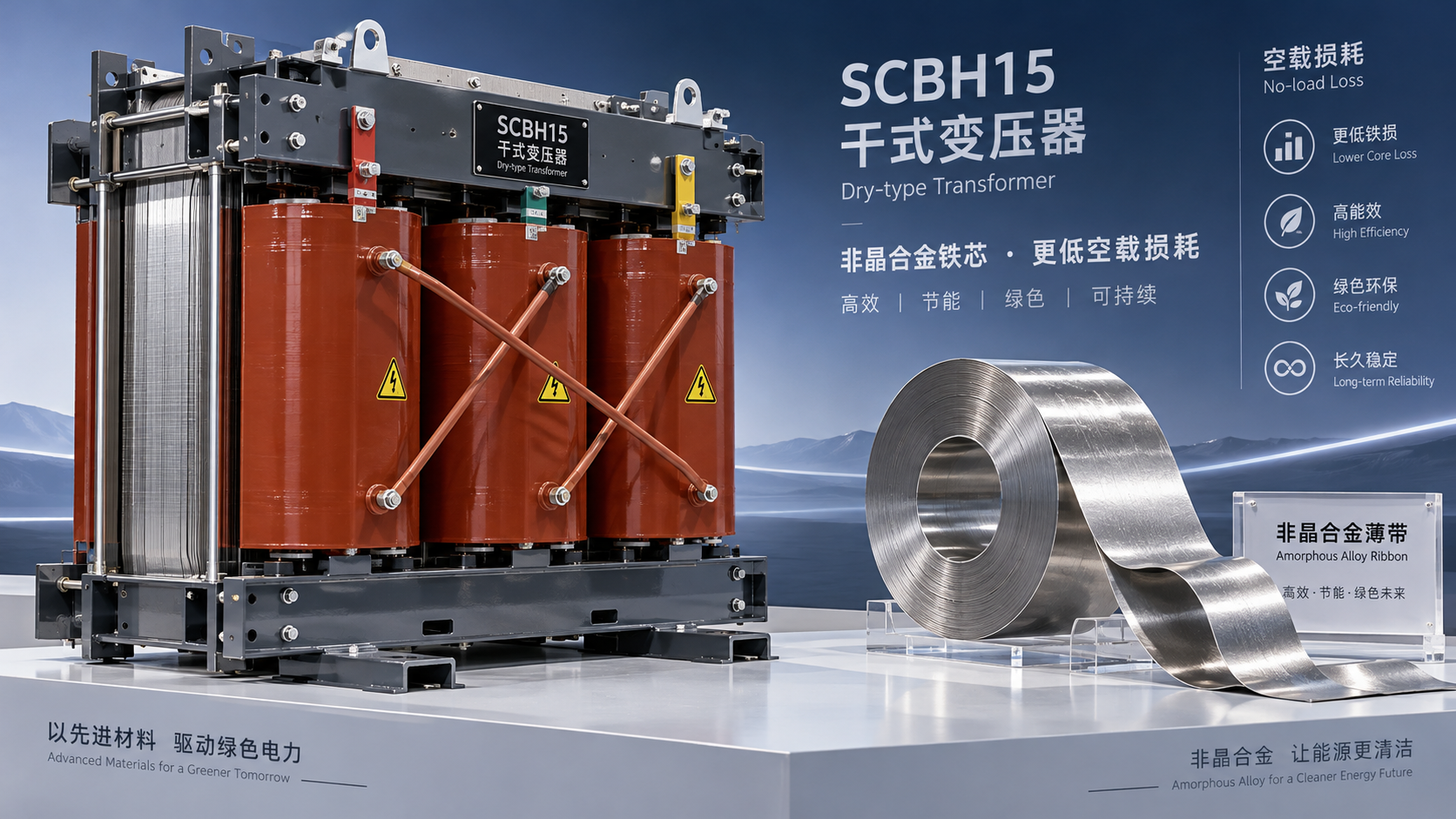
Dry-type units have improved significantly, especially modern cast-resin designs built for low loss, stable insulation, and dependable overload behavior.
A good example is the SCB11 Type Dry-Type Transformer.
Its optimized high-voltage coil structure improves electric field distribution and interlayer voltage balance.
It also reduces partial discharge and enhances overload capacity, which matters on sites with fluctuating demand.
With a capacity range of 30 to 20000KVA and voltage up to 35KV, this kind of dry-type solution covers far more applications than many buyers assume.
Maintenance and Lifecycle Cost
Initial purchase price should never be the only comparison point.
A lower quoted cost can disappear quickly if installation complexity, inspection frequency, or downtime risk is higher.
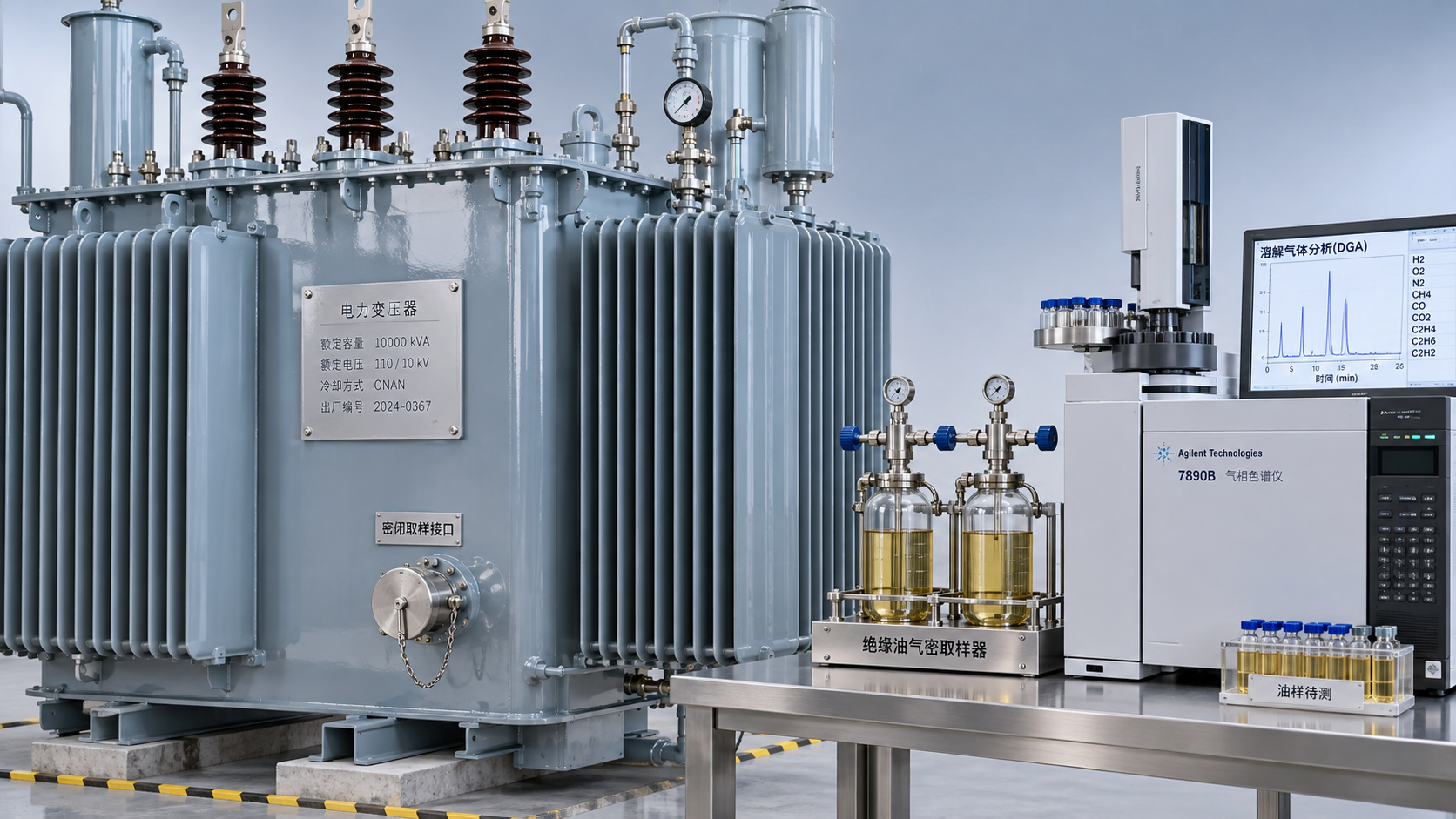
An oil-immersed transformer may require oil testing, leak monitoring, sealing checks, and more structured preventive maintenance routines.
That is manageable for operators with trained maintenance teams and established service schedules.
Dry-type units generally simplify routine maintenance because there is no oil handling process.
Inspection usually focuses on cleanliness, ventilation, connections, insulation condition, and thermal monitoring.
For sites that value low intervention and easier housekeeping, dry-type lifecycle cost can become very attractive over time.
Noise, Space, and Building Integration
These factors are often underestimated during early budgeting.
Yet they can strongly affect the final decision.
An oil-immersed transformer may need dedicated outdoor placement or a separated transformer bay, depending on local rules.
That can increase cable routing distance and civil design work.
Dry-type options can support closer installation to load centers.
This often improves distribution efficiency at the system level, even if the equipment quote is higher.
Advanced dry-type designs also address noise reduction through better core materials and magnetic optimization.
For mixed-use buildings or noise-sensitive facilities, that detail can carry real commercial value.
A Practical Comparison Table
Questions That Help You Decide Faster
Before comparing quotations, ask these questions internally.
- Will the transformer be installed indoors, outdoors, or near occupied areas?
- Do local fire and environmental rules increase the cost of using an oil-immersed transformer?
- Is the load continuous, seasonal, or highly variable?
- How strong is the site maintenance team?
- Will downtime create production loss, tenant disruption, or service penalties?
- Can the project benefit from a transformer placed closer to the load?
- Is future expansion likely within the same electrical room or substation footprint?
Where Product Quality and Standards Enter the Picture
Technology choice matters, but manufacturing quality matters just as much.
A well-built oil-immersed transformer will usually outperform a poorly built dry-type unit, and the reverse is also true.
That is why buyers should verify standards, test systems, and process control before making a final decision.
Jiangsu Shengda Power Equipment Co., Ltd. focuses on transformer R&D, manufacturing, and sales with a strong quality inspection framework.
Its products comply with international standards including GB1094.1-2-1996 and GB/T6451-2008, and the company is ISO9001 certified.
That background is relevant when evaluating low-loss series, 10KV and 35KV models, compact substations, dry-type units, and on-load tap-changing solutions.
Final Recommendation by Site Type
Choose an oil-immersed transformer when outdoor installation is available, high capacity is central, and the site can support structured maintenance and protection measures.
Choose dry-type when indoor safety, clean operation, lower routine maintenance, and closer load placement are stronger priorities.
If your site includes commercial interiors, public access zones, or limited fire separation space, dry-type often becomes the more efficient business decision.
If you are assessing a modern dry-type option, review thermal control, overload support, partial discharge performance, and insulation reliability carefully.
For example, the SCB11 platform can be configured with temperature control and air-cooling devices, with cooling fans activated during excessive load.
That gives projects more operating flexibility without giving up the core advantages of a dry-type transformer.
The best decision usually comes from matching site reality with lifecycle economics, not from following a default preference.
When the comparison is done properly, the right transformer type becomes clear, and the project moves forward with fewer surprises later.



 How to verify the temperature-rise test of an SCB12 dry-type transformer
 Distribution transformer maintenance tips for spotting oil leaks
 What dissolved gas analysis reveals about an oil-immersed transformer
 Why an oil-cooled transformer overheats despite a normal oil level
 How the amorphous core affects SCBH15 dry-type transformer losses
 Sizing S13 oil-immersed transformers for variable wind farm output
GET A FREE QUOTE
We offer reliable products, competitive prices, and nationwide professional support, committed to providing customers with efficient and energy-saving power equipment solutions.