


S22 Transformers for Oil and Gas: What Affects Reliability
For oil and gas facilities, transformer reliability is never a minor specification issue.
A failure can interrupt pumping, refining, compression, control systems, and site safety at the same time.
That is why S22 Series Oil-Immersed Power Transformers for oil and gas industry must be assessed beyond nameplate data.
The more useful question is simple: what really drives dependable service over years of demanding operation?
In practice, reliability comes from design quality, insulation strength, thermal control, process discipline, and standard compliance working together.
This also means technical evaluation should focus on operating conditions, not only catalog promises.
Why Reliability Matters More in Oil and Gas
Oil and gas sites expose electrical equipment to harsher duty cycles than many general industrial plants.
Loads change fast during startup, shutdown, pumping, compression, and emergency transfer events.
Ambient temperature may be high, ventilation may be limited, and corrosive contaminants can accelerate material aging.
Under these conditions, S22 Series Oil-Immersed Power Transformers for oil and gas industry need stable dielectric and thermal performance.
A technically sound unit should tolerate voltage fluctuation, harmonic stress, overload periods, and outdoor exposure without rapid deterioration.
That is the baseline for any serious procurement review.
Insulation System Quality Is the Core Factor
When reliability drops, insulation weakness is often somewhere in the chain.
For S22 Series Oil-Immersed Power Transformers for oil and gas industry, the oil-paper insulation system must resist thermal, electrical, and moisture-related stress.
Poor oil purity, weak drying control, or inconsistent winding insulation can shorten service life quickly.
During evaluation, look closely at these insulation indicators:
- oil treatment process and moisture control
- insulation material grade and aging resistance
- partial discharge control during production testing
- sealing performance against water ingress and contamination
Lower partial discharge usually points to better internal consistency and lower long-term insulation risk.
This matters even more where continuous service is expected and outages are expensive.
Thermal Performance and Load Stability
Heat is one of the most direct reliability enemies in transformer operation.
If internal temperature rises beyond design expectations, insulation aging speeds up and mechanical strength declines.
For S22 Series Oil-Immersed Power Transformers for oil and gas industry, stable temperature rise performance is critical under fluctuating loads.
Evaluation should cover conductor design, oil circulation path, cooling arrangement, and overload tolerance.
It helps to ask whether test data reflects actual field duty rather than ideal laboratory balance.
A reliable transformer should maintain predictable hot-spot behavior during repeated load swings.
That is especially important in compressor stations, processing plants, and remote field installations.
Short-Circuit Strength and Mechanical Integrity
Some transformers perform well in routine service but fail after fault stress.
That usually indicates insufficient mechanical robustness in the winding or clamping structure.
S22 Series Oil-Immersed Power Transformers for oil and gas industry should be reviewed for short-circuit withstand capability and structural stability.
Fault current creates strong electromagnetic force inside the winding assembly.
If compression is weak or coil support is inconsistent, displacement may occur even without visible external damage.
Over time, that hidden movement can trigger insulation cracks, local heating, and eventual failure.
Ask for evidence of design validation, process control, and routine inspection for winding geometry.
Manufacturing Discipline Often Decides Real-World Reliability
Two transformers with similar specifications can perform very differently in service.
The gap usually comes from manufacturing consistency rather than brochure language.
Jiangsu Shengda Power Equipment Co., Ltd. positions quality around R&D capability, mature production processes, inspection systems, and strict management.
That combination matters because S22 Series Oil-Immersed Power Transformers for oil and gas industry depend on repeatable execution.
The most relevant checkpoints usually include:
- core stacking accuracy and magnetic material control
- winding tension consistency and conductor cleanliness
- vacuum drying and oil filling discipline
- routine test completeness before shipment
ISO9001 certification is useful, but process evidence is even more useful during technical review.
Standards Compliance Is a Reliability Signal, Not Just a Formality
Compliance should never be treated as a checkbox at the end of the file.
It is one of the clearest signals that design, testing, and manufacturing follow a controlled framework.
For S22 Series Oil-Immersed Power Transformers for oil and gas industry, documented compliance with GB1094.1-2-1996 and GB/T6451-2008 supports a more credible evaluation.
Standards help define expectations for loss, temperature rise, dielectric strength, and basic performance consistency.
More importantly, they reduce ambiguity when comparing suppliers.
From a risk perspective, the question is not whether a standard is listed.
The better question is whether the supplier can show disciplined conformity in test records and quality flow.
Environmental and Site Conditions Change the Selection Logic
Reliability is always linked to where the transformer will actually work.
In coastal plants, corrosion resistance becomes more important.
In desert sites, dust and high temperature may dominate the risk picture.
In enclosed indoor substations, fire behavior and ventilation limits may change the preferred solution.
That is where comparing technologies becomes practical, not theoretical.
For some indoor or fire-sensitive applications, SCB13 Type Dry-Type Transformer can be relevant as a complementary option.
Its lower no-load loss, very low partial discharge, reduced noise, flame-retardant behavior, and explosion-proof characteristics address a different reliability profile.
This does not replace oil-immersed selection logic, but it helps clarify application boundaries.
What to Check Before Final Approval
A reliable review process should translate technical concerns into practical checkpoints.
Before approving S22 Series Oil-Immersed Power Transformers for oil and gas industry, confirm the following:
- Rated capacity matches real load profile, including transient peaks.
- Insulation design suits ambient temperature, humidity, and contamination exposure.
- Loss data is documented and aligned with efficiency targets.
- Short-circuit strength and temperature rise data are available.
- Routine and type test records are complete and traceable.
- Manufacturing quality control is visible, not only claimed.
- Applicable standards and certification status are clearly documented.
This kind of checklist improves decision quality and reduces lifecycle surprises.
A Practical View of Long-Term Reliability
Long-term transformer reliability is rarely the result of one standout feature.
It comes from balanced performance across insulation, heat control, structural strength, process quality, and standards compliance.
For that reason, S22 Series Oil-Immersed Power Transformers for oil and gas industry should be judged by operating resilience, not headline specifications alone.
A careful technical review should connect field conditions, risk tolerance, and supplier evidence into one decision path.
When those factors align, the selected transformer is far more likely to deliver stable, efficient, and safe service over time.



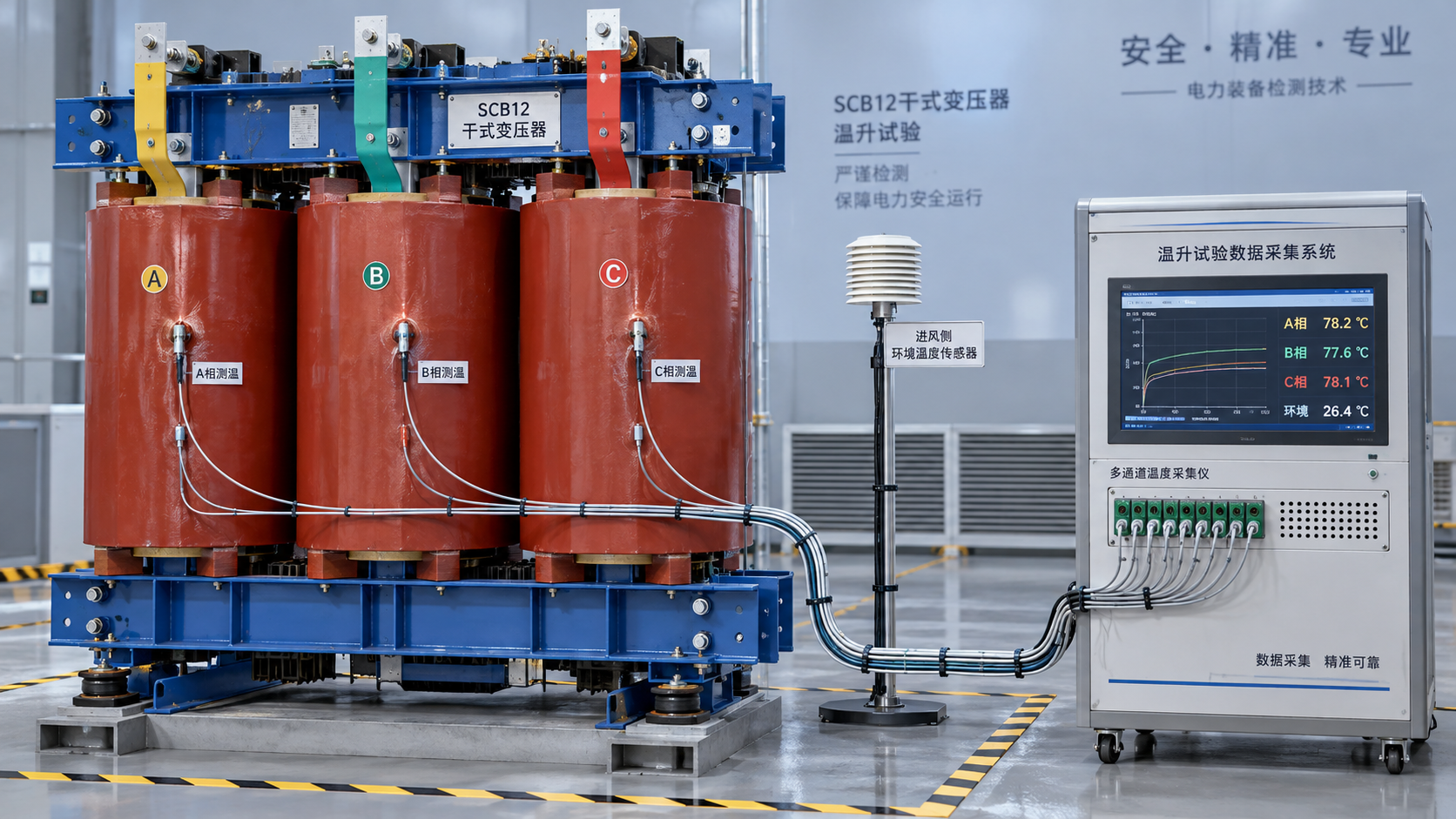
 How to verify the temperature-rise test of an SCB12 dry-type transformer
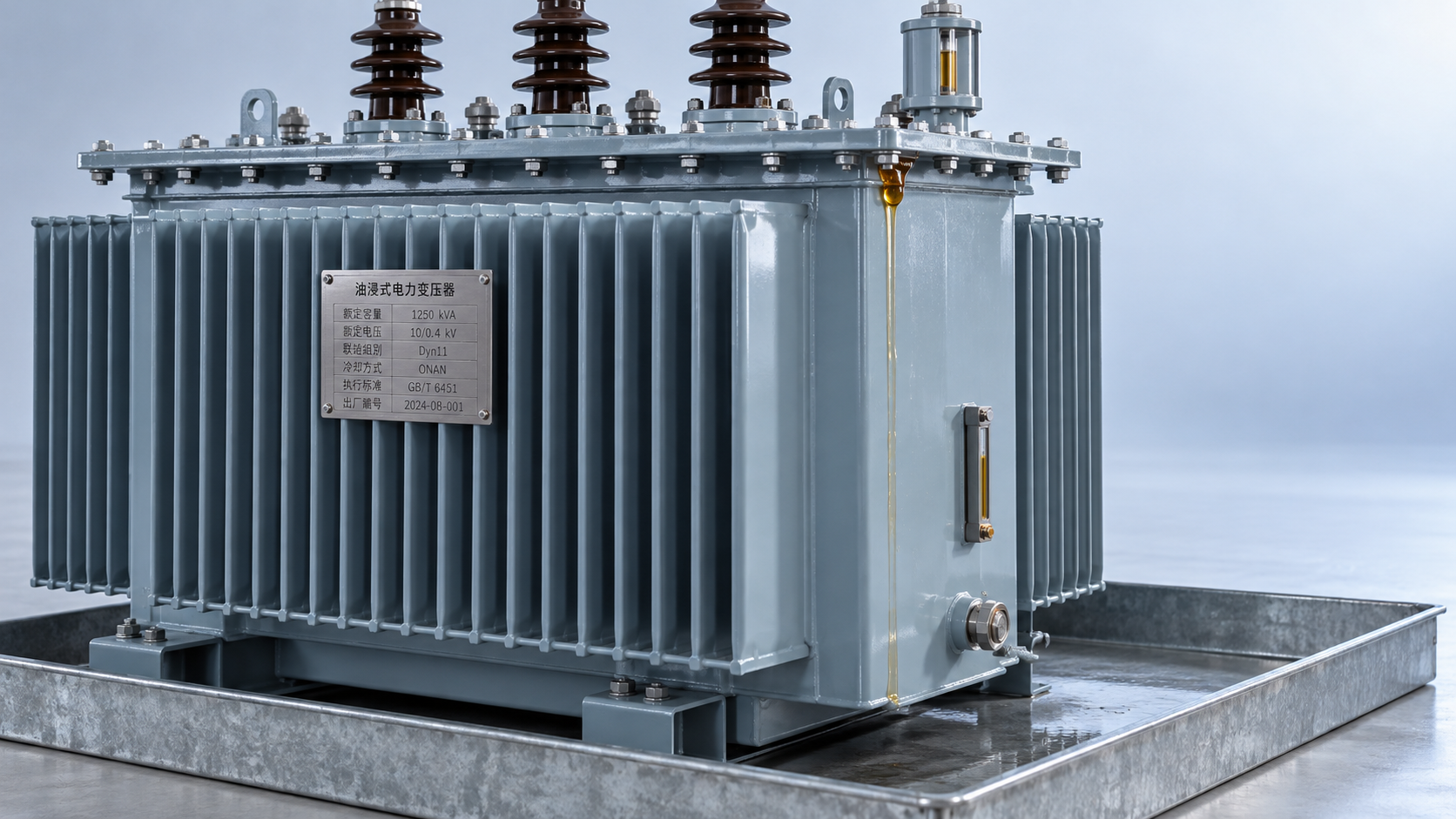
 Distribution transformer maintenance tips for spotting oil leaks
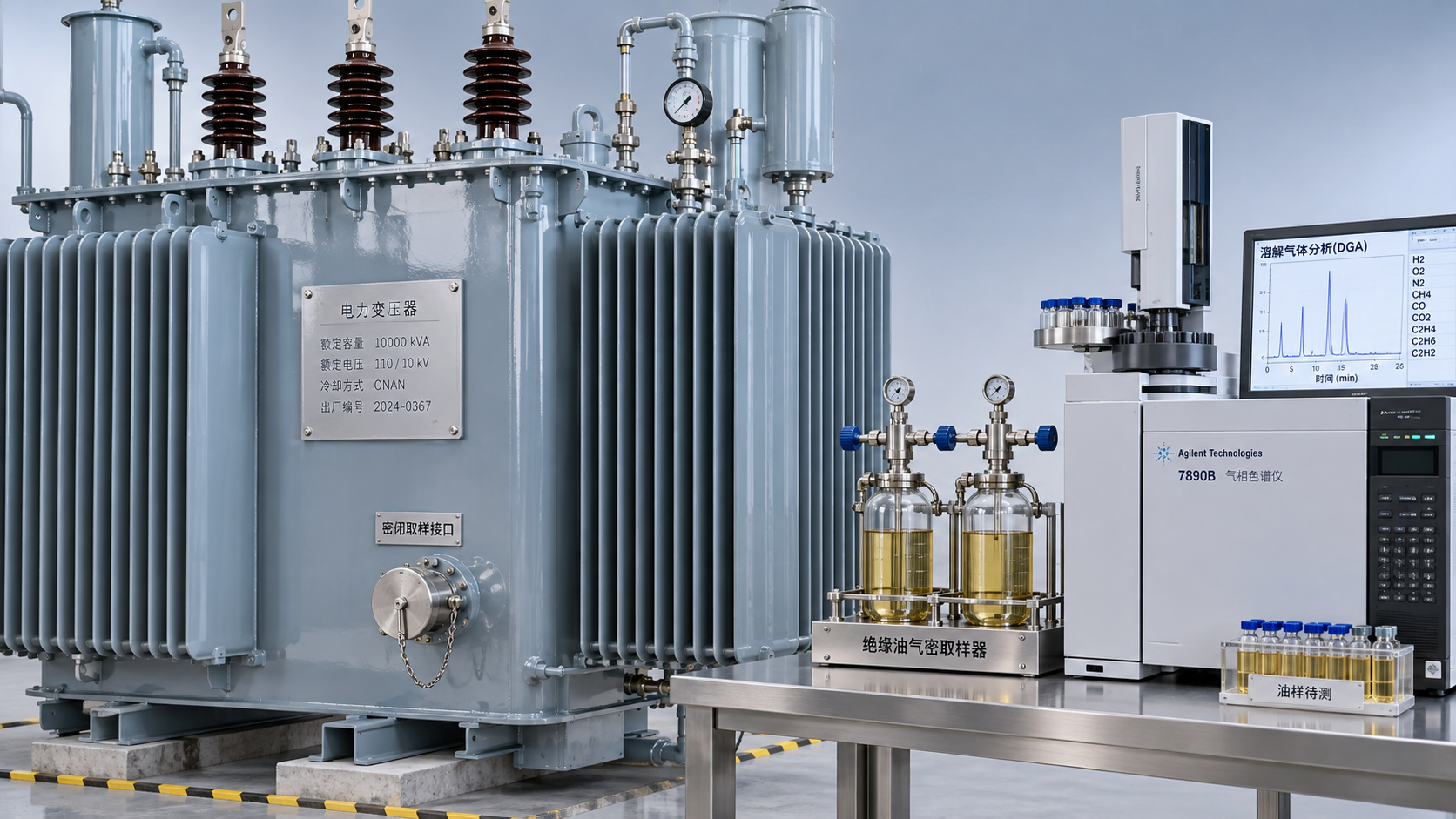
 What dissolved gas analysis reveals about an oil-immersed transformer
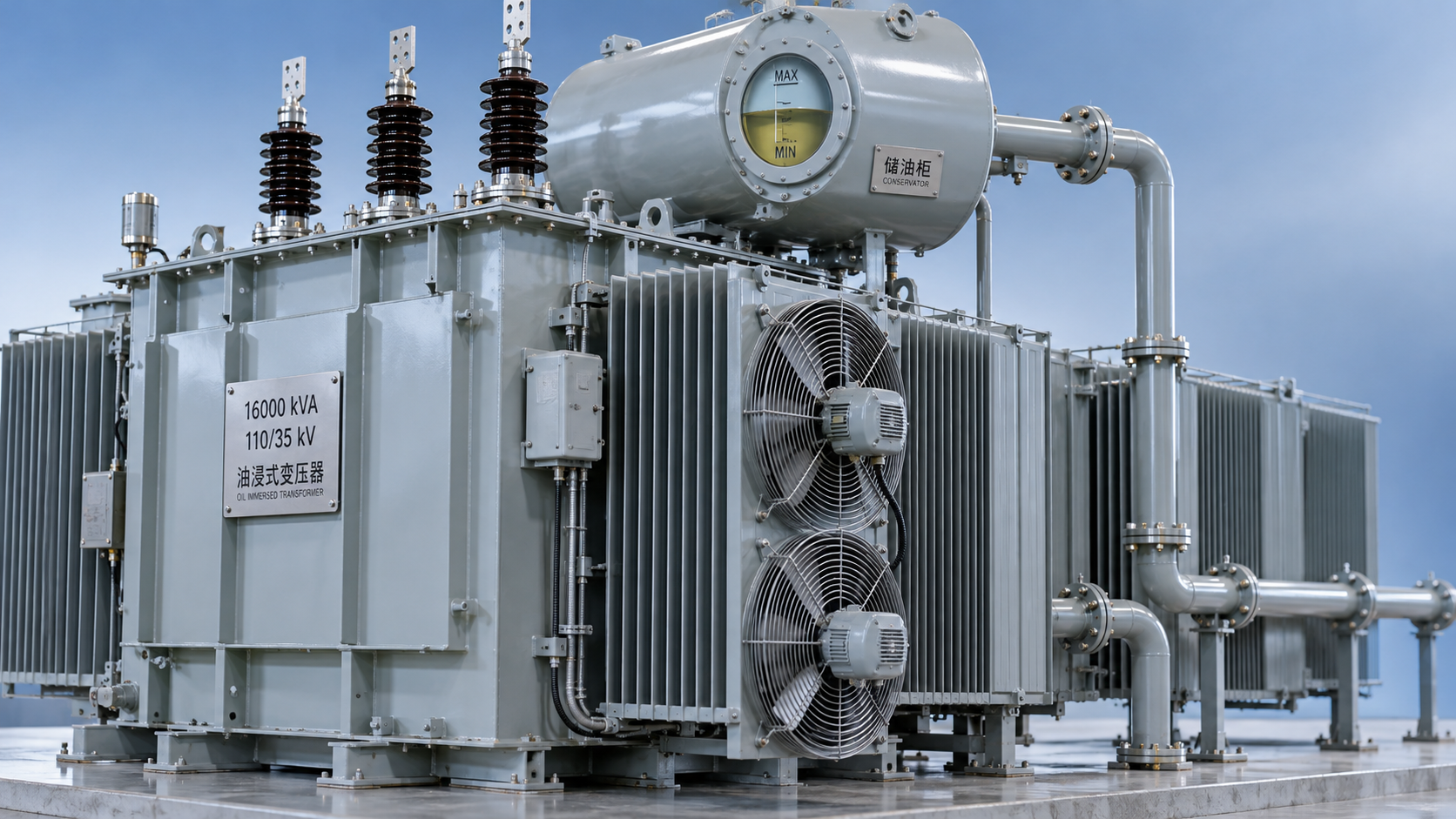
 Why an oil-cooled transformer overheats despite a normal oil level
 How the amorphous core affects SCBH15 dry-type transformer losses
 Sizing S13 oil-immersed transformers for variable wind farm output
GET A FREE QUOTE
We offer reliable products, competitive prices, and nationwide professional support, committed to providing customers with efficient and energy-saving power equipment solutions.