


SCB14 Type Dry-Type Transformer Easy Installation Checklist
For operators and end users, a reliable SCB14 Type Dry-Type Transformer easy installation process can save time, reduce setup errors, and improve on-site safety.
This checklist highlights the key steps for smooth installation, from site preparation and equipment inspection to wiring and commissioning.
The goal is simple: stable transformer performance, fewer surprises, and a cleaner handover after energization.
Why Installation Quality Matters
A dry-type transformer is usually chosen for indoor safety, lower maintenance, and cleaner operation.
Still, even a well-built unit can underperform when installation basics are skipped.
Loose busbar joints, poor ventilation, weak grounding, and rushed testing are common causes of early trouble.
That is why an SCB14 Type Dry-Type Transformer easy installation checklist is more than a formality.
It helps keep the installation consistent, especially when site conditions change or multiple contractors are involved.
Step 1: Confirm Site Readiness
Start with the room, not the transformer.
An installation site that looks acceptable at first glance may still create long-term operating risks.
Basic environment checks
- Floor strength matches equipment weight and handling load.
- Ventilation paths are open and not blocked by walls or cable trays.
- Room humidity is controlled and free from dripping water or condensation.
- No aggressive dust, corrosive gas, or conductive debris is present.
- Access space allows lifting, positioning, inspection, and future maintenance.
If the site fails any of these checks, correct that first.
A clean installation area makes the SCB14 Type Dry-Type Transformer easy installation process faster and safer from the start.
Step 2: Inspect the Transformer Before Positioning
Do not move straight to mounting.
A receiving inspection often catches transport damage that would be harder to fix later.
What to verify on arrival
- Nameplate data matches project voltage, capacity, and connection requirements.
- Resin cast coils show no cracks, chips, or moisture marks.
- Core clamps, fasteners, and wheels are intact and tight.
- Accessories, documents, and test records are complete.
- Protective covers and terminal insulation are undamaged.
This step also supports warranty clarity and smoother project acceptance.
Jiangsu Shengda Power Equipment Co., Ltd. follows strict manufacturing and inspection systems, with products aligned with GB1094.1-2-1996 and GB/T6451-2008, and backed by ISO9001 certification.
Step 3: Positioning and Mechanical Installation
After inspection, move the unit with the correct lifting points and handling gear.
Avoid side pulling, sudden impact, or contact with the coil surfaces.
Mechanical checklist
- Set the transformer on a level base.
- Align wheels, rails, or anchor points with the installation drawing.
- Keep clearance around the enclosure or live parts as required.
- Install anti-vibration parts if specified by the design.
- Check door swing, service access, and cable bending space.
This is where many teams lose time.
When the layout is tight, even a small positioning error can affect cable routing, airflow, and future maintenance.
Step 4: Electrical Connection Checks
A proper SCB14 Type Dry-Type Transformer easy installation routine must include disciplined connection work.
Wrong phase sequence or poor torque can turn a clean installation into a costly rework.
Connection points to confirm
- High-voltage and low-voltage cables match terminal markings.
- Busbar contact surfaces are clean and properly aligned.
- Bolted joints are tightened to the recommended torque.
- Grounding conductor is secure and continuous.
- Temperature controller, fan wiring, and alarms are connected correctly.
Pay extra attention to cable stress.
Terminals should not carry the mechanical pull of heavy cables or rigid busbars.
Step 5: Pre-Energization Testing
Before energizing, pause and verify the basics with test instruments.
This is one of the most practical parts of any SCB14 Type Dry-Type Transformer easy installation plan.
Recommended pre-start tests
- Insulation resistance measurement.
- Winding continuity and phase confirmation.
- Grounding resistance check.
- Tap position verification if applicable.
- Functional test of fans, indicators, trips, and alarms.
Record every result clearly.
Good records help with fault tracing later and make project turnover much easier.
Common Installation Mistakes and How to Avoid Them
Most site issues are not caused by complex failures.
They usually come from small details missed under schedule pressure.
Frequent problems
- Insufficient ventilation around the transformer.
- Dust left inside the enclosure after cable work.
- Mixed-up secondary control wiring.
- Grounding done late and forgotten during final closure.
- Energization without final torque recheck.
A simple hold-point system works well here.
Stop after positioning, after wiring, and before energization. Sign off each stage before moving on.
A Quick Note on Product Selection
In real projects, dry-type and oil-immersed transformers are often evaluated side by side.
For some outdoor or utility applications, teams may also compare solutions like S20 Series Oil-Immersed Power Transformers.
That series covers capacities from 30 kVA to 2500 kVA.
It supports Yyn0 or Dyn11 connection marks and follows GB20052-2020 and JB/T10088-2016.
Its design focus is energy saving, reduced no-load loss, and lower noise, with average noise levels about 20% below the current JB/T10088-2016 national standard.
Commissioning Checklist for Stable Start-Up
Once all checks are complete, move into controlled commissioning.
- Energize with no load first.
- Listen for abnormal noise or vibration.
- Monitor phase voltage, current, and temperature signals.
- Confirm fan start logic and alarm response.
- Apply load step by step, not all at once.
Early observation matters more than speed.
A careful first run often prevents avoidable shutdowns in the first weeks of service.
Final Checklist Before Handover
- Site cleaned and free from spare metal parts or packing debris.
- All covers, guards, and access panels secured.
- Test records filed and labeled correctly.
- As-built wiring changes marked on drawings.
- Operating team briefed on alarms, temperature limits, and inspection points.
A strong handover reduces confusion later.
It also keeps the SCB14 Type Dry-Type Transformer easy installation work from losing value after commissioning.
When every step is documented and verified, operation becomes more predictable.
That is the real advantage of a practical SCB14 Type Dry-Type Transformer easy installation checklist.
Use it before delivery, during setup, and again before energization to keep safety, quality, and performance aligned from day one.



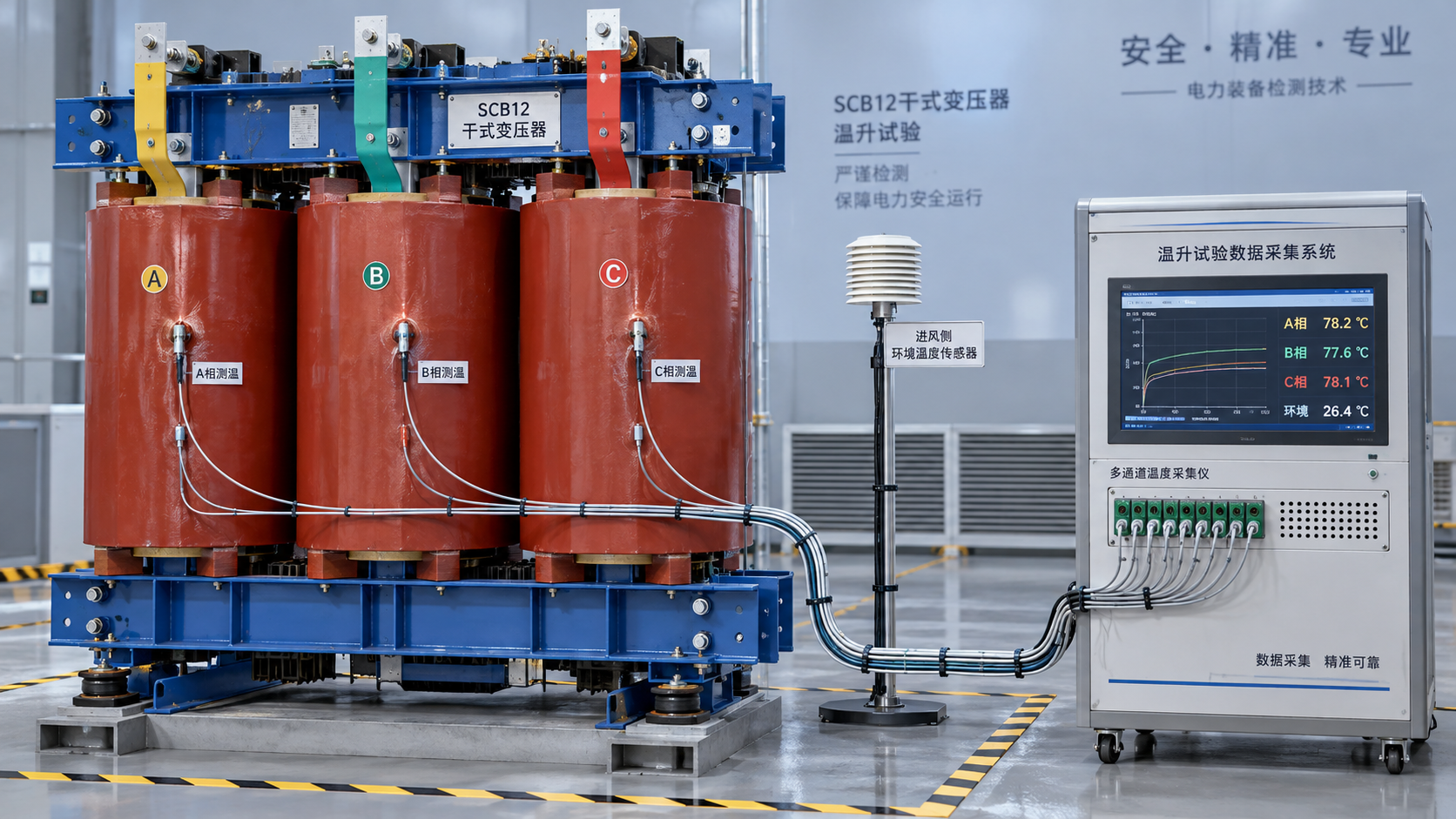
 How to verify the temperature-rise test of an SCB12 dry-type transformer
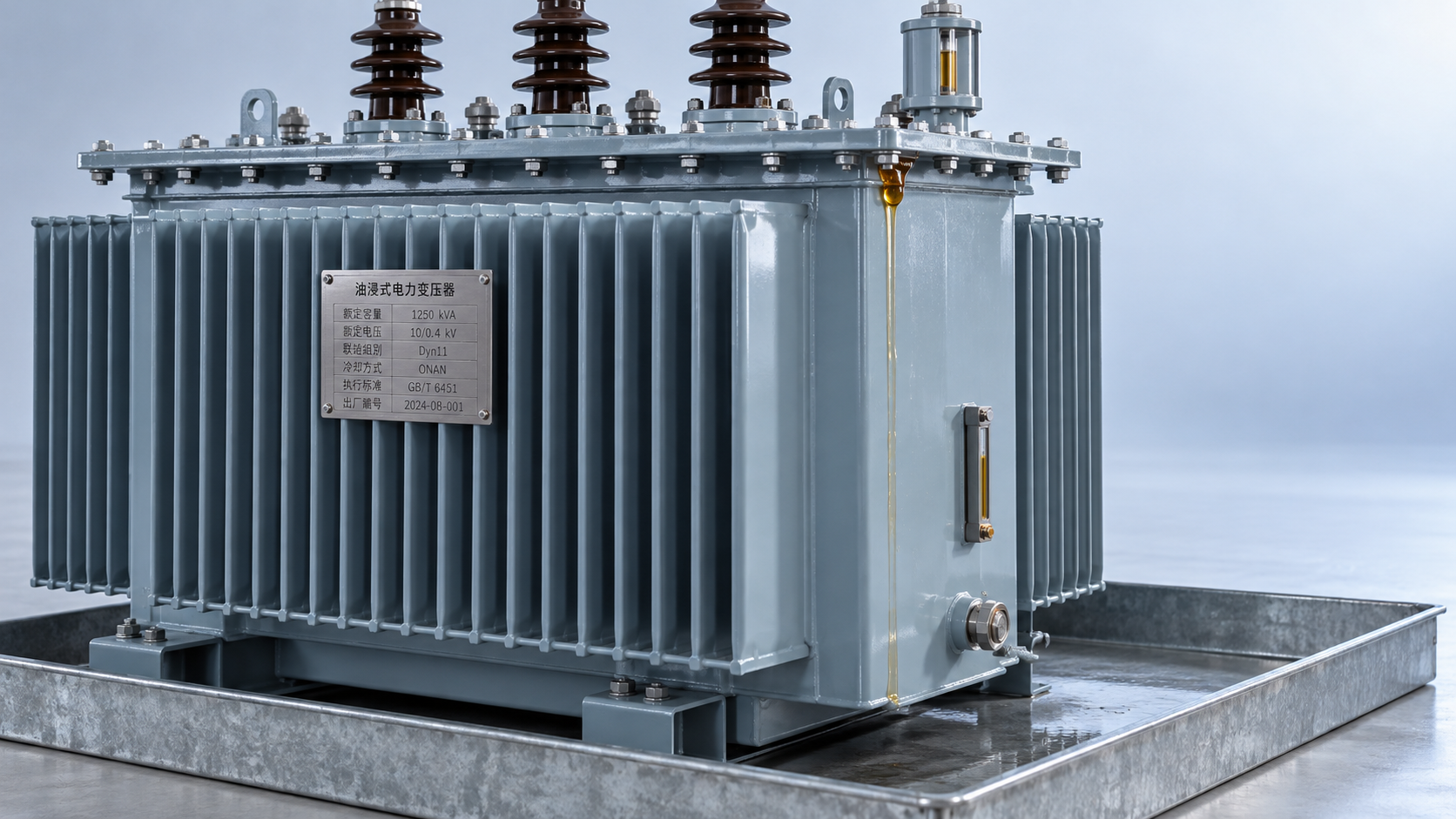
 Distribution transformer maintenance tips for spotting oil leaks
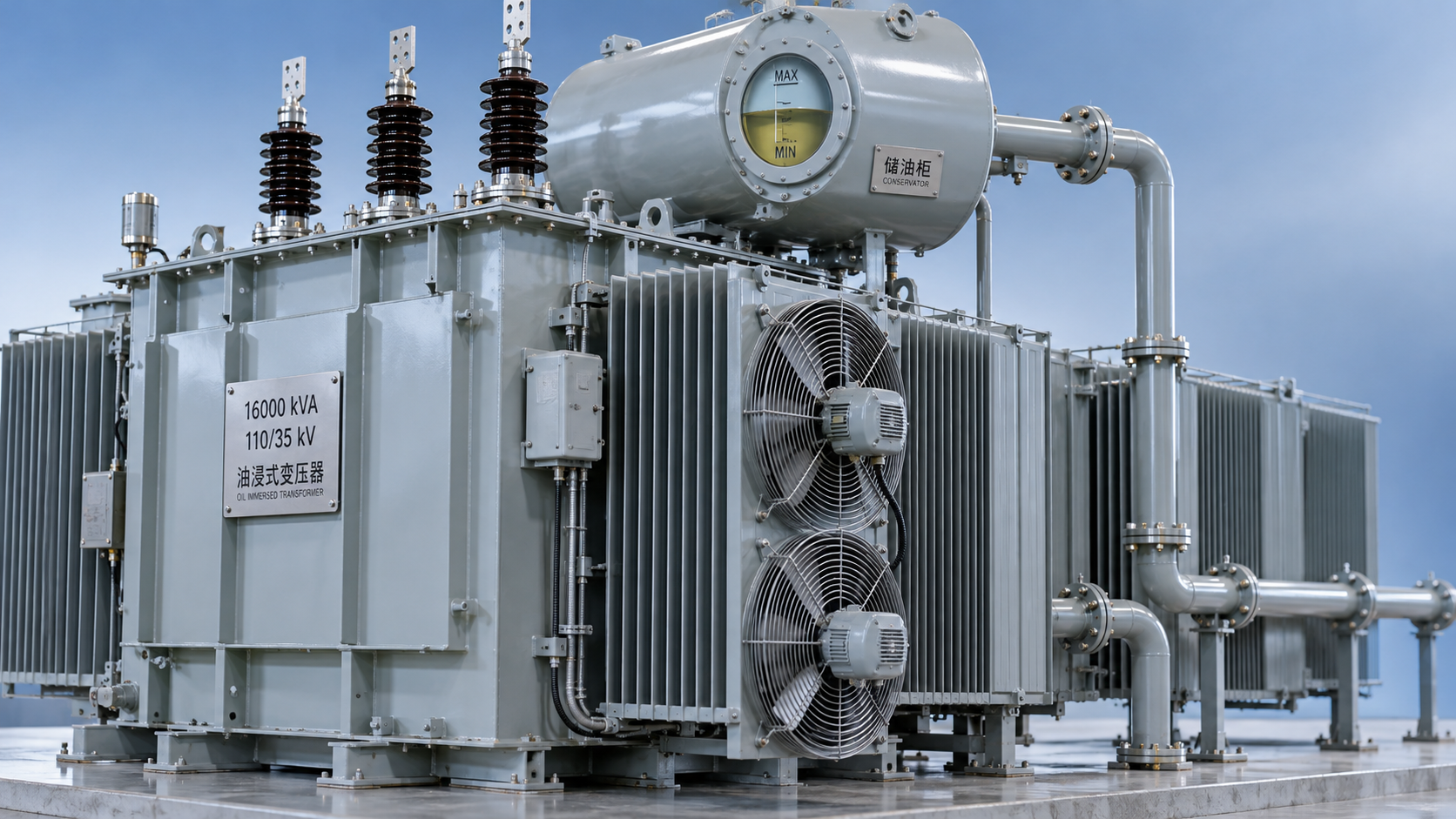
 What dissolved gas analysis reveals about an oil-immersed transformer
 Why an oil-cooled transformer overheats despite a normal oil level
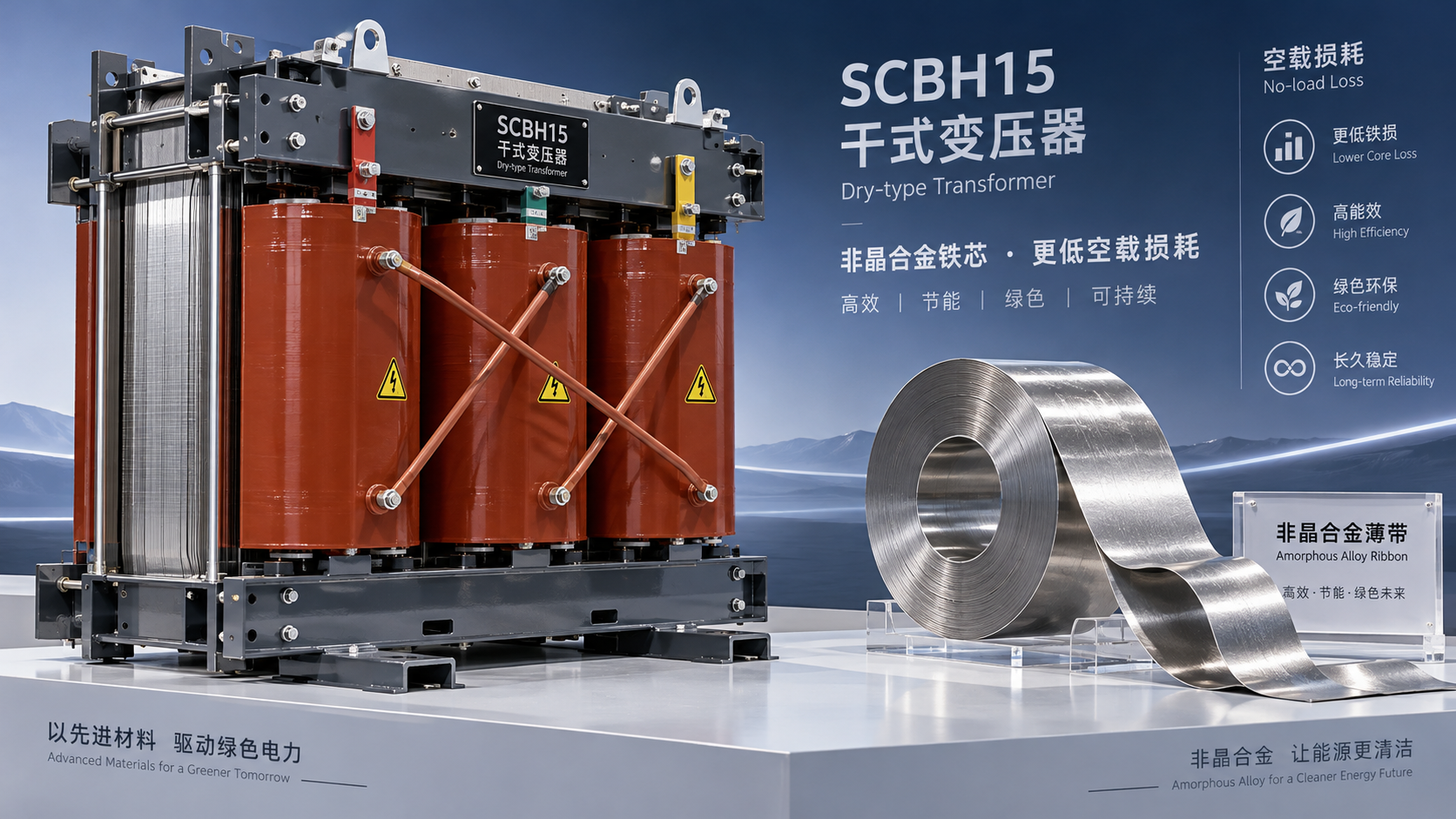
 How the amorphous core affects SCBH15 dry-type transformer losses
 Sizing S13 oil-immersed transformers for variable wind farm output

GET A FREE QUOTE
We offer reliable products, competitive prices, and nationwide professional support, committed to providing customers with efficient and energy-saving power equipment solutions.