


A low quoted price for an S20 oil-immersed transformer can lose its advantage if test documents require revision, transport arrangements change, or equipment arrives too late for installation. Compare offers on the same technical scope, delivery point, documentation package, and schedule. A quotation that leaves these items open makes the eventual landed cost difficult to judge.
The most consequential gaps often appear between the approved specification and the documents issued after manufacture. A transformer can be ready for shipment while its drawings, test report, or shipping description remain under review. Agreeing on document content and approval dates before placing the order reduces that exposure.
Connect the specification to the test reports
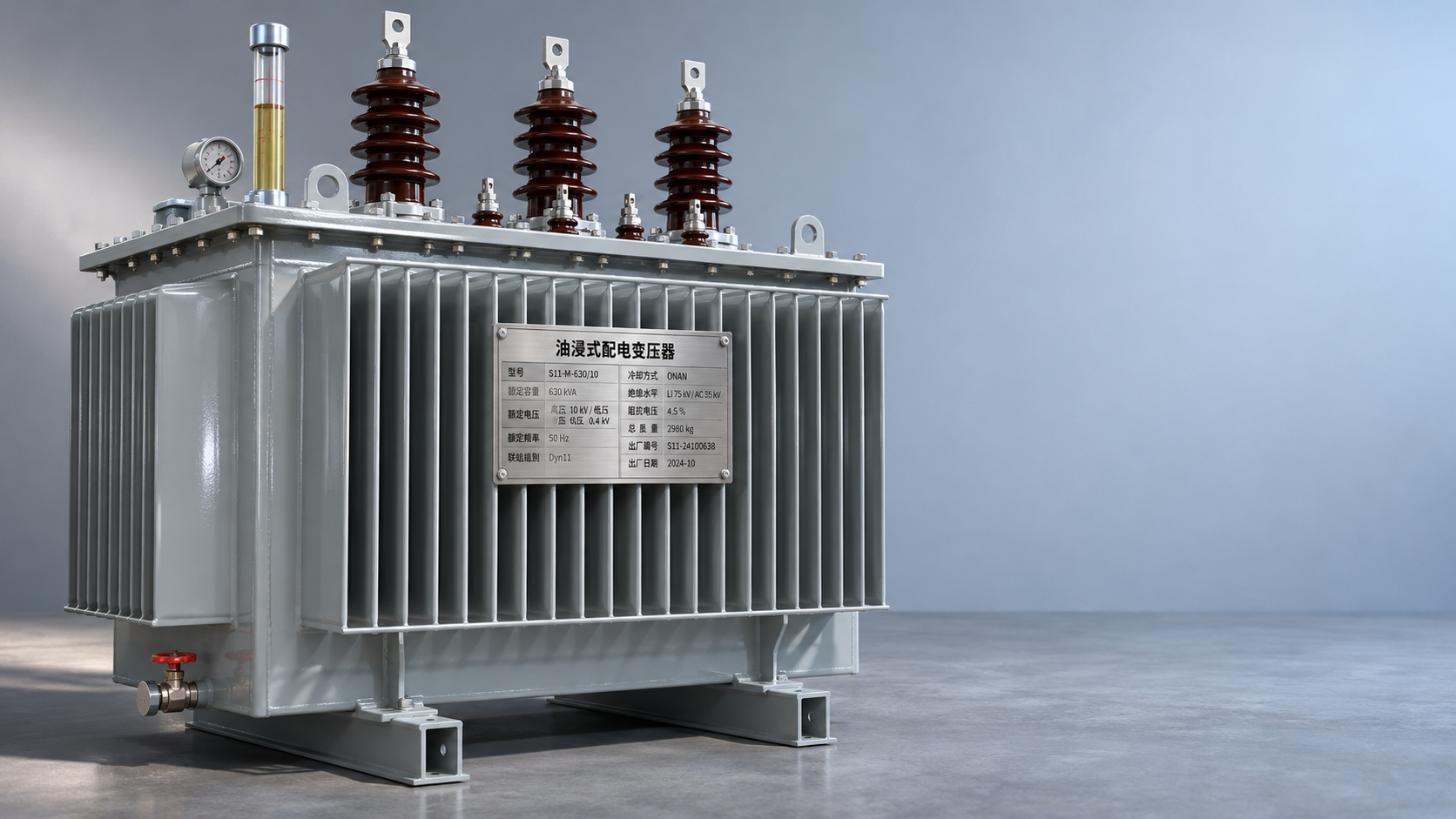
S20 is a series designation, not a complete purchase specification. The order should identify rated capacity, voltage ratio, frequency, vector group, impedance, tapping range, cooling method, and applicable loss limits. Site conditions and installation constraints also matter: altitude, ambient temperature, available clearances, and terminal arrangements can affect the final design.
Ask for a guaranteed loss schedule with the measurement basis and permitted tolerances stated in the contract. No-load loss and load loss should be evaluated separately. The latter changes with loading and is associated with a stated reference temperature; comparing figures without the same rating and reference conditions can make one offer appear better than it is. If a project evaluates lifetime energy cost, use its expected loading profile and electricity cost rather than selecting on the lowest figure alone.
Routine test reports should identify the actual unit by serial number and show the relevant measured results against the agreed acceptance criteria. Confirm the required tests before manufacture, including any additional or witnessed tests. Type-test evidence, when requested, should identify the tested design and its relationship to the ordered unit; a report for a similar transformer does not by itself establish that every design detail is equivalent.
Drawings deserve the same attention as test data. An approved outline can still conflict with a later terminal arrangement, transport mass, or cable entry position. Establish which drawing revision governs manufacture and require a documented review of changes affecting foundations, clearances, or connections.
Make the document package part of the delivery schedule
Separate documents needed before production, before dispatch, and at arrival. The first group may include the technical data sheet and approval drawings; the dispatch package can include routine test reports, packing details, and shipping documents. Installation and maintenance instructions, oil information, and final drawings also need an agreed delivery date and language.
A document list is most useful when it names the required version, responsible party, review period, and acceptance method. For example, define whether an electronic test report is sufficient for dispatch or whether an endorsed original is required for a particular payment or import arrangement. If a bank instrument is involved, its terms must match the documents the exporter can actually issue.
Inconsistent descriptions across the commercial invoice, packing list, transport document, and import declaration can delay clearance. Align the equipment description, quantity, gross and net mass, package count, and destination with the actual shipment. Confirm the tariff classification, origin evidence, and any destination-specific import requirements with the relevant customs adviser or authority before dispatch; these details cannot be settled by a generic transformer document list.
Follow the physical shipment, not just the promised date
A delivery commitment needs a defined event. Factory completion, release after testing, loading at origin, and arrival at site are different milestones. State the agreed Incoterms rule and named place, then allocate export clearance, freight booking, insurance, unloading, and onward transport. Incoterms clarify delivery and cost responsibilities, but the contract should also address title transfer and remedies for delay.
Request a schedule that links drawing approval, material procurement, assembly, testing, release, and dispatch. Identify dependencies rather than treating the final date as an isolated promise. A late drawing approval can move production; a failed test can require corrective work and retesting. Agree on how revisions to the schedule will be reported and which events allow a delivery date to change.
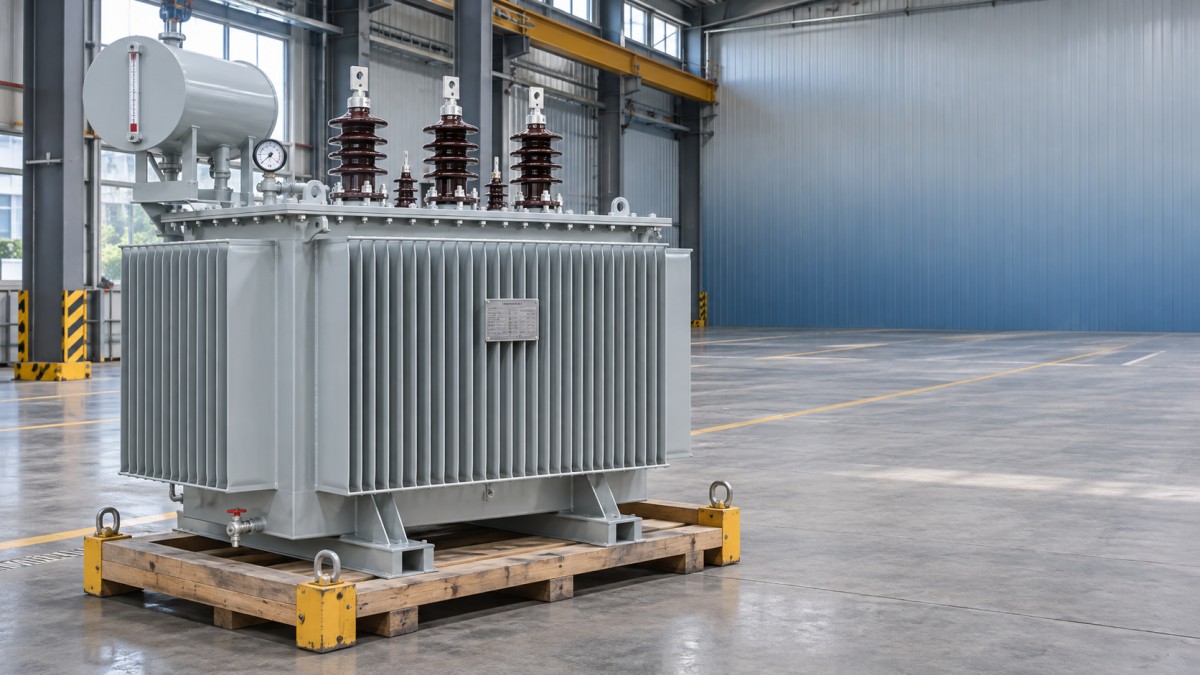
Transport planning begins with the dimensions and mass of the heaviest package, including the chosen shipping configuration. An oil-immersed transformer may travel assembled or with certain accessories removed; the agreed method affects packing, lifting, reassembly, oil handling, and the work required before energization. Confirm road and site access, lifting points, crane capacity, and the availability of suitable unloading equipment against the final transport drawing.
Packaging and preservation requirements should cover moisture protection, sealing, and any specified impact or tilt monitoring. Record the condition of seals, packaging, and indicators at receipt, and agree on the inspection and notification process for transit damage. If storage is expected, define the permitted storage conditions and any preservation checks in the contract and instructions.
Compare landed cost on an equivalent scope
Freight included to a port does not necessarily include terminal charges, customs clearance, inland haulage, unloading, or insurance. Ask each exporter to identify included and excluded charges at the named delivery point. Add expected costs for testing, document legalization where required, local handling, and site reassembly when comparing quotations. Keep uncertain charges visible as estimates rather than presenting them as fixed amounts.
Payment terms also affect exposure. A schedule tied only to calendar dates may release payment before test results or shipping documents are available. Milestones linked to approved drawings, successful tests, and documented dispatch offer clearer evidence of progress. Define the procedure for nonconforming equipment or documents, including correction time and responsibility for resulting storage or transport charges.
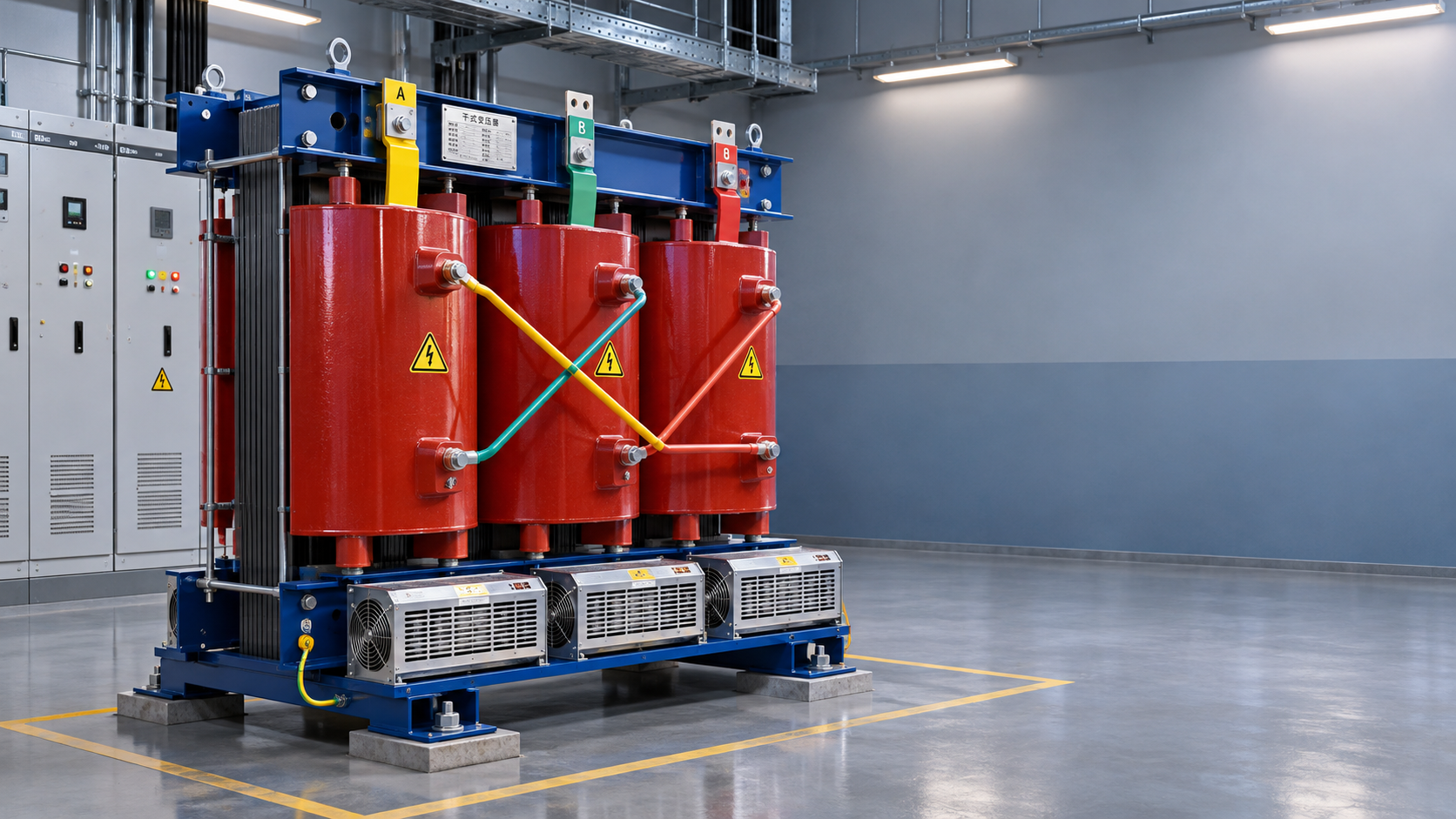
Where fire protection or indoor placement is driving the equipment choice, the specification may instead call for a dry-type design such as the epoxy-resin-cast SCB18 Type Dry-Type Transformer. Its transport and installation requirements should be assessed separately from those of an oil-immersed unit; the alternatives should not be treated as interchangeable without confirming electrical ratings, site conditions, and the applicable project requirements.
Before award, reconcile every commercial exception with the technical specification and delivery plan. An unresolved exception on test acceptance, shipment configuration, or the named delivery point is a potential cost that the headline price does not show.



 Where Can S22 Oil-Immersed Transformers Fit in Distribution Projects?
 Evaluating S20 Transformer Exporters: Documentation and Delivery Risks
 Protecting SCB14 Dry-Type Transformers From Moisture and Condensation
 Requesting an SCB18 Transformer Quote: Specifications to Include
 S20 Transformer Ratings Explained: Capacity, Losses and Impedance
 ZGS Combined Substation Cost: Equipment, Civil Works and Installation
GET A FREE QUOTE
We offer reliable products, competitive prices, and nationwide professional support, committed to providing customers with efficient and energy-saving power equipment solutions.