


Selecting the right transformer can influence a distribution project’s energy performance, installation planning, and long-term operating costs throughout its service life.
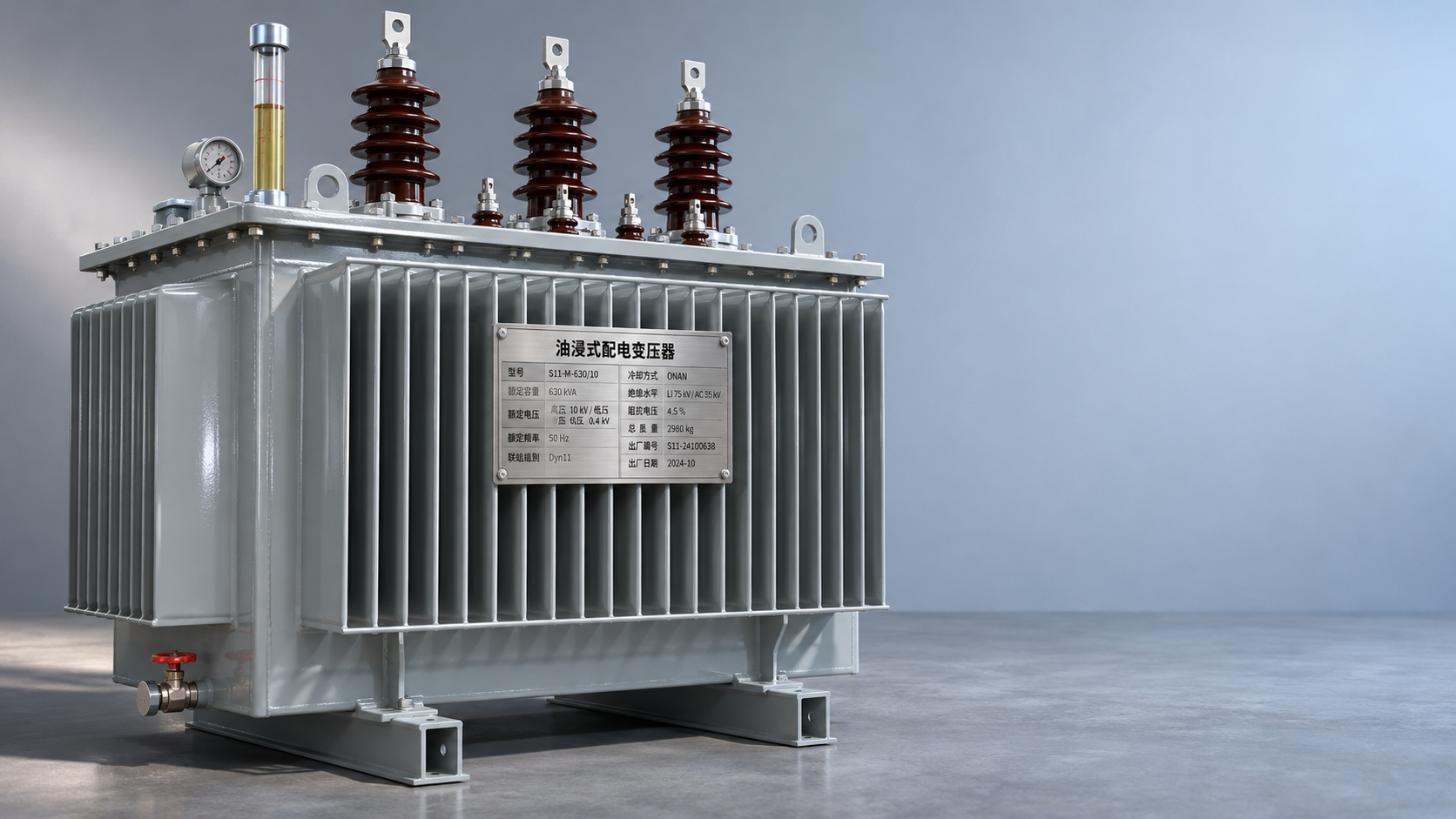
For project managers evaluating industrial facilities, commercial developments, or utility networks, S22 Series Oil-Immersed Power Transformers offer a low-loss option worth considering.
Their suitability depends on load demand, voltage requirements, site conditions, and applicable standards. The strongest candidates are projects with substantial operating hours and suitable oil-management arrangements.
Where Do S22 Transformers Offer the Strongest Fit?
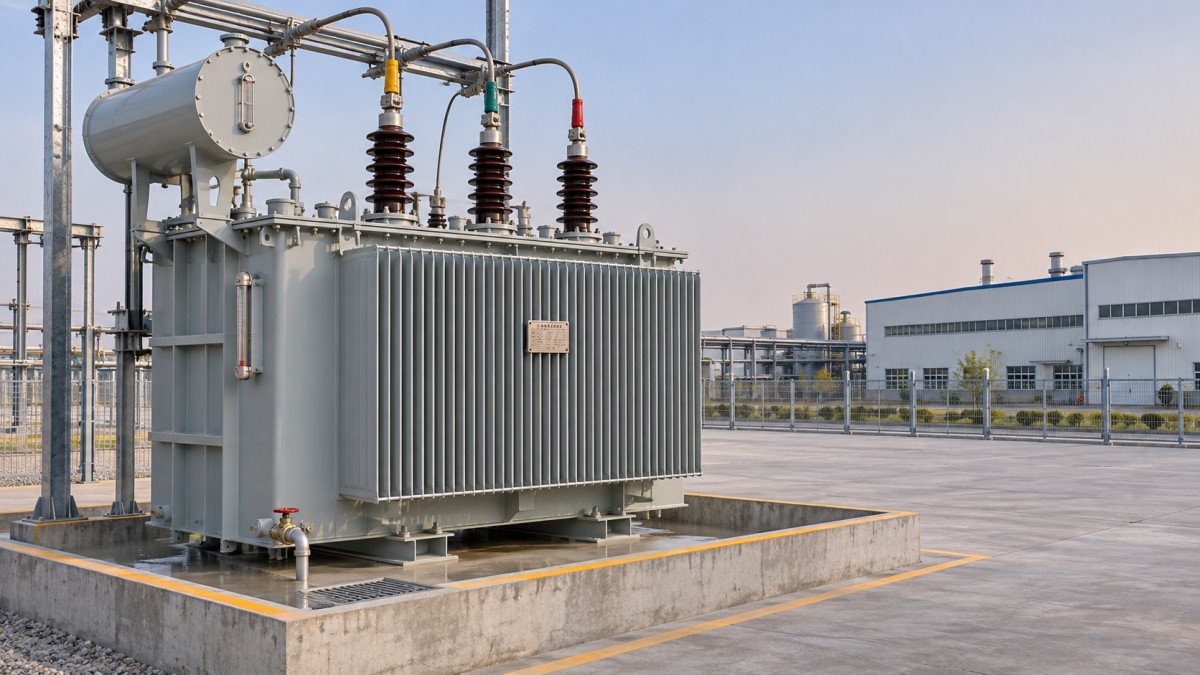
Industrial facilities with continuous or extended operating schedules are strong candidates. Manufacturing plants, processing sites, and logistics centers often have sustained demand and significant lifetime energy costs.
For these projects, compare the proposed transformer’s guaranteed losses with alternatives at the expected loading profile. A lower purchase price alone may not deliver the lowest total cost.
Commercial developments can also benefit when a central transformer supplies multiple buildings or major mechanical loads. Examples include business parks, retail complexes, and large mixed-use sites.
Check whether the development’s load will build gradually. An oversized unit can incur avoidable no-load losses while occupancy and electrical demand remain below the original forecast.
Utility and distribution network upgrades may be suitable where equipment operates continuously and the network owner has established procedures for oil-filled assets, inspections, and fault response.
In every case, suitability depends on the manufacturer’s actual rating, impedance, losses, and configuration. Confirm these against project requirements before treating an S22 unit as an approved option.
How Should Project Teams Size the Transformer?
Begin with the connected loads, expected maximum demand, demand diversity, and the facility’s planned operating schedule. Include motors, cooling systems, and other loads with significant starting currents.
Convert the forecast demand into the required transformer capacity, allowing for power factor and credible expansion. Record the assumptions so the design team can revisit them as equipment selections change.
Consider seasonal variation and operating scenarios, including the load transferred during maintenance or an outage. A single peak figure can hide differences that affect capacity and redundancy decisions.
Avoid adding multiple independent contingency margins without checking their combined effect. Excess capacity increases initial expenditure and may leave the transformer lightly loaded for years.
Ask the supplier to confirm voltage ratio, frequency, tap arrangement, impedance, cooling method, and short-circuit withstand capability. Coordinate these values with protection settings and upstream network requirements.
For critical facilities, compare one larger unit with multiple smaller units or a redundant arrangement. Evaluate available space, switching complexity, maintenance access, and the consequences of losing one transformer.
What Installation Conditions Can Change the Decision?
Oil-immersed equipment needs a site plan that addresses fire protection, oil containment, access, ventilation, and separation distances under applicable local rules and the project’s risk assessment.
Outdoor substations and dedicated transformer areas may accommodate these requirements more easily than confined indoor spaces. Confirm the proposed arrangement with the responsible authorities and insurers early.
Check delivery routes, lifting capacity, foundations, cable entry, and clearances before finalizing the layout. A suitable electrical design can still cause delays if the equipment cannot reach its installation point.
Site altitude, ambient temperature, pollution, humidity, and flood exposure can affect equipment selection or require special provisions. Provide the actual environmental conditions in the request for quotation.
Noise limits also deserve attention near offices, homes, or other sensitive areas. Request a guaranteed sound level and assess it against the site boundary and local requirements.
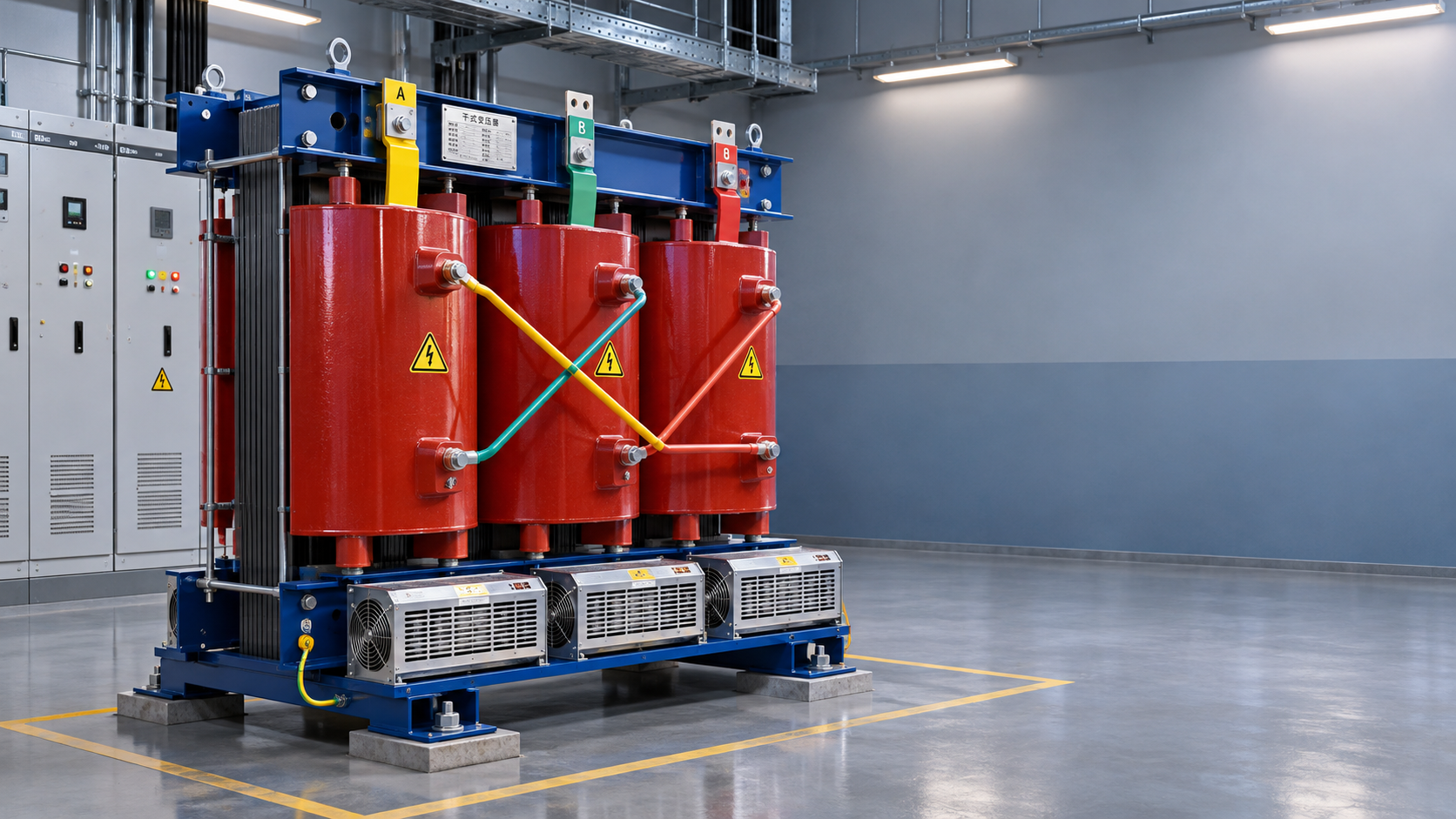
Where indoor placement or oil containment is difficult, compare a dry-type alternative. The SCB11 Type Dry-Type Transformer is offered in 35 kV configurations across a stated 30–20,000 kVA range.
Its optional temperature control and air cooling may support the application, subject to the selected rating. Compare fire requirements, losses, enclosure needs, and installed costs before choosing.
How Can Managers Compare Lifetime Costs?
Request guaranteed no-load and load losses for each quoted unit, measured on a comparable basis. Confirm the test standard, tolerance, rated voltage, frequency, and temperature references.
No-load losses occur whenever the transformer is energized. Load losses vary with loading, so use an hourly or representative load profile rather than assuming full load throughout the year.
Estimate annual loss cost by multiplying expected energy losses by an appropriate electricity price. Include realistic operating hours and consider how tariffs and demand may change.
For a consistent comparison, calculate the present value of expected loss costs over the project’s evaluation period, then add purchase, installation, maintenance, and disposal costs where applicable.
For example, if one option saves 10,000 kWh annually and electricity costs $0.10 per kWh, its estimated energy saving is $1,000 per year before discounting.
That simplified illustration excludes price changes, taxes, and differences in maintenance. Use supplier data and project assumptions to determine whether the additional capital cost is justified.
What Procurement and Delivery Risks Need Attention?
Issue a specification that states required ratings, guaranteed losses, site conditions, applicable standards, documentation, and inspection requirements. Ask bidders to identify every deviation explicitly.
Confirm the exact edition of each required standard and its acceptance in the destination market. The manufacturer cites GB and ISO requirements; project teams should verify current applicability and certification scope.
Include a review of routine test reports, nameplate data, drawings, and oil documentation in the delivery plan. Define any witness testing or additional tests before placing the order.
Agree on production milestones, transport responsibilities, spare parts, warranty terms, and commissioning support. Check lead times for accessories and protection components as well as the transformer itself.
Assign responsibility for oil containment, grounding, protective devices, and final connections across equipment and construction contracts. Clear interfaces reduce the risk of late design changes and disputed scope.
Jiangsu Shengda Power Equipment Co., Ltd. supplies low-loss transformer series and related equipment. Project teams can request a project-specific quotation and supporting technical documents for evaluation.
When Is an S22 Transformer the Right Choice?
Choose an S22 option when its verified rating matches the load, its guaranteed losses support the business case, and the site can accommodate oil-filled equipment safely.
Confirm the decision through a documented comparison of alternatives, including installed cost, lifetime energy use, delivery schedule, maintenance arrangements, and compliance with project-specific requirements.
For projects with restricted indoor space, stringent fire conditions, or uncertain future demand, revisit the equipment type and capacity before committing to procurement.



 Where Can S22 Oil-Immersed Transformers Fit in Distribution Projects?
 Evaluating S20 Transformer Exporters: Documentation and Delivery Risks
 Protecting SCB14 Dry-Type Transformers From Moisture and Condensation
 Requesting an SCB18 Transformer Quote: Specifications to Include
 S20 Transformer Ratings Explained: Capacity, Losses and Impedance
 ZGS Combined Substation Cost: Equipment, Civil Works and Installation
GET A FREE QUOTE
We offer reliable products, competitive prices, and nationwide professional support, committed to providing customers with efficient and energy-saving power equipment solutions.