


ZGS Combined Substation cost is the sum of the supplied equipment, site preparation, installation and commissioning—not just the factory quotation. A lower equipment price can become a higher project cost when foundations, cable connections, lifting or utility-required protection are excluded. The most useful starting point is therefore an itemized comparison based on the same electrical specification and site boundaries.
For a site with limited access or unfinished ground, civil works and delivery arrangements may need attention before the equipment order is placed. Without those details, a budget can leave out work that must be completed before the substation can be energized.
Start with the equipment scope
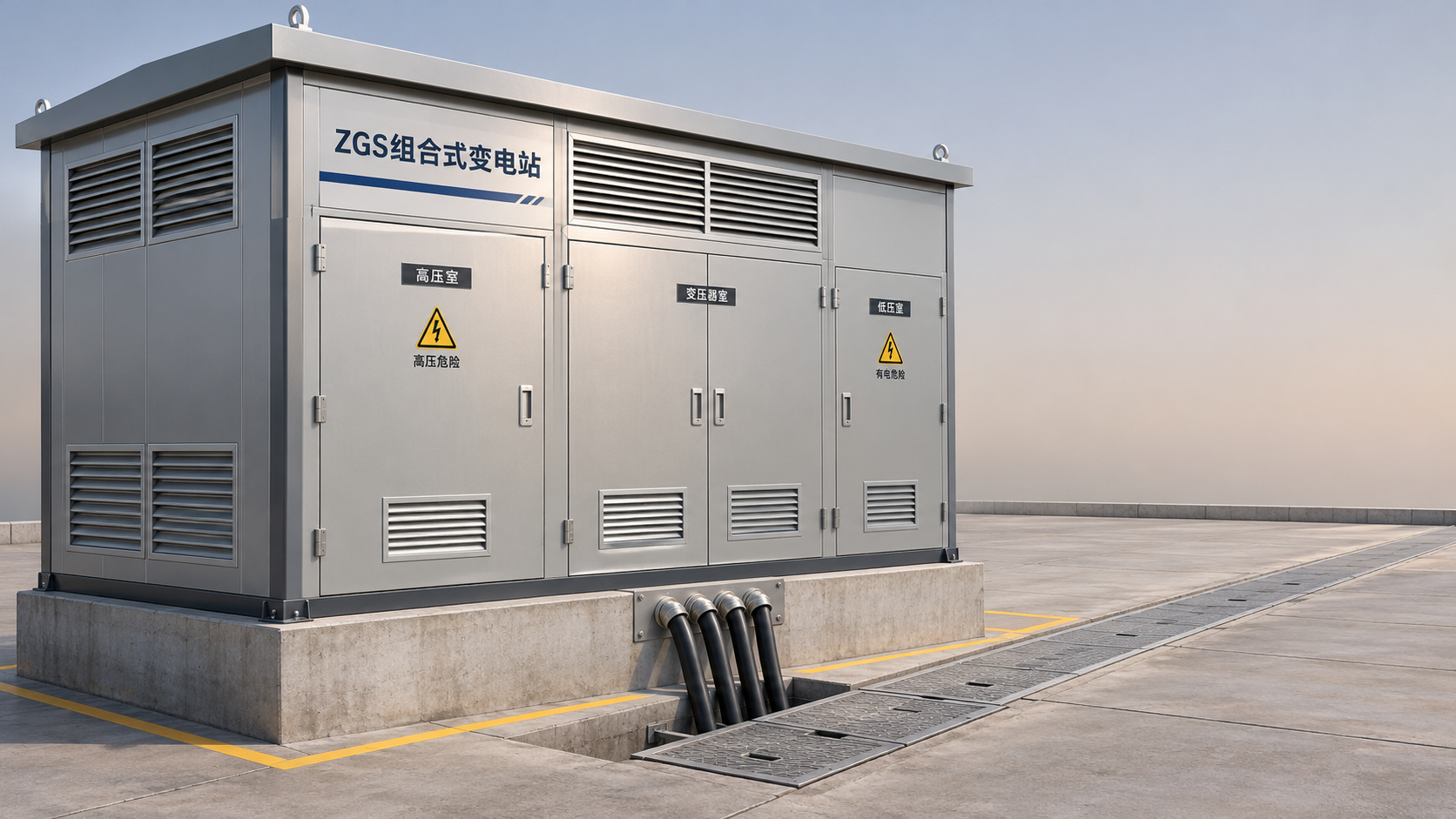
A ZGS combined substation generally brings a transformer, medium-voltage switching and protection functions, and low-voltage distribution together in a compact arrangement. Actual configurations vary, so a quotation should identify the transformer rating and voltage, cooling arrangement, switching components, protection devices and low-voltage outgoing circuits. Confirm whether metering, surge protection, cable terminations and the enclosure are included.
Capacity affects more than the transformer price. A higher rating can also change the size of switchgear, cables, foundations and lifting equipment. Set the rating against the expected load, starting currents, operating pattern and reasonable expansion allowance rather than buying extra capacity without checking its downstream cost.
Compare losses as well as purchase prices. No-load losses occur whenever the transformer is energized; load losses depend on loading. Request guaranteed loss values and use the project’s expected energized hours, load profile and electricity tariff to estimate their cost over the intended evaluation period. A lower-loss option is not automatically the least expensive choice, but its operating value should be visible in the comparison.
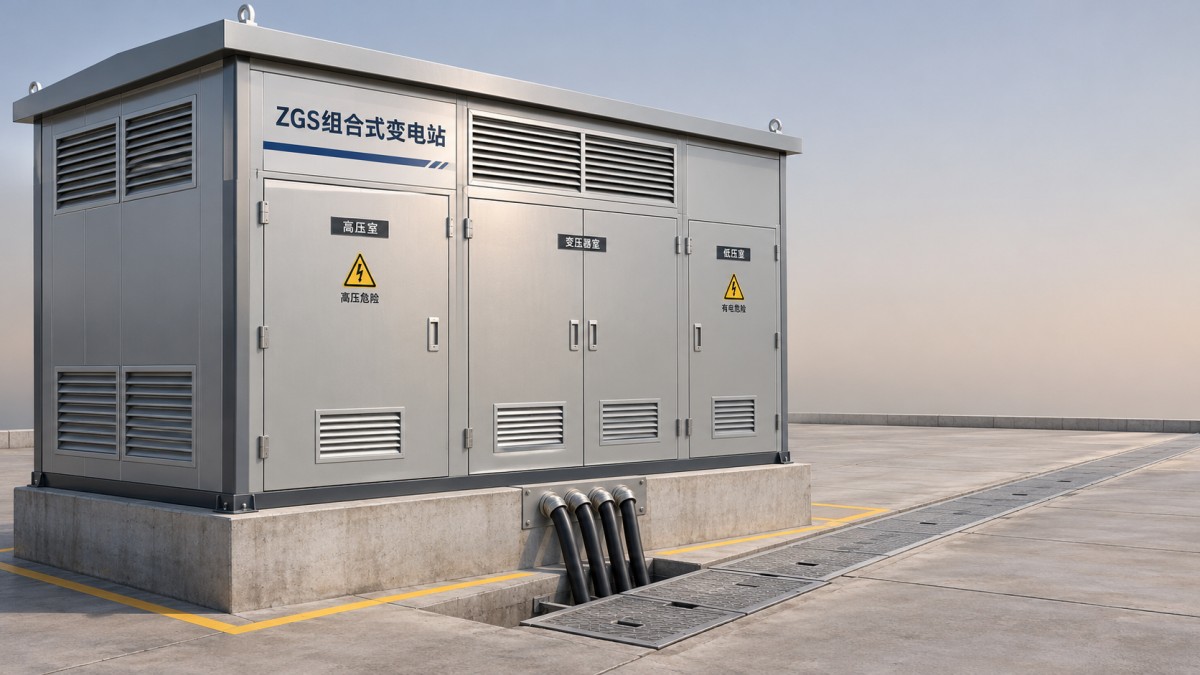
Civil works: establish what the site actually needs
The equipment supplier may specify foundation loads and mounting dimensions without providing the foundation itself. Depending on the site, the civil package can include excavation, ground improvement, a concrete plinth, embedded parts, cable trenches, drainage and reinstatement. Ground conditions and local design requirements determine the scope; a standard equipment drawing is not a substitute for a site-specific design.
Check the route from the delivery vehicle to the final position. Restricted turning space, soft ground, overhead obstructions or a long lift can change the handling plan. Also establish finished ground levels and drainage arrangements early: relocating a plinth or modifying a trench after equipment dimensions are fixed can create avoidable change orders.
Ask each bidder to state which drawings, anchor details and load information will be supplied, and when. The civil contractor needs those inputs before finalizing the foundation and cable-entry layout. Allowance for fencing, access paths or protective barriers should be based on the site design and applicable requirements, not assumed to be part of the substation price.
Installation extends beyond placing the unit
A delivered substation still needs to be positioned, connected, inspected and tested. The installation scope may include unloading and lifting, assembly of supplied parts, medium- and low-voltage cable installation, terminations, grounding and labeling. Cable supply and trenching are frequent boundary issues: a proposal may include termination labor while excluding the cables, lugs or cable-support system.
Commissioning should be priced separately enough to show what it covers. Depending on the configuration and project requirements, the plan may include insulation checks, grounding continuity checks, protection setting and functional tests, transformer checks and verification of switching interlocks. Identify who supplies test equipment, who witnesses the work and who prepares the records needed for acceptance.
Utility connection charges, planned outages and energization approval may sit outside both the equipment and installation contracts. Confirm the applicable process with the relevant network operator and assign responsibility for submissions, inspections and scheduling. These items can affect the project schedule even when their direct charges are not included in a supplier’s quote.
Make quotations comparable before negotiating
Issue the same single-line diagram, load requirements, site conditions and scope boundaries to each bidder. Then normalize the responses rather than comparing headline totals. A practical cost schedule can separate:
- Equipment: transformer, switching, protection, enclosure, accessories and documented loss values.
- Delivery and handling: packing, transport, unloading, lifting and site movement, with the delivery point stated.
- Civil and electrical works: foundations, trenches, grounding, cables, terminations and reinstatement.
- Testing and handover: commissioning labor, test records, drawings, operating instructions and training where required.
- Commercial provisions: taxes, payment terms, warranty, lead time, exclusions and the basis for variations.
Where a bidder excludes an item, insert a separate estimate or obtain a subcontractor quotation before ranking offers. Keep uncertain quantities, such as trench length or ground improvement, visible as allowances rather than treating them as fixed costs. Record who owns each interface; otherwise, two contractors may both exclude the same connection.
When a different transformer arrangement is worth pricing
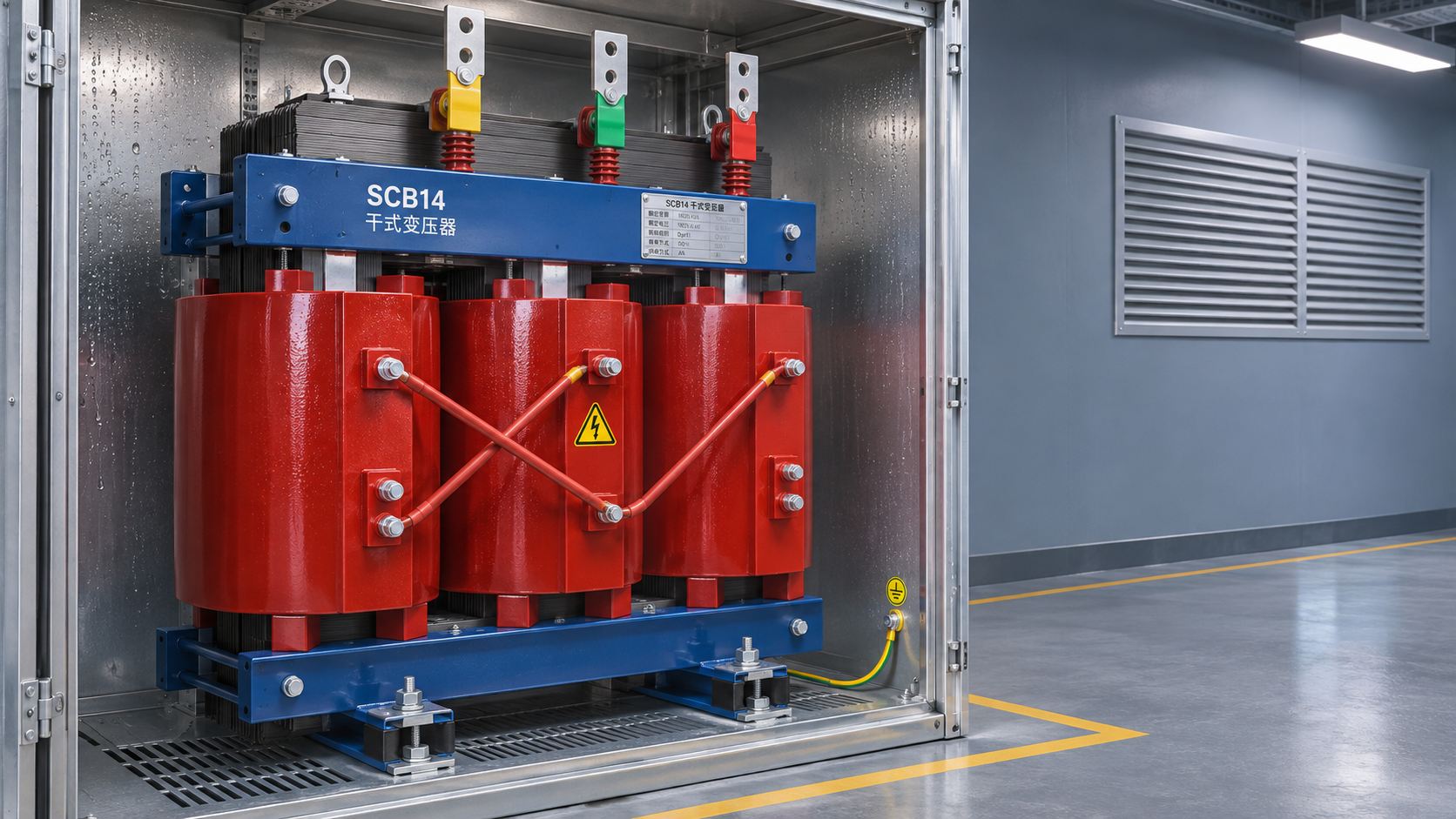
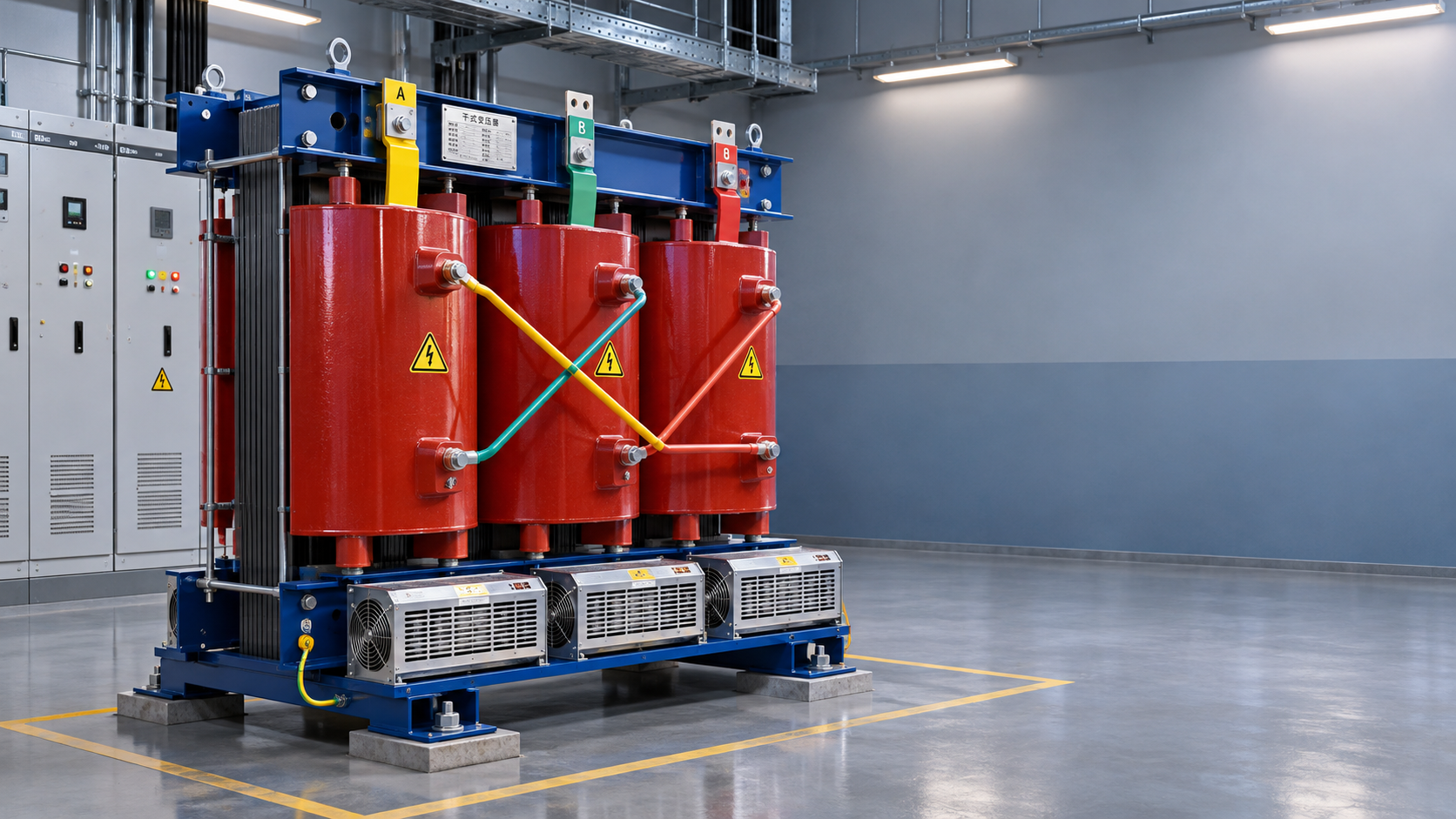
A ZGS unit is not necessarily the only way to meet the electrical requirement. Where the layout favors an indoor load-center installation or fire-protection requirements drive the design, a dry-type arrangement may be worth evaluating. The SCB14 Type Dry-Type Transformer uses epoxy resin and is described as having reduced no-load loss and low noise. Its listed applications include high-rise buildings and locations with high fire-protection requirements.
It is a transformer, not a complete substitute for a combined substation quotation. A fair comparison must add the switchgear, protection, enclosure or room, ventilation, civil work and installation required by the alternative design. Suitability for a particular hazardous location also depends on the complete installation and applicable requirements; the product description alone does not establish approval.
Set the budget boundary before approval
Carry the normalized equipment and construction totals into a project budget, then add separately identified allowances for unresolved site conditions and scope changes. Keep those allowances distinct from supplier prices so they are not mistaken for contracted work. Before issuing a purchase order, reconcile the final equipment dimensions, cable-entry positions, protection requirements and delivery responsibilities with the civil and installation packages.
The resulting figure is a project-specific budget, not a universal ZGS price. Its reliability depends on which quantities are confirmed, which are estimates and whether every interface between supply, construction and energization has an assigned owner.



 Where Can S22 Oil-Immersed Transformers Fit in Distribution Projects?
 Evaluating S20 Transformer Exporters: Documentation and Delivery Risks
 Protecting SCB14 Dry-Type Transformers From Moisture and Condensation
 Requesting an SCB18 Transformer Quote: Specifications to Include
 S20 Transformer Ratings Explained: Capacity, Losses and Impedance
 ZGS Combined Substation Cost: Equipment, Civil Works and Installation
GET A FREE QUOTE
We offer reliable products, competitive prices, and nationwide professional support, committed to providing customers with efficient and energy-saving power equipment solutions.