


When investing in oil-immersed transformers, evaluating after-sales service is as crucial as assessing technical specifications. This guide helps procurement professionals and project managers identify key service indicators like response time, maintenance support, and warranty terms. Discover how to select suppliers offering reliable post-purchase support to ensure long-term operational efficiency and minimize downtime risks for your critical power infrastructure.
1. Why After-Sales Service Matters for Oil-Immersed Transformers
Oil-immersed transformers are critical components in power distribution networks, often operating continuously for decades. Unlike standard electrical equipment, these units require specialized maintenance due to their complex insulation systems and cooling mechanisms. A 2023 industry report by the International Electrotechnical Commission (IEC) revealed that 68% of transformer failures stem from improper maintenance rather than manufacturing defects. This underscores why evaluating a supplier's after-sales capabilities should be prioritized during procurement. Key considerations include the availability of certified technicians, access to genuine replacement parts, and adherence to IEEE C57.93 maintenance standards. For industrial buyers, the total cost of ownership (TCO) over a 25-year lifespan can be 3-5 times higher when factoring in poor service support.
2. Critical After-Sales Service Metrics to Evaluate
2.1 Emergency Response Time Guarantees
Top-tier manufacturers typically offer tiered response commitments:
- Critical failures (e.g., oil leaks, bushing explosions): 24/7 onsite support within 48 hours
- Major performance issues: Remote diagnostics within 12 hours + onsite within 5 business days
- Preventive maintenance: Scheduled visits aligned with IEEE loading guidelines
Demand documented case studies showing actual response times during extreme weather events or grid emergencies.
2.2 Warranty Structure Analysis
Scrutinize warranty clauses for:
Note: Leading providers like Hitachi Energy now offer condition-based warranties using IoT sensor data.
3. Advanced Service Evaluation Techniques
Beyond basic metrics, consider these innovative assessment methods:
- Digital Twin Integration: Suppliers offering real-time performance modeling can predict maintenance needs 6-8 months in advance.
- Oil Analysis Programs: Regular DGA (Dissolved Gas Analysis) testing included in service contracts reduces unexpected outages by 40% (per CIGRE study).
- Spare Parts Inventory Mapping: Verify regional warehouses stock critical components like Buchholz relays and OLTC mechanisms.
4. Red Flags in Transformer After-Sales Support
Warning signs of inadequate service providers:
- Vague SLAs (Service Level Agreements) without penalty clauses
- No certified training programs for your maintenance staff
- Limited access to OEM technical documentation
- More than 2-week lead time for routine parts
Always request references from similar voltage class installations (66kV+ transformers require different expertise than distribution units).
5. Implementing a Service Evaluation Framework
Develop a weighted scoring system covering:
Conclusion: Securing Your Power Infrastructure Investment
Choosing an oil-immersed transformer supplier with robust after-sales service directly impacts your operational reliability and lifecycle costs. By methodically evaluating response protocols, warranty terms, and advanced support capabilities, procurement teams can mitigate risks in mission-critical power applications. The most sophisticated buyers now mandate service audits before purchase, examining real-world performance data from existing installations.
Next Step: Download our comprehensive Transformer Service Agreement Checklist to systematically compare vendor proposals. For critical projects, request a free assessment of your current transformer maintenance strategy from our IEEE-certified engineers.



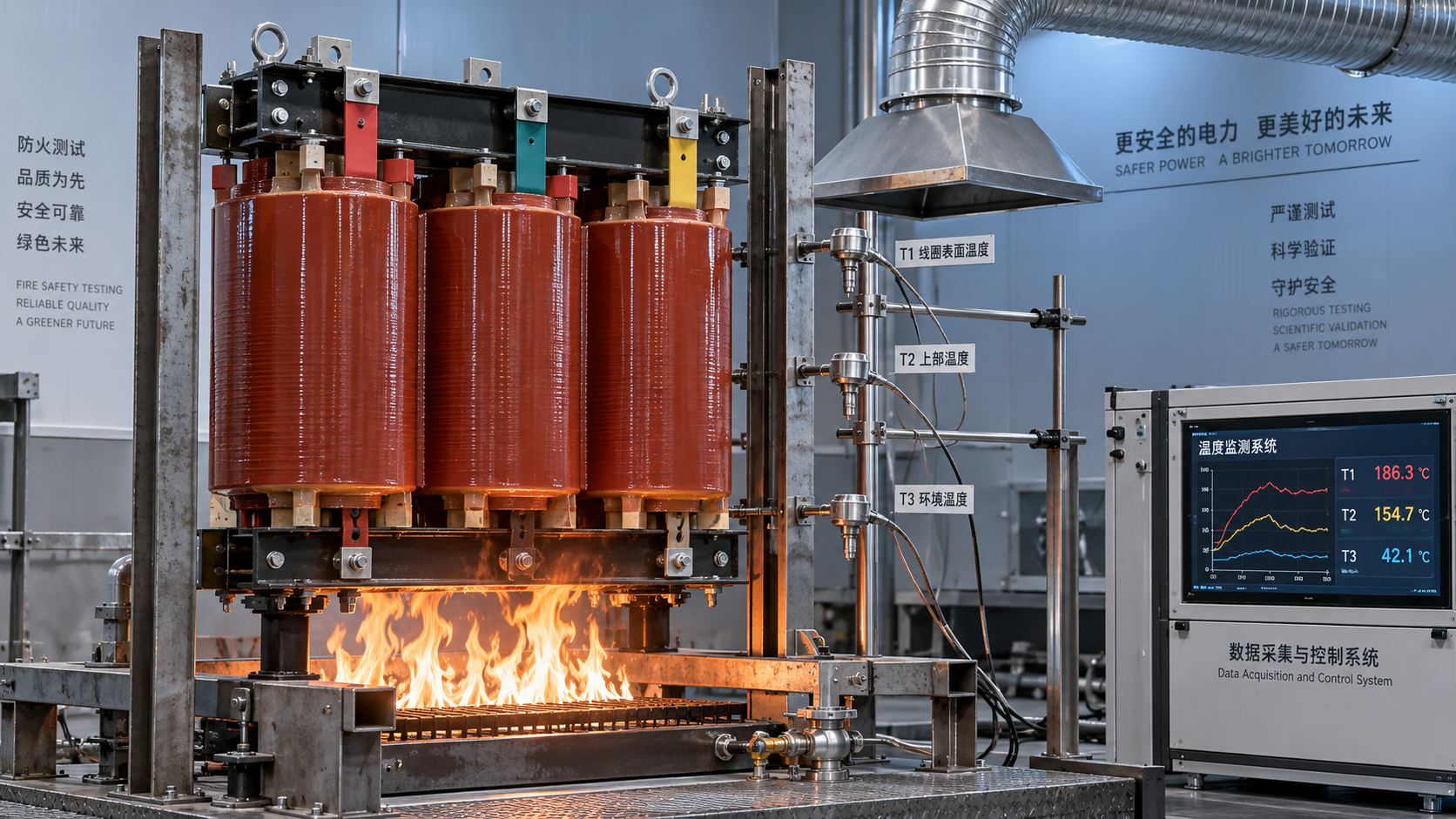
 What an F1 fire behaviour rating means for a flame-retardant transformer
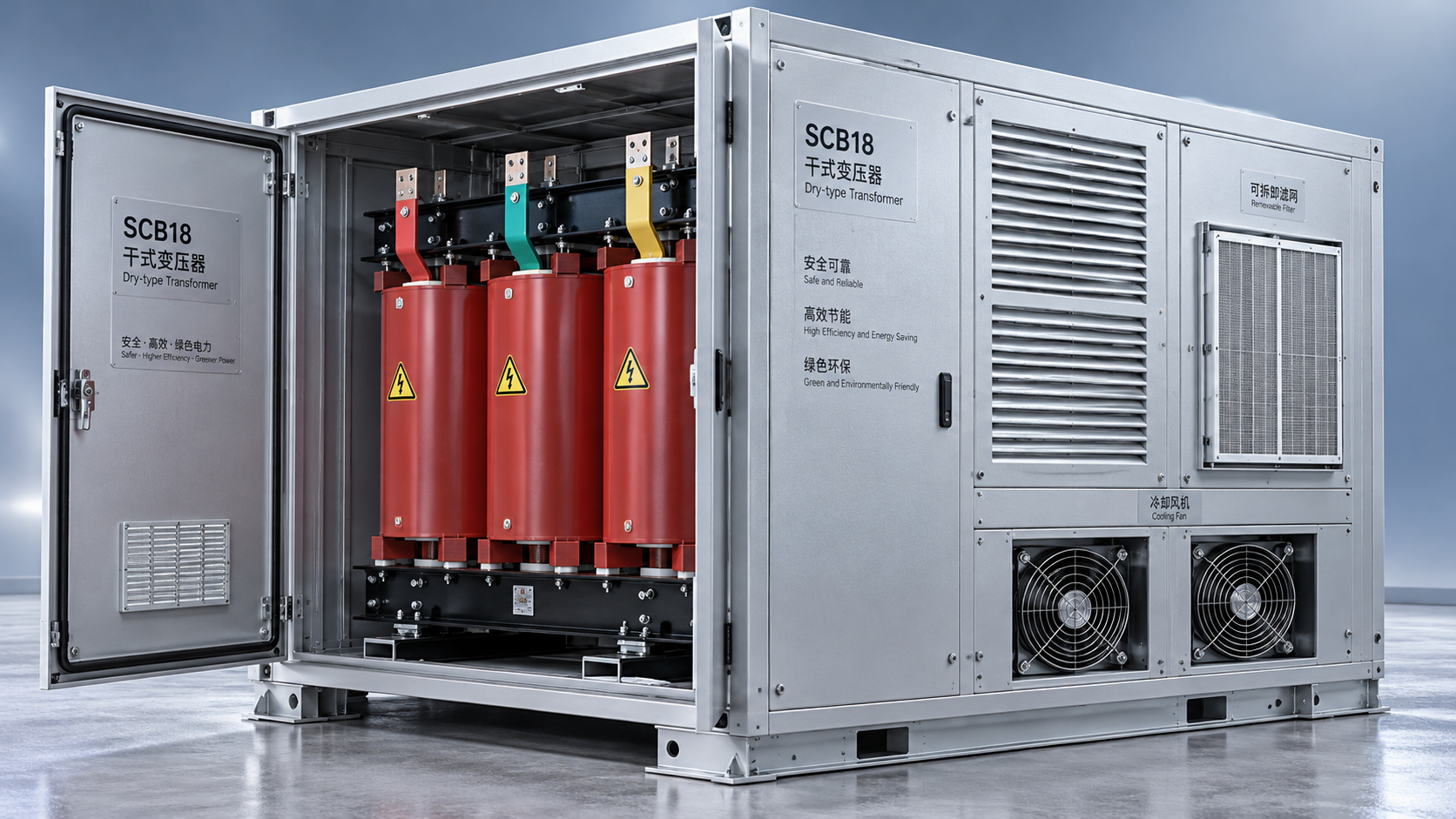
 How enclosure specifications affect SCB18 dry-type transformer cost
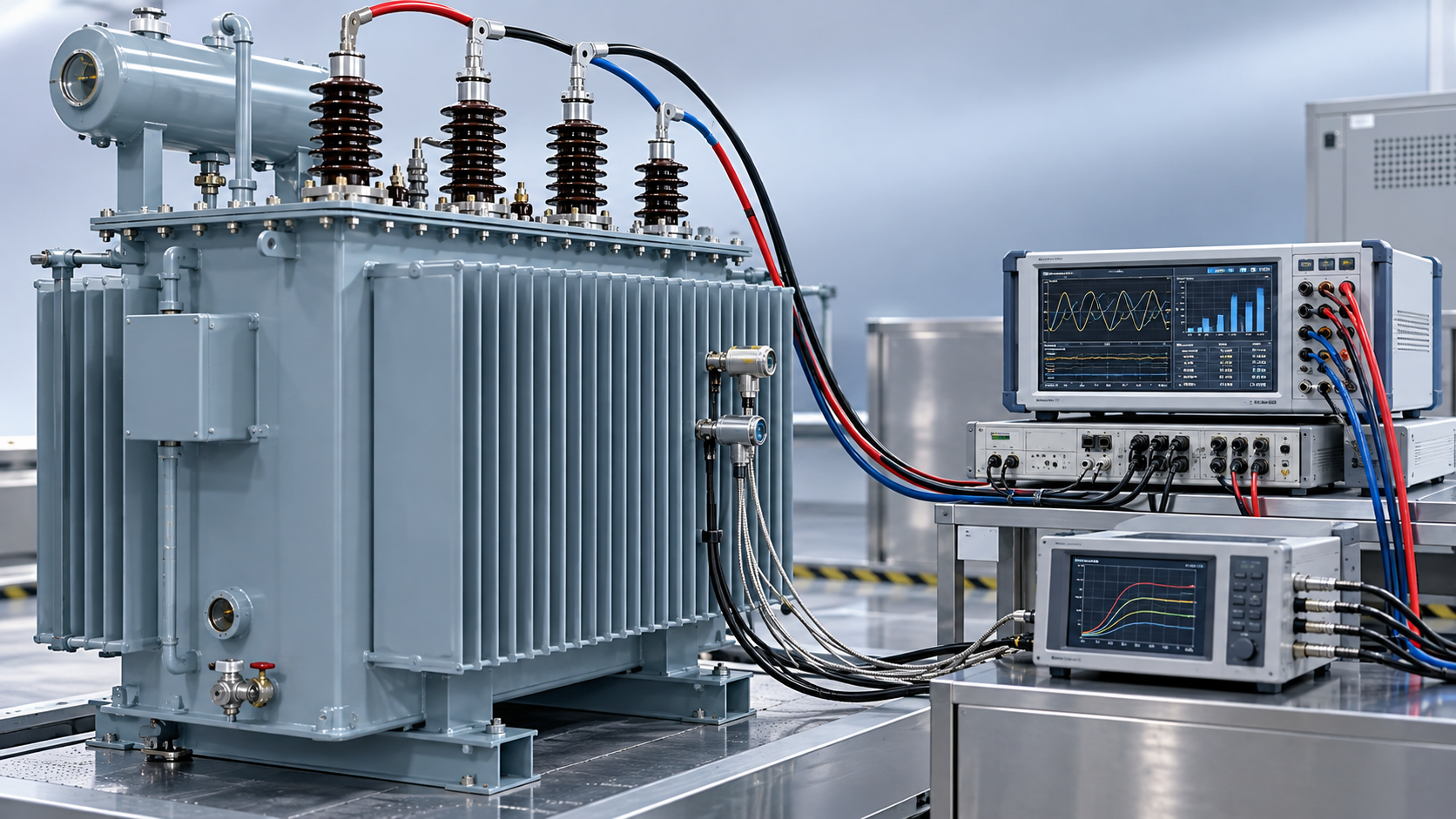
 How to compare loss guarantees for S22 oil-immersed transformers
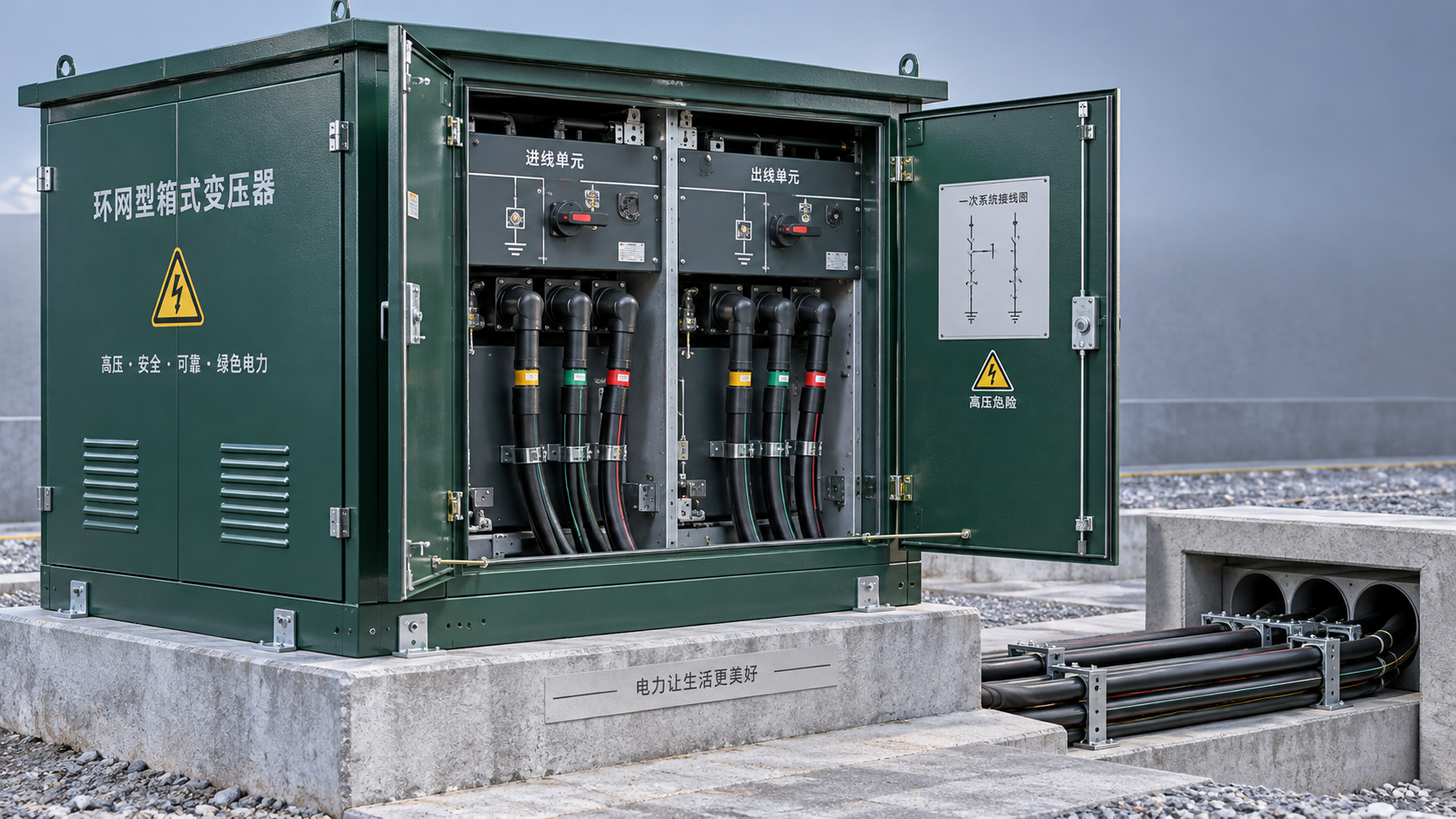
 When to choose a loop-feed pad-mounted transformer over radial feed
 How much spare capacity should a distribution transformer have?
 Checking S13 oil-immersed transformers for renewable inverter loads
GET A FREE QUOTE
We offer reliable products, competitive prices, and nationwide professional support, committed to providing customers with efficient and energy-saving power equipment solutions.