


When selecting oil-immersed transformers for critical applications, reliability should be your top priority. These power workhorses play a vital role in industrial and utility operations, where downtime can mean significant financial losses. This guide explores the top 5 reliability features that distinguish high-performance oil-immersed transformers, helping procurement professionals and project managers make informed decisions. From advanced cooling systems to robust insulation materials, understanding these key factors will ensure you choose equipment that delivers consistent performance and long-term value.
1. Advanced Cooling Systems for Optimal Thermal Management
The cooling system is the backbone of any oil-immersed transformer's reliability. High-performance models incorporate multiple cooling methods to maintain optimal operating temperatures even under heavy loads. Key technologies include:
- Forced Oil Circulation: Pumps actively circulate transformer oil through radiators, significantly improving heat dissipation compared to natural convection systems
- Directional Cooling Ducts: Strategically placed channels guide oil flow to critical hot spots, preventing localized overheating
- Intelligent Cooling Control: Automated systems adjust cooling intensity based on real-time temperature monitoring and load conditions
Modern oil-immersed transformers often combine ONAN (Oil Natural Air Natural) and ONAF (Oil Natural Air Forced) cooling modes, with some premium models reaching cooling capacity equivalent to OFAF (Oil Forced Air Forced) systems. This thermal management directly impacts the transformer's lifespan - proper cooling can extend operational life by 30-50% compared to basic designs.
2. Superior Insulation Materials and Design
Insulation quality determines an oil-filled transformer's ability to withstand electrical stress over decades of operation. Leading manufacturers use:
- High-Temperature Insulation Paper: Cellulose-based materials rated for 105°C continuous operation with special impregnation to resist oil degradation
- Multi-Layer Barrier Systems: Alternating conductor and insulation layers prevent partial discharge and voltage breakdown
- Moisture-Resistant Treatments: Special coatings and vacuum drying processes maintain dielectric strength in humid environments
The insulation system should comply with international standards like IEEE C57.12.00 and IEC 60076, with design margins that account for aging effects. Premium oil-immersed power transformers often feature 20-30% higher dielectric strength than minimum requirements, providing crucial reliability buffers.
3. Robust Tank Construction and Sealing
The transformer tank serves as both protective enclosure and oil reservoir, making its construction critical for long-term reliability. Essential features include:
Advanced oil-immersed distribution transformers often incorporate welded construction instead of bolted designs, eliminating potential leak points. Pressure testing at 1.5x rated capacity ensures structural integrity under fault conditions.
4. Comprehensive Monitoring and Protection Systems
Modern reliability extends beyond physical construction to intelligent monitoring capabilities. Essential diagnostic features include:
- Dissolved Gas Analysis (DGA) Ports: Allow periodic sampling to detect internal arcing or overheating
- Digital Temperature Monitoring: Fiber-optic sensors at winding hotspots provide real-time thermal profiling
- Buchholz Relay: Detects gas accumulation from internal faults and triggers alarms
- Oil Quality Sensors: Continuously monitor moisture content, acidity, and dielectric strength
Leading manufacturers now offer IoT-enabled oil-immersed transformers with cloud connectivity for predictive maintenance. These systems can detect 85% of potential failures 2-3 weeks before they occur, dramatically reducing unplanned outages.
5. Rigorous Quality Control and Testing Protocols
The manufacturing process itself contributes significantly to transformer reliability. Reputable suppliers implement:
- Design Verification: Finite element analysis for electromagnetic, thermal, and structural performance
- Material Certification: Traceable metallurgical and chemical composition documentation
- Production Testing: Routine checks of core assembly, winding tightness, and insulation integrity
- Final Validation: Full-power heat run tests, impulse withstand tests, and partial discharge measurements
Premium oil-filled transformers undergo 20-30% more testing than standard models, including extended load cycling to verify thermal performance. Many manufacturers provide complete test reports with each unit, documenting compliance with ANSI, IEEE, or IEC standards.
Conclusion: Investing in Long-Term Reliability
Selecting oil-immersed transformers with these five reliability features ensures stable power delivery and minimizes lifecycle costs. While premium models may carry 15-25% higher initial costs, their extended service life and reduced maintenance requirements typically deliver 200-300% ROI over 25-year operations. For mission-critical applications, these engineering investments prove essential.
When evaluating suppliers, request detailed documentation on cooling system design, insulation specifications, tank construction, monitoring capabilities, and factory testing protocols. Reputable manufacturers will readily provide this information along with references from long-term installations.
Ready to specify reliable oil-immersed transformers for your next project? Contact our engineering team for customized recommendations based on your specific voltage requirements, load profile, and environmental conditions.


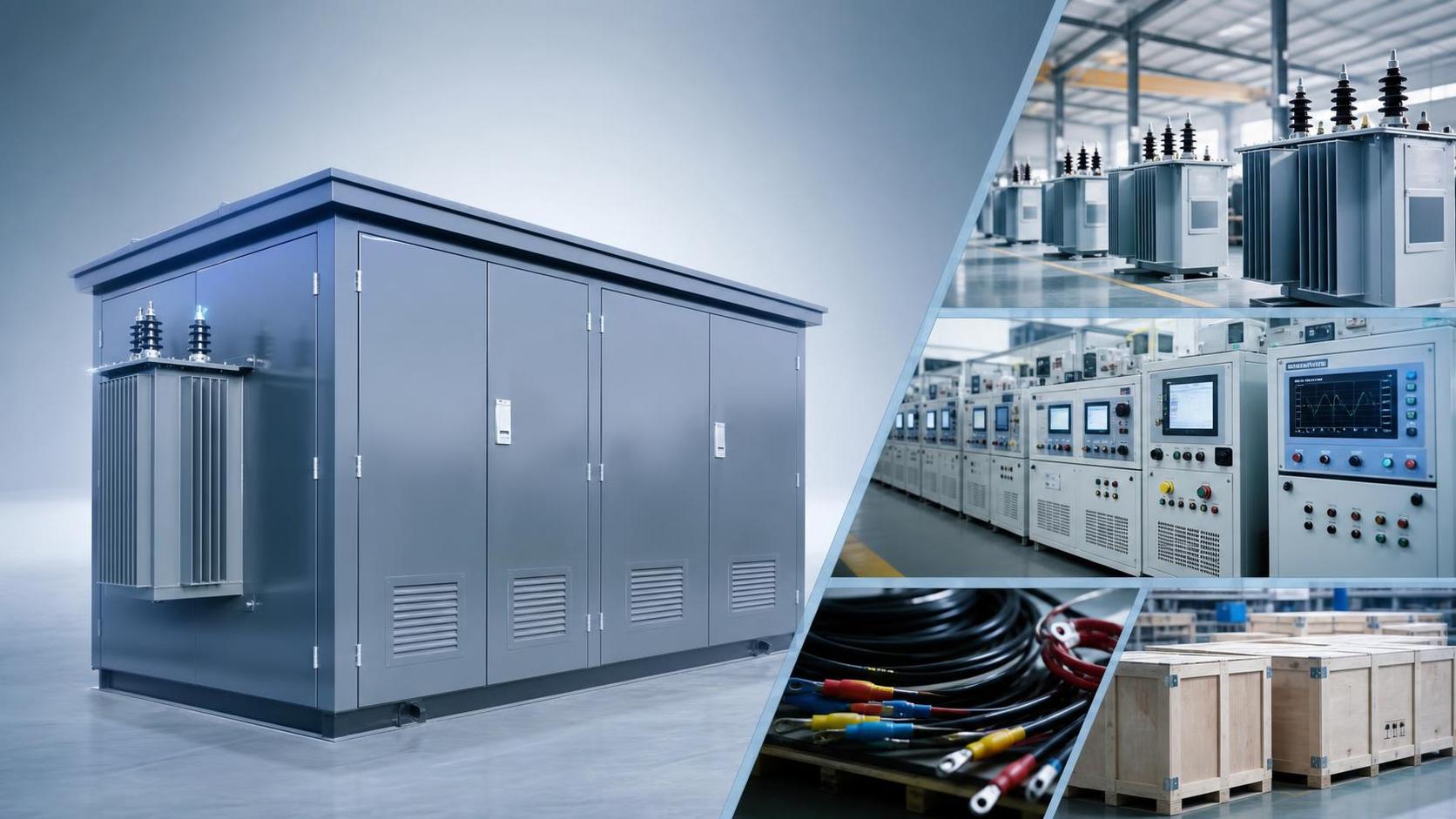
 How to Compare ZGS Combined Substation Suppliers on Lead Time and Support
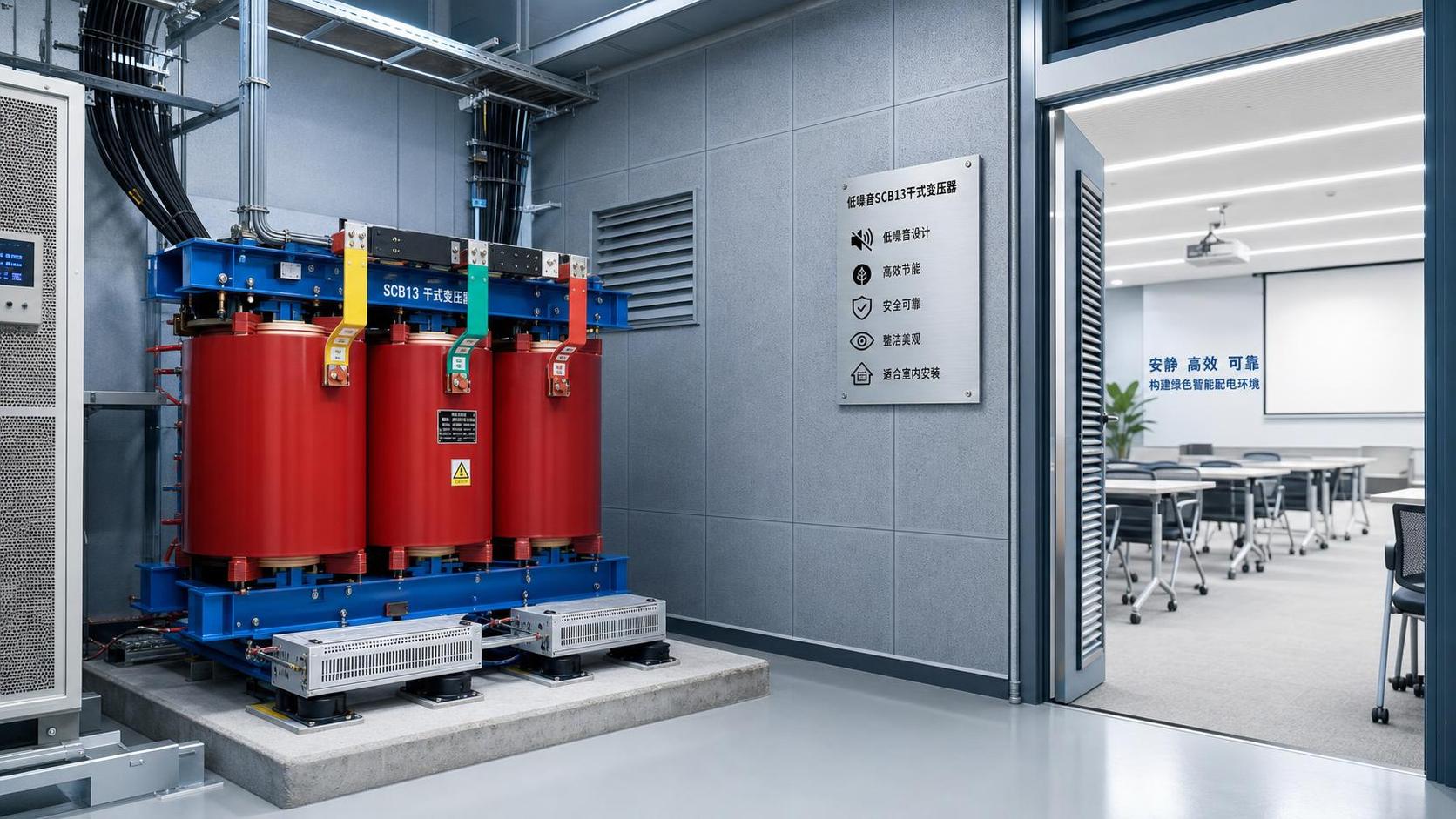
 How Low Noise Improves Indoor Use of SCB13 Dry-Type Transformers
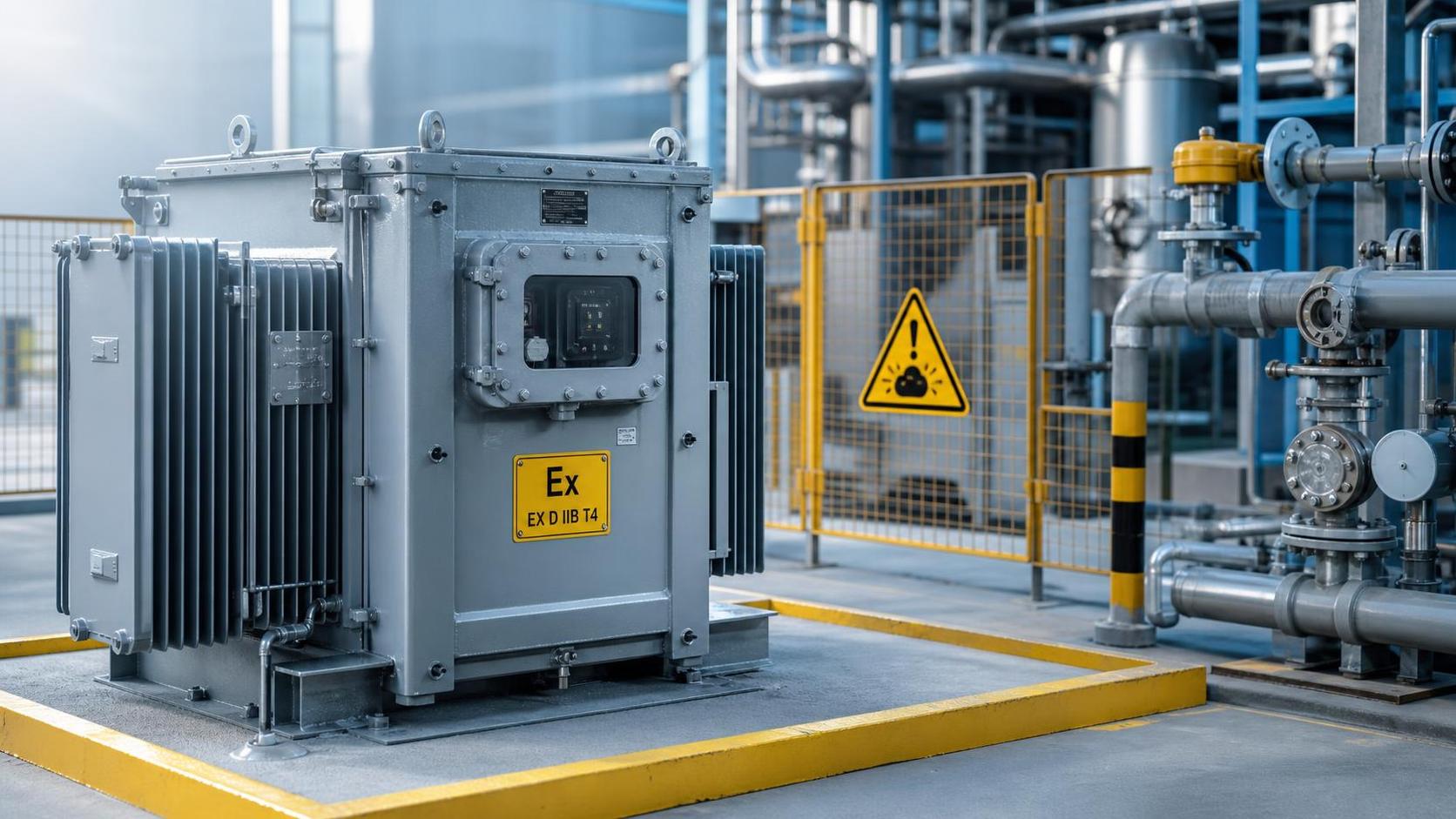
 Where an Explosion Proof Transformer Is Required by Safety Conditions
 Distribution Transformer Installation Guide: Common Site Errors to Avoid
 What Affects SCB14 Type Dry-Type Transformer Price Besides Rated Capacity
 SCB12 Type Dry-Type Transformer Applications That Benefit from Resin Insulation
GET A FREE QUOTE
We offer reliable products, competitive prices, and nationwide professional support, committed to providing customers with efficient and energy-saving power equipment solutions.