


Proper maintenance is crucial for maximizing the performance and lifespan of your oil-immersed transformer. This comprehensive guide provides essential maintenance strategies to help information researchers, procurement specialists, and project managers optimize transformer efficiency while reducing operational costs. Discover expert-approved techniques to prevent common failures and extend equipment longevity in demanding industrial environments.
Understanding Oil-Immersed Transformer Fundamentals
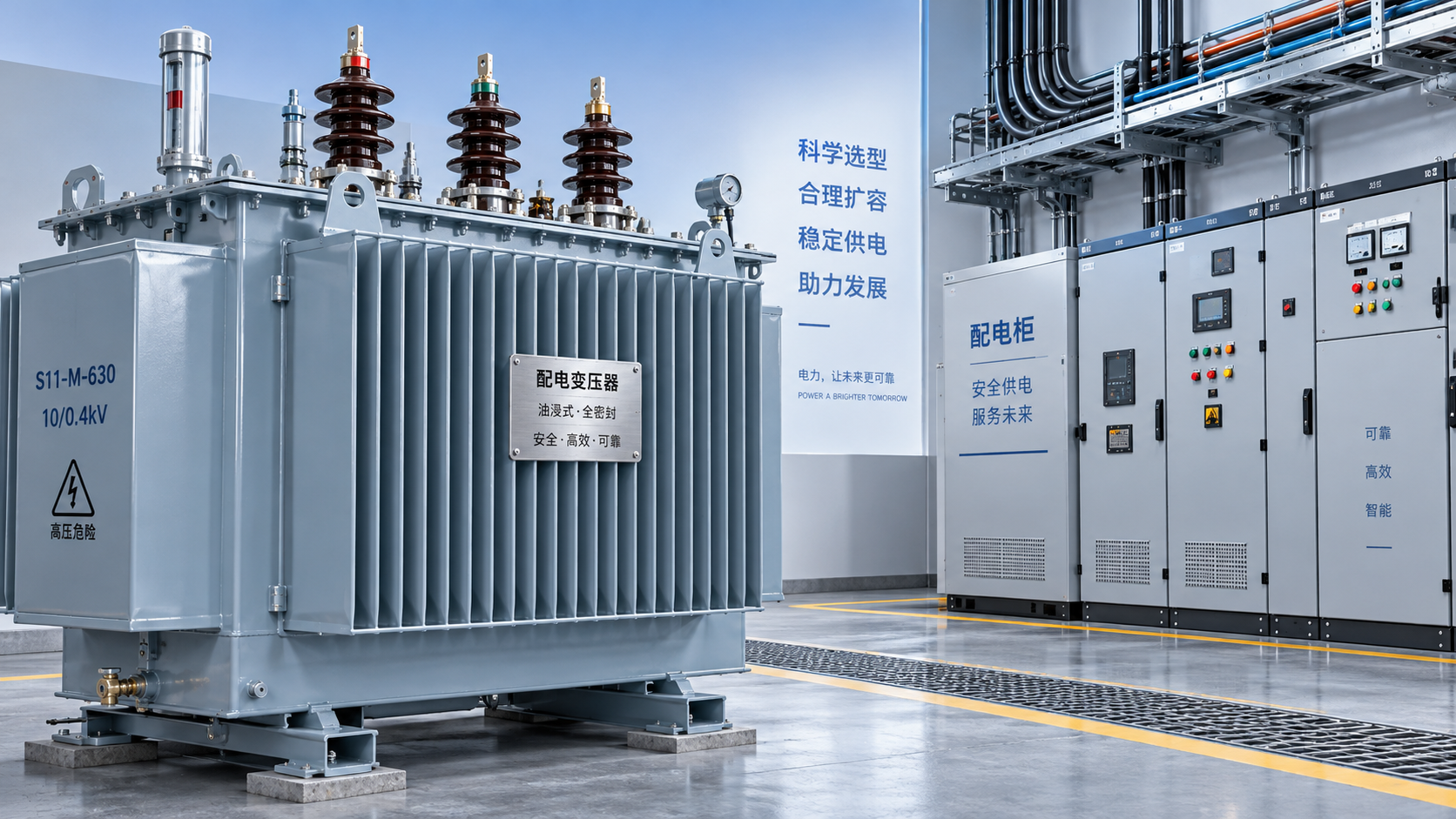
Oil-immersed transformers are critical components in power distribution networks, relying on dielectric oil for insulation and cooling. Their robust design makes them ideal for high-voltage applications, but improper maintenance can lead to accelerated degradation. The transformer oil serves multiple purposes: it acts as an electrical insulator, dissipates heat generated by core and winding losses, and protects internal components from oxidation. Over time, contaminants such as moisture, particulate matter, and dissolved gases can compromise oil quality, directly impacting transformer performance. Regular oil testing forms the foundation of predictive maintenance programs, with key parameters including dielectric strength, acidity, water content, and dissolved gas analysis (DGA). Industry standards such as IEEE C57.104 and IEC 60599 provide guidelines for interpreting DGA results to detect incipient faults before they escalate into catastrophic failures.
Essential Maintenance Procedures for Optimal Performance
1. Oil Quality Management: Implement a rigorous oil sampling and testing schedule, with quarterly checks for critical units and annual tests for less demanding applications. Modern oil purification systems can extend service life by removing water and particulate contaminants through vacuum dehydration and filtration processes.
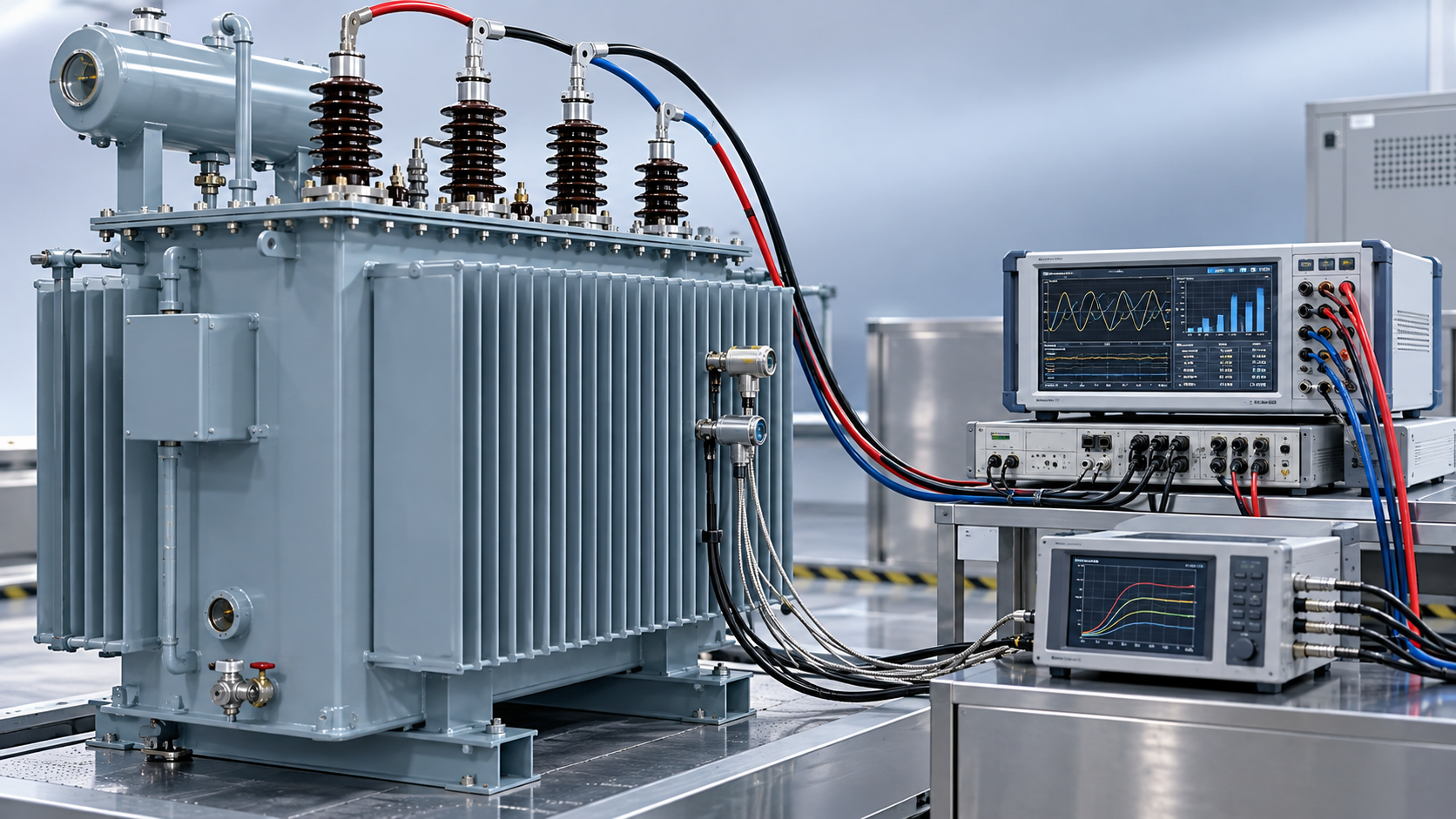
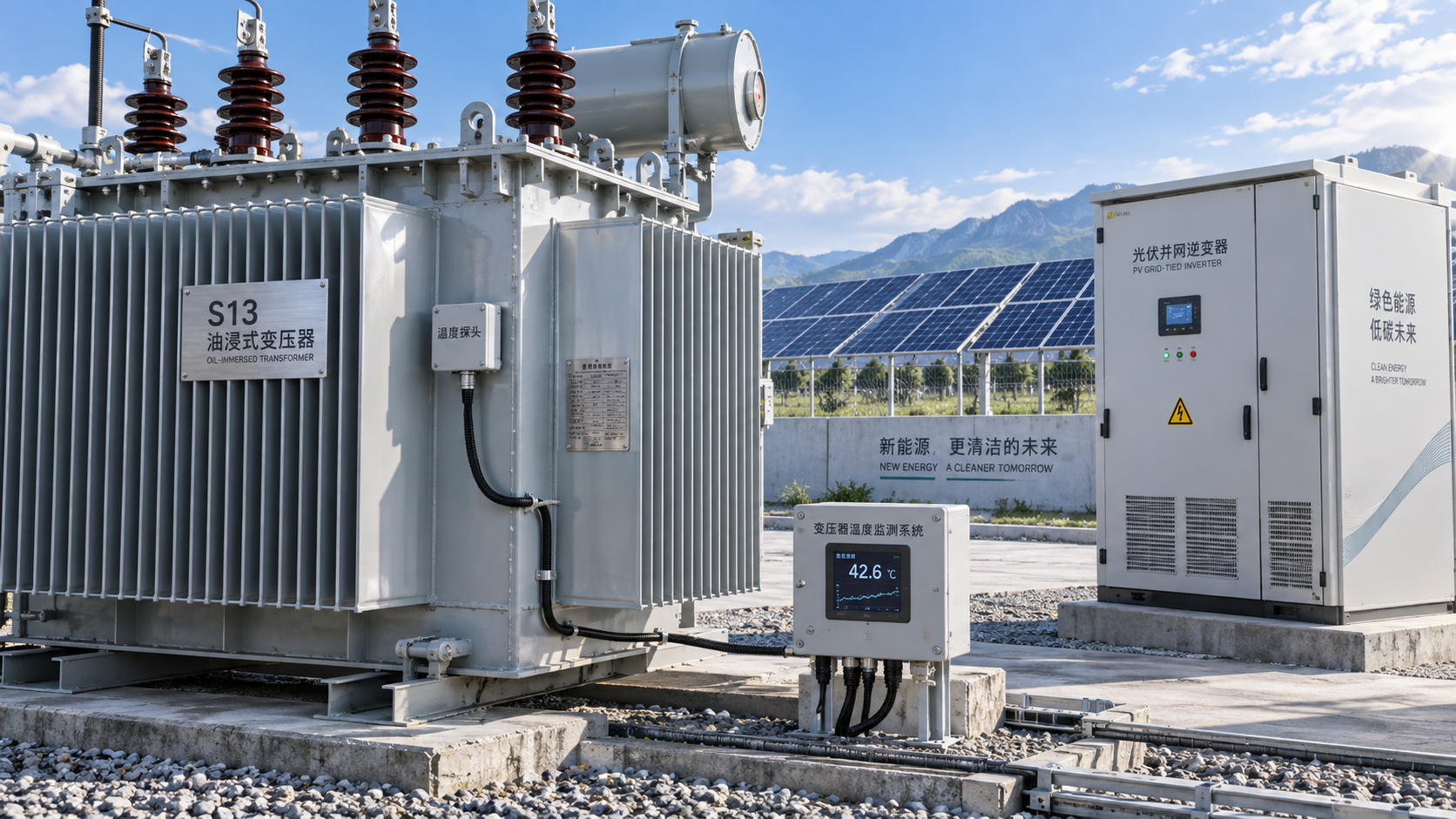
2. Temperature Monitoring: Install dual-temperature indicators (OTI/WTI) to track top-oil and winding temperatures. Abnormal temperature rises often indicate developing problems such as blocked cooling ducts, failing pumps in forced-oil units, or excessive loading conditions.
3. Bushings and Tap Changers Inspection: These components represent common failure points. Perform infrared thermography scans during load conditions to detect hot spots, and schedule mechanical inspections during planned outages to verify proper operation of tap changer contacts and drive mechanisms.
Advanced Diagnostic Techniques
Modern condition assessment goes beyond traditional maintenance checklists. Frequency Response Analysis (FRA) detects mechanical deformations in windings by comparing signature responses over time. Partial Discharge (PD) monitoring identifies localized dielectric breakdowns that precede major insulation failures. These non-invasive techniques complement routine maintenance, providing early warning of developing issues. For critical infrastructure, consider installing online monitoring systems that continuously track key parameters and provide real-time alerts through SCADA integration. Such systems typically monitor dissolved gas concentrations, moisture levels, load current, and temperature profiles, enabling data-driven maintenance decisions.
Preventative Maintenance Schedule
Extending Transformer Lifespan Through Proactive Measures
Proper loading practices significantly impact transformer longevity. Avoid sustained overloads beyond nameplate ratings, and implement load management strategies to balance phase currents. For units operating in harsh environments, consider supplemental measures such as nitrogen blanketing systems to minimize oil oxidation or desiccant breathers to reduce moisture ingress. When retrofitting older units, modern components like amorphous metal cores can improve efficiency by up to 75% compared to traditional silicon steel cores. Document all maintenance activities thoroughly, creating a historical record that supports condition-based replacement decisions rather than arbitrary age-based retirement. Industry studies demonstrate that well-maintained oil-immersed transformers can reliably operate for 40+ years, delivering superior return on investment compared to premature replacement.
Common Failure Modes and Mitigation Strategies
- Insulation Degradation: The leading cause of transformer failures, often accelerated by thermal stress and moisture contamination. Regular oil testing and maintaining proper oil preservation systems can mitigate this risk.
- Bushing Failures: Typically caused by moisture ingress or mechanical stress. Implement regular power factor testing and visual inspections.
- Tap Changer Issues: Mechanical wear and contact erosion account for nearly 20% of transformer failures. Schedule regular maintenance during planned outages.
- Core and Winding Damage: Usually results from through-fault currents or lightning strikes. Ensure proper relay protection settings and surge arrestor maintenance.
Conclusion: Optimizing Your Transformer Asset Management
Implementing a comprehensive maintenance program for your oil-immersed transformers delivers measurable benefits: extended equipment life, reduced unplanned outages, and optimized capital expenditure. By combining routine maintenance with advanced diagnostic techniques, organizations can transition from time-based to condition-based maintenance strategies, maximizing asset utilization while minimizing risks. For facilities operating critical power infrastructure, partnering with transformer specialists ensures access to the latest maintenance technologies and industry best practices. Contact our team of certified transformer engineers today to develop a customized maintenance plan tailored to your specific operational requirements and risk tolerance.
Ready to enhance your transformer reliability? Request a professional assessment of your oil-immersed transformer maintenance program today.



 What an F1 fire behaviour rating means for a flame-retardant transformer
 How enclosure specifications affect SCB18 dry-type transformer cost
 How to compare loss guarantees for S22 oil-immersed transformers
 When to choose a loop-feed pad-mounted transformer over radial feed
 How much spare capacity should a distribution transformer have?
 Checking S13 oil-immersed transformers for renewable inverter loads
GET A FREE QUOTE
We offer reliable products, competitive prices, and nationwide professional support, committed to providing customers with efficient and energy-saving power equipment solutions.