


A transformer is a device that uses the principle of electromagnetic induction to change AC voltage. Its basic structure consists of a primary coil, a secondary coil, and an iron core. It has a wide range of applications in industry, transportation, and other fields. The following is a brief introduction to the common types and main classifications of transformers.
(I) Common Types of Transformers
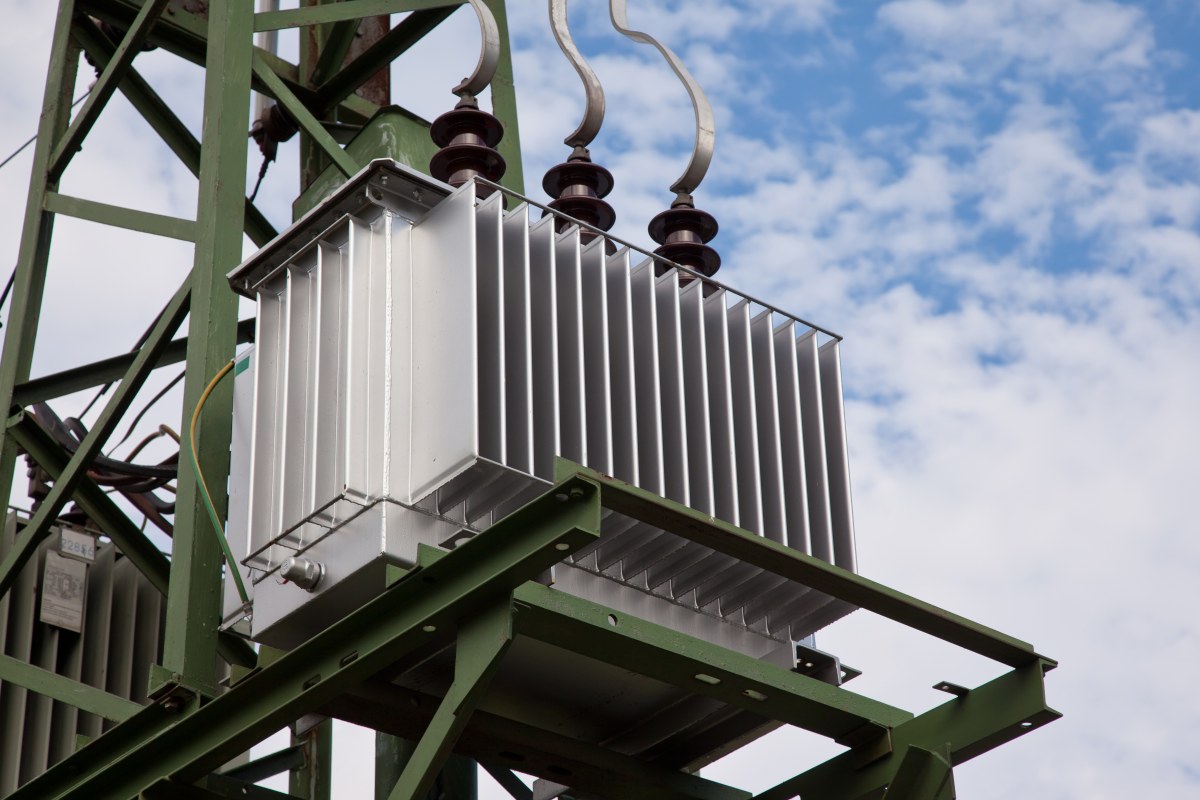
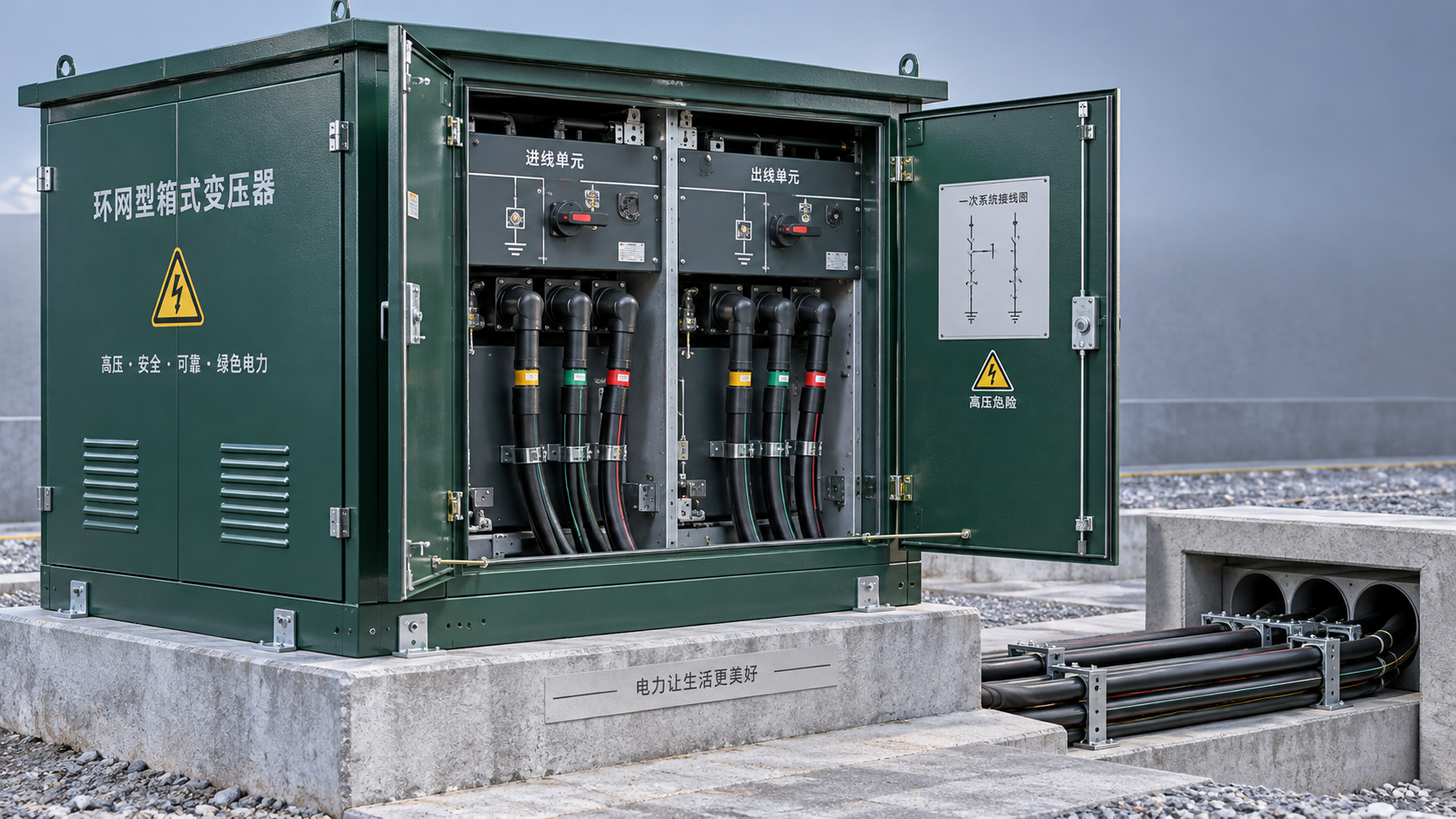
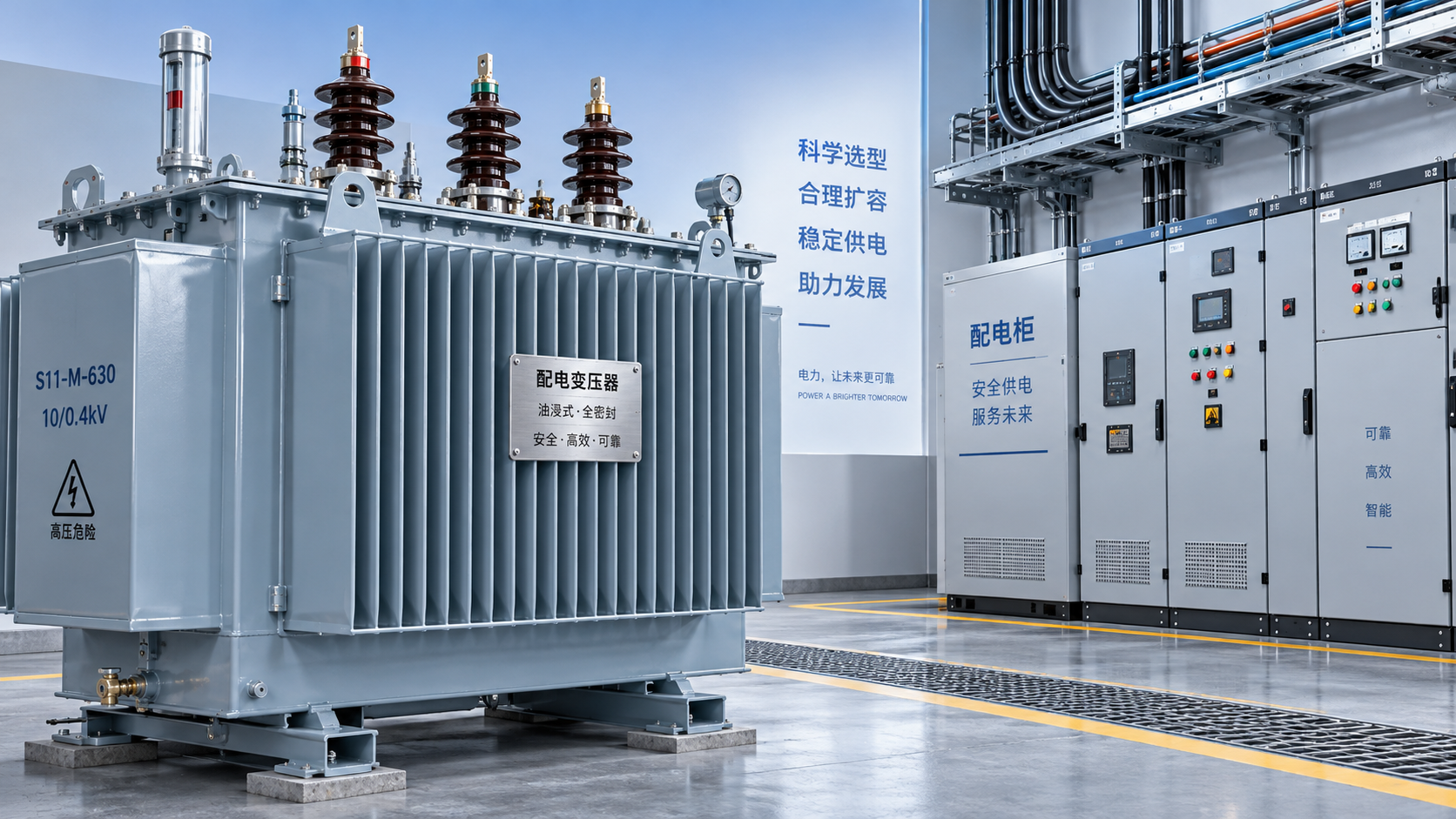
Distribution transformers, power transformers, fully sealed transformers, combined transformers, dry-type transformers, oil-immersed transformers, single-phase transformers, electric furnace transformers, rectifier transformers, reactors, anti-interference transformers, lightning protection transformers, box-type transformer test transformers, angle transformers, high-current transformers, excitation transformers, etc.
(II) Main Classifications of Transformers
1. By iron core form:
(1) Core-type transformers: Used for high-voltage power transformers.
(2) Amorphous alloy transformer: Amorphous alloy core transformers use new magnetic materials, reducing no-load current by about 80%, making them energy-efficient distribution transformers, especially suitable for rural power grids and developing areas with low load rates.
(3) Shell-type transformer: Special transformers used for high current applications, such as electric furnace transformers and welding transformers; or power transformers for electronic instruments, televisions, radios, etc.
2. By application:
(1) Power transformer: Used for stepping up and down voltage in power transmission and distribution systems.
(2) Instrument transformer: Such as voltage transformers and current transformers, used for measuring instruments and relay protection devices.
3. By winding type:
(1) Two-winding transformer: Used to connect two voltage levels in a power system.
(2) Three-winding transformer: Generally used in regional substations of power systems to connect three voltage levels.
(3) Autotransformer: Used to connect power systems with different voltages. Can also be used as a general step-up or step-down transformer. 4. Classification by Cooling Method:
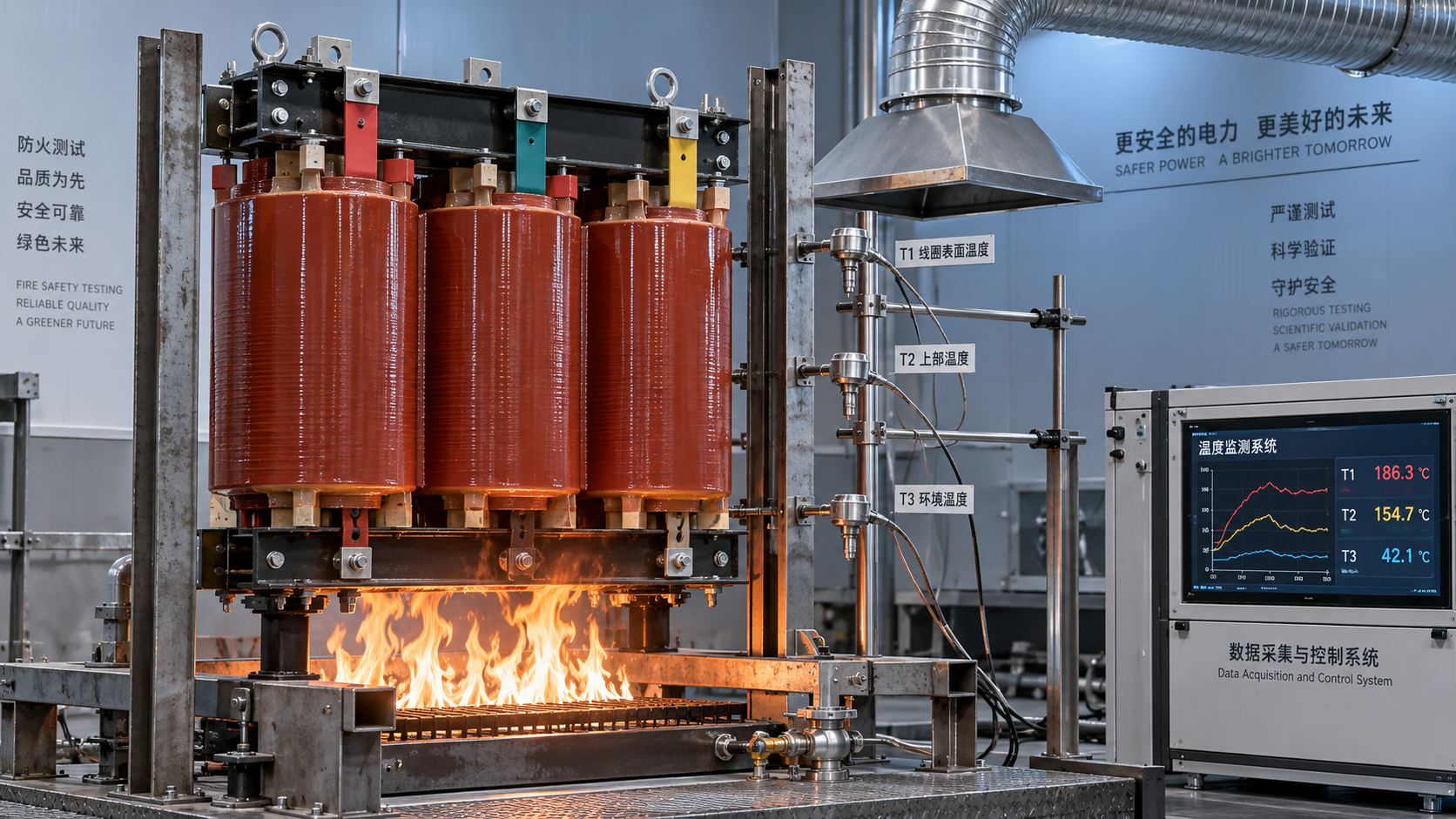
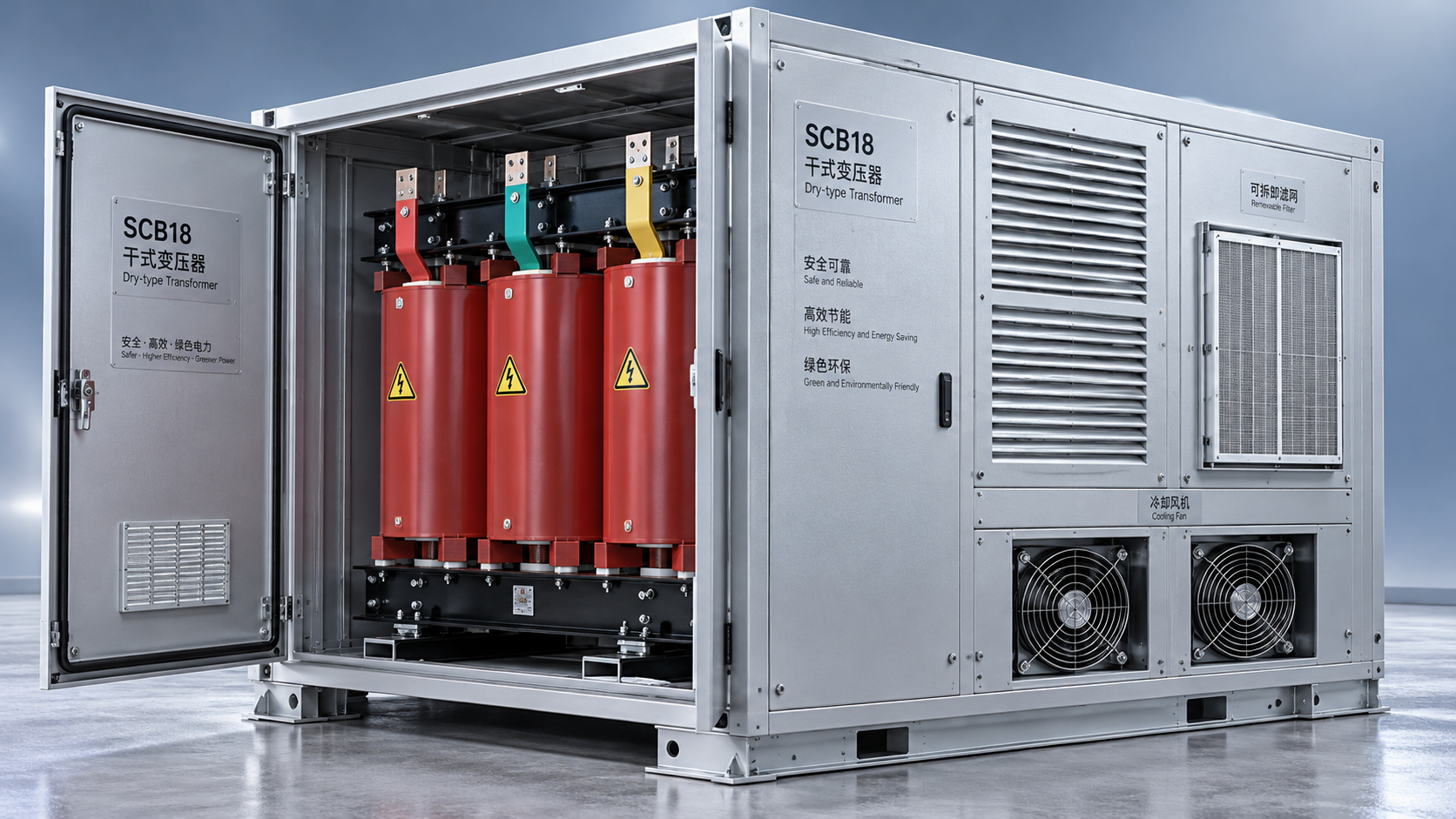
(1) Dry-type transformers: Rely on air convection for natural cooling or additional fan cooling. They are mostly used in high-rise buildings, highway toll stations, and small-capacity transformers for local lighting and electronic circuits.
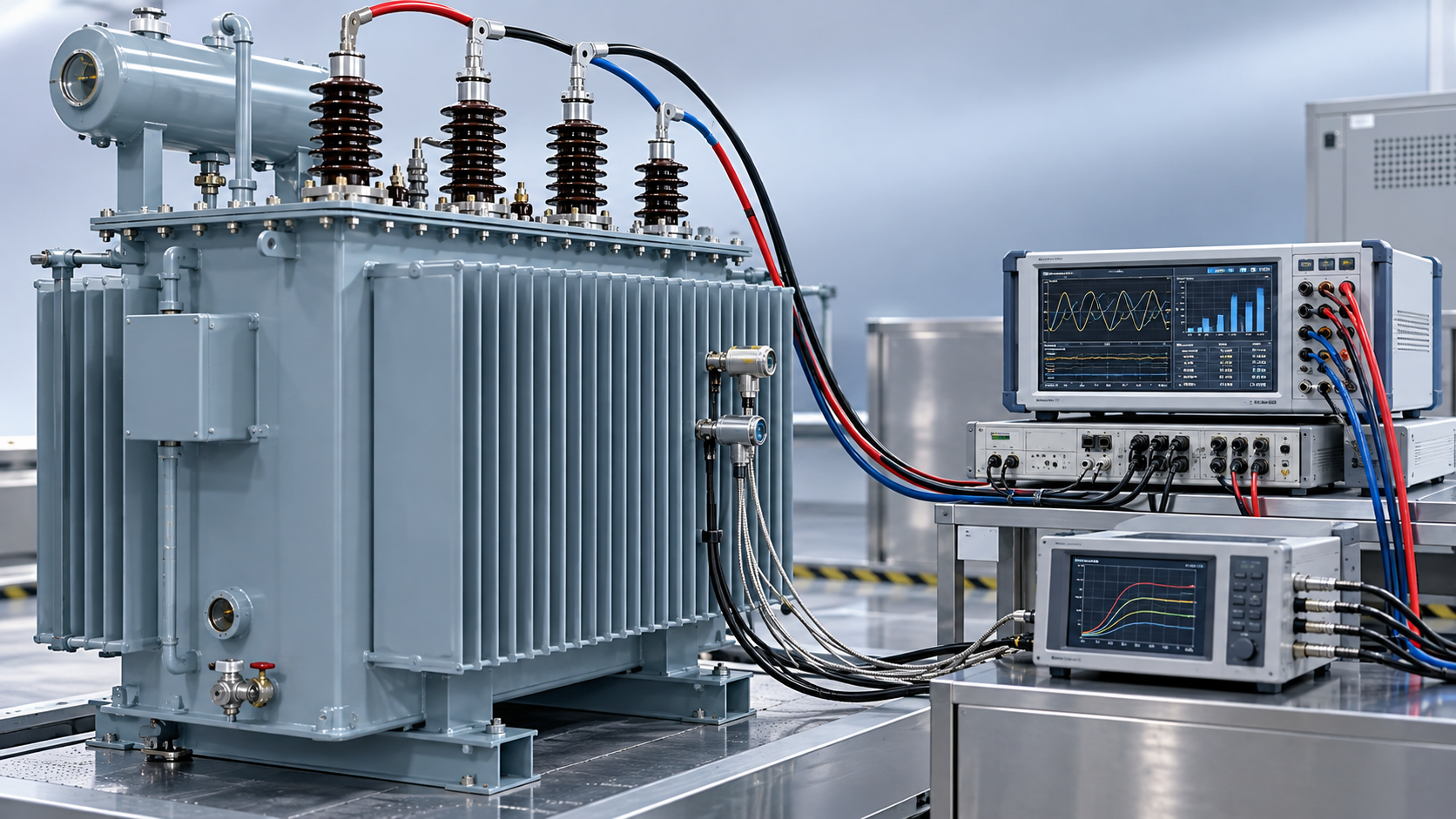
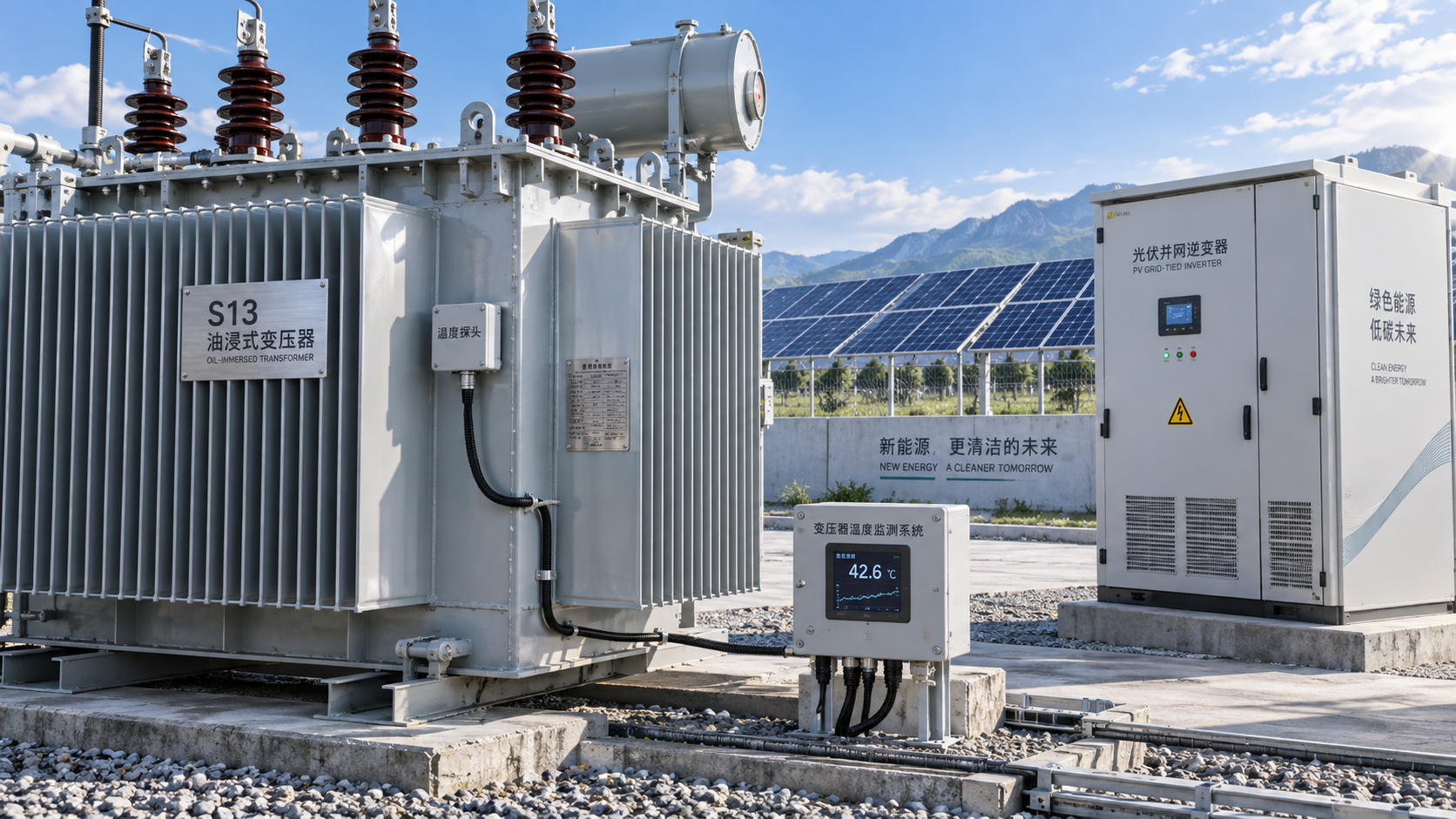
(2) Oil-immersed transformers: Rely on oil as the cooling medium, such as oil-immersed self-cooling, oil-immersed air-cooling, oil-immersed water-cooling, and forced oil circulation.
5. Classification by Number of Phases:
(1) Single-phase transformers: Used for single-phase loads and three-phase transformer banks.
(2) Three-phase transformers: Used for stepping up and down voltage in three-phase systems.



 What an F1 fire behaviour rating means for a flame-retardant transformer
 How enclosure specifications affect SCB18 dry-type transformer cost
 How to compare loss guarantees for S22 oil-immersed transformers
 When to choose a loop-feed pad-mounted transformer over radial feed
 How much spare capacity should a distribution transformer have?
 Checking S13 oil-immersed transformers for renewable inverter loads
GET A FREE QUOTE
We offer reliable products, competitive prices, and nationwide professional support, committed to providing customers with efficient and energy-saving power equipment solutions.