


As project managers and decision-makers navigate the evolving energy landscape, oil-immersed transformers remain a cornerstone of power distribution systems. This article explores cutting-edge technology trends transforming oil-immersed transformer design, efficiency, and sustainability. Discover how innovations in cooling systems, smart monitoring, and eco-friendly fluids are shaping the future of these critical assets - essential knowledge for procurement specialists and engineering professionals evaluating long-term infrastructure investments.
Advanced Cooling Systems Revolutionizing Transformer Efficiency
Modern oil-immersed transformers are undergoing significant advancements in thermal management. Traditional radiator-based cooling is being supplemented or replaced by innovative solutions like directional oil flow systems and phase-change materials (PCMs). These technologies maintain optimal operating temperatures while reducing energy losses by up to 15% compared to conventional designs. For project managers overseeing large-scale installations, these improvements translate to:
- Extended equipment lifespan (20+ years with proper maintenance)
- Reduced downtime from thermal stress-related failures
- Lower total cost of ownership through energy savings
Leading manufacturers are now incorporating computational fluid dynamics (CFD) simulations during the design phase to optimize cooling performance for specific installation environments. This precision engineering ensures oil-immersed transformers deliver peak efficiency whether deployed in tropical climates or confined urban substations.
Smart Monitoring: The IoT Transformation of Transformer Management
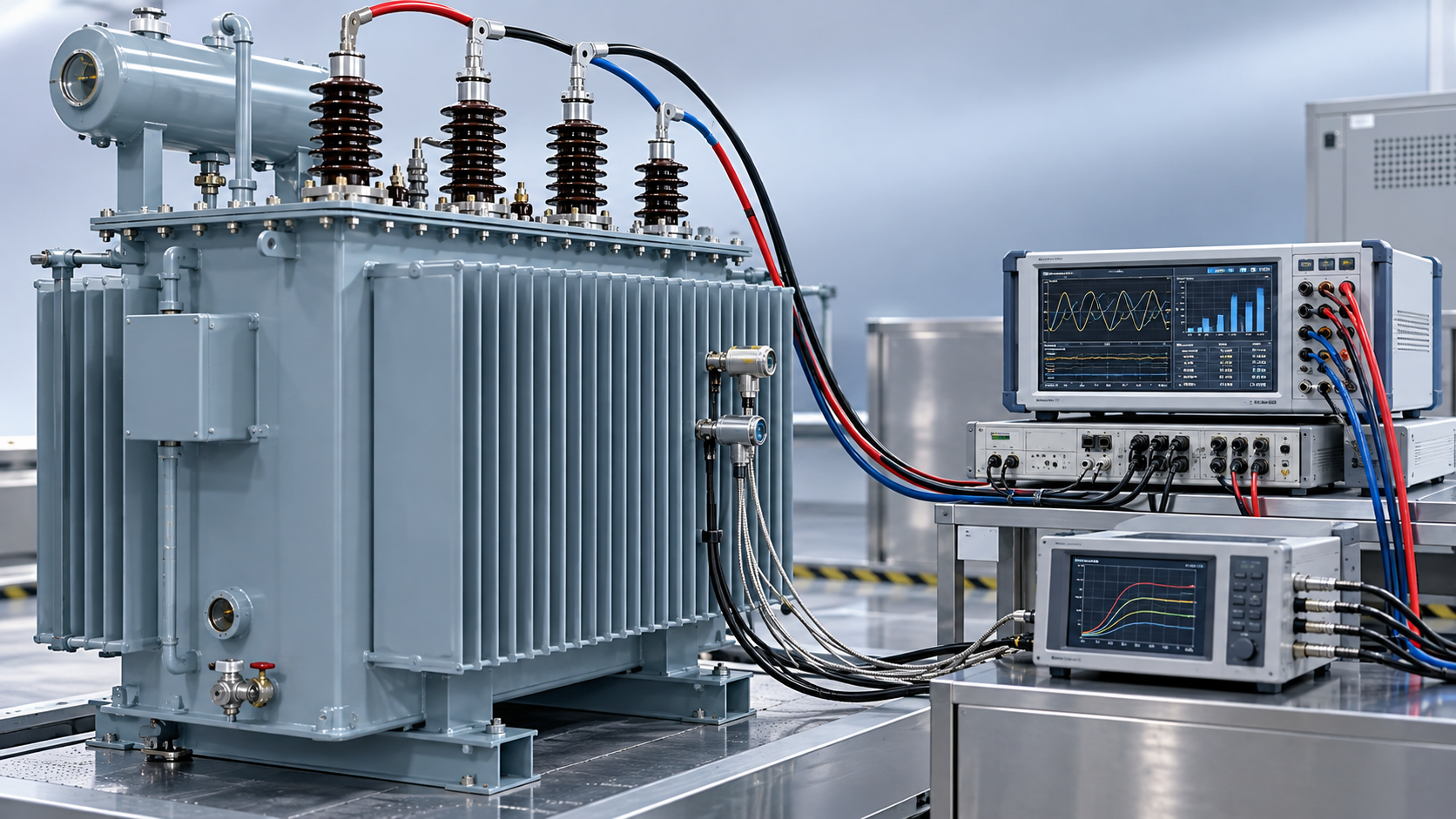
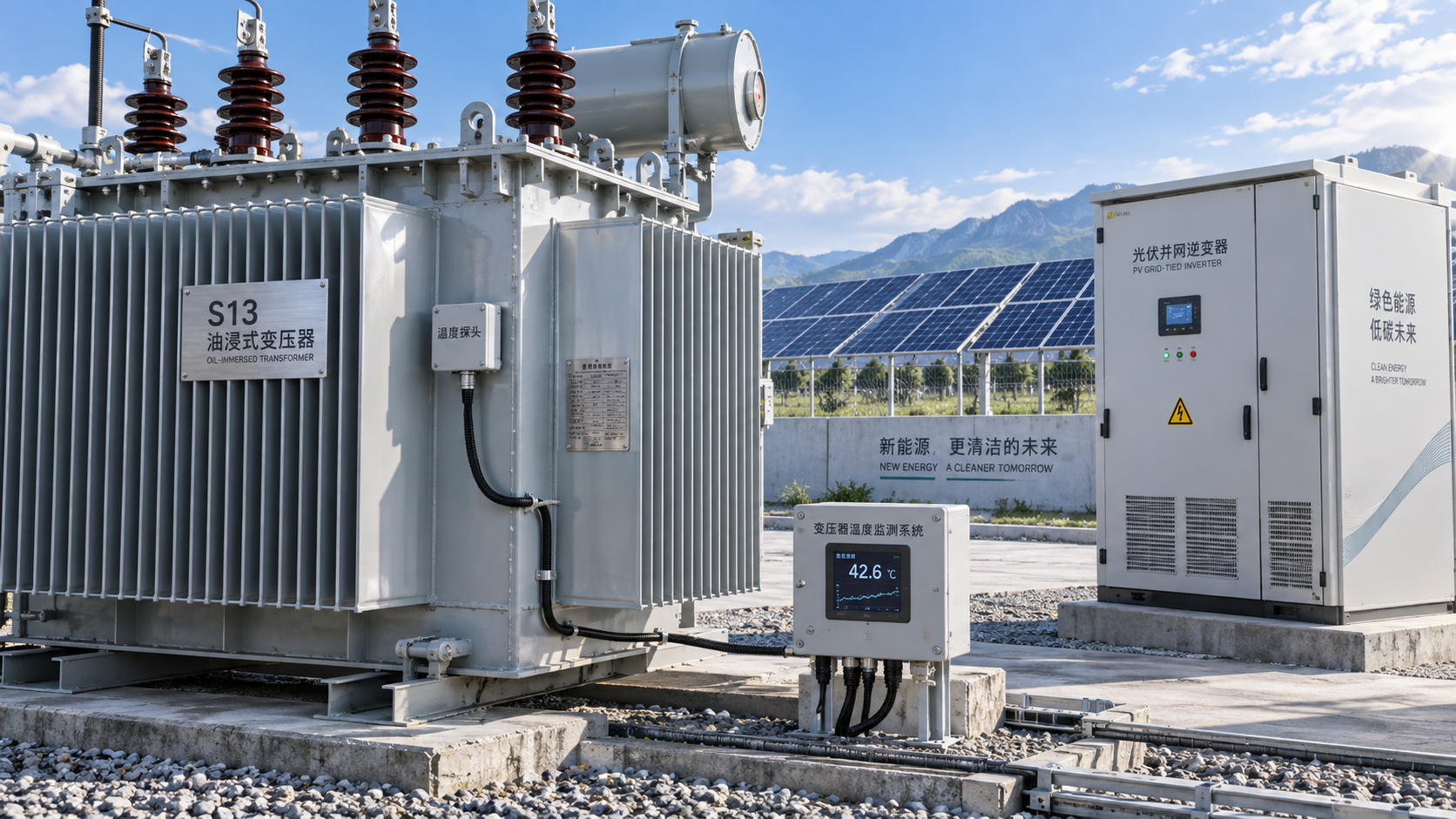
The integration of IoT sensors and predictive analytics represents a quantum leap in oil-immersed transformer maintenance strategies. Modern units come equipped with:
These smart oil-immersed transformers feed real-time data to centralized asset management platforms, enabling predictive maintenance that can reduce unplanned outages by 40-60%. For procurement teams evaluating options, the ROI justification for these premium features becomes clear when considering the cost of emergency repairs versus planned interventions.
Eco-Friendly Fluids: Sustainable Alternatives to Mineral Oil
The industry is witnessing rapid development of biodegradable insulating fluids that maintain (or exceed) the dielectric properties of traditional mineral oil. Natural ester fluids, derived from vegetable sources, offer:
- Fire safety improvements (fire point >300°C vs. 160°C for mineral oil)
- Reduced environmental impact (98% biodegradable)
- Enhanced moisture tolerance for humid environments
While these fluids currently command a 20-30% price premium, their adoption is growing among utilities with strong sustainability mandates. Engineering teams should note that retrofitting existing oil-immersed transformers with natural esters requires careful assessment of material compatibility, particularly with older paper insulation systems.
Modular Design for Flexible Deployment Scenarios
Contemporary oil-immersed transformer designs increasingly incorporate modular components that simplify installation and future upgrades. This approach benefits project managers facing:
- Space-constrained urban substations
- Phased capacity expansion requirements
- Standardization across global operations
Modular bushings, tap changers, and cooling systems allow for easier transportation and on-site assembly. Some manufacturers now offer "plug-and-play" control cabinets that can be upgraded without draining the transformer oil - a significant advantage for operations teams managing critical infrastructure with minimal downtime windows.
Cybersecurity Considerations for Connected Transformers
As oil-immersed transformers become more digitally connected, cybersecurity emerges as a critical specification factor. Industry standards like IEC 62351 define security protocols for power system communications, but procurement specialists should verify:
- Encryption standards for data transmission
- Physical security of monitoring equipment
- Vendor commitment to firmware updates
Leading manufacturers now conduct regular penetration testing and provide detailed cybersecurity documentation - a valuable differentiator for decision-makers in regulated industries or critical infrastructure projects.
Conclusion: Strategic Considerations for Future-Proof Investments
The evolution of oil-immersed transformer technology presents both opportunities and complexities for project managers and procurement teams. Key takeaways include:
- Advanced cooling systems deliver measurable efficiency gains
- Smart monitoring capabilities transform maintenance paradigms
- Eco-friendly fluids align with corporate sustainability goals
- Modular designs offer operational flexibility
When evaluating oil-immersed transformers for your next project, consider both immediate technical requirements and long-term operational needs. Partner with manufacturers who demonstrate proven expertise in these emerging technologies and can provide lifecycle support. Contact our team of transformer specialists today to discuss how these innovations can be tailored to your specific application requirements and investment horizon.



 What an F1 fire behaviour rating means for a flame-retardant transformer
 How enclosure specifications affect SCB18 dry-type transformer cost
 How to compare loss guarantees for S22 oil-immersed transformers
 When to choose a loop-feed pad-mounted transformer over radial feed
 How much spare capacity should a distribution transformer have?
 Checking S13 oil-immersed transformers for renewable inverter loads
GET A FREE QUOTE
We offer reliable products, competitive prices, and nationwide professional support, committed to providing customers with efficient and energy-saving power equipment solutions.