


Proper installation of oil-immersed transformers is critical for operational safety and longevity, yet common mistakes can lead to costly failures. This guide reveals the most frequent installation errors - from improper oil handling to inadequate grounding - and provides actionable solutions to help project managers, procurement specialists, and decision-makers avoid these pitfalls. Whether you're overseeing a new installation or maintaining existing equipment, understanding these key considerations will ensure your oil-immersed transformers deliver optimal performance throughout their service life.
1. Improper Oil Handling During Installation
One of the most critical aspects of oil-immersed transformer installation is proper oil management. Common mistakes include:
- Failing to test oil dielectric strength before filling (IEC 60156 standards recommend ≥30 kV for new transformers)
- Exceeding maximum moisture content (typically 10-15 ppm for mineral oil)
- Inadequate filtration during oil filling, leading to particulate contamination
- Improper oil temperature during filling (ideal range: 20-40°C)
Solution: Implement a comprehensive oil management protocol that includes pre-filling tests, controlled filling rates (max 3-5 m/s), and real-time monitoring of oil parameters. Always maintain proper oil levels with ±5% tolerance of nameplate specifications.
2. Inadequate Foundation and Alignment
Structural support errors account for 23% of premature transformer failures according to CIGRE studies. Critical installation mistakes include:
- Insufficient foundation strength (should withstand 1.5x transformer weight)
- Improper seismic considerations (especially in Zone 3+ areas)
- Failure to allow for thermal expansion (minimum 10mm clearance on all sides)
- Incorrect leveling (tolerance ≤3mm/m per IEEE C57.12.00)
Solution: Conduct geotechnical surveys before pouring foundations. Use laser alignment tools during placement and install vibration dampers for transformers >5 MVA. Always include expansion joints in concrete bases.
3. Grounding System Deficiencies
Grounding-related issues cause 17% of oil-immersed transformer failures. Typical installation errors:
- Using undersized conductors (minimum 25mm² copper per IEEE 80)
- Improper bonding of neutral points
- Inadequate ground grid resistance (>5Ω for most installations)
- Failure to separate control and power grounds
Solution: Implement a multi-point grounding system with regularly spaced ground rods (every 3-5m). Measure ground resistance with fall-of-potential method and treat soil if necessary. Use exothermic welding for all critical connections.
4. Cooling System Installation Errors
Improper cooling system setup reduces transformer lifespan by 30-40%. Common mistakes:
- Blocking radiator fins (minimum 1m clearance required)
- Incorrect fan wiring sequence
- Improper oil pump orientation (causing cavitation)
- Neglecting to install flow indicators
Solution: Follow manufacturer's airflow diagrams precisely. Test all cooling components individually before system commissioning. Install temperature monitoring with at least 3 sensors per cooling stage.
5. Bushings and Cable Connection Mistakes
Bushing failures account for 28% of transformer outages. Critical installation errors:
- Excessive mechanical stress on bushings (max 200N·m torque typically)
- Improper creepage distance for polluted environments
- Incorrect cable termination methods
- Failure to install surge arresters
Solution: Use torque wrenches for all bushing connections. Apply proper sealing compounds to prevent moisture ingress. For outdoor installations, select bushings with ≥25mm/kV creepage distance in polluted areas.
6. Commissioning Oversights
Rushed commissioning leads to undetected installation defects. Common mistakes:
- Skipping insulation resistance tests (minimum 1000MΩ at 20°C)
- Incomplete DGA (Dissolved Gas Analysis) baseline
- Failure to verify tap changer operation
- Neglecting to calibrate protective relays
Solution: Develop a comprehensive commissioning checklist covering all IEEE C57.152 requirements. Conduct at least 24 hours of load monitoring before final acceptance. Document all test results for future reference.
Conclusion: Ensuring Long-Term Transformer Performance
Proper installation of oil-immersed transformers requires meticulous attention to detail across all technical aspects. By avoiding these common mistakes - from oil handling to final commissioning - you can achieve:
- 30-50% longer service life
- Reduced maintenance costs (up to 40% savings)
- Higher energy efficiency (99.5%+ typical)
- Improved safety and reliability
For mission-critical installations, consider engaging certified transformer specialists who follow international standards like IEC 60076 and IEEE C57 series. Proper installation today prevents costly failures tomorrow.
Contact our transformer engineering team for a customized installation checklist or to discuss your specific project requirements. Our experts can help you optimize every phase of your oil-immersed transformer installation and commissioning process.



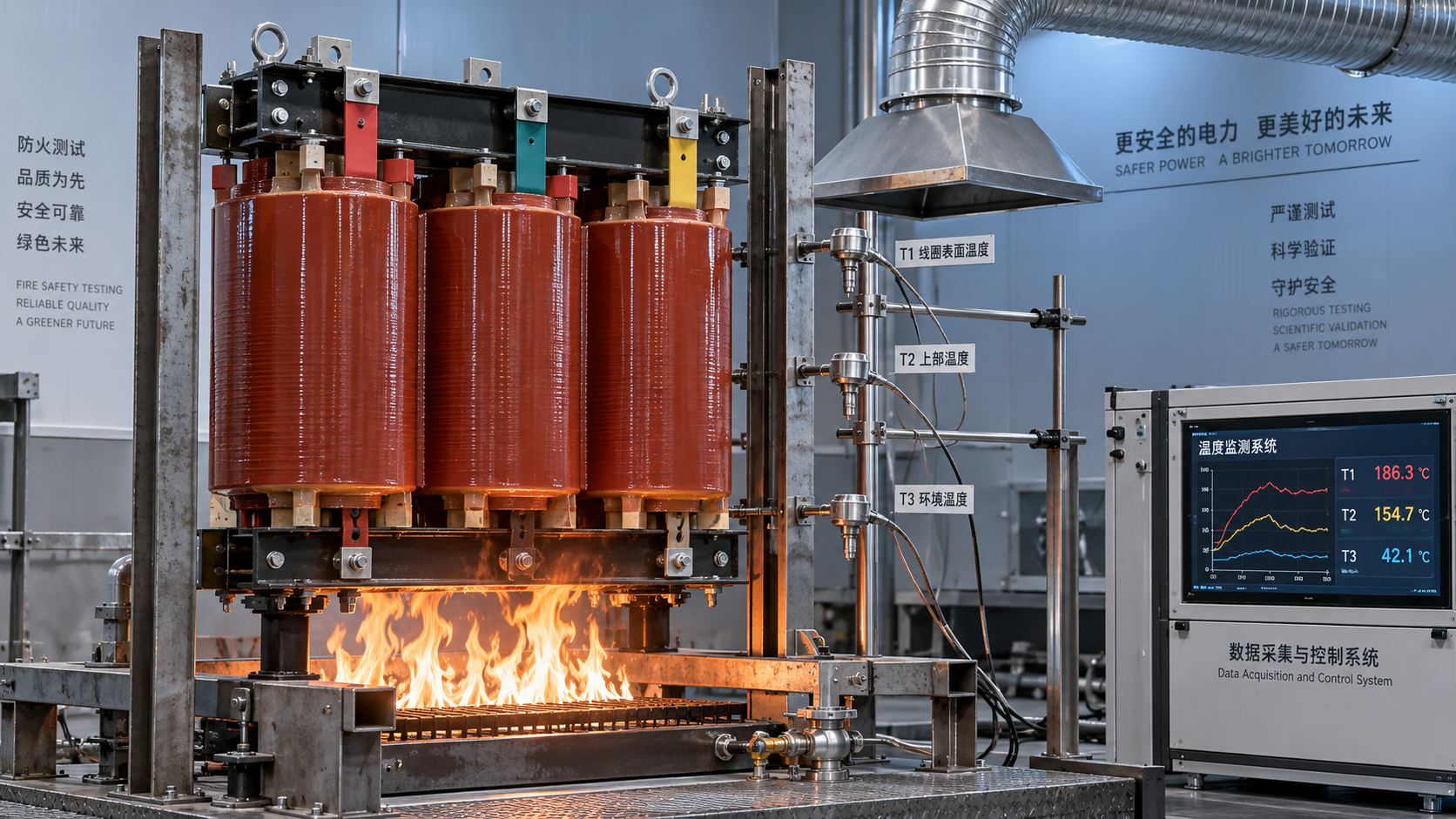
 What an F1 fire behaviour rating means for a flame-retardant transformer
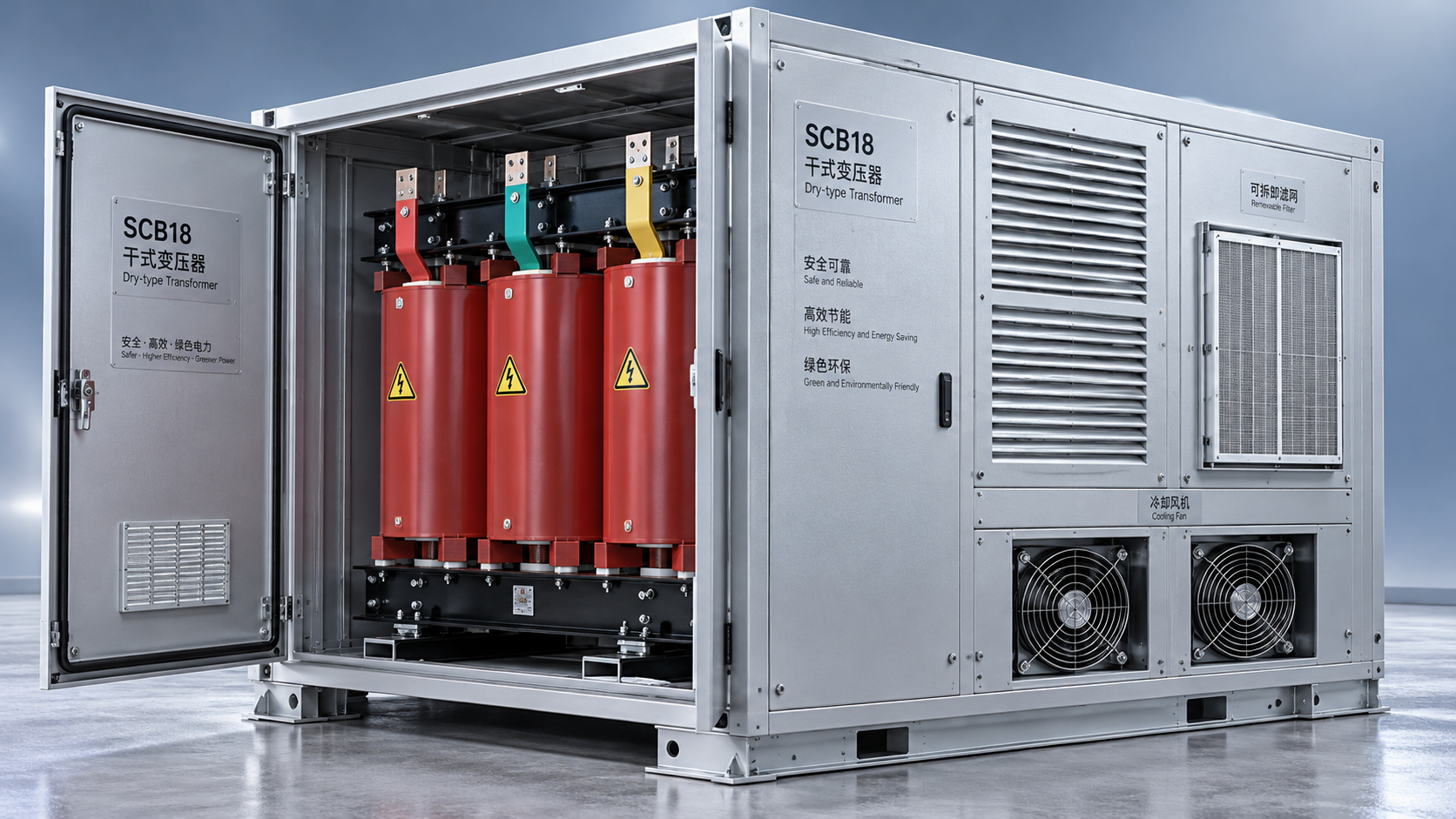
 How enclosure specifications affect SCB18 dry-type transformer cost
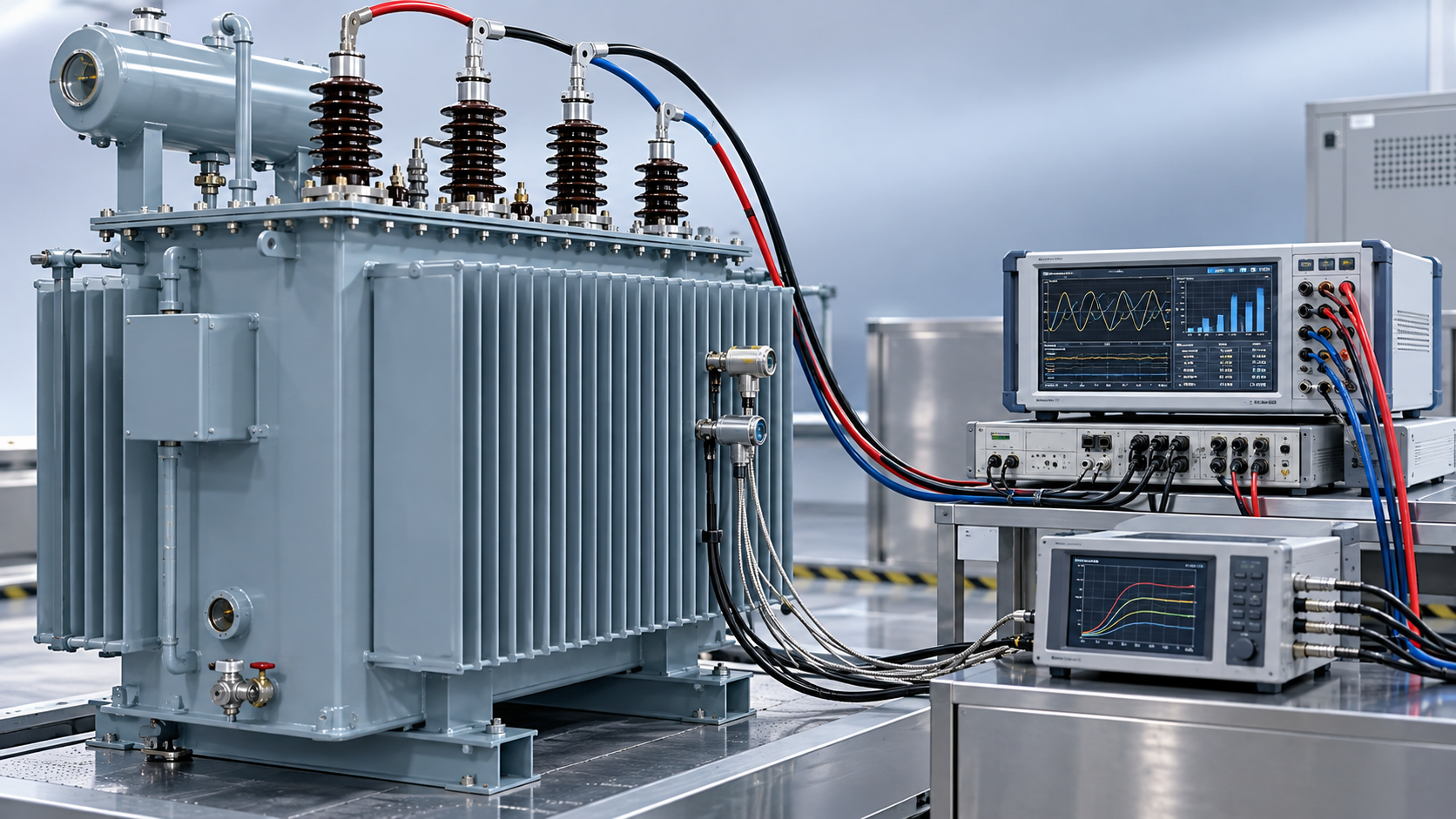
 How to compare loss guarantees for S22 oil-immersed transformers
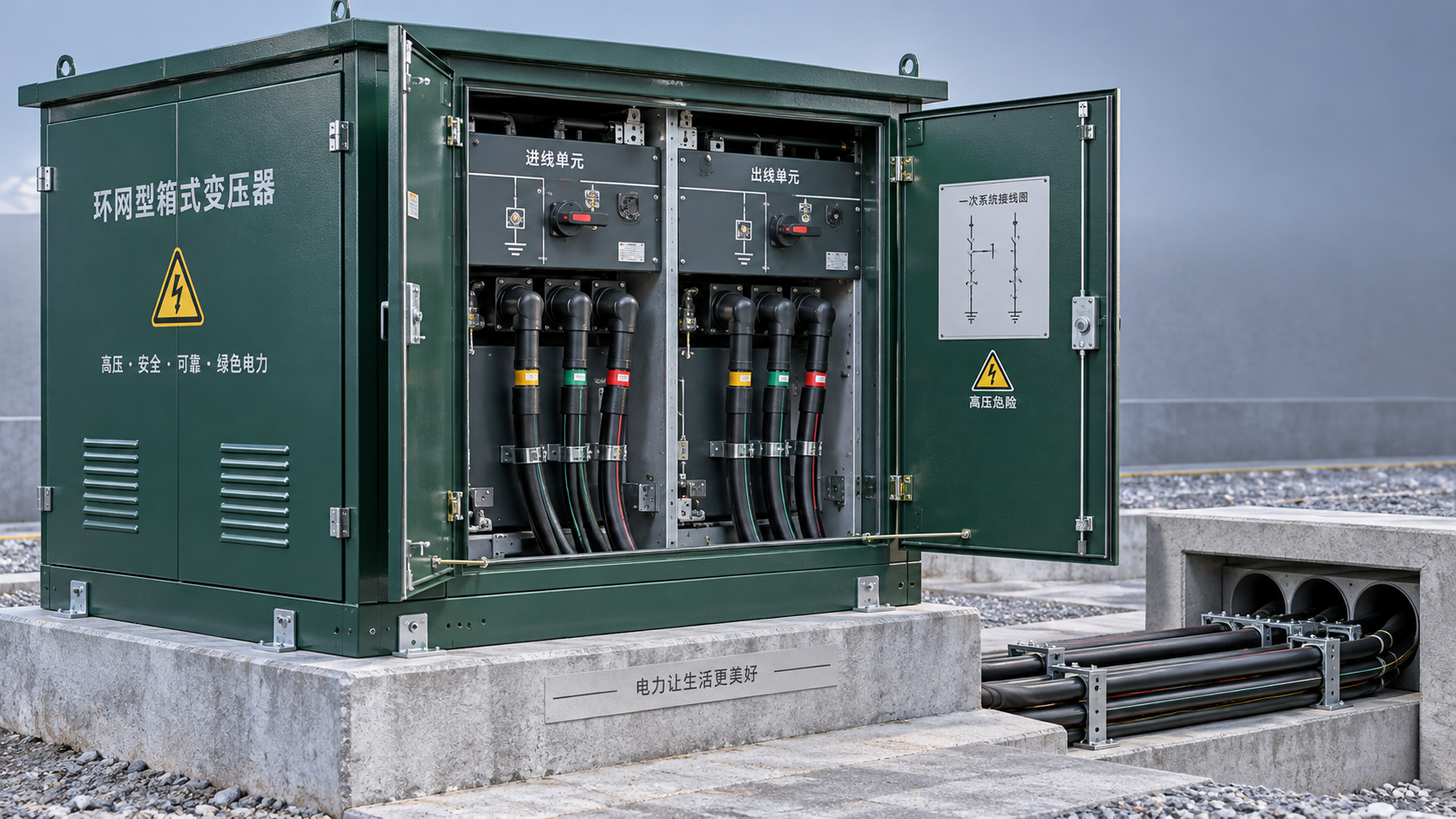
 When to choose a loop-feed pad-mounted transformer over radial feed
 How much spare capacity should a distribution transformer have?
 Checking S13 oil-immersed transformers for renewable inverter loads
GET A FREE QUOTE
We offer reliable products, competitive prices, and nationwide professional support, committed to providing customers with efficient and energy-saving power equipment solutions.