


How to compare dry-type transformer manufacturers by test evidence
Choosing the best dry-type transformer manufacturer requires more than comparing specifications or accepting quality claims. For quality control and safety professionals, the strongest basis for comparison is traceable test evidence: routine test reports, relevant type-test results, dielectric performance, temperature-rise data, and documented compliance with applicable standards. The difficult question is whether those reports actually cover the transformer you plan to purchase.
A thick technical dossier can still leave that question unanswered. A report may be genuine but relate to a different winding design, cooling arrangement, or production site. Start with the connection between the proposed equipment and the tested equipment—not the number of certificates in the supplier’s presentation.
Define the evidence you need before comparing quotations
Prepare a common technical schedule covering rated capacity, voltage ratio, vector group, impedance, insulation levels, cooling method, enclosure, ambient conditions, altitude, and intended installation. Include harmonic loading where relevant. Otherwise, two suppliers can offer apparently equivalent transformers while relying on different operating assumptions.
Identify the governing standard and edition in the purchase specification. IEC 60076-11 is relevant to dry-type power transformers; projects using national standards need the corresponding requirements checked separately. A reference to “IEC compliant” without an edition, test scope, or acceptance criteria is not enough.
Keep three evidence categories separate. Routine tests concern individual manufactured units. Type tests establish specified design performance. Special tests address additional requirements agreed for the project. The exact classification and required scope depend on the applicable standard. Do not require every expensive design test on every unit, but do not accept a design report as a substitute for serial-numbered routine testing.
Check the report’s identity—and the design behind it
Ask for complete reports rather than cropped result pages. Look for the issuing organization, report number, dates, sample identification, test methods, equipment details, results, and authorization. Where independent laboratory testing is specified, verify the laboratory’s accreditation scope for the relevant test, not simply its accreditation logo. Factory routine testing can be appropriate when the facility, procedures, and calibration controls are acceptable.
Then compare the tested unit with the offered design. Capacity and voltage are only the starting point. Winding conductor, resin system, insulation arrangement, cooling ducts, enclosure, and manufacturing process can affect performance. Ask the supplier to identify differences and explain why the existing evidence remains applicable.
For example, a temperature-rise report for an open, naturally cooled transformer does not automatically demonstrate performance for an enclosed version. Equally, a report from another rating may be technically useful if the manufacturer provides a defensible design-family justification. The right response is not automatic rejection; it is documented engineering review.
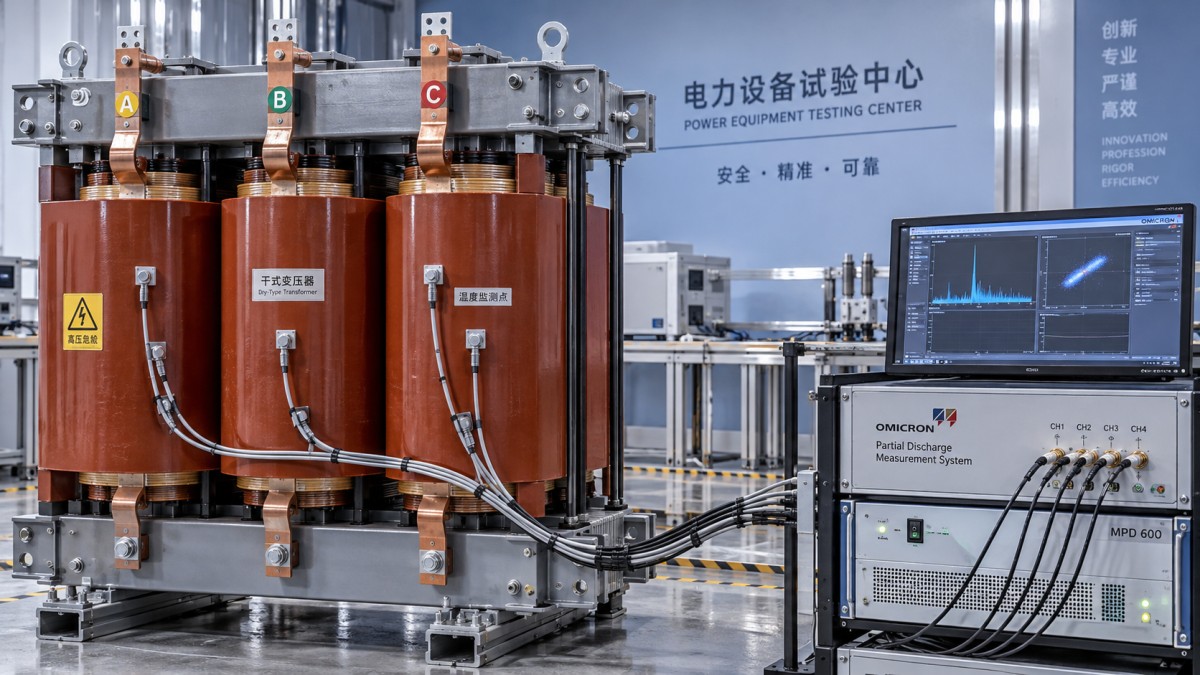
Request a simple cross-reference connecting the quotation, approved drawing revision, tested design, and eventual production serial number. This is often more useful than another general quality certificate.
Read the results that expose installation risk
Dielectric evidence needs context. Applied-voltage, induced-voltage, and partial-discharge results should show the relevant test conditions and acceptance limits. For partial discharge, a bare “pass” hides too much: request the measured values, test voltage sequence, and measurement arrangement. Missing conditions make comparisons unreliable, even when both suppliers claim compliance.
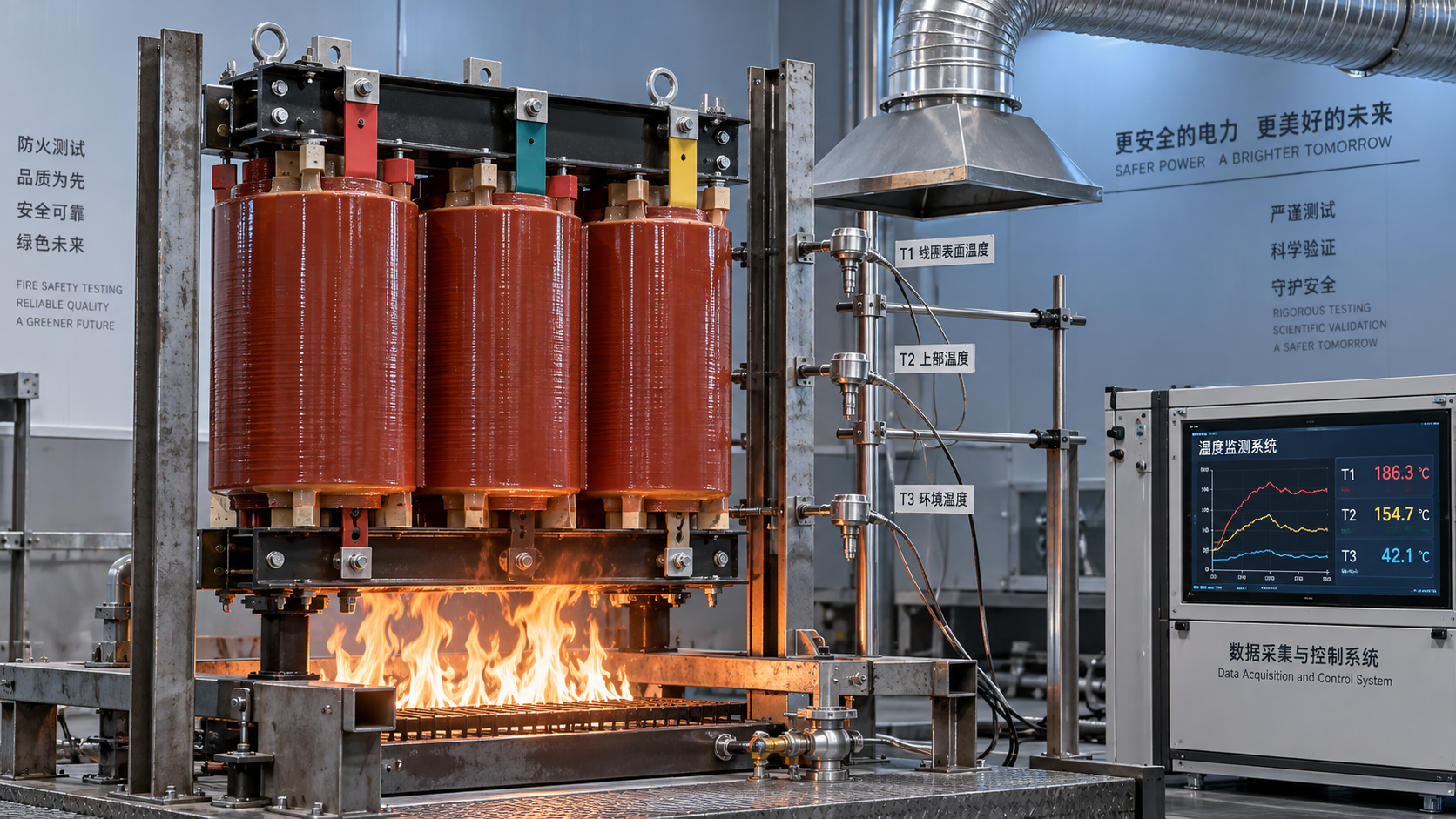
Temperature-rise evidence deserves equal attention. Check ambient conditions, cooling mode, enclosure configuration, stabilization criteria, and the method used to establish winding temperature rise. Insulation thermal class alone is not proof that the quoted transformer will operate acceptably in your room.
Consider a basement installation with restricted ventilation. A compliant factory test does not remove the need to check heat rejection and room airflow. If the supplier quotes a fan-assisted rating, distinguish it from the naturally cooled rating and clarify what capacity remains available following fan failure.
Where environmental, climatic, or fire-behavior classifications are specified, request supporting evidence for the claimed class and applicable design. Dry-type construction does not eliminate fire risk. Short-circuit withstand evidence also needs a defined acceptance route under the project specification; ask whether the supplier relies on testing, calculations, or an accepted combination.
Do not let a broad product portfolio blur the comparison
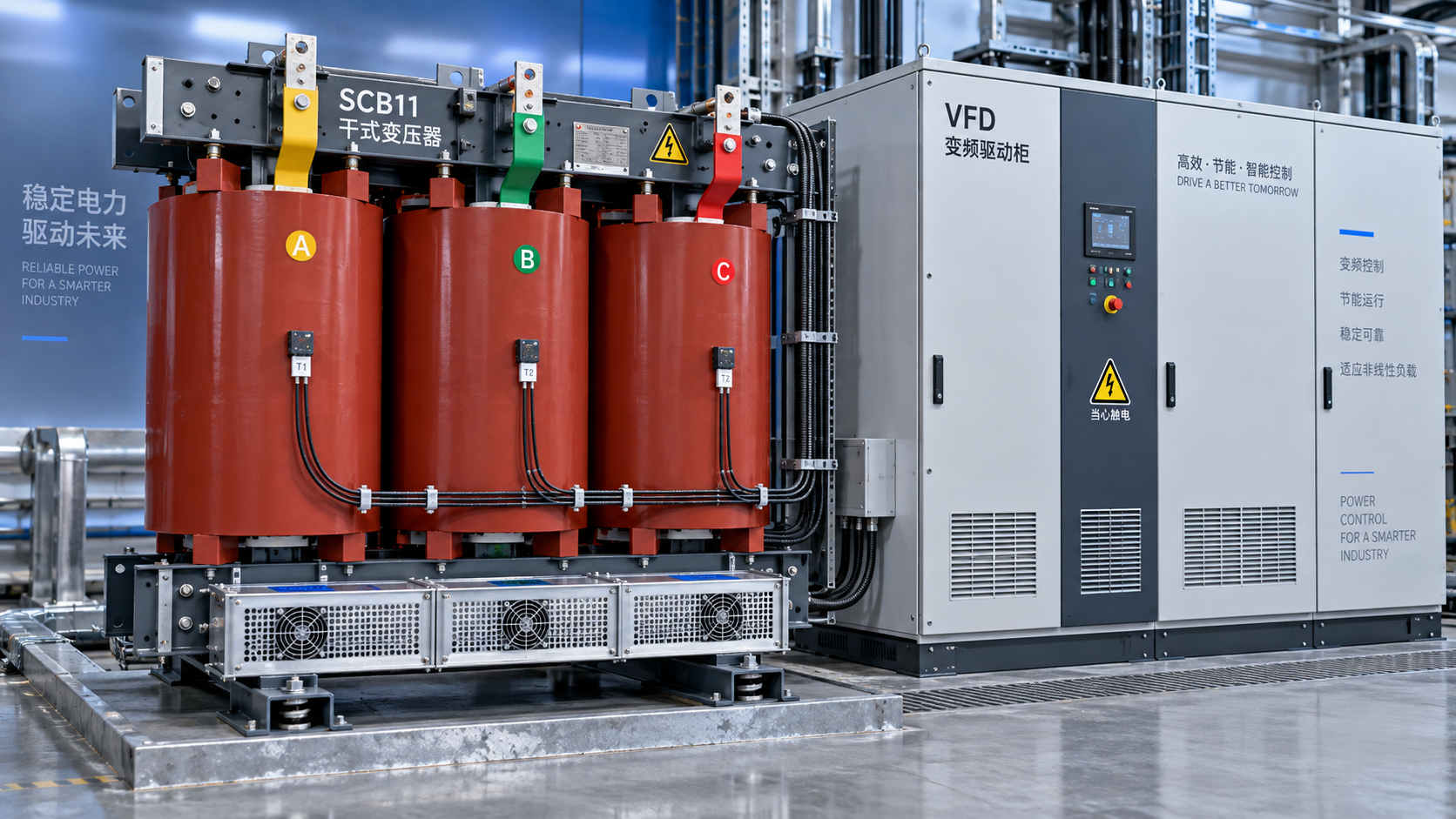
Jiangsu Shengda Power Equipment Co., Ltd. describes its capabilities as transformer research, production, and sales, including SCB and SGB dry-type ranges alongside oil-immersed products and compact substations. Its stated ISO 9001 certification is relevant to quality-system assessment, but buyers should verify the certificate’s validity, scope, and manufacturing location. It does not prove a particular transformer’s dielectric or thermal performance.
The same distinction applies to standards references. GB 1094.1-2-1996 and GB/T 6451-2008 should be checked for edition, scope, and applicability to the offered equipment. They are Chinese standards references, not blanket evidence of compliance with every international project requirement.
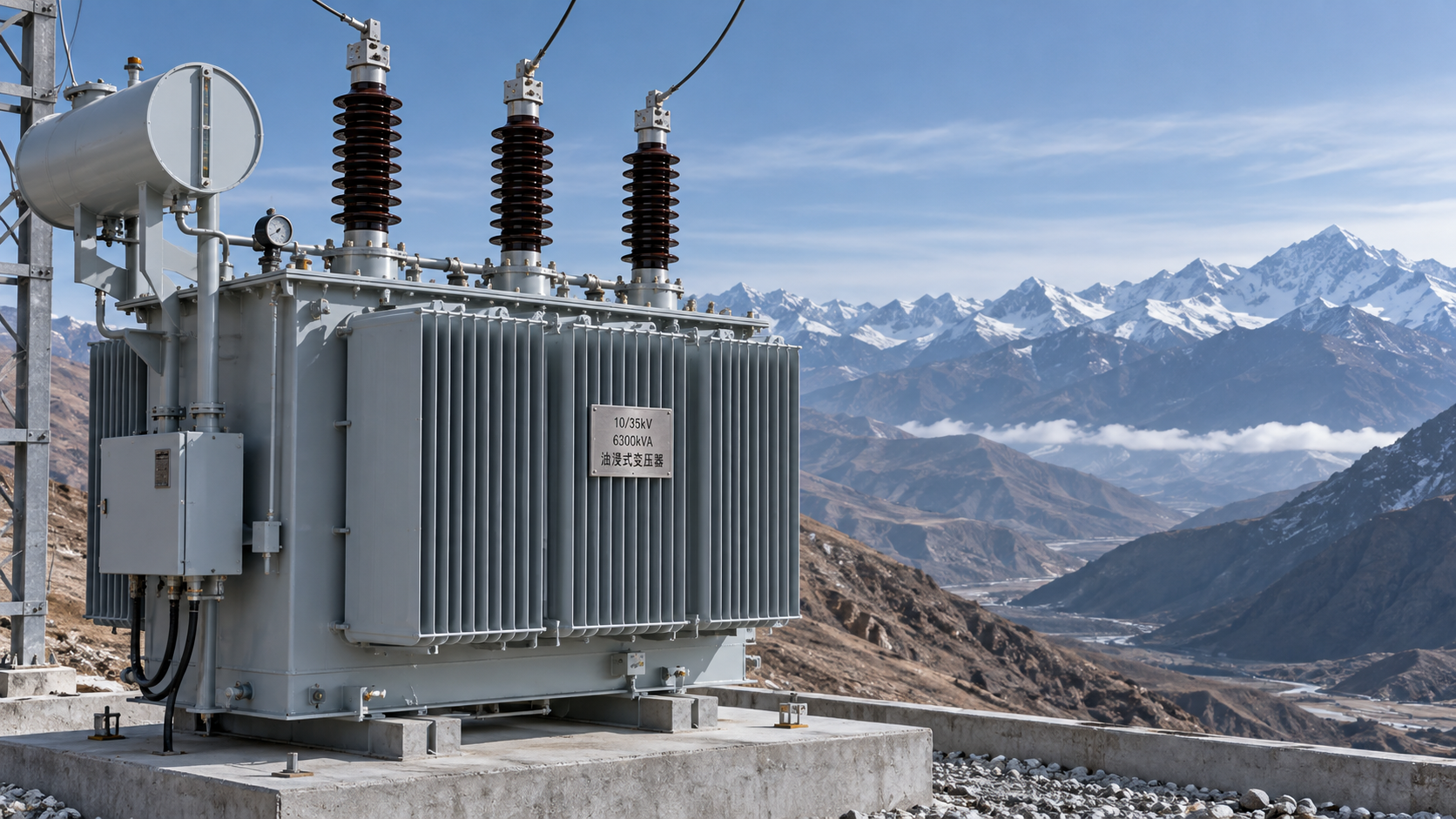
The company’s S20 Series Oil-Immersed Power Transformers, listed across 30–2,500 kVA with references to GB 20052-2020 and JB/T 10088-2016, illustrate why product-specific review matters. These are oil-immersed units. Their loss figures and noise claims should not be transferred to an SCB or SGB dry-type quotation. If both technologies are being considered, evaluate their installation constraints and test evidence separately.
Compare the cost of verified performance, not just purchase price
For loss comparisons, use guaranteed values on a common basis and confirm the reference temperature for load loss. No-load losses continue whenever the transformer is energized; load losses vary approximately with the square of loading under comparable conditions. A lightly loaded building and a continuously loaded process plant therefore need different cost assessments.
Use the expected load profile, energized hours, electricity tariff, and evaluation period. Include fan consumption where applicable. Avoid turning nameplate efficiency into a savings claim without those assumptions. Also clarify measurement tolerances and the contractual remedy if tested losses exceed the guarantee.
Evidence gaps have a price too. Additional testing, witness attendance, engineering review, or delayed release can erase a lower bid. Ask suppliers to price unresolved requirements before award rather than leaving them as open-ended commitments.
Make acceptance conditions part of the purchase order
Record which reports are accepted, which need clarification, and which tests remain outstanding. Set document submission dates, witness or hold points, calibration requirements, and release conditions. For each delivered unit, require routine test records linked to its serial number and approved configuration.
Require notification of material or design changes after approval, with an agreed process for reviewing whether existing evidence still applies. A strong supplier can explain both what its reports demonstrate and where further verification is necessary. Approve the order when those boundaries are clear—not when the certificate folder simply looks complete.



 How to compare dry-type transformer manufacturers by test evidence
 How to assess a custom transformer manufacturer's design capability
 When is an aluminum-wound transformer suitable for heavy loads?
 Choosing a medium-voltage transformer for high-altitude operation
 How harmonic loads affect the temperature rise of an SCB11 transformer
 What an F1 fire behaviour rating means for a flame-retardant transformer
GET A FREE QUOTE
We offer reliable products, competitive prices, and nationwide professional support, committed to providing customers with efficient and energy-saving power equipment solutions.