


Preventive Maintenance Checklist for Extending Dry-Type Transformer Lifespan
Extending dry-type transformer lifespan starts with a disciplined preventive maintenance checklist that identifies risks before they become costly failures.
From inspection to insulation testing, every maintenance step improves reliability, safety, and energy efficiency in critical power distribution systems.
For 10KV and 35KV dry-type transformers, structured maintenance also reduces downtime and protects long-term investment in electrical infrastructure.
Basic Understanding of Dry-Type Transformer Maintenance
A dry-type transformer uses air, resin, or solid insulation instead of liquid oil for cooling and electrical insulation.
Its enclosed or ventilated structure makes it suitable for indoor, commercial, industrial, and fire-sensitive power applications.
Preventive maintenance focuses on heat control, insulation condition, mechanical integrity, cleanliness, and electrical loading stability.
The goal is not only fault repair, but early detection of aging, contamination, vibration, and overload conditions.
Core Maintenance Objectives
- Keep winding temperature within rated limits.
- Maintain insulation resistance and dielectric strength.
- Prevent dust, moisture, and corrosive particles from accumulating.
- Verify load balance across phases.
- Detect abnormal noise, smell, vibration, or discoloration early.
Current Industry Concerns in Transformer Operation
Modern facilities depend on stable power quality, while electrical loads are becoming more variable and complex.
Dry-type transformer lifespan is often shortened by heat, poor ventilation, harmonic distortion, dust, and irregular maintenance intervals.
Energy efficiency is also a major concern, especially where transformers operate continuously under partial or fluctuating load.
Preventive Maintenance Checklist by Inspection Area
A reliable preventive maintenance checklist should combine visual checks, instrument testing, environmental review, and operating data comparison.
The checklist should match the transformer rating, installation environment, load profile, and applicable standards.
1. Visual and Mechanical Inspection
- Check enclosure panels, doors, locks, and ventilation openings.
- Look for cracks, burns, discoloration, or resin surface damage.
- Inspect terminals, bus connections, grounding points, and cable supports.
- Confirm bolts, clamps, and mounting parts remain tight.
- Record unusual noise, vibration, smell, or hot surfaces.
2. Temperature and Ventilation Review
Temperature is one of the most important indicators of dry-type transformer lifespan and insulation aging speed.
- Verify temperature controller readings and alarm settings.
- Inspect fans, airflow paths, louvers, and dust filters.
- Use infrared scanning to locate hot spots.
- Compare ambient temperature with design assumptions.
- Remove obstructions around the transformer enclosure.
3. Electrical Testing and Load Condition Checks
Electrical testing helps confirm whether the transformer remains safe for continued operation under real load conditions.
- Measure insulation resistance between windings and ground.
- Check winding resistance and compare phase deviation.
- Review voltage ratio, polarity, and tap position.
- Monitor phase current, load rate, and harmonic content.
- Confirm protection relays, alarms, and temperature trips operate correctly.
4. Cleaning and Environmental Control
Dust and moisture can reduce heat dissipation and create tracking paths across insulation surfaces.
- Clean windings, core surfaces, vents, and insulators carefully.
- Use dry compressed air or approved vacuum equipment.
- Avoid solvents that may damage resin or insulation coatings.
- Control humidity in basement, tunnel, and coastal installations.
- Keep corrosive gases and conductive particles away from the unit.
Business Value of a Structured Maintenance Plan
A structured maintenance plan turns transformer operation from reactive repair into measurable asset management.
It supports safer operation, fewer emergency shutdowns, lower energy waste, and more predictable lifecycle costs.
Maintenance records also help evaluate whether equipment is correctly sized for changing production or building loads.
Jiangsu Shengda Power Equipment Co., Ltd. supports this lifecycle approach through transformer R&D, production, sales, and quality inspection systems.
Its product range covers dry-type transformers, low-loss power transformers, compact substations, amorphous alloy transformers, and on-load tap-changing units.
For oil-immersed applications requiring high energy efficiency, the S22 Series Oil-Immersed Power Transformers offers an additional lifecycle comparison point.
The S22 series uses optimized core and coil design to reduce no-load loss and noise under GB20052-2020 and JB/T10088-2016.
Typical Application Scenarios and Maintenance Priorities
Different dry-type transformer applications need different inspection emphasis because load behavior and environmental exposure vary significantly.
Recommended Maintenance Frequency
Maintenance frequency should reflect actual operating conditions rather than a fixed calendar alone.
High temperature, dust, humidity, overload, or critical service should shorten inspection intervals.
- Daily: check temperature display, load status, alarms, and abnormal sound.
- Monthly: inspect ventilation, dust accumulation, enclosure condition, and grounding.
- Quarterly: perform infrared scanning and review load balance data.
- Annually: complete insulation resistance, winding resistance, relay, and protection checks.
- After events: inspect immediately after overload, flooding, short circuit, or severe vibration.
Practical Notes for Safer Maintenance
All transformer maintenance should follow lockout, tagging, grounding, and discharge procedures before physical contact.
Testing instruments should be calibrated, and test values should be compared with previous records.
A single abnormal reading may not prove failure, but repeated trends often reveal hidden deterioration.
When insulation resistance declines, combine moisture review, cleaning history, and temperature data before deciding corrective action.
If the transformer repeatedly runs near rated capacity, load expansion or equipment upgrade should be evaluated.
Action Guide for Extending Service Life
Start by building a maintenance file for each dry-type transformer, including nameplate data, test reports, and operating history.
Next, define inspection intervals based on load level, environment, criticality, and historical fault patterns.
Then, standardize the preventive maintenance checklist so each inspection produces comparable and traceable data.
For new projects or upgrades, align transformer selection with efficiency, safety, standards compliance, and long-term maintenance requirements.
A disciplined checklist helps dry-type transformers deliver stable performance, longer lifespan, and lower total operating risk.


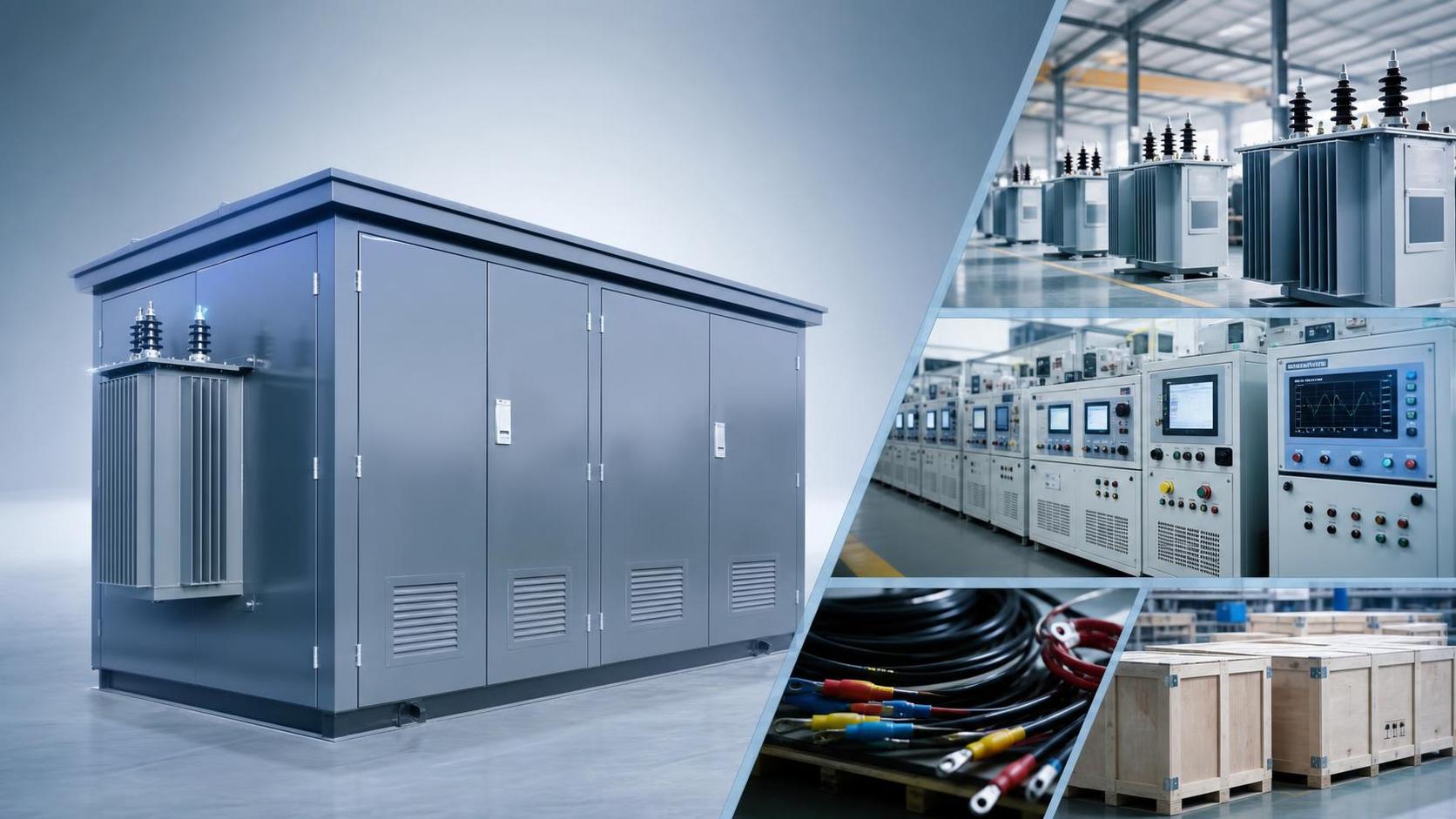
 How to Compare ZGS Combined Substation Suppliers on Lead Time and Support
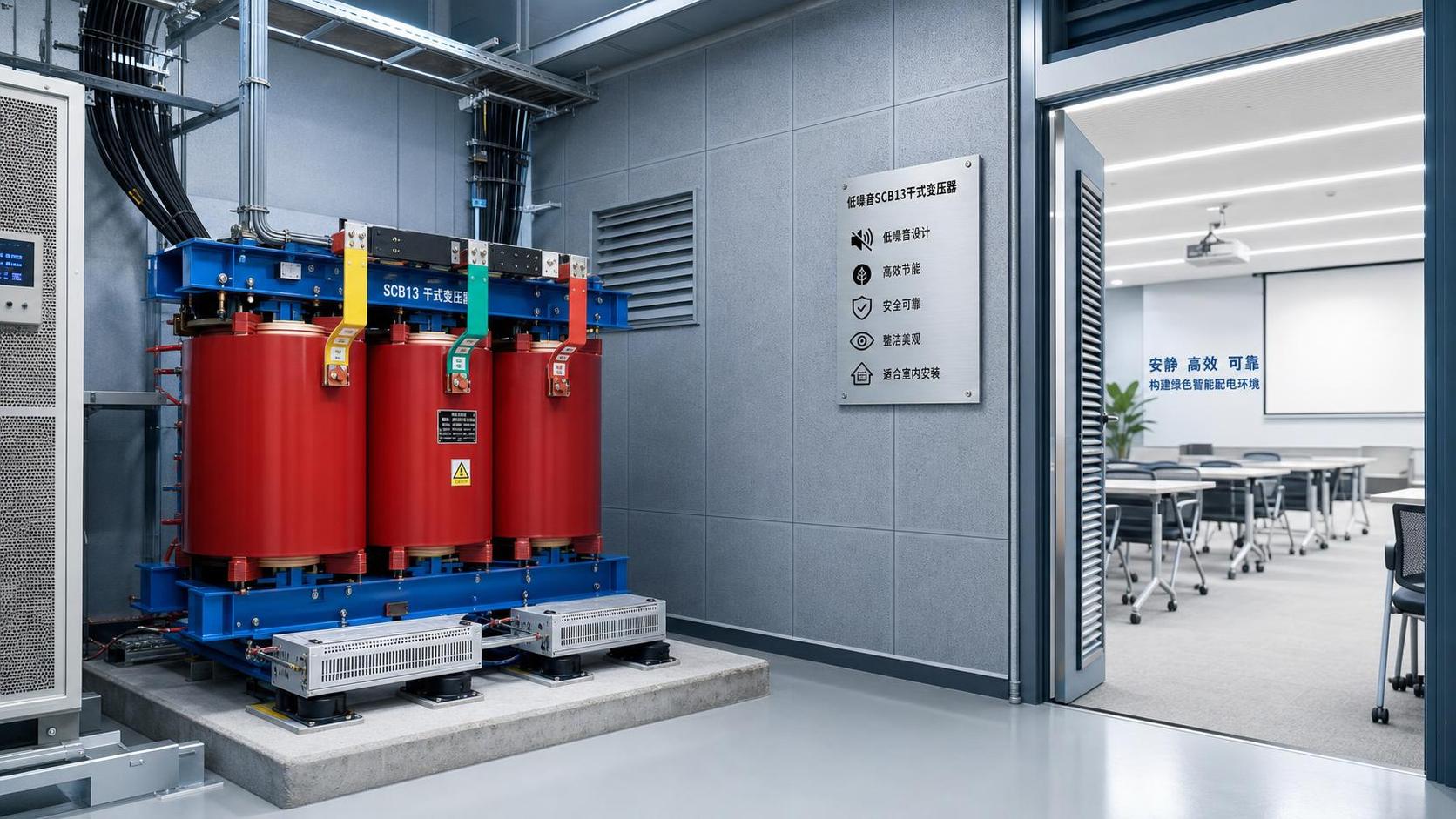
 How Low Noise Improves Indoor Use of SCB13 Dry-Type Transformers
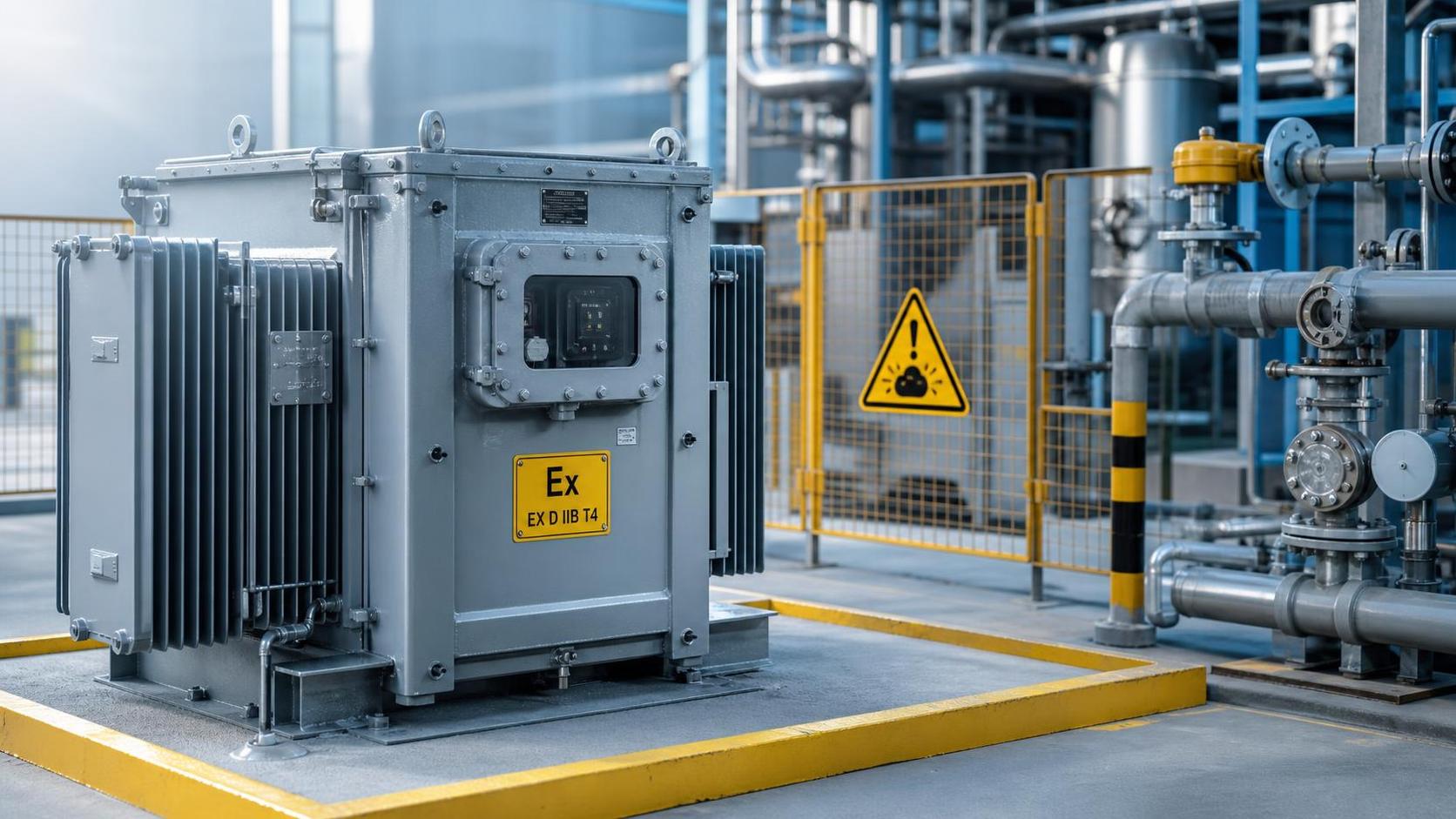
 Where an Explosion Proof Transformer Is Required by Safety Conditions
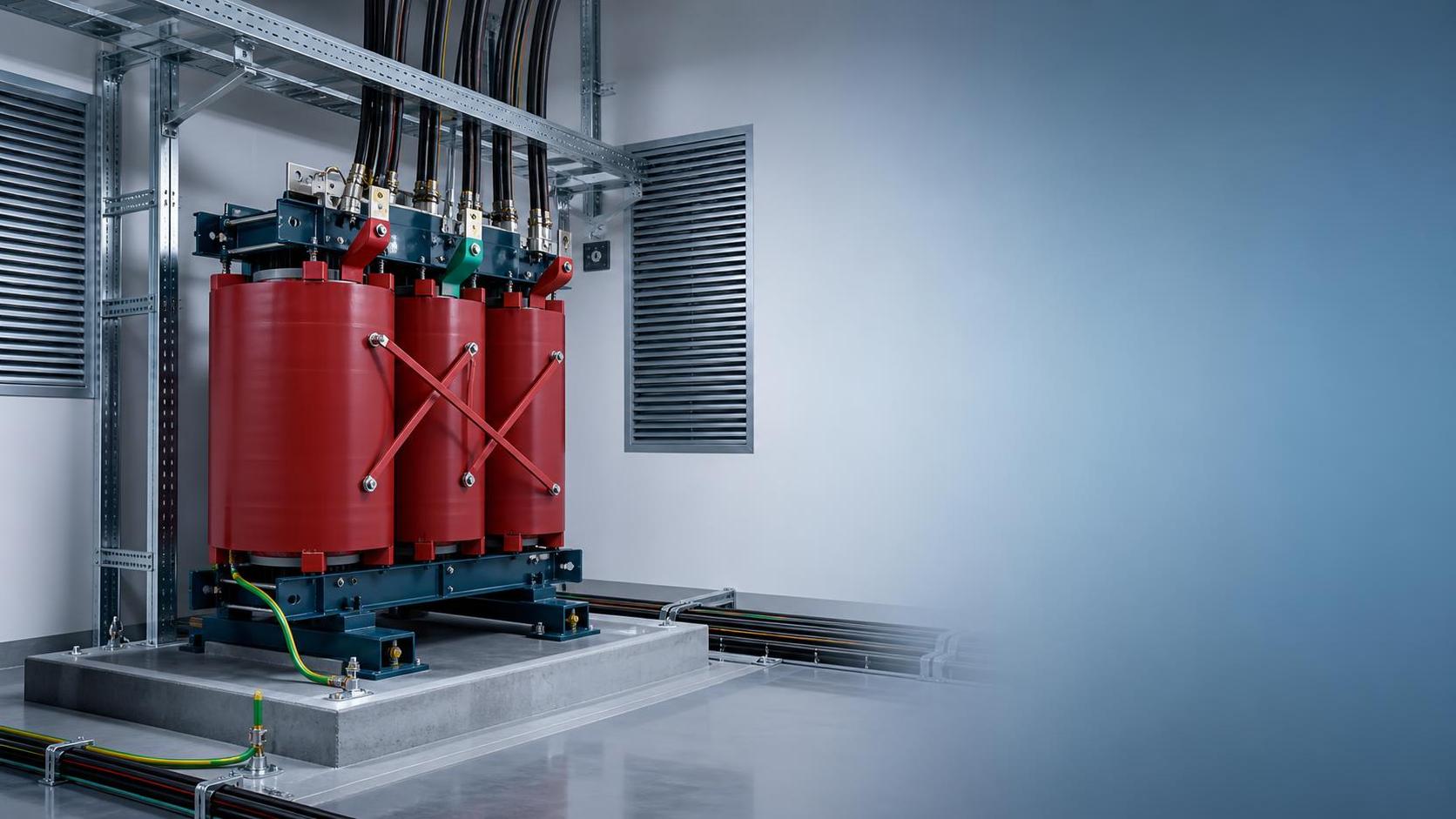
 Distribution Transformer Installation Guide: Common Site Errors to Avoid
 What Affects SCB14 Type Dry-Type Transformer Price Besides Rated Capacity
 SCB12 Type Dry-Type Transformer Applications That Benefit from Resin Insulation
GET A FREE QUOTE
We offer reliable products, competitive prices, and nationwide professional support, committed to providing customers with efficient and energy-saving power equipment solutions.