


S11 Transformer Performance: Is It Still Competitive for Retrofit Projects?
The real question is not whether an S11 transformer is old technology. It is whether the performance profile of an S11 unit still matches the economics and constraints of a retrofit project. In many cases, that answer is yes, but only when the decision is made in the right context. Retrofit work is rarely a clean-sheet exercise. Existing civil space, cable routing, load characteristics, shutdown windows, and capital discipline usually matter as much as nameplate efficiency. That is why the S11 transformer remains part of serious procurement discussions even as lower-loss series such as S13, S15, S20, and S22 become more visible.
In practical industry language, an S11 transformer is generally understood as a low-loss oil-immersed distribution transformer that represented a meaningful step forward from earlier, higher-loss generations. It is not the newest benchmark, and nobody specifying power distribution equipment for the next twenty years should pretend otherwise. But calling it obsolete is also too simplistic. For a retrofit project, competitiveness is not decided by model number alone. It depends on load factor, duty cycle, utility tariff structure, local efficiency requirements, fire safety conditions, and the cost of modifying surrounding infrastructure.
Why S11 Still Appears in Retrofit Evaluations
There is a reason experienced engineers do not dismiss the S11 transformer out of hand. Many retrofit sites are replacing aging units that have much higher no-load and load losses, weaker insulation margins, more noise, or a less reliable service history. Against that baseline, an S11 model can still produce a meaningful improvement in operational efficiency and equipment reliability without forcing the project into a larger capital scope.
This matters especially in factories, commercial facilities, and local distribution upgrades where the transformer room already exists and the owner is not trying to redesign the entire substation. A decision-maker may be comparing several acceptable options, not one perfect option and one bad option. If the load profile is moderate, the annual operating hours are stable, and the site does not face unusually strict energy-performance mandates, the payback difference between S11 and newer ultra-low-loss models may not be decisive enough to justify the additional equipment cost and project complexity.
That said, the market has moved. Buyers are more aware of lifecycle cost than they were a decade ago. In bid evaluations, the purchase price is less likely to stand alone. Operating loss, maintenance exposure, and compliance risk are now much more visible. So the S11 transformer is still competitive, but it is competitive in a narrower and more disciplined sense than before.
Where the Comparison Often Goes Wrong
One common mistake is to compare transformer series as if lower loss always means the better business decision. Loss reduction is valuable, but retrofit economics are not linear. A transformer that saves more energy on paper may deliver a weaker investment case if the facility runs at a low average load, if electricity pricing is relatively flat, or if the unit will be replaced again as part of a larger site redevelopment. In those situations, a higher-end model can be technically better and commercially less convincing.
The reverse mistake also shows up often: assuming an S11 transformer is good enough simply because it has a familiar reputation. That can be risky. If the site operates continuously with high utilization, every increment of no-load and load loss becomes more expensive over time. The same is true where corporate energy management targets are audited closely, or where local procurement standards increasingly favor newer efficiency levels. A retrofit decision that ignores these pressures may look economical at purchase and expensive in year three.
In other words, S11 is not a default answer. It is a fit-for-purpose answer in the right project band.
What Decision-Makers Should Actually Compare
When evaluating whether an S11 transformer is still competitive, three filters are usually more useful than generic “old versus new” thinking.
This is where manufacturers with broad product coverage are useful, because they can position S11 realistically rather than forcing every site into the same answer. Jiangsu Shengda Power Equipment Co., Ltd. operates across multiple transformer categories, including S11, S13, S15, S20, and S22 low-loss power transformers, 10KV and 35KV models, dry-type lines, compact substations, amorphous alloy transformers, and on-load tap-changing power transformers. That range matters because retrofit decisions are often comparative. A supplier that understands only one product family tends to oversimplify the recommendation.
The Standards and Quality Angle Cannot Be Treated as Secondary
For enterprise buyers, competitiveness is not only about efficiency. It is also about whether the transformer will perform consistently under recognized manufacturing and testing disciplines. Products built to standards such as GB1094.1-2-1996 and GB/T6451-2008, supported by an ISO9001-certified quality system, are easier to evaluate because the discussion moves away from vague sales language and toward documented design, production, and inspection control. That does not automatically make one model better than another, but it reduces procurement uncertainty.
This is particularly relevant in retrofit projects where there is little tolerance for rework. If the transformer has to fit an existing operating environment and the shutdown window is short, predictable manufacturing quality matters almost as much as energy performance. In that sense, the competitiveness of an S11 transformer is partly a supplier question. A well-made S11 unit from a technically disciplined manufacturer may be a stronger project choice than a nominally higher-grade model with weaker quality assurance.
When S11 Is Less Likely to Be the Right Answer
Some retrofit environments have already moved beyond the typical S11 value proposition. Dense urban buildings, public infrastructure, and facilities with strict fire protection requirements often require a different kind of discussion, because installation conditions matter more than the traditional oil-immersed comparison. In these cases, dry-type transformers may be favored for placement deep within load centers, lower maintenance expectations, and reduced fire risk exposure.
A useful example is the SCB14 Type Dry-Type Transformer. Built with epoxy resin insulation and aligned with GB20052-2020 level 2 energy efficiency, this type of equipment is relevant in high-rise buildings, airports, railway stations, docks, power plants, substations, and other locations where low noise, flame retardancy, moisture resistance, dust resistance, and maintenance-free operation carry real project value. It is not a substitute for every S11 application, but it shows how the market has segmented. Some retrofit decisions are no longer just about choosing among oil-immersed loss levels; they are about matching transformer type to environmental and safety conditions.
That shift is one reason the phrase “Is S11 still competitive?” needs careful handling. Competitive against what? In a conventional outdoor or dedicated electrical room upgrade, the comparison may be S11 versus higher-efficiency oil-immersed alternatives. In a building retrofit with fire-safety constraints, the real comparison may be between oil-immersed and dry-type solutions, where the selection logic changes materially.
Market Direction: Narrower Use, Better Justification
The market trend is not that S11 transformers disappear overnight. It is that buyers are becoming more selective about where they still make sense. Newer low-loss series and specialized dry-type products are taking a larger share of projects where lifecycle energy cost, indoor siting, safety, or sustainability reporting carry more weight. At the same time, there remains a substantial installed base and a large category of retrofit work where budget discipline and practical compatibility still dominate the decision.
That creates a more mature procurement environment. S11 no longer wins by default, but it also does not need to. It remains viable where the load profile is suitable, compliance conditions are clear, and the incremental return from moving to a newer series is limited. A disciplined buyer should expect that outcome in some projects and reject it in others.
The most reliable approach is to treat the S11 transformer as a reference point rather than a conclusion. Compare capital cost with realistic operating loss over the expected service period. Check whether the site has safety or environmental conditions that point toward another transformer type altogether. Verify the manufacturing standard, quality system, and inspection discipline behind the unit. When those questions are answered carefully, the competitiveness of S11 becomes much clearer, and the retrofit decision becomes less about model labels and more about technical fit.



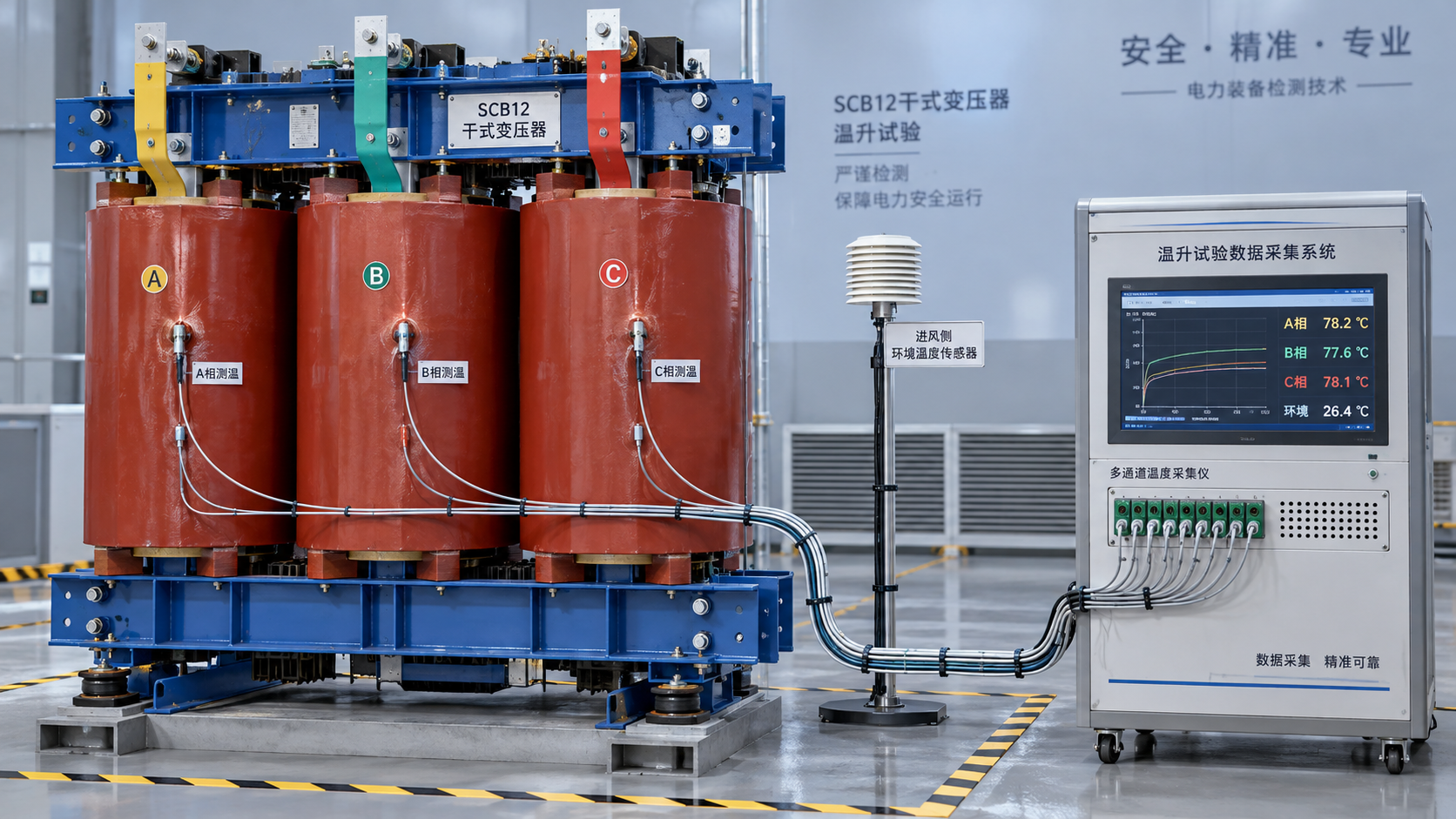
 How to verify the temperature-rise test of an SCB12 dry-type transformer
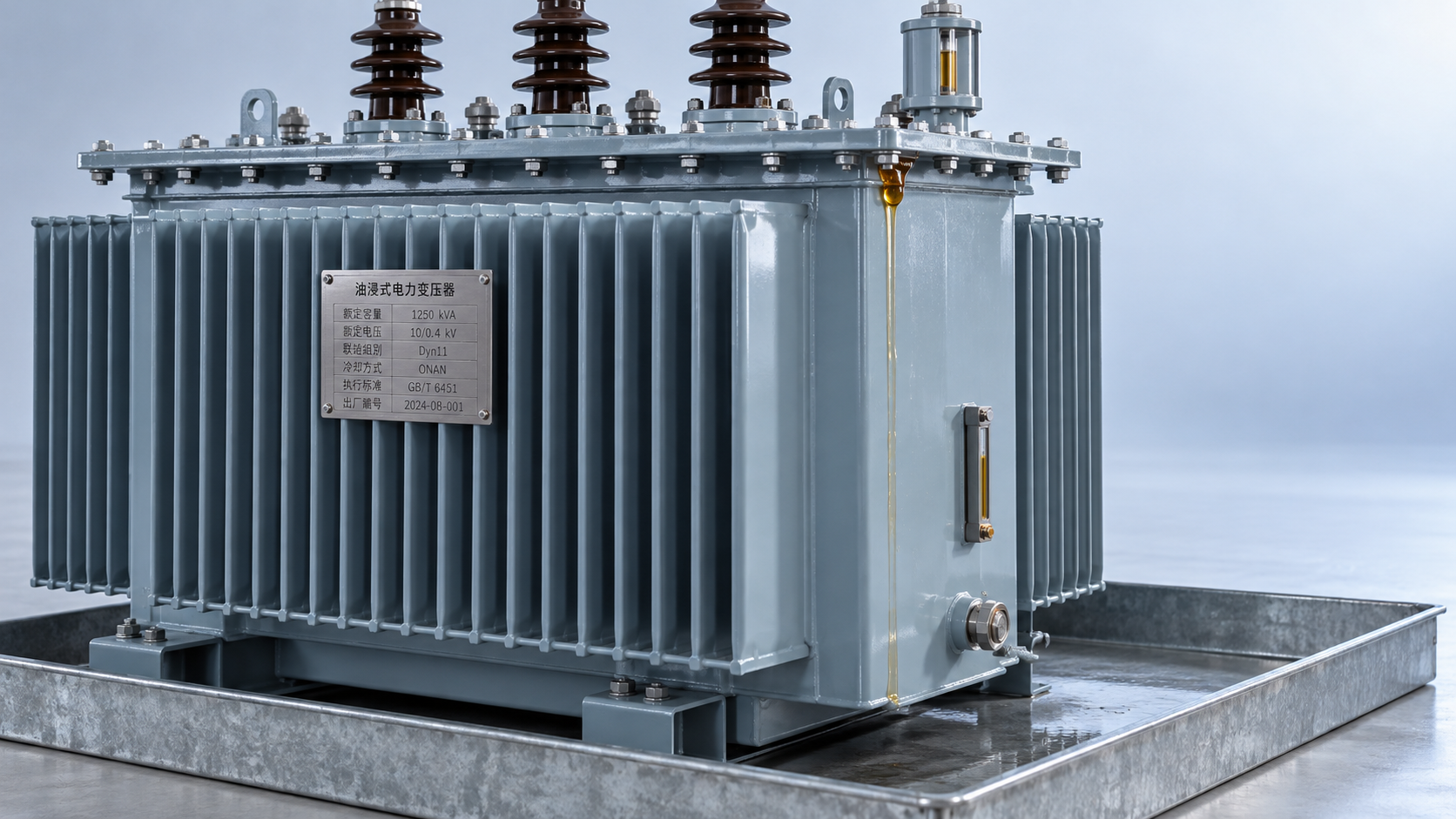
 Distribution transformer maintenance tips for spotting oil leaks
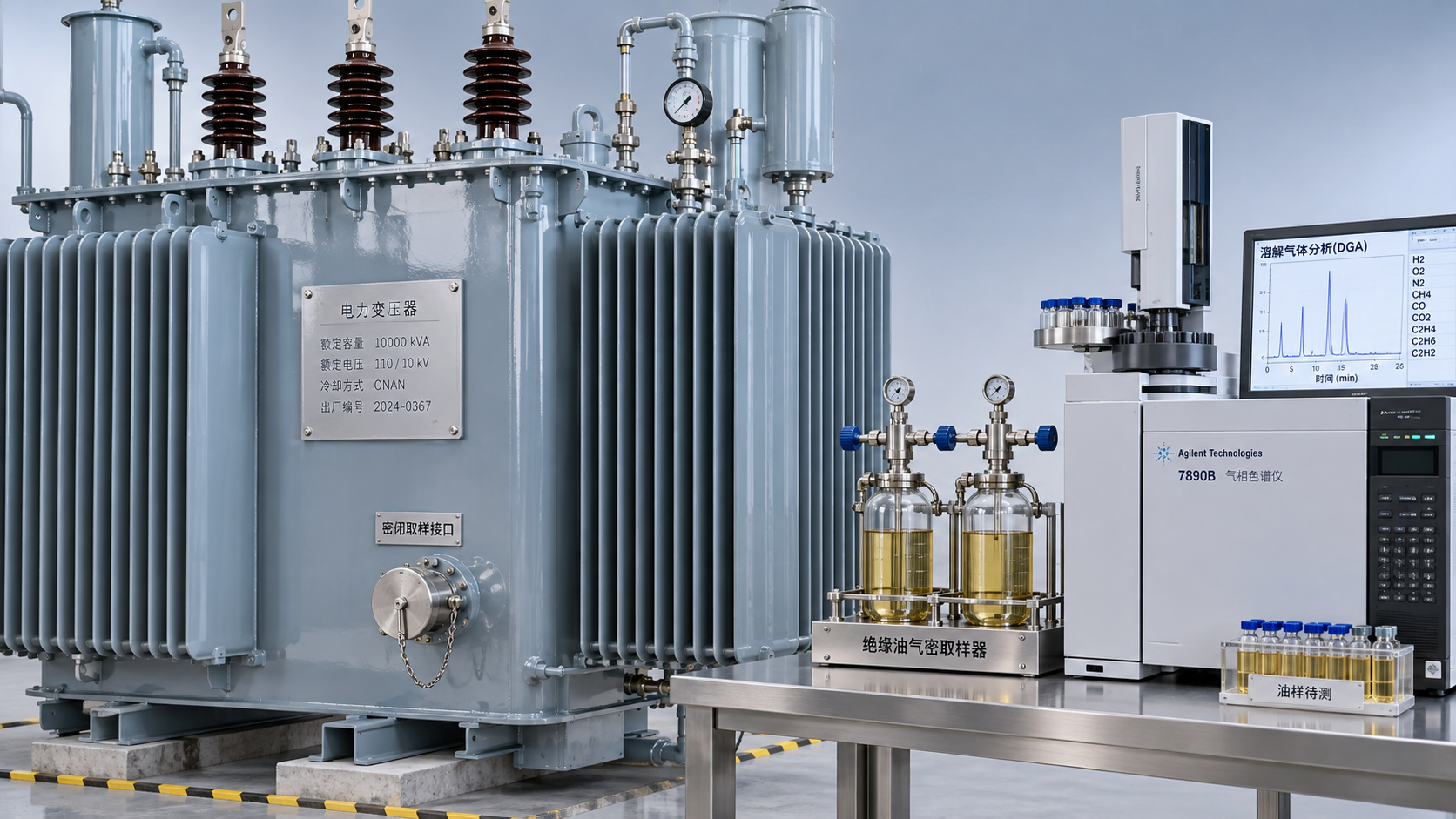
 What dissolved gas analysis reveals about an oil-immersed transformer
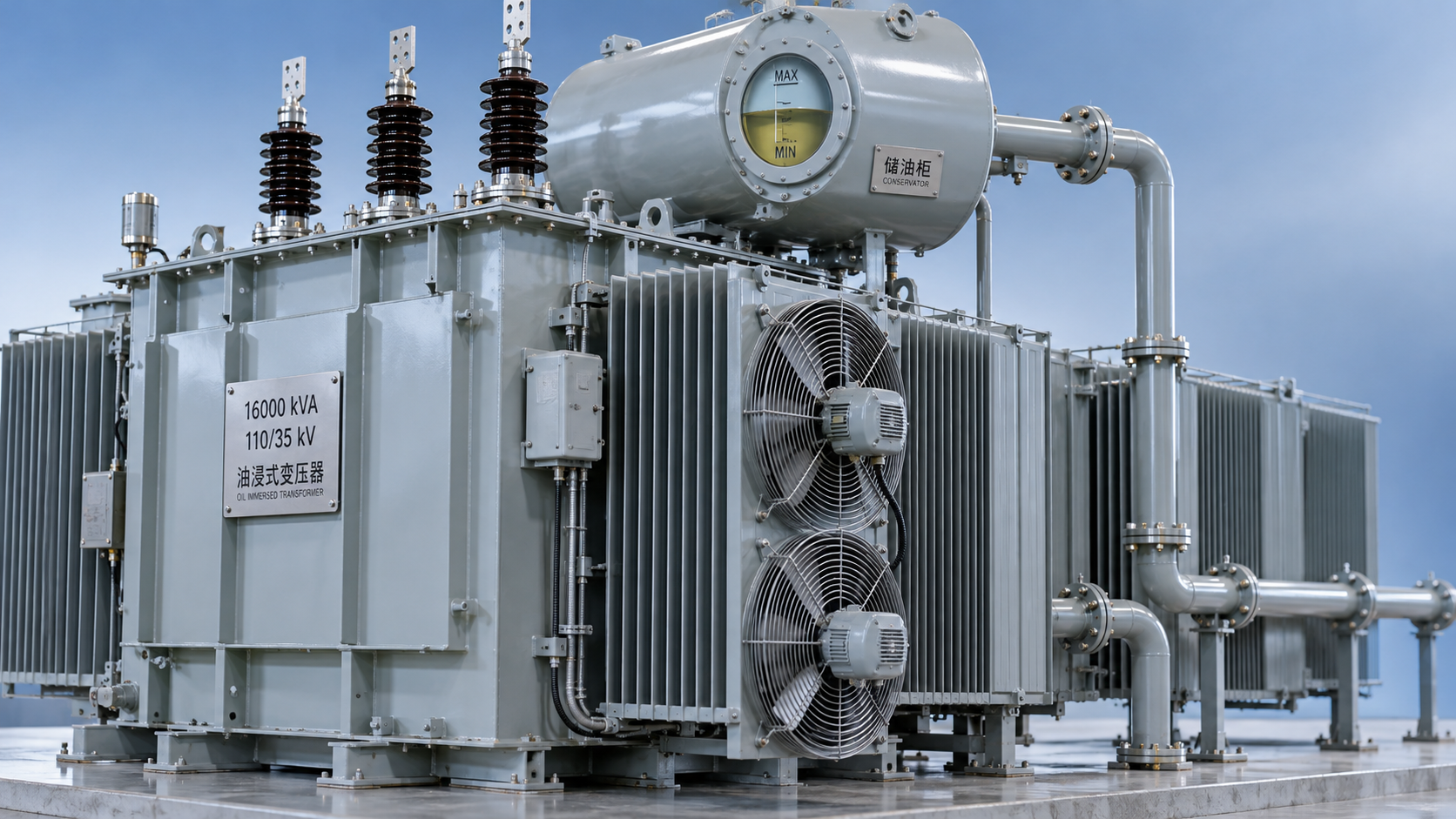
 Why an oil-cooled transformer overheats despite a normal oil level
 How the amorphous core affects SCBH15 dry-type transformer losses
 Sizing S13 oil-immersed transformers for variable wind farm output
GET A FREE QUOTE
We offer reliable products, competitive prices, and nationwide professional support, committed to providing customers with efficient and energy-saving power equipment solutions.