


How Dust Protection Affects Service Life in SCB13 Dry-Type Transformers
For after-sales maintenance teams, dust is rarely just a housekeeping issue. On an SCB13 dry-type transformer, it changes the thermal and insulation conditions that the design depends on. Once dust settles on the winding surface, resin insulation, support parts, and ventilation path, the transformer may still look mechanically intact while its operating margin quietly narrows. That is why SCB13 Type Dry-Type Transformer dust proof performance deserves attention well before visible overheating, odor, or discharge marks appear.
The practical impact is usually seen in places where airflow is available but not clean: factory distribution rooms near machining lines, basement electrical rooms connected to parking ramps, commercial buildings under renovation, and substations serving workshops with seasonal production dust. In these conditions, SCB13 units do not fail because they are dry-type; they fail because dry-type insulation is exposed directly to the surrounding air. The same ventilation that helps cooling also gives suspended particles a way to enter the active area.
When service teams ask whether dust really shortens life, the useful answer is not a simple yes or no. It depends on what kind of dust is present, how often the transformer cycles thermally, and whether the installation layout lets contamination accumulate in low-velocity zones. Fine mineral dust, carbon-rich dust, textile lint, and oily airborne particles do not create the same risk profile. Some mainly block cooling passages. Some become conductive after absorbing moisture. Some stick to coil surfaces and are difficult to remove without a shutdown long enough for proper cleaning.
Where Dust Becomes a Real Life-Limiting Factor
The most sensitive sites are not always the dirtiest by appearance. A cement-related environment is an obvious concern, but a cleaner-looking indoor switch room can be more problematic if ventilation fans pull dust continuously across the transformer and leave it trapped around winding corners and support structures. In practice, long operating hours at moderate overload are often harder on a dusty dry-type transformer than short peaks in a relatively clean room. Heat cannot leave efficiently once the dust layer insulates the coil surface and restricts convective cooling.
This is why maintenance teams often notice temperature alarms or inconsistent thermal readings before they see obvious insulation distress. The transformer may still pass routine visual checks from the aisle, but internal surfaces have already changed their heat dissipation behavior. For SCB13 units, which are selected in many projects for low loss, stable operation, and indoor installation convenience, preserving designed cooling conditions is part of preserving service life. Dust protection is therefore not separate from reliability; it is one of the field conditions that decides whether the original design advantages remain available after years of operation.
Another point that gets missed is humidity interaction. Dry dust alone can already reduce cooling efficiency, but mixed dust and moisture raise the insulation risk much faster. In coastal plants, food processing buildings with frequent washdown nearby, or basements with poor dehumidification, deposited particles can form a film on insulating surfaces. Once that happens, partial discharge resistance and creepage performance may degrade, especially if cleaning intervals are long or cleaning methods are superficial.
Dust Proof Design Is Not Just About Enclosure
Many users reduce the discussion to whether the transformer has a protective housing. That is only part of the picture. Effective SCB13 Type Dry-Type Transformer dust proof performance depends on the whole installation arrangement: enclosure opening design, air inlet path, room pressure condition, cable entry management, filter maintenance discipline, and clearance around the transformer. A cabinet or cover that is badly ventilated can create a different problem by trapping heat. On the other hand, an open installation in a contaminated room may keep airflow high while exposing windings directly to settling dust. Neither choice is automatically right.
Field judgment usually starts with three questions. What particles are suspended in the room? How does air move during normal operation? How often can the transformer be isolated for thorough cleaning? If the room has persistent airborne powder and shutdown windows are limited, better dust separation upstream of the transformer becomes more valuable than relying on frequent manual cleaning later. If the site is only occasionally dusty, then maintaining clear airflow and keeping inspection intervals short may be enough.
That is also where project experience matters more than generic advice. A transformer room beside a logistics bay behaves differently from one inside a sealed data-support building, even if both are nominally indoor installations. Teams that only judge by nameplate capacity or room size often underestimate how much dust loading is driven by traffic pattern, door opening frequency, and the location of return air.
What Service Teams Should Watch During Operation
By the time discoloration becomes visible, the transformer has usually spent a long period running with reduced thermal margin. Earlier signs are subtler: cooling fans cycling more often than expected, surface deposits thickest on the air-facing side, thermal imbalance between phases that is not explained by load distribution alone, and insulation surfaces that stay dirty soon after routine wiping because the room itself is feeding constant contamination.
Cleaning method also matters. Aggressive compressed air cleaning in a confined room can simply redistribute dust deeper into crevices or onto adjacent equipment. Dry brushing may remove loose deposits while leaving bonded contamination intact. For sites with conductive or sticky dust, maintenance planning should include isolation time sufficient for controlled cleaning and post-cleaning inspection, not just a quick cosmetic pass. This is one reason service life discussions cannot be separated from maintenance interval planning. The transformer’s durability is tied to what the site can realistically sustain.
Jiangsu Shengda Power Equipment Co., Ltd., as a manufacturer focused on transformers and related products, works within established standards such as GB1094.1-2-1996 and GB/T6451-2008 and operates under ISO9001 quality management. Those framework conditions matter in the background, but field longevity still depends heavily on whether the installation environment matches the assumptions behind dry-type operation. A compliant product placed in a poor airflow path with unmanaged dust will not deliver the service interval many users expect from the model alone.
When Dry-Type Is Still the Right Choice, and When the Site Suggests Another Direction
Dry-type transformers remain the practical choice for many indoor projects because of fire safety considerations, easier placement inside buildings, and lower concern about oil leakage management. But there are sites where the dust burden, moisture level, and shutdown constraints push operators to reconsider the overall distribution scheme. If the electrical room cannot be kept reasonably clean, if airflow cannot be controlled, and if maintenance access is poor, then the decision should not stop at asking for “better dust proof” on the same layout. Sometimes the more reliable move is to reconsider room design, ventilation path, or even transformer type for that section of the project.
In broader power distribution planning, some operators pair indoor dry-type installations with other transformer options in less controlled areas. For example, projects that need low-loss and lower-noise performance for different parts of the network may also evaluate S20 Series Oil-Immersed Power Transformers where site conditions support that approach. The relevant point is not product substitution for its own sake, but matching transformer structure to contamination level, access conditions, and life-cycle maintenance capability.
That comparison is especially useful when customers assume any indoor transformer room is automatically suitable for a dry-type unit. It is not. Rooms with negative pressure drawing workshop dust inward, rooms shared with process exhaust routes, or rooms where renovation debris remains for months can all undermine expected service life. In those settings, a dry-type transformer may still be used, but the burden shifts to room management, filtration discipline, and stricter inspection frequency.
Practical Judgment Before Problems Start
A useful pre-maintenance checklist is short. Look at where the air comes from, not just where the transformer stands. Check whether dust sources are intermittent or continuous. Confirm whether deposits are dry, fibrous, or moisture-prone. Compare temperature behavior over time rather than relying on a single inspection. And verify whether the cleaning method used on site is actually compatible with the contamination type.
For after-sales teams, this is usually the dividing line between solving the symptom and solving the operating condition. Repeated cleaning without fixing airflow or room contamination only resets the clock for a short period. A better SCB13 Type Dry-Type Transformer dust proof outcome usually comes from combining sensible enclosure and ventilation choices with realistic maintenance intervals and room-level dust control. When those pieces line up, service life is extended in a measurable, operational sense: fewer thermal alarms, less insulation contamination, and a lower chance of the transformer aging faster than its electrical duty would suggest.
So when evaluating durability on an SCB13 unit, do not ask only whether dust is present. Ask how it enters, where it settles, what it does after humidity changes, and whether the site can keep the cooling path and insulation surfaces in the condition the transformer was designed to use. That is the more reliable way to judge whether a dust-prone installation will remain stable over the long term.



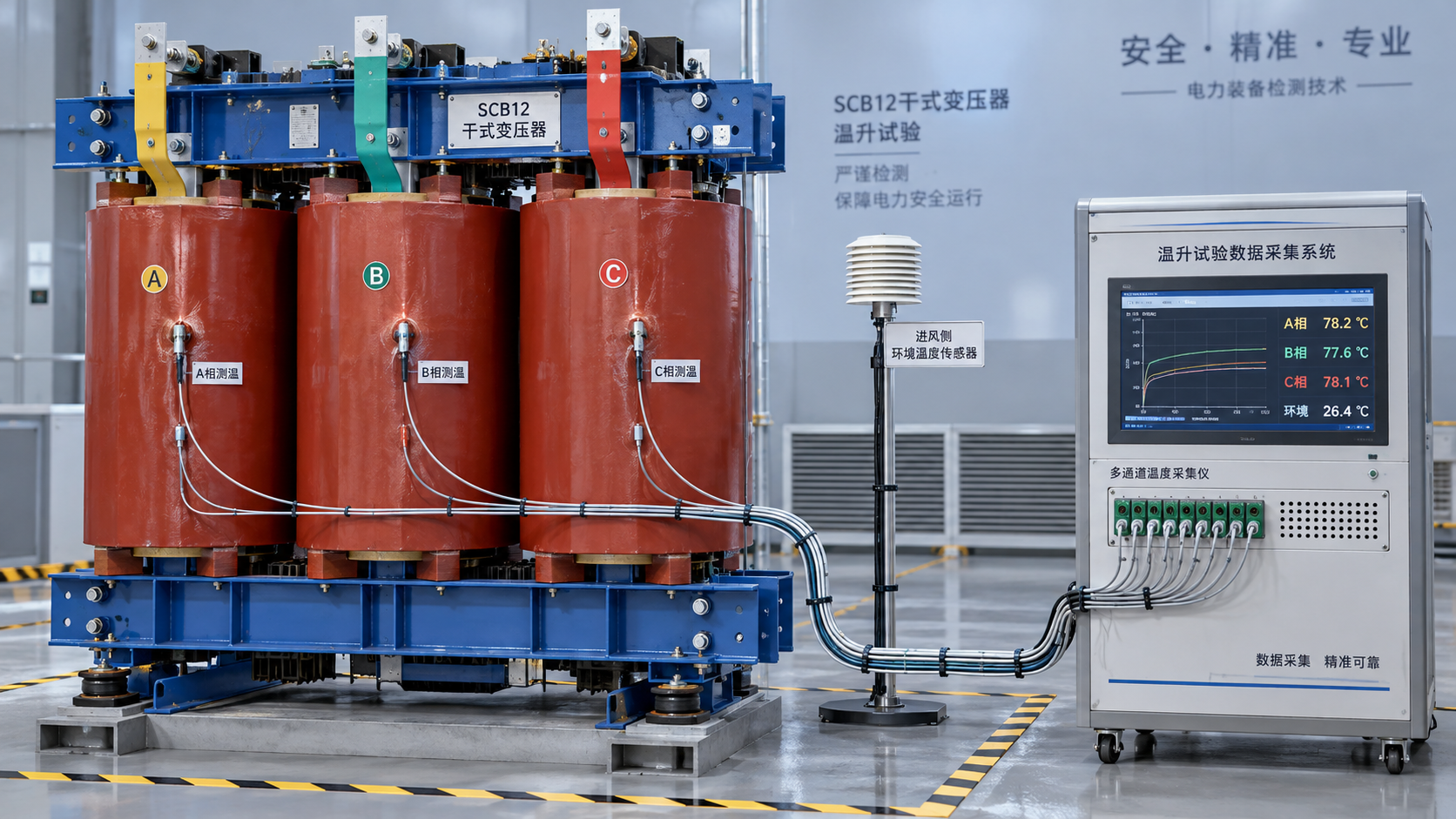
 How to verify the temperature-rise test of an SCB12 dry-type transformer
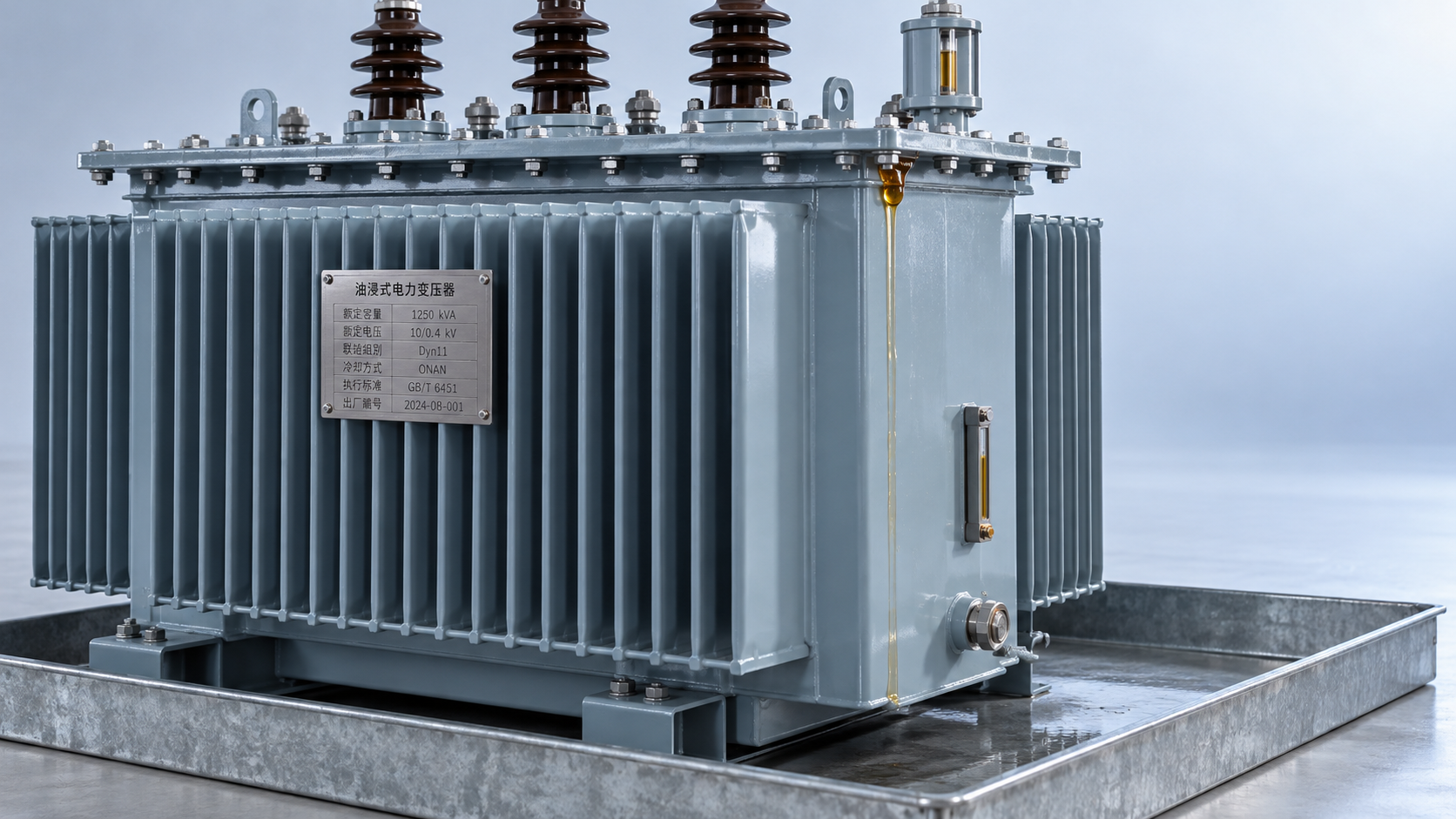
 Distribution transformer maintenance tips for spotting oil leaks
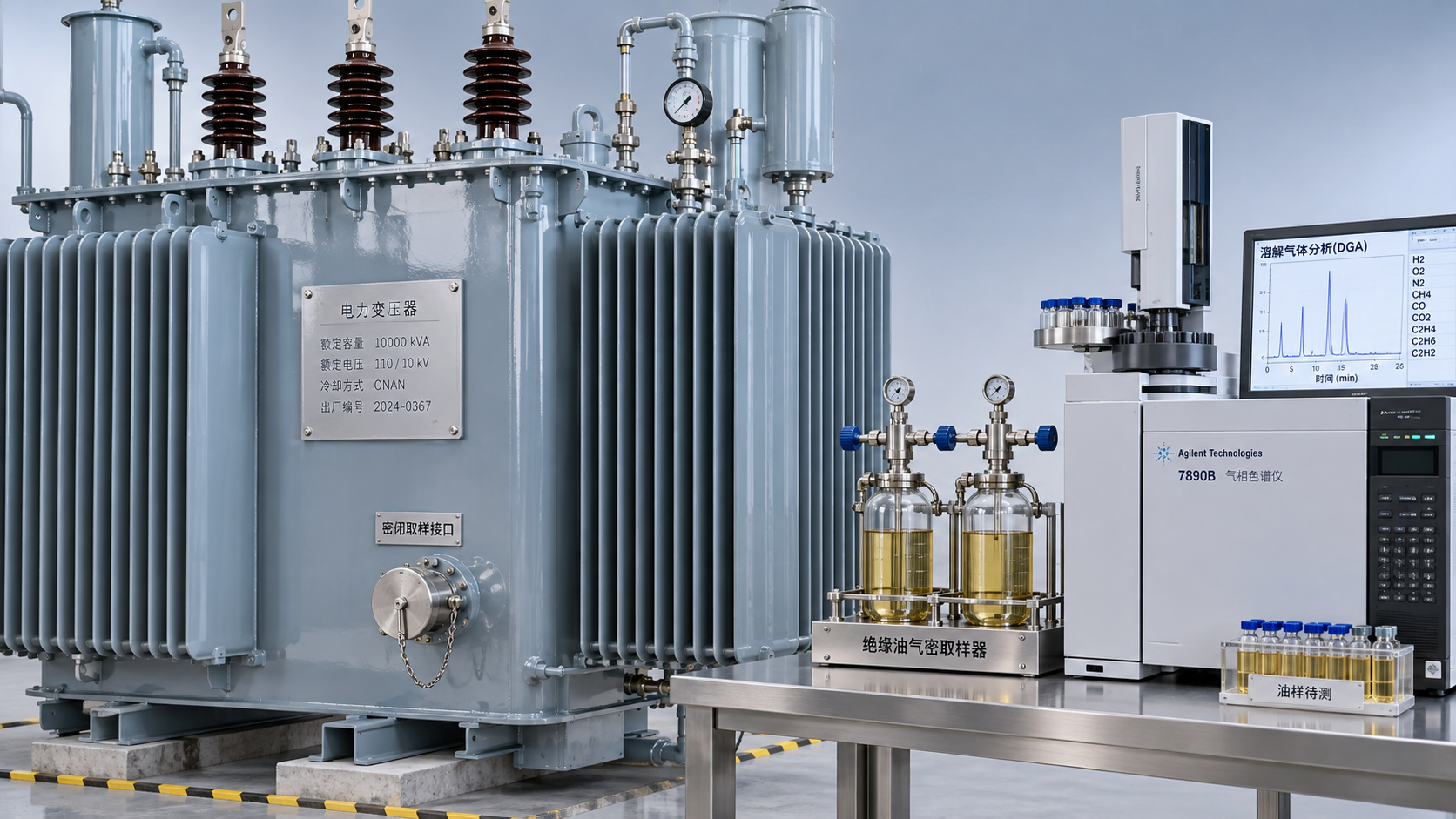
 What dissolved gas analysis reveals about an oil-immersed transformer
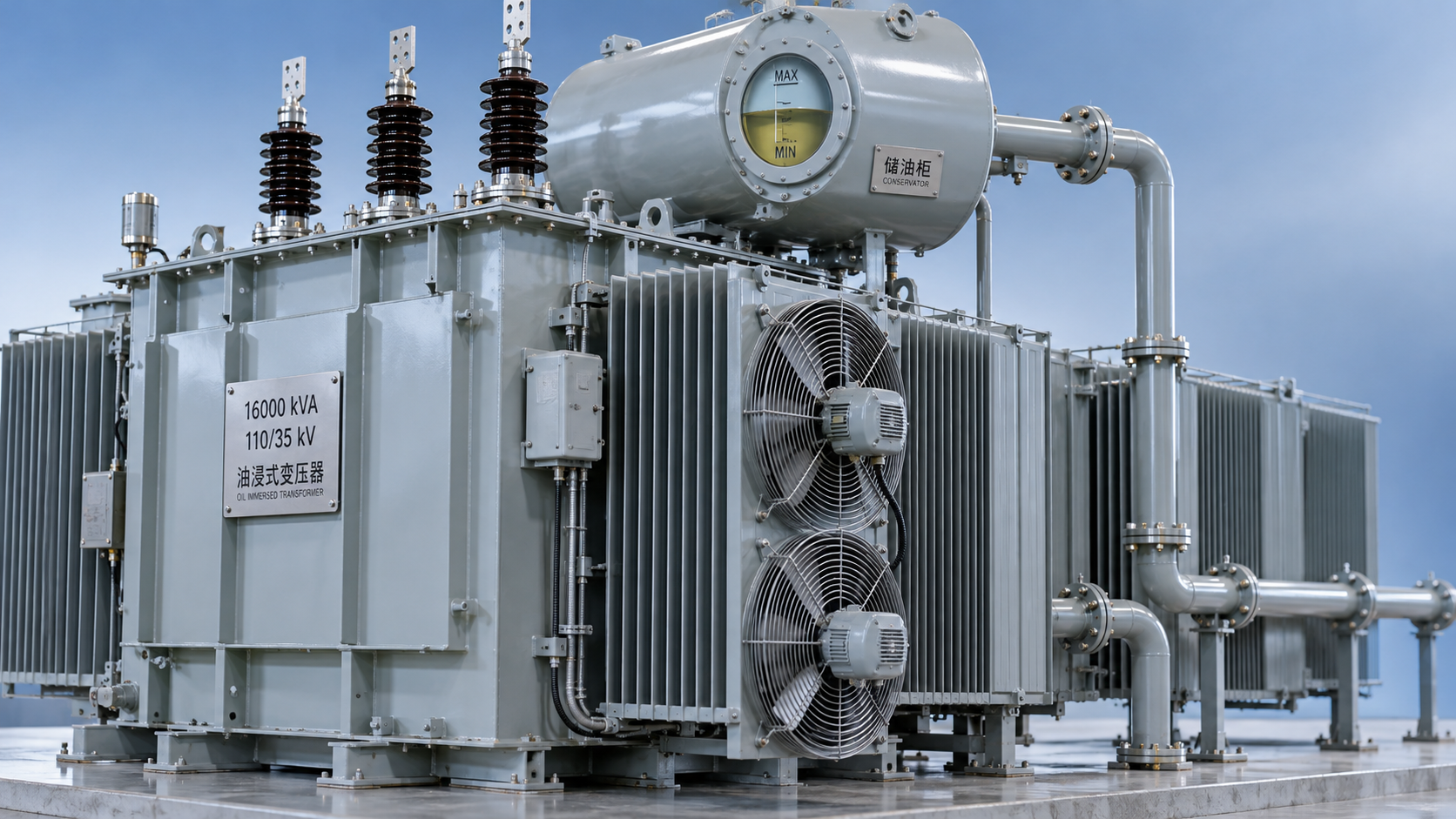
 Why an oil-cooled transformer overheats despite a normal oil level
 How the amorphous core affects SCBH15 dry-type transformer losses
 Sizing S13 oil-immersed transformers for variable wind farm output
GET A FREE QUOTE
We offer reliable products, competitive prices, and nationwide professional support, committed to providing customers with efficient and energy-saving power equipment solutions.