


Start with the number that actually matters
When decision-makers ask how much energy loss an SCB13 Type Dry-Type Transformer can reduce, they usually want a simple percentage. In practice, that number depends on where the losses are coming from now, how heavily the transformer runs, and whether the existing unit spends most of its life energized at light load or working hard near its rated range.
That is why the SCB13 Type Dry-Type Transformer energy-saving discussion should start with two separate buckets: no-load loss and load loss. If you do not split those, the ROI calculation becomes guesswork. No-load loss is there whenever the transformer is energized. Load loss rises with actual current. A site running long hours at low utilization may save more from lower no-load loss than expected. A plant with sustained daytime demand may care more about the load-loss side.
Before comparing models, check these five inputs
This is the point many purchasing reviews skip. They compare nameplates, not operating conditions.
- Rated capacity of the current transformer: Oversized units often hide avoidable no-load losses.
- Actual load profile across a full week: Not just peak demand. You need daytime, night, weekend, and seasonal behavior.
- Annual energized hours: A transformer energized 24/7 behaves very differently from one tied to shift operation.
- Voltage class and installation environment: These affect model selection, insulation structure, and cooling requirements.
- Published loss values under the applicable standard: Compare units only when the test basis is consistent.
If those five items are not on the table, any statement about “how much loss can be reduced” is only a sales estimate.
Use standards as the filter, not as decoration
For technical and procurement review, the first question is not whether a transformer is labeled SCB13. The real question is whether the design, testing, and declared loss values are tied to the relevant standards and documented consistently. Jiangsu Shengda Power Equipment Co., Ltd. states compliance with GB1094.1-2-1996 and GB/T6451-2008, along with ISO9001 certification. That matters because it gives the buyer a framework for checking test documents, quality control, and product consistency instead of relying on a broad “low-loss” claim.
In practical reviews, ask for the factory test report, the guaranteed no-load and load loss values, insulation class details, and the exact rated conditions under which those values apply. If one supplier gives losses at one set of conditions and another gives only a general brochure range, you do not yet have a fair comparison.
Where the real savings usually come from
A well-selected SCB13 unit typically reduces energy loss through a combination of core and coil improvements rather than a single breakthrough feature. The commercial value shows up in a few predictable places:
- Lower core loss during idle or light-load hours. This is especially relevant in office buildings, hospitals, campuses, and mixed-use facilities where the transformer stays energized continuously.
- Lower winding loss under working load. For factories and infrastructure sites, this is where operating cost differences become visible over time.
- Better thermal behavior. Lower heat generation reduces stress on insulation and helps preserve stable operation.
- Fewer side effects from overheating. Heat does not only waste electricity. It can also push up ventilation demand, accelerate aging, and narrow overload margin.
So the energy-saving value is not just the difference between two loss numbers on paper. It also affects how hard the surrounding system has to work.
Do not ask for a universal percentage reduction
There is no honest universal answer without baseline data. The reduction could be modest if you are replacing a relatively efficient, correctly sized dry-type transformer with similar utilization. It could be much more meaningful if the existing unit is older, oversized, runs continuously, or suffers from poor thermal performance.
A quick way to frame the decision internally is this:
That table will not replace an engineering calculation, but it does keep the discussion pointed at the right variables.
Check the design details that influence loss performance
Experienced buyers usually look past the model name and ask what is doing the work inside the transformer. Core material, coil structure, resin system, field distribution, and cooling options all affect whether the promised efficiency holds up in operation.
A useful reference point in the same dry-type product family is SCB11 Type Dry-Type Transformer. Its published configuration mentions high-quality cold-rolled grain-oriented silicon steel sheets, epoxy resin-based insulation structure, and an optimized high-voltage coil design intended to improve electric field distribution, reduce partial discharge, and support reliable operation. It can also be configured with temperature control and air-cooling support, including automatic fan activation under excessive load. That does not make it a substitute for an SCB13 loss comparison, but it shows the kind of design features worth checking when reviewing dry-type transformer efficiency and stability together.
Common mistakes that distort the energy-saving calculation
These are the errors that tend to show up in internal approval meetings.
- Using peak load as the average load. That inflates the expected savings from load-loss reduction.
- Ignoring idle hours. For continuously energized systems, no-load loss can dominate the annual loss picture more than finance teams expect.
- Comparing transformers of different capacity margins. A properly sized unit can look better partly because the old one was too large for the duty.
- Looking only at purchase price. The lower-priced option can become more expensive once annual energy loss is priced into the lifecycle cost.
- Treating cooling accessories as minor extras. Under fluctuating load, cooling strategy affects temperature rise, performance consistency, and service life.
A practical review path for decision-makers
If you need to make a buy-or-upgrade decision without turning it into a month-long engineering exercise, keep the process tight.
- Pull the existing transformer’s rated capacity, energized hours, and recent load records.
- Separate annual losses into no-load and load-related portions.
- Request guaranteed loss values and test documentation for the proposed SCB13 unit under the stated standard basis.
- Check whether the installation needs temperature monitoring, forced air cooling, lower noise, or stronger overload response.
- Convert the loss difference into annual electricity cost using your actual tariff structure, not a generic average.
- Review the payback together with reliability factors, because a transformer upgrade is rarely justified by energy loss alone.
This last point is often missed. In many facilities, the better choice is the one that balances lower loss, manageable temperature rise, solid insulation behavior, and operating stability over years of service.
What a smart conclusion looks like
An SCB13 Type Dry-Type Transformer can reduce energy losses in a meaningful way, but the size of that reduction depends on the existing baseline, the load pattern, and the quality of the comparison method. For a buyer, the right question is not “Is SCB13 energy-saving?” It is “Under our operating profile, which loss component matters most, and do the documented values justify the upgrade?”
Start with the current loss structure, verify the standard-backed data, then judge the proposal against actual operating hours and load behavior. That order keeps the decision commercial, technical, and defensible at the same time.



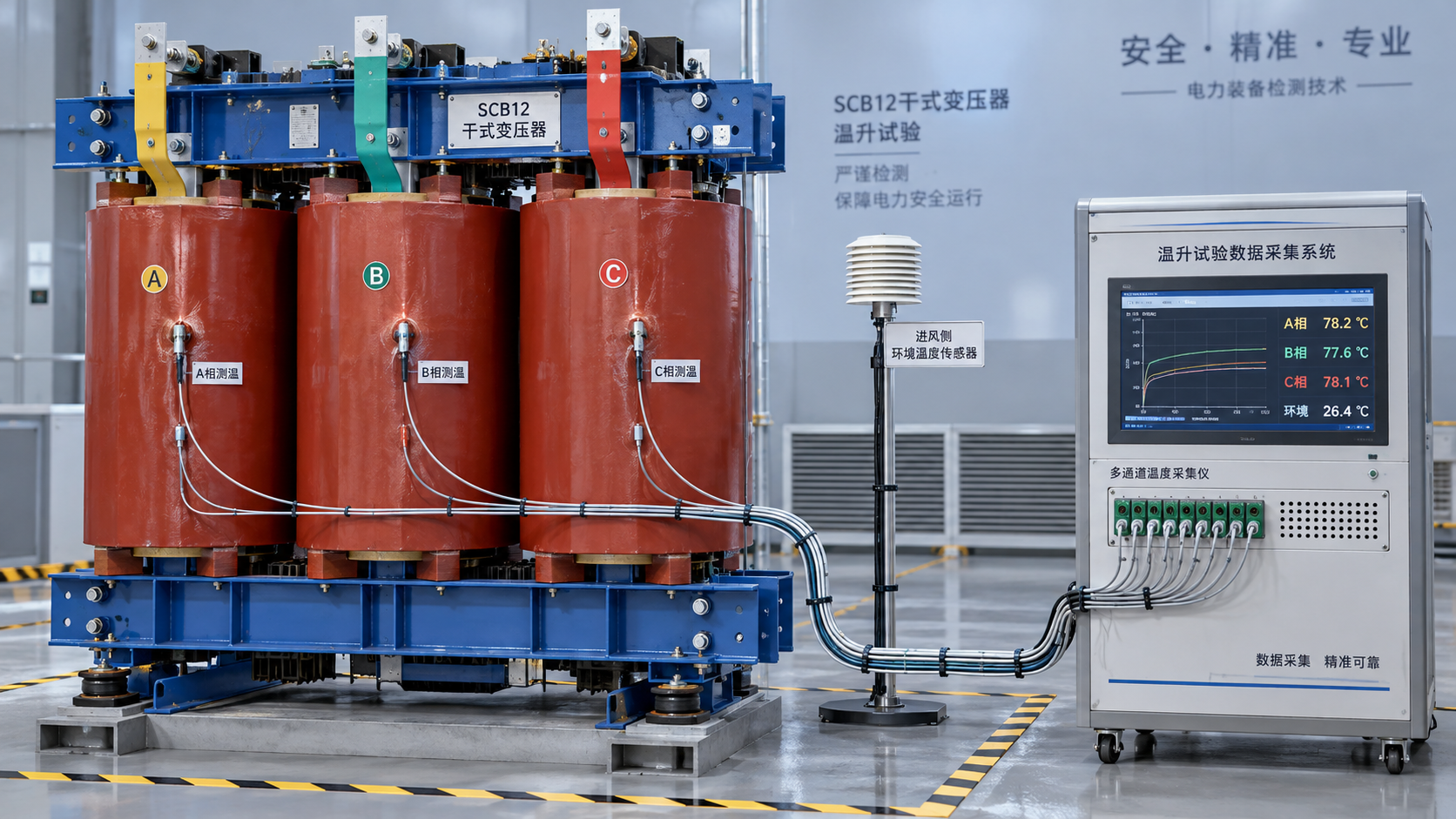
 How to verify the temperature-rise test of an SCB12 dry-type transformer
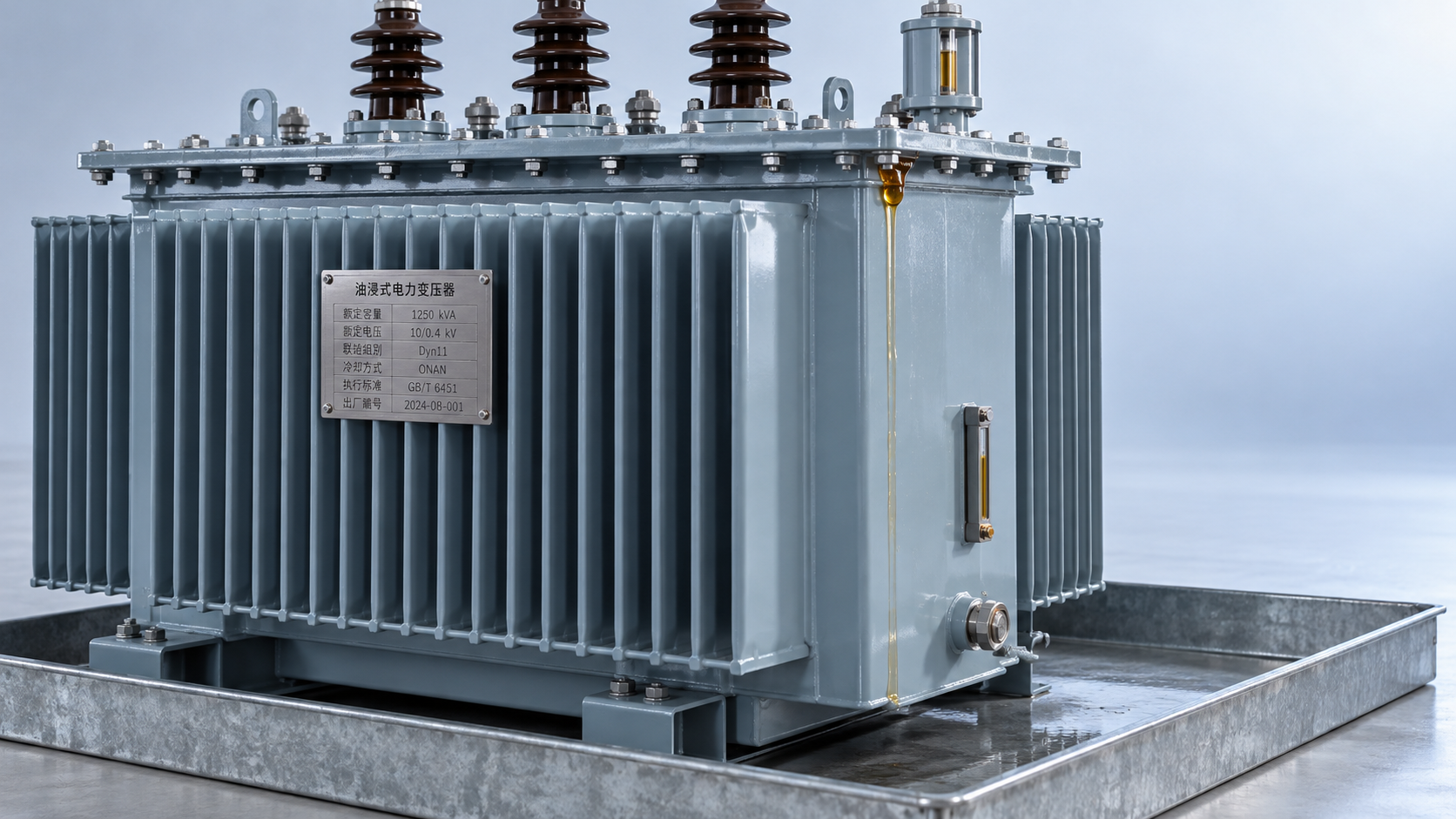
 Distribution transformer maintenance tips for spotting oil leaks
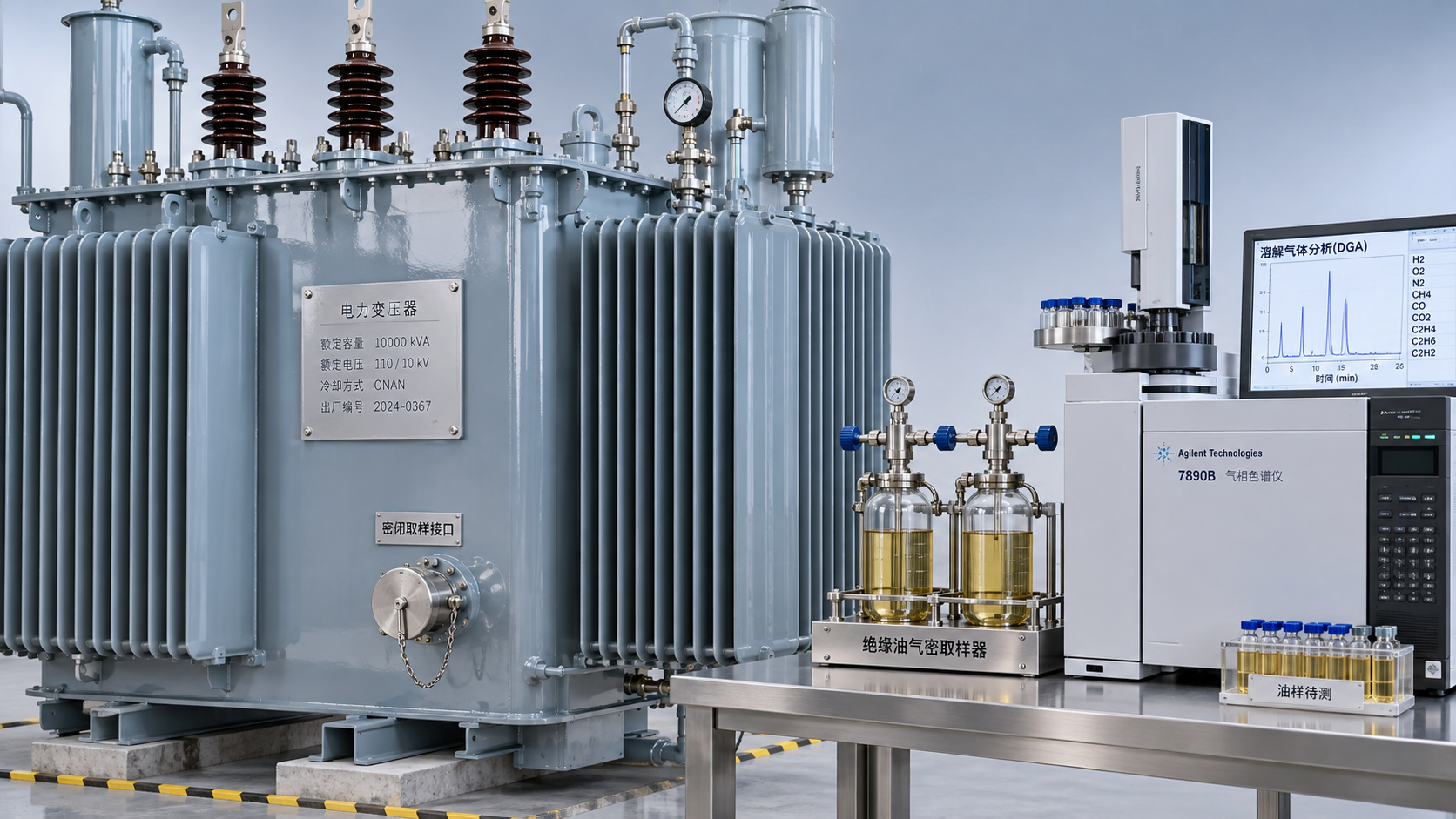
 What dissolved gas analysis reveals about an oil-immersed transformer
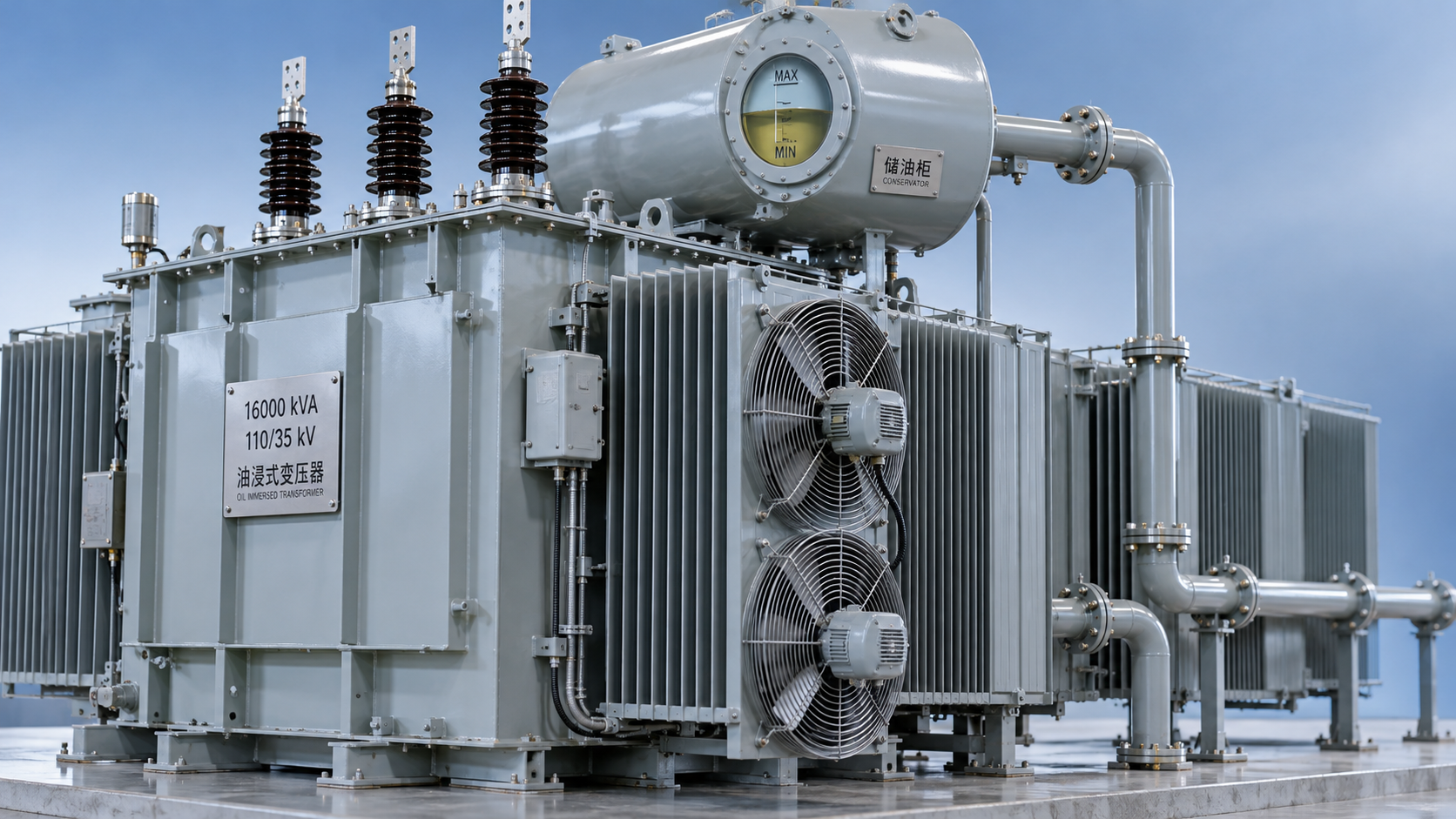
 Why an oil-cooled transformer overheats despite a normal oil level
 How the amorphous core affects SCBH15 dry-type transformer losses
 Sizing S13 oil-immersed transformers for variable wind farm output
GET A FREE QUOTE
We offer reliable products, competitive prices, and nationwide professional support, committed to providing customers with efficient and energy-saving power equipment solutions.