


Start with the specification sheet, not the unit price
When overseas buyers evaluate an S20 series order, the first serious filter is whether the quotation is built on the same technical basis. A low price means very little if one supplier quoted for a different loss level, a different cooling arrangement, or a different tapping range. In transformer sourcing, many cost disputes begin before production, simply because the buyer compared offers that were not technically aligned.
Ask for the rated capacity, voltage class, frequency, vector group, impedance, no-load loss, load loss, insulation level, tap changer type, and installation environment in one document set. If one exporter leaves several of these items vague, that is already a procurement risk. A capable S20 Series Oil-Immersed Power Transformers exporter should be able to quote against a clear technical schedule and explain where the price changes if you tighten a parameter.
Check which standards the supplier is actually building to
This point gets skipped too often by commercial teams that are under pressure to close pricing. For S20 series transformers, compliance is not just a line in a brochure. You need to see which standards are named in the technical documents and whether the factory can keep those standards consistent in manufacturing and inspection records.
If a supplier states compliance with GB1094.1-2-1996 and GB/T6451-2008, that gives you a defined reference point. It is also useful to confirm whether the inspection checklist, nameplate data, and routine test reports follow the same framework. Buyers often make the mistake of checking only the certificate headline and not the underlying test paperwork. That is how mismatches show up later during acceptance or grid connection review.
ISO9001 matters here as a management signal, but it should not replace product-level review. Treat it as evidence that the factory has a quality system, not as proof that every quoted transformer automatically fits your operating conditions.
Look closely at loss figures because they change the real purchase cost
For business evaluators, this is where cost control becomes more meaningful than bargaining over a small discount. S20 series products are usually selected for low-loss performance, so the question is not only what the transformer costs to buy, but what it costs to run. If two offers are close in price but one has better no-load and load loss values, the operating cost difference over time may outweigh the initial spread.
The practical check is simple: request the guaranteed loss values in writing and make sure they are tied to the exact rating being purchased. Do not accept a general statement such as “energy-saving design” without the corresponding figures. Also confirm whether penalties, rework, or replacement terms are defined if delivered performance does not match the quoted values.
Review the factory’s production range before you trust delivery promises
A supplier with broader transformer manufacturing capability usually gives buyers a more reliable basis for technical coordination, especially if the project may expand later. A manufacturer producing low-loss series such as S11, S13, S15, S20, and S22, alongside 10KV and 35KV models and related products, is generally better positioned to handle spec adjustments than a trader working from limited sourcing channels.
That does not mean a broad catalog guarantees the right fit. What you want to know is whether the exporter can produce your required voltage class and configuration within a stable process, not whether the website lists many model names. Ask which product family your order will follow in manufacturing, which tests are routine for that family, and whether the same workshop handles similar units regularly.
Do not separate technical review from packaging and shipment review
Oil-immersed transformers can be technically correct and still create losses for the buyer if packaging, preservation, or shipping preparation is weak. Overseas orders are exposed to handling, humidity, port delays, and route changes. That means the commercial review should include preservation method, packing detail, marking, lifting instructions, and the condition in which the unit will arrive for installation.
A useful checkpoint is whether the exporter can provide a packing list linked to the transformer accessories and whether the shipment condition matches the destination handling environment. Missing accessories, unclear wiring documentation, or poor preservation can erase any savings achieved in the negotiation.
Ask for the actual inspection path, not just a promise of quality
Most buyers know to request test reports. Fewer ask how those reports are generated and which inspections are done before dispatch. That gap matters. A supplier with comprehensive quality inspection systems should be able to explain incoming material checks, in-process controls, and final routine testing in a way that matches the product category.
This is also where you can judge management maturity. If the sales team can only send a certificate but cannot map it to production control, keep digging. Serious factories can usually tell you which records belong to the unit, what appears on the nameplate, and how traceability is maintained from order to shipment.
Clarify what is standard scope and what becomes a variation order
A lot of procurement friction comes from assumptions hidden inside the quote. Buyers think accessories are included; suppliers think they are optional. Buyers assume a certain enclosure treatment or accessory brand; suppliers price a different baseline. This is avoidable if you force a scope breakdown early.
Check whether the supplier understands application differences
Not every power transformer order is judged by the same priorities. Some buyers focus on long operating hours and loss reduction. Others care more about installation constraints, fire safety, noise, or maintenance access. A useful sign of supplier competence is whether they ask where and how the transformer will be used instead of pushing one generic recommendation.
In some projects, especially in high-rise buildings, airports, railway stations, docks, power plants, or substations, the buyer may also compare oil-immersed and dry-type options during the same sourcing cycle. In that context, a supplier offering products such as SCB10 Type Dry-Type Transformer can support a more practical discussion about where each solution fits. For example, dry-type units with 3-phase, 50Hz design, Class F insulation, average winding temperature rise of ≤100K, and partial discharge less than 5pc are often reviewed when maintenance-free operation, low noise, moisture resistance, or higher fire-safety expectations matter. That does not replace an S20 series decision, but it helps the buyer confirm that the exporter is thinking in application terms rather than only chasing a sale.
Use lead time as a risk indicator, not just a scheduling number
A very short promised lead time can be attractive, but it may also mean the supplier has not fully considered materials, test scheduling, or export preparation. On the other hand, an unnecessarily long lead time can hurt your project cash flow and site sequence. The right question is how the delivery date is built.
Ask what triggers production release, which documents must be approved first, and whether routine testing is included in the promised date. If the supplier cannot explain that path clearly, the date is not dependable enough for a serious purchase decision.
Watch for commercial offers that hide future claims exposure
The cheapest offer can become the most expensive one if the warranty terms, claim handling process, or non-conformance response are weak. This is especially relevant for exported equipment, where replacement, field service, and shipment of spare parts all involve time and cost.
Review these points before issuing the order:
- What documents define the final approved specification.
- What test records are supplied with shipment.
- How non-conformance is identified and who bears the correction cost.
- Whether replacement parts or technical support can be arranged within your project timeline.
None of this needs dramatic legal language at the evaluation stage. It does need precision.
A workable order sequence for business evaluators
If you need a clean internal review path, use this order. Lock the technical schedule first. Then compare standards, guaranteed losses, and testing scope. After that, review factory capability, production range, and lead time logic. Only when those points are aligned does price comparison become meaningful.
For S20 series procurement, a dependable supplier is not the one with the most aggressive opening quote. It is the one that can connect specification, manufacturing control, inspection records, export handling, and post-delivery responsibility into one consistent offer. That is usually what separates a usable quote from a future dispute.



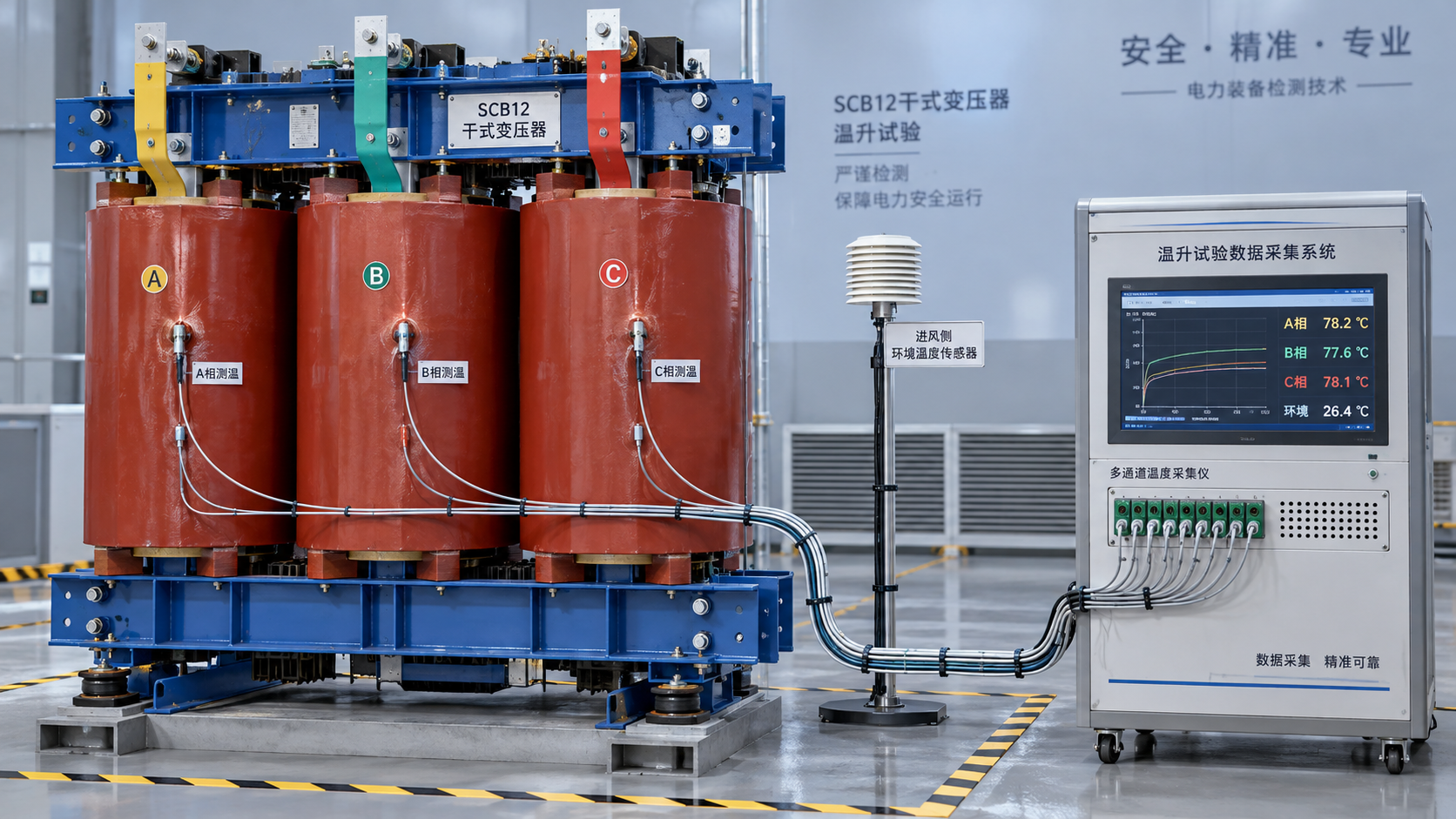
 How to verify the temperature-rise test of an SCB12 dry-type transformer
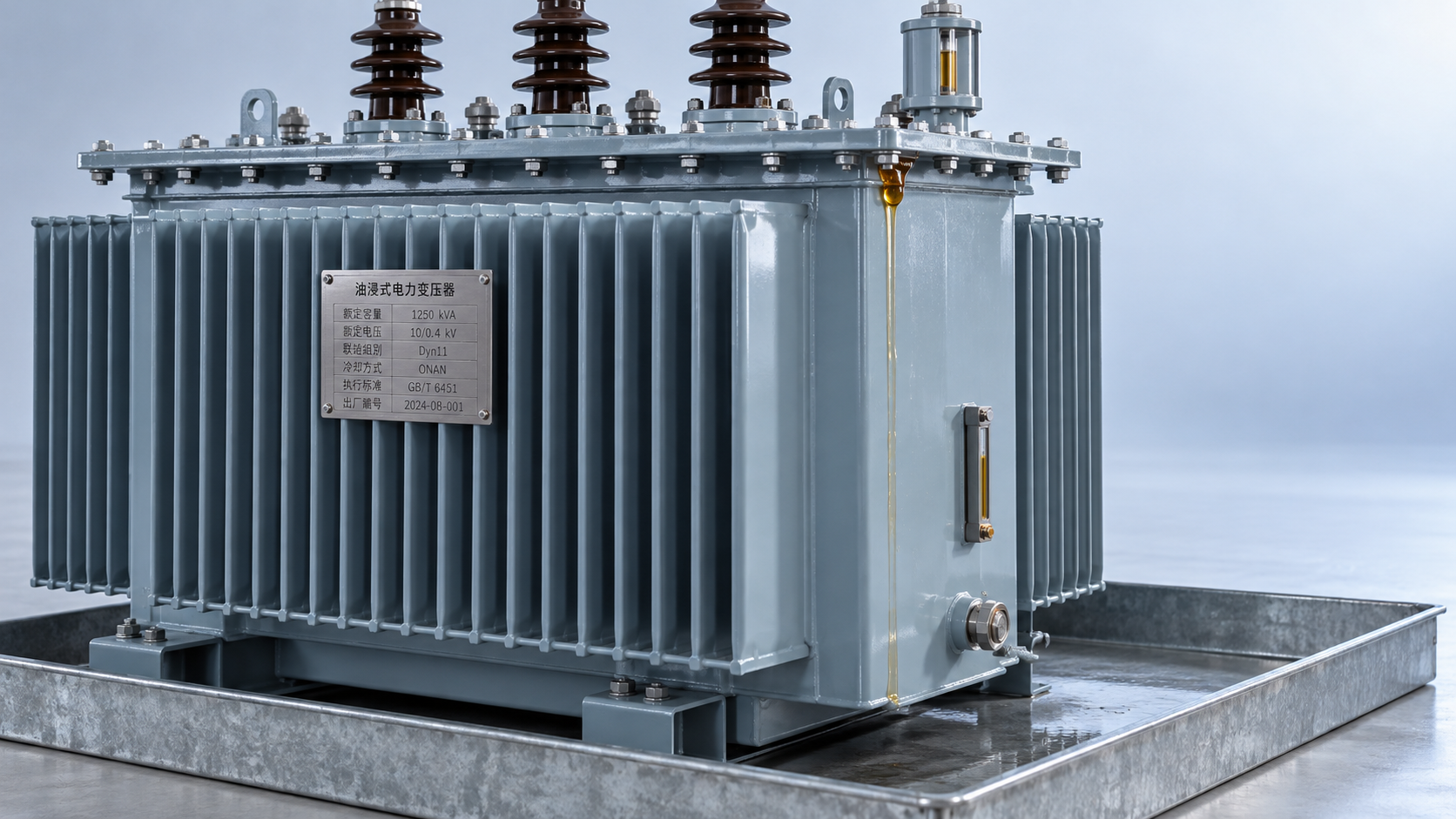
 Distribution transformer maintenance tips for spotting oil leaks
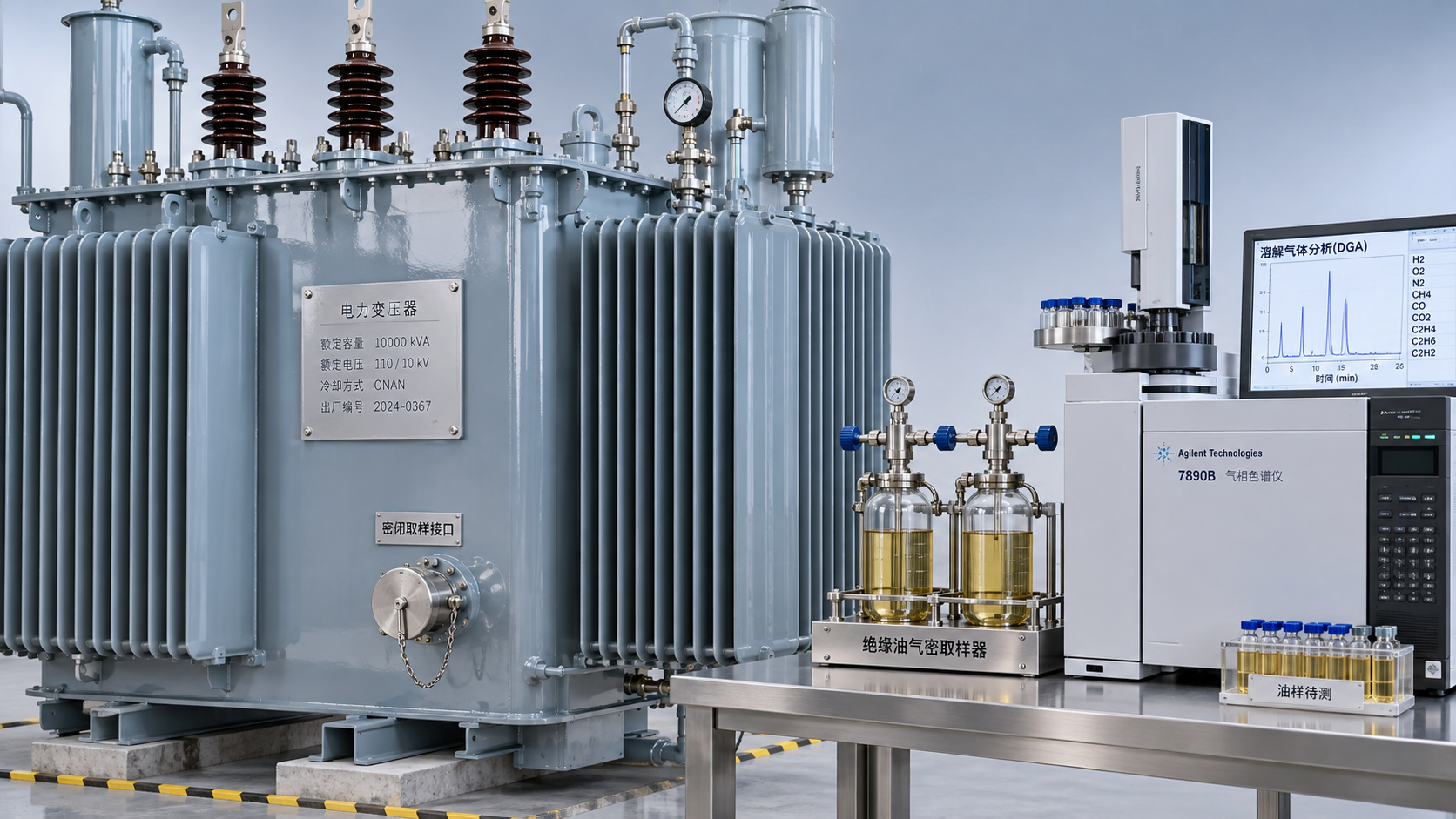
 What dissolved gas analysis reveals about an oil-immersed transformer
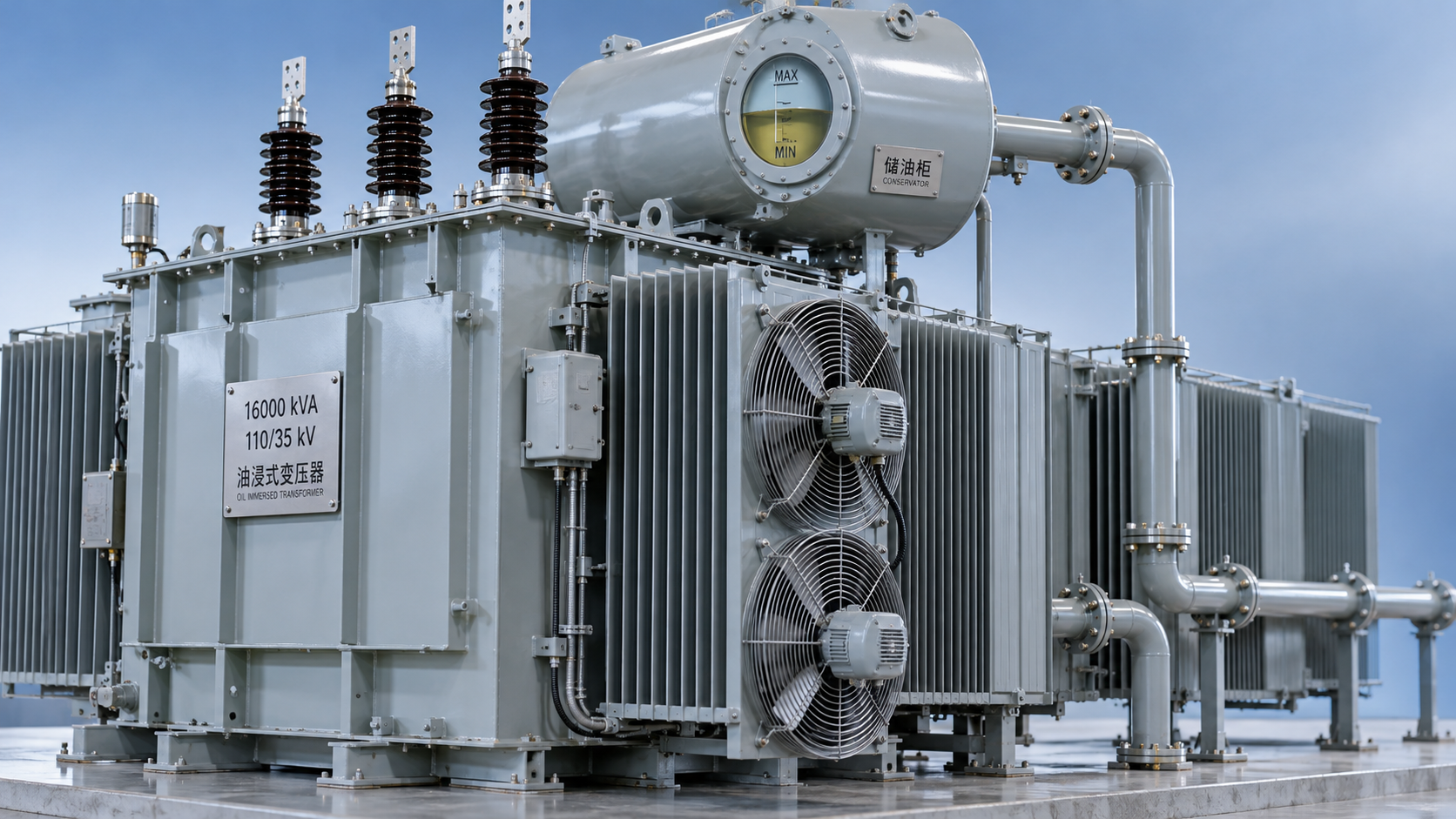
 Why an oil-cooled transformer overheats despite a normal oil level
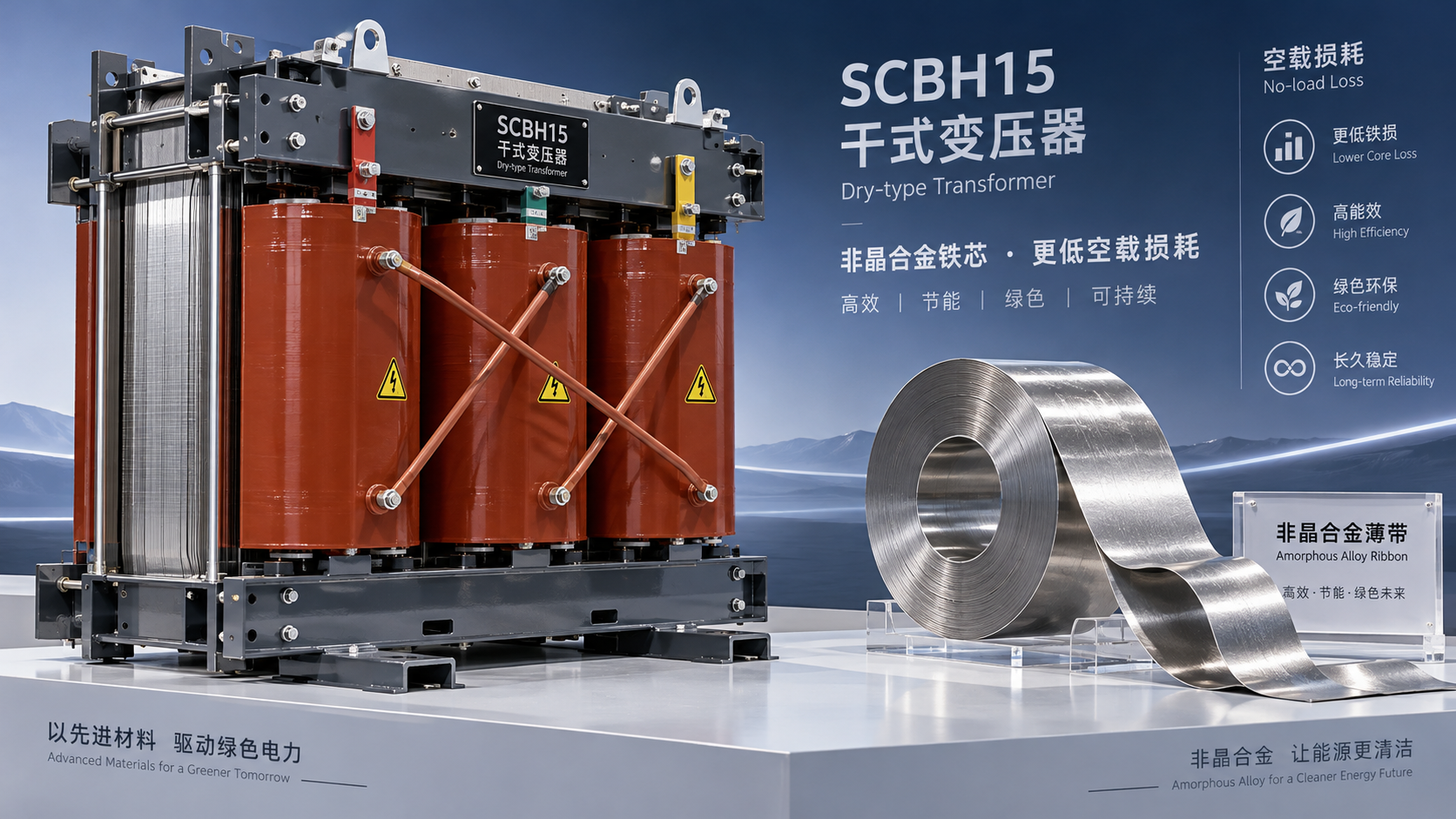
 How the amorphous core affects SCBH15 dry-type transformer losses
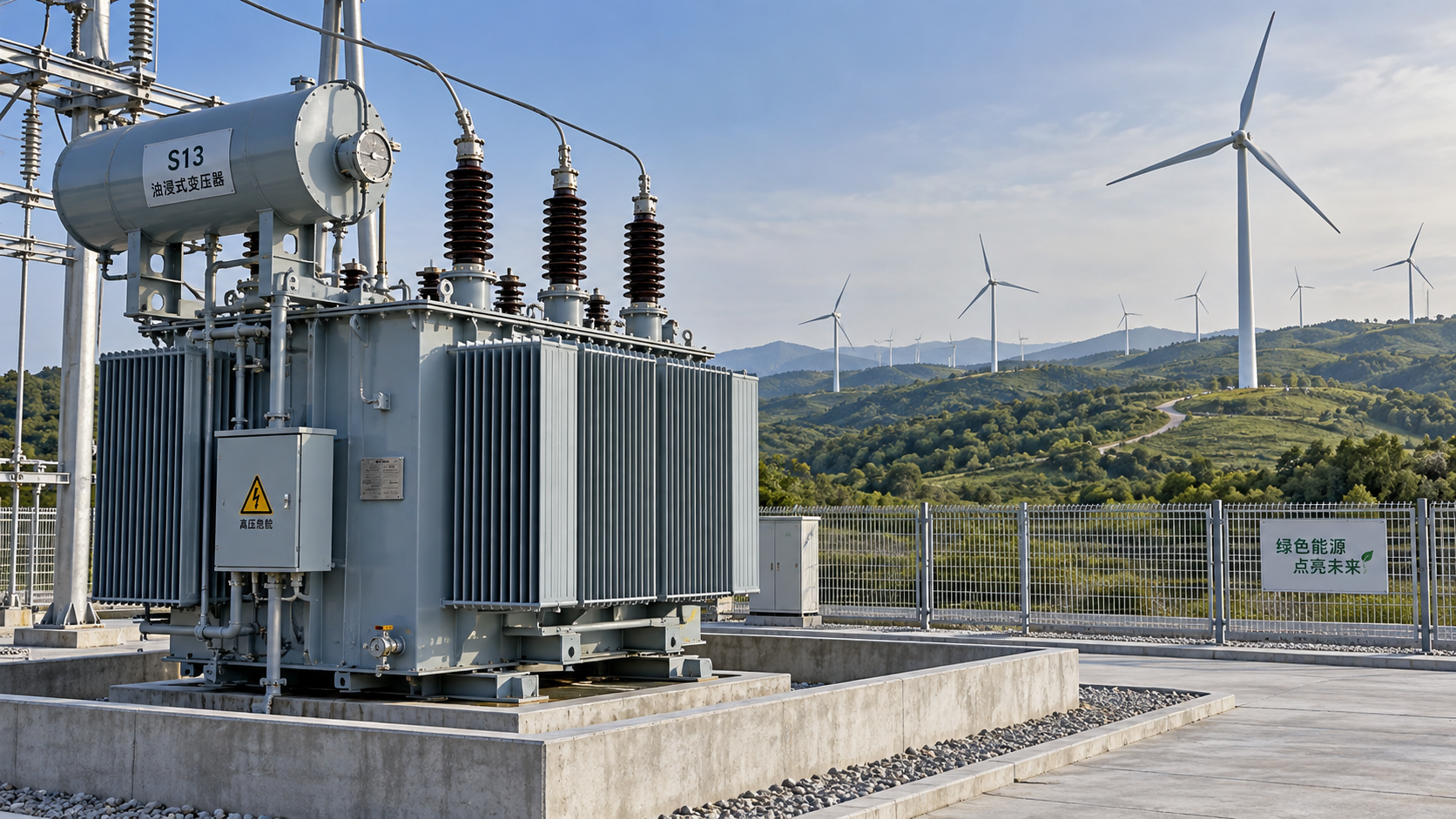
 Sizing S13 oil-immersed transformers for variable wind farm output
GET A FREE QUOTE
We offer reliable products, competitive prices, and nationwide professional support, committed to providing customers with efficient and energy-saving power equipment solutions.