


Start with the price boundary, not the catalog price
When buyers search for the ZGS Combined Substation price, the first mistake is comparing a headline number from one supplier with a differently configured unit from another. A ZGS combined substation is not a single fixed product. The final price moves with the transformer rating, medium-voltage and low-voltage arrangement, enclosure structure, protection components, installation environment, and document requirements. If your RFQ does not lock those items down, the cheapest quote often turns out to be the least complete one.
A practical way to control this is to define your pricing boundary before asking for offers. Decide whether you are buying only the packaged substation body, or a delivery scope that also includes protection devices, metering, cable termination support, factory testing documents, spare parts, and commissioning support. Two prices can look close on paper and still carry very different project costs once freight, site work, and change orders start showing up.
Check the transformer section first
The transformer is still one of the biggest cost drivers inside a ZGS combined substation, and small specification changes can shift price faster than many procurement teams expect.
- Capacity: Moving from a lower kVA rating to a higher one raises material use, thermal design requirements, and enclosure coordination. Do not request “future expansion margin” unless the load study genuinely supports it. Oversizing is a common reason buyers pay more upfront and lose efficiency later.
- Voltage level: 10 kV and 35 kV projects do not sit in the same pricing range. Insulation design, switchgear selection, clearances, and test requirements all become more demanding as voltage rises.
- Loss requirements: Low-loss transformer series usually cost more at purchase but may make sense when operating hours are long and electricity cost is high. The right question is not “Which unit is cheaper?” but “What does this loss level cost over the service life?”
- Cooling and loading profile: If the substation will face peak-heavy industrial duty, seasonal overload, or tight ambient conditions, make suppliers price against the real loading pattern. Otherwise, you may get a nominally compliant offer that becomes expensive once derating or redesign is needed.
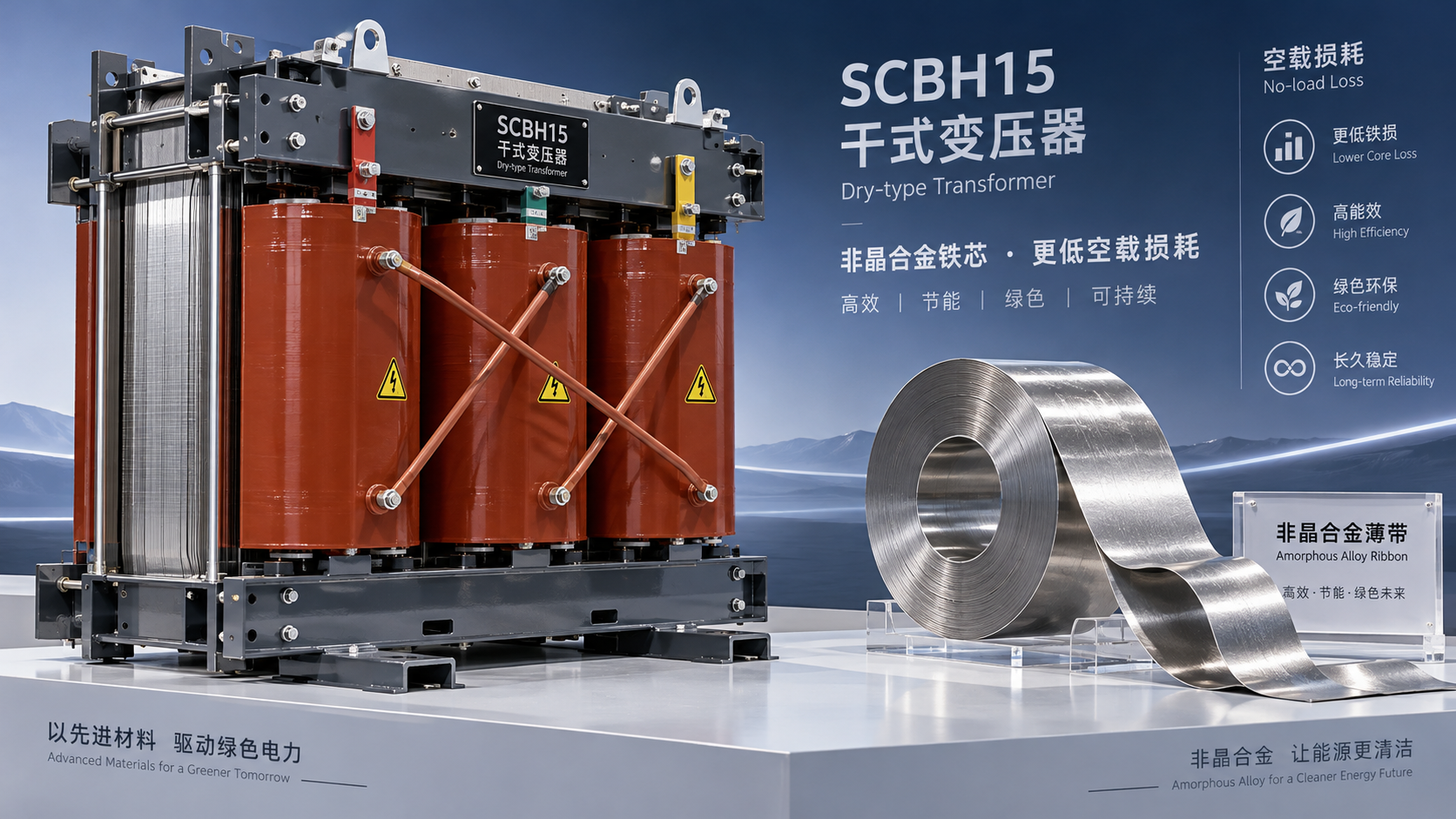
This is also where some buyers evaluate alternatives around safety and installation environment. In projects with high fire protection requirements or indoor distribution areas, a dry-type option may affect the broader package decision. For example, Non-Encapsulated Dry-Type Transformer configurations are typically considered when maintenance access, fire behavior, humidity tolerance, and overload performance matter to the overall system layout.
Do not treat the enclosure as sheet metal
A lot of quote gaps come from enclosure assumptions. On a basic commercial comparison, the housing may look like a secondary detail. In the field, it drives durability, transport handling, corrosion resistance, internal temperature rise, and maintenance access.
Check these points line by line:
- Steel type, plate thickness, and anti-corrosion treatment.
- Weather protection level for outdoor exposure, especially in coastal, high-humidity, dusty, or polluted areas.
- Ventilation design and how it works with the selected transformer losses.
- Door layout, lock arrangement, cable entry direction, and maintenance clearance.
- Whether the base frame and lifting provisions are included in the quoted scope.
A utility-side unit installed in an open yard and an industrial unit near chemical exposure should not be priced as if they need the same enclosure treatment. If your site is near the sea, a river, heavy dust, or process contamination, ask the supplier to state the enclosure material system explicitly. If they do not, you are not comparing equivalent offers.
Switchgear and protection choices often decide the real gap
Many buyers focus on the transformer rating and miss the medium-voltage and low-voltage equipment package. That is where pricing can widen quickly. Fuse-based protection, load break switch arrangements, ring main interfaces, outgoing feeder count, metering, and relay requirements all change the cost profile.
Ask for a single-line diagram with the quote. If one supplier prices a simpler incoming arrangement while another includes more complete protection and metering, the lower number tells you very little. In utility and industrial projects, incomplete protection definition is one of the fastest ways to trigger post-award variation orders.
Standards and documentation are part of the price
Compliance is not a decorative line in the quotation. It affects materials, testing, quality control, traceability, and document output. Jiangsu Shengda Power Equipment Co., Ltd. states compliance with standards such as GB1094.1-2-1996 and GB/T6451-2008, along with ISO9001 certification. For procurement teams, that matters less as marketing language and more as a clue about what manufacturing and inspection framework the supplier works under.
The useful check is simple: ask which tests are included, what reports are delivered, and whether the quoted unit is built to the same standard set across all core components. A low quote that excludes the document package you need for owner approval, export filing, or site acceptance can stop being low very quickly.
Review the application environment before you compare offers
The same ZGS Combined Substation price logic does not apply evenly across all projects. Utility distribution, plant power supply, transportation infrastructure, and densely built urban sites impose different design pressures. Indoor or semi-indoor use, altitude, ambient temperature, local humidity, fire protection rules, and load fluctuation all shape the final build.
This is why environment-specific equipment sometimes becomes relevant even if it is not the main item under purchase. In locations such as airports, hospitals, railway stations, power plants, petrochemical plants, or humid sites near lakes and coastal areas, buyers may also review whether related transformer options have features suited to those conditions. A product like the Non-Encapsulated Dry-Type Transformer, with H-class insulation, vacuum impregnation, and stated suitability for polluted and humid environments, shows the kind of application-specific detail worth checking when your project has non-standard operating conditions.
Use this quote comparison table before shortlisting
Watch for the low-price patterns that create later cost
Procurement teams usually do not get into trouble because the initial number was high. Trouble starts when the low number hides design differences.
- Quoted losses are missing or not tied to a standard.
- Enclosure treatment is described vaguely, especially for outdoor service.
- Protection scope is summarized in one line without a single-line diagram.
- Testing and document deliverables are left out of the commercial offer.
- Freight, spare parts, and commissioning support are treated as separate later discussions.
If you see any two or three of those together, the quote is not really lower; it is simply incomplete.
Ask suppliers for these five things before making a price judgment
- A confirmed single-line diagram matching your load and feeder arrangement.
- A component scope list covering transformer, MV section, LV section, enclosure, and accessories.
- Declared standards and test documents included in the offer.
- Environmental design basis: ambient temperature, humidity, installation location, and corrosion exposure.
- A clear exclusions list.
That last point matters more than people think. Exclusions tell you where the supplier expects commercial recovery later.
Make the final decision on total project fit
The right ZGS Combined Substation price is the one attached to a unit that matches the electrical duty, site conditions, approval documents, and maintenance reality of your project. Not the one that wins a spreadsheet on day one. For utility and industrial procurement, the cleanest sequence is to freeze the technical boundary, normalize every quote against the same scope, compare loss and protection levels, then review enclosure and documentation details before negotiating commercial terms.
If you follow that order, price becomes easier to judge because you are finally comparing like with like. That is where good buying decisions usually start.



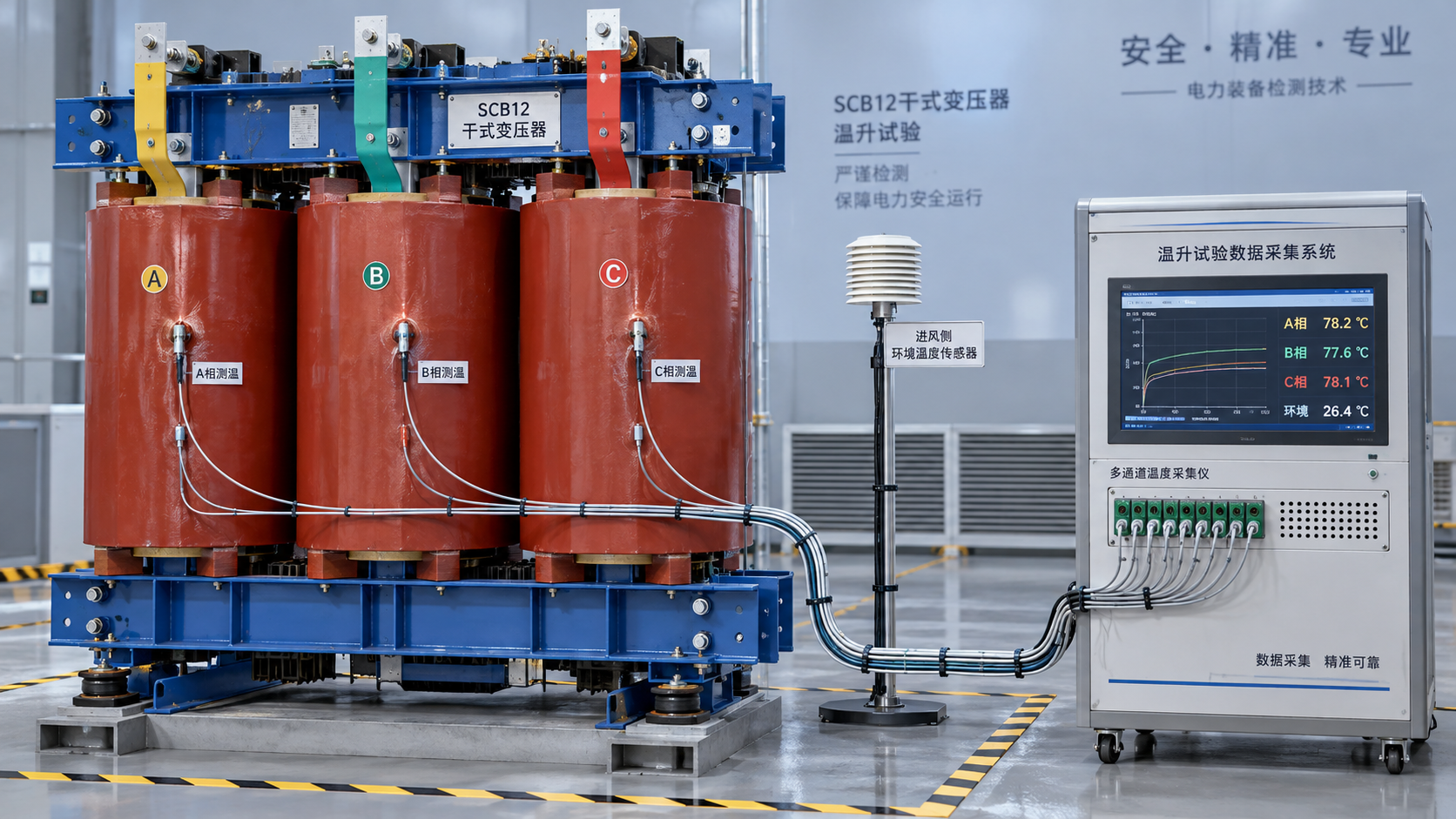
 How to verify the temperature-rise test of an SCB12 dry-type transformer
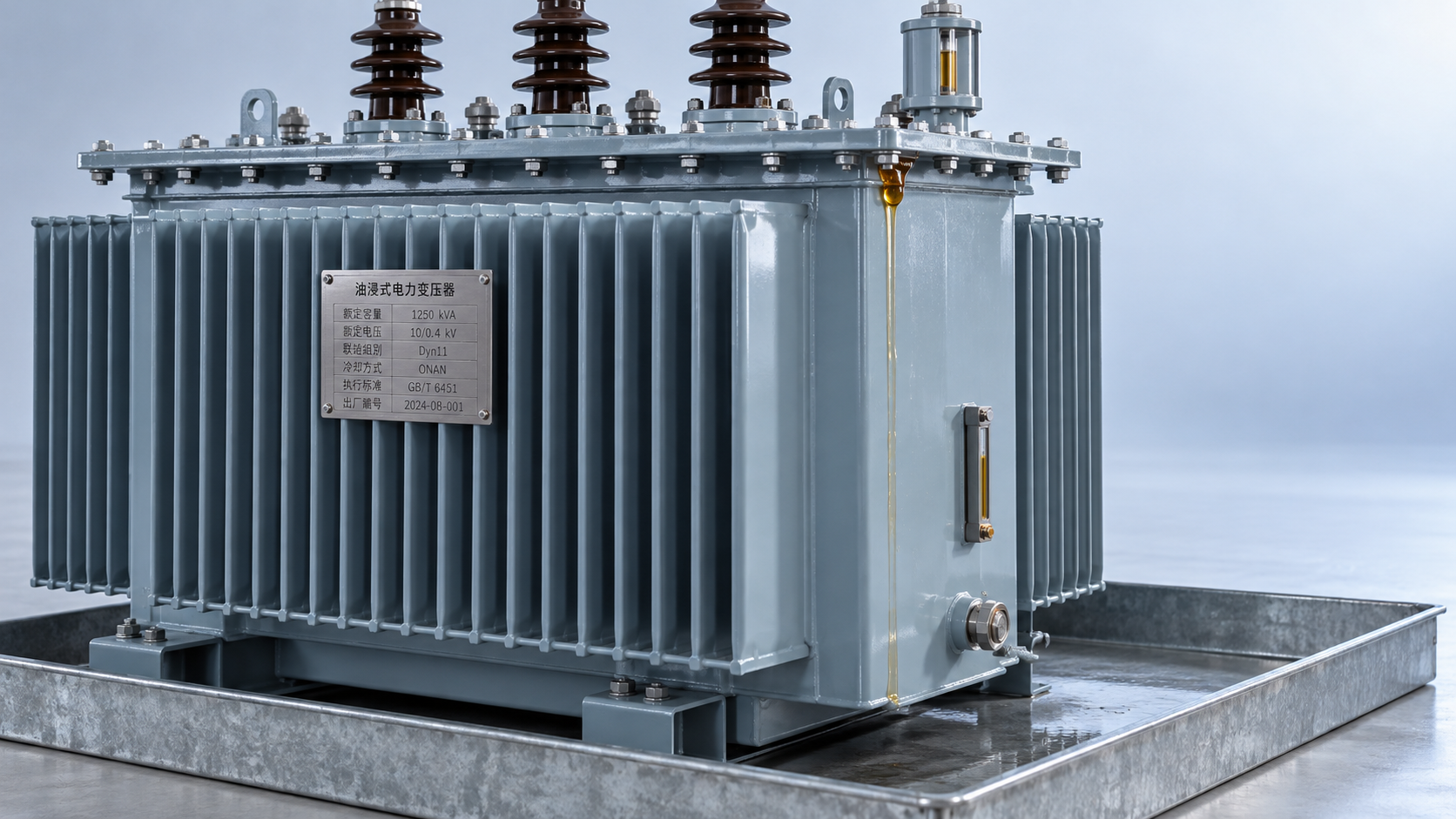
 Distribution transformer maintenance tips for spotting oil leaks
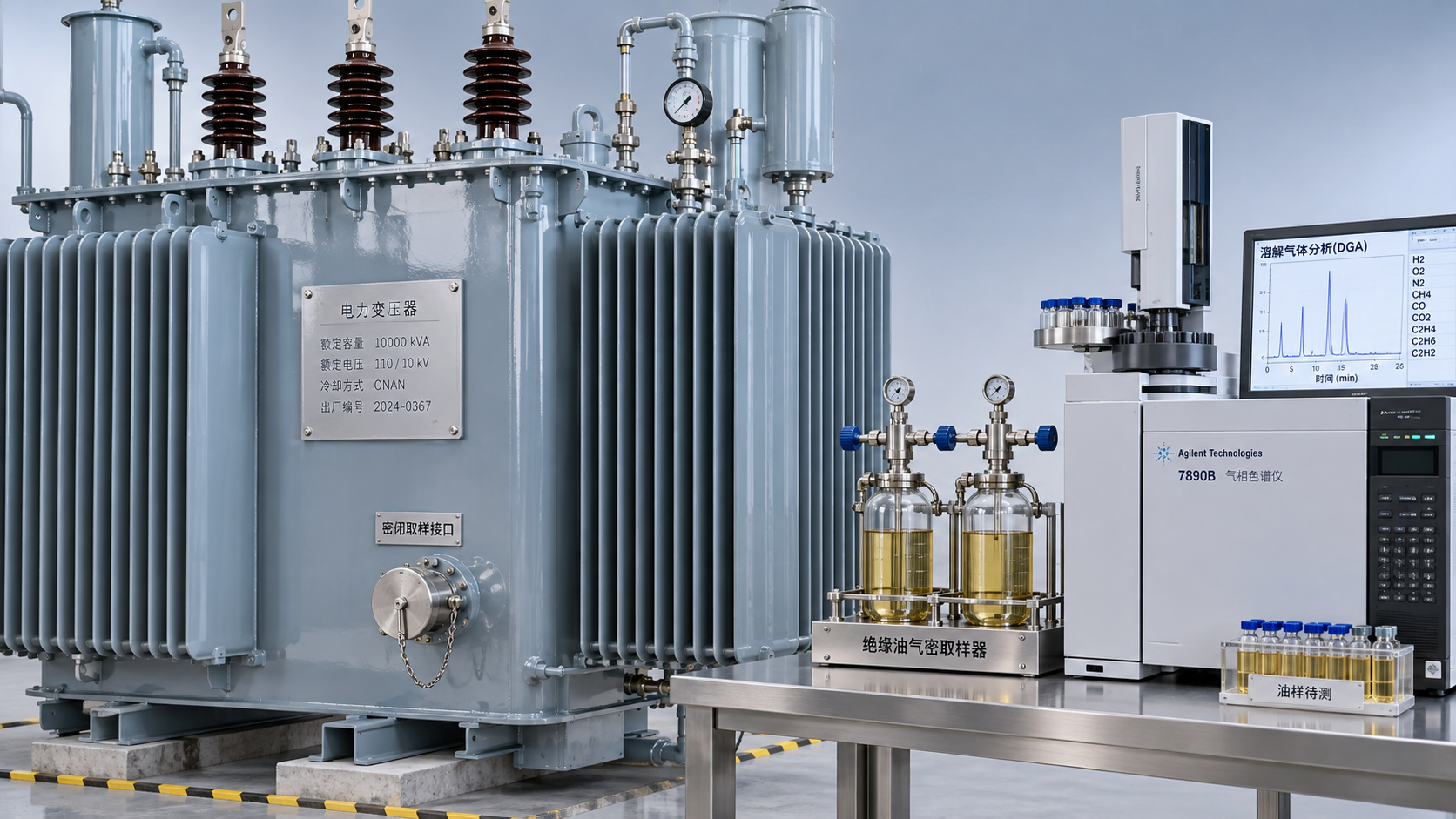
 What dissolved gas analysis reveals about an oil-immersed transformer
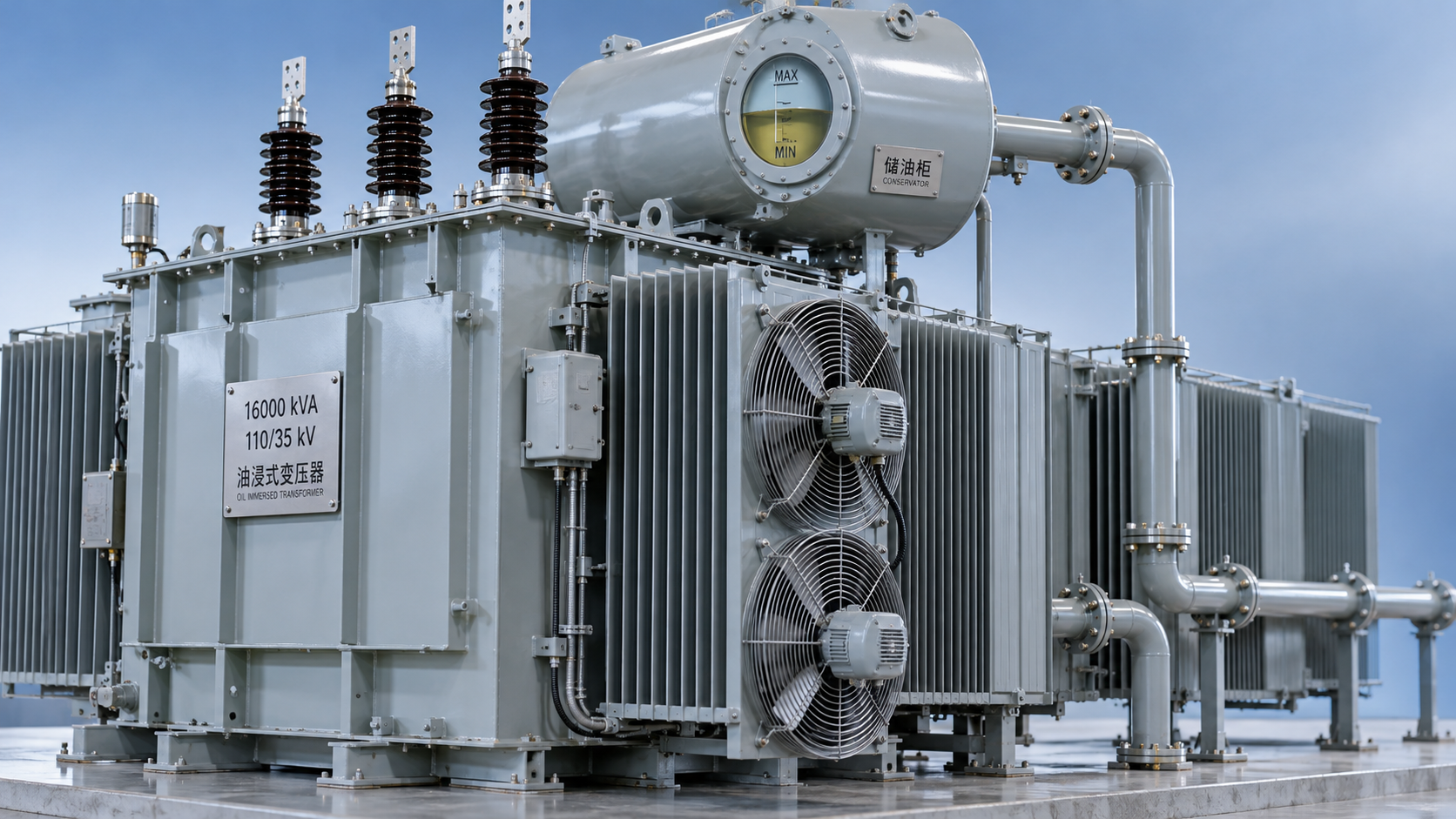
 Why an oil-cooled transformer overheats despite a normal oil level
 How the amorphous core affects SCBH15 dry-type transformer losses
 Sizing S13 oil-immersed transformers for variable wind farm output
GET A FREE QUOTE
We offer reliable products, competitive prices, and nationwide professional support, committed to providing customers with efficient and energy-saving power equipment solutions.