


An SCB18 Type Dry-Type Transformer manufacturer's delivery promise is credible when the required units fit into a documented production schedule, with enough capacity for casting, curing, assembly, testing, and corrective work. Advertised annual output alone cannot establish this. A low quotation becomes expensive if incomplete transformers delay energization or require additional inspection and expedited transport.
Start with the exact order configuration and required dispatch date. Then compare the proposed schedule with recent production records and current commitments. The strongest evidence connects equipment availability, completed units, and test results through traceable order or serial numbers.
Define the production load behind the quotation
A quantity expressed only as “transformers per month” hides substantial differences in workload. Rated capacity, voltage class, winding dimensions, conductor construction, enclosure requirements, and accessories all affect the time and equipment needed. A factory's output of smaller standard units does not establish its capacity to deliver a batch of larger transformers with different tooling and testing requirements.
Request a schedule based on the quoted specification, including the agreed loss limits, impedance, insulation requirements, cooling arrangement, and enclosure configuration. Design approval and material release dates belong in that schedule. A promised lead time measured from drawing approval has a different meaning from one measured from purchase-order placement.
Separate standard production from engineering changes. A familiar design with available molds and approved drawings has fewer prerequisites than a configuration requiring new winding tooling or enclosure fabrication. Any unresolved technical detail that prevents material ordering or winding release should have an identified decision date.
Find the process that limits finished output
For cast-resin dry-type transformers, available winding machines are only part of the capacity picture. Trace the actual route through winding, insulation preparation, drying where required, resin preparation, vacuum casting, curing, finishing, core-and-coil assembly, and final testing. Establish which stages share equipment with other transformer series.
Casting capacity requires particular attention. Chamber dimensions determine which coils fit, while compatible mold availability determines how many can be prepared together. Resin preparation, evacuation, filling, and curing follow qualified process conditions. Increasing batch size or shortening a cycle without validated process changes can create insulation defects and additional rework.
Ask for recent loading records showing coil sizes, batch contents, cycle durations, and completed quantities. Confirm whether curing occupies the casting chamber or uses separate ovens. Separate ovens improve throughput only when handling equipment, molds, and qualified personnel can support the transfer and subsequent batches.
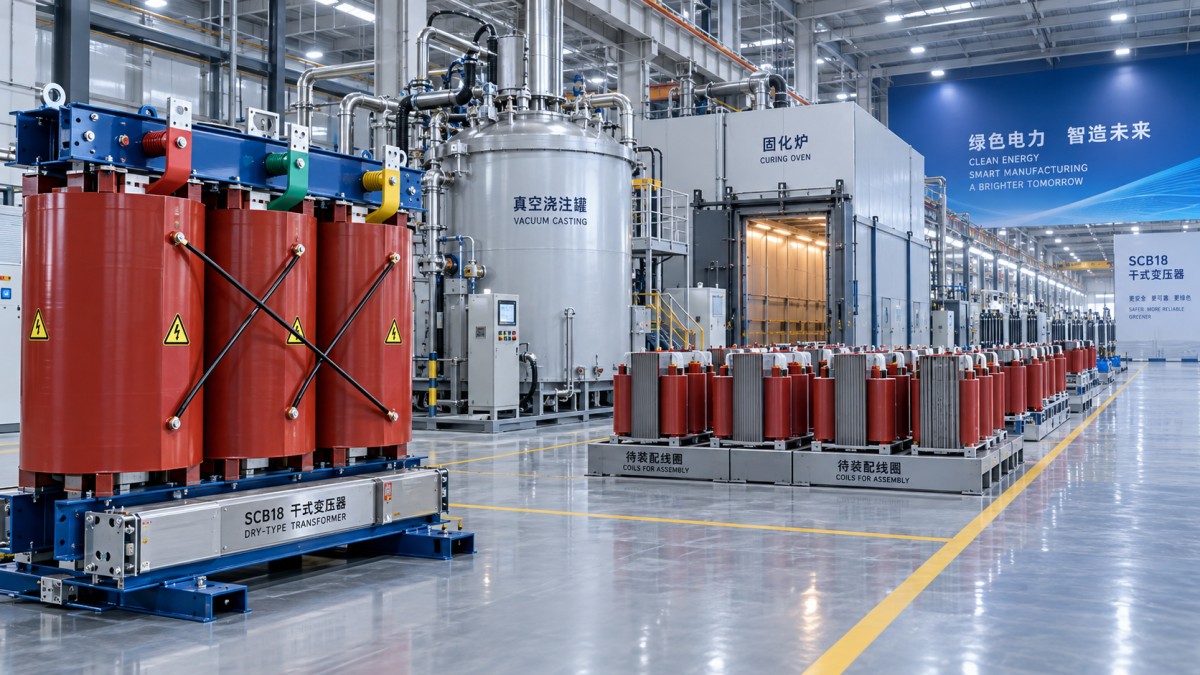
During a factory visit, follow a released order through the production areas. Compare the identification on coils and assemblies with the associated records. Equipment seen operating on the day of an audit demonstrates activity; records covering several completed production cycles provide stronger evidence of sustained output.
Reconcile available capacity with committed orders
Installed capacity and available capacity are different figures. Request a dated loading plan showing existing work, its production stage, and the proposed allocation for the new order. Customer identities can be removed while retaining quantities, configurations, scheduled hours, and due dates.
Shared production resources deserve explicit treatment. Output records for a SCB10 Type Dry-Type Transformer, including a three-phase, 50 Hz, Class F configuration, can show experience with related dry-type production. They do not establish SCB18 throughput or compliance with the quoted SCB18 performance requirements. Identify which winding machines, casting chambers, and test bays serve both series, and account for their combined workload.
A useful calculation starts with scheduled operating time at the limiting stage, subtracts existing commitments and planned downtime, and converts the remainder into output using demonstrated cycle times for comparable units. Include normal setup work and corrective work supported by factory records. Theoretical machine speed is insufficient when loading, cleaning, mold changes, or inspections occupy the same equipment.
Staffing must match the assumed operating hours. If the quotation relies on additional shifts, establish whether trained casting personnel, test engineers, maintenance coverage, and quality release are available during those shifts. Extra assembly labor cannot remove a constraint in resin casting or high-voltage testing.
Use quality records to test the capacity claim
A factory can report high production while accumulating units that have not passed final inspection. Compare quantities started, assembled, tested, accepted, and dispatched over the same reporting period. A growing gap between assembly and acceptance indicates that reported output overstates deliverable capacity.
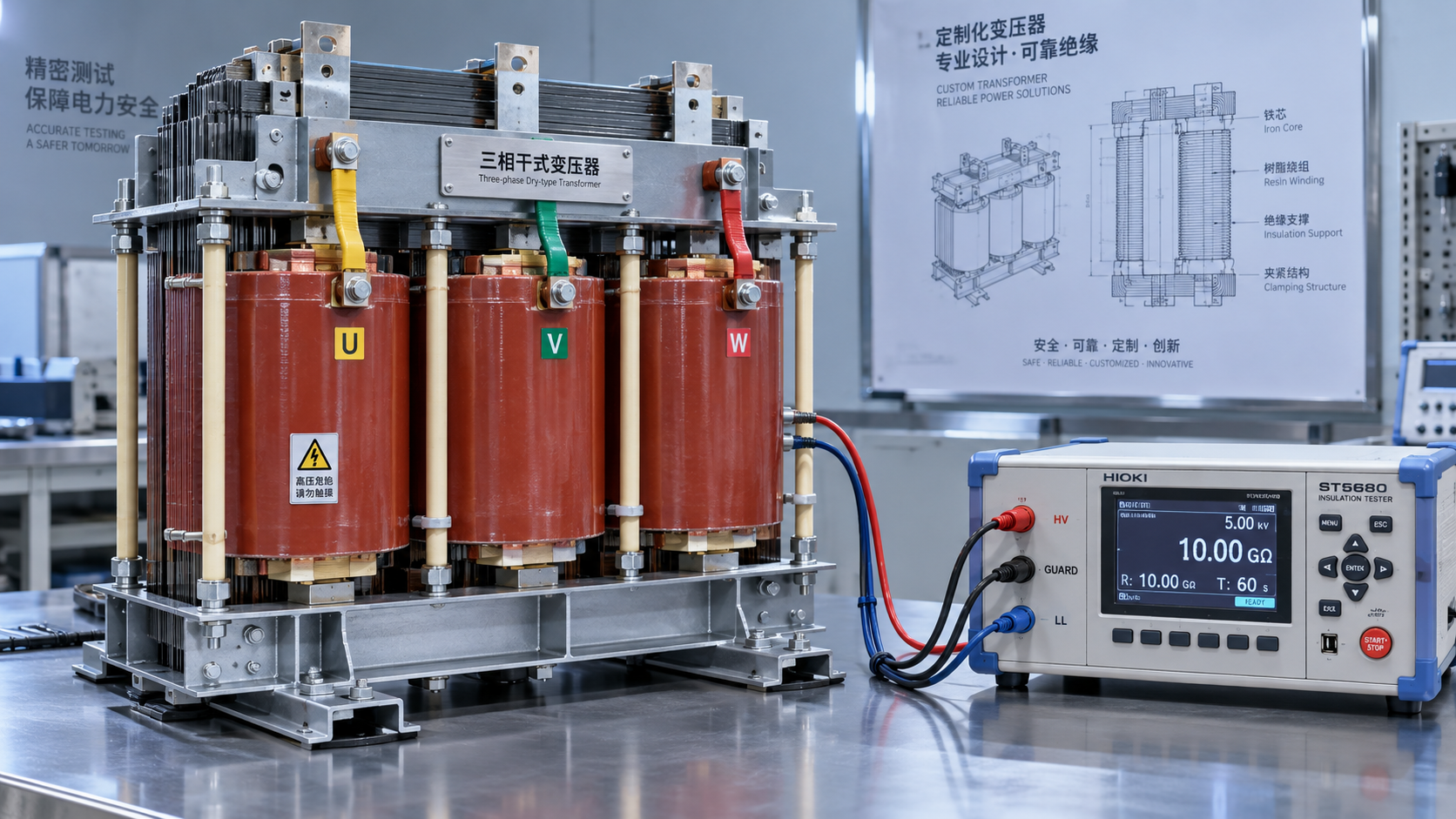
Review recent routine test reports for comparable transformers, linked to serial numbers and production dates. Relevant results include winding resistance, voltage ratio, impedance and load loss, no-load loss and current, dielectric tests, and partial discharge where specified by the applicable test requirements. The agreed specification determines acceptance limits and the required test program.
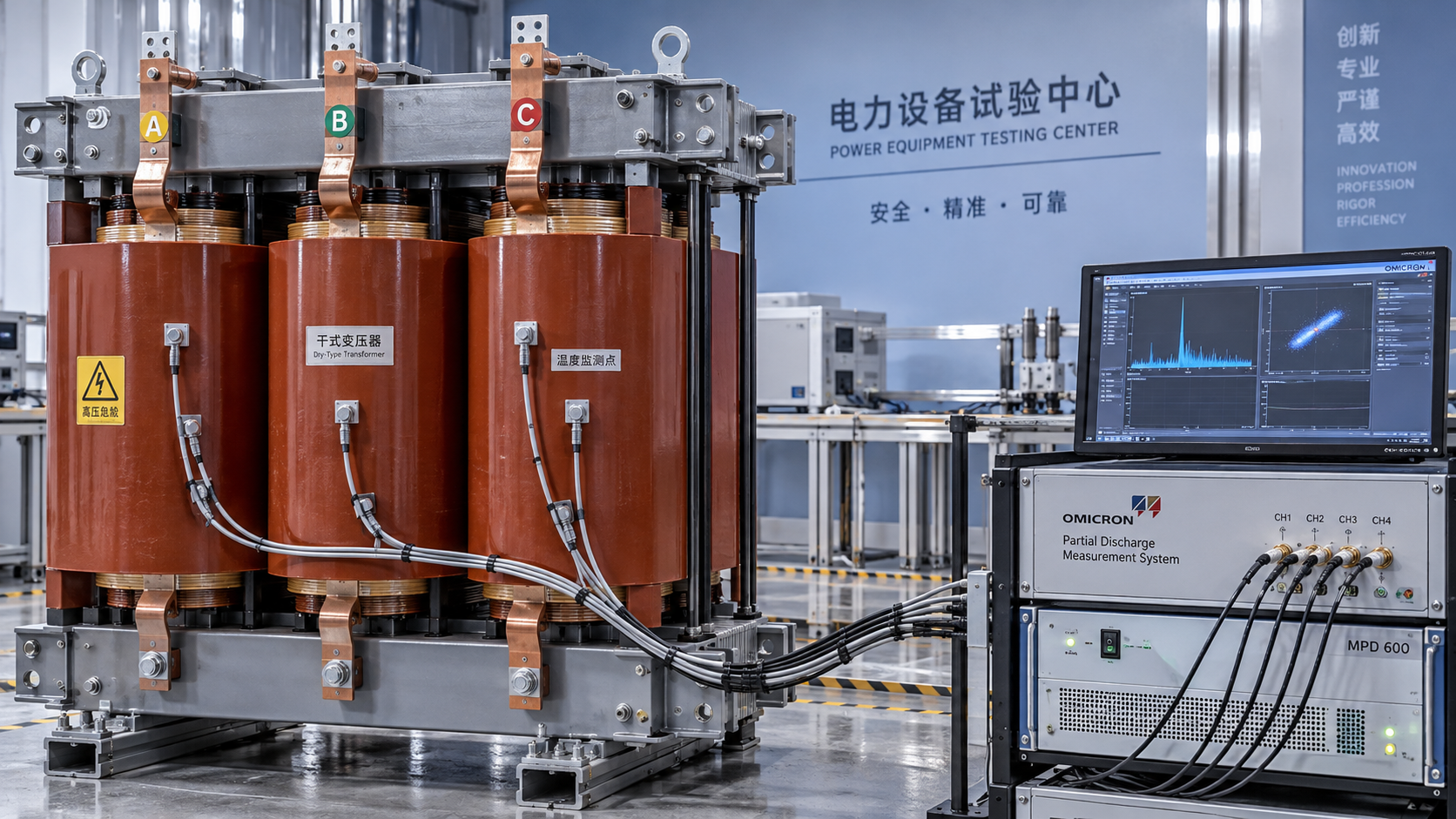
Partial discharge deserves scrutiny because insulation defects can remain hidden after apparently successful casting. Examine the specified test voltage and method alongside the measured result. A low value shown without test conditions cannot support a meaningful comparison. Repeated retesting also needs an explanation: distinguish documented measurement interference from repairs or process defects.
Routine electrical tests do not establish every performance characteristic. Where temperature-rise or other design-validation evidence is required, confirm that the report applies to the offered design or has an accepted technical basis for applicability. If new testing is necessary, its facilities, duration, and booking must appear in the delivery schedule.
Request records of rejected coils, repairs, and repeat tests, together with their effect on release dates. The purpose is to establish how much corrective work consumes capacity and whether the schedule allows for it. A schedule built on uninterrupted first-pass acceptance leaves little room for the variation shown in actual production.
Turn the audit evidence into a delivery commitment
The quoted dispatch date should be supported by dated milestones for drawing approval, critical material availability, winding completion, casting, assembly, testing, and release. Confirm whether conductor, core material, resin components, and specified accessories are physically available or covered by credible incoming deliveries. Purchased material is not production-ready until required incoming inspections are complete.
Factory acceptance testing can become a scheduling constraint when witnessing is required. Agree on notice periods, test-document preparation, and the procedure for resolving failed results before allocating a dispatch slot. Packing and enclosure completion also require time after electrical acceptance.
Compare quotations on the cost of meeting the same delivery conditions. Identify charges for witnessed testing, additional reports, split shipments, storage, and expedited transport. A cheaper offer with an unallocated production slot carries a different schedule exposure from an offer supported by reserved equipment time and verified material availability.
Capacity evidence supports acceptance when comparable units have reached documented release, shared-resource commitments are visible, and the new order has a feasible allocation through its limiting process. If any of those points remains unresolved, tie the commitment to the missing evidence or revise the delivery date before the order becomes dependent on an unsupported production promise.



 Verifying an SCB18 dry-type transformer manufacturer's production capacity
 How much ventilation does an SCB11 dry-type transformer room need?
 How winding material affects SCB11 dry-type transformer cost
 What fire safety requirements apply to hospital dry-type transformers?
 How to compare dry-type transformer manufacturers by test evidence
 How to assess a custom transformer manufacturer's design capability
GET A FREE QUOTE
We offer reliable products, competitive prices, and nationwide professional support, committed to providing customers with efficient and energy-saving power equipment solutions.