


In transformer design for industrial use, reliability, energy efficiency, safety, and standards compliance are the factors that matter most to technical evaluators. From insulation systems and load performance to low-loss operation and voltage stability, every detail affects long-term operating value. This article explores the key design considerations that help industrial transformers deliver dependable performance in demanding applications.
Why a Checklist-Based Review Works Better
For technical evaluators, transformer design for industrial use should not be judged by nameplate ratings alone. A structured checklist helps compare designs objectively, identify hidden lifecycle costs, and reduce the risk of selecting equipment that performs well in theory but poorly in service.
Industrial applications often involve fluctuating loads, harsh environments, continuous duty cycles, and strict downtime targets. In such conditions, design details such as insulation class, temperature rise, cooling method, impedance, and tap range directly affect reliability and operating stability.
A practical evaluation framework is also useful when comparing suppliers. Jiangsu Shengda Power Equipment Co., Ltd. supports this approach through strong R&D capability, advanced manufacturing, complete quality inspection, and products manufactured to standards such as GB1094.1-2-1996, GB/T6451-2008, and ISO9001 quality management requirements.
First items to confirm before detailed comparison
- Voltage level, capacity range, and expected load profile
- Installation environment, including temperature, dust, humidity, and fire requirements
- Efficiency targets, noise limits, and maintenance expectations
- Applicable standards, certification needs, and grid compatibility
Core Checklist for Transformer Design for Industrial Use
When reviewing transformer design for industrial use, evaluators should prioritize performance characteristics that influence service life and cost of ownership. These are not isolated data points; they interact under actual operating stress.
The most important check is whether the design remains stable under realistic loading rather than only under ideal test conditions. Low no-load loss, controlled load loss, and acceptable no-load current are all meaningful indicators.
Another key factor is consistency. A well-designed industrial transformer should deliver repeatable quality through process control, material selection, and final inspection, not just a good prototype result.
Primary technical checks
- Insulation system design and thermal endurance margin
- Core and winding loss performance across the duty cycle
- Short-circuit strength and mechanical stability
- Voltage regulation, tap-changing suitability, and impedance matching
- Cooling design, noise control, and maintenance accessibility
Quick judgment table for evaluators
How to Match Design Priorities to Industrial Scenarios
Not every project weights the same criteria equally. Heavy manufacturing may prioritize short-circuit resistance and overload behavior, while commercial-industrial campuses may focus more on efficiency, compact layout, and lower noise.
For distribution applications requiring low losses and stable operation, oil-immersed designs remain a strong option. A useful reference is S20 Series Oil-Immersed Power Transformers, which are designed for energy saving, reduced no-load loss, and lower noise, with capacities from 30 KVA to 2500 KVA.
Technical evaluators should also review whether the offered design aligns with recognized standards. For example, products built to GB20052-2020 and JB/T10088-2016 provide a clearer baseline for judging efficiency and acoustic performance.
Scenario-based priorities
- Continuous-process plants: prioritize thermal margin, stable voltage, and fault tolerance
- Urban or indoor sites: prioritize low noise, compact footprint, and fire safety planning
- Energy-sensitive facilities: prioritize low no-load loss and whole-life efficiency
- Variable-load systems: prioritize tap flexibility and regulation performance
Commonly Overlooked Risks in Transformer Design for Industrial Use
A frequent mistake is focusing only on initial price. In transformer design for industrial use, a lower purchase cost can be offset quickly by higher loss values, more noise, weaker overload performance, or shorter maintenance intervals.
Another overlooked issue is incomplete operating data. If harmonic content, ambient conditions, future expansion, or duty variation are not defined early, even a well-manufactured transformer may be under-specified for the application.
Evaluators should also verify connection group, impedance, and voltage combination details. In some efficient oil-immersed designs, options such as Yyn0 or Dyn11, multiple voltage combinations, and short-circuit impedance values of 4.0%, 4.5%, or 5.0% can significantly affect system compatibility.
Risk reminder checklist
- Do not assess efficiency without considering the actual load profile
- Do not ignore noise limits for populated or enclosed installations
- Do not assume standard tap settings fit unstable grid conditions
- Do not skip verification of standards, testing, and inspection records
Practical Next Steps for Technical Evaluators
If you are reviewing transformer design for industrial use, start by preparing a short technical brief: voltage level, required capacity, load curve, environmental conditions, installation constraints, and efficiency targets. This makes supplier comparison faster and more accurate.
Then request documented proof of standards compliance, routine test procedures, material control, and typical loss and noise data. Where relevant, ask for references to low-loss models such as the S20 series and clarification on whether the proposed solution is optimized for your operating pattern rather than just general use.
For projects moving toward procurement, it is wise to confirm parameter suitability, customization options, delivery schedule, maintenance expectations, and total lifecycle cost before final approval. That is usually where the most important design differences become visible.



 How to verify the temperature-rise test of an SCB12 dry-type transformer
 Distribution transformer maintenance tips for spotting oil leaks
 What dissolved gas analysis reveals about an oil-immersed transformer
 Why an oil-cooled transformer overheats despite a normal oil level
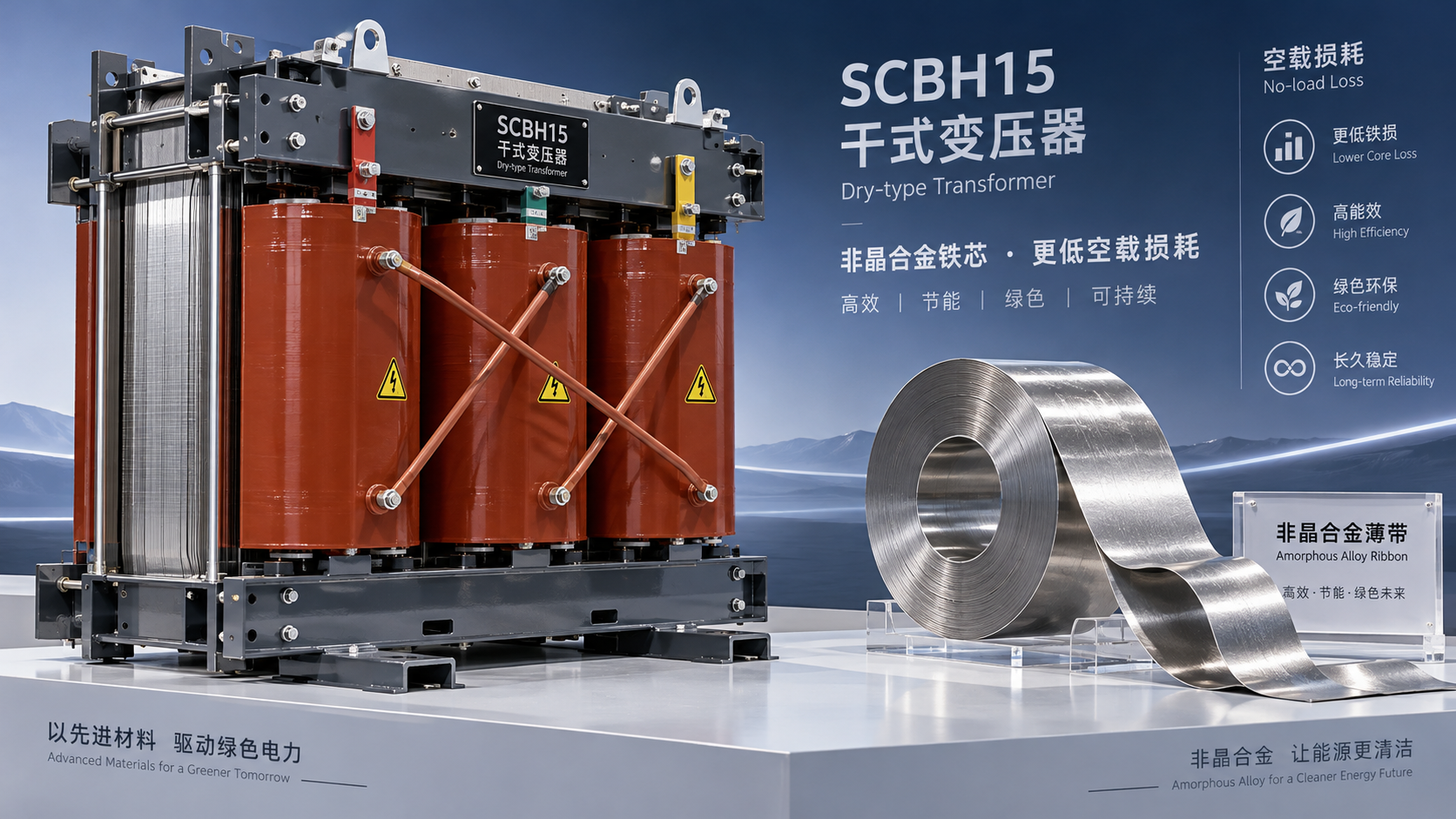
 How the amorphous core affects SCBH15 dry-type transformer losses
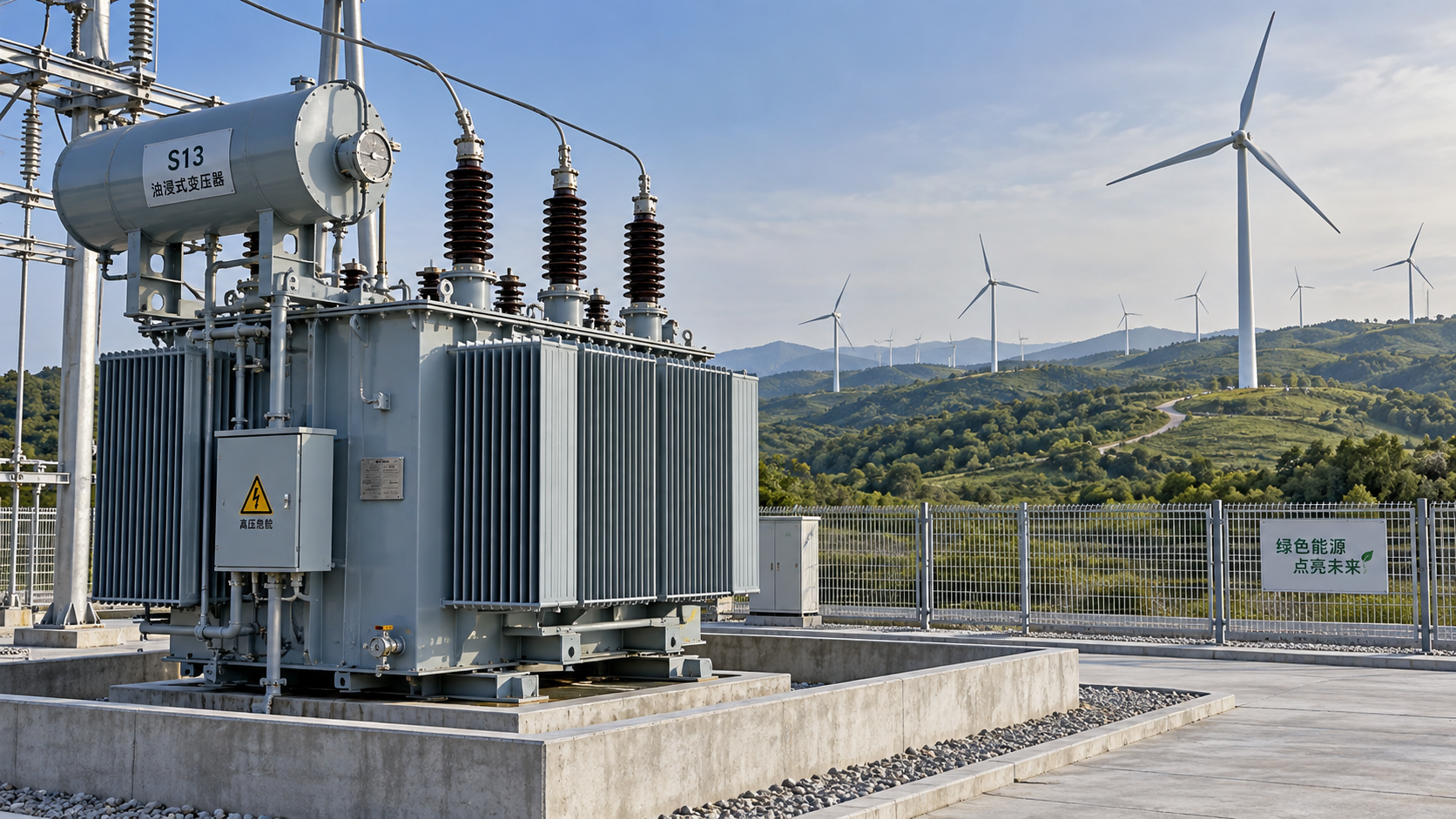
 Sizing S13 oil-immersed transformers for variable wind farm output
GET A FREE QUOTE
We offer reliable products, competitive prices, and nationwide professional support, committed to providing customers with efficient and energy-saving power equipment solutions.