


Start with the distributor’s supply position, not the quote
When people look for an SCB13 Type Dry-Type Transformer distributor, the first trap is treating every offer as if it came from the same supply chain. It does not. Before you compare prices, find out whether the distributor is working as a direct factory channel, a stocked regional distributor, a trading intermediary, or a project-based broker. That one point changes lead time, warranty handling, technical response speed, and how much room there is in the final cost.
For dealers, distributors, and agents, this matters more than the headline unit price. A supplier that looks cheap on paper can become expensive once you add delayed delivery, incomplete documents, weak after-sales support, or inconsistent model availability. In this segment, the better choice is usually the partner that can keep product quality stable, provide clear technical files, and supply the same specification again without forcing you to re-negotiate every order.
Check whether they can actually support SCB13 procurement work
A lot of sellers can say they offer dry-type transformers. That is not enough. What you need to verify is whether they can support the actual buying process around SCB13 models.
- Can they provide a clear model list covering the voltage classes and capacity range you need?
- Can they issue formal technical documentation rather than only a sales sheet?
- Can they explain the difference between SCB10, SCB11, SCB13, and other related dry-type options in practical operating terms?
- Can they support repeat orders with matching specifications, not just one-off supply?
If the distributor cannot answer those points cleanly, they are probably selling around the product, not managing it. That creates risk for anyone reselling into industrial, utility, or commercial projects.
Look at standards and certifications in the document set, not in the sales pitch
This is where many buyers lose time. A distributor may mention compliance, but your decision should be based on documents tied to the offered product and the manufacturer behind it. For transformer procurement, the practical check is simple: ask for the specification sheet, factory quality documents, and the manufacturer’s certification information in the quotation stage, not after deposit.
If the manufacturer states that production follows standards such as GB1094.1-2-1996 and GB/T6451-2008, and the company holds ISO9001 certification, that gives you a baseline for process discipline and product control. It does not replace your technical review, but it tells you the factory is not operating without a system. Serious distributors should be able to pass these documents along quickly and consistently.
What you are checking here is not just legitimacy. You are checking whether the distributor is organized enough to support tenders, submittals, and customer audits without slowing down your deal.
Confirm who owns technical responsibility when something does not match site conditions
A dry-type transformer can be correctly manufactured and still become the wrong purchase if the application was poorly matched. Before choosing a distributor, ask how they handle these common pre-order checks: installation environment, altitude, ventilation conditions, indoor enclosure arrangement, noise-sensitive locations, and short-term overload expectations.
You do not need a long lecture. You need a clear workflow. The distributor should ask for the project’s rated capacity, voltage level, frequency, cooling conditions, and any special requirements affecting operation. If they never ask, that usually means they expect the buyer to absorb all mismatch risk later.
That is especially costly for agents and resellers, because the end user will not separate your mistake from the distributor’s mistake.
Compare lifecycle cost, not only purchase cost
For procurement-driven searches, this is usually the real decision point. An SCB13 unit with a lower purchase price may still lose against a slightly higher-priced alternative if losses, noise, maintenance expectations, or operating margin affect the customer’s total cost.
When you review offers, separate cost into four buckets:
If your market includes customers who care about energy loss, noise, or low-maintenance operation, ask the distributor to show where the offered model sits relative to nearby options. In some cases, a buyer comparing SCB13 with higher-efficiency dry-type designs may also look at products such as SCBH15 Type Dry-Type Transformer, especially when lower no-load loss, lower noise, and stronger heat dissipation have a direct commercial value in the end application.
Ask what the factory can manufacture repeatedly, not what the catalog happens to show
Catalog breadth can be misleading. A manufacturer may cover low-loss power transformers, 10KV and 35KV models, SCB10, SCB11, SCB13, SCB14, SCB18, SGB series, compact substations, amorphous alloy transformers, and on-load tap-changing power transformers. That range is useful, but for a distributor relationship, the real issue is production consistency inside the exact models you plan to sell.
Ask the distributor which SCB13 configurations are routine production and which are special-order builds. Routine production generally gives you better lead times, more stable pricing, and fewer surprises in delivery scheduling. Special-order supply is not a problem by itself, but it should be priced and planned differently.
Review the inspection path before shipment
This point is easy to skip when the project is moving fast. Do not skip it. You want to know what quality inspection system supports the order before the unit leaves the factory. A capable distributor should be able to tell you what routine inspection records are available, how product identity is tied to the order, and what documents accompany shipment.
The useful question is not “Do you inspect the product?” Every seller will say yes. Ask instead:
- What factory test or inspection documents are delivered with the order?
- How is the final nameplate information checked against the PO and technical agreement?
- Can the distributor coordinate document review before dispatch if the end customer requires it?
These are practical controls. They reduce the chance of receiving a correct product with incorrect paperwork, which is a common source of payment delays and project friction.
Do not ignore noise, heat, and overload margin
Many resellers focus only on nameplate capacity because that is what the end buyer asks first. In real use, complaint risk often comes from noise or temperature performance, particularly in commercial buildings, indoor substations, or installations where ventilation is less than ideal.
If the distributor also handles higher-efficiency amorphous alloy dry-type options, that gives you a useful benchmark during comparison. For example, some related models in the same broader product family are positioned around lower no-load loss, lower noise relative to GB/T10088 or JB/T10088-2016 references, strong short-circuit withstand capability, and operation up to 150% rated load under air-cooled conditions. You do not need to switch models automatically, but you should know when the customer’s site conditions make those features worth paying for.
That conversation is where an informed distributor earns their margin.
Check lead time discipline and stock strategy
Lead time is not just a logistics topic. It affects how much inventory you need to hold, how aggressively you can bid, and whether you can support urgent replacement demand. Ask the distributor two separate questions: what is the standard production lead time for routine SCB13 orders, and what can they actually deliver from stock or near-stock conditions.
Some distributors blur those answers together. Do not let them. Stock support helps with speed, but factory-backed routine production matters more for a long-term channel relationship. If your business model depends on repeat turnover, consistency beats occasional fast delivery.
Define warranty handling before the first order
Most warranty disputes are not caused by bad products. They come from vague responsibility. Before appointing or relying on a distributor, clarify who receives the claim, what documents are needed, who makes the technical judgment, and how replacement or repair decisions are processed.
You are looking for a process that can survive pressure. If the distributor can only say “the factory will review it,” that is incomplete. You need response timing, document requirements, and a contact path that works when a site is down and your customer wants answers the same day.
Make the commercial terms match the risk level
A distributor relationship is stronger when the commercial terms reflect the actual transaction pattern. For routine resale, focus on payment terms, price validity, packaging responsibility, document timing, and claim handling. For project business, add technical approval milestones, production release timing, and penalties tied to late changes in specification.
Do not accept a quotation that leaves key commercial fields vague while asking you to move quickly. In transformer supply, “to be discussed later” usually means the risk is being pushed downstream.
A practical order of checks
If you are narrowing down SCB13 Type Dry-Type Transformer distributor options, use this order. It saves time and screens out weak suppliers early.
- Confirm supply role and manufacturer backing.
- Review certification and standards documents tied to the actual product source.
- Check technical matching process for site conditions and required configuration.
- Compare lifecycle cost, not just unit price.
- Verify inspection records, shipping documents, and nameplate control.
- Lock down lead time, warranty workflow, and commercial terms before the first commitment.
That sequence will usually tell you whether you are dealing with a real channel partner or just a trader with a quote sheet. For distributors, agents, and dealers, that distinction is where most avoidable cost lives.


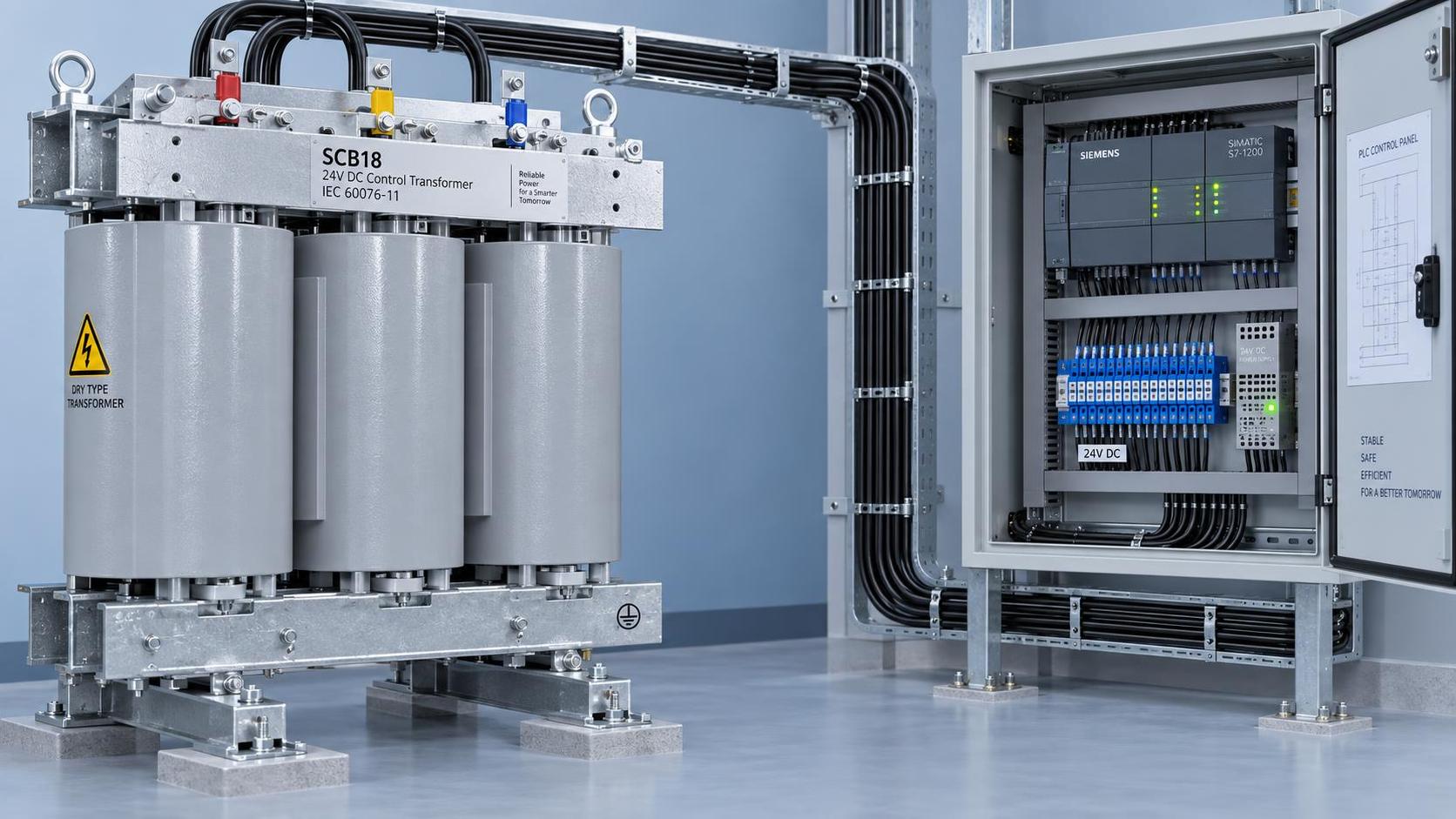
 Industrial Control Transformer Sizing Rules: Preventing Relay Chatter & PLC Input Dropout in 24V DC Systems
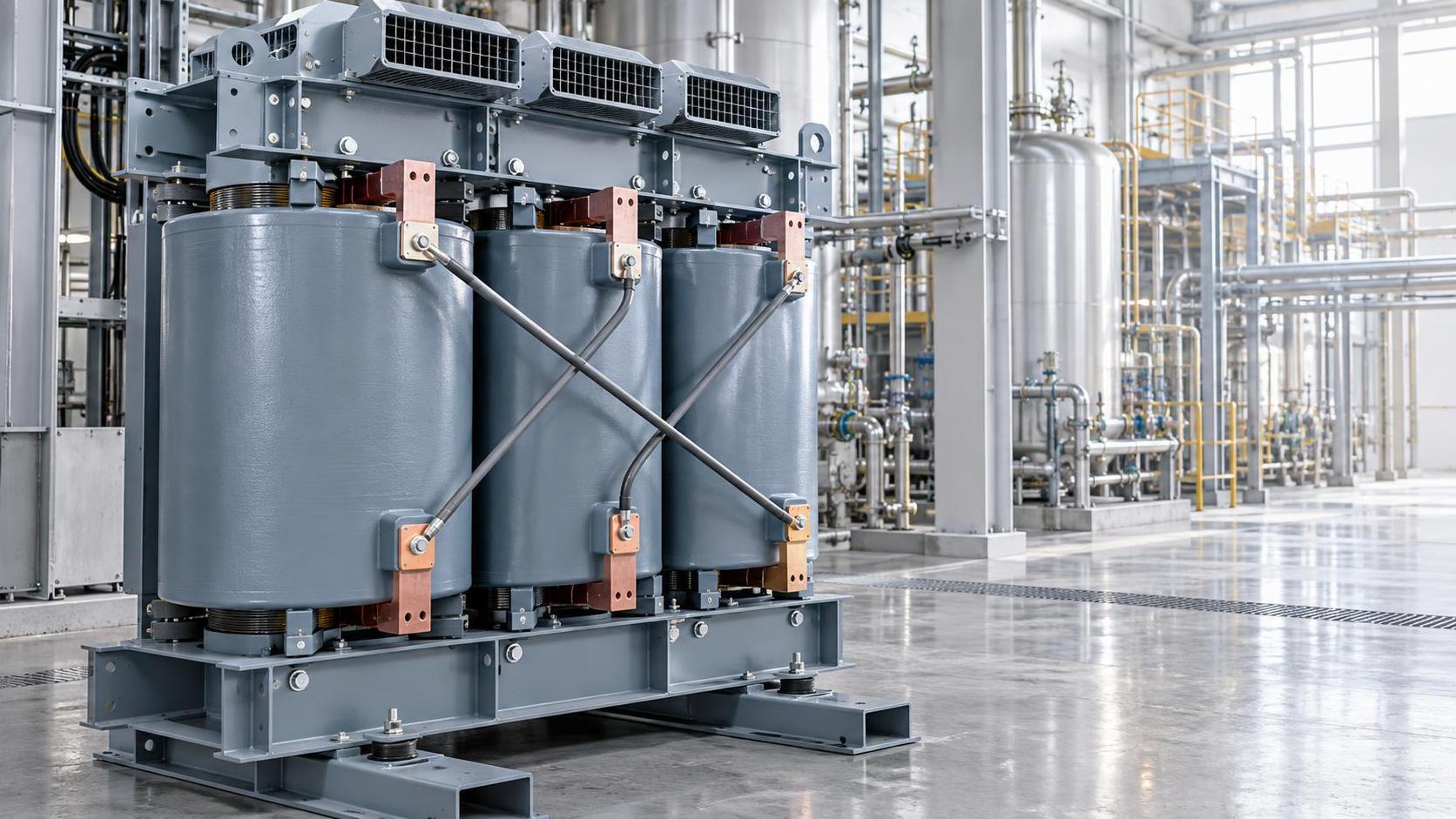
 Dry-Type Transformer Advantages for Hazardous Areas: Why IEEE C57.12.06 Arc Resistance & VPI Process Matter in Chemical Plants
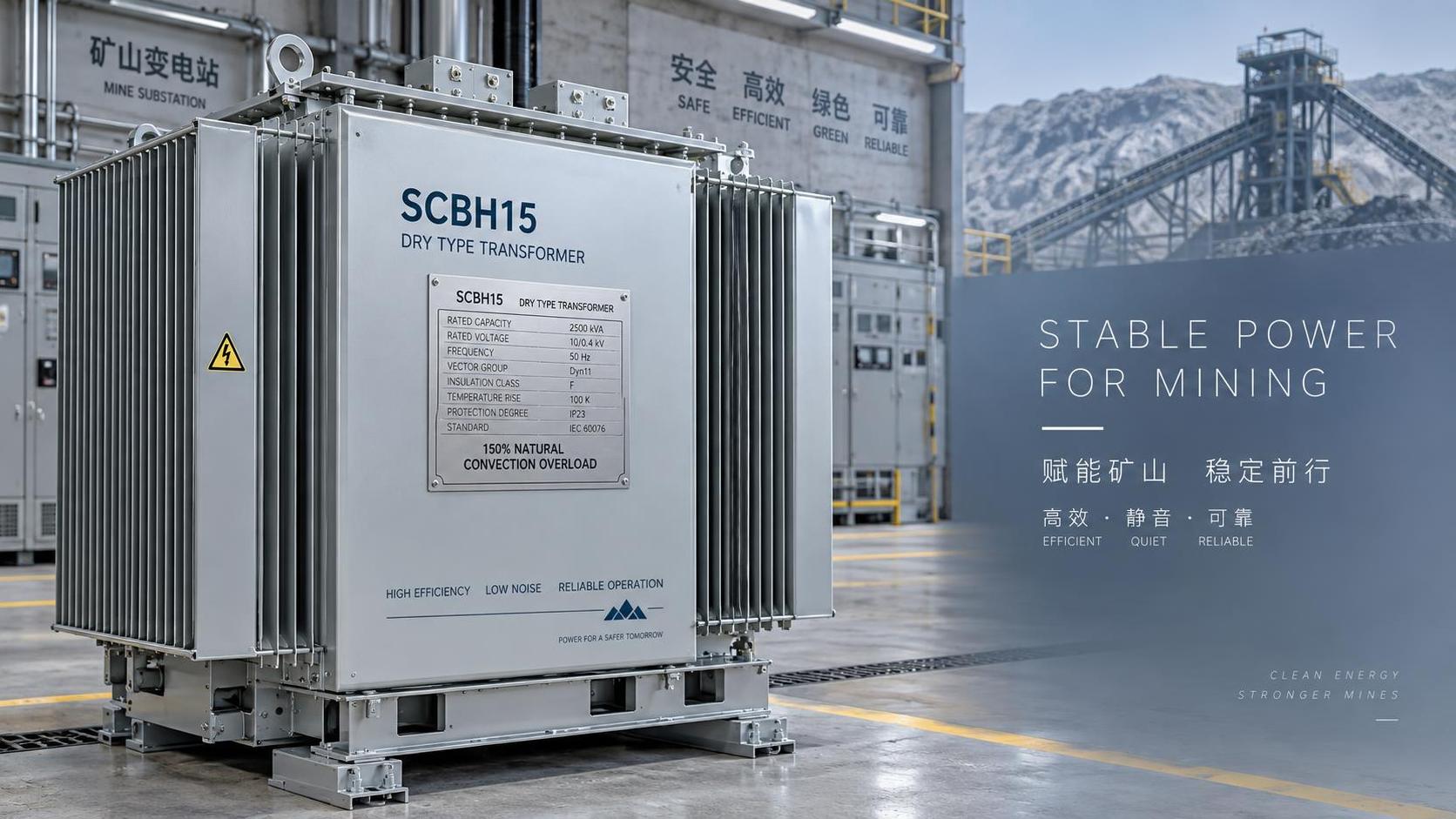
 Air-Cooled Transformer vs Forced-Oil-Cooled: When Natural Convection Meets Thermal Load Peaks in Mining Substations
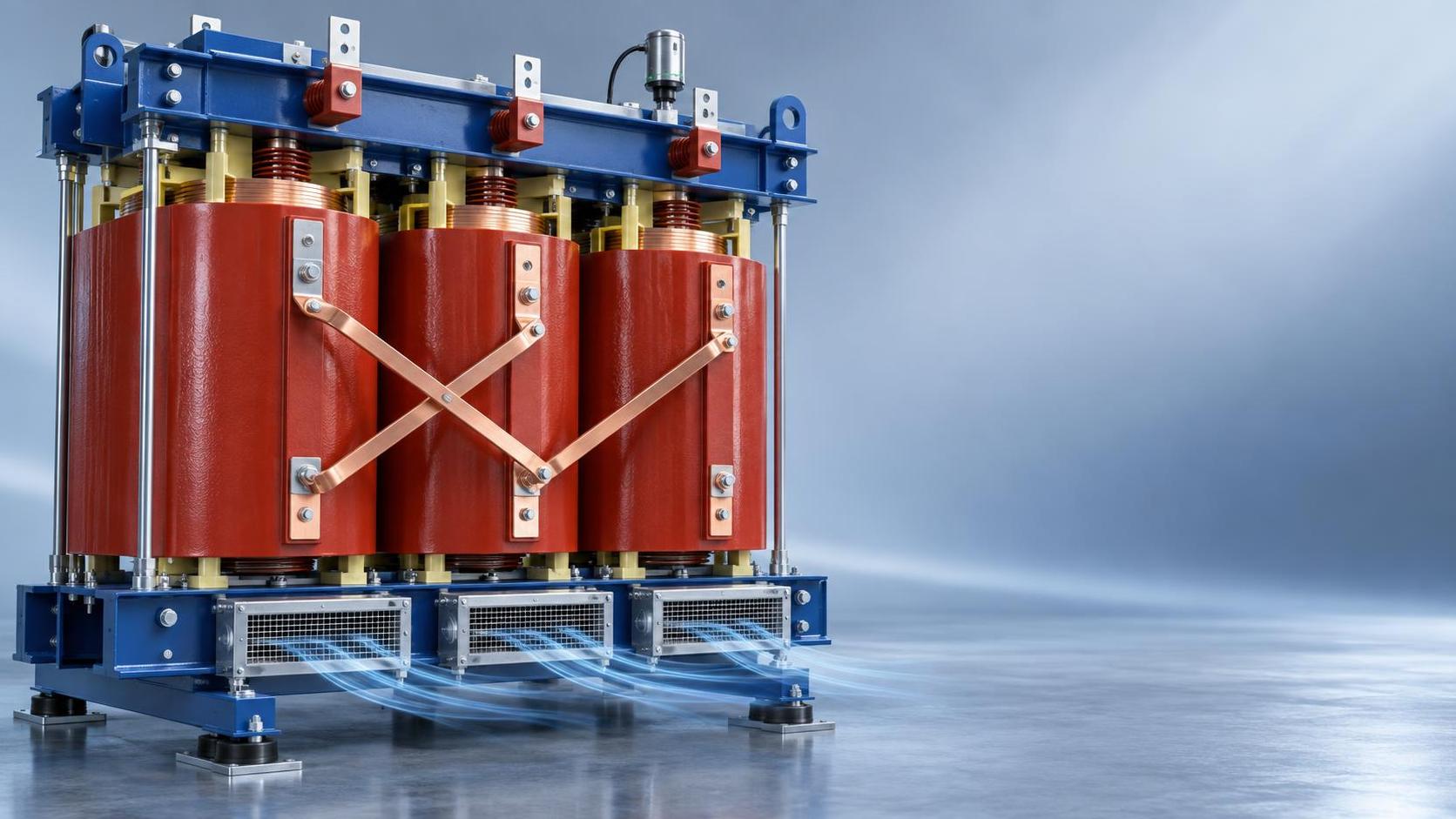
 SCB13 Dry-Type Transformer Long Lifespan: How Epoxy Resin Quality, Winding Stress Analysis & Ambient Humidity Monitoring Extend Service Life Beyond 30 Years
") S20 Oil-Immersed Transformer Quotation Breakdown: What 5 Line Items Actually Drive Total Installed Cost (Not Just kVA Price)
S20 Oil-Immersed Transformer Quotation Breakdown: What 5 Line Items Actually Drive Total Installed Cost (Not Just kVA Price) SCB11 Compact Dry-Type Transformer: Space-Saving Design Trade-Offs in High-Rise Building Electrical Rooms
GET A FREE QUOTE
We offer reliable products, competitive prices, and nationwide professional support, committed to providing customers with efficient and energy-saving power equipment solutions.